
The guides above explain the background. For a place to go, browse the destination finder. For the practical steps, see how it works. When you are ready to plan, send PreeChina a message.
Home › First Time China › Culture
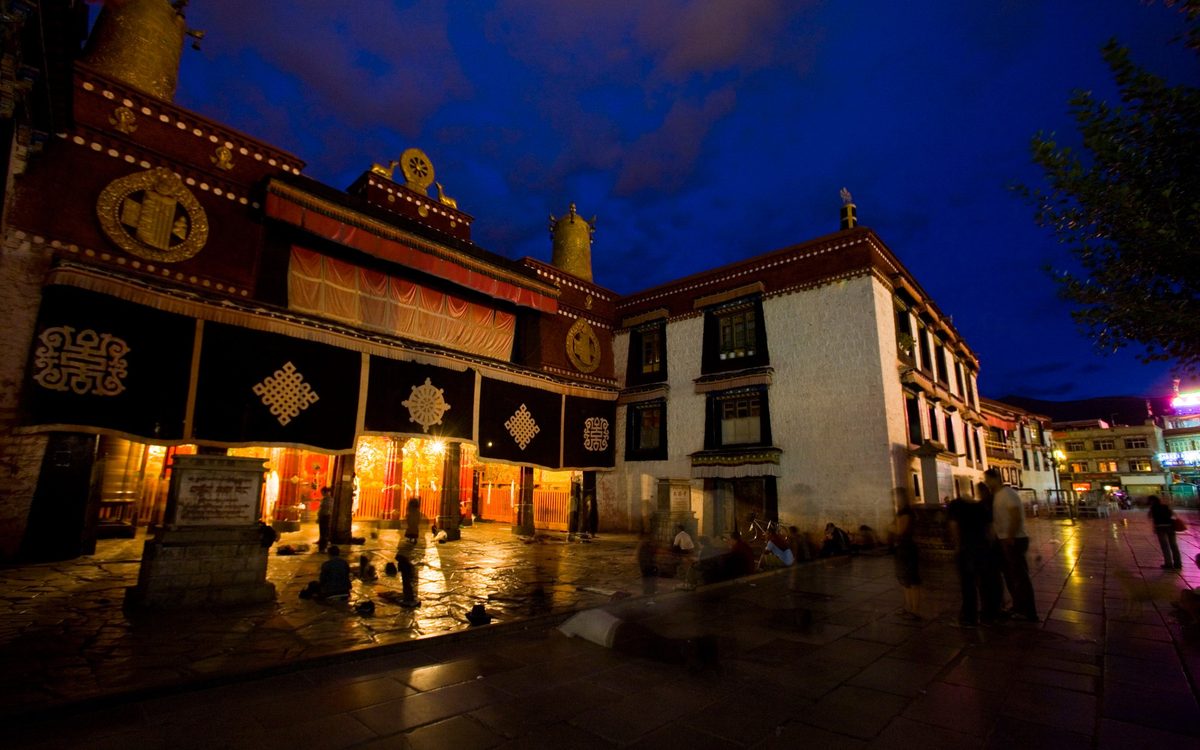
First Time China · Culture
Beliefs, festivals and languages, then the places where they show: temples, grottoes, tombs, museums, performances and the everyday life of markets, bathhouses and old towns.
18 guides
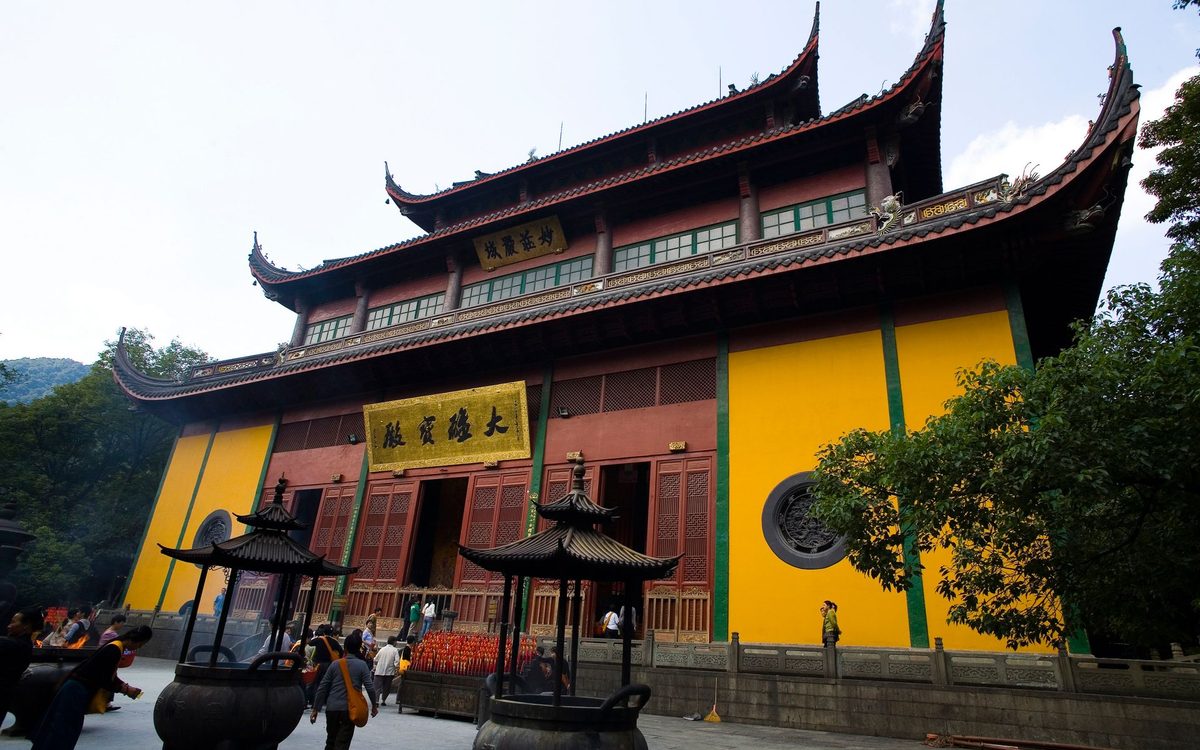
The religious China a visitor sees is a map, not a slogan. Three schools of Buddhism, each with its own region.
Read the guide →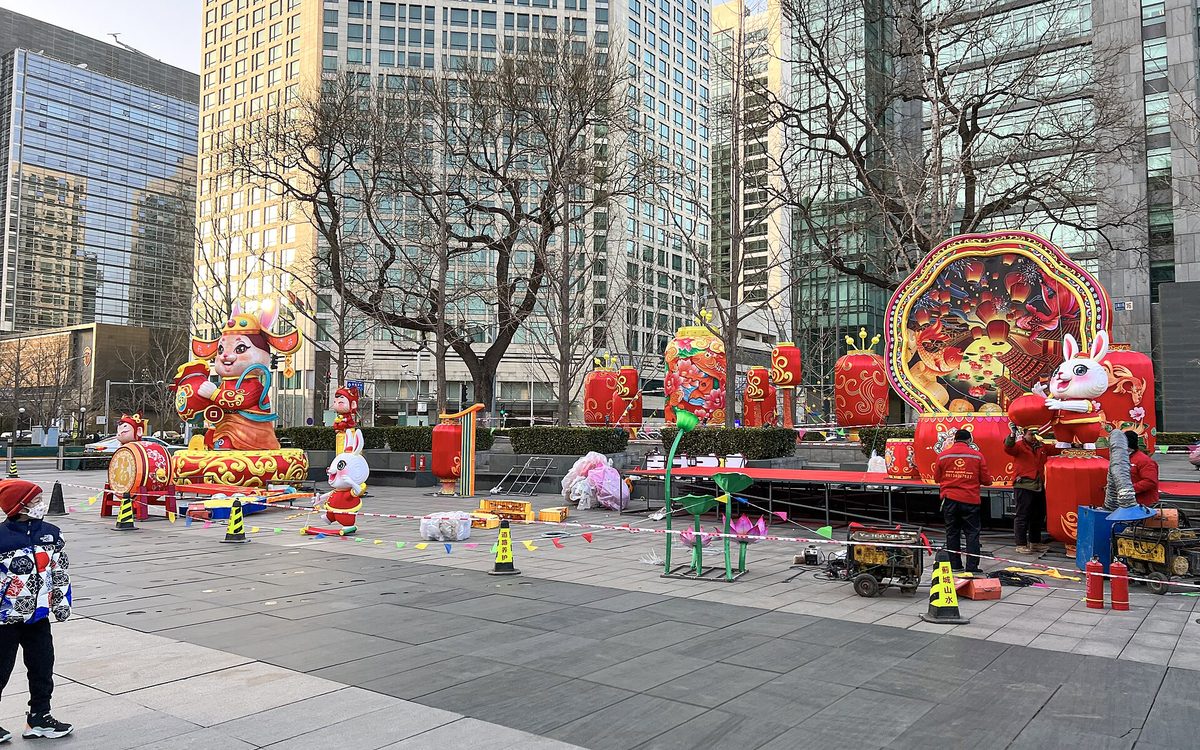
China keeps two calendars at once: the Gregorian one runs the state and the lunisolar one runs the family and the crowd.
Read the guide →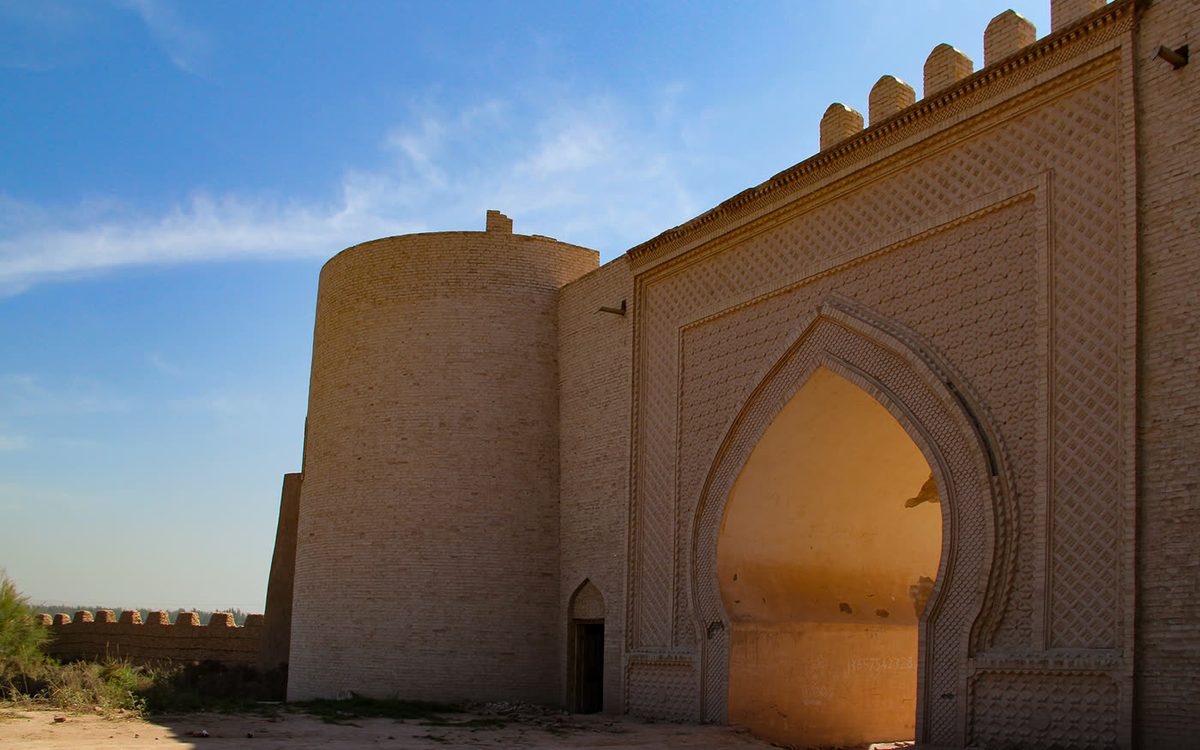
Fifty-six peoples, ninety-one per cent Han, and the other nine per cent living along the edges, where the law puts their script on the road signs.
Read the guide →The well-known temples of China are root houses: a school of thought or practice began in each, and in many it is still taught.
Read the guide →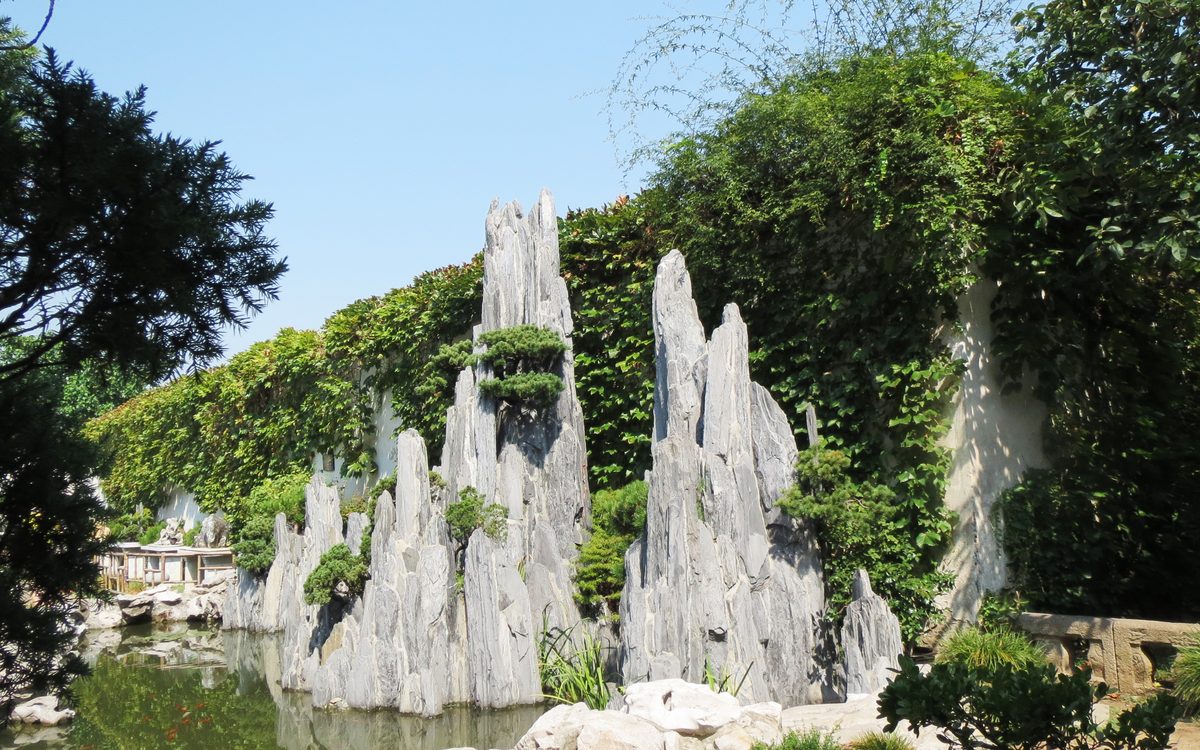
Almost every well-known building in China has been rebuilt; the few that have not are in Shanxi.
Read the guide →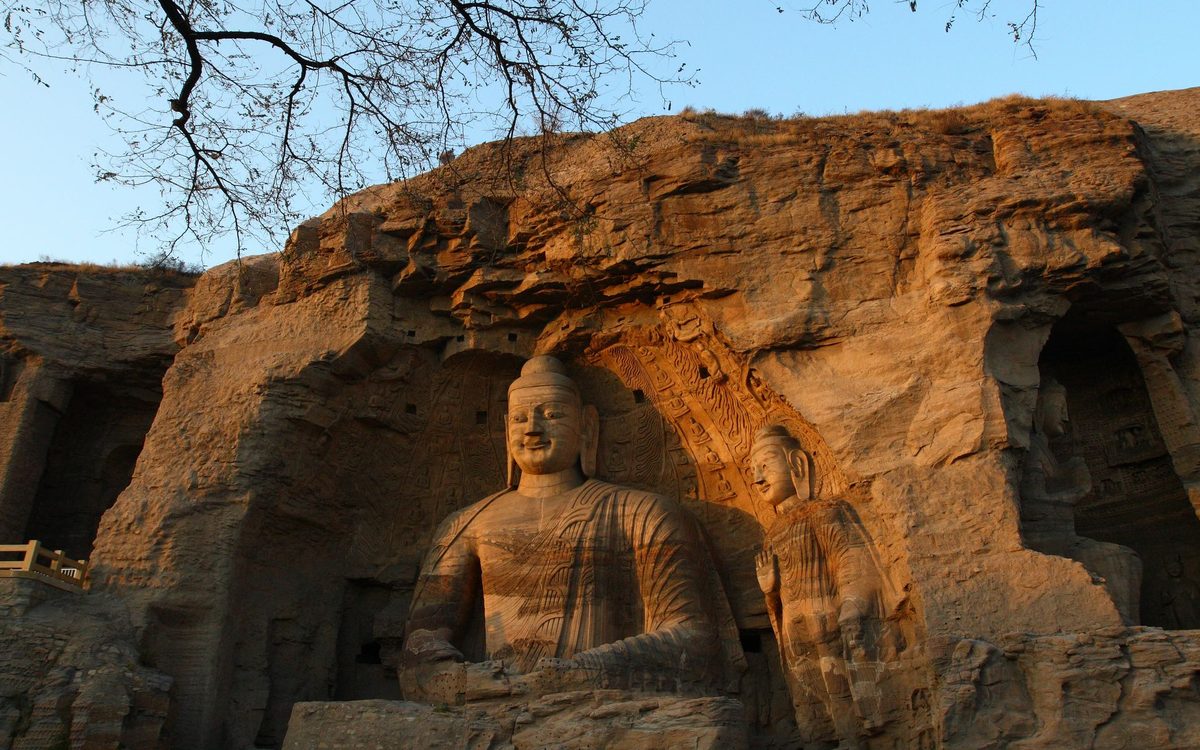
China's cave temples are the footprints Buddhism left on its way in, and they can be read like a book from Kizil to Dazu.
Read the guide →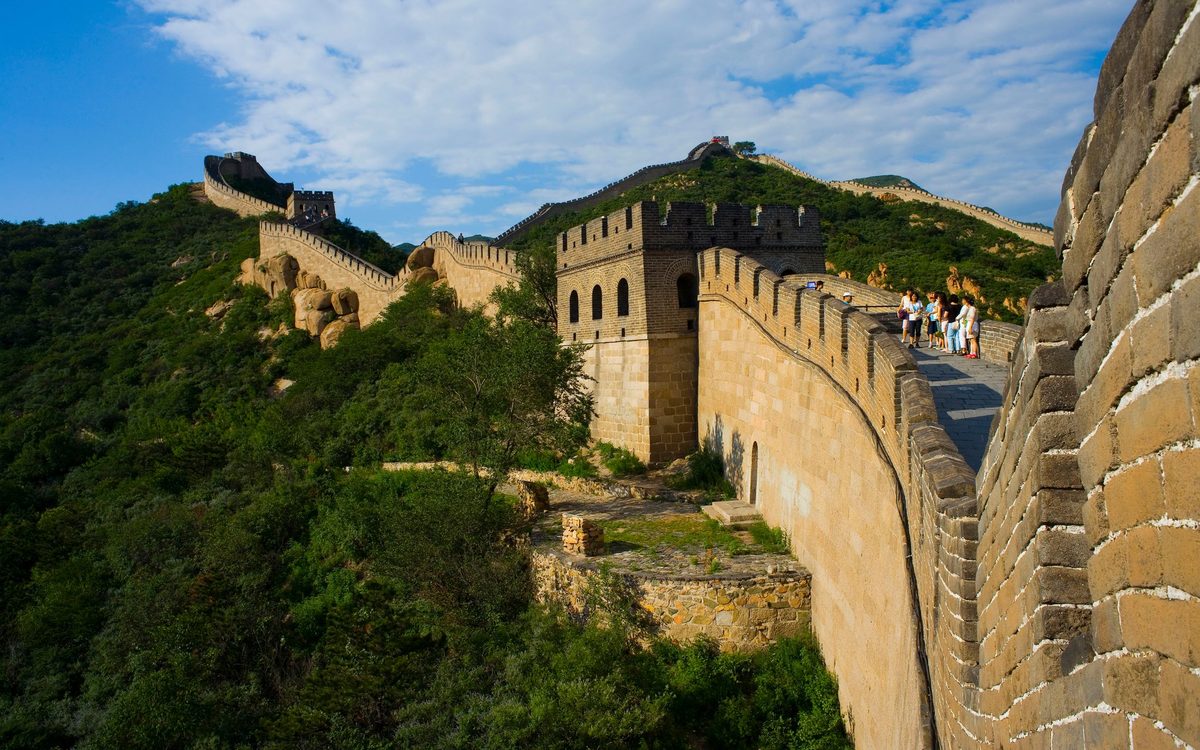
China has walls at four scales: the empire's, the city's, the coast's and the family's, each built against one enemy.
Read the guide →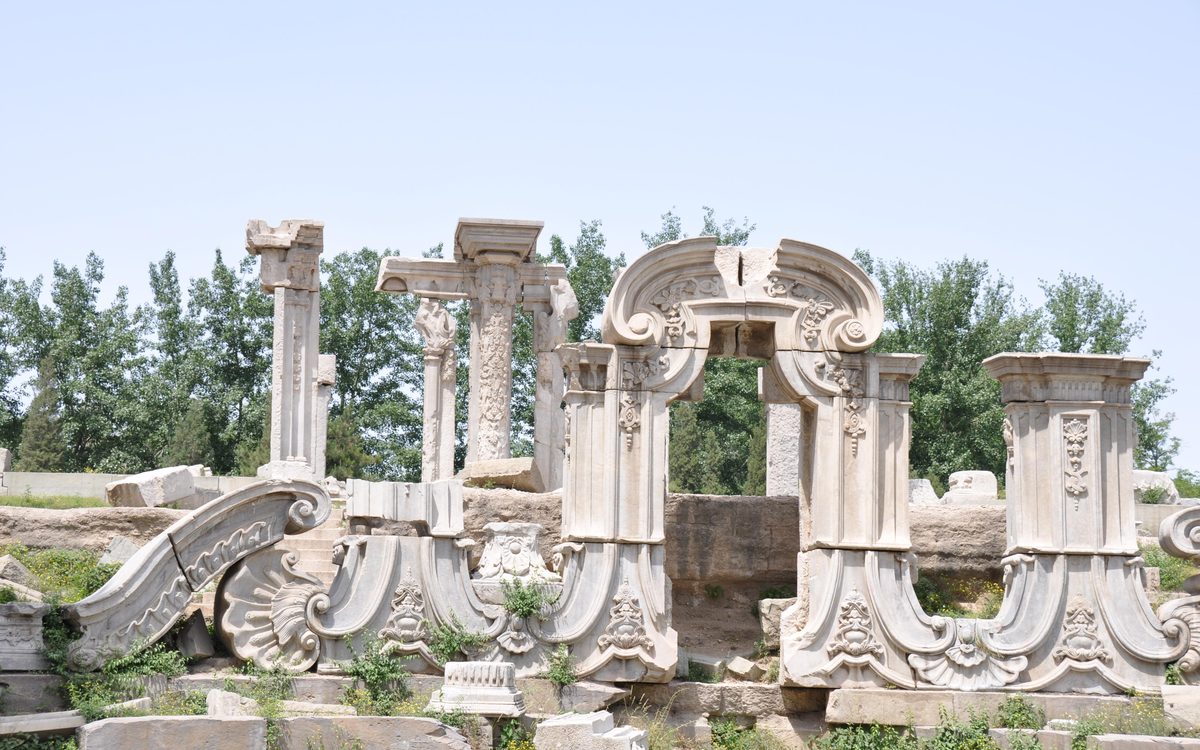
A Chinese ruin is a shape in the ground and a museum next to it. Sixteen sites from Peking Man to Xanadu, which are worth seeing for the shape.
Read the guide →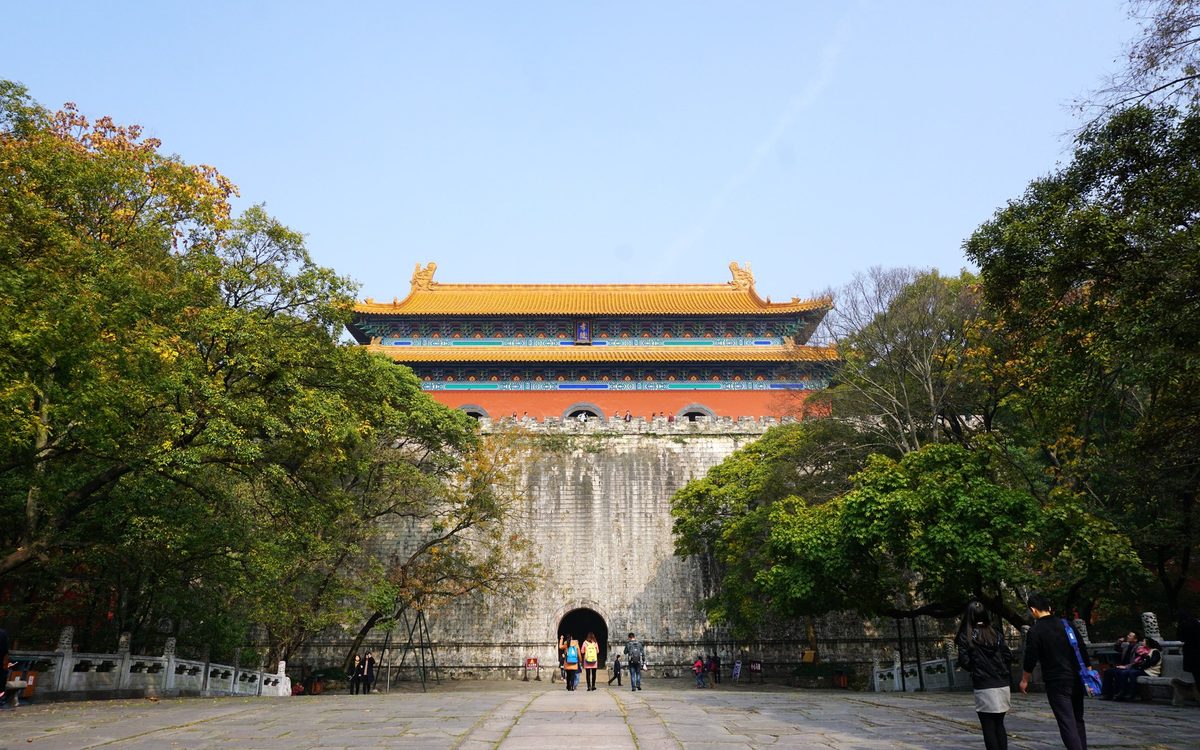
At a Chinese tomb the tomb itself is almost never what is seen. The sight is the road that leads to it, the room they opened, the museum over the pit.
Read the guide →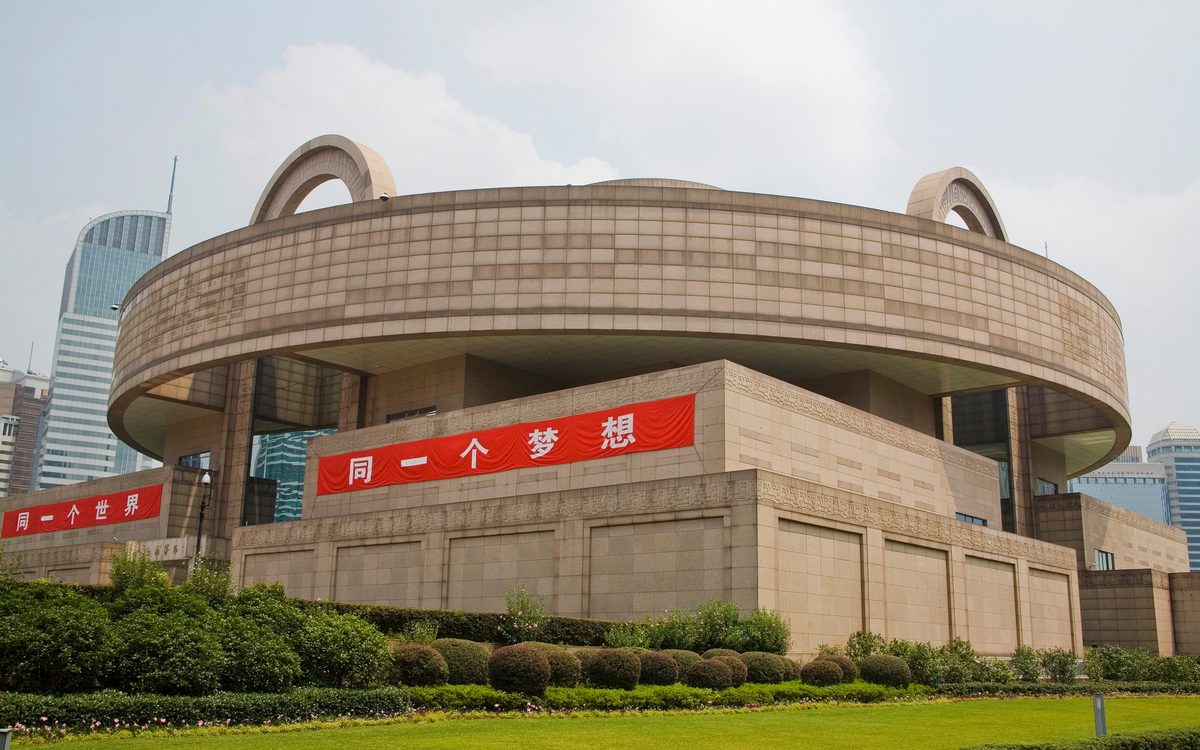
Many Chinese museums are free and the ones that charge are a category defined in 2008.
Read the guide →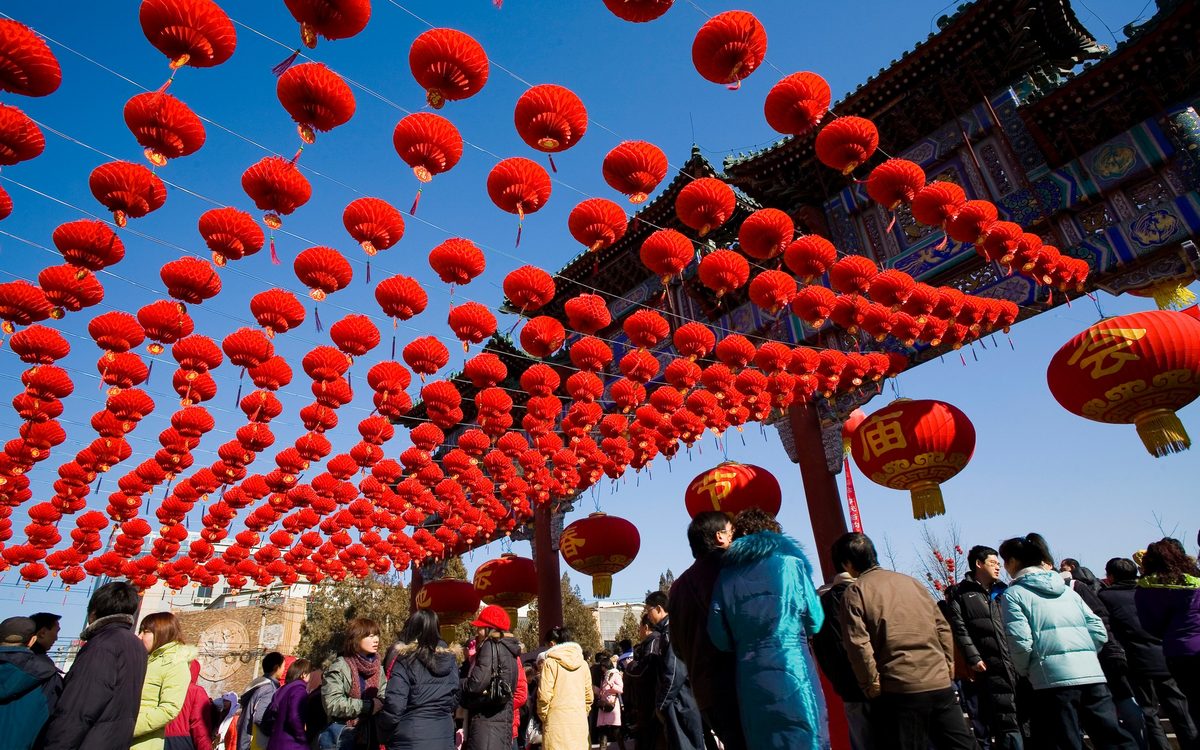
Some Chinese festivals are staged for a public audience; others are run by a village or a temple for itself, with outsiders at the edge.
Read the guide →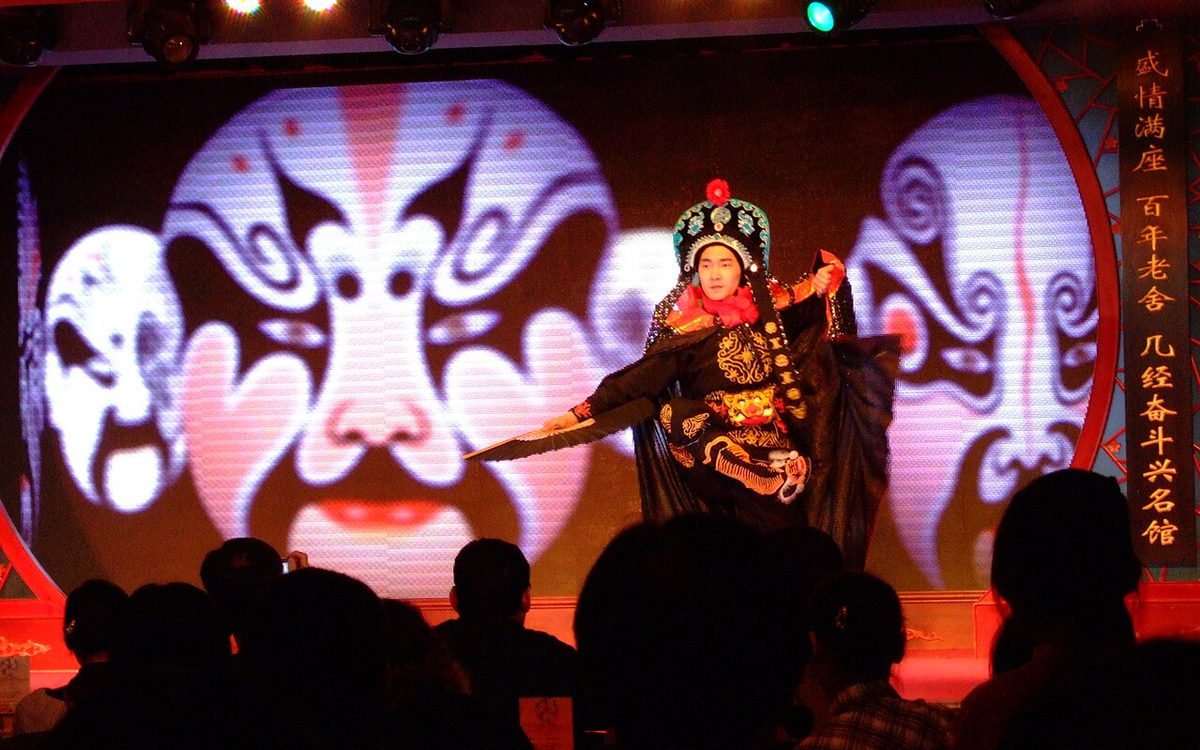
In China a good show belongs to the town and is on tonight: a fixed venue, a fixed hour, many nights of the year.
Read the guide →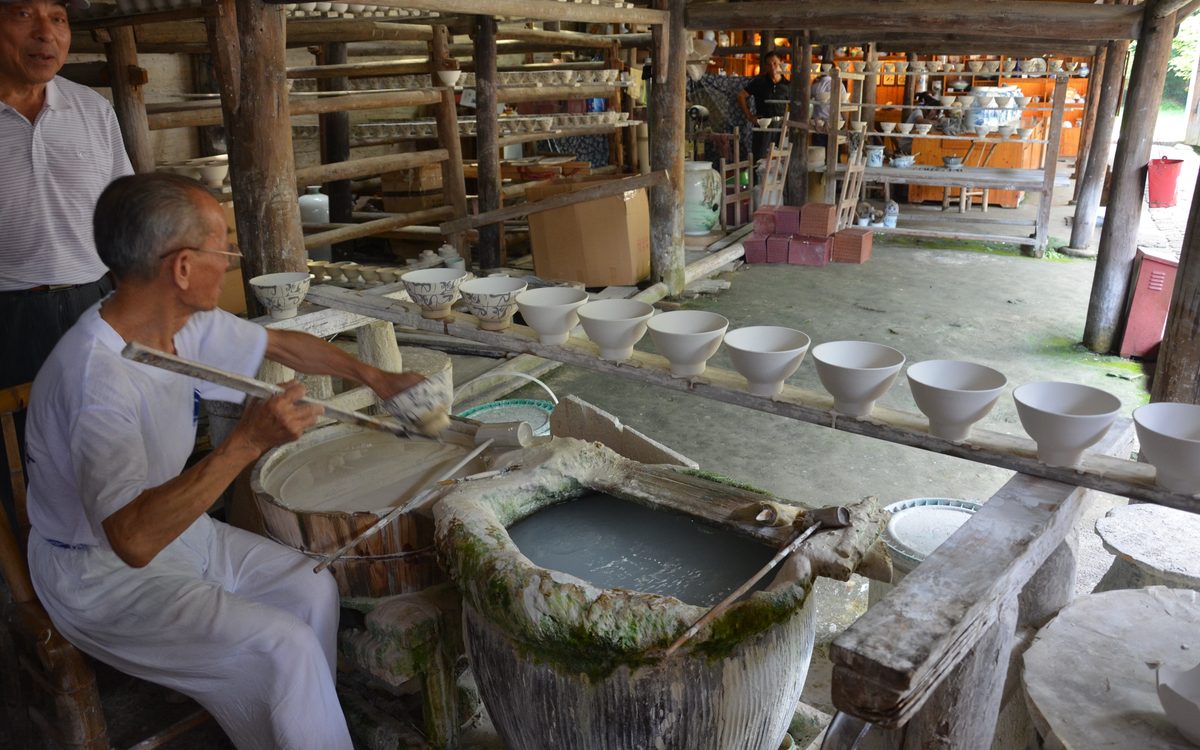
A craft lesson in China is a side door into an industry that is still working.
Read the guide →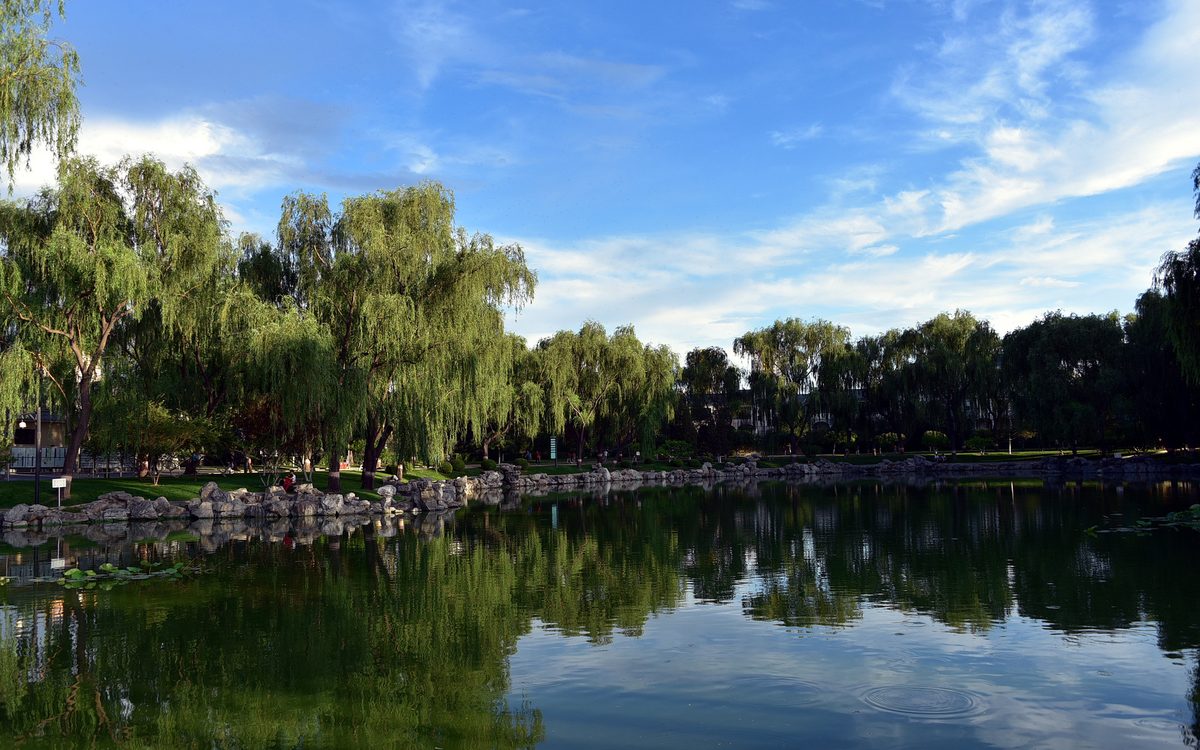
Chinese leisure happens in public and anyone may watch; joining takes a skill or a friend, not a paid place.
Read the guide →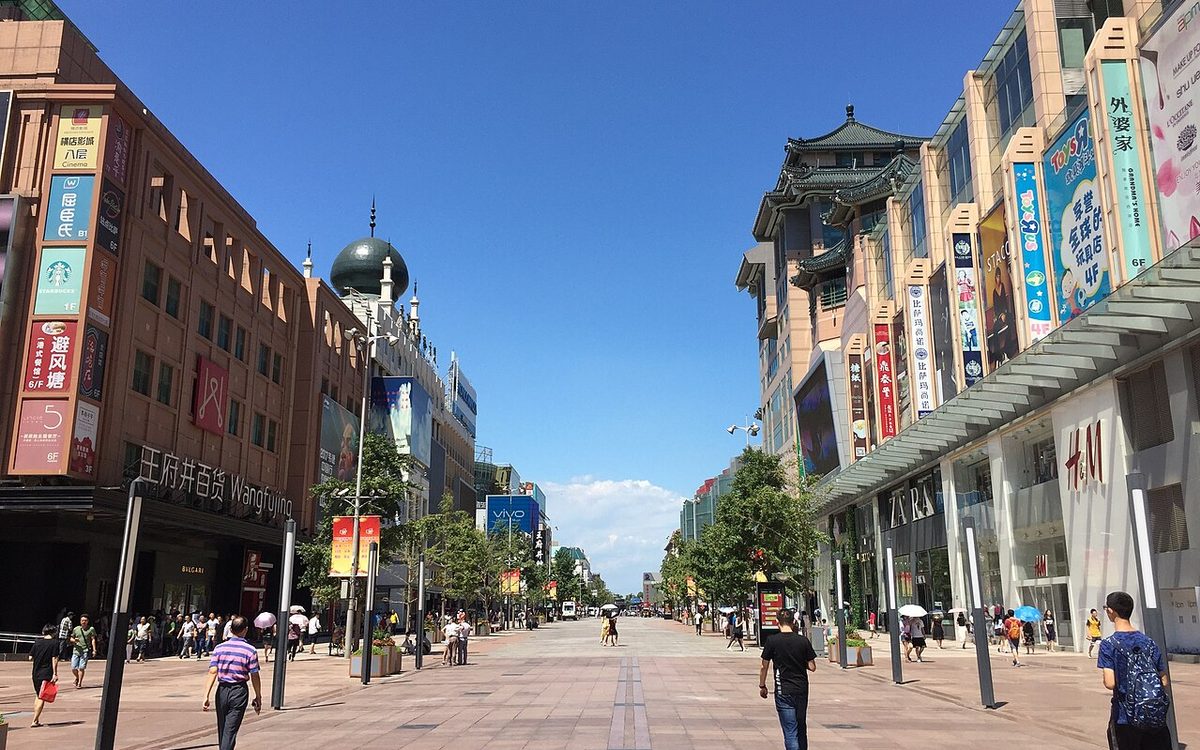
In China the price depends on where one stands: printed at the mall, spoken at the factory gate.
Read the guide →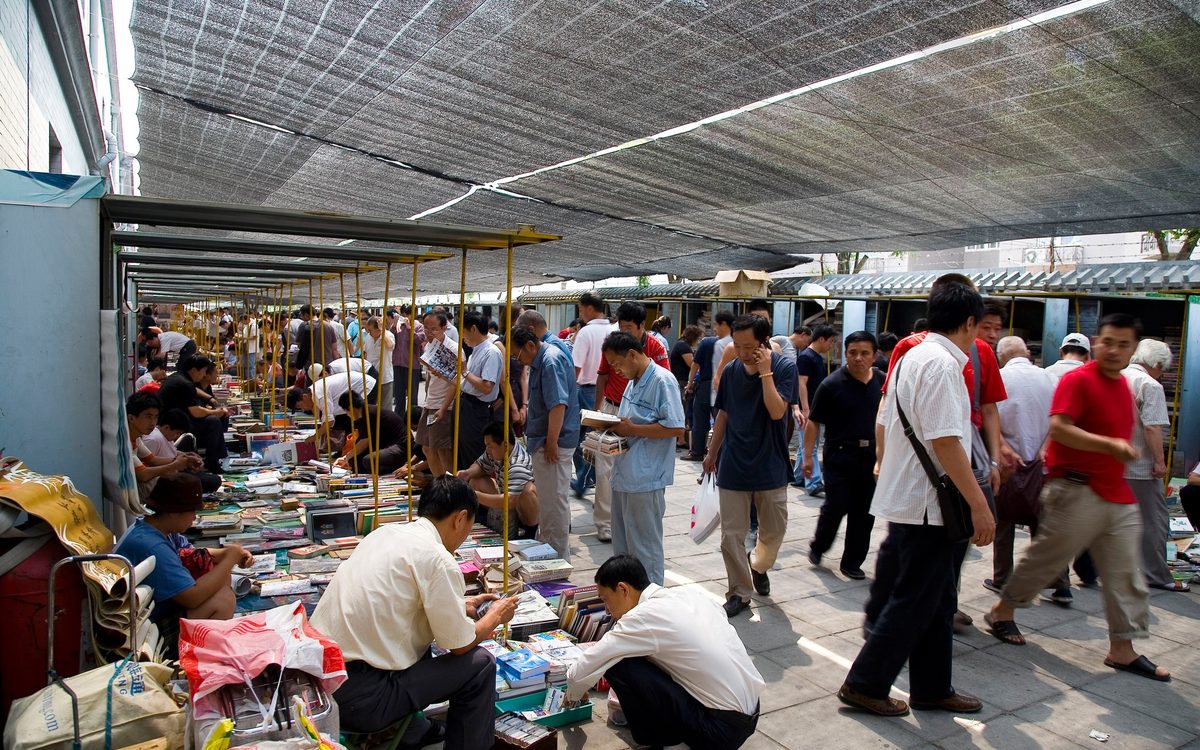
A major kind of market in China is shut on many days. Country markets that run on a number, morning and night markets, the two clocks inside one market.
Read the guide →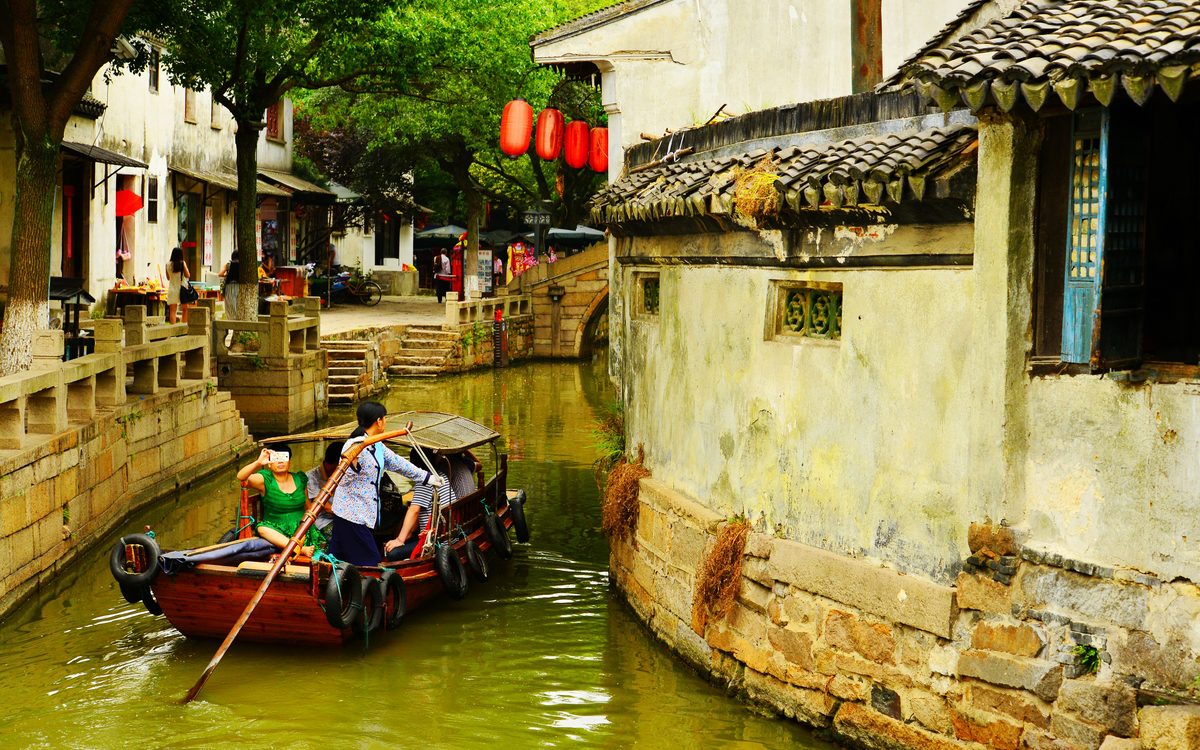
An old Chinese town is not the same as a living one. The main street is for visitors and the second lane is for the residents.
Read the guide →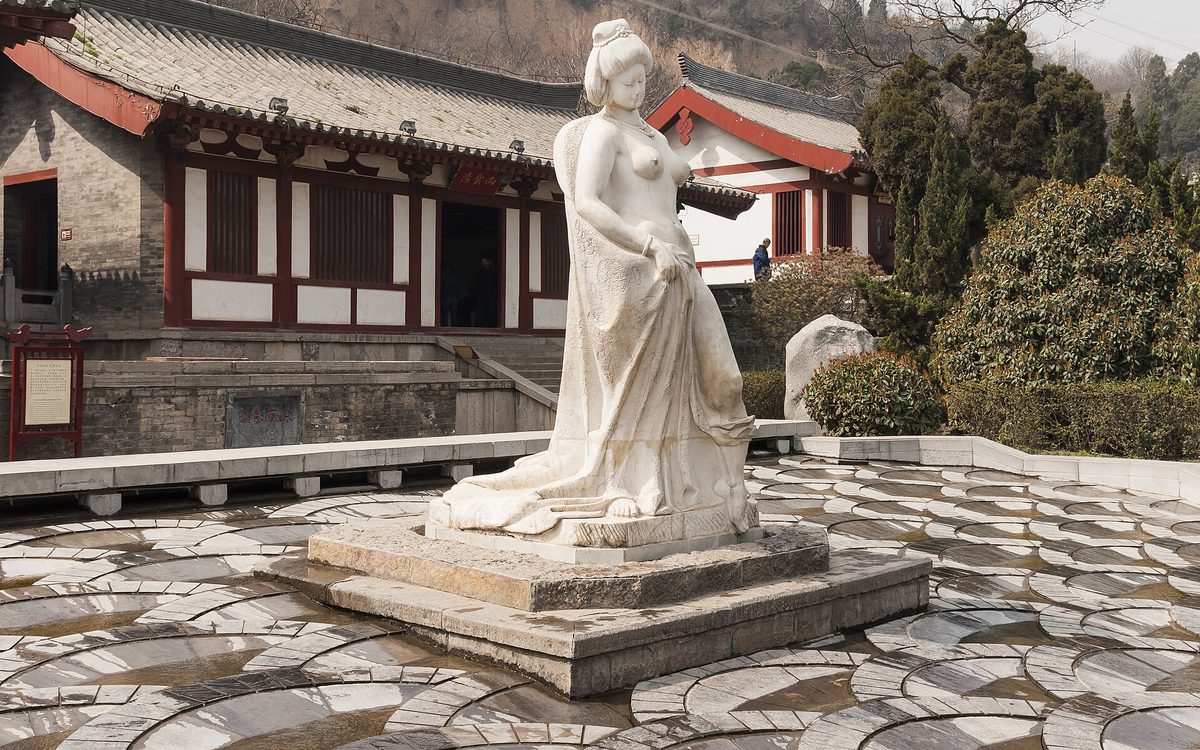
The Chinese bathhouse outlived the reason it was built. What it became, how north and south differ, what the scrub is, what is inside.
Read the guide →Next
The guides above explain the background. For a place to go, browse the destination finder. For the practical steps, see how it works. When you are ready to plan, send PreeChina a message.
From the blog
Tell PreeChina the dates, the group and the places you have read about, and a draft plan comes back for you to adjust.
Plan a tripReviewed October 2026.