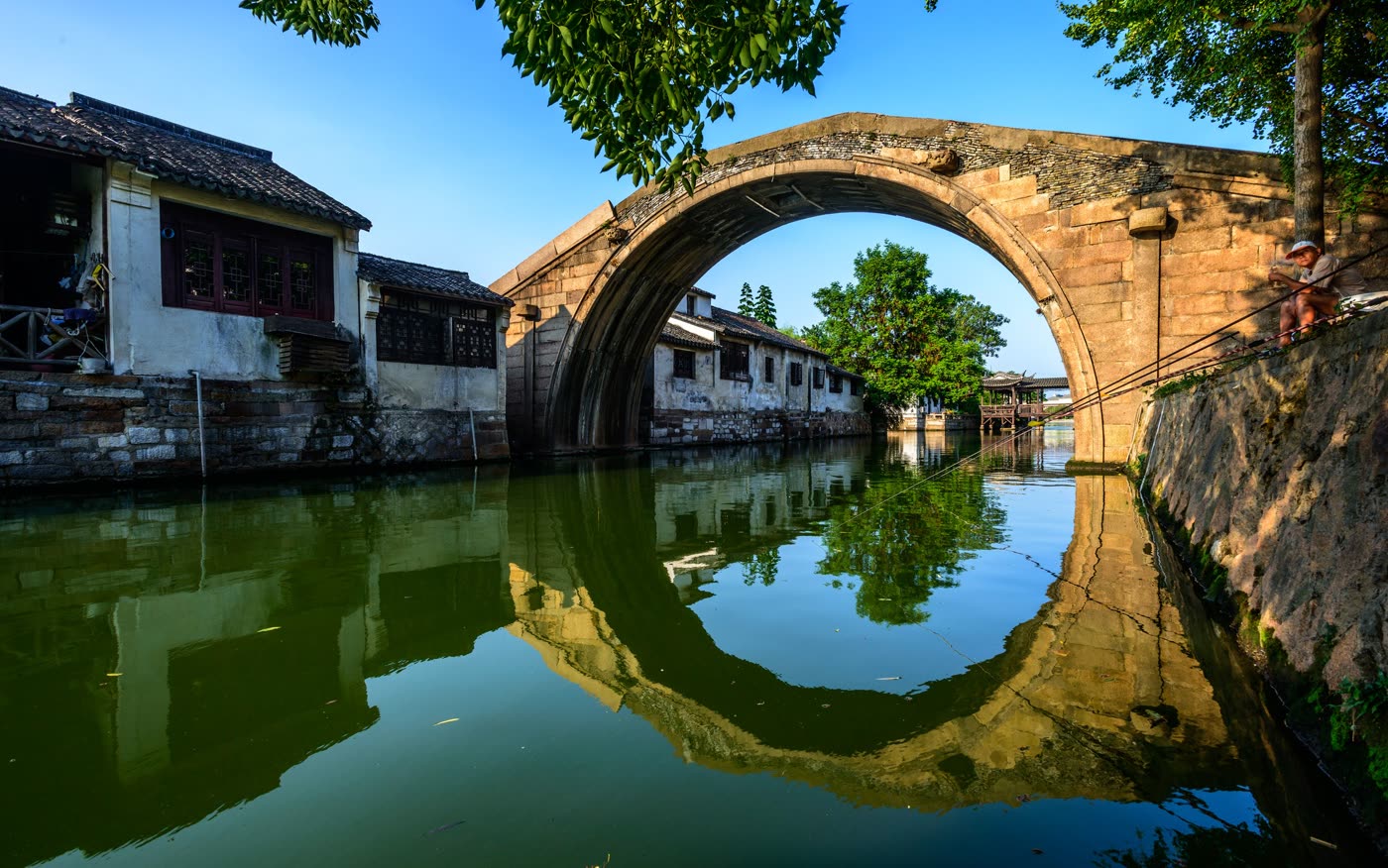
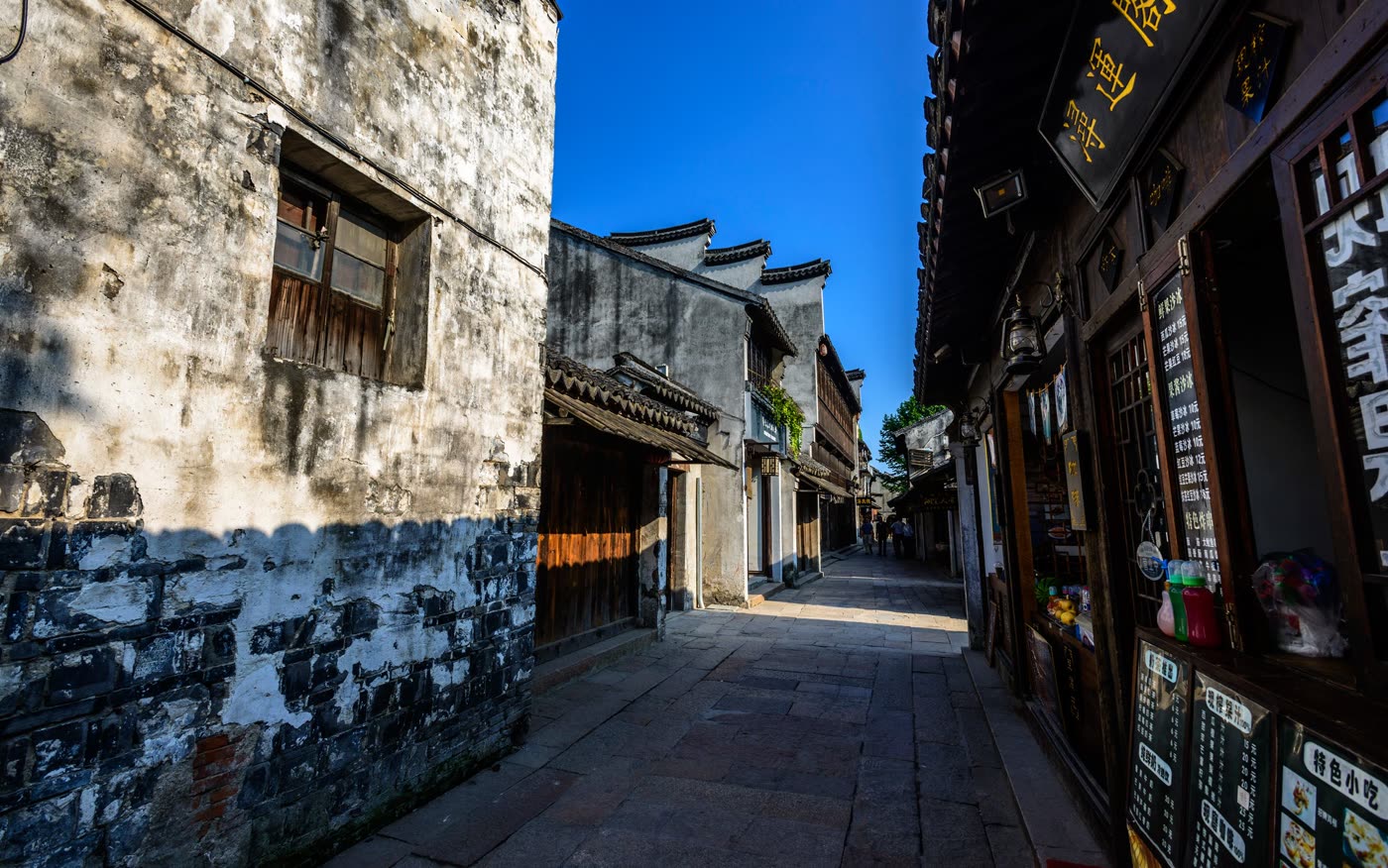
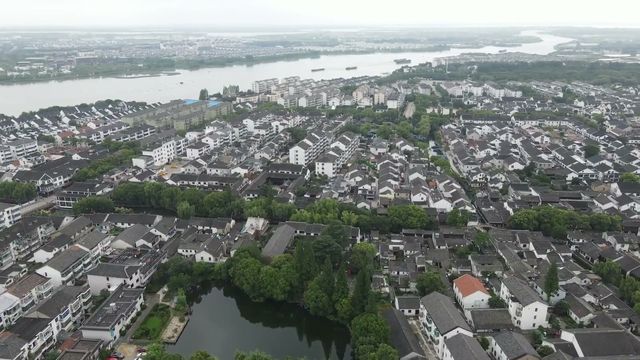
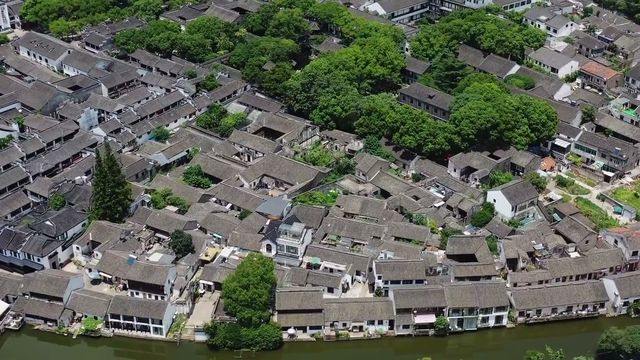
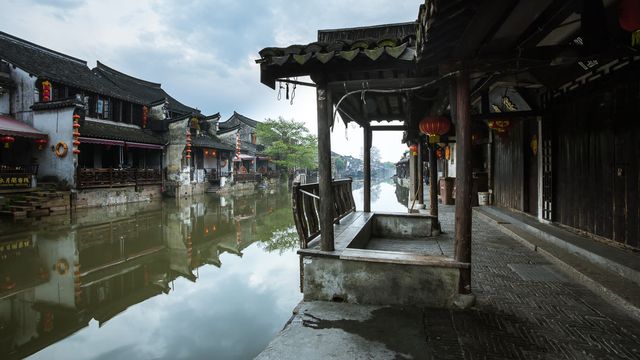
The rich canal town. Nineteenth-century silk exporters built mansions here and put European facades inside Chinese courtyards, which is something none of the other delta towns can show visitors.
Quick Facts
The Short Version
What it is
A canal town on the delta, distinguished by the scale of its merchant houses and by European architecture built into them
Where
Huzhou prefecture, northern Zhejiang, between Hangzhou and Suzhou
Where the money came from
Raw silk. The local filature product was exported through Shanghai from the 1840s, and the traders who handled it became very rich very quickly
What that built
Large garden compounds and mansions, several with wings in European style: red brick, arched openings, coloured glass, imported tile
The library
Jiaye Tang, a private library built in the 1920s which also cut its own printing blocks and published editions
Arrangements
One pass covers the town and the main houses and gardens. Buy at the gate
Time needed
Half a day, much of it inside the compounds rather than on the canals
Language
Limited English signage in the houses
Why Go
A Town With Visible Money
1. What silk did here
From the 1840s Shanghai opened as a treaty port and European demand for Chinese raw silk went through it. The filatures around Nanxun produced a grade of silk that sold well, and the local families who organised the trade made fortunes on a scale that had no precedent in a town of this size.
They spent it at home. The compounds they built are several times the size of the merchant houses in the other delta towns, with their own gardens, ancestral halls and libraries, and they are the reason to come here rather than to a prettier canal town.
2. European wings in Chinese courtyards
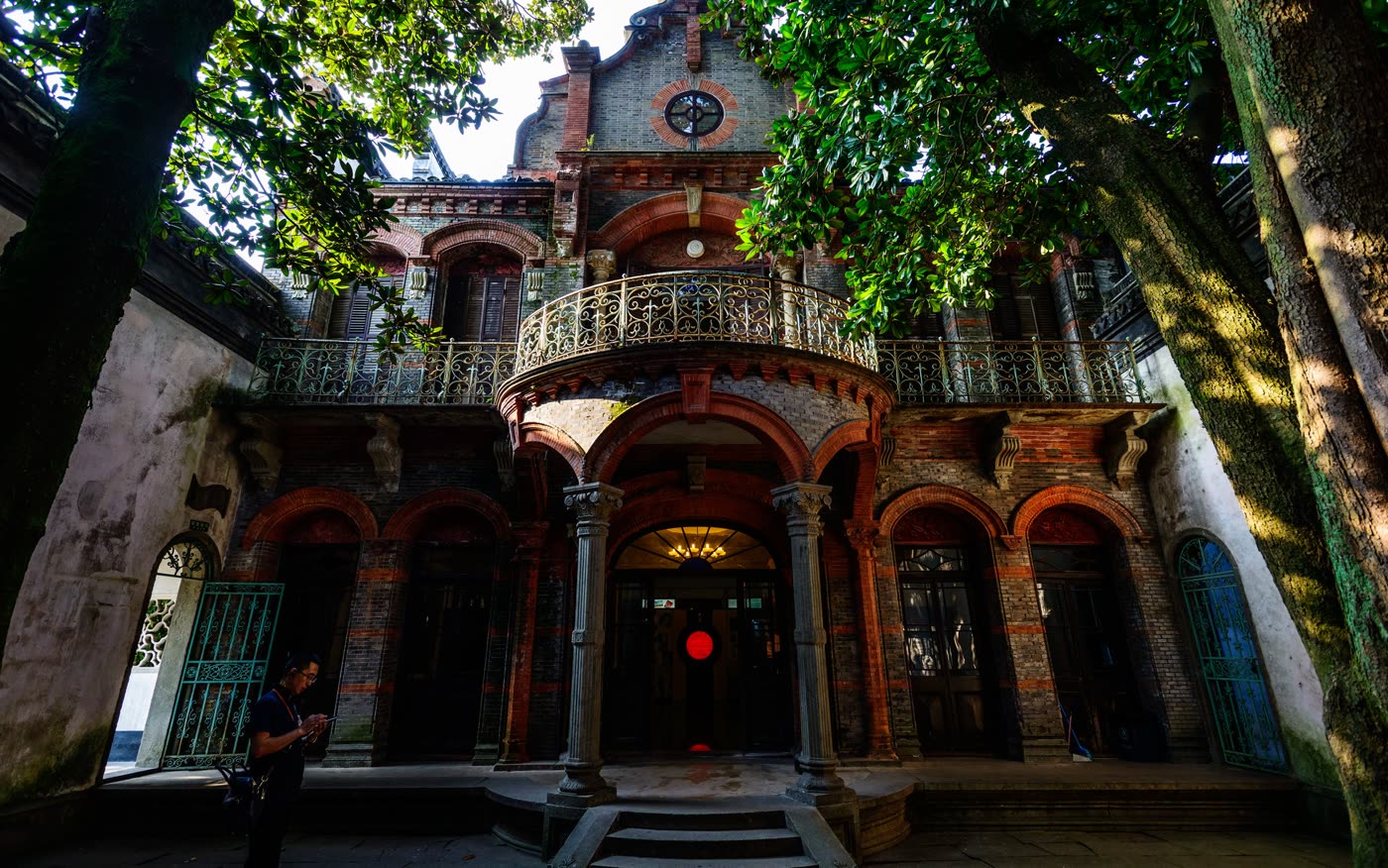
The unusual part is what some of them built inside. Walk through the front courtyards of one of the large houses, past the timber halls and the carved screens, and visitors arrive at a red-brick facade with arched openings, a balustraded balcony and coloured glass, brought in or copied from what the families had seen in Shanghai.
These were not shopfront displays. They are at the back, in the private half of the compound, which tells visitors the taste was real rather than performed. Nowhere else on the delta shows the meeting of the two building traditions this plainly, inside one family's house.
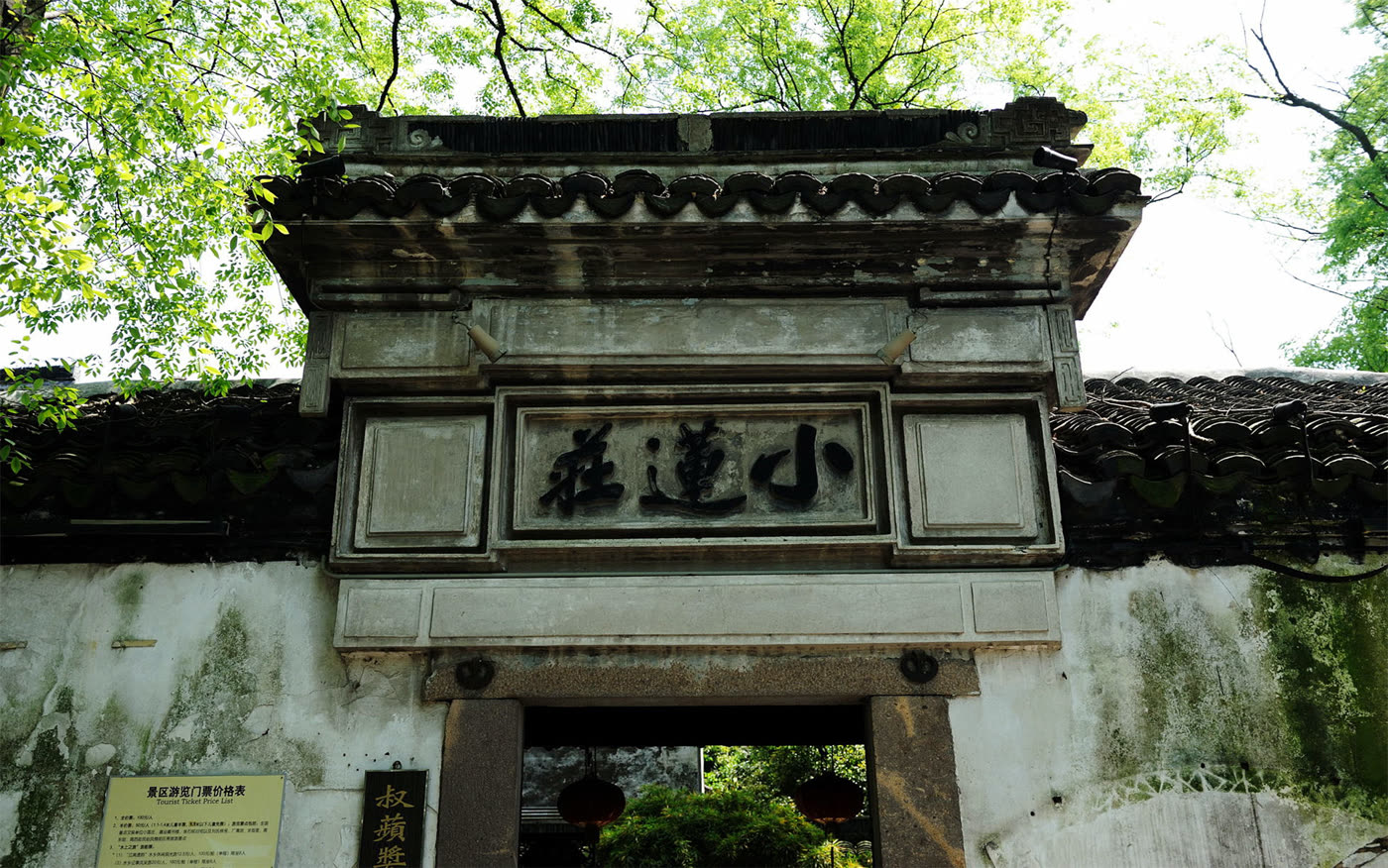
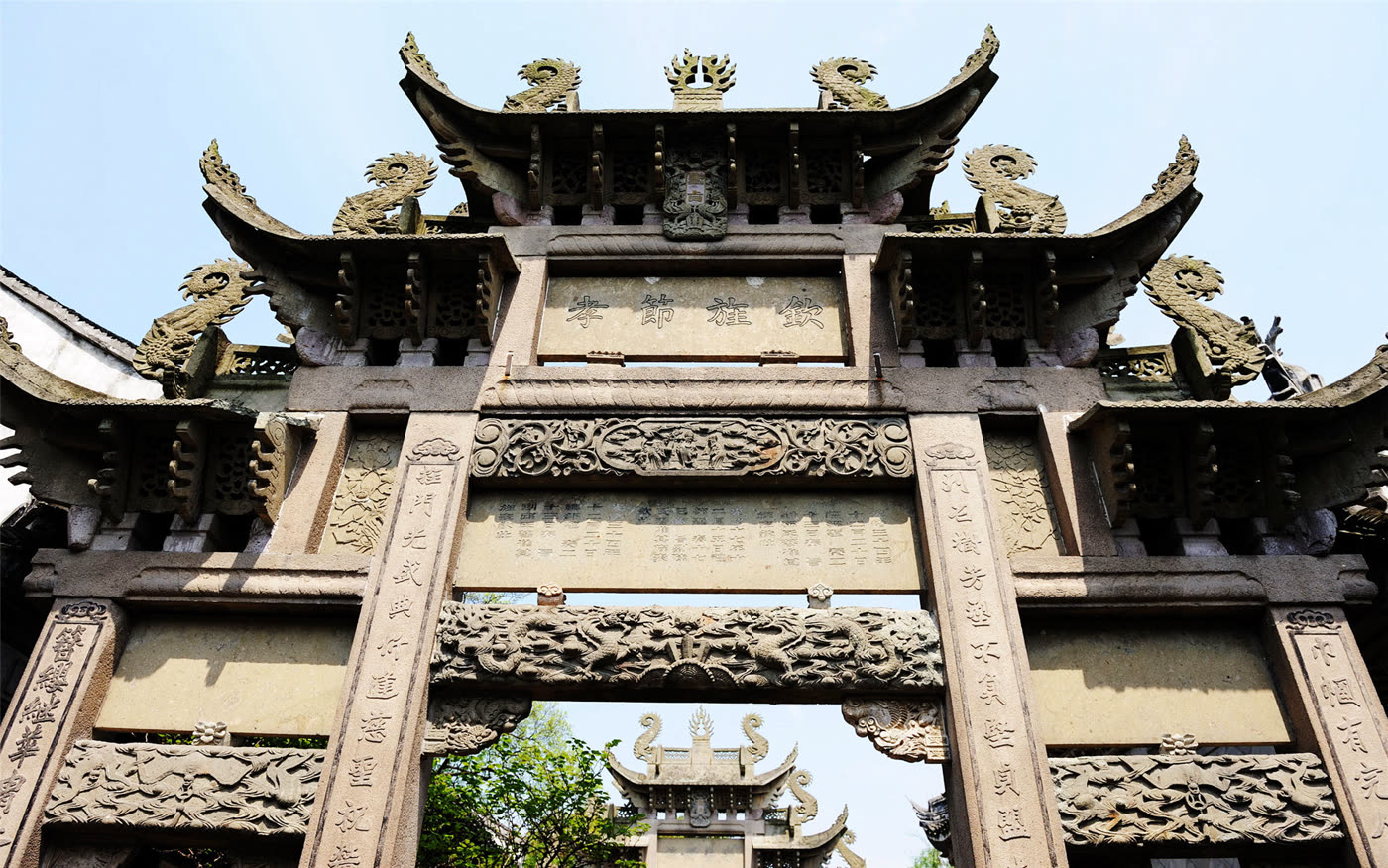
A European wing at the back of a merchant compound. Built for the family, not for the street.The entrance to the Liu family garden. The compounds are entered through walls like this from ordinary lanes.Carved stone on this scale inside a private garden is a statement about what the family could afford.The lanes outside are unremarkable. The money is behind the walls, which is the point.
The catch. The canals here are ordinary by delta standards and the town is quieter and less photogenic than Xitang or Zhouzhuang. Almost everything worth the pass is indoors, inside compounds, which means this is a poor choice for a walk by the water and a good one if visitors want to understand where the region's money came from.
Orientation
Inside the Compounds, Not Along the Water
The pass covers a set of houses and gardens spread along the main canal: the Liu family garden, several merchant compounds, and the library. They are the reason to be here and they take longer than the walking between them.
A reasonable order is one large compound, then the garden, then the library, with the canal walk as the connective tissue rather than as the main event.
Practical
Things Worth Knowing
Go inside everything the pass covers
The value here is indoors. Visitors who walk the canal and leave have paid for compounds they did not enter.
Look for the European wing
Not every compound has one and they are at the back. Ask, or visitors will walk out of the front courtyard without seeing it.
Quietest of the four
Nanxun gets a fraction of the traffic of the other delta towns, which is the other good reason to choose it.
Pair it with Huzhou or Hangzhou
It sits between Hangzhou and Suzhou and works as a half day on the road between them.
Timing
When to Go
Season
The case for
The catch
March to May
Blossom along the canals and mild weather for moving between compounds
Delta spring is wet, and there is little covered walkway here
September to November
The many settled weather and the clearest light in the gardens
The opening week of October is the national holiday
June to August
Full green, and the compounds are cool inside
Hot and humid outdoors
December to February
Very quiet, and the architecture reads clearly without foliage
Cold and damp. The houses are unheated
Context
Silk, Shanghai and a Very Short Boom
Raw silk was one of China's main exports through the nineteenth century, and the opening of Shanghai put a deep-water port within reach of the delta's producing districts. Nanxun sat in the right place with the right product, and a small number of local families took control of the trade between the filatures and the foreign firms.
The wealth was concentrated and it was fast. Local accounts rank the families by fortune using a shorthand of animals, which gives an idea of how closely the town watched its own rich. The compounds, the gardens and the library all date from that window.
It did not last. Japanese and later Italian machine-reeled silk took the market, the twentieth century arrived, and the families dispersed. What is left is the buildings, which is the usual way a boom becomes visitable: the money goes and the architecture stays.
Nanxun is a district of Huzhou, which sits on the southern shore of Lake Tai between Hangzhou and Suzhou. Neither city is more than an hour and a half away, so this works as a half day on the road between them.
If the point of the trip is the delta economy rather than the delta scenery, Huzhou and the lake shore are worth more time than the guidebooks give them.
Experiences
What Visitors Can Actually Do Here
On site · 1 hr
One merchant compound, end to end
Front courtyards, timber halls, private garden and the European wing at the back, walked as one household rather than as separate exhibits.
Ask which compounds have the European wing.
On site · 45 min
Jiaye Tang library
A private library from the 1920s that also cut its own printing blocks. Unusual, and quiet.
Included in the pass.
Guided · half day
Where the silk money came from
The trade, the families, and why the architecture looks the way it does, explained inside the buildings it paid for.
Worth half a day if visitors want to understand the delta rather than photograph it. This is the canal town where the money is visible, and almost all of it is indoors. Go inside every compound the pass covers, find the European wing, and accept that the canals themselves are better elsewhere.
Travelling to China with 10 or more people? Talk to PreeChina first. A transparent service fee of USD 100 per person for trips of up to 10 days (USD 150 for 11 to 20 days), and no markup on travel components. See how the fee works.
Share the travel dates and interests, and our local team will build the route: the merchant compounds and the library here, a second canal town chosen for contrast, and Suzhou or Hangzhou on either side.