Home › Destinations › Shanghai

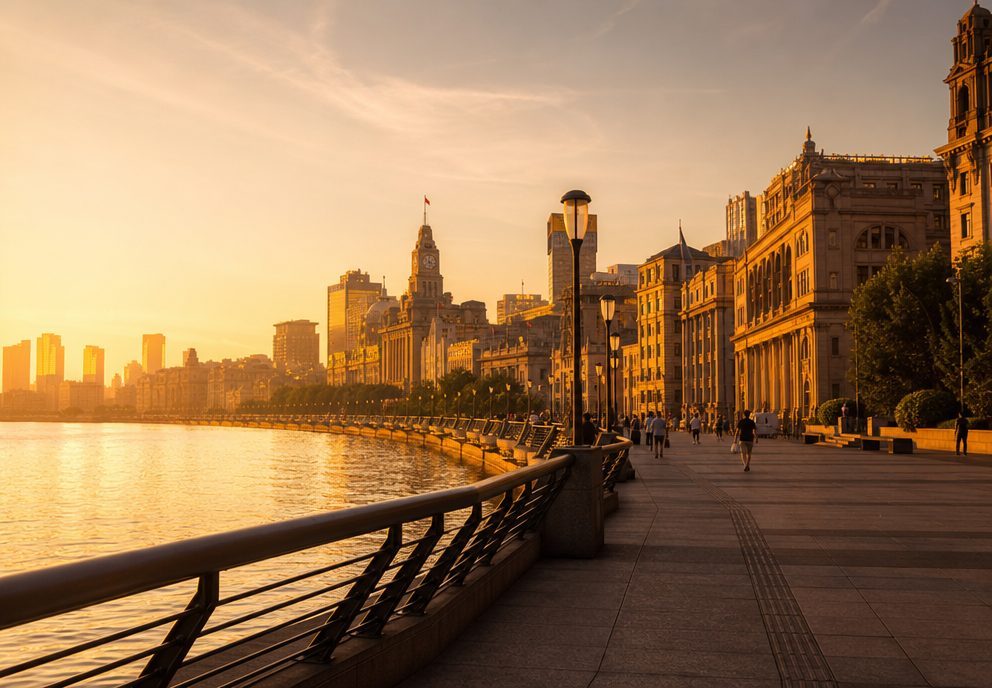
The Bund waterfront in Shanghai at dusk with historic buildings facing the Huangpu RiverIllustration

PreeChina · City Guide

Shanghai Travel Guide

A fishing and weaving town of a few thousand people until 1843, forced open to foreign trade and turned into Asia's largest port within decades — divided for a century between British, French, American and Japanese concessions that each built in their own style, which is why one afternoon walk here can cross from Gothic banking halls to French plane-tree boulevards without leaving the same three square kilometres.

Shanghai Quick Facts

Province / Region
Municipality Directly Under the Central Government
Population
~24.9 million (city proper)
Best Time to Visit
March–May & September–November
Famous For
The Bund, the Maglev, soup dumplings, global fashion
Nearest Airport
Pudong International (PVG) & Hongqiao (SHA)
Recommended Stay
4–6 days minimum

Why Visit Shanghai?

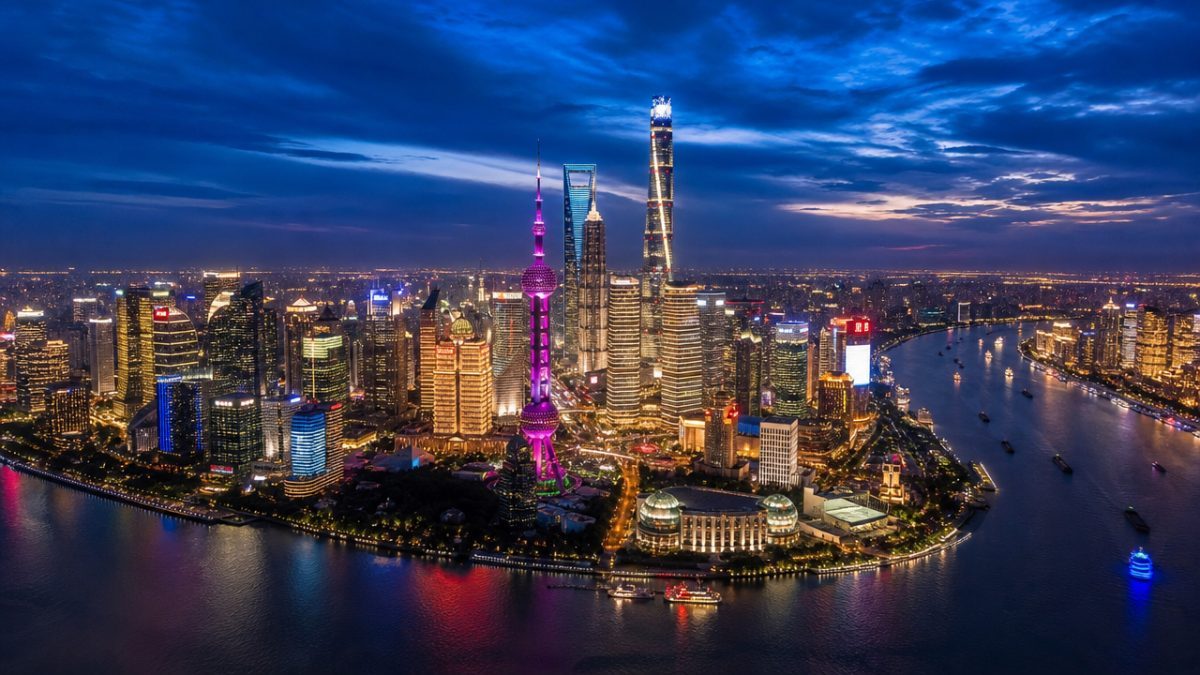
Pudong skyline in Shanghai with Oriental Pearl Tower and Shanghai Tower at night reflectedIllustration

Shanghai was a fishing and weaving town of a few thousand people until 1843, when the Treaty of Nanjing forced it open to foreign trade. Within decades it was Asia's largest port, run in parts by British, French, American and Japanese authorities who each held their own concession with its own police, courts and architecture — which is why a single afternoon walk here can cross from Gothic banking halls to French plane-tree boulevards to Japanese-built factory blocks without leaving the same three square kilometres.

That layered, borrowed-from-everywhere character never really left. The Bund's row of 1920s banking palaces still faces across the Huangpu River at Pudong's forest of towers, almost none of which existed before 1990 — Lujiazui was paddy fields and small workshops within living memory. Few cities anywhere put a century of contradiction into one sightline like this.

For a first trip to China, Shanghai is usually the easiest place to start: English signage is common, the metro is one of the most extensive in the world, and the food runs from a century-old soup-dumpling counter to newly opened tasting menus. What the sections below go looking for is the city underneath that ease — the guild disputes, the racetrack, the refugee housing — the parts that don't make it onto a first-timer's itinerary.
What the Guides Miss

1

Yu Garden was never meant to be a maze

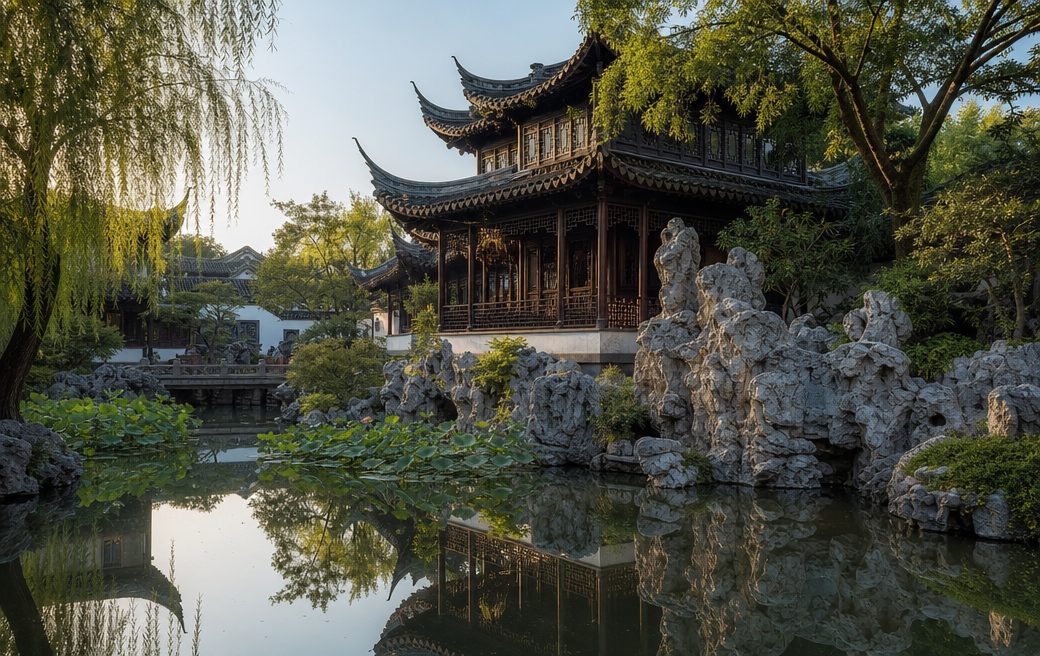
Pan Yunduan began building Yu Garden in 1559 as a gift for his father, and spent nearly twenty years and what contemporary accounts called a fortune on it. The Pan family's wealth didn't survive them — within two generations the garden had been sold off, and by the 19th century it had been carved up piece by piece among Shanghai's trade guilds, each fencing off its own section as a private clubhouse: the cloth guild took one corner, the rice guild another. That's the real reason Yu Garden today doesn't read as one continuous garden but as a sequence of separately walled compounds stitched together — it became a maze by accident, shaped by a dozen owners who never coordinated with each other.

2

People's Square used to be a racetrack

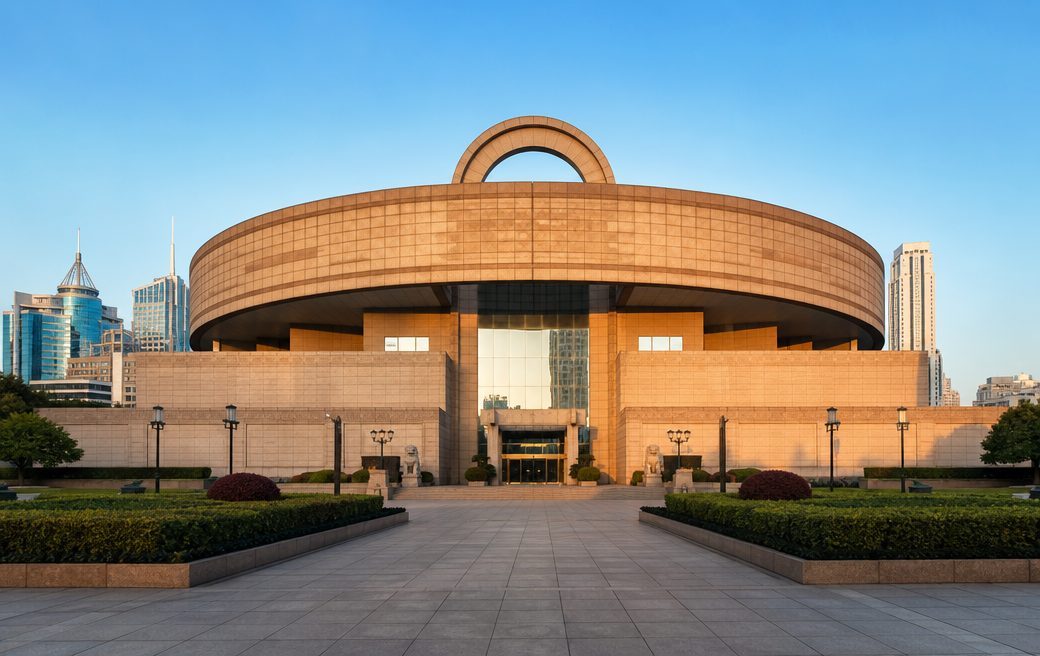
The broad lawns and museum plazas of People's Square, where the Shanghai Museum now sits shaped like an ancient bronze ritual vessel, were a horse-racing oval until 1951. The Shanghai Race Club built its track here in the 1860s, and for nearly a century it was the social centre of foreign Shanghai — a place most locals were kept out of. When the new government banned gambling and racing after 1949, the track was repurposed as a public square and rally ground, and later a museum quarter. Nothing about the square's shape today gives away that a mile of dirt track once ran under it.

3

The laneways were built for a refugee crisis, not for charm

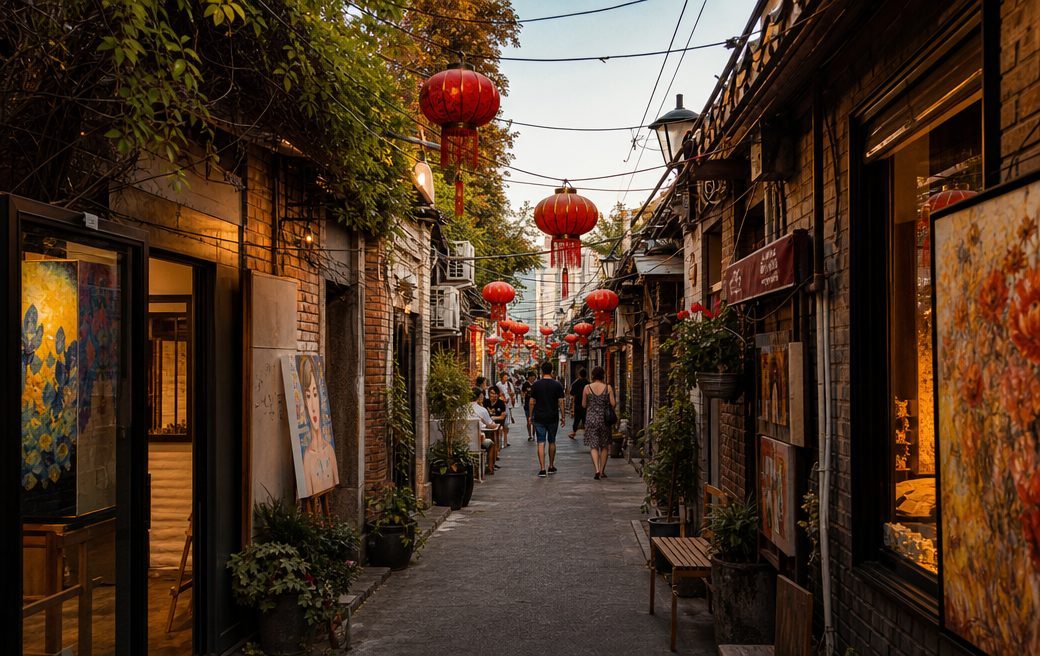
Shikumen — the "stone-gate house" laneway compounds that define neighbourhoods like Xintiandi and Tianzifang — weren't designed as a style so much as thrown up under pressure. When the Taiping Rebellion pushed refugees into Shanghai's foreign concessions in the 1860s, landlords subdivided farmland into dense rows of narrow terrace housing, borrowing the stone gate and courtyard layout of a traditional Chinese home but building it in tight, repeatable Western terrace-house blocks. What's marketed today as heritage charm started as emergency housing put up as fast as possible for people who had nowhere else to go.

Best Attractions in Shanghai

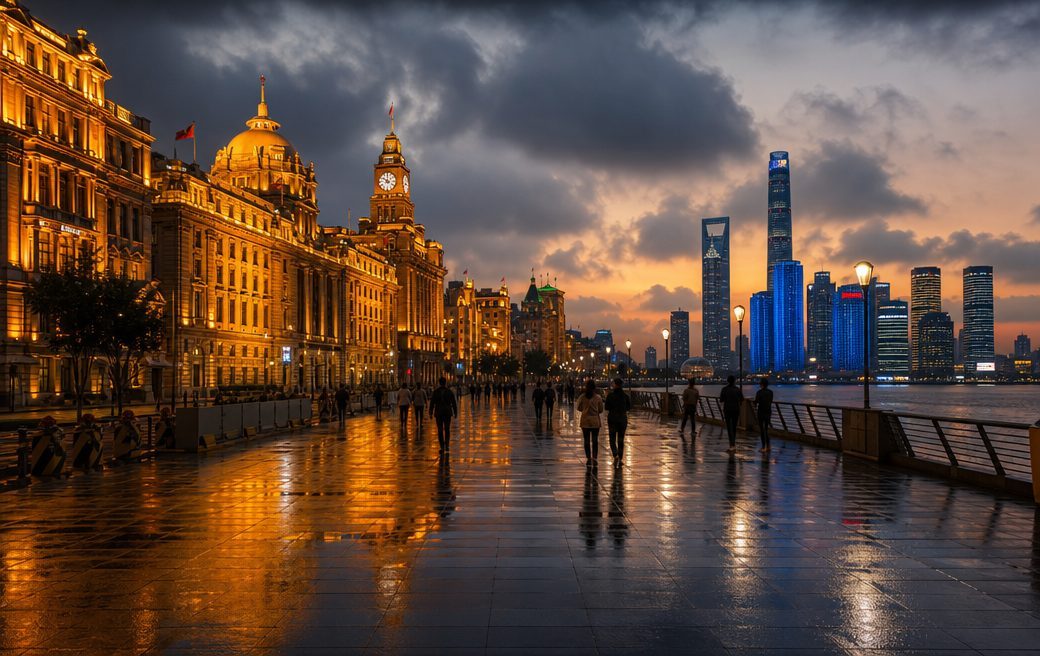
The Bund waterfront in Shanghai with historic banking facades facing the Huangpu RiverIllustration
Iconic Landmark

The Bund (外滩)

Shanghai's most photographed mile strings together 52 buildings in styles from Gothic to Baroque to Romanesque along the western bank of the Huangpu. Come at dusk, when the neon towers of Lujiazui ignite across the water and the old stone facades glow gold — a contrast that captures everything that makes Shanghai extraordinary. The bronze lions outside the old HSBC building aren't the originals — see "What the Guides Miss" above.

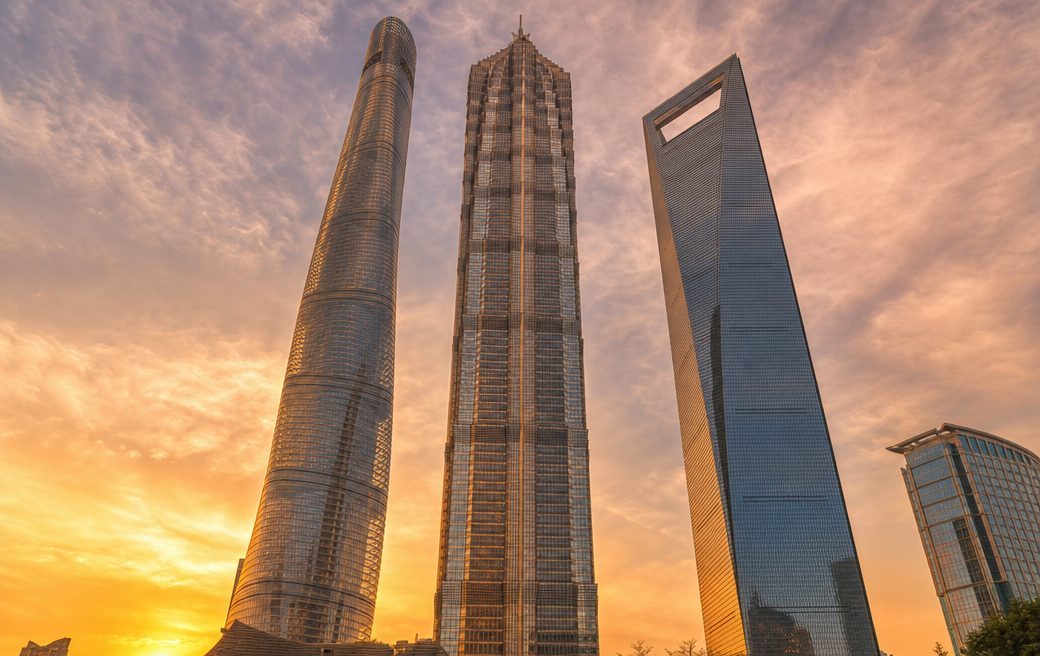
Lujiazui financial district in Shanghai with Shanghai Tower Jin Mao Tower and Oriental PearlIllustration
Modern Marvel

Lujiazui & Shanghai Tower (陆家嘴)

Pudong's financial district is one of the most dramatic urban landscapes ever built. Three supertall towers — Shanghai Tower (632m), the Jin Mao Tower, and the Shanghai World Financial Center — rise from the same plaza, alongside the retro-futurist Oriental Pearl Tower, still recognizable as the skyline's original icon. Ride the elevator to Shanghai Tower's 118th-floor observation deck for a panorama that stretches beyond the curve of the horizon.

Yu Garden classical Ming dynasty garden in Shanghai with rockeries and zigzag bridgesIllustration
Classical Garden

Yu Garden (豫园)

Built in 1559 as a private retreat for the Pan family, Yu Garden is an exquisite five-acre world of rockeries, lotus pools, zigzag bridges, and ornate pavilions — though not quite the single unified garden it appears to be; see "What the Guides Miss" above. The surrounding bazaar buzzes with vendors selling everything from soup dumplings to jade — arrive early for the garden in quiet before the crowds.

Tianzifang laneway art district in Shanghai French Concession with shikumen architectureIllustration
Heritage District

Xintiandi & Tianzifang (新天地 / 田子坊)

Two of Shanghai's most beloved neighborhoods preserve the shikumen lane-house architecture that once defined the city — architecture with a rougher origin story than the boutique-hotel polish suggests, see "What the Guides Miss" above. Xintiandi is the polished version; Tianzifang, in the former French Concession, keeps it scrappier — a warren of studios, independent cafés and artisan workshops tucked inside 1920s residential blocks.

Shanghai Museum bronze-vessel-shaped building on People's SquareIllustration
World-Class Museum

Shanghai Museum (上海博物馆)

Shaped like a ding — an ancient bronze ritual vessel — the Shanghai Museum on People's Square holds one of China's finest collections of antiquities: 140,000 objects spanning bronzes, ceramics, calligraphy, jade, coins and minority art. The square it sits on has a past visitors would never guess — see "What the Guides Miss" above. English labels throughout make it unusually accessible for international travelers.

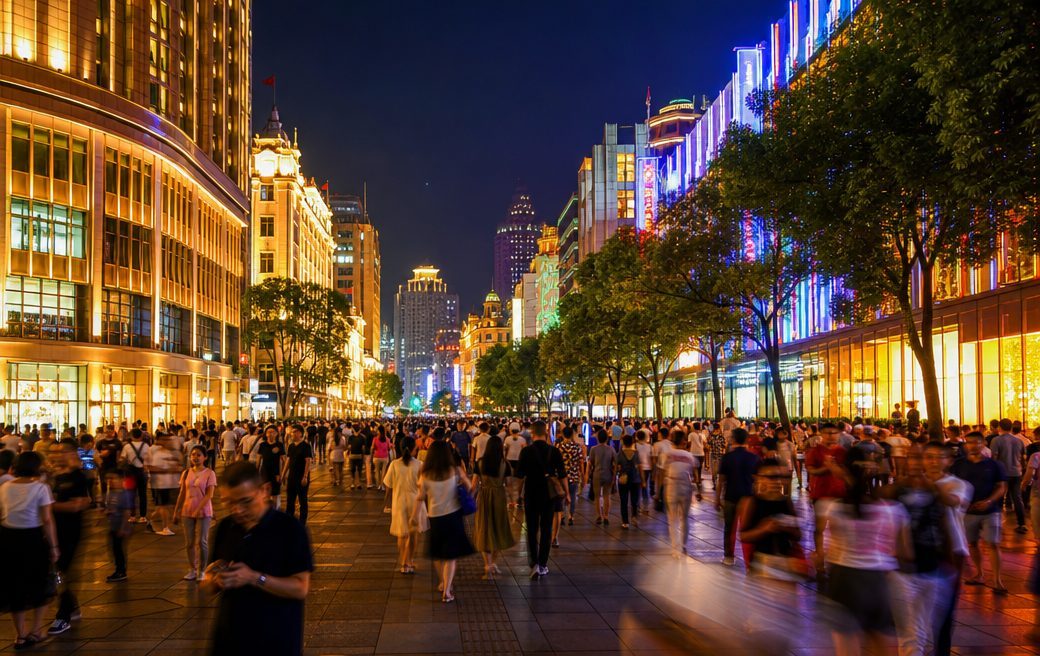
Nanjing Road pedestrian shopping street in Shanghai lit up at night with crowdsIllustration
Shopping & Energy

Nanjing Road (南京路)

One of the world's busiest shopping streets, the pedestrianized stretch of East Nanjing Road runs from the Bund toward People's Square in a blaze of LED signage, department stores and street food stalls. It's more spectacle than boutique, but the sheer kinetic energy of hundreds of thousands of shoppers after dark is a genuinely thrilling experience unique to Shanghai.

Zhujiajiao water town near Shanghai with stone bridges and canal housesIllustration
Day Trip

Zhujiajiao Water Town (朱家角)

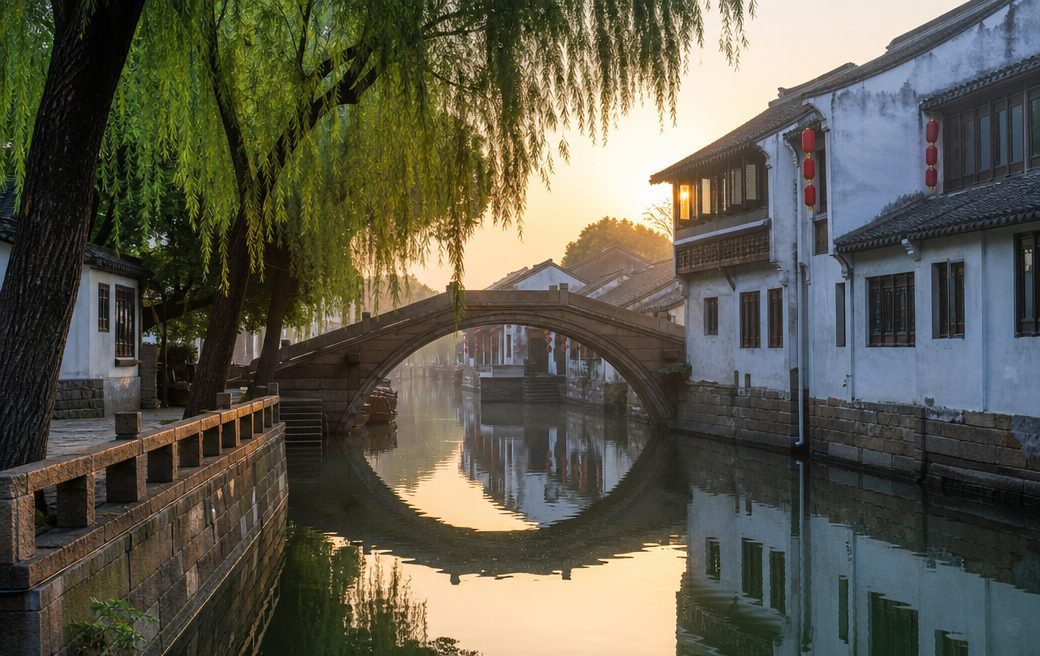
Just an hour from the city center, Zhujiajiao is a Ming-Qing canal town of stone arch bridges, willow-lined waterways and whitewashed merchant houses. Gondolas glide beneath 36 ancient bridges, street vendors ladle out fermented rice and fried crab cakes, and the pace slows to something Shanghai itself rarely allows.

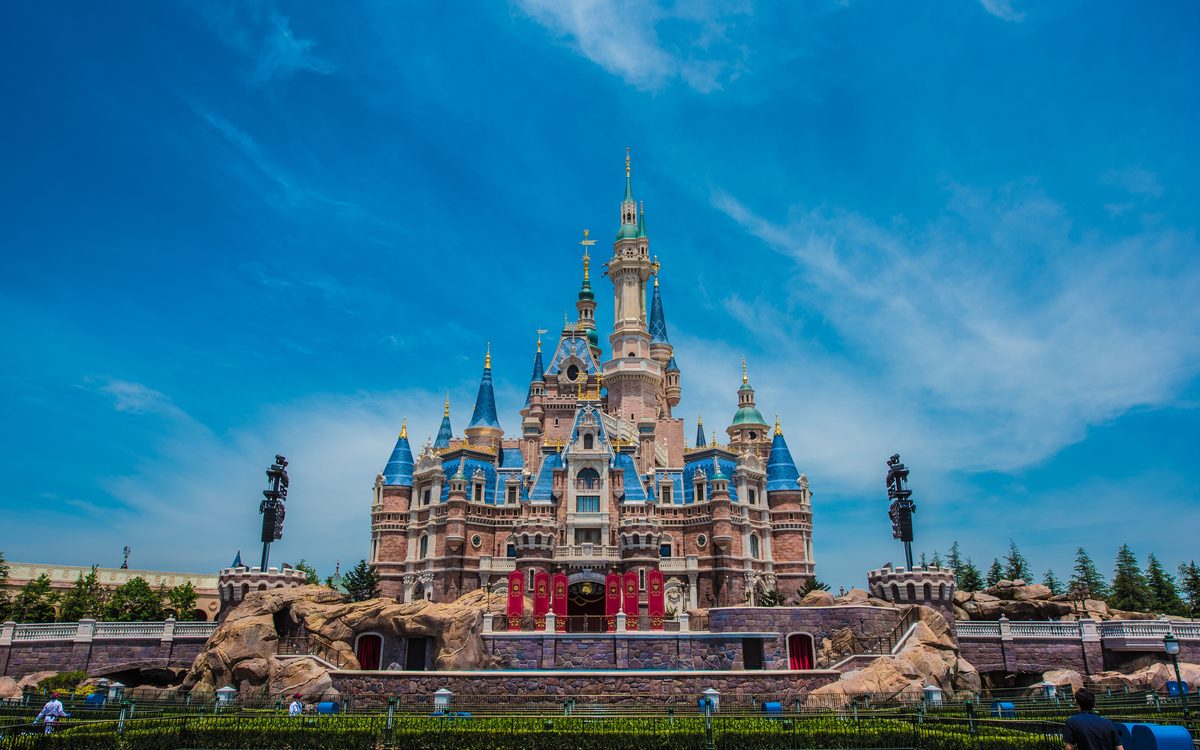
Enchanted Storybook Castle at Shanghai Disney Resort
Theme Park

Shanghai Disney Resort (上海迪士尼度假区)

A resort in Pudong New Area with eight themed lands, including Adventure Isle, Treasure Cove and Zootopia, and Enchanted Storybook Castle.

Ways to Experience Shanghai

Group Tours

Explore Shanghai your way with a group programme built around your interests and pace — from the Bund's skyline to the city's quieter laneways.

Business Tours

Customized business visits combining company tours, industry insights, meetings and local support to help you connect with Shanghai's finance, trade and innovation ecosystem.

Educational Tours

Short-term study programs, international summer camps, school and university visits, and personalized support for international students exploring study opportunities in Shanghai.

Professional Study Tours

Expert-led journeys for professionals and specialist groups, featuring in-depth visits to Shanghai's architecture, financial history and design culture, with opportunities to engage with local experts and peers.

Explore Shanghai on the Map

By Type
By Theme
View Full China

Approximate locations of the attractions above. Central Shanghai's sites (the Bund, Yu Garden, Nanjing Road) sit within a few kilometres of each other; Zhujiajiao water town is roughly an hour west of the city centre.

Shanghai Food You Should Try

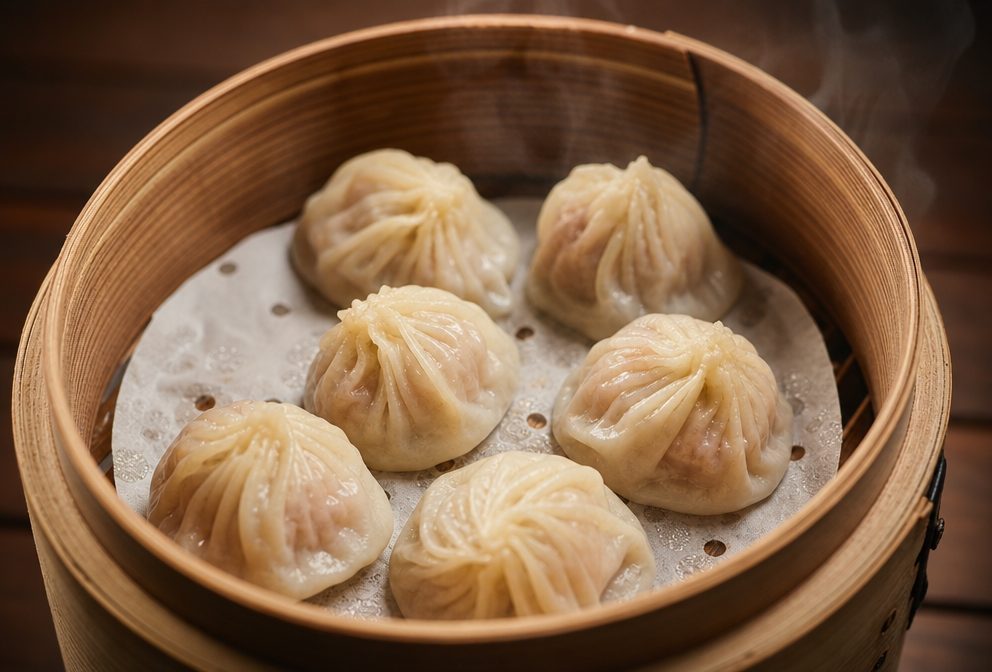
Xiaolongbao soup dumplings steamed in bamboo baskets Shanghai styleIllustration

Xiaolongbao (小笼包)

Shanghai's most famous export: delicate steamed dumplings cradling a meatball in a pool of scalding, gelatin-rich broth. Bite carefully from the side, sip the soup first, then eat. Din Tai Fung and Nan Xiang Mantou Dian, inside the Yu Garden bazaar, are the benchmark stops.

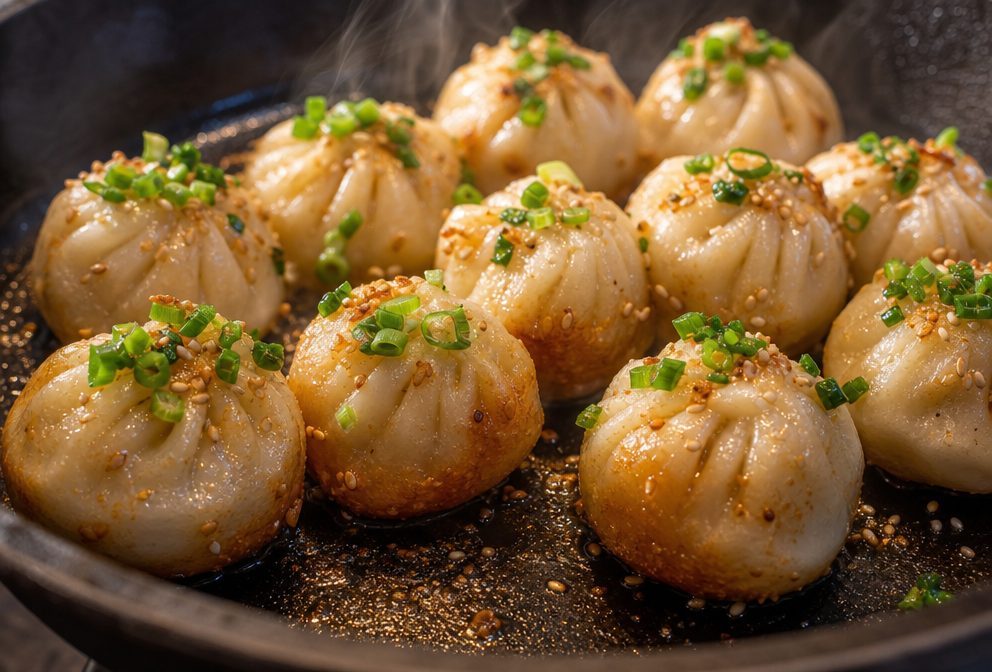
Shengjianbao pan-fried pork buns with crispy golden bottom Shanghai street foodIllustration

Shengjianbao (生煎包)

The crispier, street-side cousin of xiaolongbao: pan-fried pork buns with a golden, crunchy bottom and a juicy, sesame-and-scallion-dusted top. Eaten standing at a street stall for breakfast, they're one of the great affordable pleasures of Shanghai's food culture.

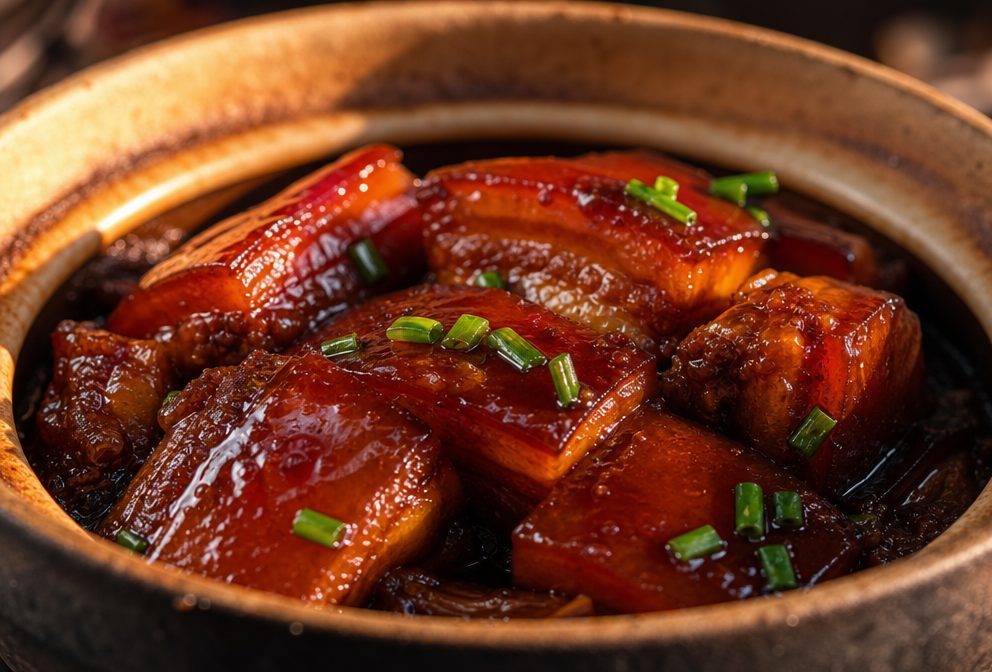
Red-braised pork belly Shanghainese hongshaorou glazed and glossy in a bowlIllustration

Red-Braised Pork Belly (红烧肉)

The soul of Shanghainese home cooking: pork belly slow-braised for hours in Shaoxing wine, soy sauce and rock sugar until the fat collapses into an almost lacquered glaze. Sweet, deep and impossibly tender — best ordered at a classic benbang (本帮) Shanghainese restaurant.

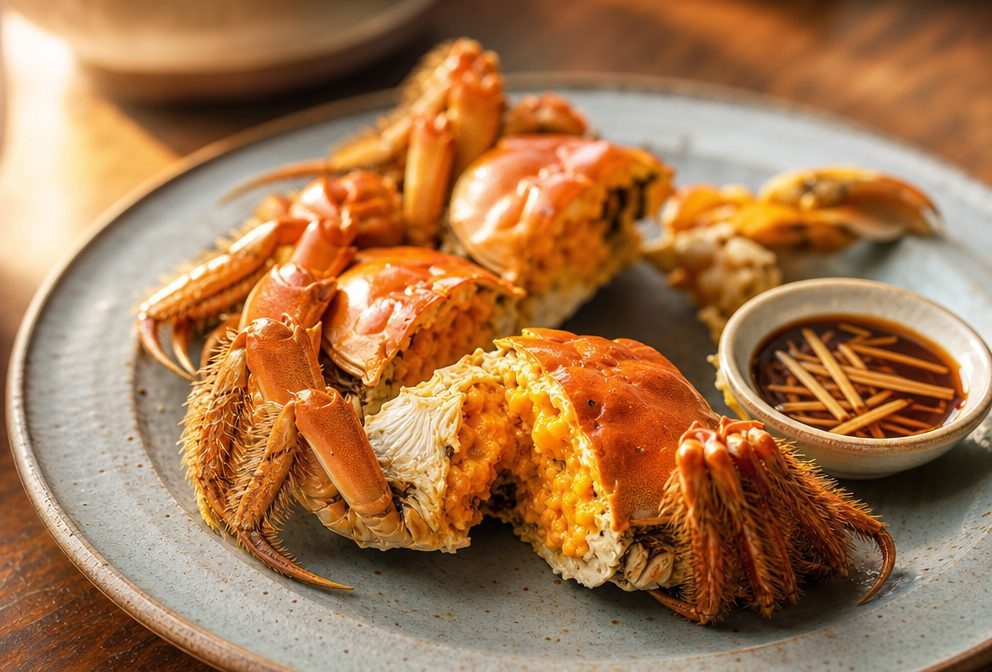
Hairy crab Shanghai da zha xie served with claw crackers and picksIllustration

Hairy Crab (大闸蟹)

From October to December, Shanghai revolves around these small but extraordinarily rich freshwater crabs from nearby Yangcheng Lake. The prized golden roe of the female and the creamy fat of the male are eaten with a tiny toolkit of claw-crackers and picks — a seasonal ritual locals plan months in advance.

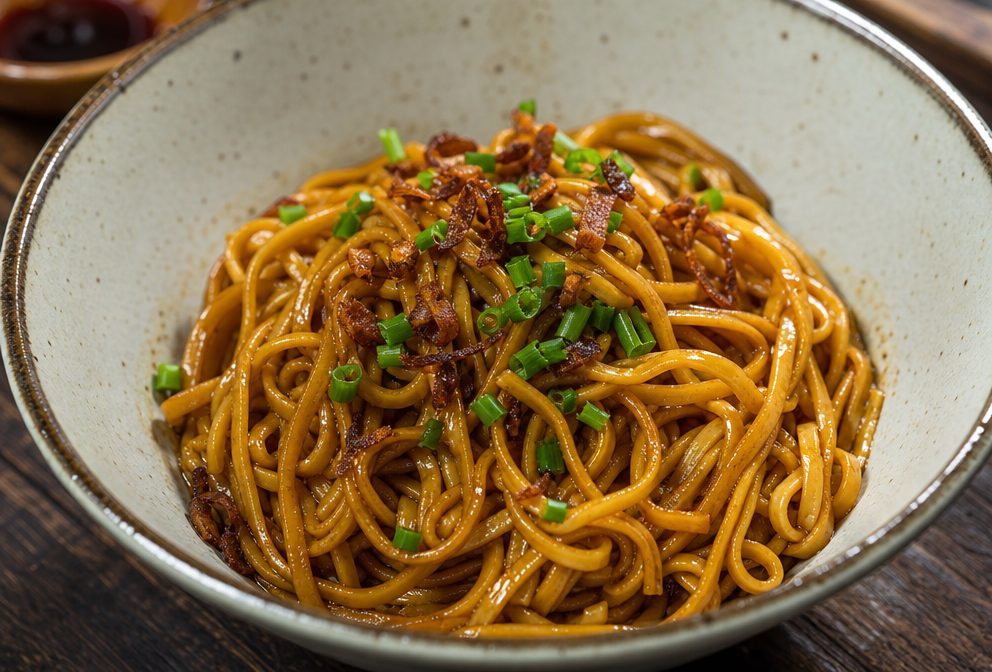
Scallion oil noodles congyoubanmian Shanghai minimalist noodle dishIllustration

Scallion Oil Noodles (葱油拌面)

A study in Shanghai minimalism: springy wheat noodles tossed in fragrant scallion-infused lard and sweet soy sauce. Cheap, fast and deeply satisfying — the dish captures everything essential about Shanghainese flavors in four ingredients and three minutes of cooking.

Cultural Experiences in Shanghai

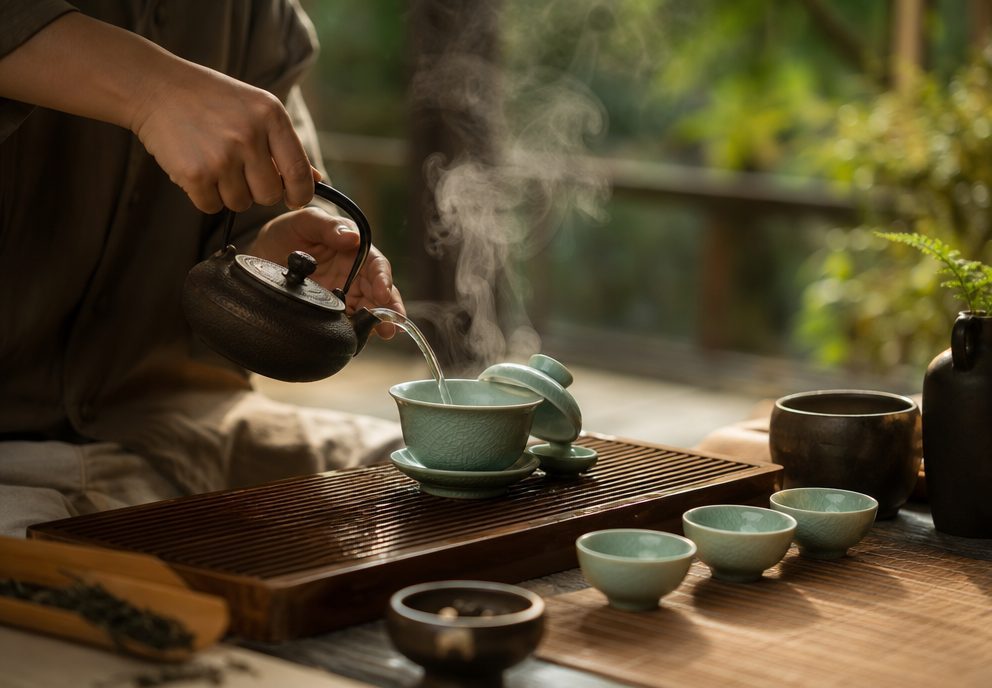
Gongfu tea ceremony at Huxinting teahouse Yu Garden ShanghaiIllustration

Tea Culture & Ceremony

Shanghai's old teahouses — particularly the famous Huxinting (Mid-Lake Pavilion) inside Yu Garden — have served guests since 1855. A private gongfu cha ceremony walks through the rituals of brewing, pouring and tasting across a flight of oolongs, pu-erhs and green teas with a knowledgeable local guide.

Longhua Temple pagoda and courtyards Shanghai oldest Buddhist complexIllustration

Temple Visit & Incense Ritual

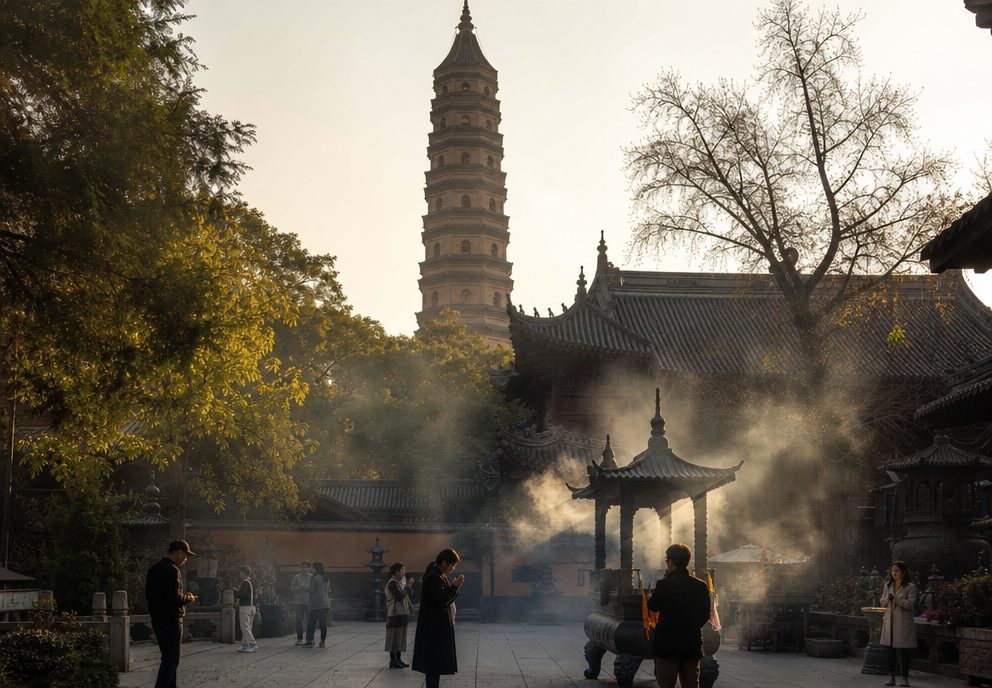
Longhua Temple, Shanghai's oldest and largest Buddhist complex, dates to AD 242 and remains an active place of worship. Early-morning visits coincide with monks chanting sutras in cloud-filled courtyards under a seven-story brick pagoda. The annual Longhua Temple Fair in spring is one of the city's most vibrant cultural festivals.

Shanghai Acrobatics Show ERA performers in dramatic lightingIllustration

Shanghai Acrobatics Show

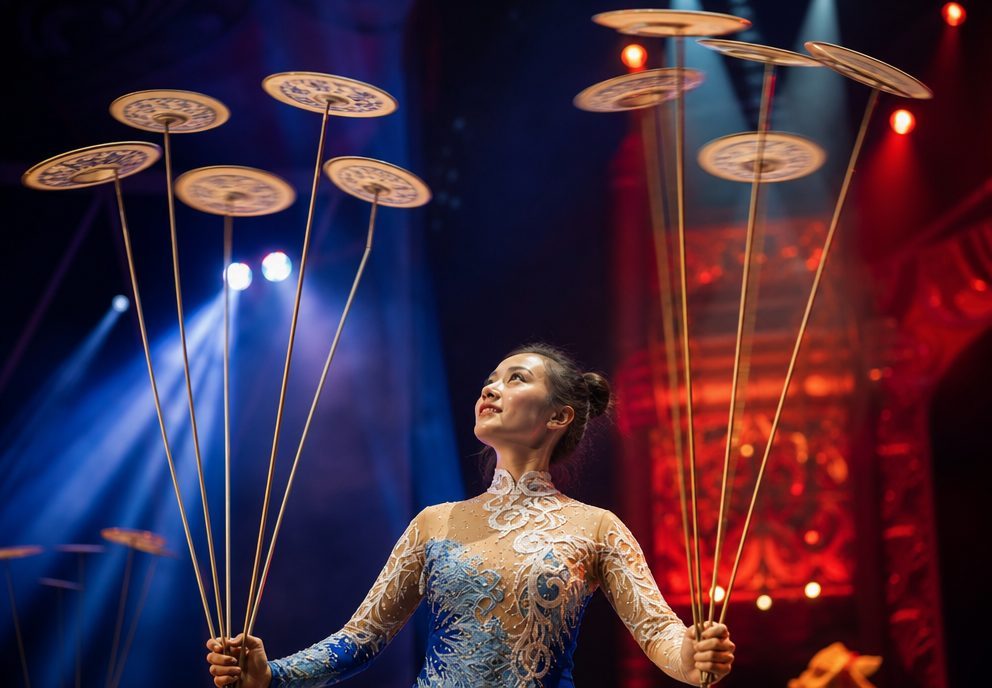
Chinese acrobatics is one of the country's oldest performing arts, and Shanghai's troupes are world-renowned. The ERA: Intersection of Time show at Shanghai Circus World combines centuries of acrobatic tradition with contemporary lighting and choreography into a 90-minute spectacle that leaves audiences breathless.

French Concession Art Deco villa architecture on a tree-lined Shanghai streetIllustration

French Concession Architecture Walk

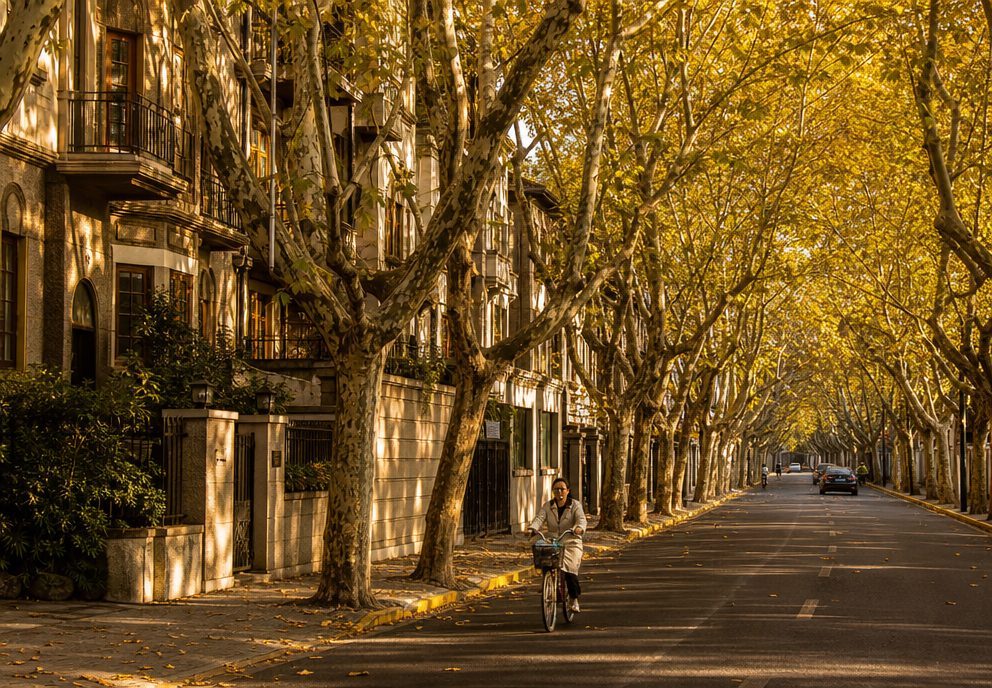
The tree-lined streets of the former French Concession conceal some of the finest Art Deco and neoclassical residential architecture in Asia. A guided walk through Wukang Road, Fuxing Road and Huaihai Road reveals the villas and apartment blocks that once housed émigré nobles, jazz musicians and revolutionary figures.

M50 contemporary art district converted cotton mill galleries along Suzhou Creek ShanghaiIllustration

Contemporary Art at M50

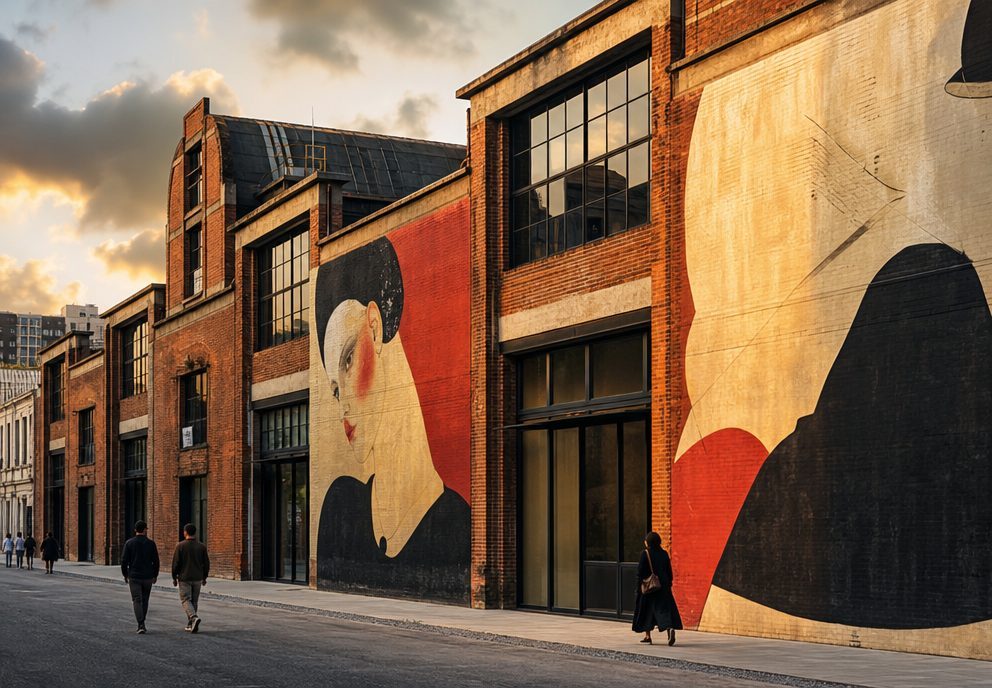
Inside a cluster of converted cotton mills along Suzhou Creek, M50 hosts over a hundred galleries representing the cutting edge of Chinese contemporary art. Free to enter and genuinely avant-garde, it's the antidote to museum fatigue — a neighborhood where you can buy directly from emerging artists and watch work in progress.

Best Time to Visit Shanghai

SeasonHighlightsWeather
Spring
(Mar–May)
Cherry blossoms at Gucun Park; the Longhua Temple Fair; ideal for walking tours and the French Concession; crowds manageable before Golden Week 15–22 °C (59–72 °F). Mild and occasionally rainy. Light jacket recommended.
Summer
(Jun–Aug)
Summer music festivals; outdoor rooftop bars; Dragon Boat Festival in June; school holidays mean peak domestic tourism 28–36 °C (82–97 °F). Hot, humid and rainy. Typhoon risk July–August.
Autumn
(Sep–Nov)
Best season overall; hairy crab season (Oct–Dec) begins; China Shanghai International Arts Festival; golden ginkgo-lined streets in November 14–24 °C (57–75 °F). Crisp, clear and dry. Widely considered Shanghai's finest season.
Winter
(Dec–Feb)
Christmas lights along the Bund; Chinese New Year (Jan/Feb) transforms the city though many shops close; far fewer tourists 2–10 °C (36–50 °F). Cold and damp. Snow rare but possible in January.

Recommended Routes Near Shanghai

4 Days / 3 Nights

Shanghai Classic Skyline & Heritage

The essential first-time route: the Bund, Yu Garden, Shanghai Museum and Tianzifang, paced to cover both the colonial-era waterfront and the French Concession laneways.

1 Day

Zhujiajiao & Water Towns

A canal-town escape an hour outside the city: stone arch bridges, gondola rides, and a pace Shanghai itself rarely allows.

5 Days / 4 Nights

Shanghai, Suzhou & Hangzhou Grand Tour

Shanghai's skyline, Suzhou's classical gardens, and Hangzhou's West Lake in one loop through China's wealthiest region.

Why Choose PreeChina

Local Expert Guides

Our Shanghai specialists are born-and-bred locals who know which alley has the best shengjian and which rooftop has the best Bund view at 9 PM on a Tuesday.

Flexible Itineraries

Every trip is built around your pace, interests and travel style — whether you want deep-dive cultural immersion or a fast-paced highlights tour.

24/7 English Support

From first inquiry to final farewell, our English-speaking team is always available to assist, advise, and troubleshoot, before, during, and after your trip.

Private Transportation

Comfortable, air-conditioned vehicles with professional drivers so you can move between Shanghai's districts — and day-trip destinations — in comfort and safety.

Authentic Experiences

Skip the tourist traps. We design access to the real Shanghai: family-run dumpling kitchens, private garden openings, and neighborhoods most visitors never find.

Shanghai is in East China.

Blog Posts About Shanghai

Keep Exploring Shanghai

School Trips to Shanghai

Bringing a student group? The school trip to Shanghai page sets out the sites, the tasks and the pace for students aged 8 to 16. School trips to China covers the whole programme: the cities, the subjects and what the service fee includes.

Plan Your Group Trip to Shanghai

Travelling to China with 10 or more people? Talk to PreeChina first. A transparent service fee of USD 100 per person for trips of up to 10 days (USD 150 for 11 to 20 days), and no markup on travel components. See how the fee works.

Tell us your group size, travel dates, and preferences, and our local Shanghai experts will design a group China journey, for your group.

Routes in Shanghai: Giant Panda Trip: Beijing, Xi'an and Shanghai · Shanghai Theme Park Trip · Shanghai to Hangzhou: Sights Along the Route · Ancient Towns and Villages Near Shanghai

Plan a Group Trip to ShanghaiSee Group Tour Options

Share This Guide