 Illustration
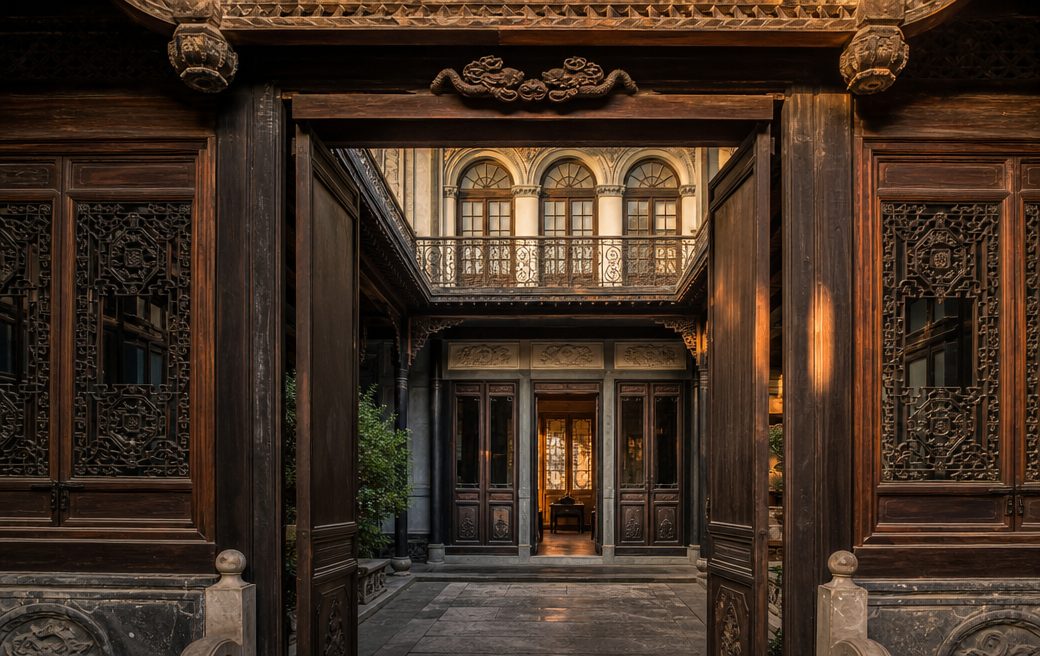
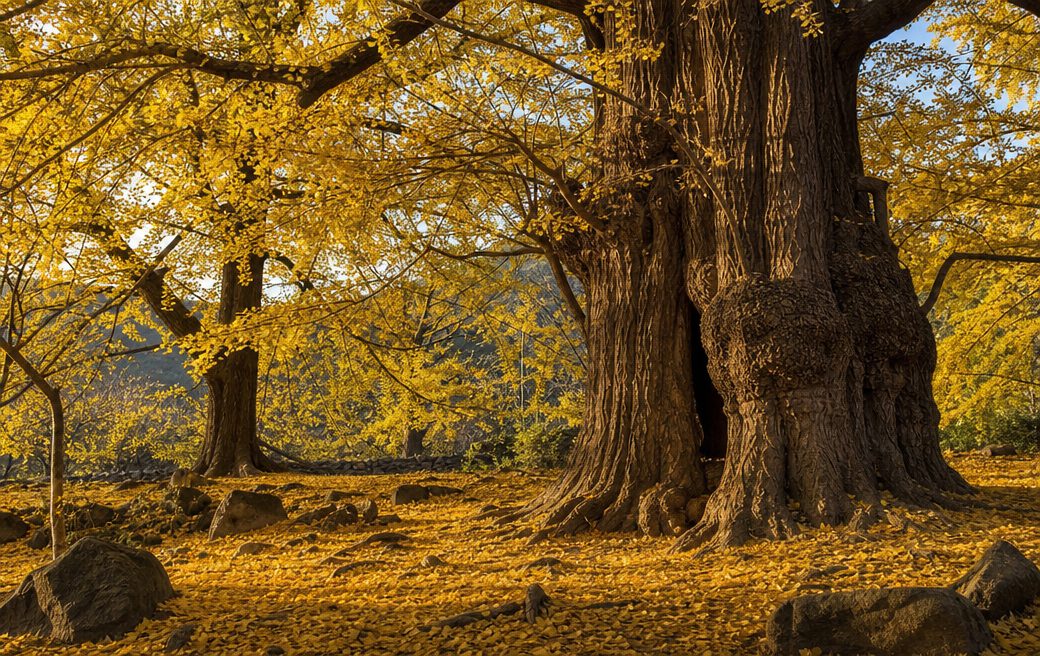
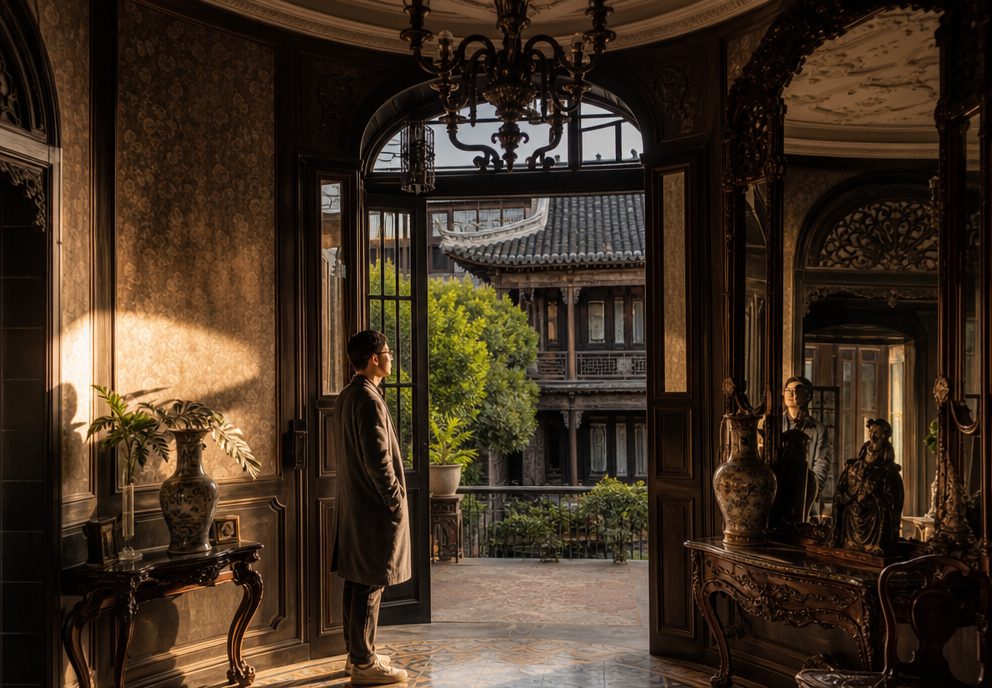
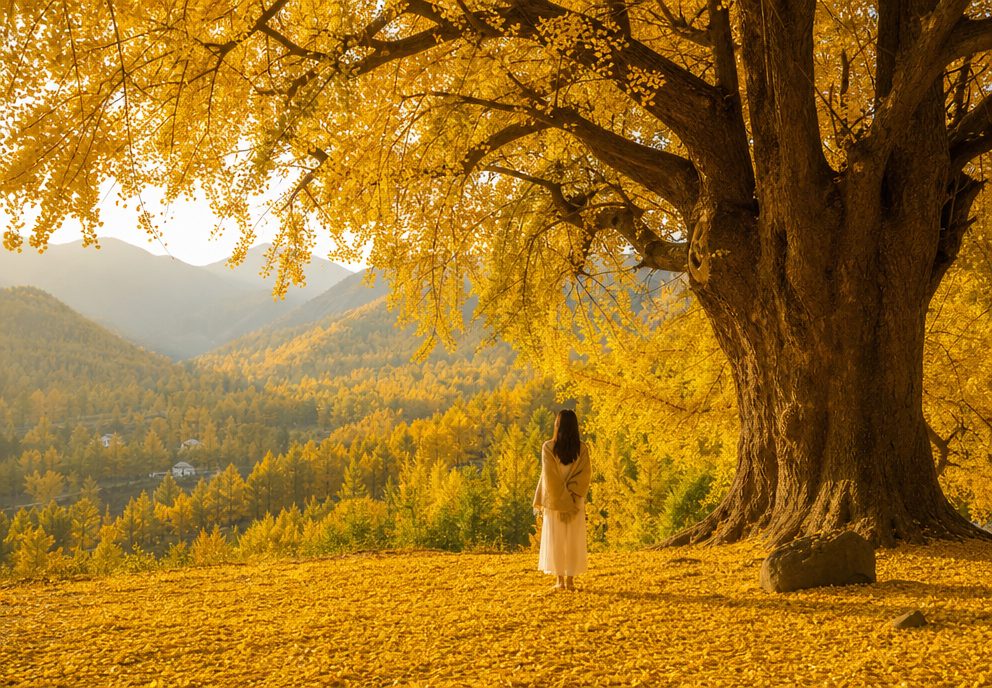
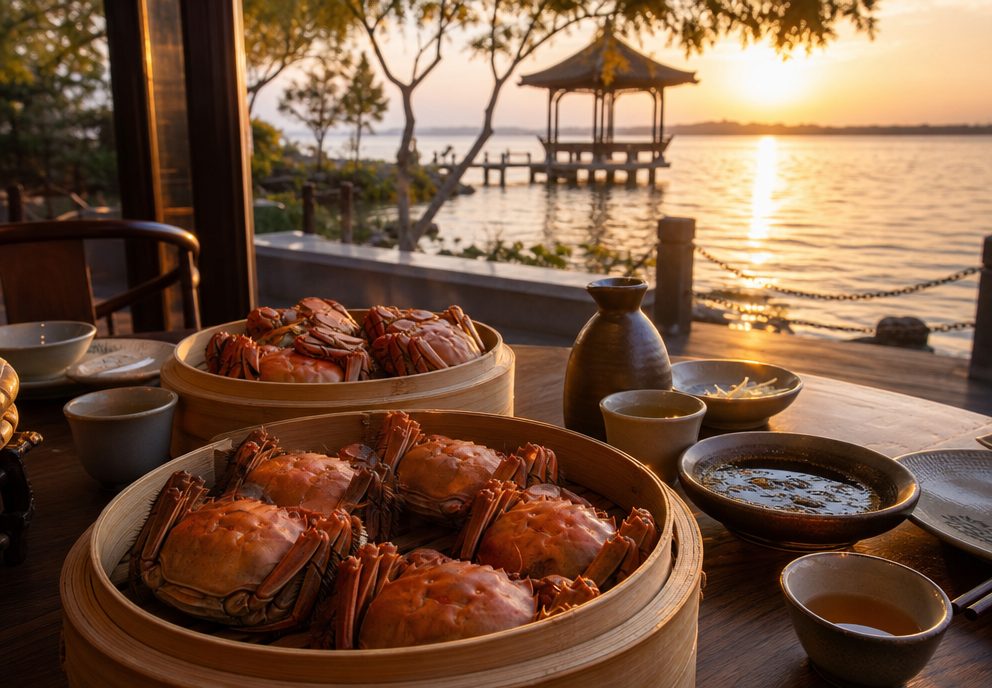
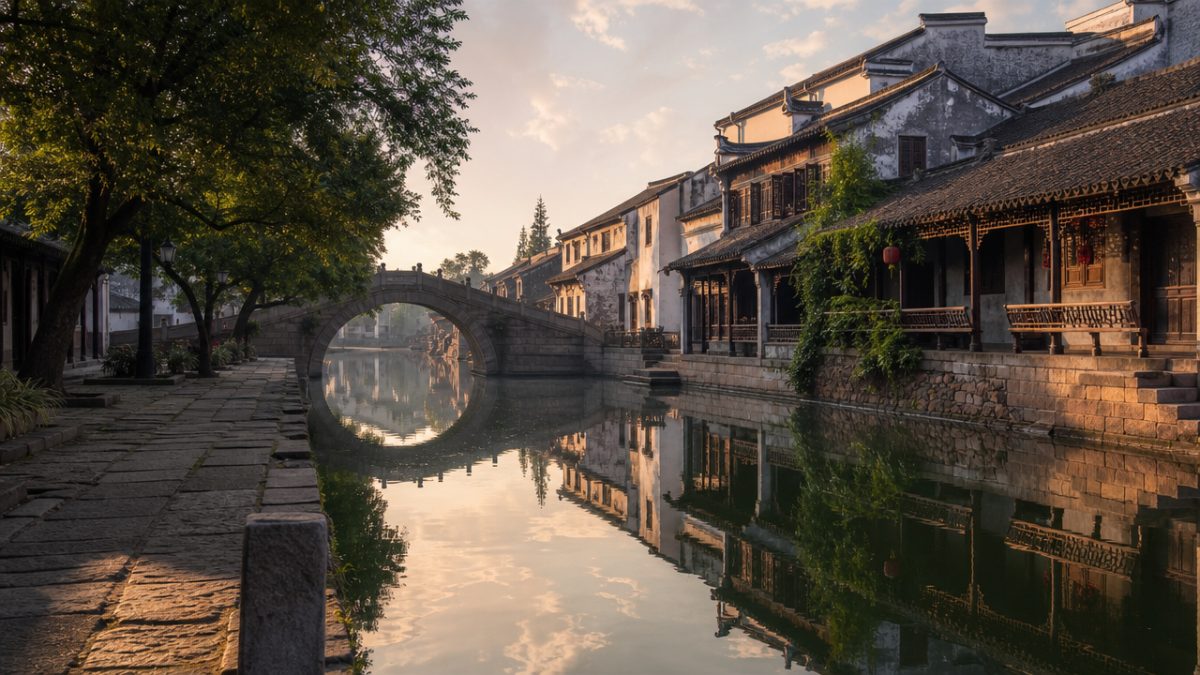
Huzhou packs a canal town, a hill station, a thousand-year ginkgo grove and the southern shore of Lake Tai into a small area. The canal town is Nanxun (南浔), and what sets it apart from the other Jiangnan water towns is money: the silk merchants here were among the richest men in China around 1900, and they spent it on houses. The mansions are bigger and stranger than anything in the better-known towns, because the owners had been abroad and brought ideas back.
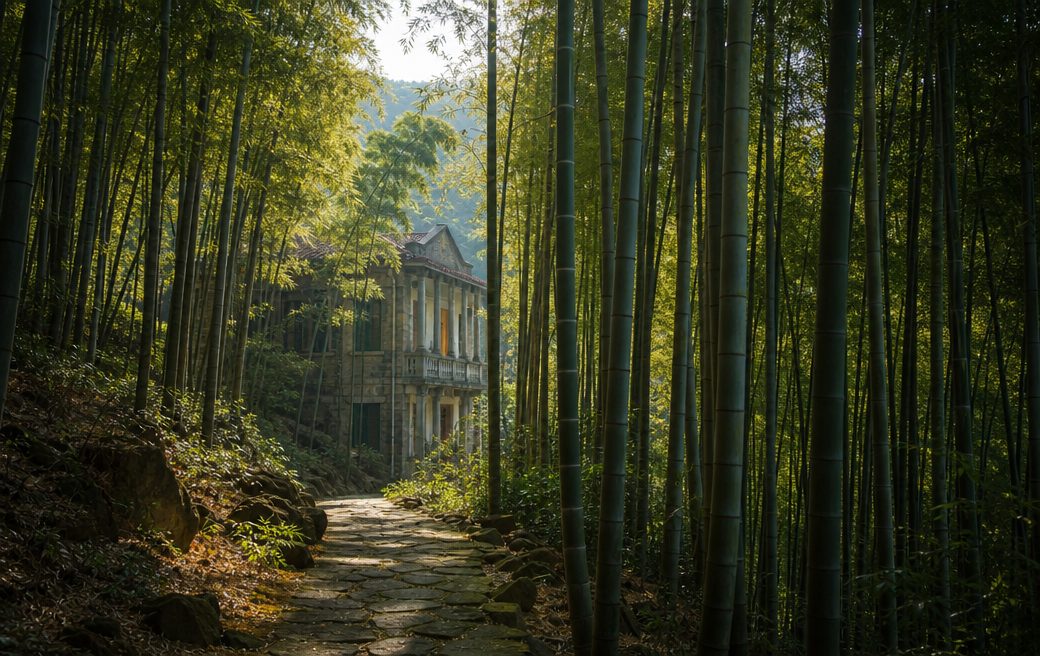
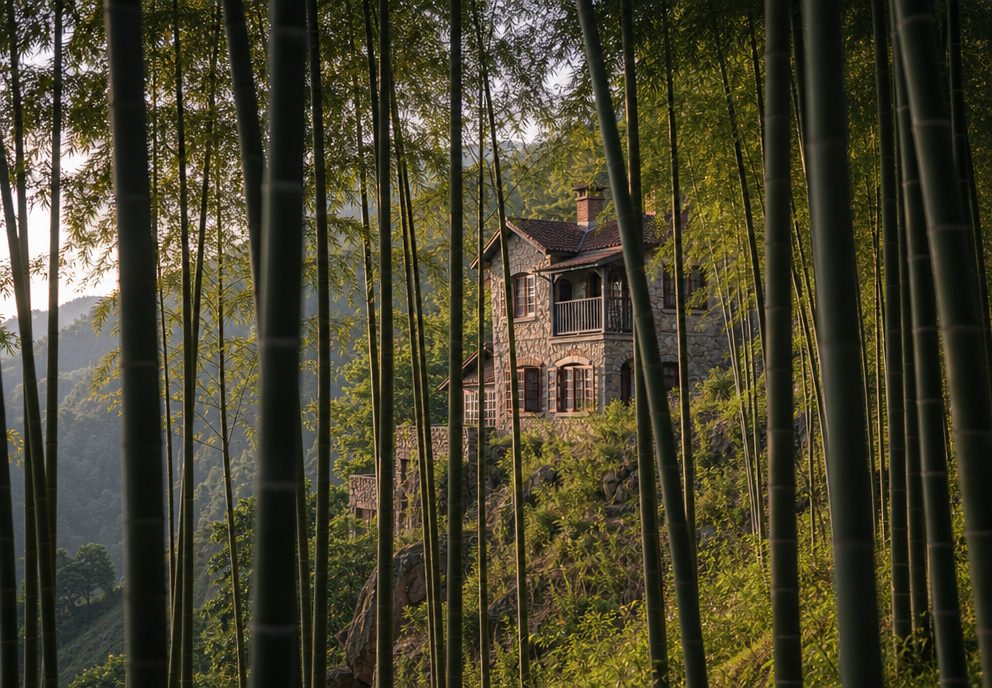
Moganshan (莫干山), a forested mountain 60 kilometers southwest of Huzhou city, has been the preferred summer retreat of Shanghai's wealthy classes since the 1920s, when foreign residents built stone villas among the bamboo forests of its cool summit plateau. Today those same villas, restored and repurposed, form the backbone of one of China's most sophisticated rural boutique hotel scenes, a mountain of colonial-era stone buildings, bamboo forest walks, and cool air that has made Moganshan the most fashionable weekend destination in the Yangtze Delta for the past decade.