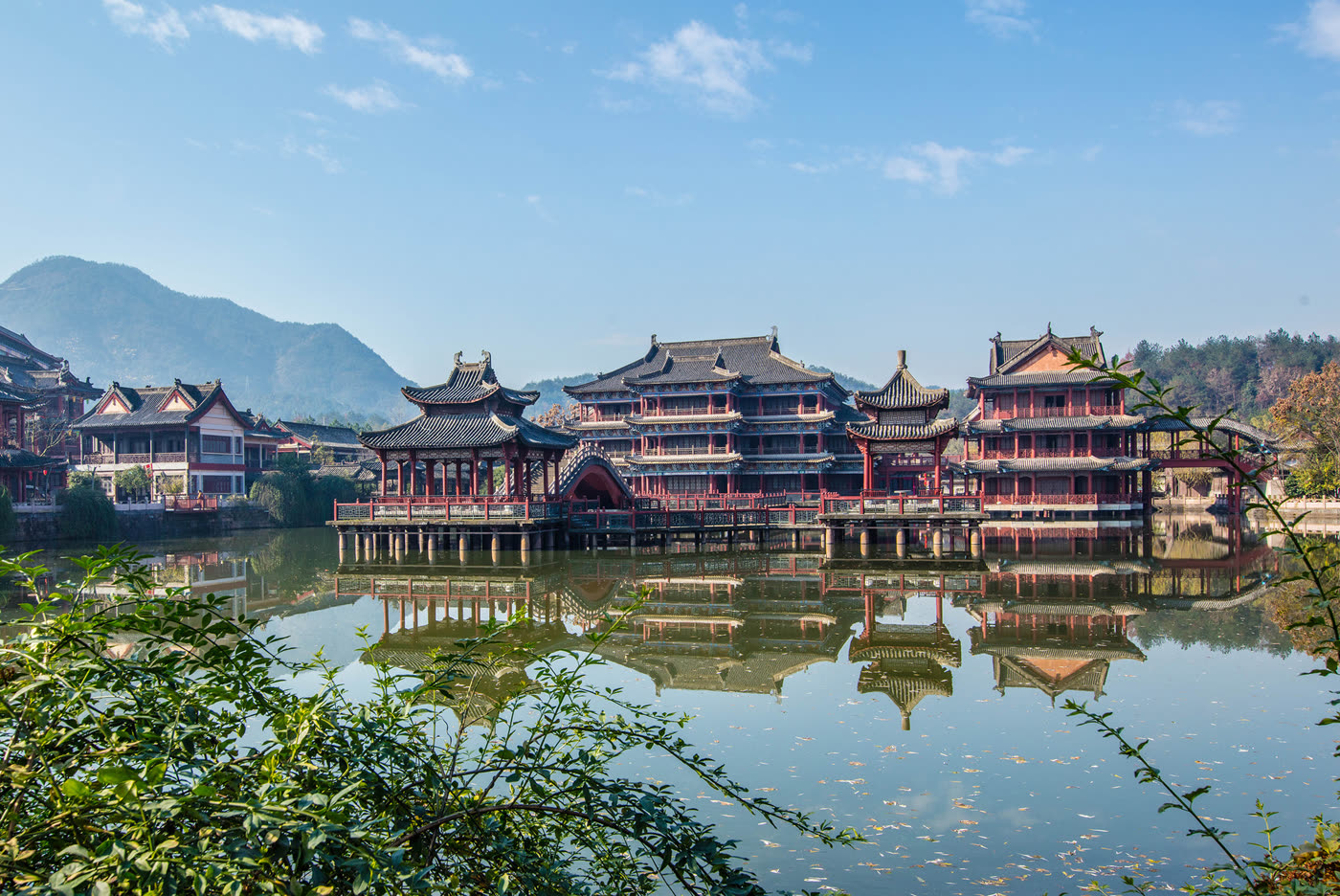
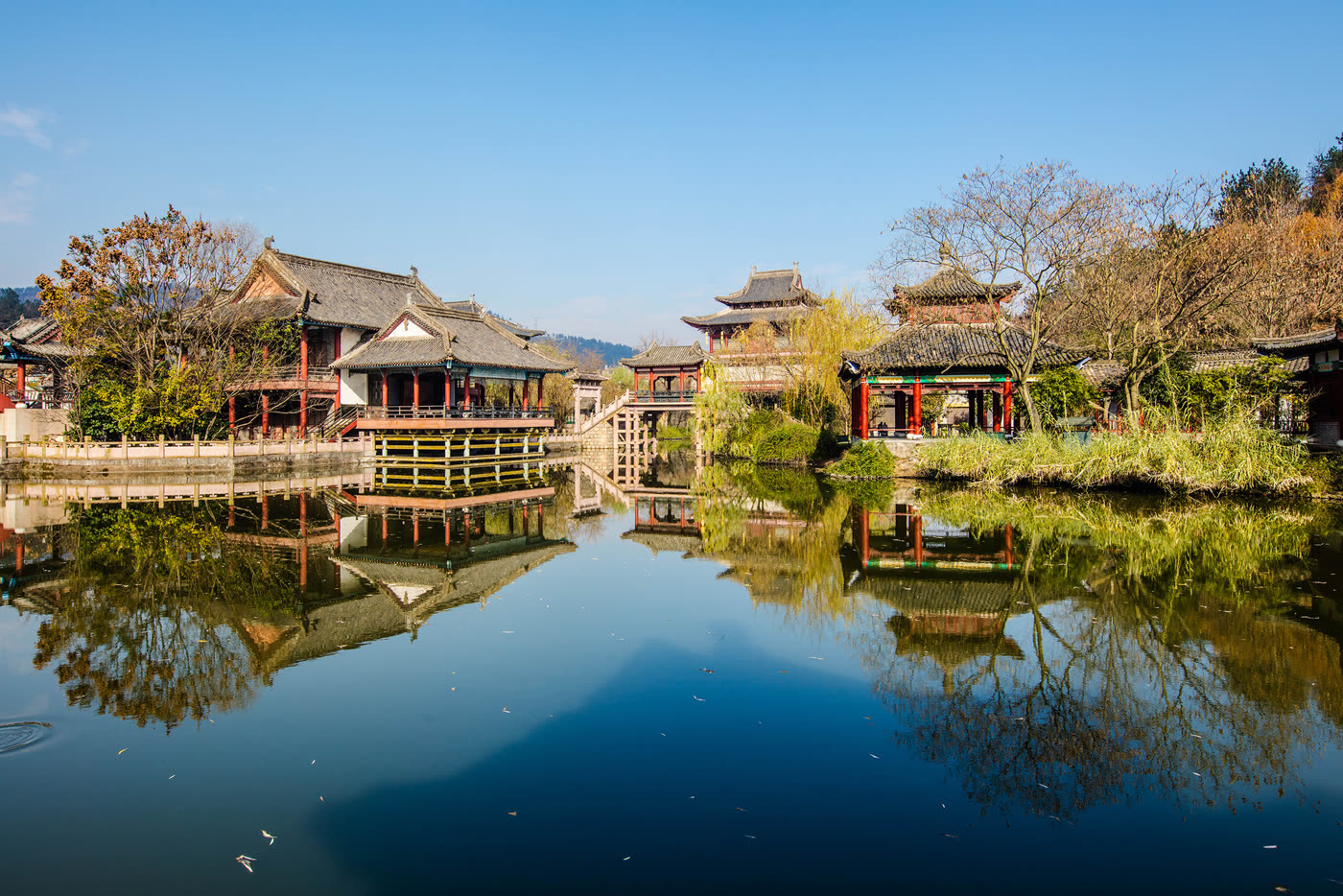
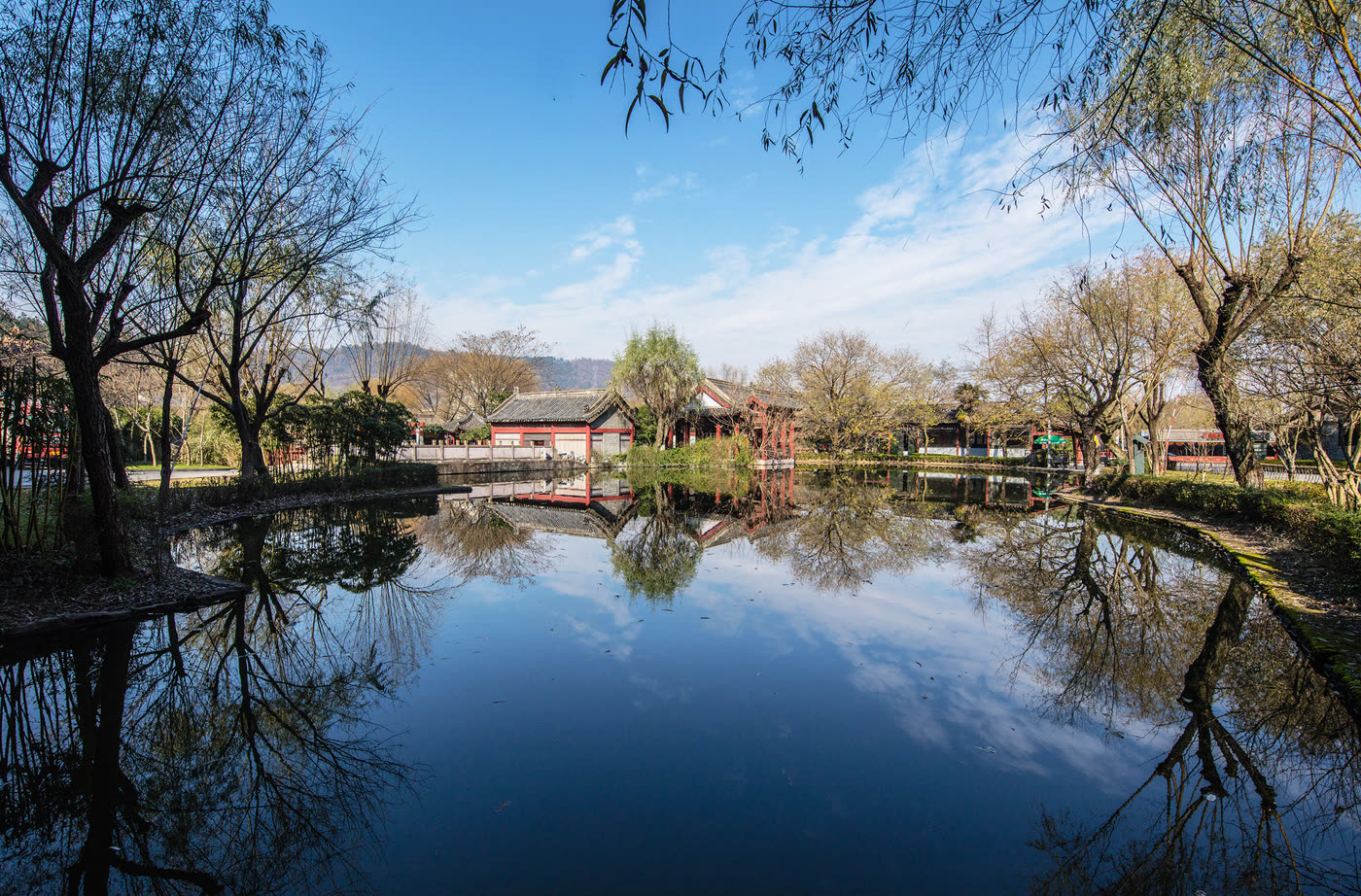
A film studio backlot in central Zhejiang, operating on a scale that has no real equivalent outside China. Nothing here is old. The section in these pictures is a three-dimensional reconstruction of a twelfth-century painted scroll, built so that television crews can shoot the Song dynasty in it.
Quick Facts
The Short Version
What it is
A working film and television backlot: full-size standing sets of Chinese cities and palaces from several periods, open to visitors
Where
Hengdian town, Dongyang, in central Zhejiang, a couple of hours from Hangzhou
How old is it
Recent. The base was created in the 1990s and has been extended ever since
What these pictures show
One section: a city built after a well-known twelfth-century handscroll of the Song capital
The other sets
A Qin palace, a Ming and Qing palace complex, a colonial-era street and others, none of which appear here
Is it still used
Yes. This is a production facility at the start and a visitor attraction second, and areas close when crews are working
Who else is here
A large population of extras and aspiring actors who live in the town and work by the day
Time needed
A full day for two or three sections. The base is far too big for all of it
Why Go
A Set, and What It Is a Set Of
1. Start from the fact that none of it is old
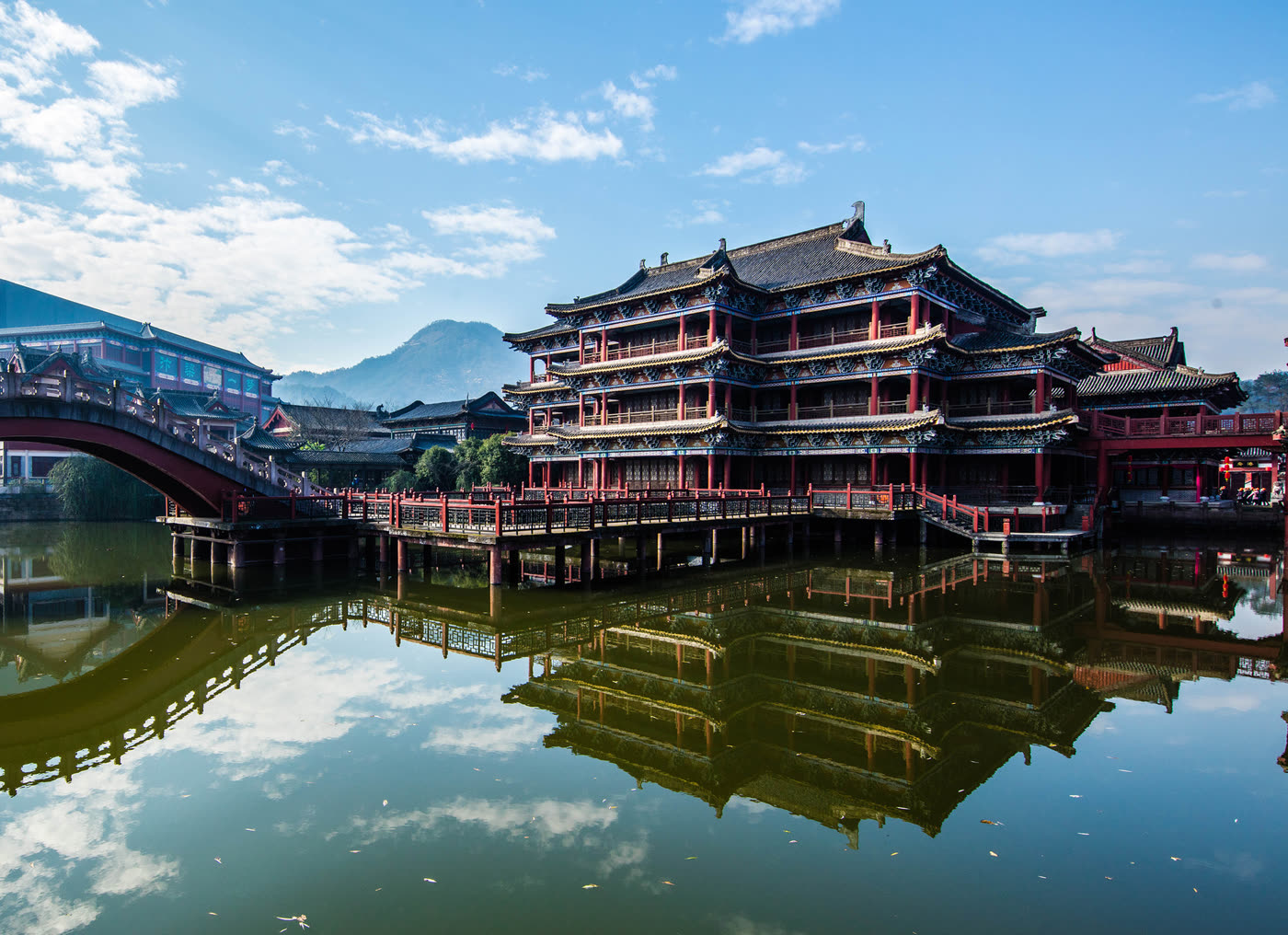
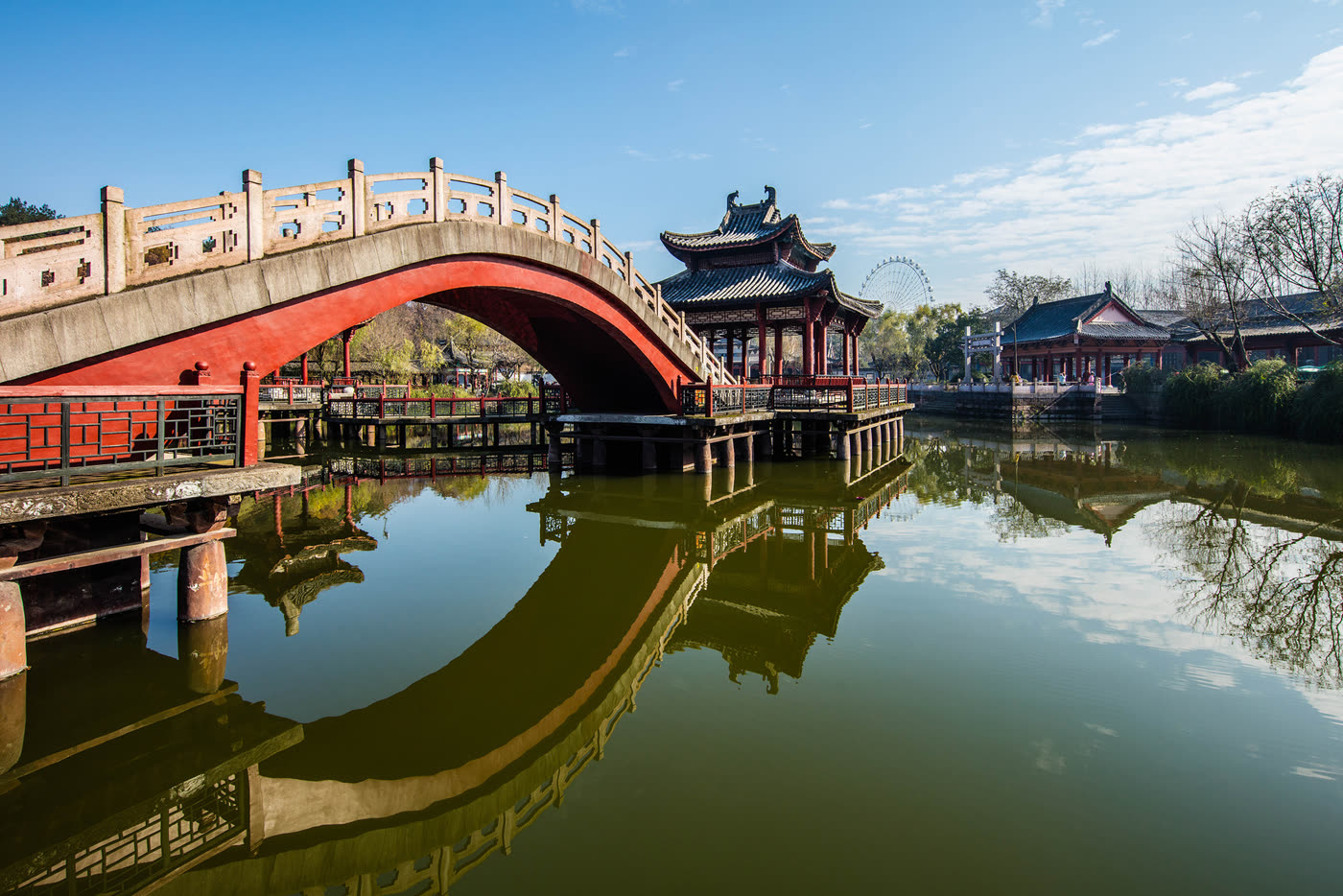
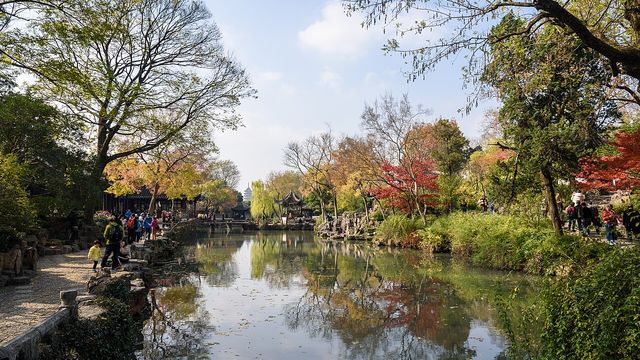
This page could describe the buildings in these pictures as a Song dynasty water city and it would read beautifully, so it is worth being blunt instead: every structure here was put up in the last few decades to be photographed. Hengdian is a backlot. The halls stand on piles in a lake that was dug for the purpose, the reflections are flawless because the water is engineered to be still, and one of the pictures below has a Ferris wheel standing behind the twelfth-century skyline.
That is not a criticism and it does not make the place less worth visiting. It makes it a different kind of visit. Somewhere like this is interesting as an industrial site and as a statement about how a country tells itself its own history on screen, and a visitor who arrives understanding that gets a great deal more out of it than one who arrives expecting an old town and slowly works out that it is not.
2. The section in these pictures is a copy of a painting
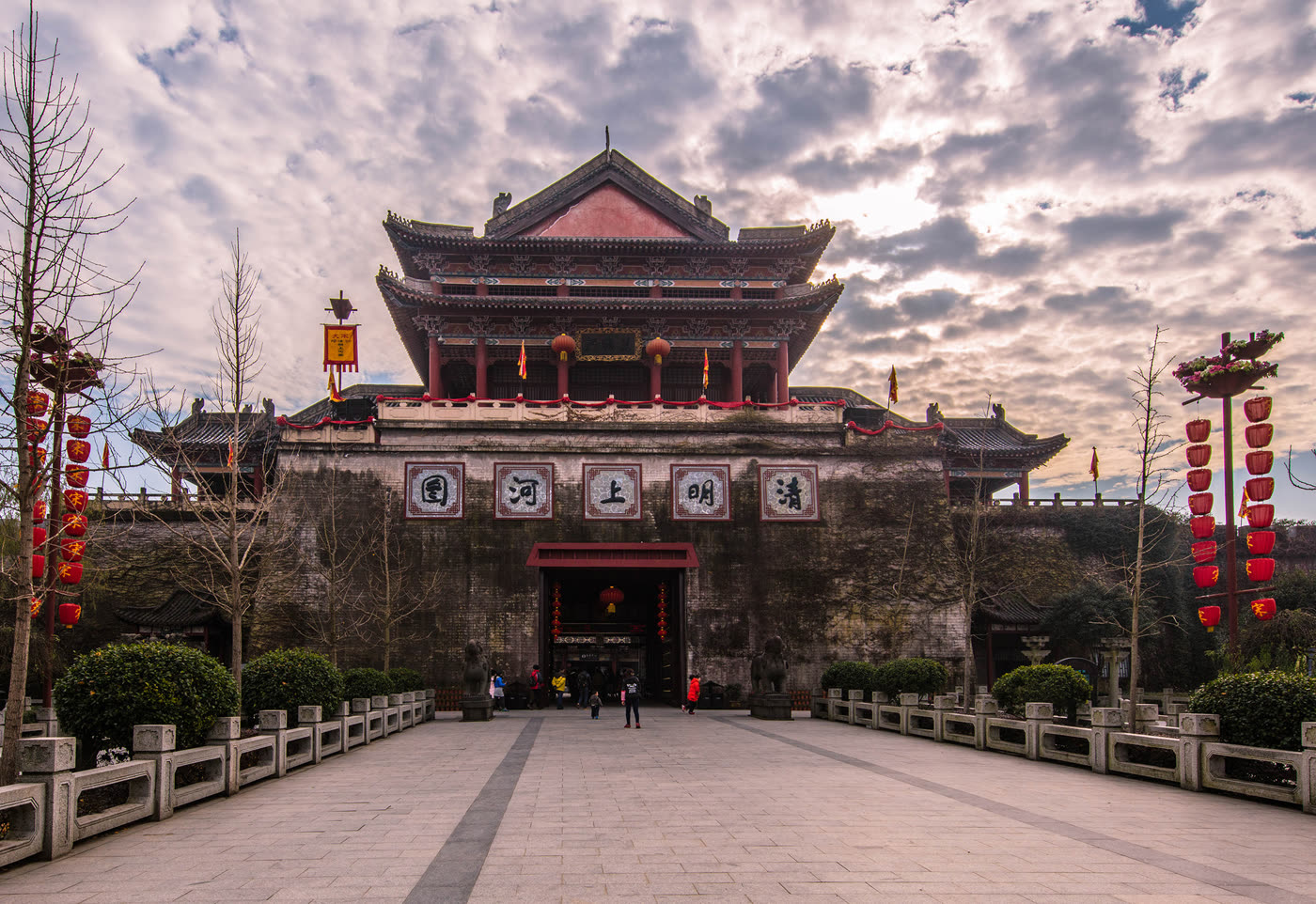
The gate in one of the images below carries the name across its wall in five panels: this is the park built after Along the River During Qingming, a handscroll painted in the twelfth century showing the streets, shops, bridges and river traffic of the Song capital at Kaifeng. It is among the many studied objects in Chinese art, partly because it is a detailed picture of an ordinary city at a moment when almost nothing else recorded one.
So the set reconstructs a depiction of a place rather than the place itself. That is an unusual thing to be able to walk around in. The scroll is a flat, continuous, moving viewpoint, and turning it into standing architecture involves decisions the painter never had to make. Whether the result is faithful is a question for specialists. What a visitor can see is a full-size city assembled from a work of art, which is a rarer experience than a themed street.
3. What a day here is actually like
The base is very large and divided into separate ticketed sections a shuttle ride apart, so the opening decision is which two or three to see. They are genuinely different: a Qin palace on a monumental scale, Ming and Qing courtyards, a street of early twentieth-century shopfronts, and this Song water city. Costumed performances run to a schedule in many of them.
The one thing the pictures on this page do not show is people, and that is misleading. These were taken on a still winter day in an empty park; in season the sections fill, and when a production is shooting, parts close to visitors entirely. The chance of seeing actual filming is real but not reliable, and it is worth asking at the gate rather than counting on it.
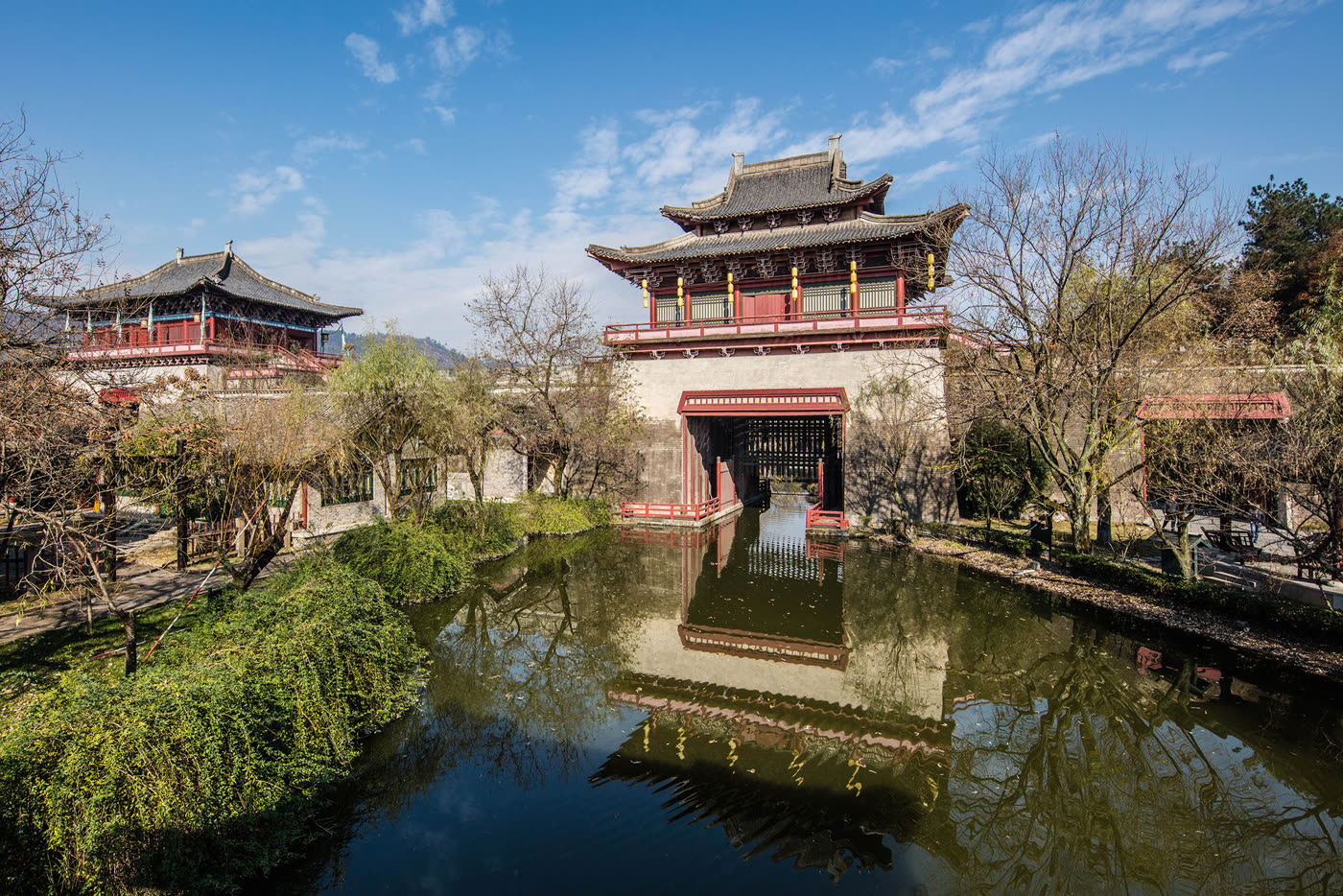
The gate names the section: the panels spell out the title of the painting the whole park is built from.Look past the pavilion. The Ferris wheel is a particularly honest object in these pictures and it is doing a lot of work.A water gate, built so boats can come through it on camera. The sets are designed around what a lens needs to see.The scale of one section. This is a city frontage built as a single continuous object rather than a town that grew.Waterside galleries of the kind the painting is full of. The reflections are this good because the lake was made to provide them.Nobody at all. Do not take the emptiness in these pictures as the normal condition of the place.
The catch. It is a theme park with a film industry attached, and visitors hoping for heritage will be disappointed by the whole premise. The sections are separately ticketed and the combined cost is high. Distances inside the base are large and the shuttles eat time. Filming closes areas without notice. And explanation on site is in Chinese, which matters because the interest here is entirely in what is being represented and why.
Orientation
Several Parks, One Shuttle
Hengdian is a scatter of separate backlots around a town rather than a single site, each with its own gate and pass, connected by shuttle buses. The Song water city in these pictures is one of them. Others reconstruct a Qin palace, Ming and Qing imperial courtyards, and a street of early twentieth-century Guangzhou, and there is a separate water park as well.
Because of that, the visit has to be planned as a route rather than a wander. Two or three sections is a realistic full day including the transfers. Buying a combined pass makes sense just if the plan is genuinely to use it, and the sections differ enough in character that picking on interest rather than trying to cover everything gives a better day.
Practical
Things Worth Knowing
Decide which sets visitors actually want
They represent different centuries and look nothing like each other. Three chosen deliberately beats five rushed.
Ask about filming at the gate
Crews close sections at short notice, and they are also a particularly interesting thing visitors could stumble into. Either way visitors want to know before they set off.
Come on a weekday outside the holidays
The sections are built for cameras rather than crowds and the narrow streets jam quickly.
Treat it as an industry visit
The interest here is how the sets are made and what periods China chooses to rebuild, not whether the buildings convince as antiques.
Timing
When to Go
Season
The case for
The catch
March to May
Mild, green, and comfortable for the amount of walking the base demands
Zhejiang spring is wet and the sets have little shelter
September to November
The clearest air and the many pleasant conditions of the year, with autumn colour around the lake
The opening week of October is a national holiday and everything fills
June to August
Long daily hours and the full performance schedule running
Hot and very humid, and the paved sets hold the heat
December to February
Quiet, sharp light and the still water in these pictures
Cold and grey, with shortened hours and fewer performances
Context
Why a Country Builds Sets Like These
Chinese television and cinema produce an enormous quantity of historical drama, and it is a genuinely mass form: costume series set in the Tang, Song, Ming and Qing courts run for dozens of episodes and reach audiences of a size that has no western equivalent. Shooting them requires standing sets, because real historic buildings are protected, scarce, inconveniently located and usually wrong for the period in question.
Hengdian is the industrial answer to that demand, and its scale follows from it. Building permanent full-size cities is cheaper than dressing locations repeatedly, and once they exist they can be rented out continuously and sold to visitors between shoots. The town around the base has grown a whole economy on it, including a large floating population of extras who come hoping for work.
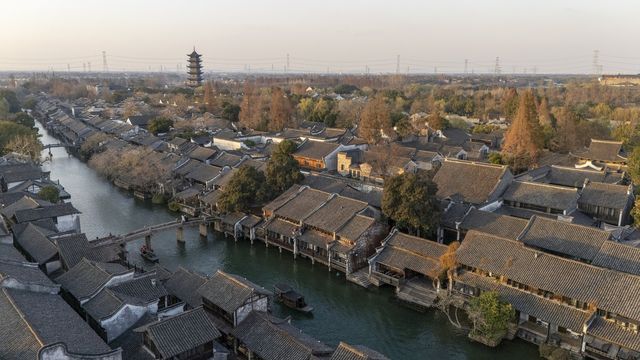
What makes it worth a foreign visitor's attention is the selection. A country that builds permanent replicas is making choices about which parts of its past are worth standing up again, and the answer here is: imperial courts, and a Song city known from a painting. That is a more revealing thing to walk around than it initial appears. This site covers a real canal town two hours away at Wuzhen, which makes an instructive comparison.
Jinhua is the prefecture and the nearest sizeable city, with fast rail connections that put Hangzhou and Shanghai within reach. Hengdian itself is a town in Dongyang county, and it has grown a good deal of accommodation of its own because of the studios.
Many visitors come out from Hangzhou for the day, which works but makes for a long one given the distances inside the base. Staying in the town overnight is the more comfortable arrangement and costs less than the city.
Experiences
What Visitors Can Actually Do Here
On site · one day
Three sets, chosen
The Song water city, one palace complex and one street, with the shuttle transfers planned rather than improvised.
Combined entry.
On site · half day
The painting city alone
The section in these pictures, walked slowly, for anyone who wants the idea rather than the whole base.
One entry.
Guided · 3 days
Set and source
The backlots here and a real canal town and garden city within reach of them, read as one question about what gets rebuilt and why.
Come knowing it is a film set and it becomes genuinely interesting. Everything here was built recently to be photographed, the lake was dug for the reflections, and there is a Ferris wheel behind the Song dynasty. What is unusual is the section in these pictures: a full-size city assembled from a twelfth-century painting, which visitors can walk around in. Pick two or three sets rather than trying to cover the base, ask whether anything is shooting, and treat the whole thing as a look at an industry rather than at a past.
Travelling to China with 10 or more people? Talk to PreeChina first. A transparent service fee of USD 100 per person for trips of up to 10 days (USD 150 for 11 to 20 days), and no markup on travel components. See how the fee works.
This place is usually sold either as a film-fan pilgrimage or, misleadingly, as an ancient town. It is more interesting than both: an industrial site where a country rebuilds the parts of its history it many wants to film. Share the travel dates and our local team will pick the sets worth the day and pair them with the real thing nearby.