Jiangsu · Suzhou's Back Garden Is a Very Large Lake
Lake Tai at Wuzhong (吴中太湖)
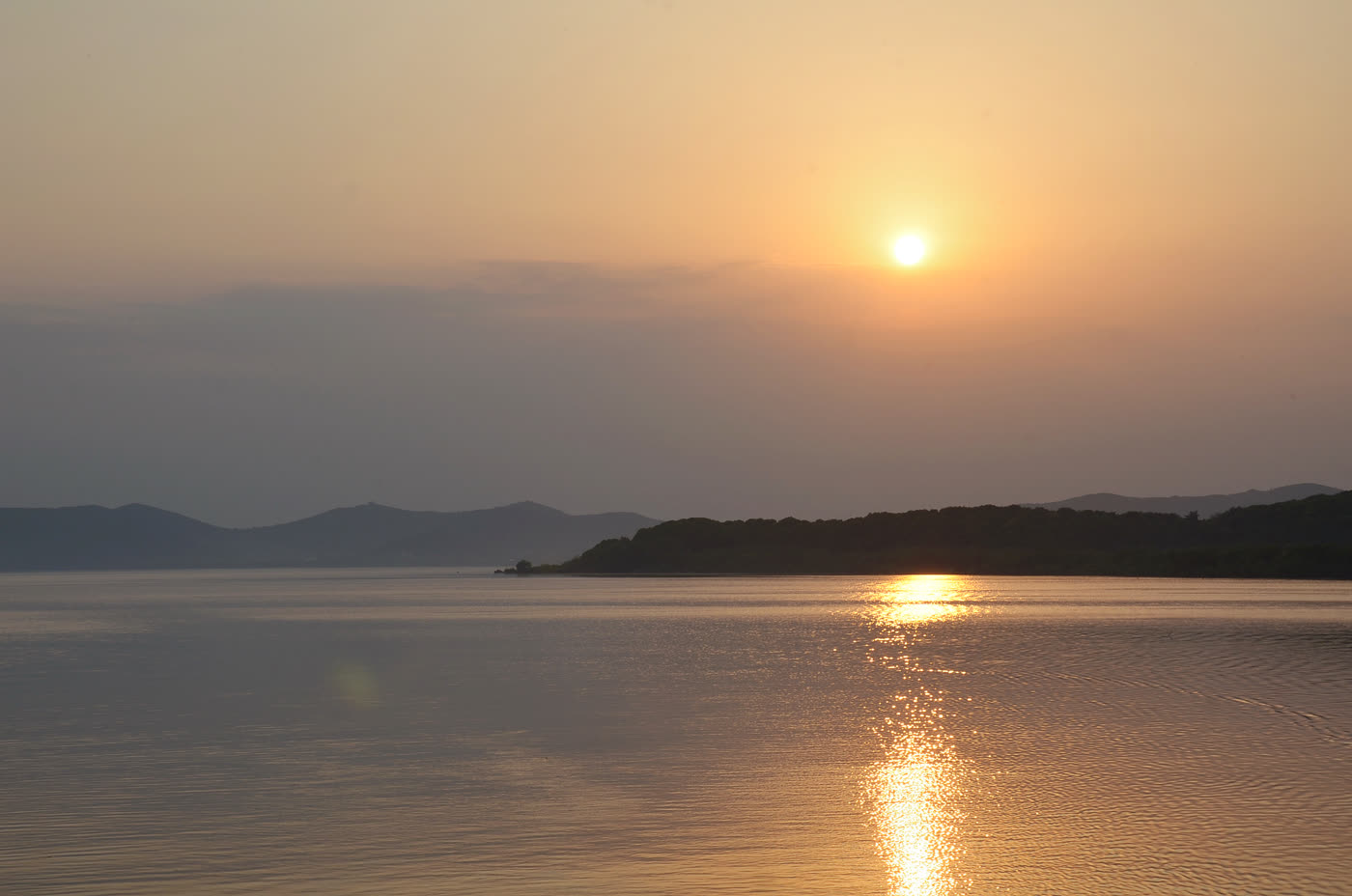
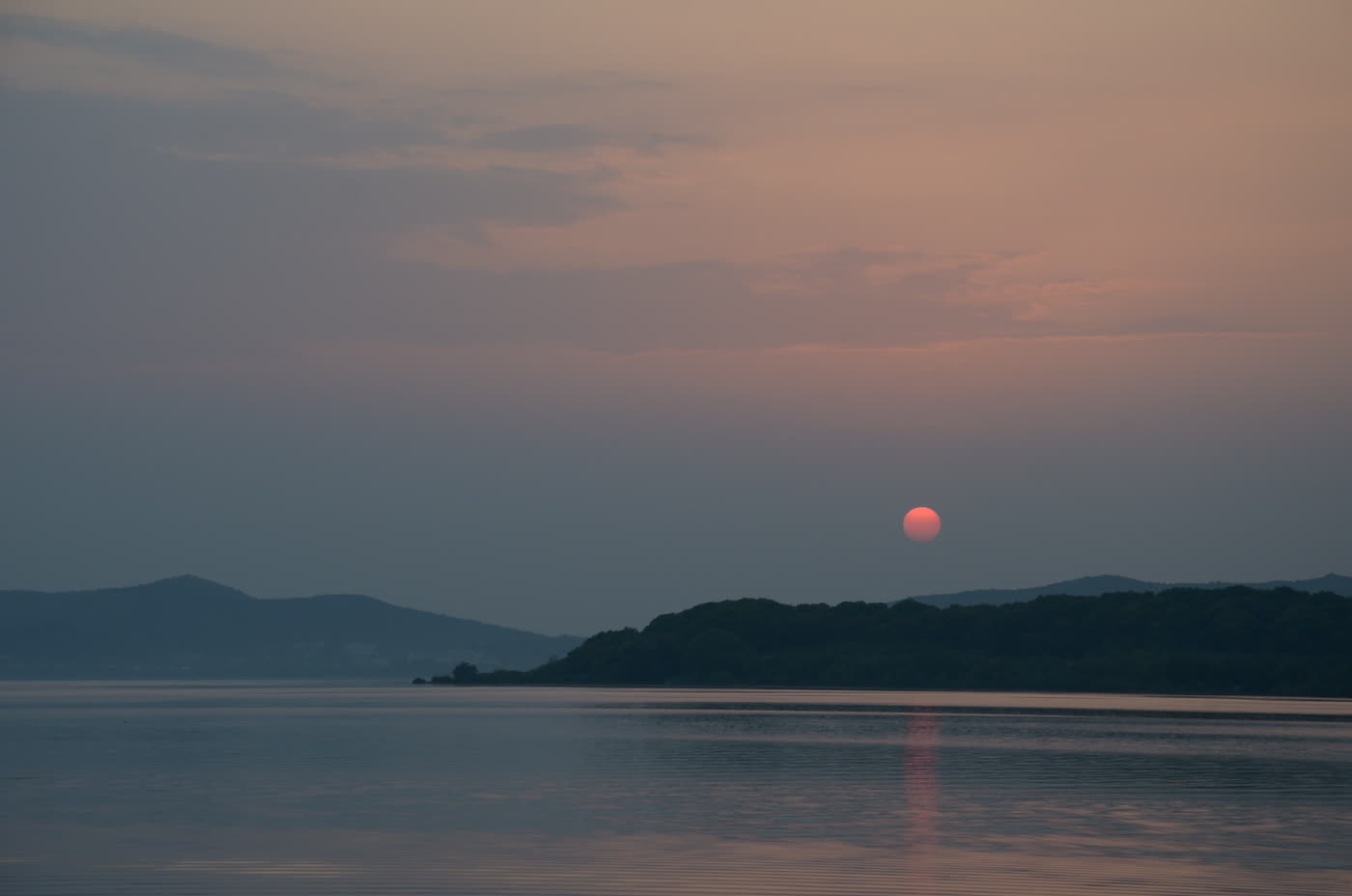
A shallow inland sea on the edge of Suzhou, too wide to see across. There is no viewpoint that takes it in, which is why what people come for is the shore: the villages, the orchards, the tea, and the sun going down.
Quick Facts
The Short Version
What it is
A very large shallow freshwater lake, with this scenic area covering the Wuzhong shore and its peninsulas and islands
Where
Wuzhong district, Suzhou, on the eastern side of the lake
How big
One of the major freshwater lakes in China by area, and shallow enough that its average depth is measured in single metres
What the shore has
The Dongshan peninsula and the island of Xishan, with villages, tea gardens, loquat and plum orchards and old family halls
What it does not have
A single view that shows visitors the lake. It is too wide and too flat
Its other reputation
Taihu stones: the pierced limestone rocks that stand in classical gardens all over China were quarried from this lake
Water quality
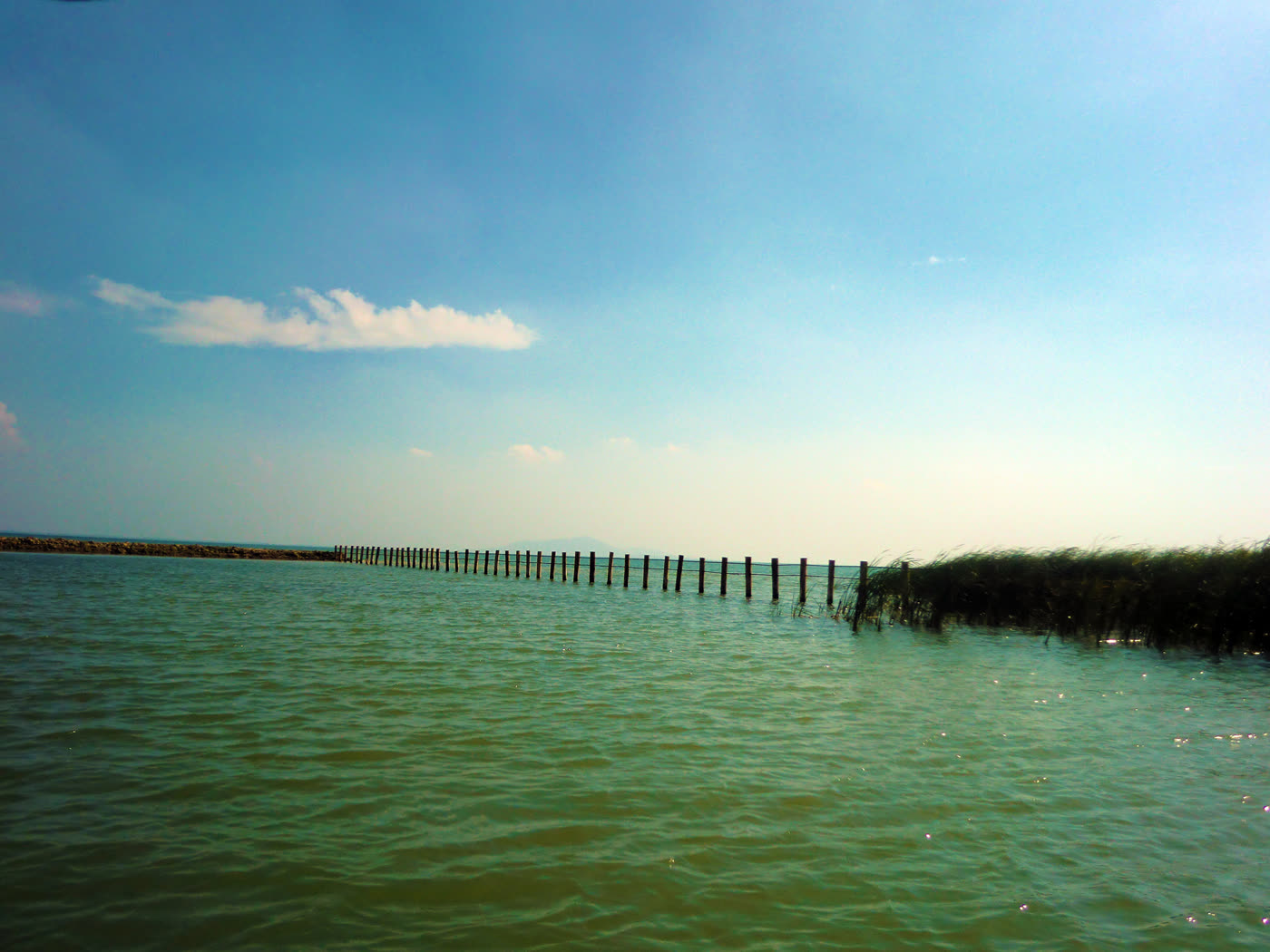
The subject of a long clean-up since a severe algal bloom in 2007. Barriers, collection boats and monitoring are visible on the water
Time needed
A day on the shore, or two with a night on Xishan
Why Go
The Lake Is the Setting, Not the Sight
1. Too big to look at
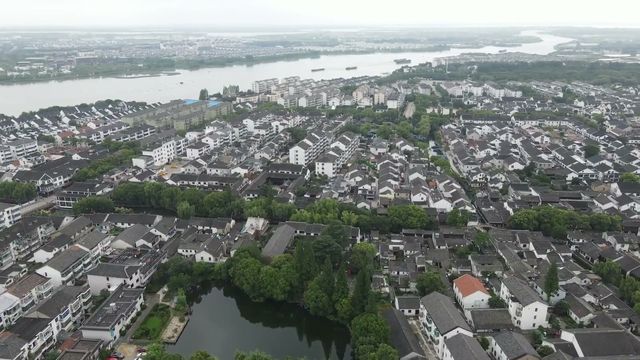
Lake Tai is a shallow sheet of water covering a very large area of flat country. Standing on the shore visitors see water to the horizon in one direction and low wooded hills in another, and there is no high ground that resolves it into a shape. Visitors arriving with the idea of seeing a well-known lake tend to stand at a railing, take a photograph of haze, and wonder what the fuss is.
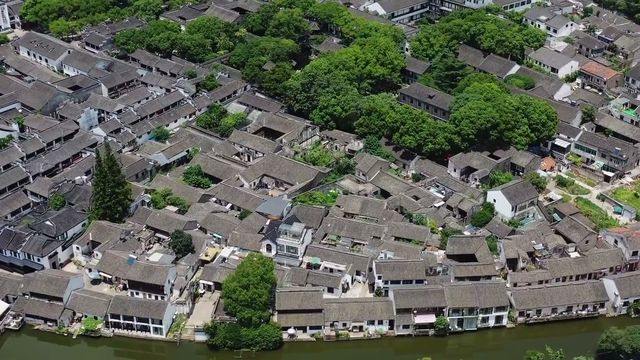
The fuss is on land. The Wuzhong shore is a peninsula and an island of orchards, tea terraces and villages that have been supplying Suzhou for centuries: loquats and plums in early summer, Biluochun tea in spring, freshwater fish and crab in autumn. This is Suzhou's back garden in the working sense of the phrase, and the right way to use it is to drive or cycle the shore and stop, rather than to look for a viewpoint.
2. A well-known bad decade, and what it left
In 2007 an algal bloom on this lake shut off the drinking water of Wuxi, a city of millions, for about a week. It was a national story and it changed how the lake is governed. Decades of fertiliser runoff, fish farming and industrial discharge had loaded the water with nutrients, and a hot still spring did the rest.
What followed has been close to twenty years of work: factories closed or moved, aquaculture pens removed from large areas, wetland replanted along the margins, and a permanent fleet of boats collecting algae in warm weather. A visitor sees the results without being told what they are, in the floating barriers, the collection craft and the water quality boards at the piers. The lake is better than it was and is not fixed, and both halves of that are worth saying.
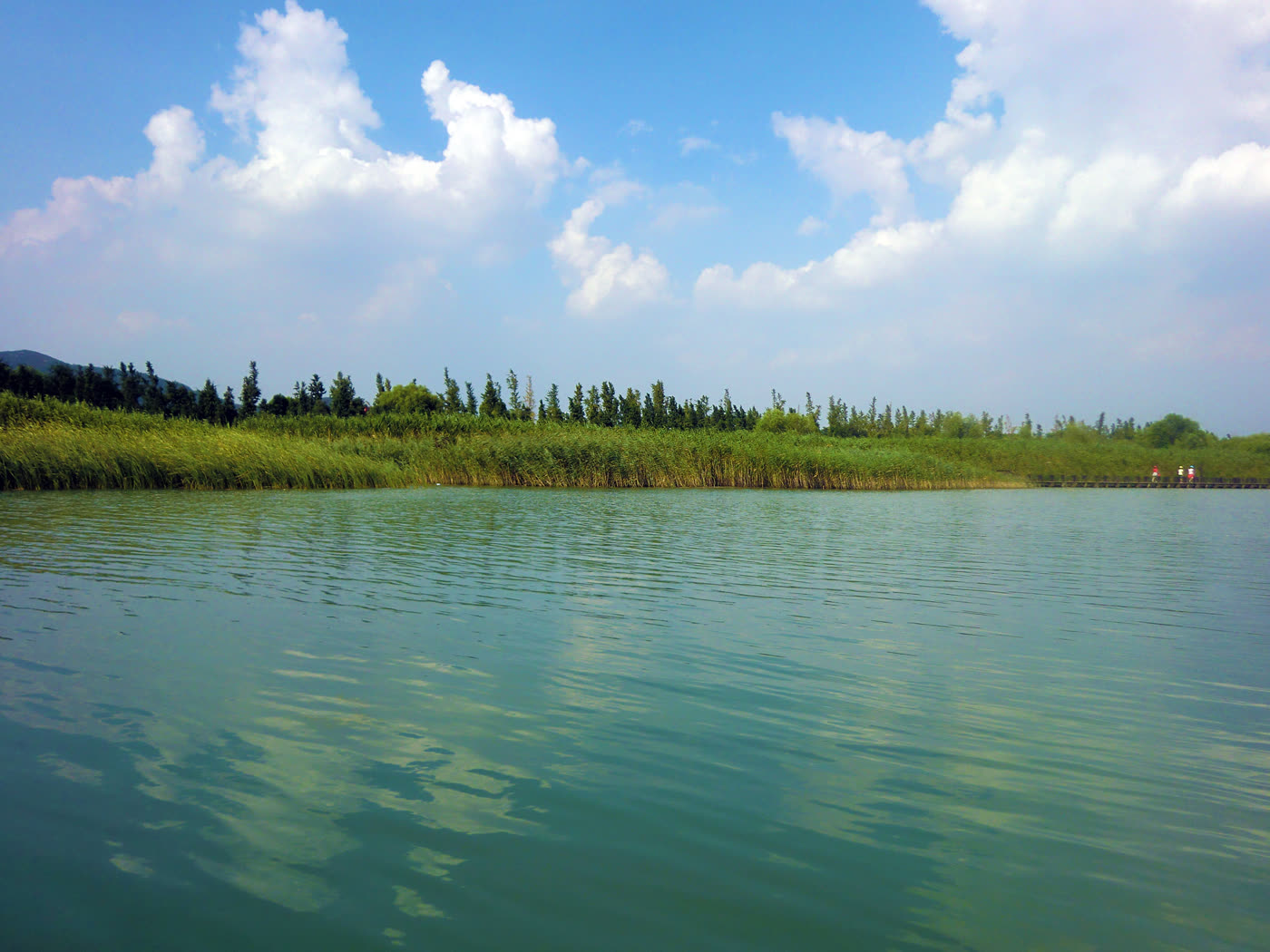
Lake Tai. Boats run between the shore and the islands, and the crossings are short and utilitarian rather than scenic.Twelve of the seventeen pictures available for this entry look roughly like this one. That is not a failure of the photographer. It is what the lake does.The margins are reed bed and shallow water. Replanting wetland like this along the shore has been part of the clean-up.The lake is shallow enough that the bottom shows through near the edges almost everywhere. That shallowness is also why it warms fast and blooms easily.
The catch. There is no single thing to see here and no obvious place to start, which makes it a poor fit for a short trip with a checklist. The shore road is also busy at weekends with Suzhou and Shanghai traffic, and several of the named attractions along it are thin. Without a car or a bicycle this scenic area is hard to use at all.
Orientation
How to Use a Shore
Suzhou is half an hour away and is where visitors should be based. The scenic area is the Dongshan peninsula and Xishan island, reached by road and a long causeway, with buses from Suzhou that are slow and a car or taxi that is not.
There is no gate and no single pass: individual sites along the shore charge separately. Treat it as a route rather than a destination. A bicycle on Xishan, which is largely flat and quiet away from the main road, is the ideal version of the day.
Practical
Things Worth Knowing
Come for a season, not a view
Loquats in May and June, new tea in April, crab in autumn. The shore is an agricultural calendar and timing it is the whole trick.
Stay on Xishan
Guest houses in the villages are cheap and the island empties in the evening. It is a completely different place from the day-trip version.
Go on a weekday
The causeway and the shore road carry a lot of weekend traffic out of Suzhou and Shanghai.
Look at the water, not past it
The barriers, the collection boats and the posted readings are the current chapter of this lake's story and they are in plain sight.
Timing
When to Go
Season
The case for
The catch
April to June
New tea, then loquats and plums, and the shore at its especially worth visiting
Jiangnan rain, and the opening warm still weeks are when algae risk begins
September to November
Crab season, clear light and comfortable cycling
The opening week of October is busy everywhere near Suzhou
July to August
Long evenings and the lake at its warmest for boats
Heat, humidity and the months when blooms are especially likely
December to March
Empty, cheap and quiet, with mist on the water
Cold, damp and many of the orchards bare
Context
Stones, Silk Money and a Shallow Sea
Lake Tai's especially widely travelled export is rock. The pierced, folded limestone pieces that stand as sculpture in classical Chinese gardens were taken from this lake, where water working on limestone over long periods bored them into shapes collectors prized. Rocks from here are in gardens across the country, including the ones a short drive away in Suzhou.
Foreign visitors are often thrown by those rocks: grey, contorted, heavy, occupying the room a European garden gives to flowers, and faintly sinister with it. They are there because China spent two thousand years treating stone in something like the way Europe treated relics and icons. Judging single rocks became a connoisseur's pursuit under the Tang, and rival ministers built collections; the twelfth-century painter Mi Fu is said to have bowed to one in his garden daily and addressed it as elder brother; the emperor Huizong assembled a collection on a scale that helped drain the treasury. According to Maggie Keswick's history of the Chinese garden, the many perfect pieces of all came up from the bottom of this lake.
The wealth that built those gardens came from the same basin. The lake plain was among the many productive agricultural regions in China and the centre of the silk trade, and Suzhou grew rich on both. The relationship between the city and this shore is old and practical: food, fuel, stone, fish and somewhere for merchant families to keep a house.
Physically the lake is a lowland basin that filled as the Yangtze delta built out, and it is remarkably shallow for its size. That shallowness explains a great deal: it warms quickly, it stirs up in wind, it silts, and it responds fast to whatever is put into it. A deep lake this size would have absorbed the twentieth century differently.
Suzhou is the base and the reason this shore exists in the form it does. The classical gardens in the city and the orchards on this lake are two ends of the same economy, and the rocks in the gardens came out of this water.
From Suzhou the lake shore is a half-hour drive, the canal towns are all within an hour, and Shanghai is twenty five minutes by high-speed train. Nobody should stay at the lake unless they are staying on Xishan deliberately.
Experiences
What Visitors Can Actually Do Here
On site · full day
The shore by car or bicycle
Dongshan, the causeway and Xishan, stopping at villages, an orchard and a tea garden rather than at ticketed attractions.
No single pass; sites charge separately.
Seasonal · spring
New tea at the source
Biluochun is picked on these slopes in a short window in spring, and buying it here is a different transaction from buying it in the city.
Late March into April.
Guided · 3 days
Suzhou and its lake
The city gardens, the canal towns and this shore, arranged so the connection between them is visible rather than assumed.
Come with a car or a bicycle, a season in mind and no expectation of a view. Buy loquats in June or tea in April, cross to Xishan and stay a night, and look at the floating barriers on the way over. This is not a lake visitors go to see. It is a shore visitors spend a day on, attached to a city that was built on what came out of the water.
Travelling to China with 10 or more people? Talk to PreeChina first. A transparent service fee of USD 100 per person for trips of up to 10 days (USD 150 for 11 to 20 days), and no markup on travel components. See how the fee works.
Tell us when visitors are in Suzhou and our local team will put together the lake shore properly: the right season, a car or bicycles, an orchard or a tea garden that actually works, and a night on Xishan if they want the quiet version.