Home › Destinations › Anhui › Xuancheng

Jingting Mountain Xuancheng Anhui Li Bai poetry heritage forested peak autumn mist scenicIllustration

PreeChina · City Guide

Xuancheng Travel Guide

The birthplace of Xuan paper, the most celebrated paper in Chinese cultural history, without which classical calligraphy and painting could not exist, where Li Bai visited Jingting Mountain sixty times, and where the bamboo forests that feed the papermaking tradition still cover the hills in extraordinary density.

Xuancheng Quick Facts

Province / Region
Southeastern Anhui Province, Yangtze Delta fringe
Population
~2.6 million (prefecture)
Best Time to Visit
April–June & September–November
Famous For
Xuan paper (UNESCO), Hui ink, Jingting Mountain, bamboo forests, Chenghu wetland
Nearest Airport
Xuancheng Nanling Airport (开发中); Nanjing Lukou (NKG) ~120 km; Huangshan (TXN) ~90 km
Recommended Stay
2 days

Why Visit Xuancheng?

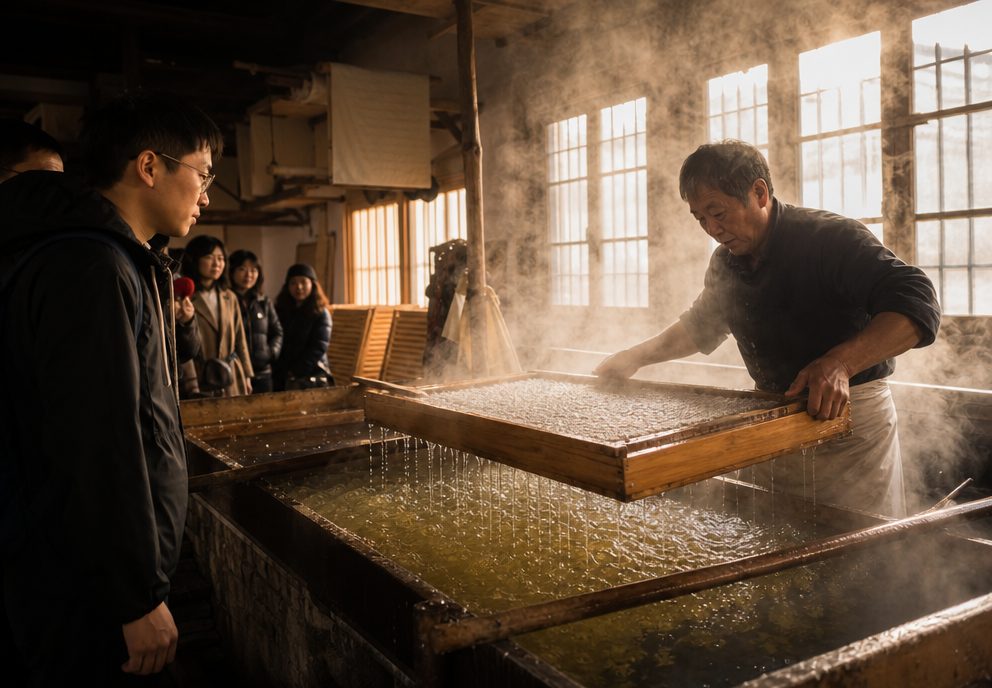
Xuan paper making Jing County Xuancheng Anhui traditional papermaking vat lifting sheet UNESCOIllustration

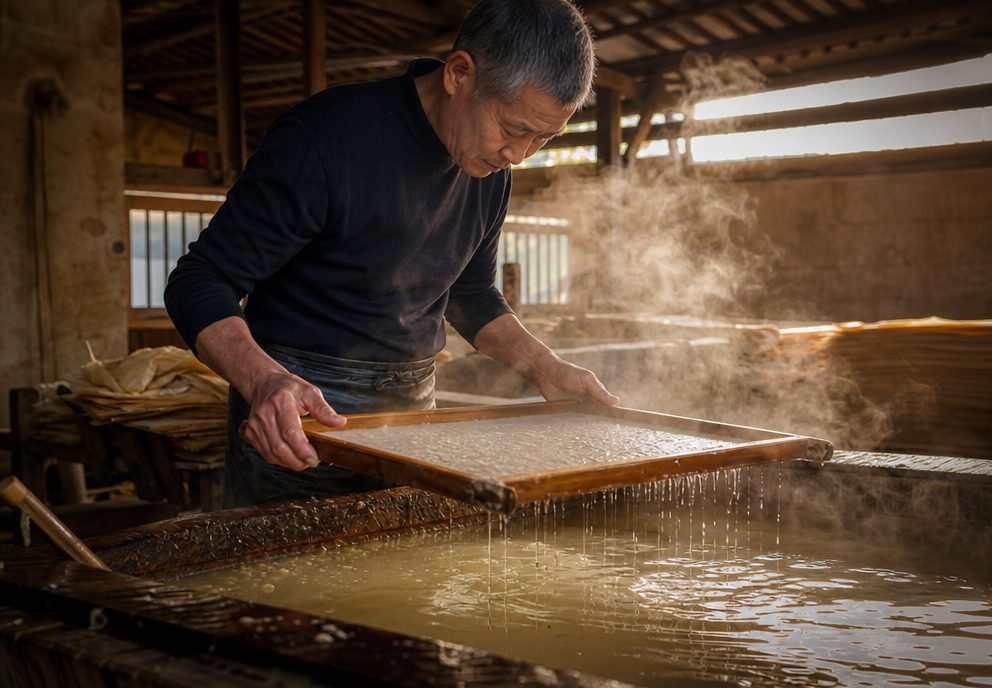
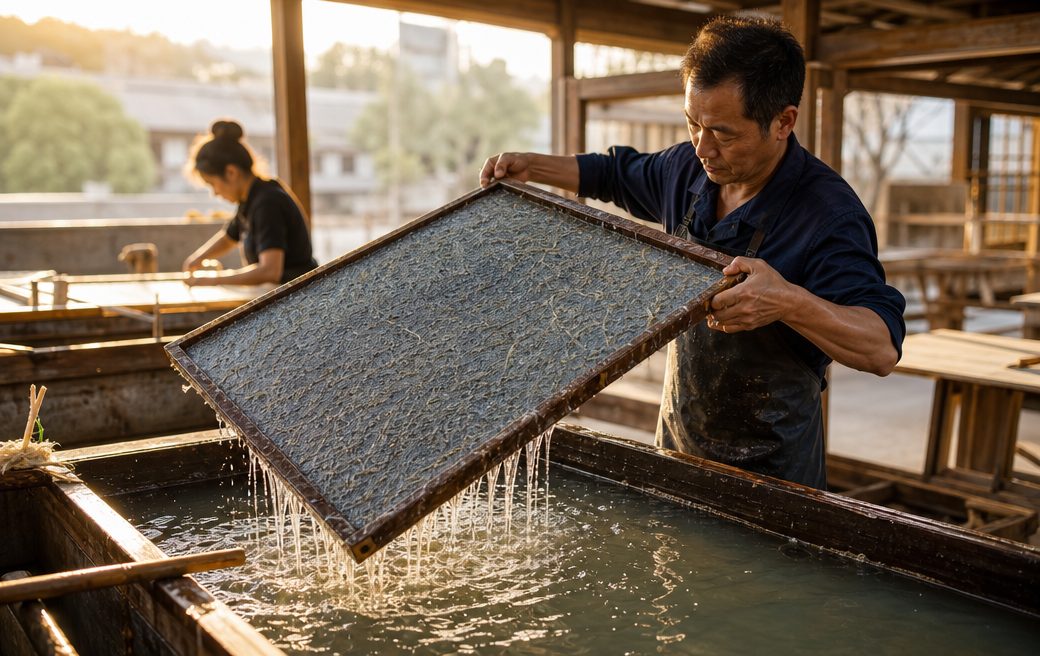
Xuancheng holds a place in Chinese cultural history that is both highly specific and enormously consequential: it is the birthplace of Xuan paper (宣纸), the paper on which virtually all classical Chinese calligraphy and painting has been produced for over a thousand years. Made in Jing County (泾县) from a combination of blue sandalwood bark fiber and rice straw in a process that requires 108 separate manufacturing steps and takes two years to complete, Xuan paper is a UNESCO Intangible Cultural Heritage and the material foundation of China's entire brush-and-ink artistic tradition. Visiting a Xuan paper mill in Jing County, watching the paper lifted from vats, the sheets dried on heated walls, the entire slow process of transforming plant fiber into a surface of extraordinary cultural significance, is one of the most intellectually engaging craft experiences in Anhui Province.

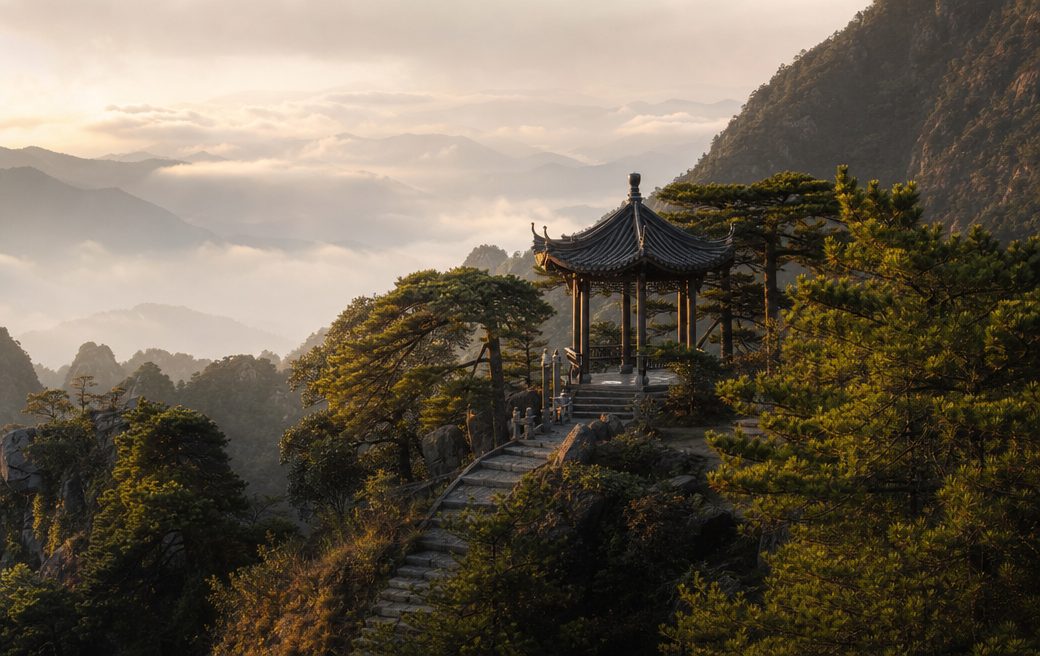
Xuancheng is also where Li Bai visited Jingting Mountain (敬亭山) no fewer than sixty times over his life, a record of attachment to a single landscape that the poet himself recorded in one of his most celebrated short poems: "The birds have all flown away / the single cloud drifts off alone / we look at each other and never tire / only Jingting Mountain and I." The mountain, modest in height but extraordinary in its forested character and literary associations, is the most specifically Li Bai-associated landscape in Anhui Province outside Ma'anshan.
What the Guides Miss

1

The Tower a Poet Climbed Two Centuries After Its Builder Died

Xie Tiao built a pavilion called the Lofty Studio while serving as prefect of Xuancheng in the late fifth century. More than two centuries later, Li Bai arrived and climbed the rebuilt tower so often in homage to Xie that locals renamed it Xie Tiao's Tower. Standing there, Li Bai looked out at Jingting Mountain and wrote the lines that made it famous: all the birds flown off, a lone cloud drifting away, and only the mountain left that never tires of his company.

2

The Paper Under Chinese Calligraphy Takes Over 100 Steps to Make

Xuan paper comes from Jing county, made from the bark of the blue sandalwood tree through a process that still runs more than 100 separate steps today. Qing-dynasty scholar Jiang Shiquan praised Jing county's paper as the equal of the imperial Chengxintang and Xuande papers, its grain smooth enough, he wrote, to hold the ages. China now lists the craft as a national intangible cultural heritage technique.

Best Attractions in Xuancheng

Xuan paper mill Jing County Xuancheng UNESCO intangible heritage traditional papermaking craftIllustration
UNESCO Intangible Heritage

Xuan Paper Mills, Jing County (泾县宣纸)

Xuan paper has been made in Jing county for more than fifteen hundred years, and UNESCO listed the technique in 2009.

Jingting Mountain Xuancheng Anhui Li Bai poem forested peak scenic area mist autumnIllustration
Li Bai Literary Heritage

Jingting Mountain (敬亭山)

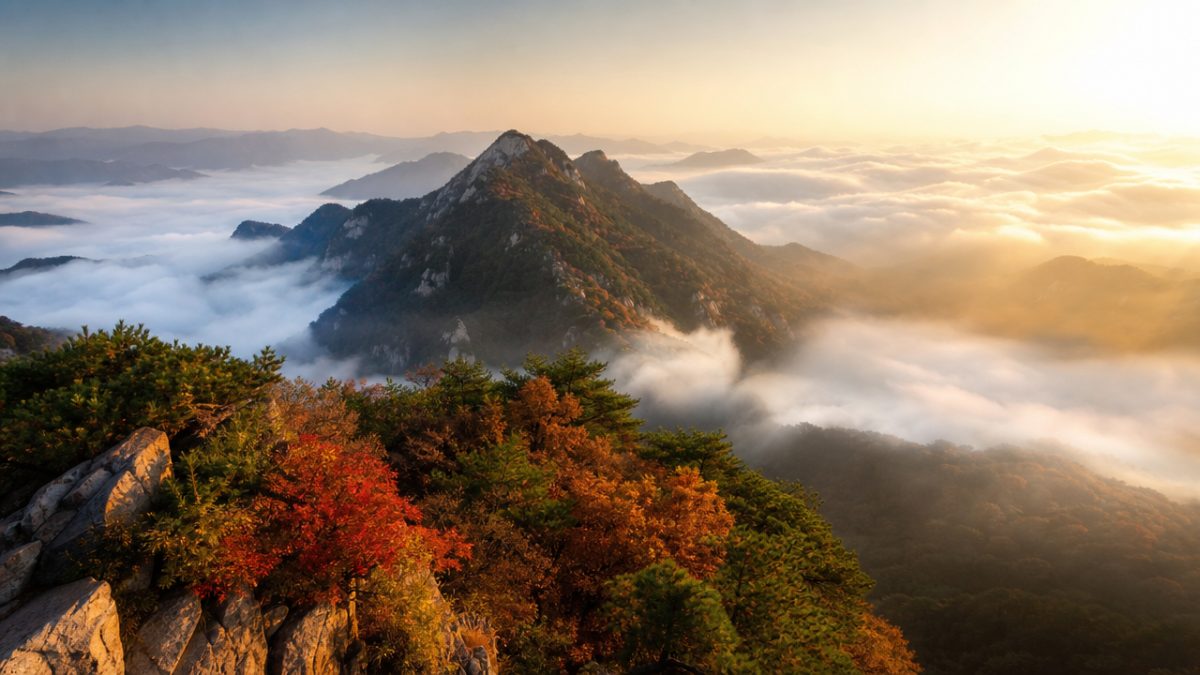
The mountain that Li Bai visited sixty times and immortalized in one of the most celebrated short poems in Chinese literature, Jingting Mountain rises modestly above the Xuancheng plain but possesses a forested, misty character of considerable beauty.

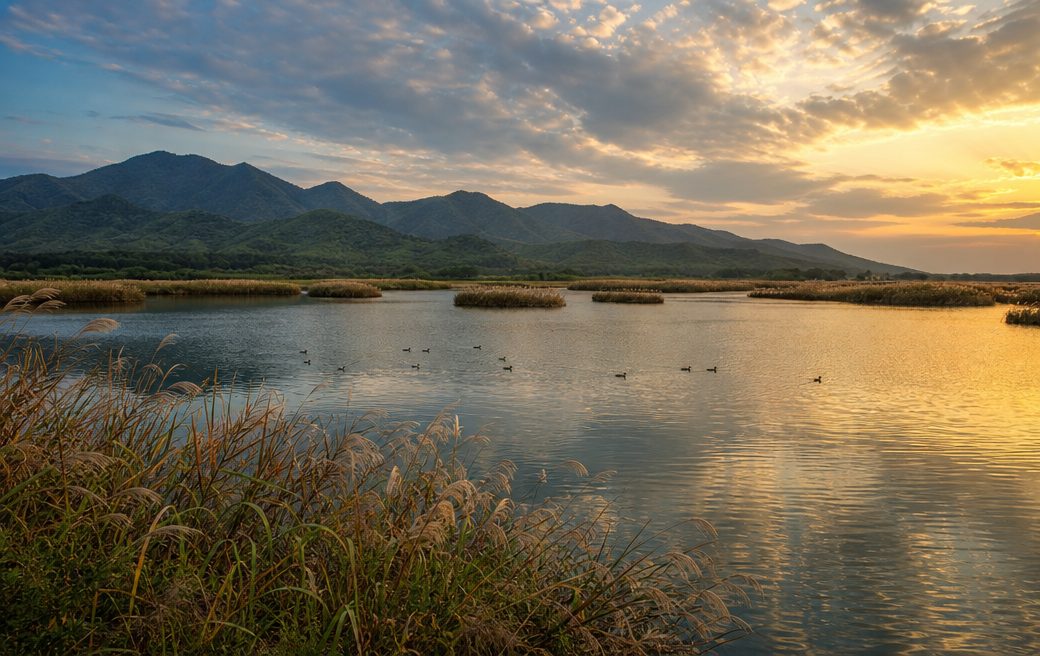
Chenghu Lake Xuancheng Anhui wetland waterbirds scenic area lake reflection mountainsIllustration
Wetland Ecology

Chenghu Lake Scenic Area (成湖风景区)

A significant freshwater wetland in eastern Xuancheng prefecture, Chenghu Lake provides habitat for important waterbird populations, particularly in spring and autumn migration, and produces freshwater fish and crab of good quality.

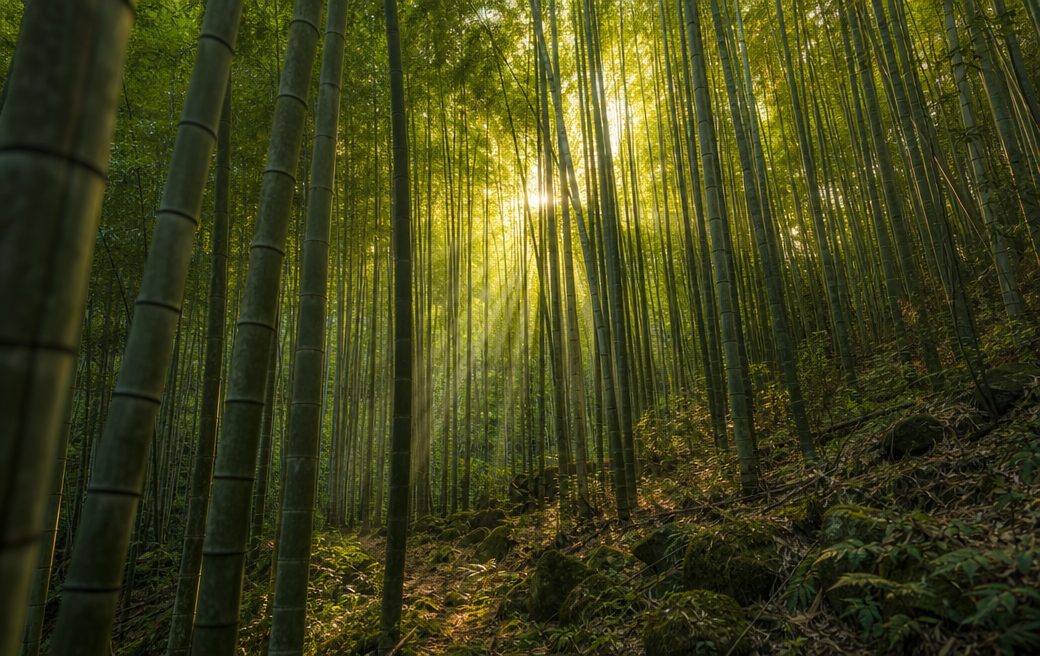
Xuancheng bamboo forest sea green bamboo hills Anhui papermaking material landscapeIllustration
Bamboo Sea Scenery

Xuancheng Bamboo Forests (宣城竹海)

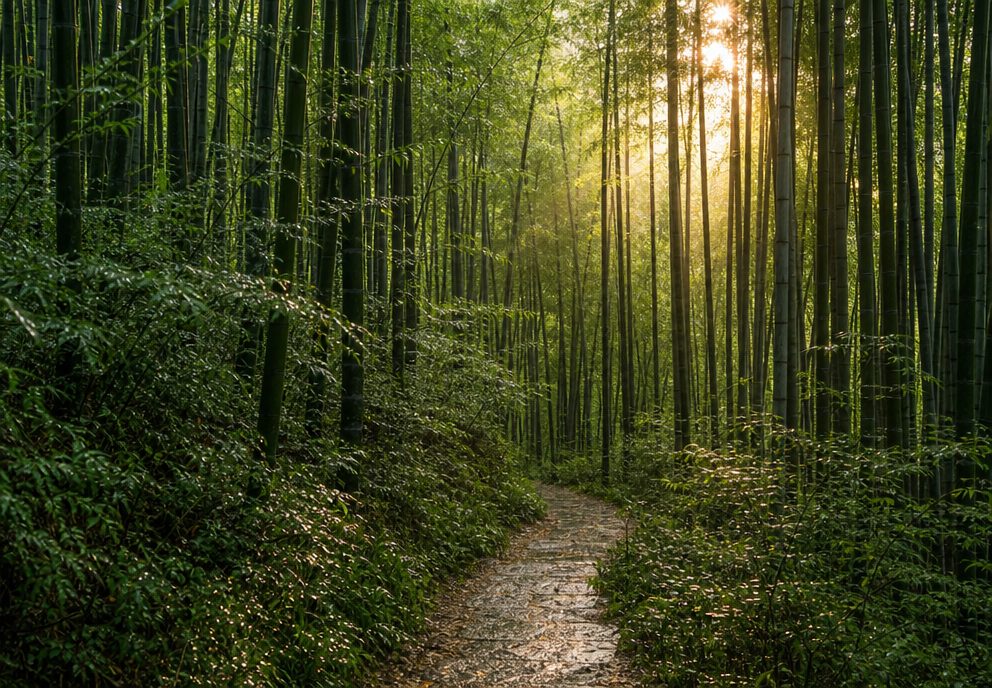
The hills around Xuancheng and Jing county are under moso bamboo, and it is the same species whose culms are split into the screens the paper is lifted on, so the same hillside supplies both halves of the trade.

Ways to Experience Xuancheng

Xuan Paper Workshops

Watch papermakers in Jing county hand-press Xuan paper, the material Chinese calligraphers and painters have used for over a thousand years.

Jingting Mountain

Climb Jingting Mountain, the hill Li Bai wrote about sitting with until only the mountain remained.

Bamboo Forests

Walk Xuancheng's bamboo forests, among the largest contiguous bamboo stands in eastern China.

Bamboo Shoot Season

Eat Xuancheng's spring bamboo shoot dishes, a seasonal specialty tied directly to the region's forests.

Explore Xuancheng on the Map

By Type
By Theme
View Full China

Approximate locations of the attractions above, across Xuancheng.

Xuancheng Food You Should Try

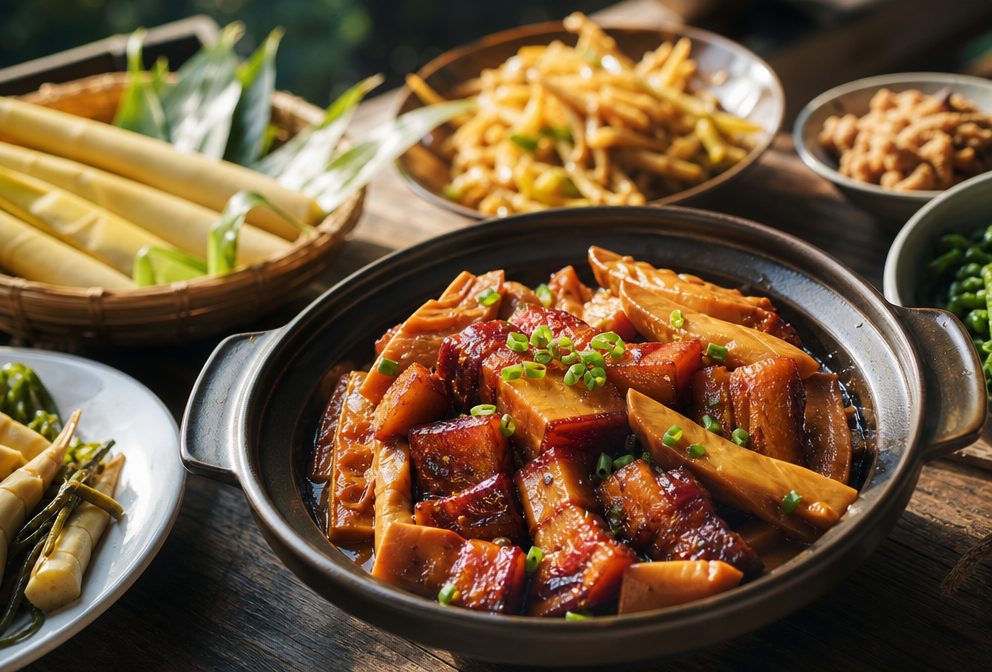
Xuancheng bamboo shoot dish spring fresh mountain bamboo stir fry local Anhui cuisineIllustration

Xuancheng Bamboo Shoot Cuisine (宣城笋宴)

Spring shoots come up in late March and April, and the local banquet works straight through them: fresh shoots braised with pork belly and bean paste, shredded shoots fried hard with dried chilli, shoots pickled through the summer heat into something sour enough to cut the rest, and dried shoots brought back in winter soups.

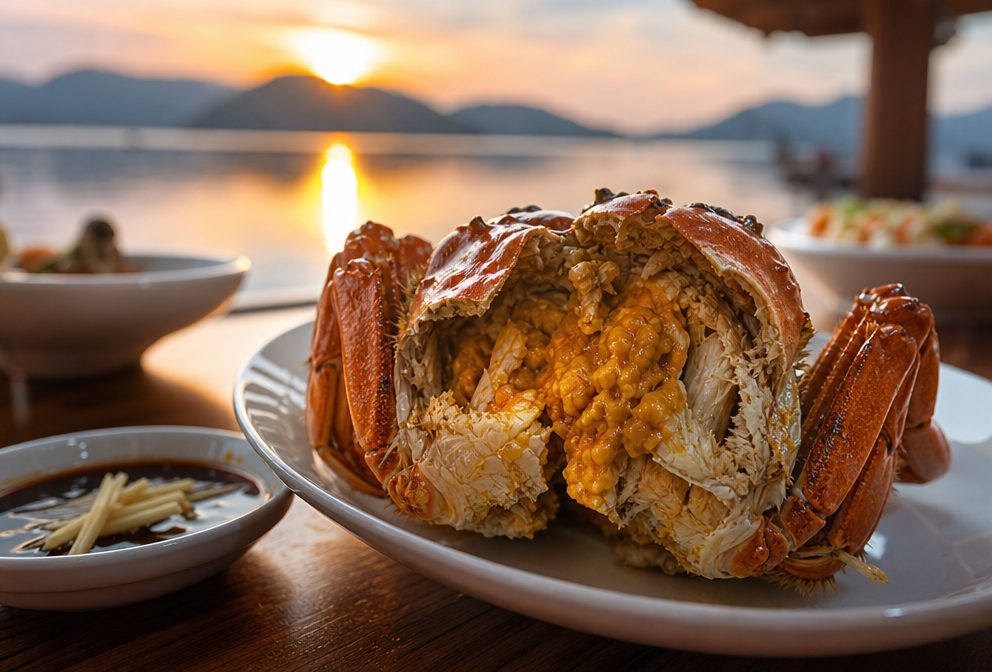
Xuancheng Chenghu Lake freshwater crab hairy crab autumn Anhui seasonal river crab golden roeIllustration

Chenghu Lake Crab (成湖湖蟹)

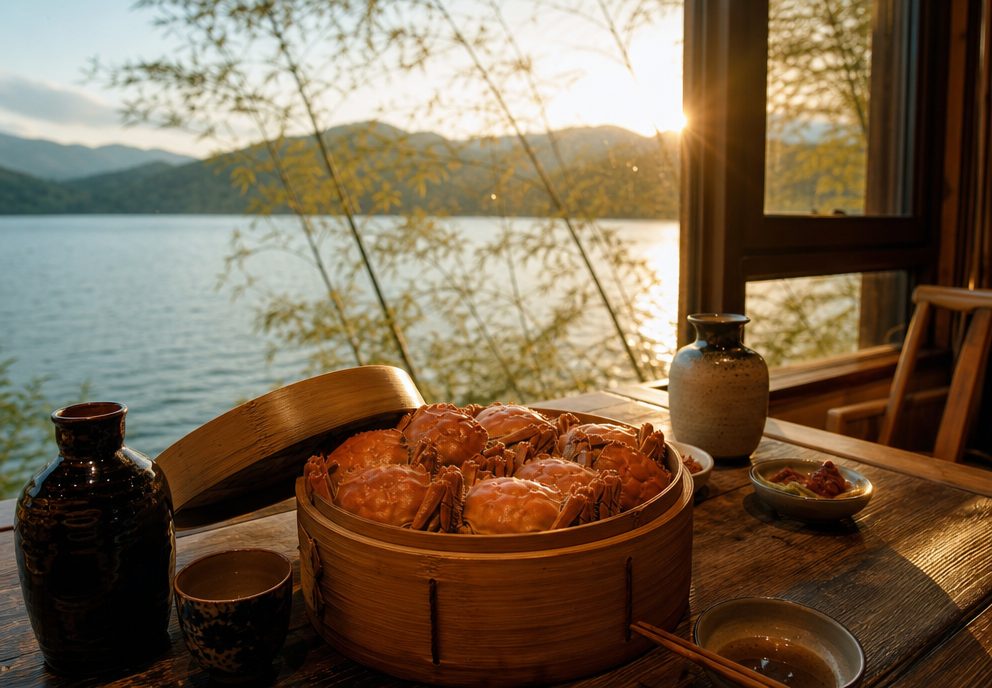
The freshwater hairy crab from Chenghu Lake is Xuancheng's most prized autumn ingredient, raised in clean lake water with abundant aquatic vegetation and producing golden roe of considerable richness in October and November.

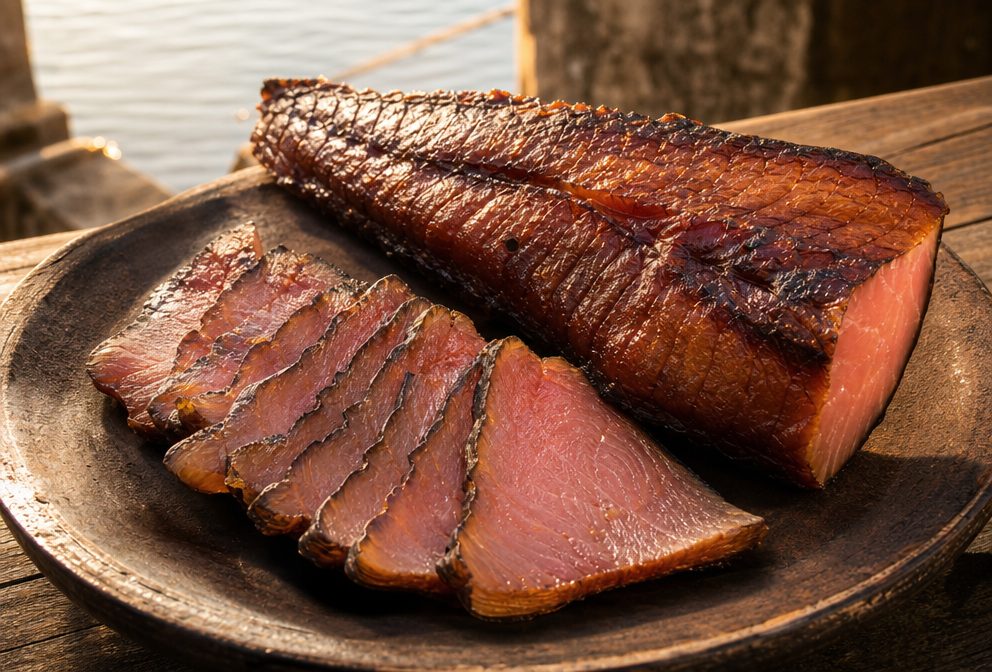
Xuancheng smoked river fish traditional preserved fish local Anhui cuisine Jing CountyIllustration

Jing County Smoked Fish (泾县熏鱼)

A traditional preserved fish preparation unique to Jing County: freshwater fish, carp or mandarin fish, marinated in soy, sugar, and five-spice for 24 hours, then cold-smoked over pine sawdust and rice hull until the surface turns a deep mahogany color and the flesh absorbs the smoke's sweetness.

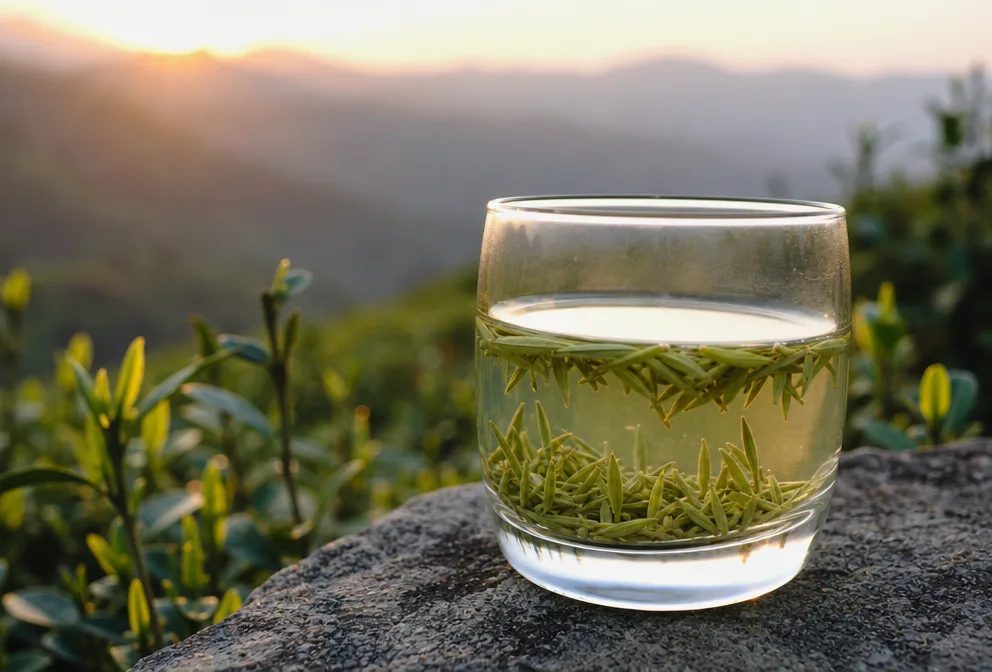
Xuancheng green tea Jingting mountain tea spring harvest Anhui local green tea brewIllustration

Jingting Mountain Green Tea (敬亭绿雪)

The Jingting Mountain area produces a locally celebrated green tea, Jingting Green Snow (敬亭绿雪), named for the white downy tips on the fresh tea buds that resemble snow on the mountain's peak.

Cultural Experiences in Xuancheng

Xuan paper mill tour Jing County Xuancheng vat lifting traditional craft UNESCO heritageIllustration

Xuan Paper Mill Tour

Watch papermakers lift sheets from the vat in the 1,500-year-old tradition, 108 steps, two years, and a craft that made Chinese calligraphy and painting possible, witnessed at its working source.

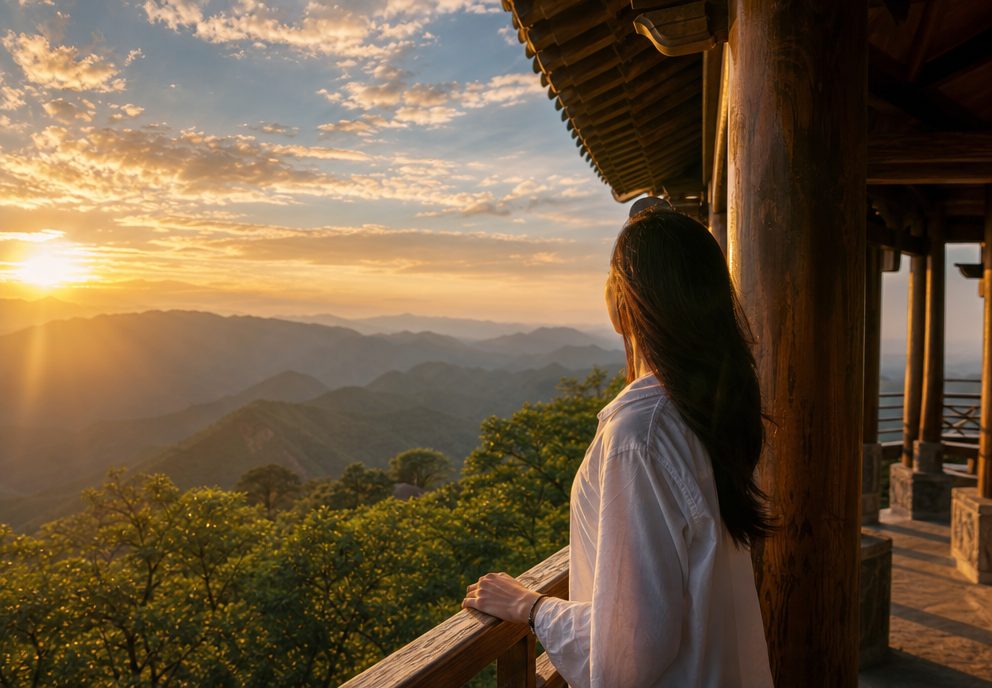
Jingting Mountain summit Li Bai poem viewpoint pavilion Xuancheng Anhui literary heritage mistIllustration

Jingting Mountain Poem Walk

Climb to the "Never Tire" Pavilion where Li Bai's poem is carved, the mountain he visited sixty times, looking back at the same forested peak that the poet addressed as his only companion.

Xuancheng bamboo forest walk rain green bamboo sea light filter Anhui papermaking hillsIllustration

Bamboo Forest Walk

Walk through the bamboo forest that feeds the Xuan paper tradition, the stems creating a green cathedral, the leaves filtering the light into patterns that Chinese painters have tried to capture for centuries.

Hui ink making Jing County Xuancheng traditional Chinese ink stick craft workshop heritageIllustration

Hui Ink Workshop Visit

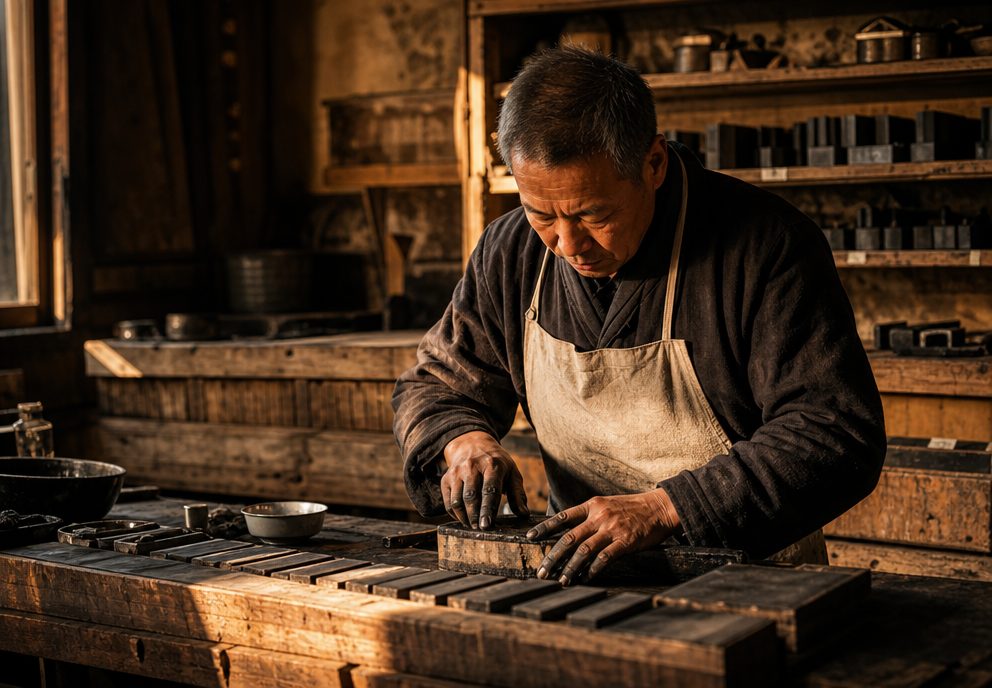
Watch ink stick masters mould fragrant pine soot and hide glue into the ink that Chinese painters have ground on inkstones for a thousand years, the companion craft to Xuan paper, made in the same county.

Chenghu Lake autumn crab dinner Xuancheng Anhui lake restaurant seasonal freshwater crab feastIllustration

Chenghu Crab Dinner (Autumn)

Eat steamed Chenghu Lake hairy crab at a lakeside restaurant in October, the golden roe, the warm rice wine, and the bamboo-fringed lake creating Xuancheng's most complete seasonal dining experience.

Best Time to Visit Xuancheng

Season Highlights Weather
Spring
(Mar–May)
Fresh bamboo shoot season (March–April), finest culinary season; Jingting Mountain forest at its freshest; Jingting Green Snow tea first harvest (April); bamboo forest most beautiful in new growth; Chenghu Lake birdlife active 8–22 °C (46–72 °F). Mild with frequent mist and light rain. The mist that characterizes Xuancheng's spring is exactly the atmospheric condition that inspired Li Bai's descriptions of Jingting Mountain.
Summer
(Jun–Aug)
Bamboo forest most lush; Chenghu Lake at full level; Xuan paper mill visits most comfortable indoors; mountain hiking best in early morning; tea culture most active; long days for combining all sites 24–34 °C (75–93 °F). Hot and humid. The bamboo forest and mountain shade provide relief. Xuan paper mill tours are entirely indoors and air-conditioned, an excellent summer cultural activity.
Autumn
(Sep–Nov)
Best overall season; Chenghu crab at peak (October–November); bamboo forest in autumn light; Jingting Mountain most atmospheric; Xuan paper mill most productive; smoked fish and bamboo cuisine most satisfying in cool air 8–24 °C (46–75 °F). Crisp and clear. The finest season, hairy crab, comfortable temperatures, and the bamboo forest and mountain at their most photogenic combine perfectly.
Winter
(Dec–Feb)
Jingting Mountain under snow, rarely photographed and beautiful; Xuan paper mill most quiet and most intimate to visit; bamboo forest snow-laden; smoked fish and braised bamboo shoot most warming; fewest visitors 0–12 °C (32–54 °F). Cool to cold with occasional light snow. Medium layers. The Xuan paper mill in winter, steam rising from the vats, the cold air outside making the heated drying walls dramatic, is perhaps at its most atmospheric.

Recommended Routes Near Xuancheng

1 day

Xuancheng to Huangshan

Head south to Huangshan's peaks and Hongcun village.

View Itinerary →
1 day

Xuancheng to Wuhu

Head north to Wuhu's riverfront and iron-painting workshops.

View Itinerary →

Why Choose PreeChina

Local Expert Guides

Our Xuancheng guides get you into working Xuan paper mills rather than museum reconstructions, know which Jingting Mountain path passes the pavilion with Li Bai's lines cut into the rock, and buy first-flush Jingting Green Snow straight from the garden.

Flexible Itineraries

Xuancheng works as a 2-day standalone or as part of a southern Anhui circuit combining Xuancheng, Huangshan, and the Huizhou villages, following the artistic material culture from the paper mill to the painting studio.

24/7 English Support

From first inquiry to final farewell, our English-speaking team is always available to assist, advise, and troubleshoot, before, during, and after your Xuancheng journey.

Private Transportation

Comfortable vehicles for transfers from Nanjing, Hefei, or Huangshan, and for reaching Jing County's Xuan paper mills (60 km southwest), Jingting Mountain, Chenghu Lake, and the bamboo forest scenic areas.

Authentic Experiences

We arrange working Xuan paper mill tours with papermaker demonstrations, Hui ink workshop visits, Jingting Mountain literary walks with poem readings, bamboo forest guided walks, and Chenghu autumn crab dinners.

Xuancheng is in Anhui, in East China.

Keep Exploring Xuancheng

Plan Your Group Trip to Xuancheng

Travelling to China with 10 or more people? Talk to PreeChina first. A transparent service fee of USD 100 per person for trips of up to 10 days (USD 150 for 11 to 20 days), and no markup on travel components. See how the fee works.

Tell us your group size, travel dates, and preferences, and our local Xuancheng experts will design a group China journey into the birthplace of Chinese artistic material culture, for your group.

Plan a Group Trip to XuanchengSee Group Tour Options

Share This Guide