Home › Destinations › Anhui › Wuhu

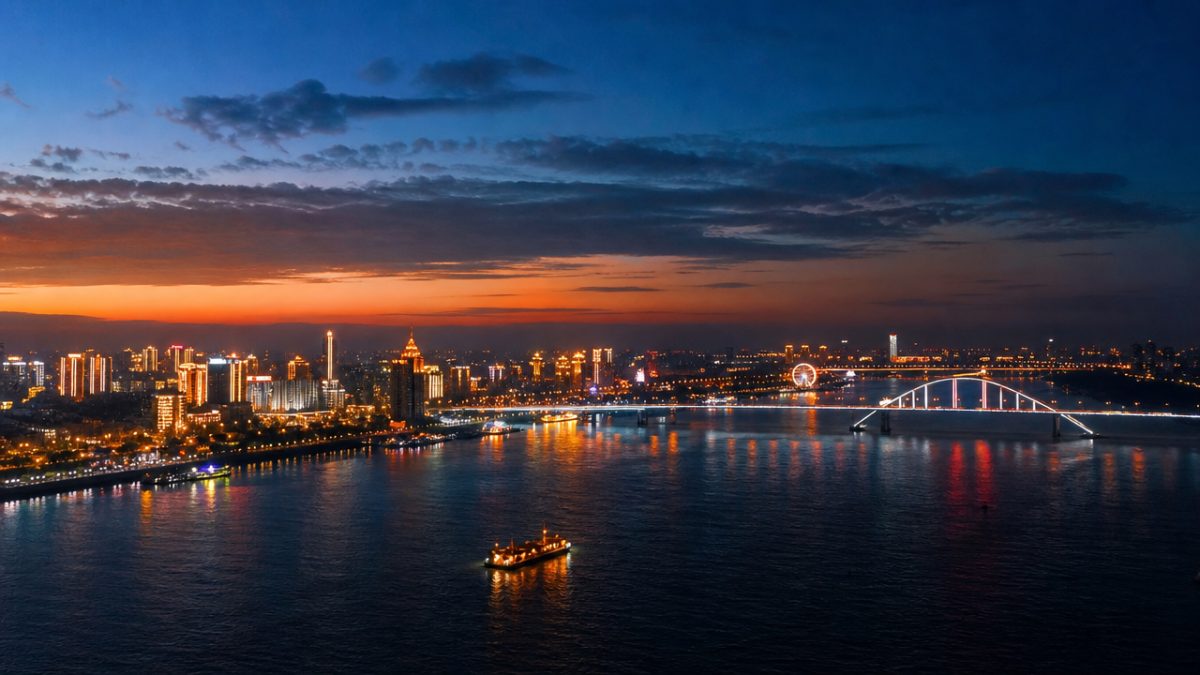
Wuhu Yangtze River waterfront night lights Anhui city skyline river reflection modernIllustration

PreeChina · City Guide

Wuhu Travel Guide

Anhui's most energetic Yangtze River city, where ancient iron painting masters hammer black iron into landscapes of extraordinary delicacy, the river promenade glows at night with a skyline that rivals any Yangtze Delta city, and Fantawild brings the world's most visited theme park cluster to the river's edge.

Wuhu Quick Facts

Province / Region
Eastern Anhui Province, Yangtze River bank
Population
~3.8 million (city proper)
Best Time to Visit
March–May & September–November
Famous For
Iron painting (tiehua), Fantawild, Zheshan Park, Yangtze River waterfront, river crab
Nearest Airport
Wuhu Xuanzhou Airport (WHU); Hefei Xinqiao (HFE) ~90 km
Recommended Stay
1–2 days

Why Visit Wuhu?

Wuhu iron painting tiehua craftsman workshop black iron hammer forging traditional art AnhuiIllustration

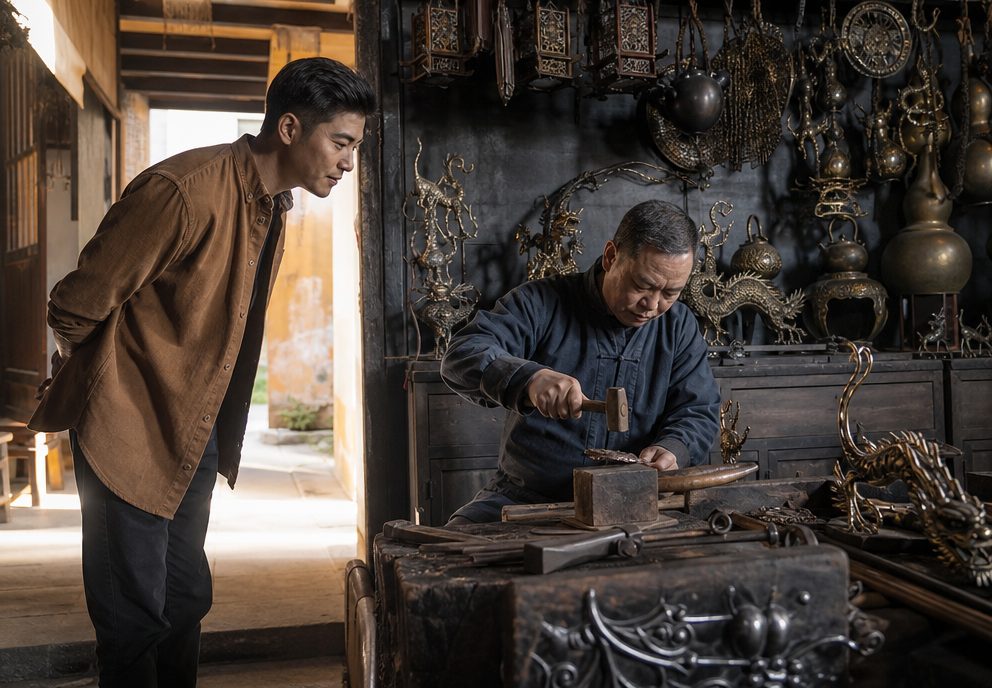
Wuhu is Anhui's second city and a Yangtze port, and the thing that made it was rice. It opened to foreign trade in 1877, the rice market moved here from Zhenjiang in 1882, and for decades afterwards the grain of the middle and lower Yangtze was collected, graded and priced on this waterfront. China counted four great rice markets in that period and the other three were Wuxi, Jiujiang and Changsha, all of them on the same river system. The craft the city is known for is iron painting: Tang Peng worked it out here under the Kangxi emperor, taking the ink compositions of the painter Xiao Yuncong as his models and forging the lines in wrought iron, and the studios have been hammering landscapes, branches and figures in black metal for three hundred years since. Mounted on white paper behind glass, the work reads as ink until you get close.

Wuhu is also the headquarters of Fantawild, China's largest theme park operator, whose Fantawild Adventure and Fantawild Oriental Heritage parks on the city's outskirts have become among the most visited theme parks in the world, drawing millions of domestic visitors annually with Chinese mythology-themed rides and shows of extraordinary production quality. For families visiting China, Wuhu's Fantawild parks offer a specifically Chinese theme park experience that no Western operator has replicated.
What the Guides Miss

1

Sun Yat-sen Left a Review for a Wuhu Tea Shop

Guidebooks tend to list Wuhu's modern history as river trade and little else. In October 1912, Sun Yat-sen toured the lower Yangtze and stopped in Wuhu, where a tea merchant named Fang Nanshan ran a shop called Nanshan Tea House. Fang gave him a tea grown in the mountains south of the city, and Sun wrote back a note of praise: "A cup of monkey tea is like meeting a soulmate, no regrets needed." That same year, a separate merchant in the same mountain district coined the name the tea still carries, Taiping Houkui.

2

Wuhu's Biggest 1930s Celebrity Was Barely Out of Her Teens

Wang Ying, born in Wuhu in March 1913, became one of China's best-known stage and film actresses and writers while still in her twenties, earning the nickname "the literary star." During the Cultural Revolution she was imprisoned in Qincheng Prison and died there; the government cleared her name in 1979. Two of her books, Baogu and Two Kinds of Americans, reached print only after that posthumous rehabilitation.

Best Attractions in Wuhu

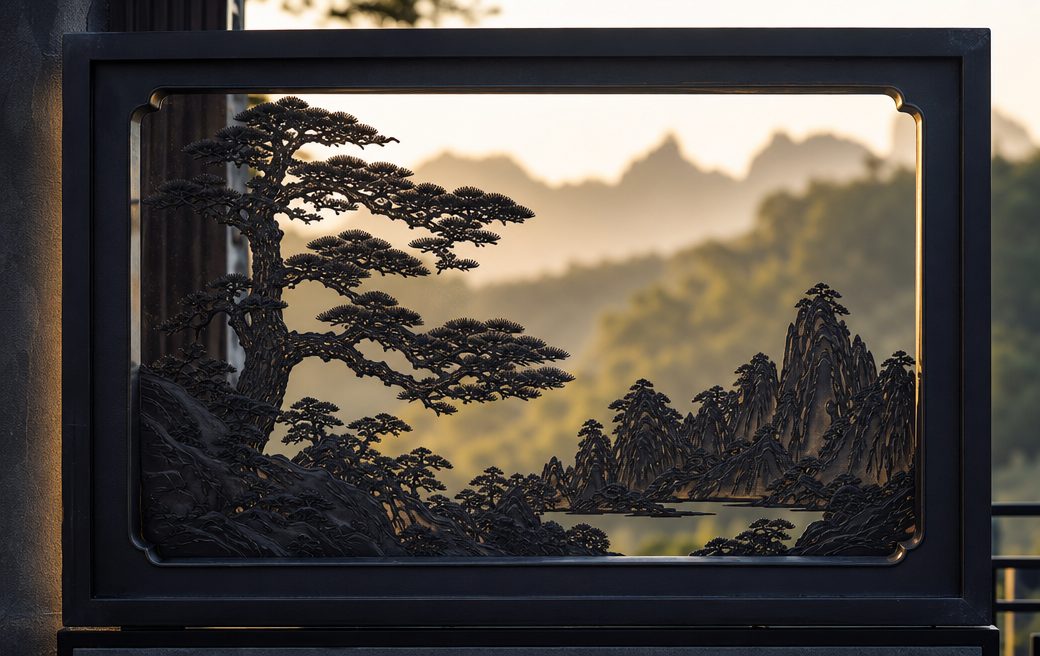
Wuhu iron painting tiehua masterwork black iron landscape plum blossom traditional art AnhuiIllustration
Intangible Cultural Heritage

Wuhu Iron Painting (芜湖铁画)

One of the most distinctive art forms in China and Wuhu's most celebrated cultural product, iron painting (tiehua) was created in Wuhu in the mid-17th century by blacksmith Tang Peng, who discovered that softened iron wire and sheet could be hammered into forms of extraordinary delicacy, landscapes, plum blossoms, pine trees, and figure compositions rendered in black silhouette with a precision that rivals brush-and-ink work.

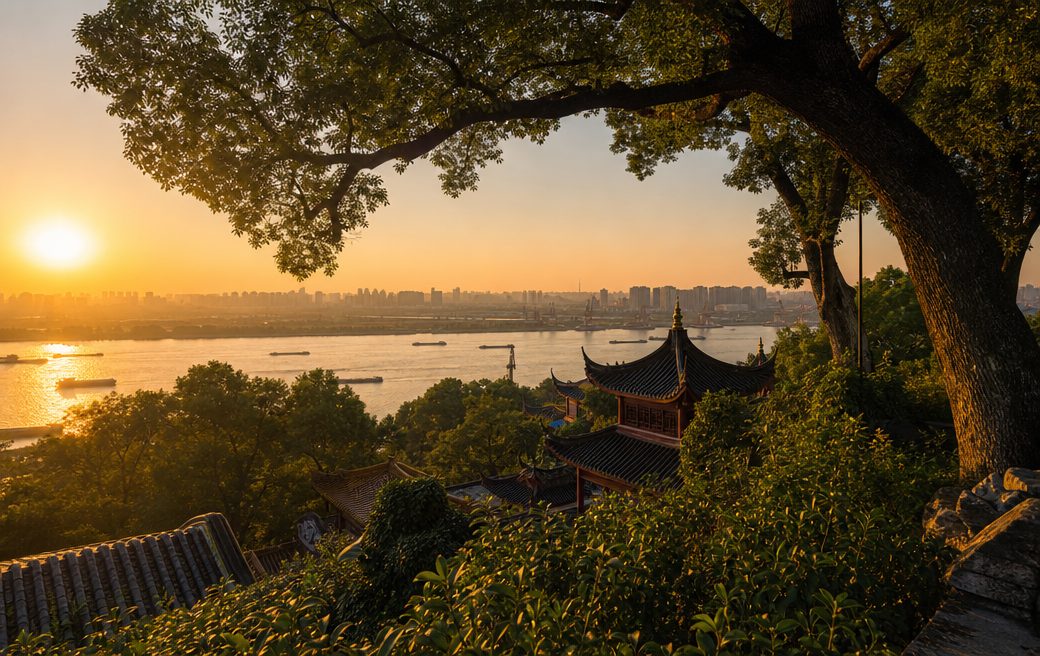
Zheshan Park Wuhu Anhui hilltop temple Yangtze River panoramic view scenic areaIllustration
River View Park

Zheshan Park (赭山公园)

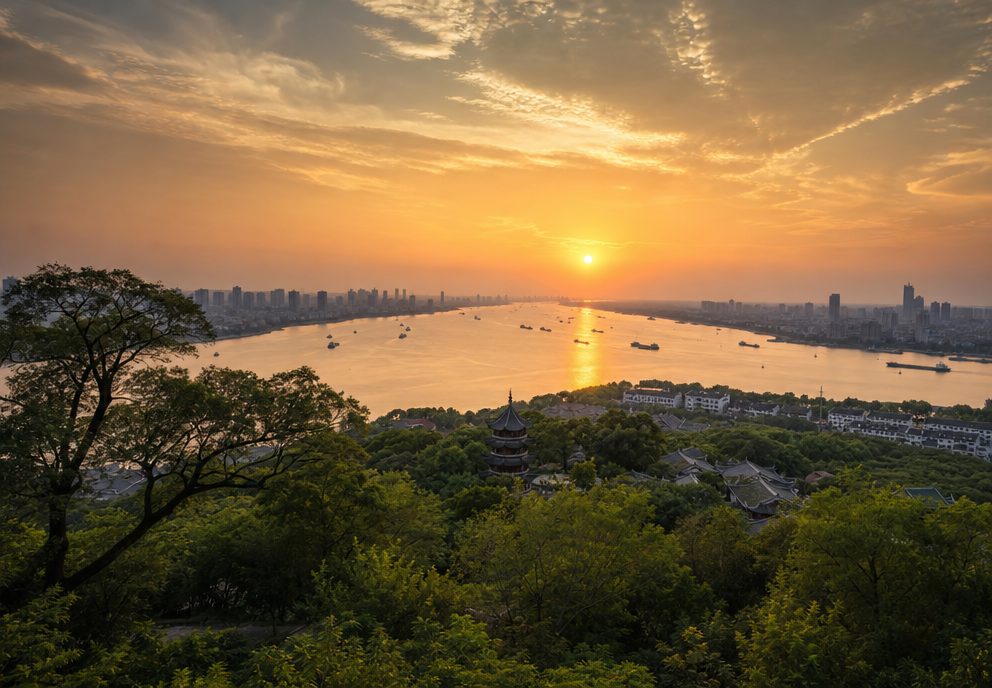
A forested hill rising above the Yangtze River in the heart of Wuhu, Zheshan Park has been the city's most beloved urban green space and river viewpoint since the Song Dynasty.

World-Class Theme Parks

Fantawild Parks (方特欢乐世界)

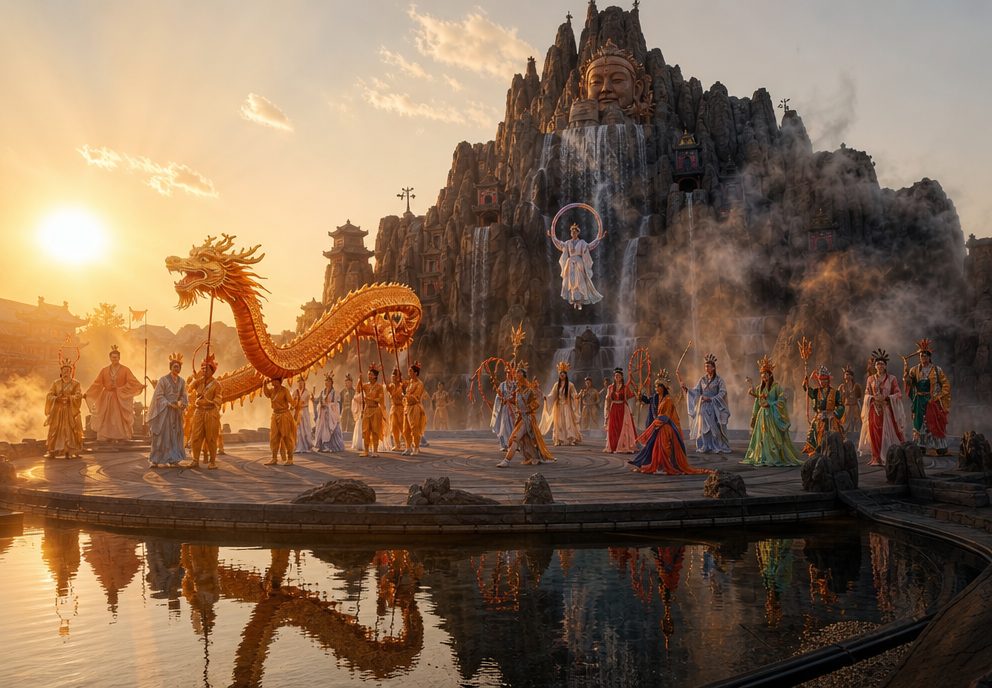
China's largest theme park operator, headquartered in Wuhu, operates multiple parks in the city including Fantawild Adventure and Fantawild Oriental Heritage, the latter a specifically Chinese mythology-themed experience with rides, shows, and immersive environments built around the legends of the Monkey King, the Eight Immortals, and the Dragon Kings that is unlike any Western theme park.

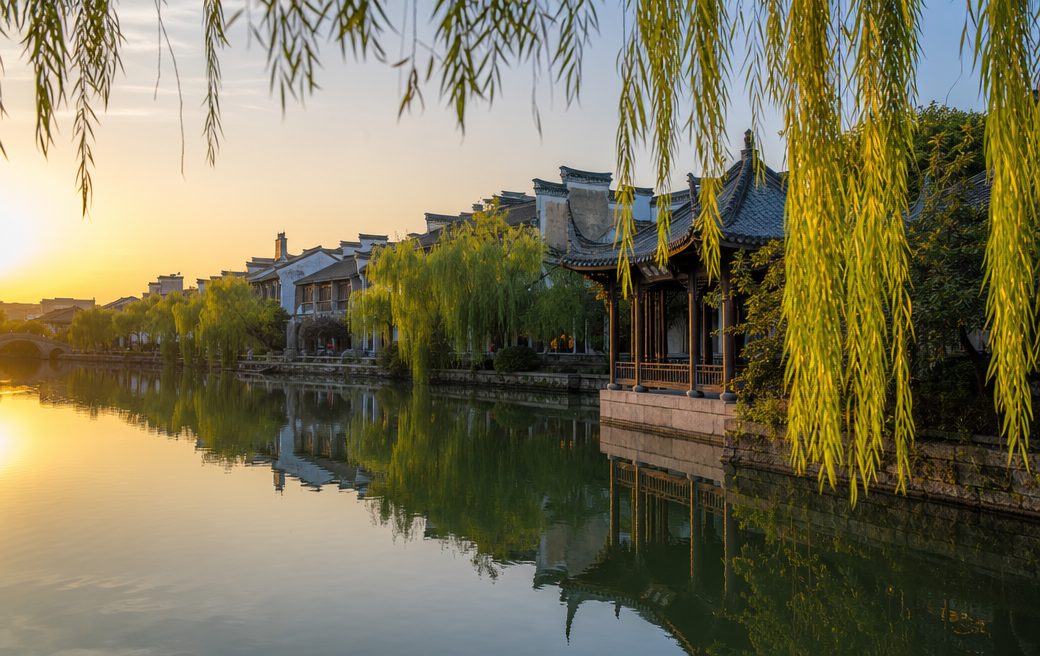
Jinghu Lake Wuhu old city ancient lake park willow trees traditional architecture AnhuiIllustration
Ancient City Lake

Jinghu Lake & Old City (镜湖·老城区)

Jinghu, "Mirror Lake", sits at the heart of Wuhu's old city, its willow-fringed banks and traditional pavilion architecture providing a quiet contrast to the city's more modern development.

Ways to Experience Wuhu

Iron Painting Workshops

Watch a Wuhu iron-painting craftsman forge sheet iron into landscape scenes, a technique unique to this city since the Qing dynasty.

Zheshan Park

Climb Zheshan hill in the center of the old city for a rooftop view over the Yangtze waterfront.

Jinghu Lake Old City

Walk the lanes around Jinghu Lake, the old commercial core of one of the Yangtze's historic treaty ports.

Wuhu Roast Duck

Eat Wuhu-style roast duck, a preparation distinct from the Beijing and Nanjing versions.

Explore Wuhu on the Map

By Type
By Theme
View Full China

Approximate locations of the attractions above, across Wuhu.

Wuhu Food You Should Try

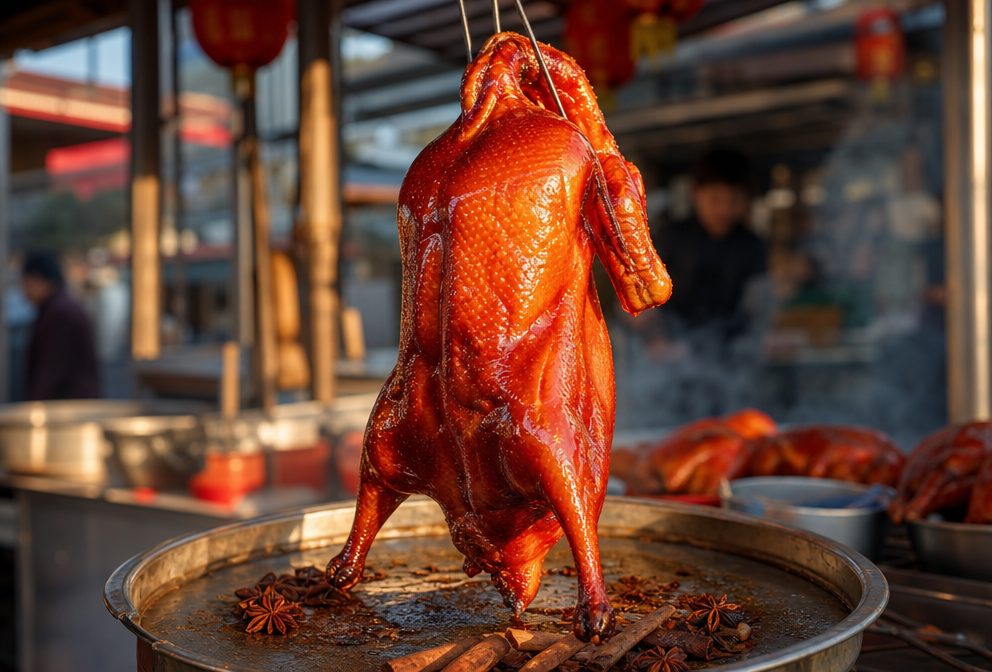
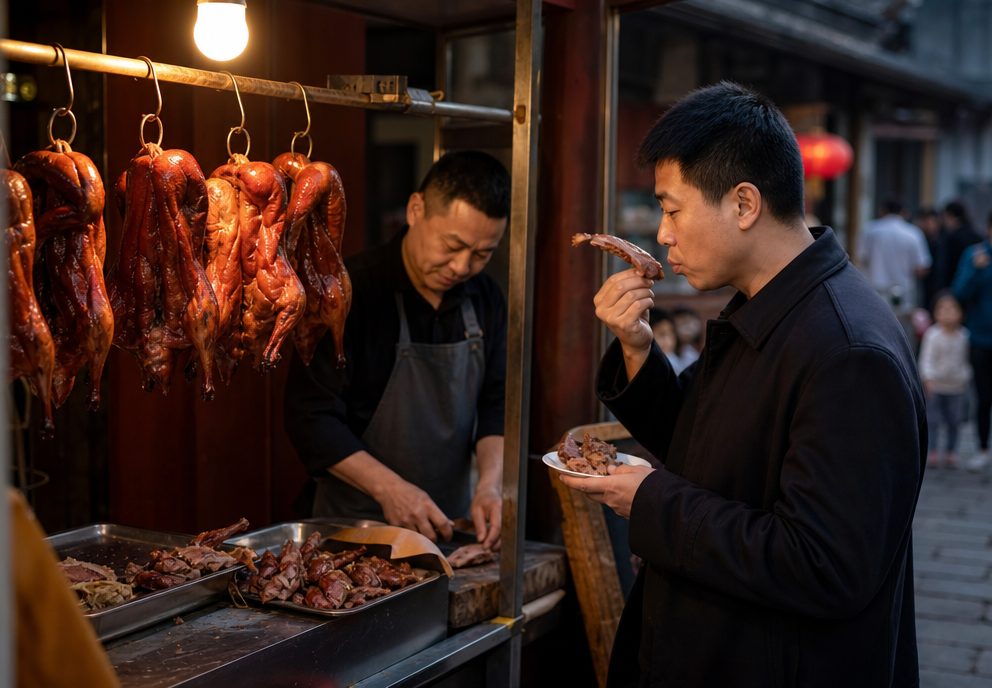
Wuhu roasted duck grilled duck Yangtze River port city specialty Anhui traditional street foodIllustration

Wuhu Roast Duck (芜湖烤鸭)

Wuhu's most celebrated street food and one of Anhui's most distinctive regional duck preparations: ducks raised on the Yangtze floodplain, marinated in a local spice blend of star anise, cassia, and dried tangerine peel, then roasted whole until the skin turns a deep lacquered red-brown and crisps to a texture between Peking duck and French confit.

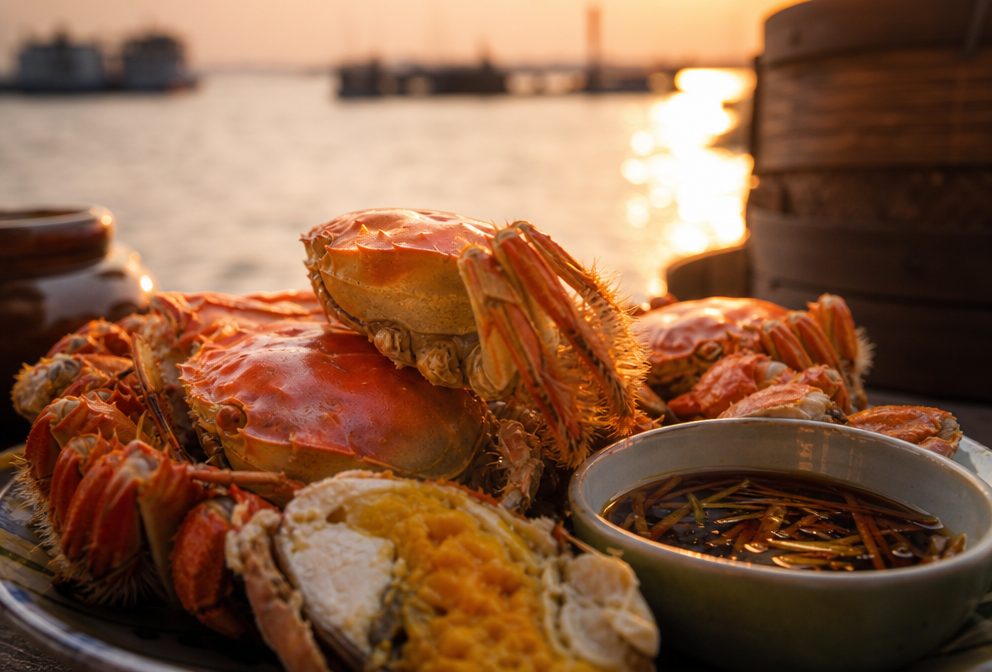
Wuhu Yangtze River hairy crab autumn golden roe steamed Anhui freshwater crab seasonalIllustration

Wuhu River Hairy Crab (芜湖大闸蟹)

The Yangtze River at Wuhu produces hairy crab of a quality that rivals the famous Yangcheng Lake and Ma'anshan equivalents, the same species, the same cold river water, with golden roe of considerable richness in the October–November season.

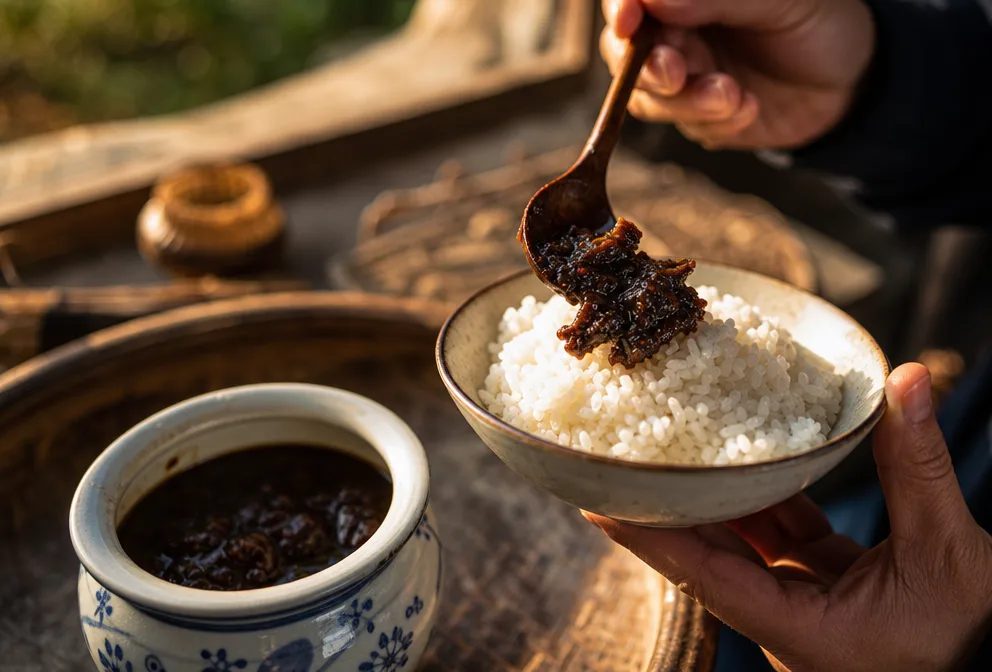
Wuhu shrimp paste fermented river shrimp Anhui condiment seasoning traditional local foodIllustration

Wuhu River Shrimp Paste (芜湖虾子酱)

One of Wuhu's most specifically local condiments and one of the most pungent and most addictive in Anhui Province: tiny Yangtze River shrimp (虾子) fermented with salt for months until they develop a concentrated, deeply saline umami paste of extraordinary intensity.

Wuhu noodles tangmian breakfast soup noodles local Anhui thin noodle pork bone broth morningIllustration

Wuhu Breakfast Noodles (芜湖汤面)

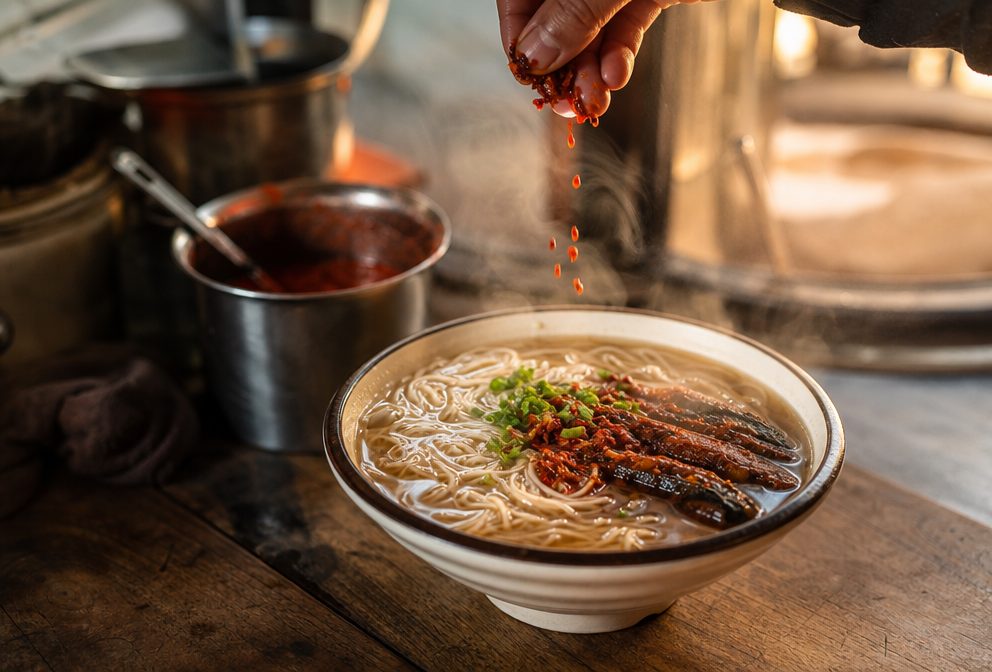
The most universally eaten breakfast in Wuhu: thin hand-pulled wheat noodles in a clear pork bone and eel broth, topped with fried eel slices, dried tofu, and a spoonful of homemade chili oil.

Cultural Experiences in Wuhu

Wuhu iron painting studio master craftsman hammering iron workshop tiehua traditional artIllustration

Iron Painting Studio Visit

Watch a master craftsman hammer softened iron into landscapes of extraordinary delicacy, 300 years of Wuhu tradition visible in every precise blow, in an art form unique to this city.

Zheshan Park Wuhu Yangtze River sunset hilltop view temple ancient camphor trees eveningIllustration

Zheshan Sunset River View

Climb Zheshan at dusk, when the Yangtze goes gold and the city lights come up.

Jinghu Lake at Dawn

Walk the Jinghu Lake shore before the city wakes, willows motionless on the water, mist on the surface, and the old city's quiet character most visible in the earliest morning hour.

Fantawild Oriental Heritage Wuhu Chinese mythology theme park Monkey King ride show spectacularIllustration

Fantawild Oriental Heritage

Fantawild's home base is Wuhu and it runs several parks here, the mythology one built around the Monkey King, the Eight Immortals and the Dragon Kings.

Wuhu roast duck street food stall evening old city Anhui traditional food culture localIllustration

Roast Duck Street Stall

Buy a whole Wuhu roast duck from a street stall and eat it standing, lacquered skin, fragrant with star anise, in the most direct and most Wuhu way of eating the city's most beloved food.

Best Time to Visit Wuhu

Season Highlights Weather
Spring
(Mar–May)
Zheshan cherry blossom (March); Jinghu Lake willows in fresh green; Yangtze River most scenic in spring light; iron painting studios most active; pleasant waterfront walks; river shrimp season beginning 8–22 °C (46–72 °F). Mild and occasionally rainy. Light layers. Spring is the most beautiful season for the city's parks and waterfront, the river in spring mist is particularly atmospheric.
Summer
(Jun–Aug)
Yangtze River at summer high water; Fantawild parks most lively; evening waterfront life most active; morning noodle culture at its most energetic; river shrimp paste season; Jinghu Lake lotus in bloom 26–36 °C (79–97 °F). Hot and very humid. Morning visits strongly recommended for outdoor sites. Evening riverfront walks are the summer highlight, the Yangtze at night in summer is beautiful and breezy.
Autumn
(Sep–Nov)
Best overall season; hairy crab season (October–November); Zheshan autumn foliage; Yangtze River most calm and most scenic; roast duck most appreciated in cool weather; Fantawild comfortable in mild temperatures; clear skies 10–24 °C (50–75 °F). Crisp and clear. The finest season, hairy crab, comfortable temperatures, and the river at its most photogenic combine perfectly for a 1–2 day Wuhu visit.
Winter
(Dec–Feb)
Jinghu Lake most atmospheric in winter mist; hot breakfast noodles most warming; iron painting studios uncrowded; Yangtze River winter scenery stark and beautiful; fewest visitors 2–12 °C (36–54 °F). Cool to cold. Light to medium winter layers. Wuhu winters are mild for Anhui, the city remains active and the food culture is most appreciated in cold weather.

Recommended Routes Near Wuhu

1 day

Wuhu to Maanshan

Head northeast along the Yangtze to Li Bai's riverside shrine.

View Itinerary →
1 day

Wuhu to Xuancheng

Head south to the Xuan paper workshops.

View Itinerary →

Why Choose PreeChina

Local Expert Guides

Our Wuhu guides know which iron painting studio has a master still working at the forge rather than a showroom, which roast duck stall has held its recipe for forty years, and which side of Zheshan gets the sunset.

Flexible Itineraries

Wuhu works as a 1-day trip from Nanjing or Hefei, or as a stop on a Yangtze River Anhui circuit combining Wuhu, Ma'anshan, and Tongling, following the river through its most culturally and scenically significant Anhui stretch.

24/7 English Support

From first inquiry to final farewell, our English-speaking team is always available to assist, advise, and troubleshoot, before, during, and after your Wuhu journey.

Private Transportation

Comfortable vehicles for transfers from Nanjing, Hefei, or Ma'anshan, and for reaching the Fantawild parks, Zheshan, Jinghu, and the iron painting studios across the city.

Authentic Experiences

We arrange iron painting studio visits with master craftsmen, Zheshan dusk river walks, Jinghu dawn photography, Fantawild Oriental Heritage guided tours, hairy crab dinners in October, and early morning noodle shop breakfasts.

Wuhu is in Anhui, in East China.

Keep Exploring Wuhu

Plan Your Group Trip to Wuhu

Travelling to China with 10 or more people? Talk to PreeChina first. A transparent service fee of USD 100 per person for trips of up to 10 days (USD 150 for 11 to 20 days), and no markup on travel components. See how the fee works.

Tell us your group size, travel dates, and preferences, and our local Wuhu experts will design a group China journey, for your group.

Plan a Group Trip to WuhuSee Group Tour Options

Share This Guide