
Bengbu is in Anhui, in East China.
Home › Destinations › Anhui › Bengbu
Anhui · City Guide
Bengbu, a Railway Town on a Neolithic Riverbank.
Overview
Why Go
The Shuangdun site, about 7,300 years old, produced more than six hundred incised marks on pottery bases. Whether they are writing, ownership marks or something else is still argued. They are in the city museum.
A Spring and Autumn tomb excavated here has a round pit with soil ridges radiating out from the centre like spokes. No other Chinese tomb of the period is built that way and nobody has explained it.
A large rammed-earth platform at Yuhui Village matches the tradition that Yu the Great assembled the regional lords at Mount Tu. The platform is real; the identification is still debated.
Huagudeng, danced with fans and handkerchiefs to drum and gong, is the well-known Han folk dance form of the Huai plain and Huaiyuan County is its centre. Troupes still perform at village festivals.
See
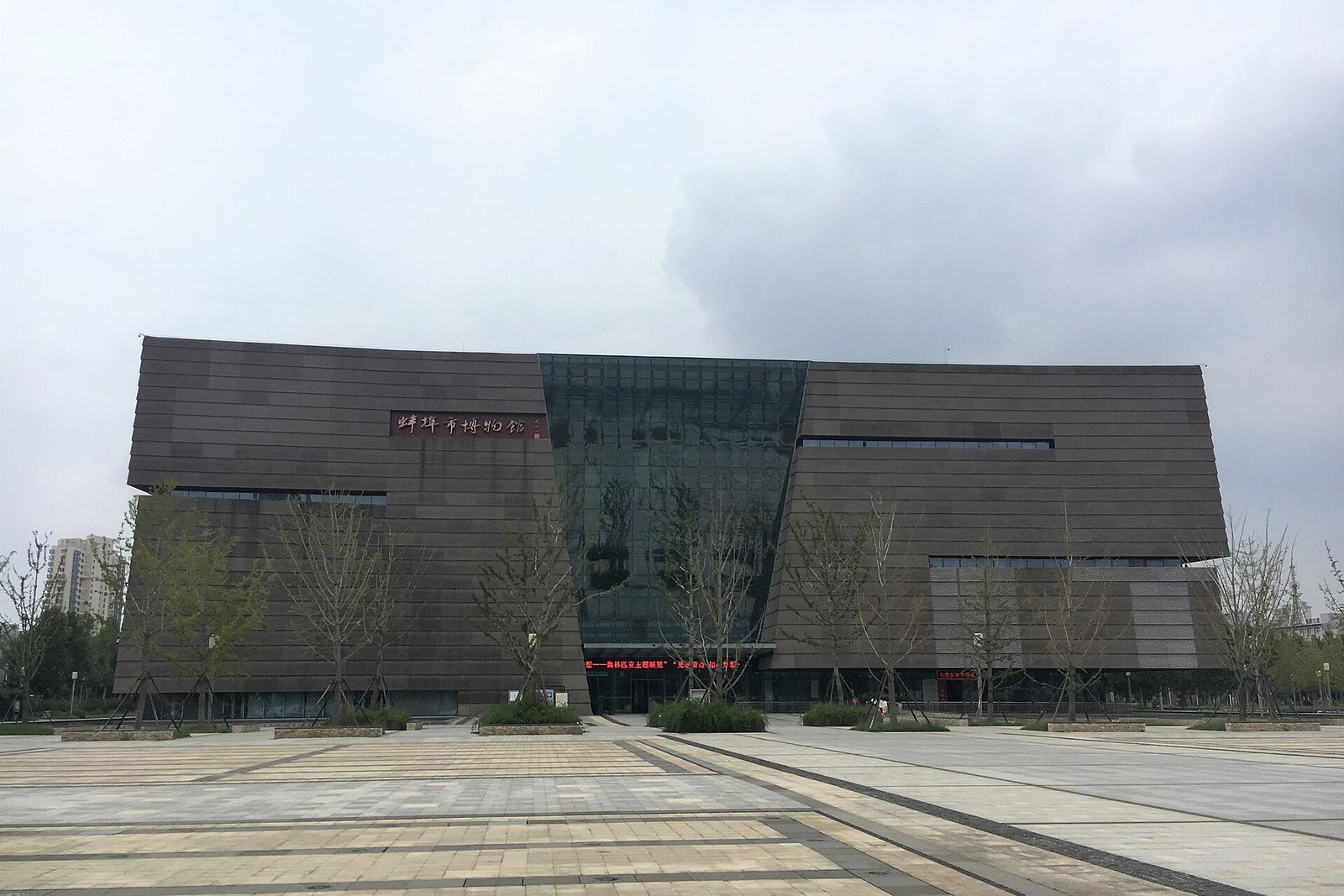
The city museum holds the Shuangdun incised pottery and the finds from the circular tomb, which makes it the one place the prefecture's archaeology becomes legible. Free with ID. Two hours.
The mound and the excavated sections north of the city, with the Spring and Autumn tomb pit nearby. There is more explanation than object on site. Go after the museum, not before. An hour.
A hill above the Huai at Huaiyuan with a temple to Yu the Great on top and old cypresses in the courtyard, with the Yuhui platform excavation on the plain below. Half a day for both.
A long lake through the middle of the city with a wooded hill at one end, used by residents for walking and boating. It is where the city relaxes rather than a sight in its own right. Ninety minutes.
A spring on the hillside at Huaiyuan in a small walled garden of pomegranate trees, with Song inscriptions on the rock. Su Shi wrote about the water. An hour, and ideal in September when the fruit is on.
A shallow reed lake in Wuhe County farmed for hairy crab, with boardwalks, boats and restaurants on the bank. Worth the drive just in the autumn crab season. Half a day.
On the Map
Approximate locations of the attractions above, across Bengbu.
Eat
A crisp sesame flatbread split and packed with strips of battered fried pork loin, lettuce and a sweet and spicy sauce. It is the city's signature street food and the lines at the good stalls are real.
Alkaline wheat noodles served dry with chilli oil, sesame paste and bean sprouts, with a bowl of thin broth alongside to drink between mouthfuls. Breakfast, not lunch, and shops close by ten.
Pomegranates from the hills at Huaiyuan with a protected-origin mark, picked in September. The local varieties run pale and soft-seeded rather than deep red, and are sweeter than they look.
Hairy crab from the reed lake at Wuhe, steamed plain and eaten with ginger vinegar. The season runs from late September to November and the lakeside restaurants price by weight and sex of the crab.
Do
The old market street carries much of the city's breakfast: flatbread stalls, dry noodle shops and soup counters that have been in the same doorway for decades. Between six and eight is when it works.
The marks are cut into the bases of bowls, mostly simple and repeated. Whether they carry meaning is an open question, which makes reading the case labels more interesting than usual.
Huaiyuan County is where the dance is strongest, performed at festivals and around the lunar new year rather than on a schedule. The county culture centre knows who is rehearsing.
Bengbu is a national centre for jade carving, including convincing work in old styles. Buy it as new carving and enjoy it as that. Anything sold to visitors as ancient here deserves a great deal of scepticism.
When
Warm, dry and green, with the Huai low and the hill temples comfortable. The strongest window of the year.
Hot, humid and the flood season. The museum and the breakfast streets carry it; the outdoor sites do not.
Pomegranates at Huaiyuan and crab on Tuohu, cool clear weather and the ideal light. The other good window.
Cold, grey and windy off the plain. Huagudeng troupes come out around the lunar new year, which is the one reason to be here in winter.
Explore More
Bengbu is in Anhui, in East China.
Related
Share the travel dates and interests, and PreeChina's local team will design a route that fits.
Plan My Trip to BengbuSee Private Tour Prices