
Bozhou is in Anhui, in East China.
Home › Destinations › Anhui › Bozhou
Anhui · City Guide
Bozhou, Where China Buys Its Medicine.
Overview
Why Go
Bozhou runs a large Chinese medicinal herb market in the country. Traders move roots, bark and dried flowers by the tonne from before dawn, and the whole old town smells of it. The township fairs around it sell direct from the growers.
Hua Tuo, the physician remembered for surgery under anaesthetic and for the Five Animal Frolics exercise set, was born here around 140. His shrine is in the old quarter and people still practise his exercises in the parks.
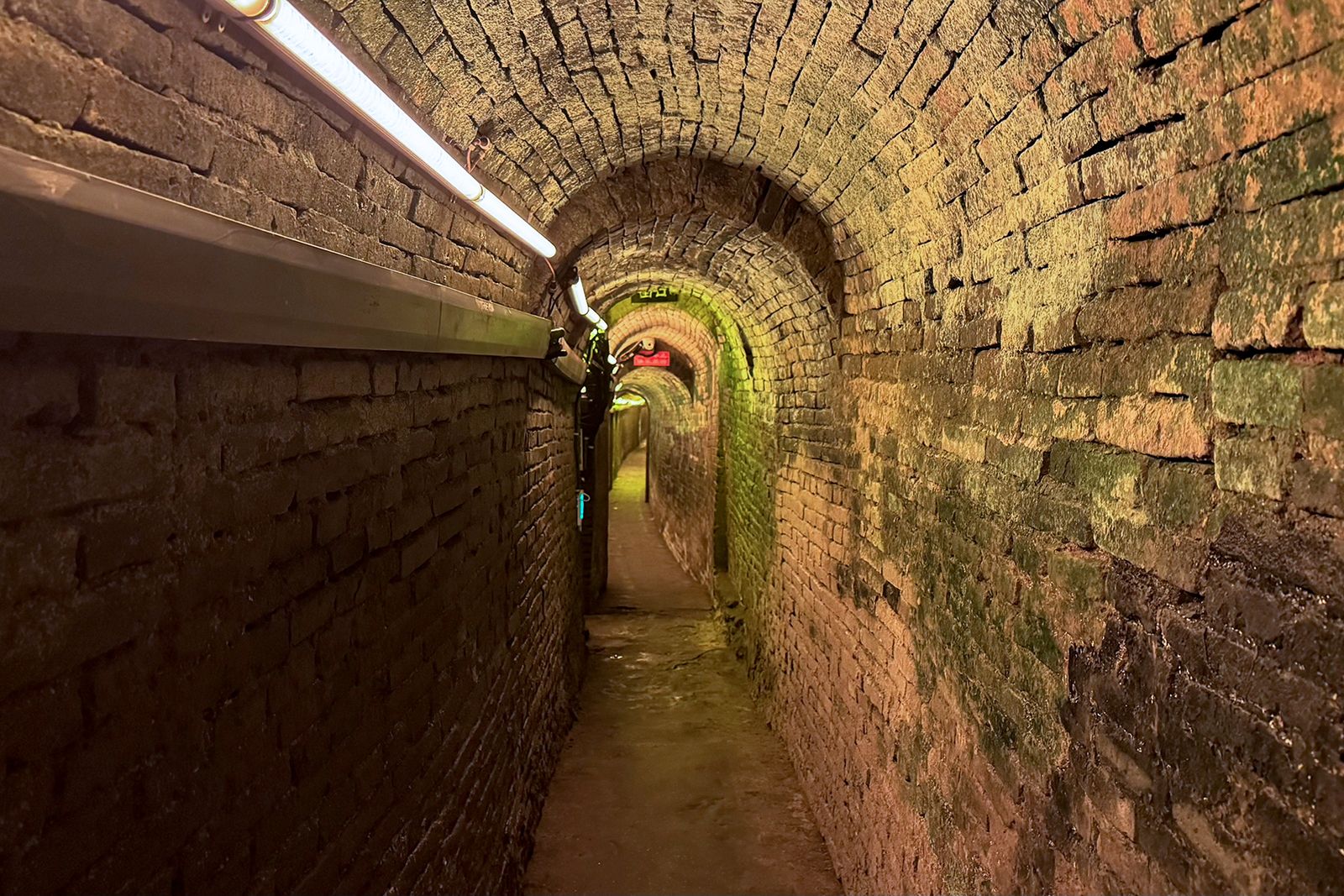
The warlord who ends up in every Three Kingdoms story came from Bozhou, and the tunnels he had dug to move forces unseen run for kilometres under the old town. Visitors can walk a long stretch of them.
In 196 Cao Cao sent the court a memorial describing how his home district made its wine. It is one of the earlier surviving accounts of Chinese brewing method, and the distillery that claims the line is still working.
See
A merchant guild hall from the 1650s with a stage buried under carved and painted figures, and a brick-carved gate outside that is as good as the wood. Small site, very dense. An hour.
Eighteen Ming and Qing lanes with about ten thousand households still living in them, herb shops, coppersmiths hammering by hand and breakfast stalls. Restored without moving anyone out. Half a day.
Brick-lined passages under the old town, built to move garrison forces out of sight, with side chambers and ventilation shafts. A lit stretch is open to walk. Low, narrow and cool. Forty minutes.
A walled shrine and memorial hall for the physician, with a planted herb garden in the courtyard and exhibits on early Chinese surgery and the exercise set attributed to him. An hour.
A trading hall the size of an airport terminal, busiest between five and nine in the morning. Anyone can walk in. Do not buy for medical use without knowing what visitors are looking at; buy for the smell and the scale.
A Taoist temple at Guoyang on the site the county claims as Laozi's birthplace. Luyi in Henan claims the same thing and has its own temple; the argument is old and unsettled. An hour, plus the drive.
On the Map
Approximate locations of the attractions above, across Bozhou.
Eat
A wide flatbread stuffed with beef, vermicelli and spring onion, fried flat in a shallow pan of oil and cut into wedges. It is the Bozhou breakfast and shops sell it by weight from about six.
A thick chicken and bone broth heavy with white pepper, with a raw egg whisked in at the bowl so it sets in threads. Eaten across the Huai plain for breakfast, and hotter with pepper here than further south.
A strong-aroma sorghum spirit distilled at Guzhen, whose well and brewing line the distillery traces back to the Han memorial. The visitor complex has the old wells, the cellars and a tasting.
Stem lettuce split, hung and sun-dried into pale green strips, then soaked back and dressed cold. It keeps its crunch, which is the whole point, and the county has a protected-origin mark for it.
Do
Groups practise the set attributed to Hua Tuo in the parks from about six, and they will put a visitor in the back row without being asked twice. Tiger, deer, bear, monkey and bird, in that order.
Trading starts in the dark and the serious volume moves before breakfast. By ten it is a shop. Go early, keep out of the aisles the trolleys use, and ask before photographing a trader's goods.
The open stretch runs several hundred metres with sections low enough to stoop in. It is cool year round and a relief in August. Not for anyone who dislikes confined spaces.
A handful of workshops in the old lanes still raise copper basins and pots by hand, and visitors hear them before they see them. They sell what is on the bench and will not hurry for a camera.
When
Warm, dry and the peony and herb fields in flower on the plain. The ideal weather for walking the old quarter and the strongest window of the year.
Hot and humid with the plain at its many oppressive. The tunnels and the market halls are the cool places, which is a genuine argument for coming.
Harvest season for many of the herbs, so the market is at its busiest and the township fairs are full. Cool and clear. The other good window.
Cold, grey and windy on the open plain. The indoor sights carry the trip and the lunar new year fairs are the busiest of the year.
Explore More
Bozhou is in Anhui, in East China.
Related
Share the travel dates and interests, and PreeChina's local team will design a route that fits.
Plan My Trip to BozhouSee Private Tour Prices