 Illustration
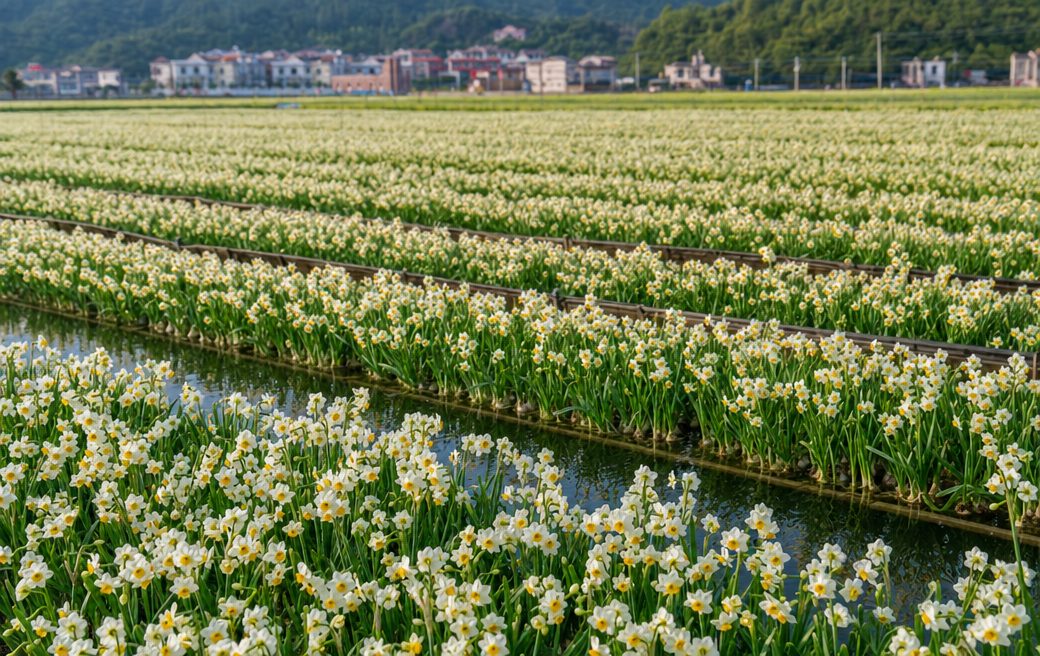
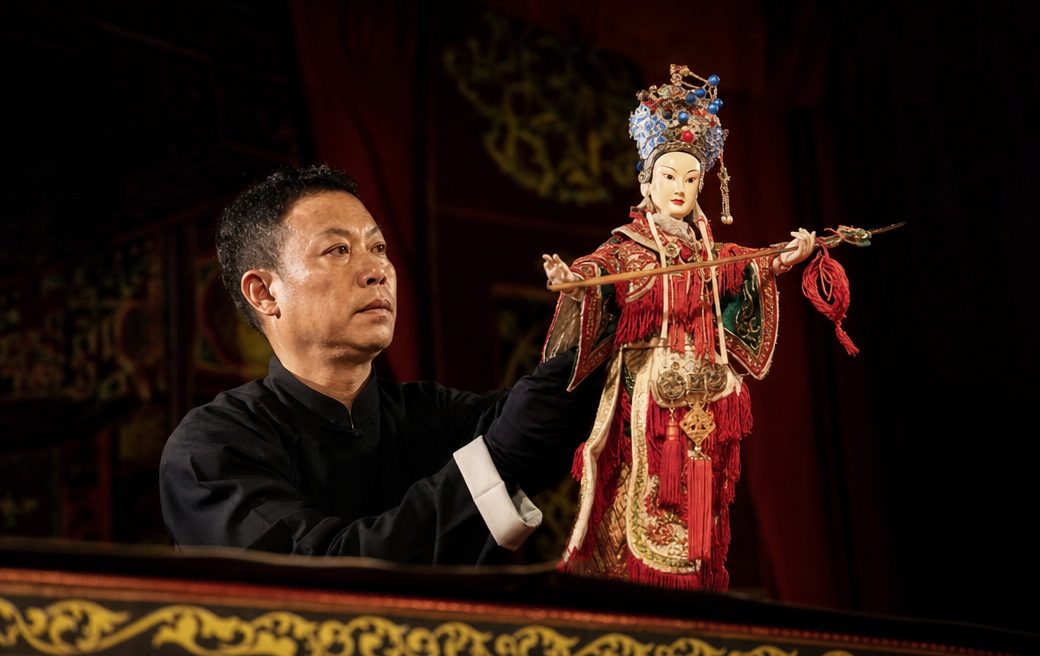
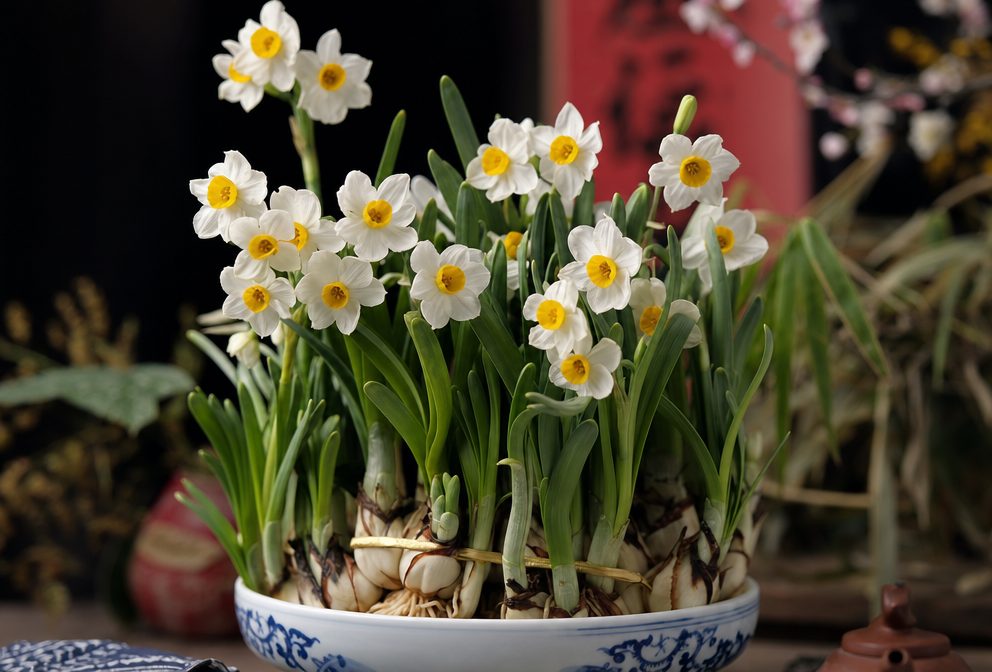
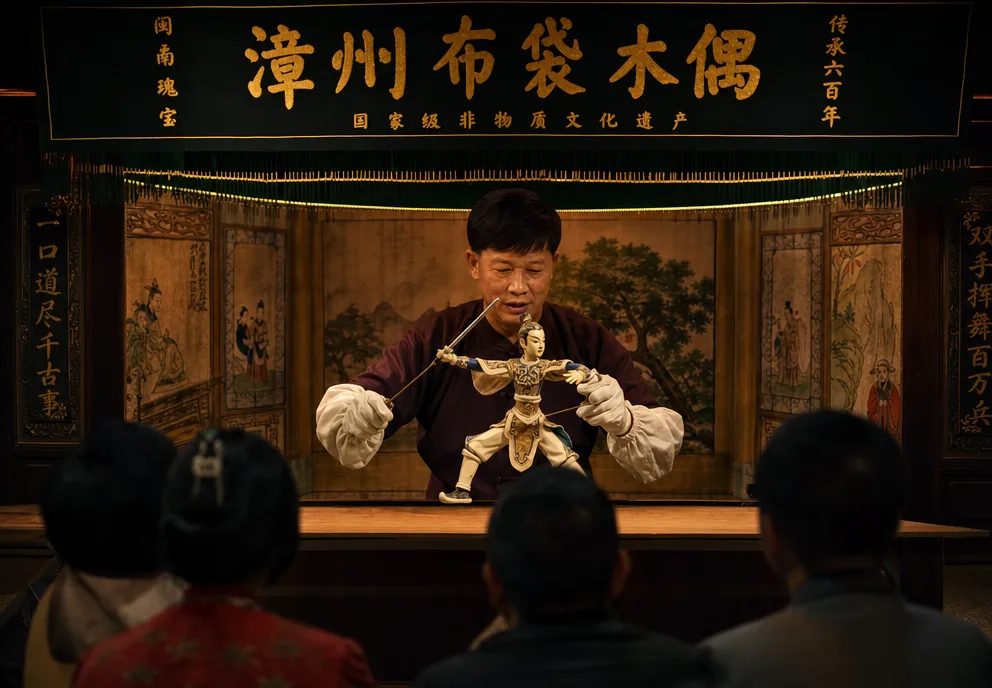
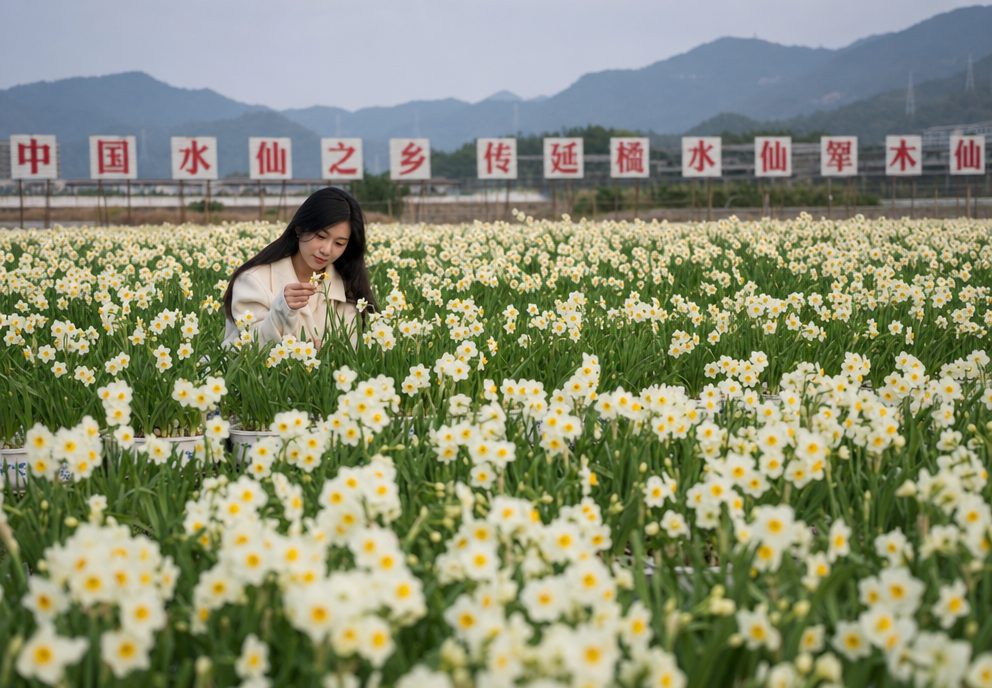
Zhangzhou runs from the inland Fujian hills out to the islands of the Taiwan Strait, and most foreign visitors know exactly one thing about it: the tulou. Worth correcting the thing almost every English guide repeats, though. These are not all Hakka buildings. The earthen roundhouse is a tradition of two different peoples, the Hakka and the Hokkien, and the Hakka ones are concentrated in Yongding and in the Shuyang and Meilin districts of Nanjing, while the Hokkien ones stand in Hua'an and on the coastal side of Nanjing county. The UNESCO inscription of 2008 covers 46 buildings in 10 clusters and it straddles two prefectures, so anyone wanting to see the full range has to cross into Longyan as well. Beyond the tulou this prefecture has an island with a good old town, a puppet theatre tradition that reaches as far as Taiwanese television, and the narcissus fields that supply the whole country at New Year.
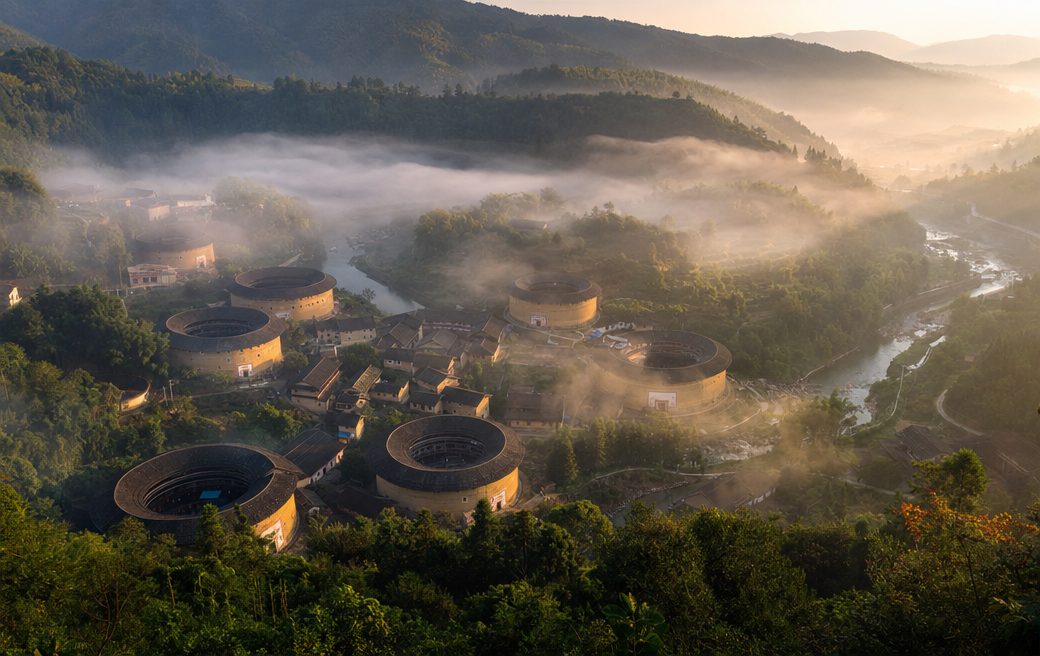
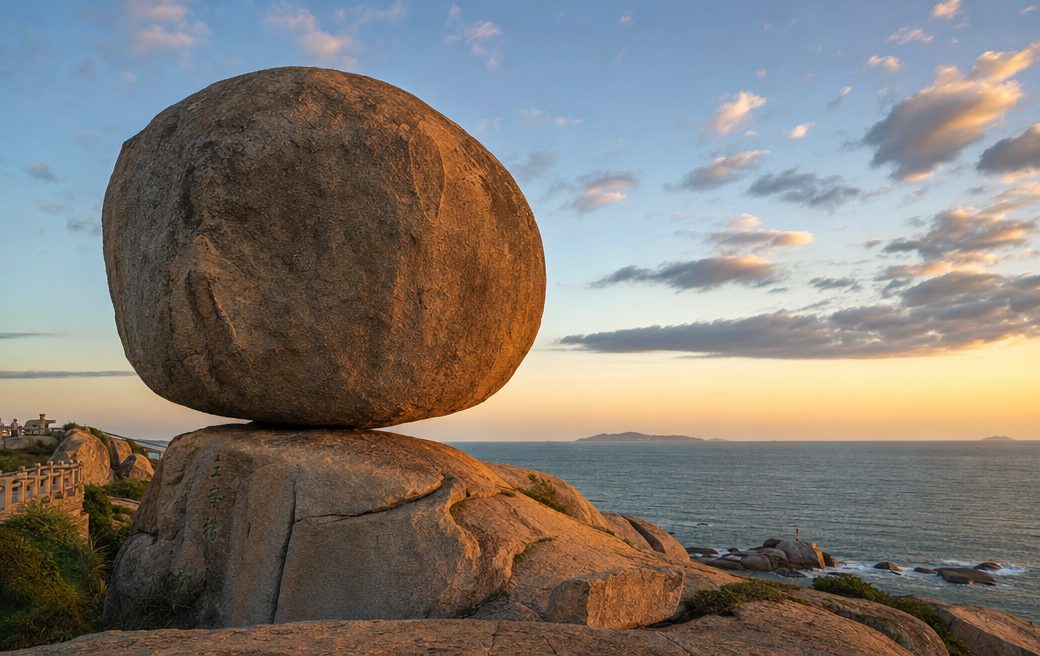
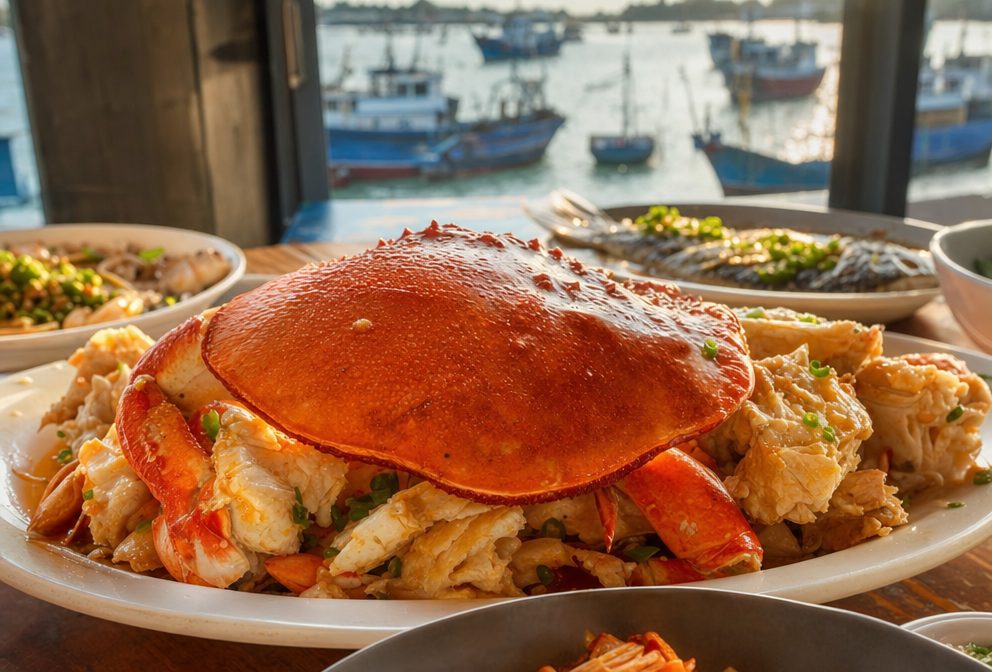
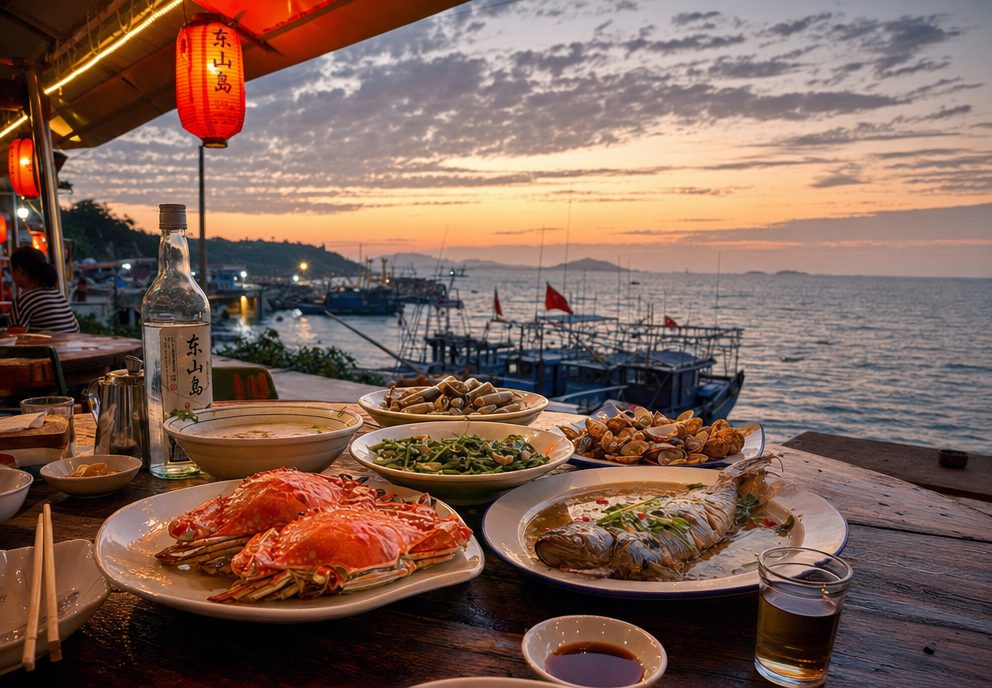
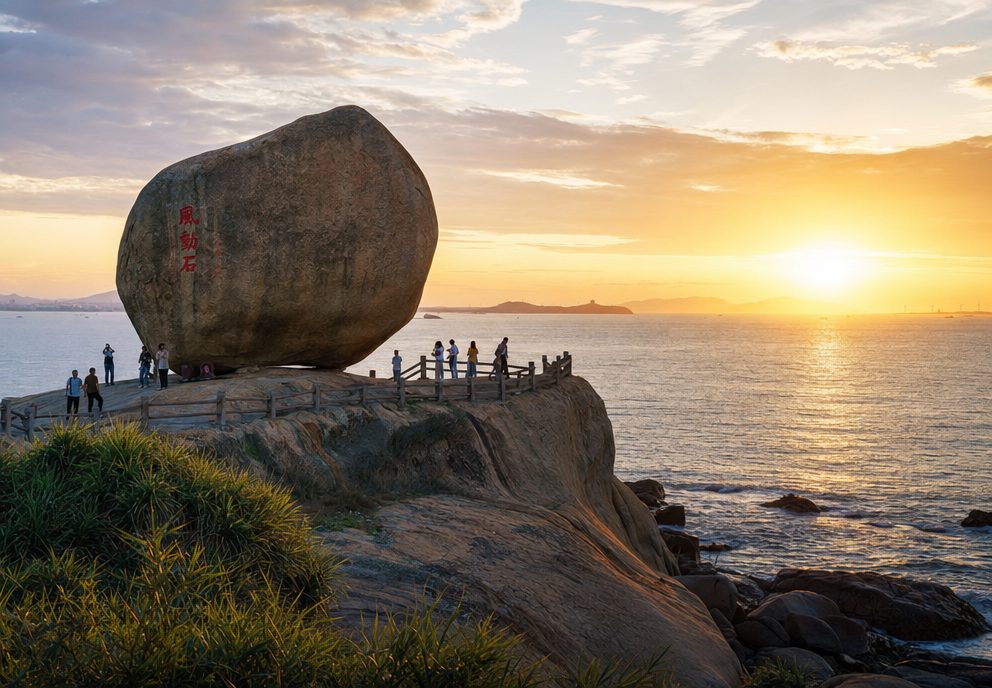
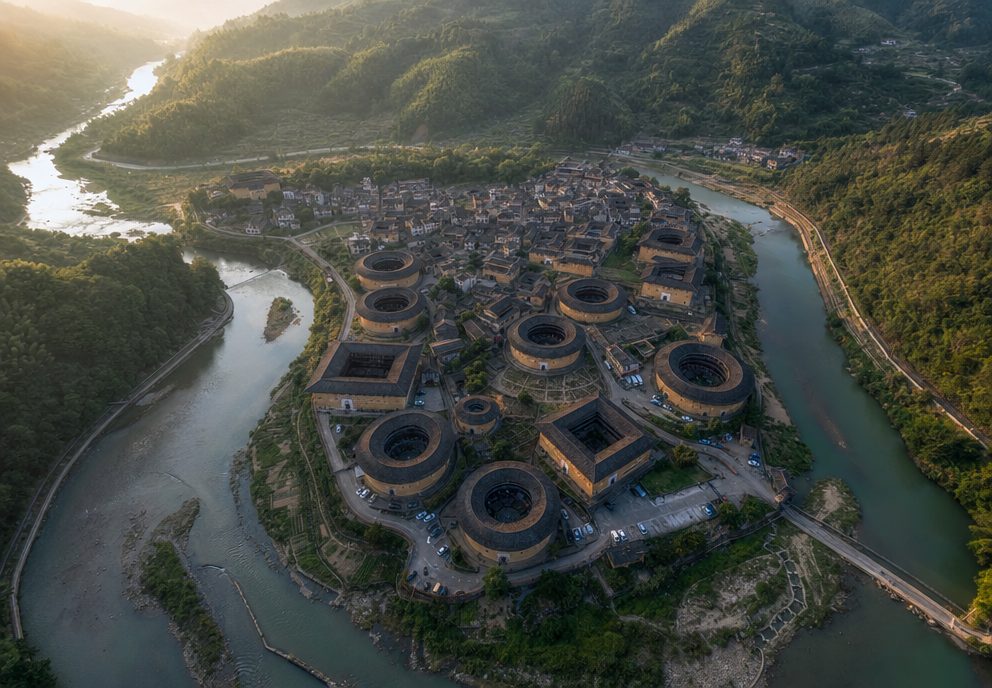
The Hekeng Tulou cluster in Nanjing County, where 13 circular and square earthen roundhouses are arranged in a river bend valley at a density found nowhere else on earth, represents the Tulou tradition at its most concentrated and dramatic. Seen at dawn when morning mist fills the valley, the cluster is genuinely one of the most astonishing sights in China. But an hour's drive south, Dongshan Island offers a completely different register of experience: a windswept coastal peninsula where the Taiwan Strait turns gold at sunset beneath a 200-tonne granite boulder that has balanced impossibly on a coastal promontory for centuries.