 Illustration
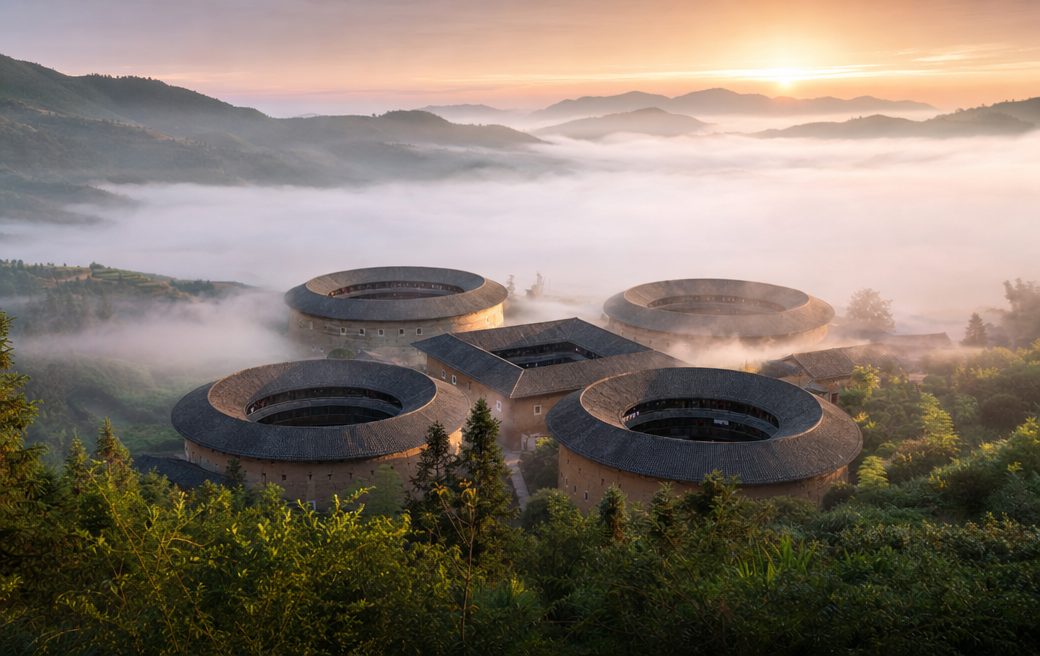
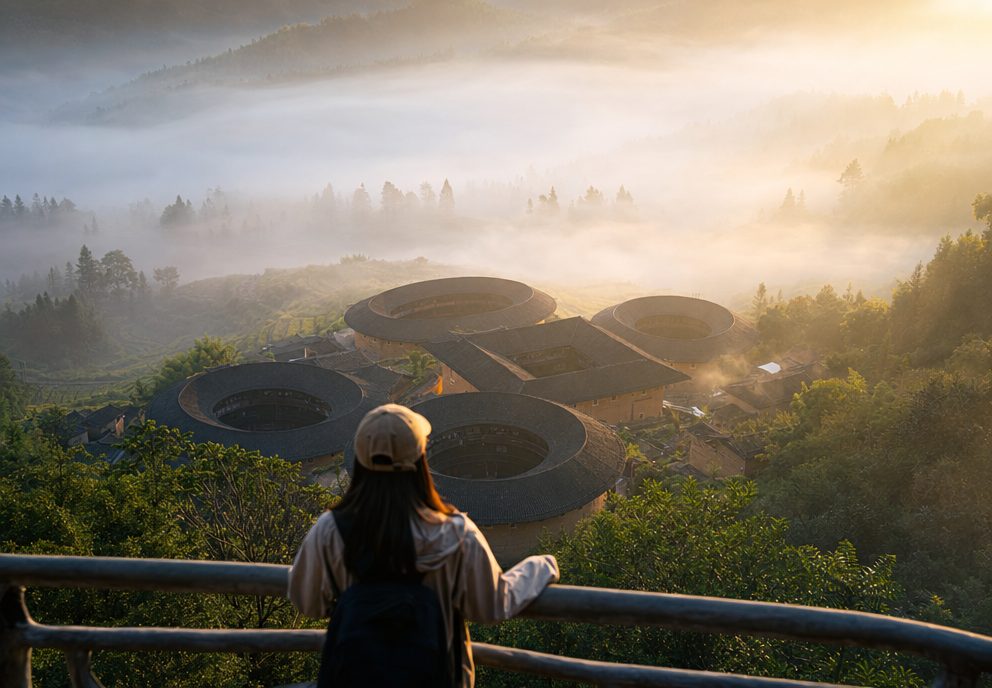
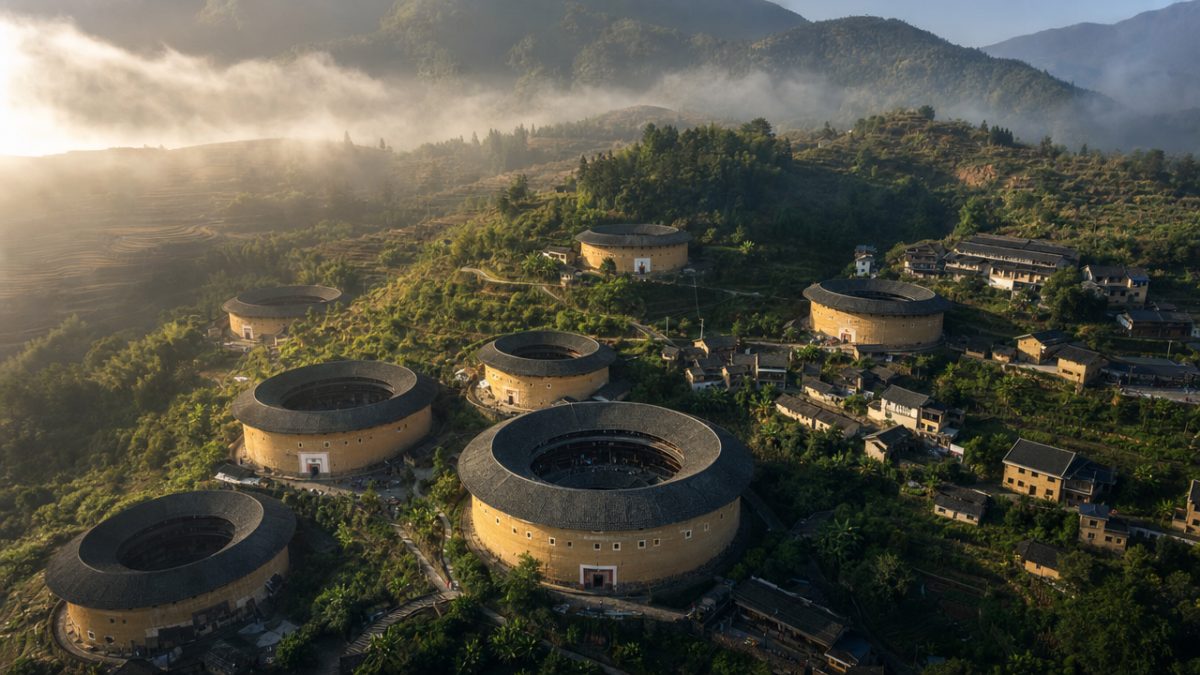
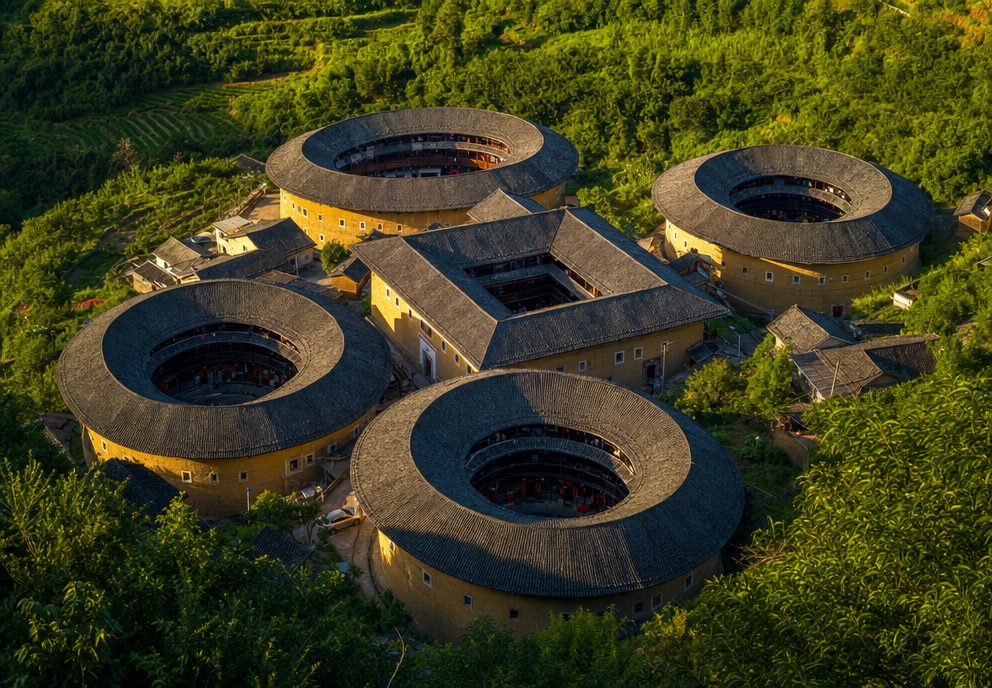
Longyan is the heartland of Hakka culture in Fujian Province, the mountainous western region where the Hakka people (客家人), who migrated south from northern China over more than a thousand years of successive waves, built the most extraordinary communal architecture in Chinese history. The Fujian Tulou (福建土楼), enormous circular or square earthen buildings housing hundreds of family members in a single defensive structure, were inscribed as a UNESCO World Heritage Site in 2008 and remain the most architecturally astonishing heritage landscape in Fujian Province.
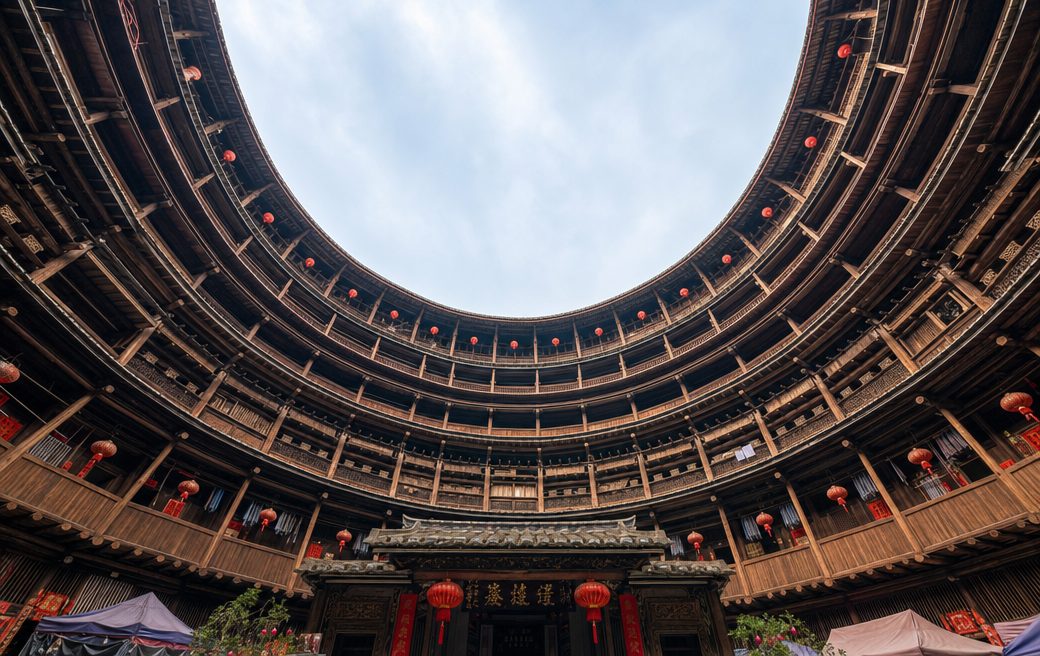
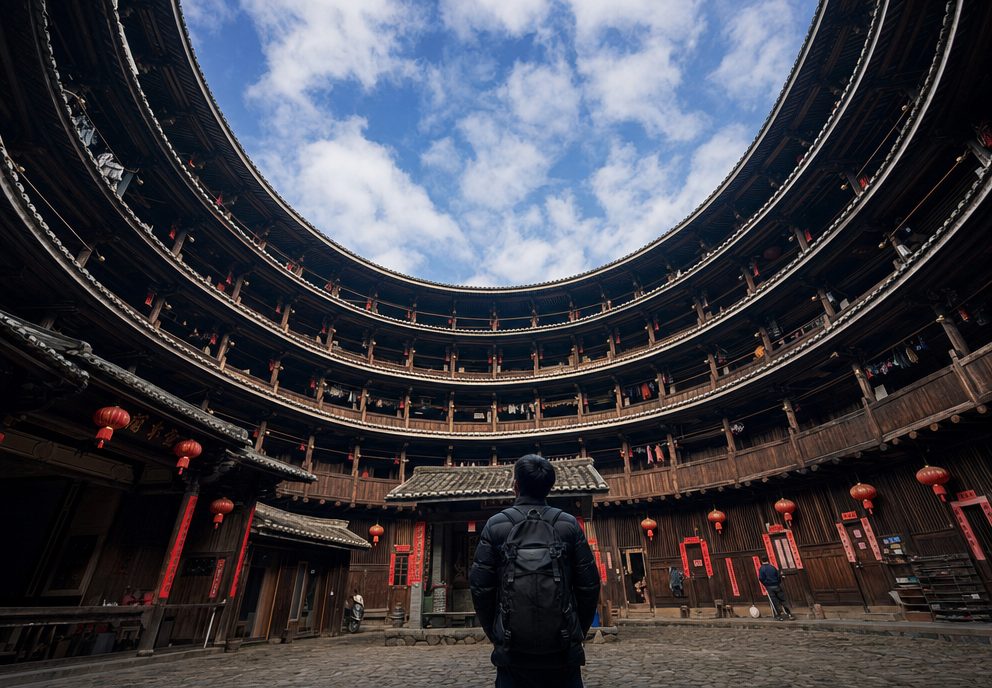
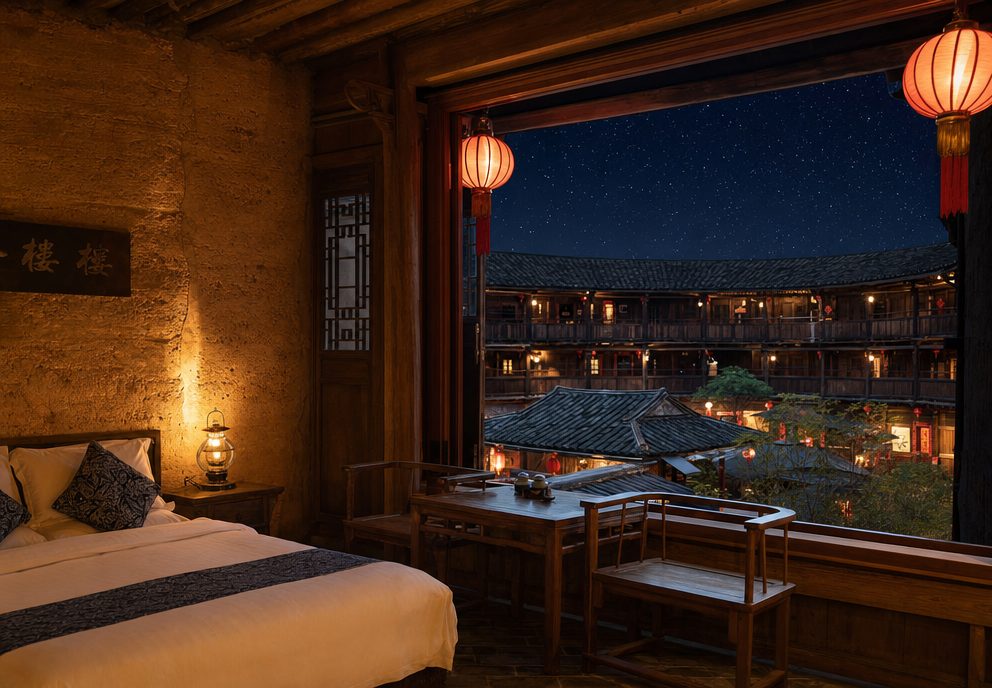
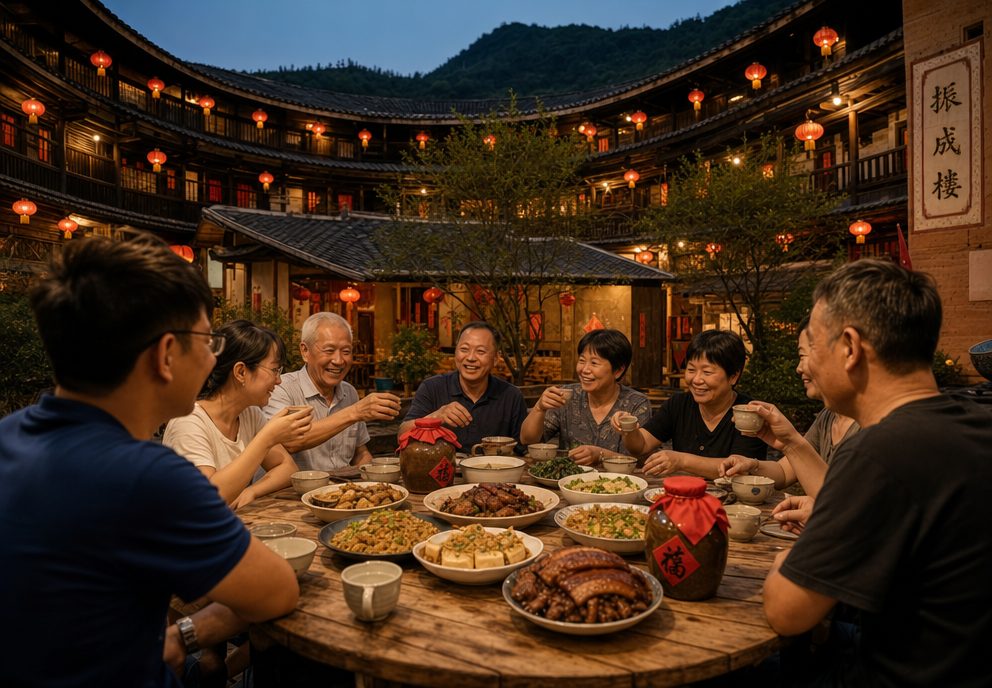
Get the geography straight first, because it affects where you book. The Fujian Tulou World Heritage site spans three counties in two prefectures: Yongding belongs to Longyan, while Nanjing and Hua'an belong to Zhangzhou next door. In Longyan itself the ones to see are in Yongding: the Chuxi cluster, and Chengqi Lou, four concentric rings of rooms, 73 metres across, some four hundred rooms in one circular building that housed dozens of families. Staying the night inside one, eating at the communal kitchen and sleeping behind a metre of rammed earth, is the only way to understand what the building is actually for.