 Illustration
Sanming Prefecture occupies the mountainous interior of Fujian Province, a landscape of forested ridges, clear mountain rivers and spectacular geological formations that most international visitors to Fujian entirely overlook in favour of coastal Xiamen or Wuyi Mountain. That oversight is Sanming's great advantage: it offers some of the most dramatic natural scenery in southeastern China in an atmosphere of complete authenticity, with virtually no foreign tourist infrastructure to dilute the experience of encountering an ancient, self-sufficient mountain culture.
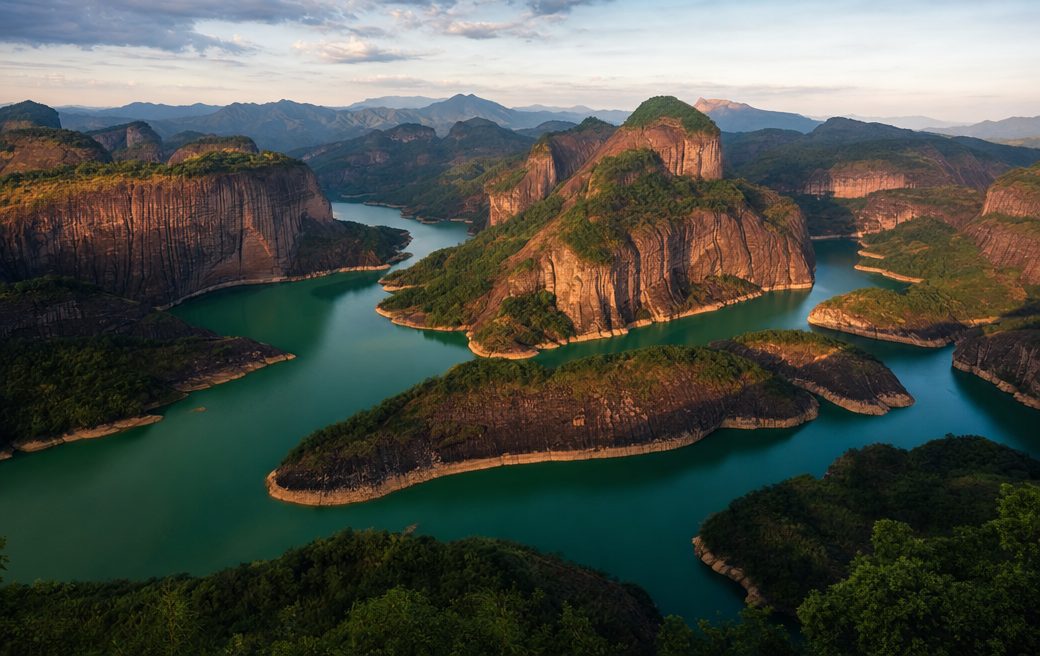
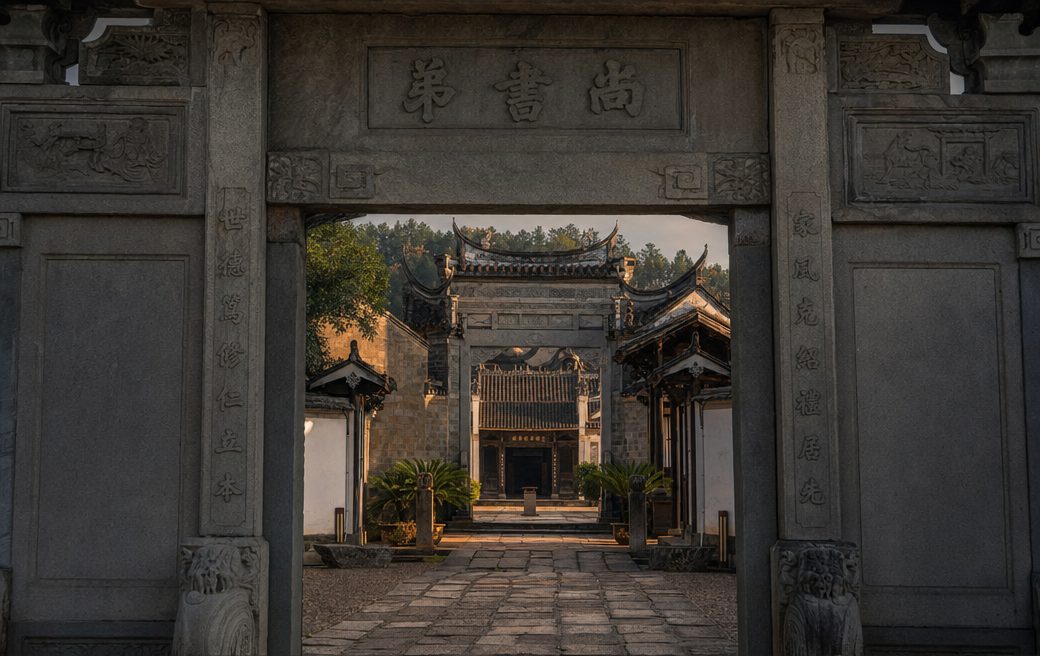
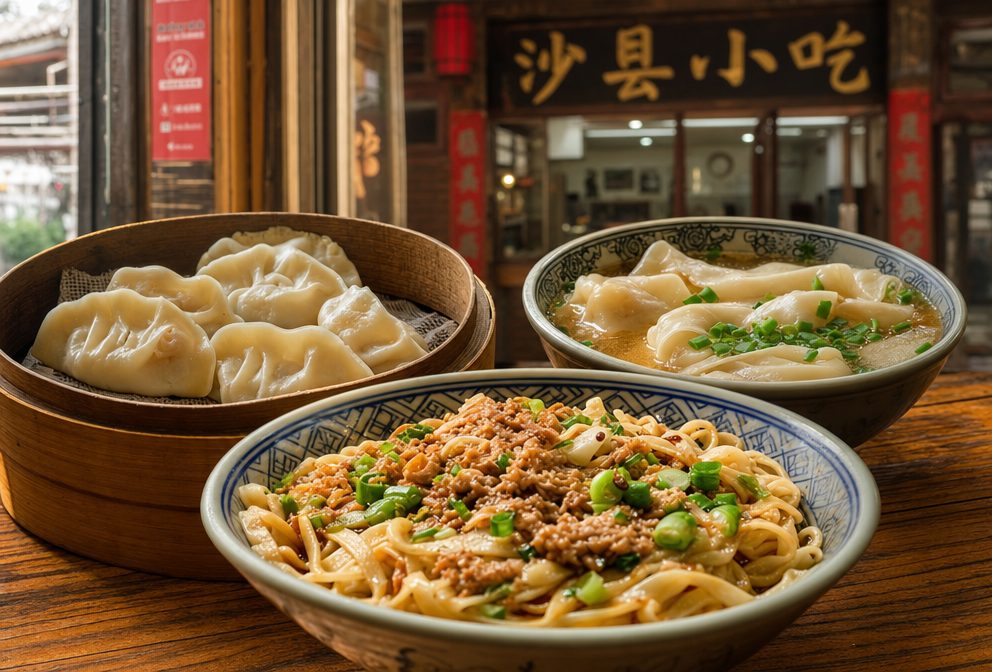
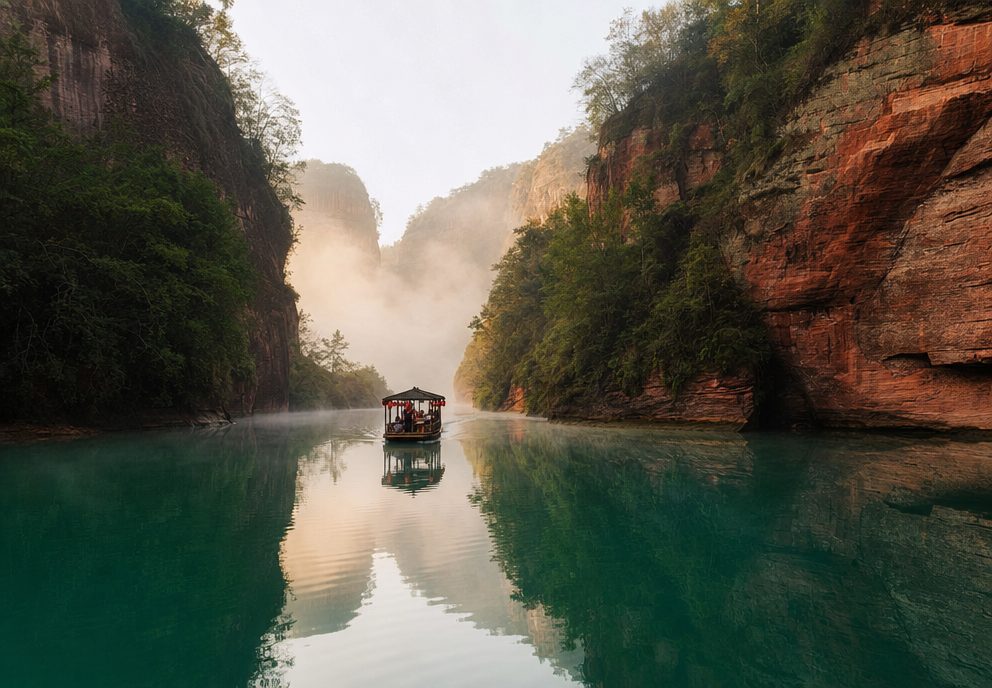
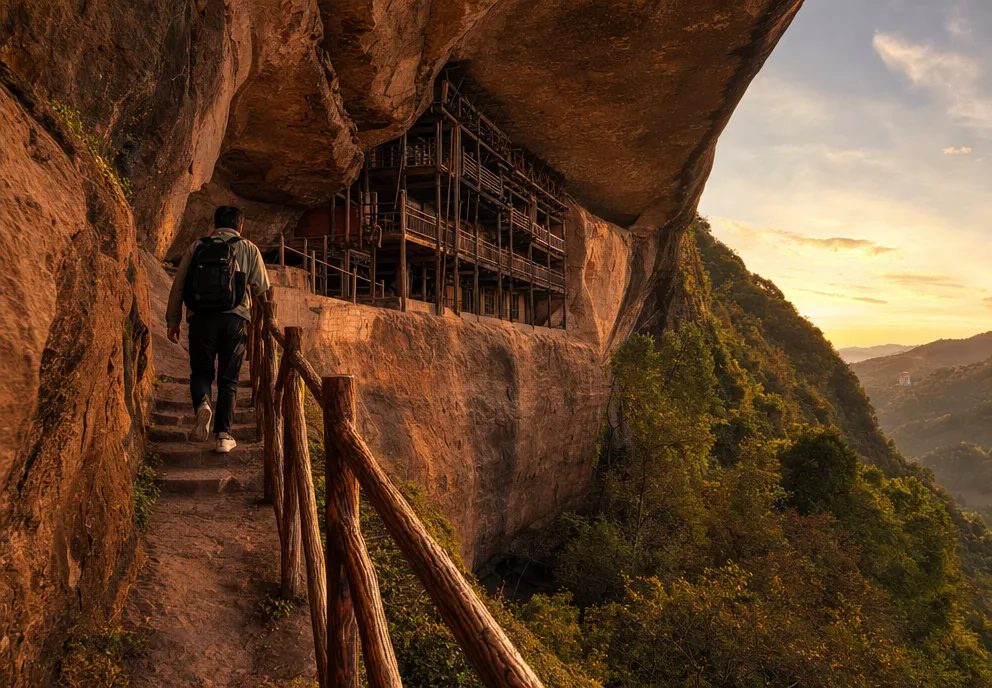
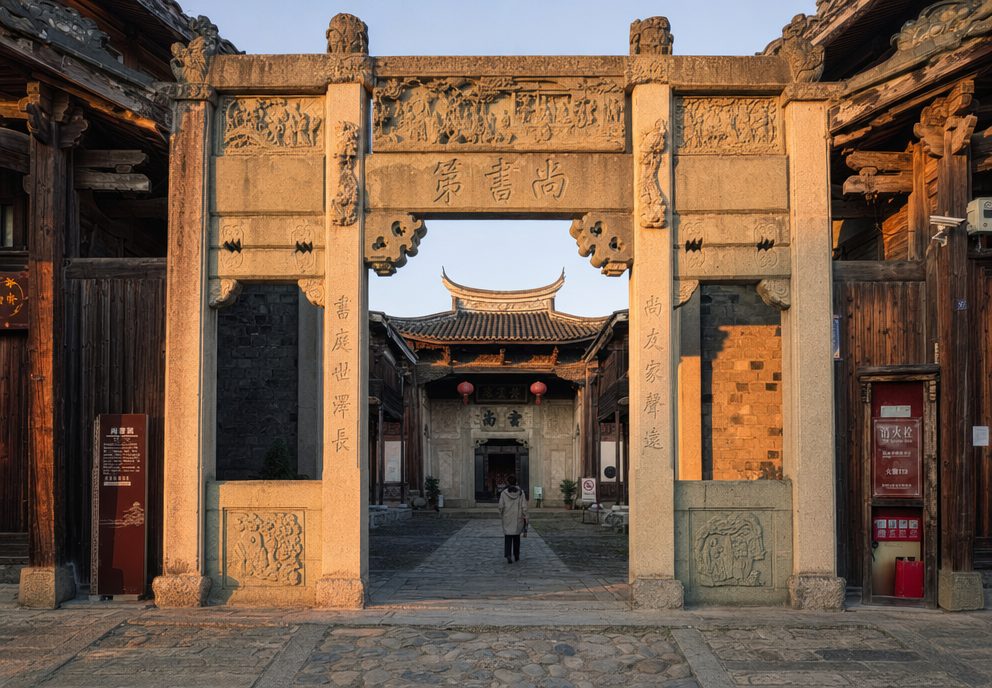
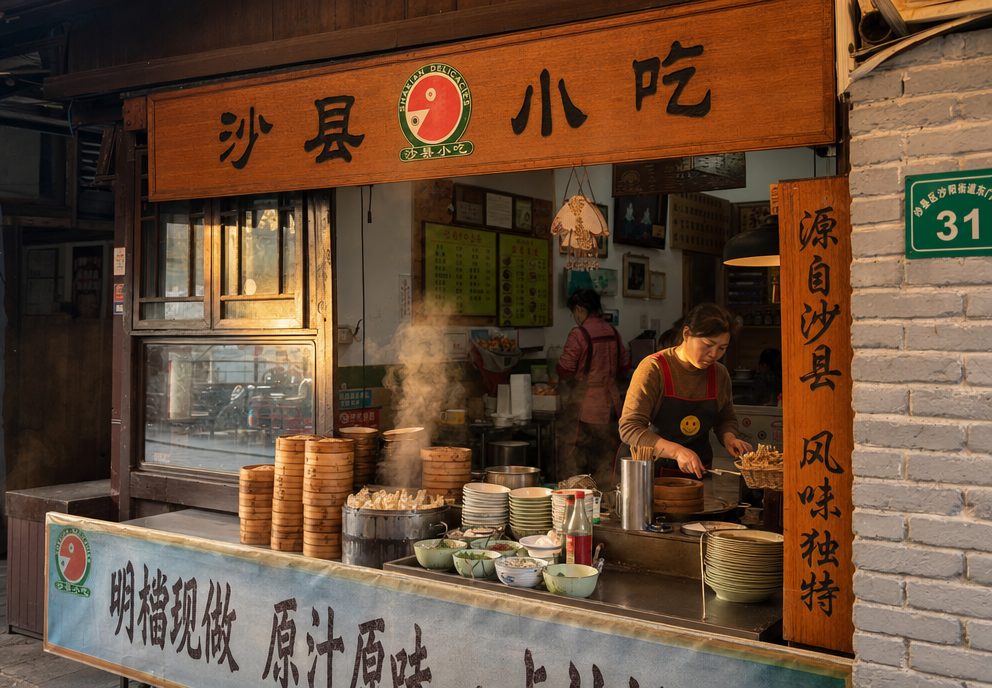
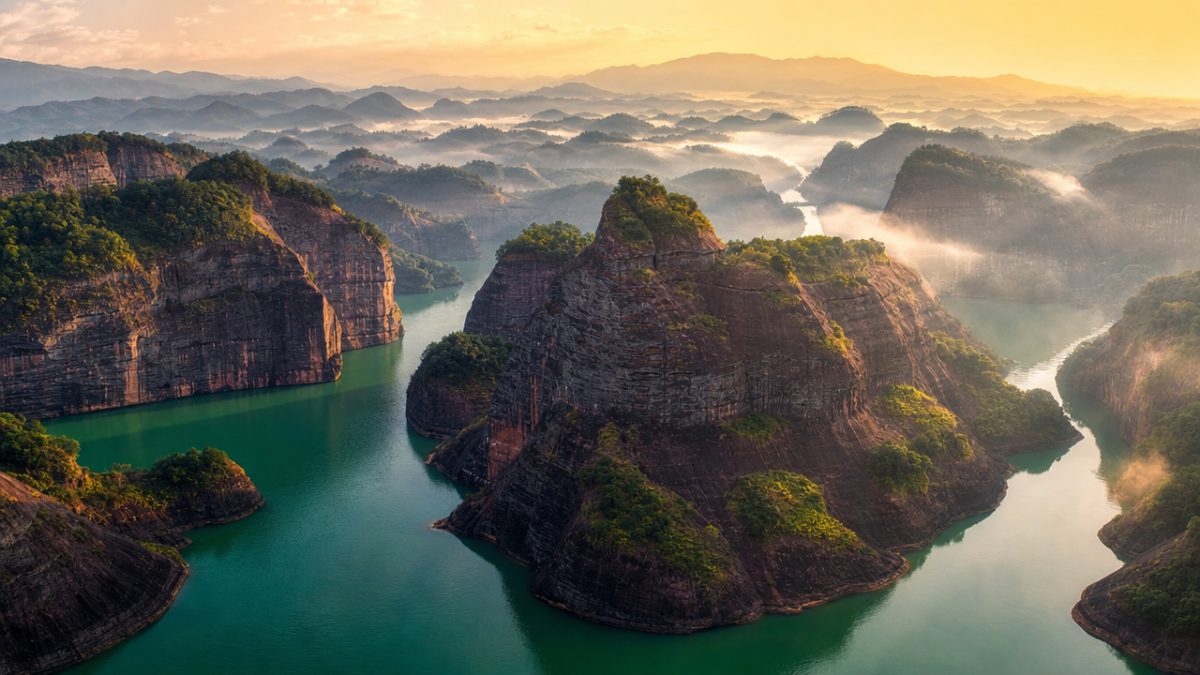
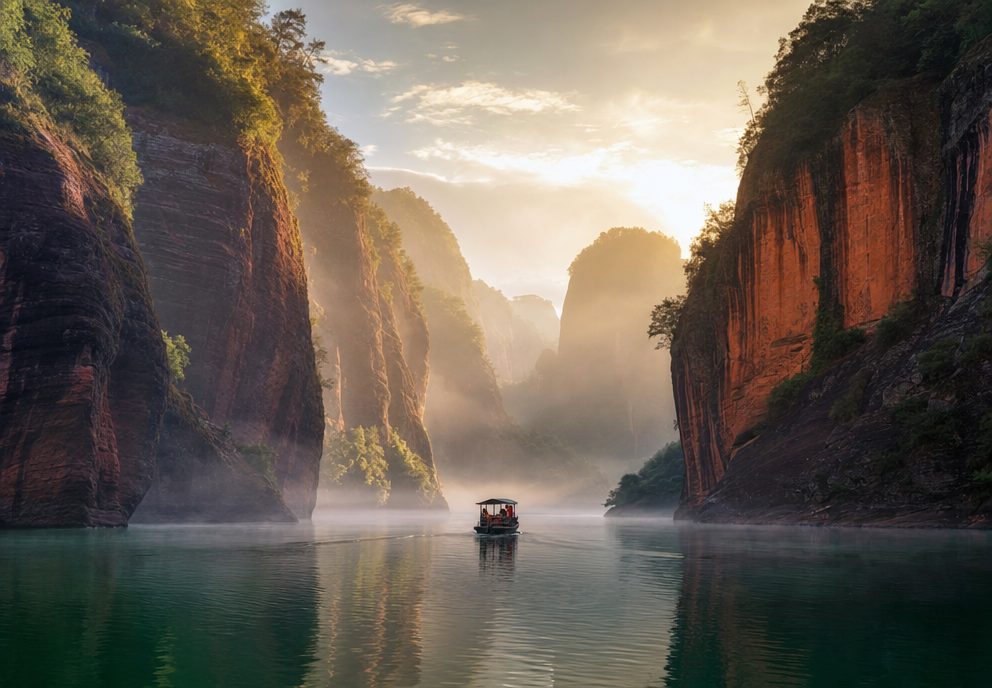
Taining county is where most Sanming itineraries start. The red sandstone there was inscribed by UNESCO in 2010 as one of six sites in the China Danxia serial listing, and the six were chosen together because they show the same landform at different stages of its life. Taining is the young end of that series: gorges cut narrow and deep and packed close together, water still working on them. Chishui in Guizhou is another of the six. What that means on the ground is a 38-square-kilometre reservoir with cliffs of 200 to 400 metres standing straight out of green water, and gorge arms narrow enough that a boat fills them. Two other things are in this prefecture and neither is on most itineraries. Ninghua, in the west, holds the ancestral hall that Hakka families worldwide treat as the point their migration dispersed from, before it went on to Tingzhou, to Meizhou and then overseas. And Shaxian is the county whose snack shops are now in every city in China.