Home › Destinations › Jiangxi › Jingdezhen

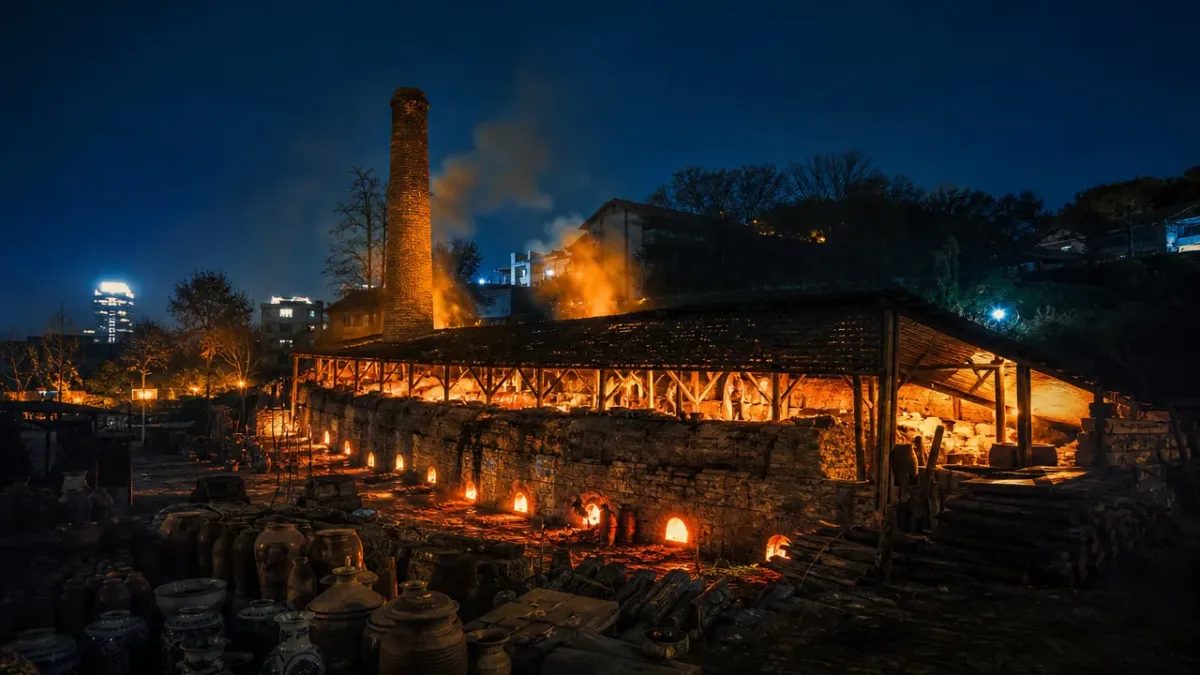
Jingdezhen ancient wood-fired kiln glowing night porcelain capital China fire light blue night skyIllustration

PreeChina · City Guide

Jingdezhen Travel Guide

For over a thousand years the porcelain capital of the world, where imperial kilns produced the blue-and-white vessels that defined Chinese art globally, and where today a new generation of ceramic artists from forty countries is reinventing what clay can become.

Jingdezhen Quick Facts

Province / Region
Northeast Jiangxi Province, Central China
Population
~1.7 million (urban)
Best Time to Visit
April–June · September–November
Famous For
World porcelain capital, Imperial Kiln, Tao Xi Chuan, Fuliang tea, Yaoli ancient town
Nearest Airport
Jingdezhen Luojia Airport (JDZ)
Recommended Stay
3–4 days

Why Visit Jingdezhen?

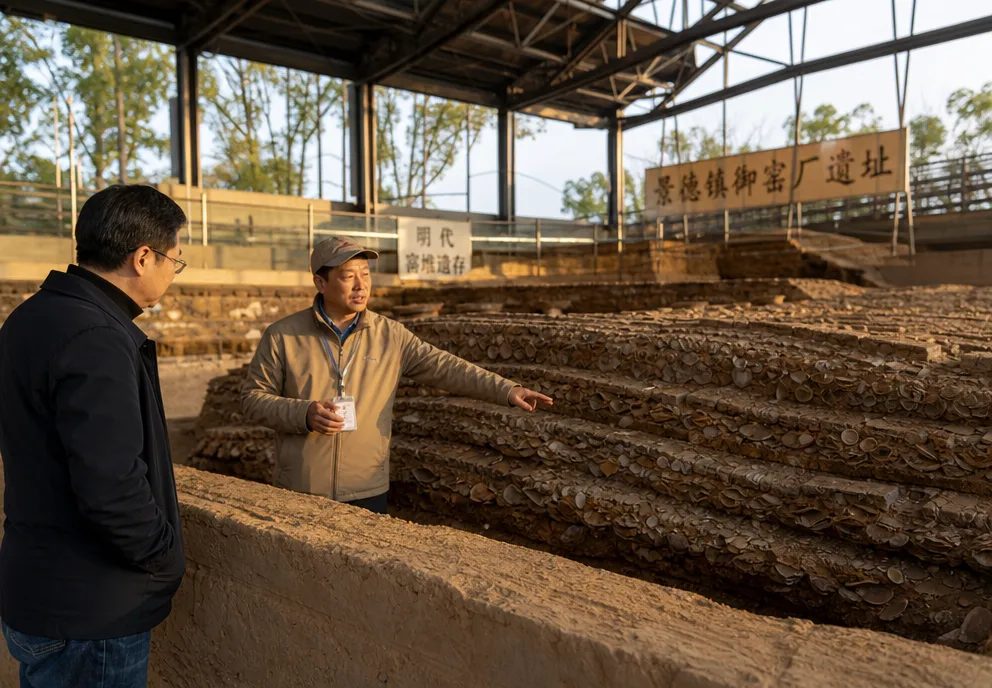
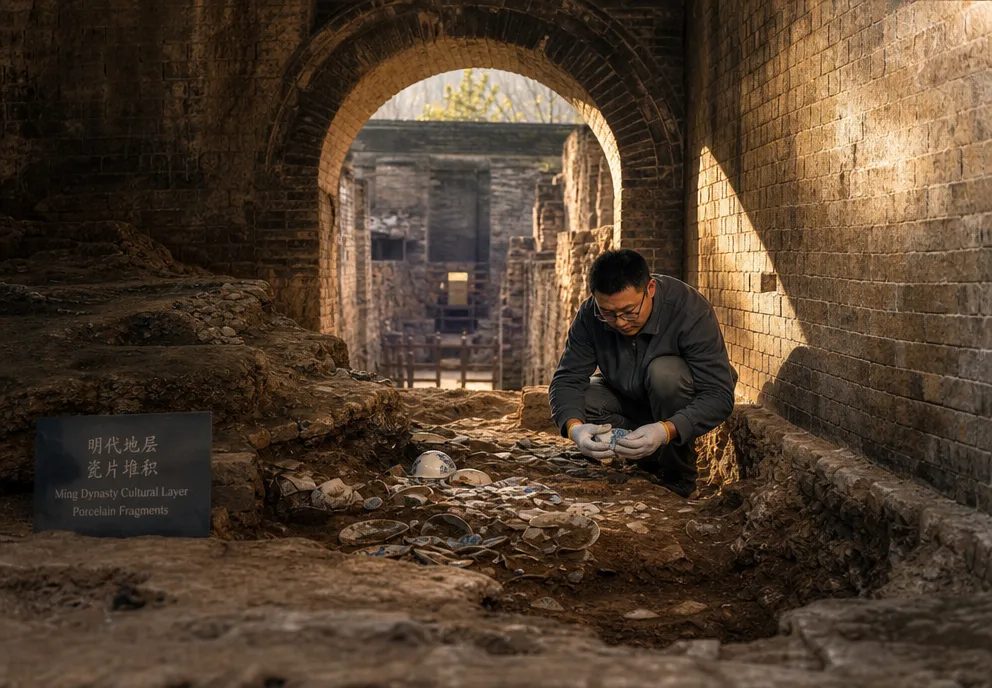
Jingdezhen Imperial Kiln Site museum archaeologist excavating Ming Dynasty porcelain shards ancient kiln ruinsIllustration

Jingdezhen has been the porcelain capital of the world for over a thousand years, a designation so completely earned that the English word "china" derives from the Chinaware produced here for export to Western markets from the 17th century onward. The city's position at the confluence of kaolin-rich geology, hardwood forests for kiln fuel and the Chang River's transport connections created conditions for ceramic production of unmatched scale and quality; at the height of the imperial period, Jingdezhen's kilns employed over a million workers and supplied the entire Chinese imperial court, diplomatic gift network and global export trade with porcelain of such consistent refinement that its techniques were studied, reverse-engineered and imitated by European manufacturers for two centuries before they cracked the formula.

For international visitors, Jingdezhen today offers something rarer than mere historical heritage: a living ceramic culture of extraordinary vitality. The Tao Xi Chuan creative park, a converted 1950s porcelain factory, has become one of the most vibrant ceramics community spaces in Asia, home to hundreds of independent potters, designers and studios from China and over forty other countries who have been drawn here by the concentration of technical knowledge, material resources and peer community that Jingdezhen uniquely provides. Visiting their studios, watching work being made, attending the weekend ceramic market and buying directly from the artists who made the piece in hand is an experience of creative culture at its most immediate.
What the Guides Miss

1

Smashed on Purpose, Buried on Site

When Emperor Chenghua wanted four pieces of a particular design in the 1470s, the imperial kiln fired a hundred identical pieces, kept the four best for the palace, and had the rest smashed and buried where they stood. The practice explains why genuine Chenghua doucai porcelain outside the Forbidden City is so rare. Archaeologists later confirmed the pattern directly: thick layers of shattered Yongle- and Xuande-era blue-and-white fragments turned up at the kiln site, destroyed before they could leave the grounds.

2

A Palace Factory Excavated Like a Crime Scene

The imperial kiln at Jingdezhen was founded in 1369 and stayed in continuous operation for more than 600 years, producing porcelain for over 20 emperors across the Ming and Qing. A joint team from Peking University and Jiangxi's archaeology institutes excavated the site in 2002 and 2003, opening up 178 square meters in today's Zhushan district. The dig was named one of China's ten most important archaeological discoveries of 2003, chosen from 71 nominated projects nationwide.

Best Attractions in Jingdezhen

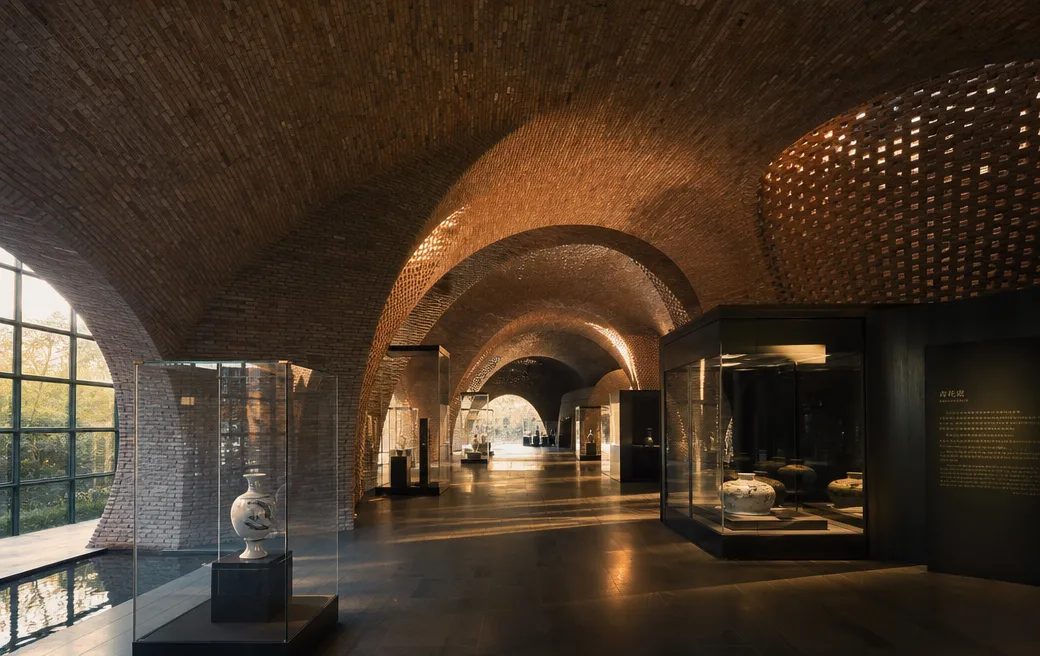
Jingdezhen Imperial Kiln Museum bold contemporary brick arch architecture Zhu Pei interior exhibition spaceIllustration
World-Class Museum

Imperial Kiln Museum (御窑博物馆)

The Imperial Kiln Museum, designed by the architect Zhu Pei and opened in 2020, is a row of long brick vaults set into the ground, shaped after the old egg-shaped kilns that are buried underneath it.

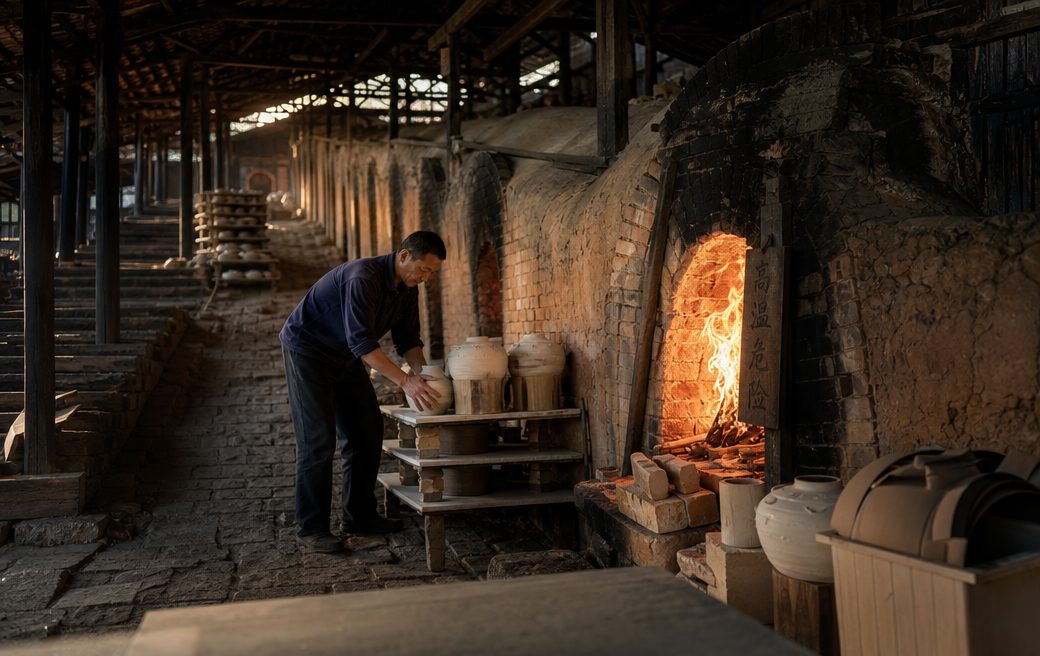
Jingdezhen ancient wood-fired kiln firing craftsman loading porcelain dragon kiln flames heritage craftIllustration
Living Craft Heritage

Ancient Kiln Folk Museum (古窑民俗博览区)

The Ancient Kiln Folk Museum preserves and demonstrates the traditional wood-fired kiln techniques that produced Jingdezhen's porcelain for over a millennium, techniques so specialised and interdependent that the production of a single piece of fine porcelain in the traditional manner required the coordinated labour of over seventy different skilled trades, each responsible for a single stage of a process extending from clay preparation through successive firings to final glazing and decoration.

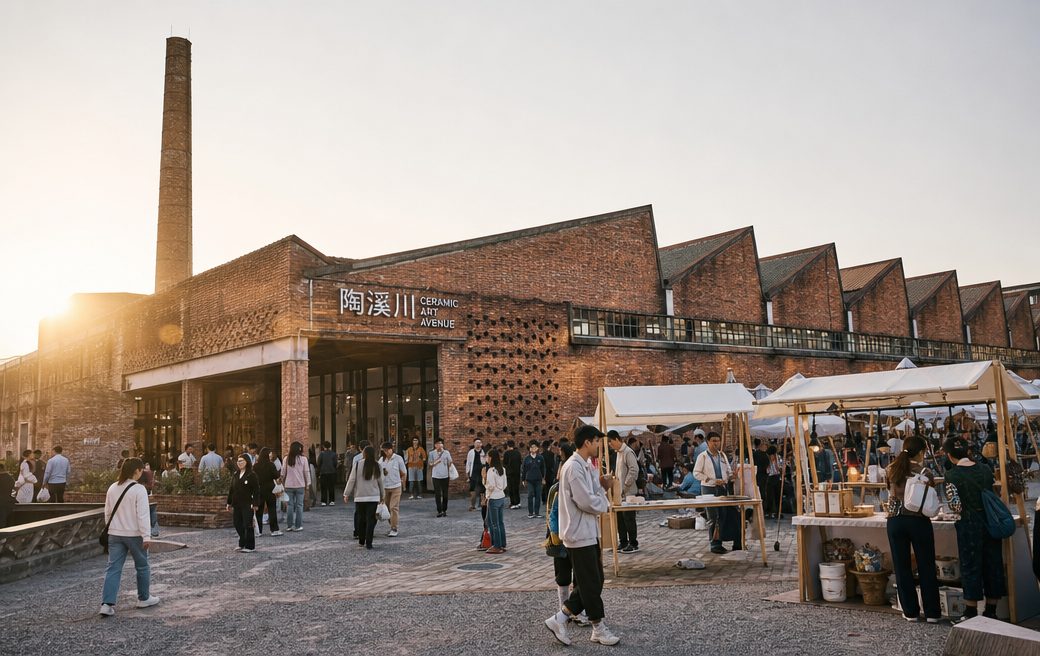
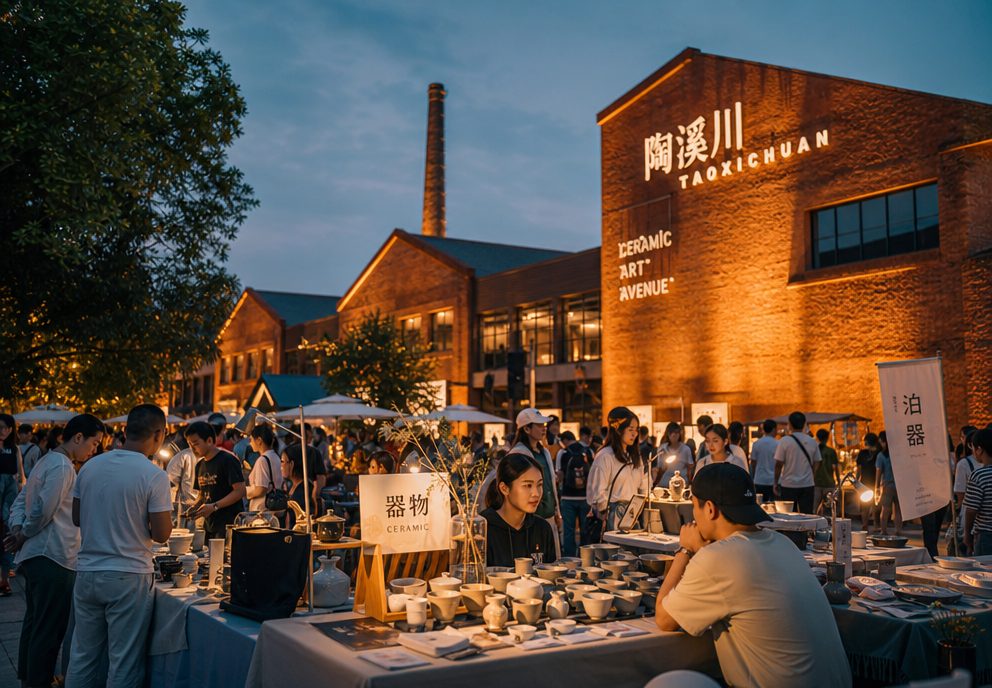
Tao Xi Chuan ceramic creative park Jingdezhen renovated 1950s porcelain factory young potters marketIllustration
Contemporary Ceramics

Tao Xi Chuan Creative Park (陶溪川创意园区)

Tao Xi Chuan is the old Universe Porcelain Factory, a 1950s works of sawtooth roofs and brick chimneys, converted from 2013 into studios, galleries, shops and a weekend market.

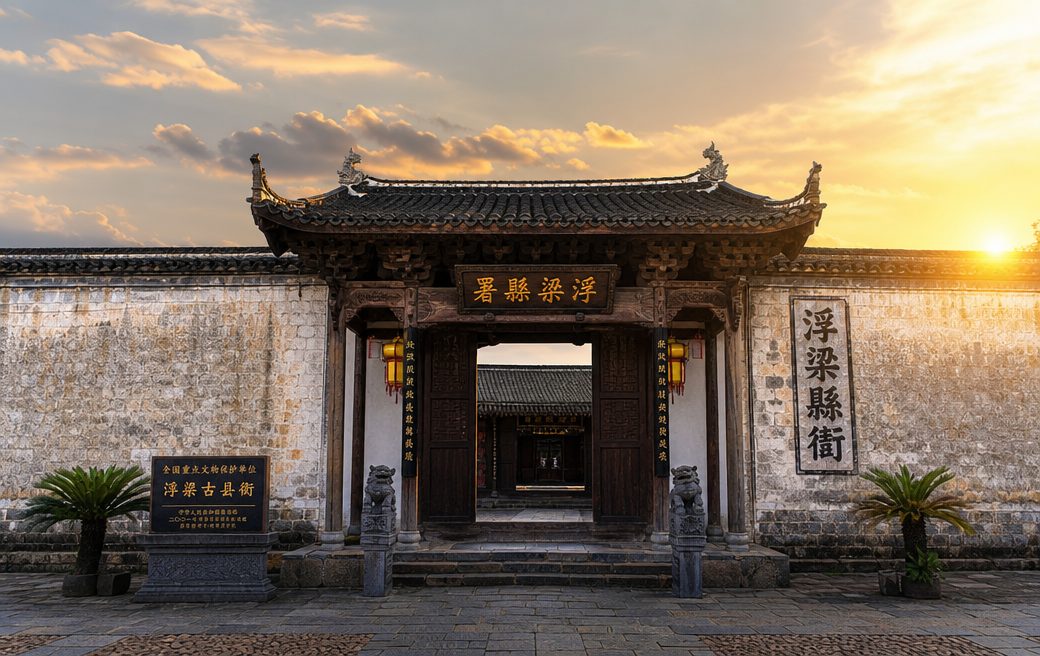
Fuliang Ancient County Office Jingdezhen complete Tang Song Yuan Ming Qing Dynasty official residenceIllustration
Ancient County Heritage

Fuliang Ancient County Seat (浮梁古县衙)

The Fuliang ancient county office complex, located in the town of Fuliang, the original administrative centre that preceded Jingdezhen's rise to ceramic prominence, is one of the most complete surviving examples of traditional Chinese county government architecture in Jiangxi Province, with structures dating from the Tang, Song, Yuan, Ming and Qing dynasties preserved within a single walled compound.

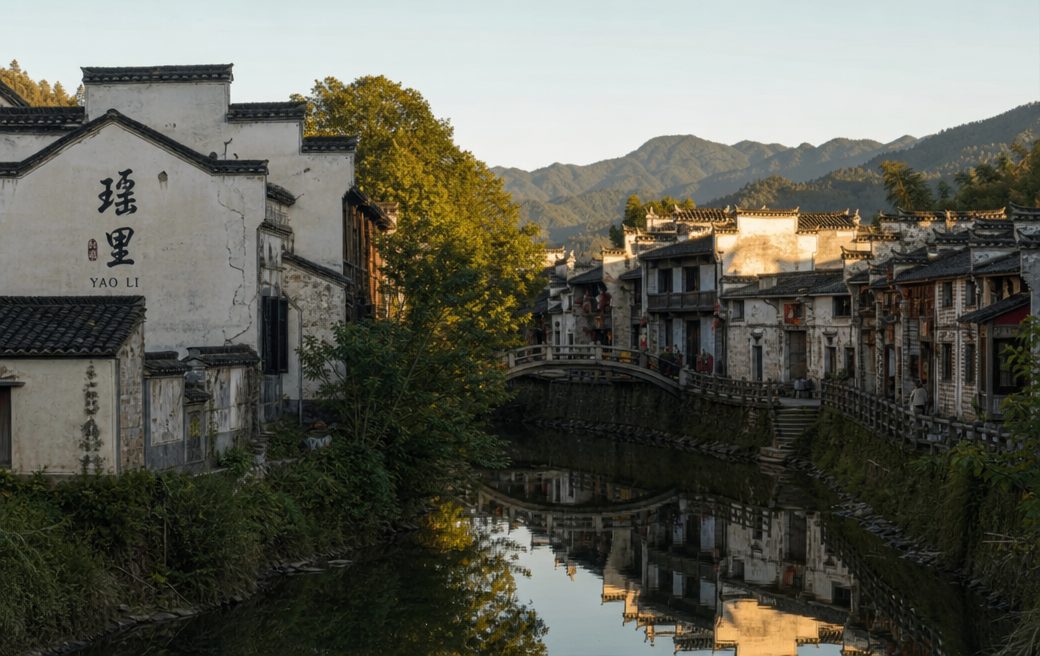
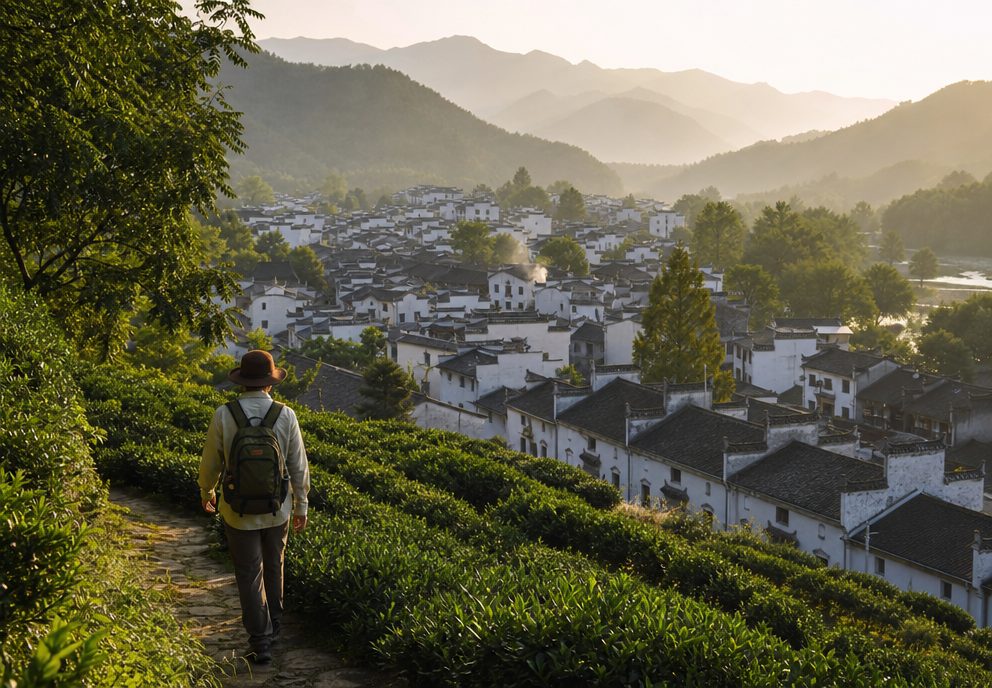
Yaoli Ancient Town Jingdezhen Huizhou whitewashed walls black tiles stream reflection ancient porcelain villageIllustration
Huizhou Village

Yaoli Ancient Town (瑶里古镇)

Yaoli, in the forested hills northeast of Jingdezhen, is the village where Jingdezhen's ceramic story begins, the source of the high-quality petuntse (porcelain stone) that was combined with local kaolin clay to create the distinctive body of Jingdezhen porcelain from the Song Dynasty onward.

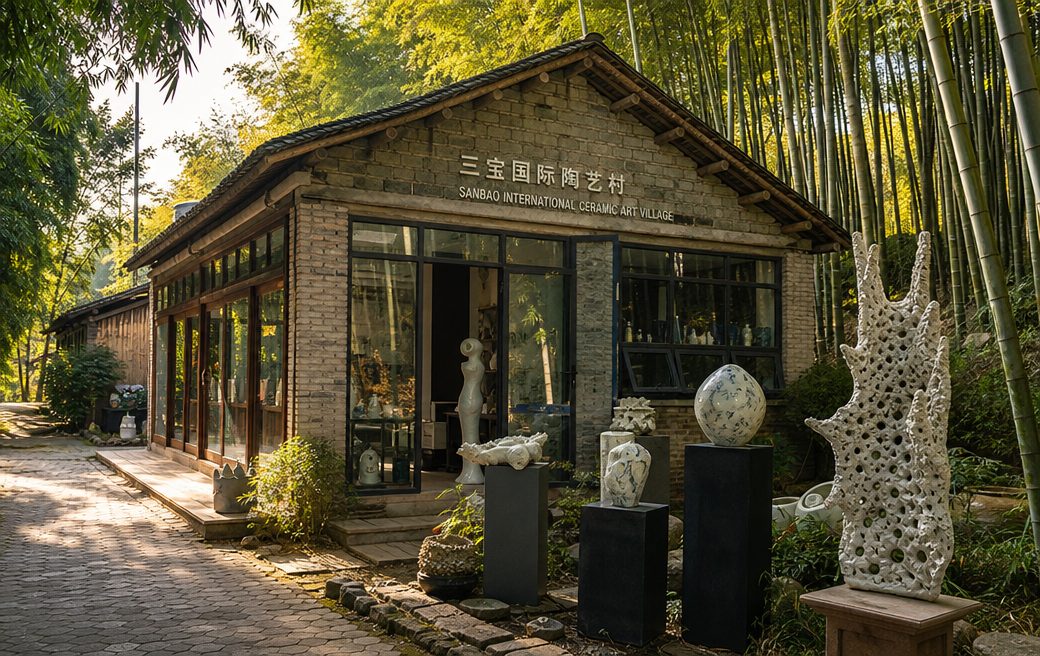
Sanbao International Ceramic Art Village Jingdezhen artist studio bamboo forest garden ceramic sculpturesIllustration
International Art Village

Sanbao International Ceramic Village (三宝国际陶艺村)

Sanbao, established in a valley of bamboo forest and renovated rural buildings three kilometres from central Jingdezhen, was one of the first international ceramic art residency programmes in China and remains one of the most distinctive: a community of studios, galleries and gardens where ceramic artists from around the world come to work, experiment and exchange with Chinese ceramic traditions in a setting of considerable natural beauty.

Ways to Experience Jingdezhen

Group Tours

A group route across a thousand years of imperial porcelain history and working kiln towns.

Imperial Kiln Heritage Tours

The Imperial Kiln Museum and Ancient Kiln Folk Museum, tracing porcelain production for the imperial court.

Contemporary Ceramics Tours

Tao Xi Chuan Creative Park, where traditional kilns have become working artist studios and galleries.

Ancient Kiln Town Tours

Yaoli Ancient Town and Sanbao International Ceramic Village.

Explore Jingdezhen on the Map

By Type
By Theme
View Full China

Approximate locations of the attractions above, across Jingdezhen.

Jingdezhen Food You Should Try

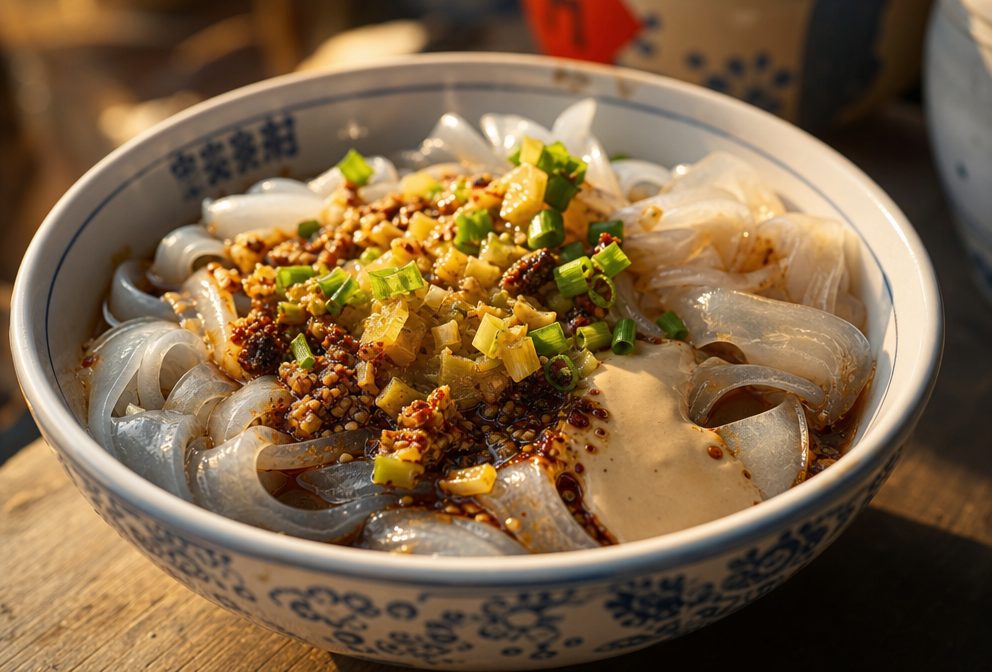
Jingdezhen cold rice noodle chili oil black vinegar sesame paste pickled vegetables ceramic bowlIllustration

Jingdezhen Cold Noodles (景德镇冷粉)

Jingdezhen's favourite hot-weather street snack: wide, translucent rice noodles served cold in a dressing of house-made chili oil, black vinegar, sesame paste, pickled long beans and crispy fried shallots, served, naturally, in a ceramic bowl.

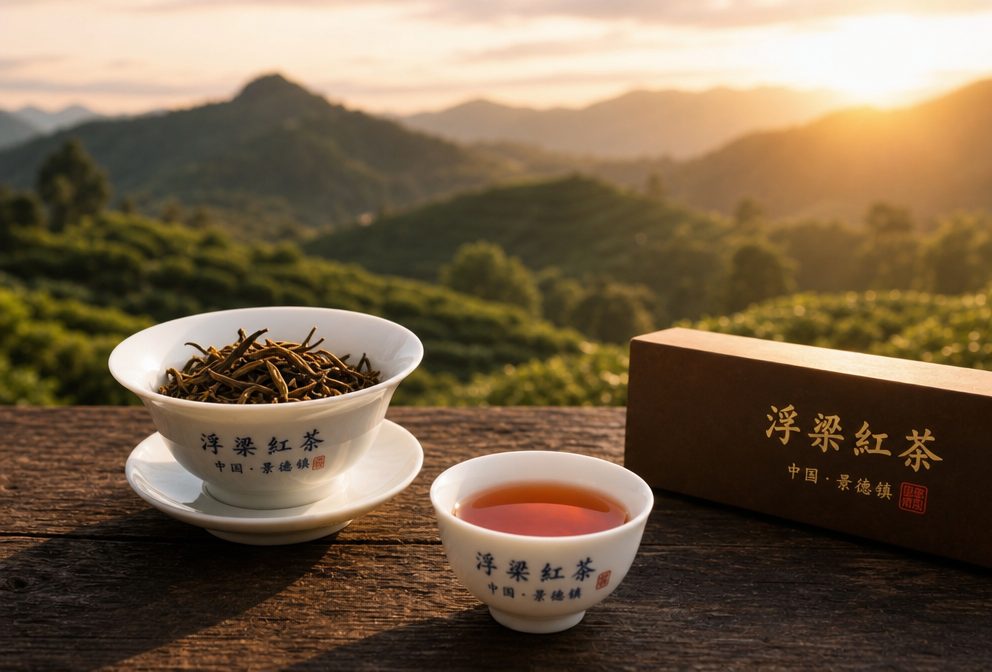
Fuliang black tea Jingdezhen amber red tea white porcelain cup gaiwan mountain tea gardenIllustration

Fuliang Black Tea (浮梁红茶)

Fuliang County's black tea tradition predates Keemun and Yunnan as one of China's earliest exported black teas, a historical connection between Jingdezhen's porcelain export routes and the tea trade that supplied the same European markets simultaneously.

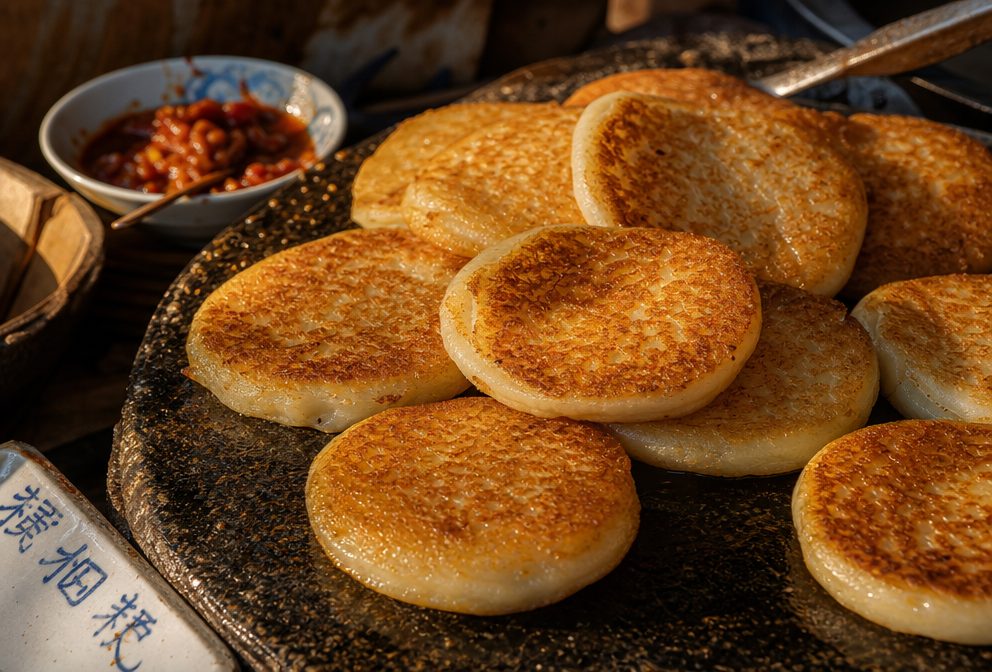
Jingdezhen alkaline water rice cake golden pan-fried crispy chewy chili sauce traditional breakfast streetIllustration

Jingdezhen Alkaline Rice Cake (景德镇碱水粑)

A Jingdezhen breakfast staple that ceramic artists and kiln workers have been eating for generations: glutinous rice treated with alkaline water, which gives the cooked cake a characteristic golden-yellow colour and a chewy, elastic texture, pan-fried until the outside crisps to a satisfying crunch while the inside remains yielding and slightly sticky, served with a dipping sauce of fresh chili and soy.

Cultural Experiences in Jingdezhen

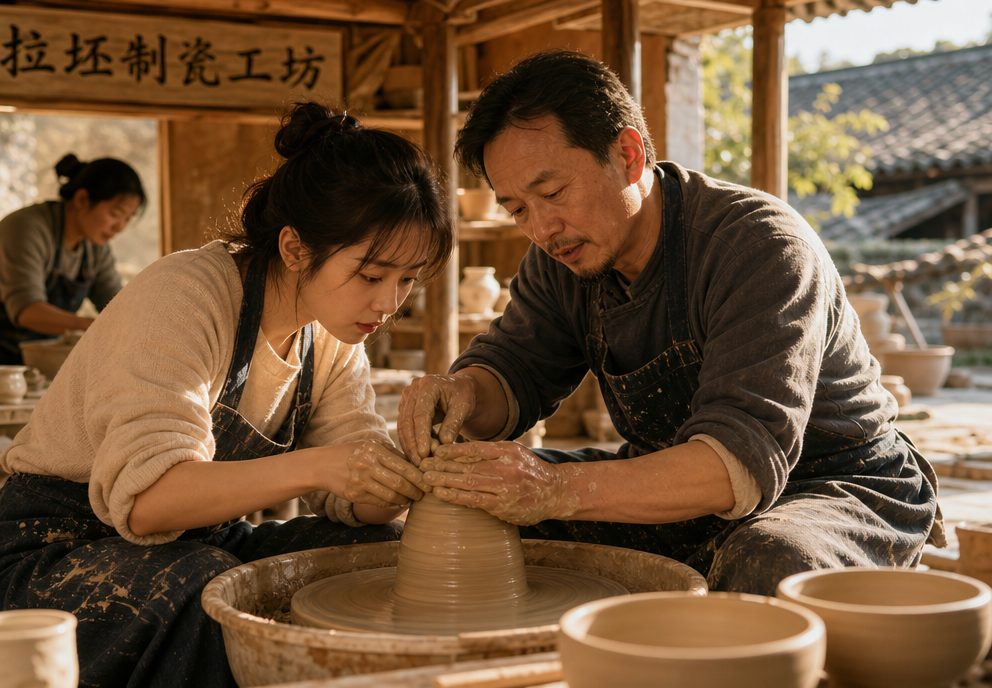
Pottery wheel throwing workshop Jingdezhen visitor hands shaping wet clay spinning wheel master potterIllustration

Pottery Wheel Workshop (拉坯制瓷体验)

Shape wet clay on a spinning wheel guided by a Jingdezhen master potter, the most immediate way to understand what a thousand years of ceramic knowledge feels like when it passes from one pair of hands to another.

Jingdezhen Imperial Kiln archaeological site visit Ming Dynasty excavation ceramics expert guide heritageIllustration

Imperial Kiln Archaeology Tour (御窑厂考古参观)

Stand above the active Ming Dynasty kiln excavation with a ceramics archaeologist, layers of imperial shards visible in the trench below, each fragment a discarded piece of history that failed to meet the emperor's standard.

Tao Xi Chuan night market Jingdezhen young ceramics vendors artists evening market converted factoryIllustration

Tao Xi Chuan Night Market (陶溪川夜市)

Browse the weekend evening market where hundreds of ceramic artists sell their work directly from tables, the most direct and affordable way to buy contemporary Jingdezhen ceramics from the hands that made them.

Yaoli Ancient Town tea garden walk Jingdezhen visitor hillside trail Huizhou village tea bushesIllustration

Yaoli Tea Garden Trail (瑶里古镇茶园徒步)

Walk the hillside tea garden trails above Yaoli village, Fuliang tea bushes in the foreground, Huizhou whitewashed rooftops below and mountain mist filling the valley in a landscape unchanged for centuries.

Best Time to Visit Jingdezhen

Season Highlights Weather
Spring
(Apr–May)
Yaoli Ancient Town in spring blossom; Fuliang tea spring harvest; Tao Xi Chuan studios at full creative activity; kiln firing season in full operation; pleasant temperatures for walking the ancient kiln district 14–24 °C (57–75 °F), mild with periodic rain. Spring is excellent for combining ceramic studios with the Yaoli countryside walk. The Fuliang spring tea harvest in April is worth timing a visit around, tea garden walks are at their most fragrant.
Summer
(Jun–Aug)
Tao Xi Chuan weekend market at its most vibrant; international ceramic artist community at peak density; long evenings for Tao Xi Chuan night market; ancient kiln district atmospheric in summer evening light 26–36 °C (79–97 °F), hot and humid. Jingdezhen summers are intense, visit studios in the morning, rest in the afternoon, return for the Tao Xi Chuan evening market. The kiln district provides shade and the creative energy of the community is at its highest in summer.
Autumn
(Sep–Nov)
Best overall season, Jingdezhen International Ceramic Fair (October); Yaoli autumn foliage; comfortable temperatures for all activities; Fuliang autumn tea harvest; ancient kiln firings most atmospheric in cool air 14–26 °C (57–79 °F), clear and comfortable. October is the single best month: the International Ceramic Fair brings the global ceramics community to Jingdezhen, Yaoli is in autumn colour, and the cool air makes kiln-side visits at night particularly atmospheric.
Winter
(Dec–Feb)
Quietest season; Imperial Kiln Museum and indoor studios most comfortable; ancient kiln firings dramatic in winter cold; Yaoli village in winter quiet; Chinese New Year ceramic gift markets throughout the city 4–14 °C (39–57 °F), cool with occasional frost. Winter Jingdezhen has a focused, working-city atmosphere, the international students and tourists have departed, the serious ceramic community remains, and the studios are accessible and unhurried. The kiln fires at night in cold weather are visually spectacular.

Recommended Routes Near Jingdezhen

1 Day

Imperial Porcelain Route

The Imperial Kiln Museum in the morning, the Ancient Kiln Folk Museum in the afternoon.

1 Day

Kiln Town Route

Yaoli Ancient Town combined with Sanbao International Ceramic Village.

Why Choose PreeChina

Local Expert Guides

Our Jingdezhen specialists provide ceramic history context for the Imperial Kiln site, know which Tao Xi Chuan studios welcome private visits, and arrange access to dragon kiln firing events not listed publicly.

Flexible Itineraries

Jingdezhen works as a 3–4 day standalone destination or as part of a Jiangxi circuit combining the city with Nanchang, Lushan Mountain, Wuyuan ancient villages and the Longhu Mountain Danxia of Yingtan.

24/7 English Support

From arranging pottery wheel workshops to booking private Imperial Kiln archaeology tours and Sanbao studio visits, our English-speaking team handles every detail around the clock.

Private Transportation

Comfortable vehicles for Yaoli Ancient Town, Fuliang county, Sanbao Art Village and all inter-site transfers, essential for making the most of Jingdezhen's geographically dispersed ceramic heritage.

Authentic Experiences

We arrange private pottery wheel sessions with master potters, Imperial Kiln after-hours access, dragon kiln firing viewings, Tao Xi Chuan artist studio tours and Yaoli tea garden dawn walks.

Jingdezhen is in Jiangxi, in East China.

Keep Exploring Jingdezhen

Plan Your Group Trip to Jingdezhen

Travelling to China with 10 or more people? Talk to PreeChina first. A transparent service fee of USD 100 per person for trips of up to 10 days (USD 150 for 11 to 20 days), and no markup on travel components. See how the fee works.

Tell us your interests, travel dates and preferences, and our local experts will design a group Jingdezhen journey, and a wider China adventure, for your group.

Plan a Group Trip to JingdezhenSee Group Tour Options

Share This Guide