 Illustration
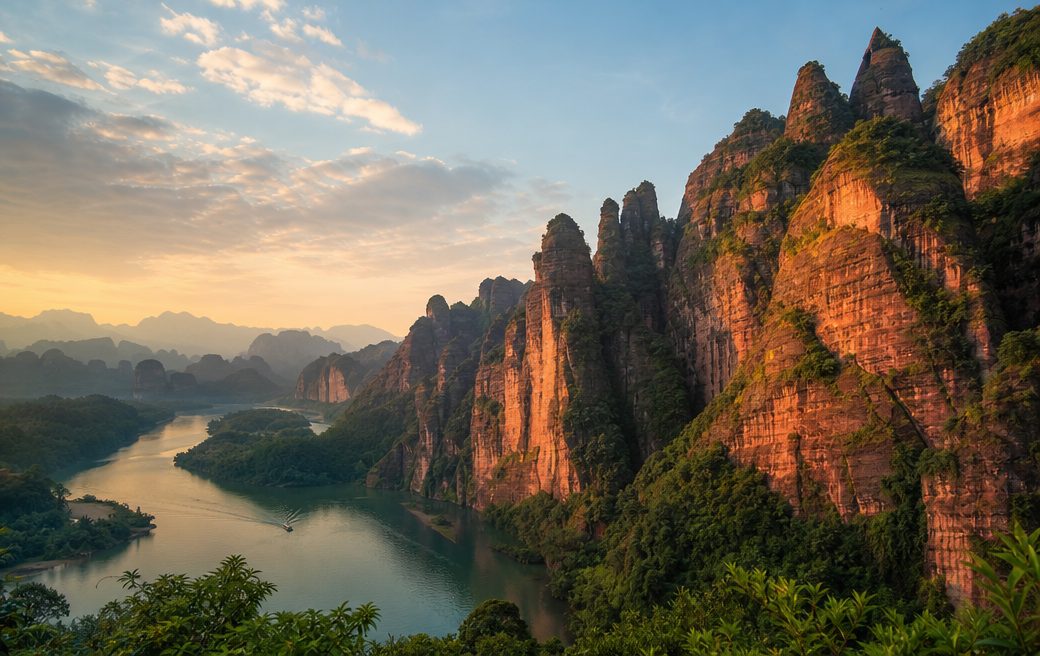
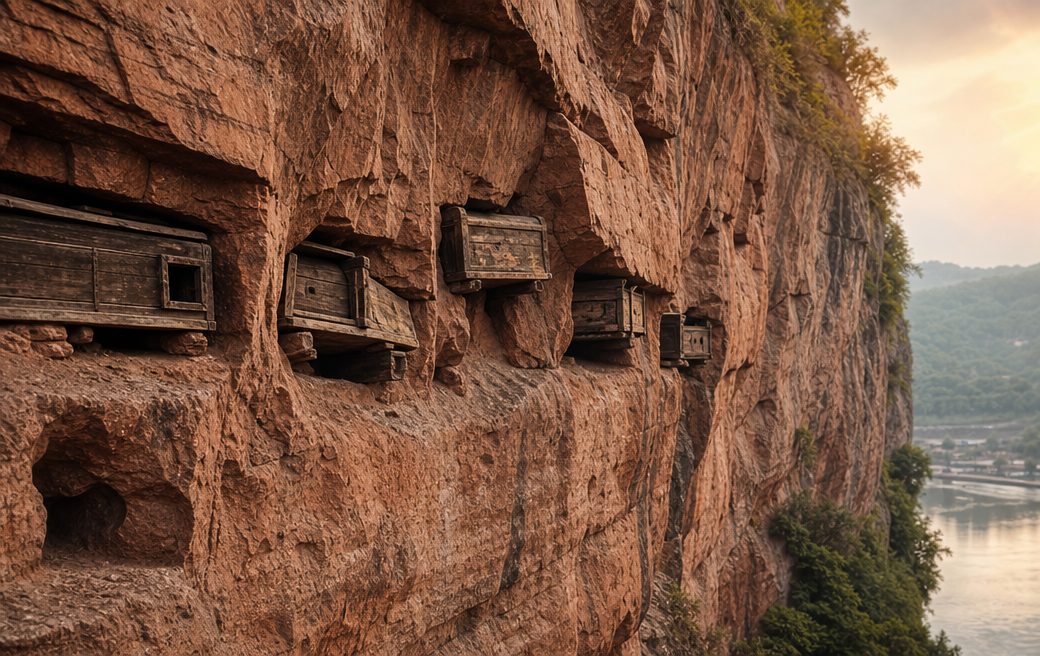
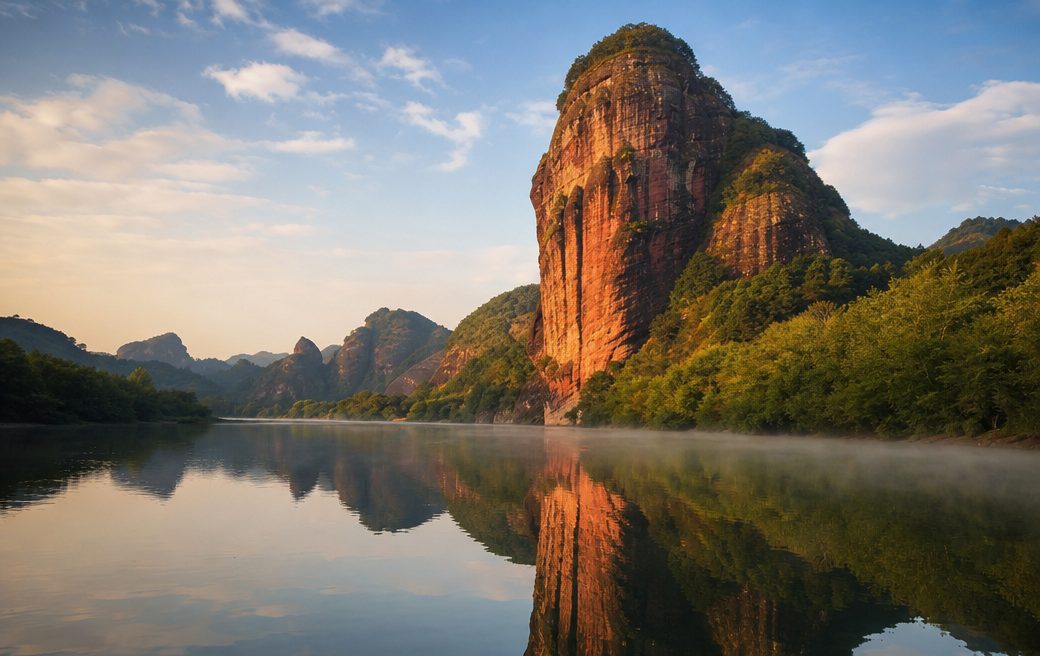
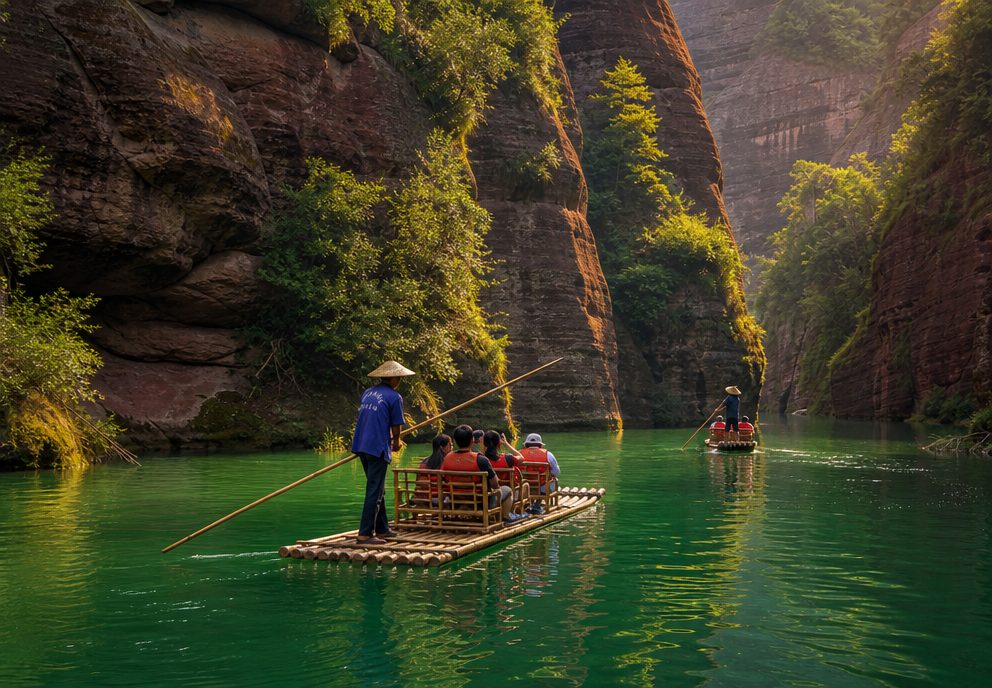
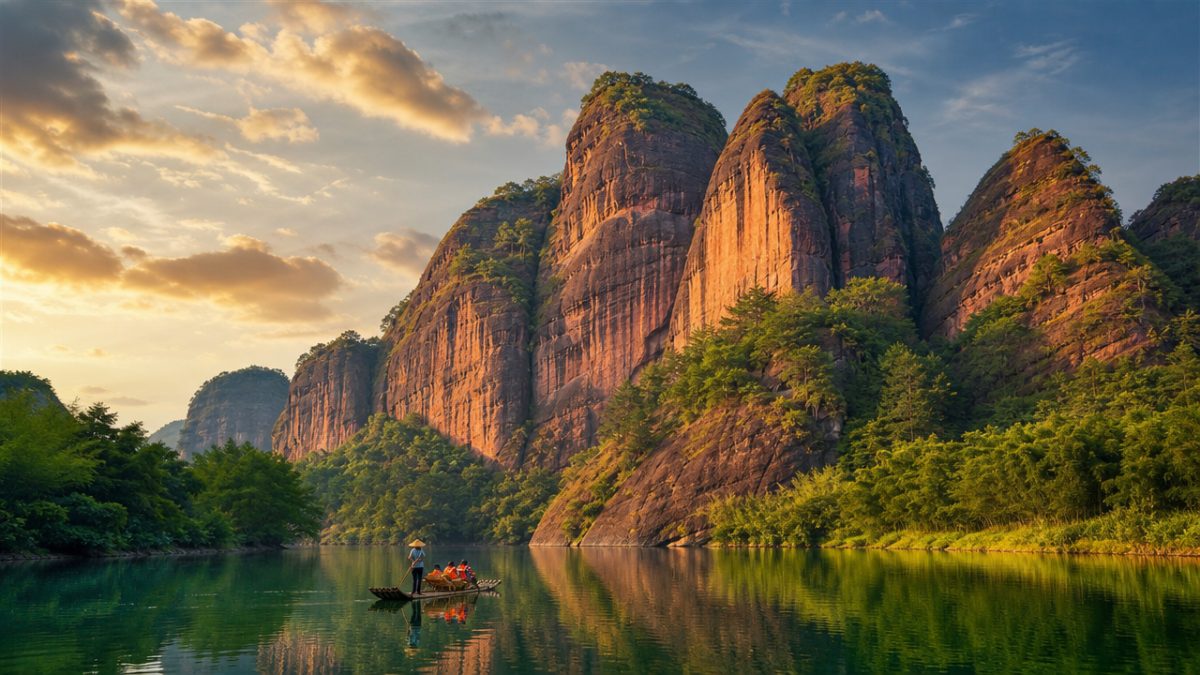
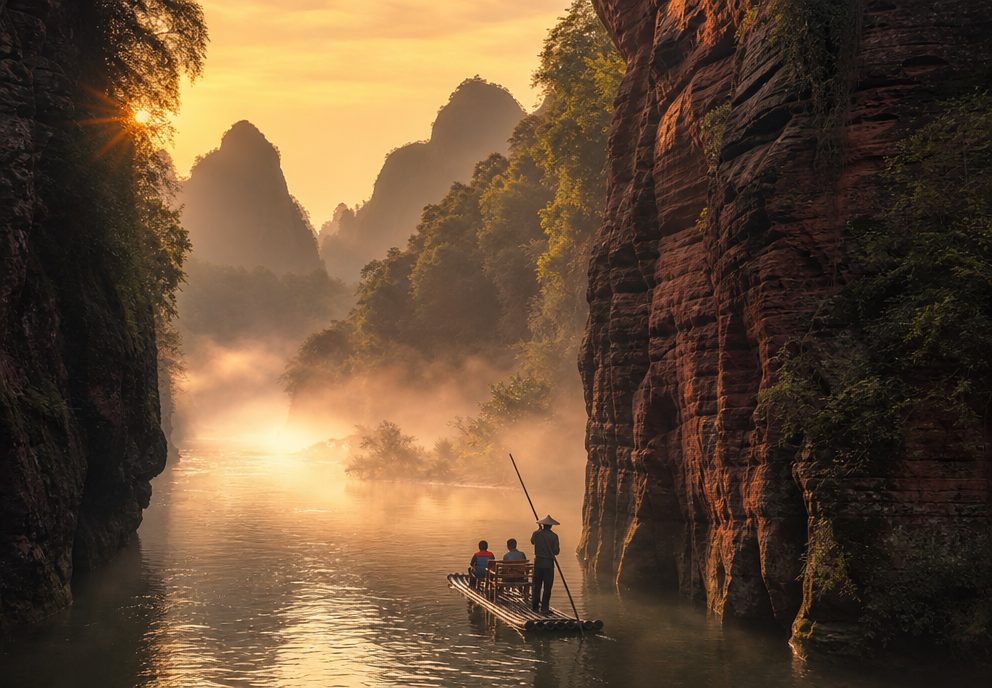
Yingtan is one of the smallest prefecture-level cities in Jiangxi, yet it contains one of the most significant religious and geological heritage sites in all of China, Longhu Mountain, where the UNESCO-recognised Danxia landscape of red sandstone peaks and river gorges provides a dramatic natural setting for a Taoist tradition of nearly two thousand years of unbroken institutional continuity. For visitors interested in Chinese religion, geology or simply extraordinary natural scenery, Yingtan delivers an experience of genuine depth in a compact and easily navigated destination.
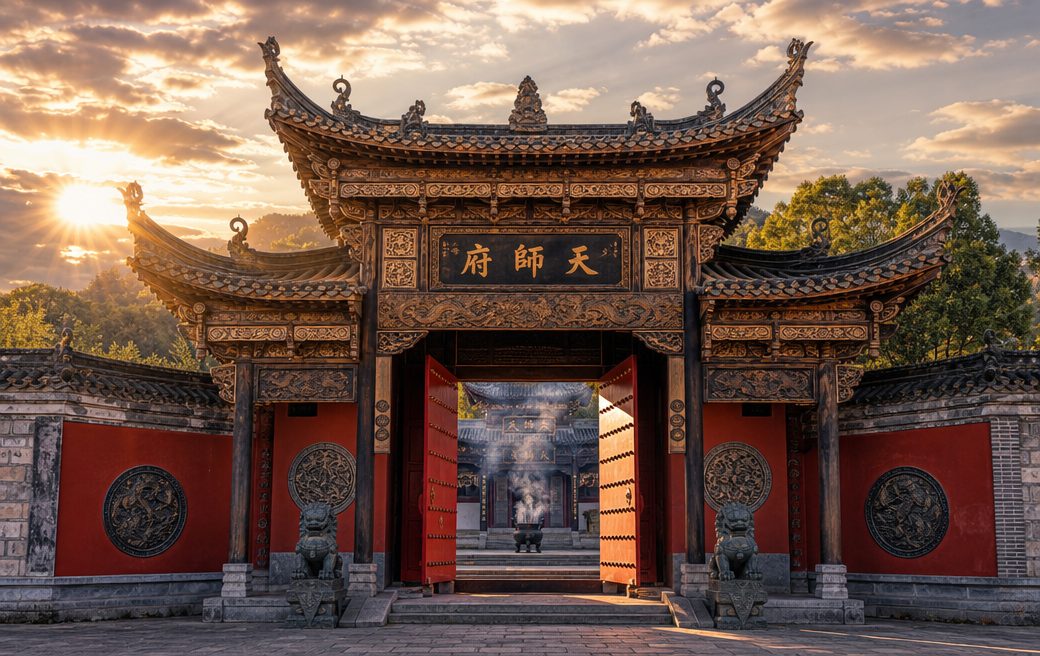
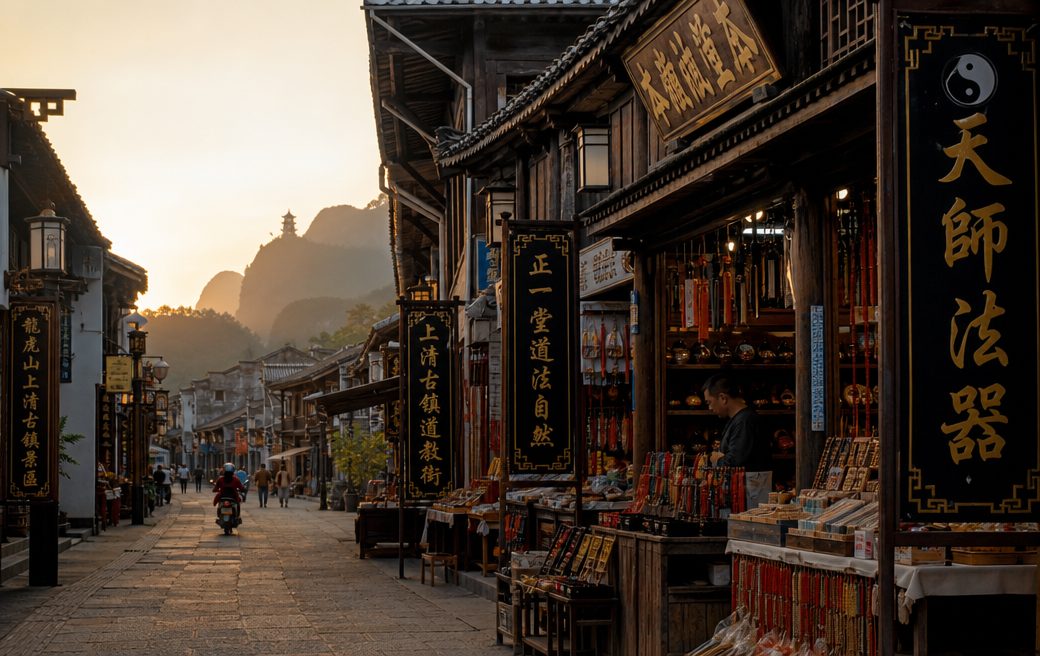
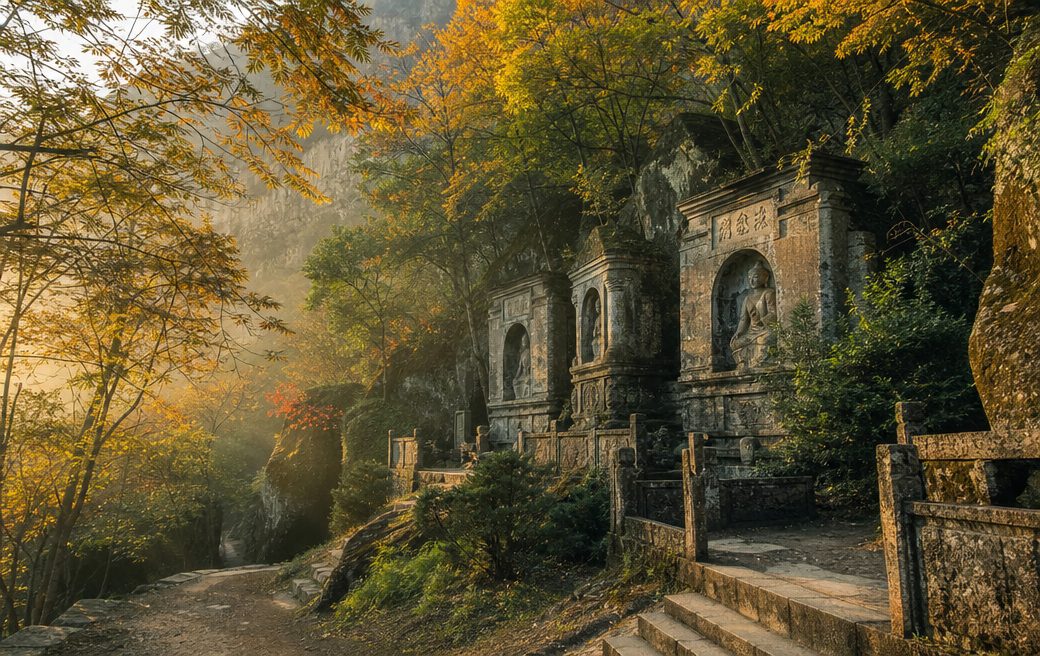
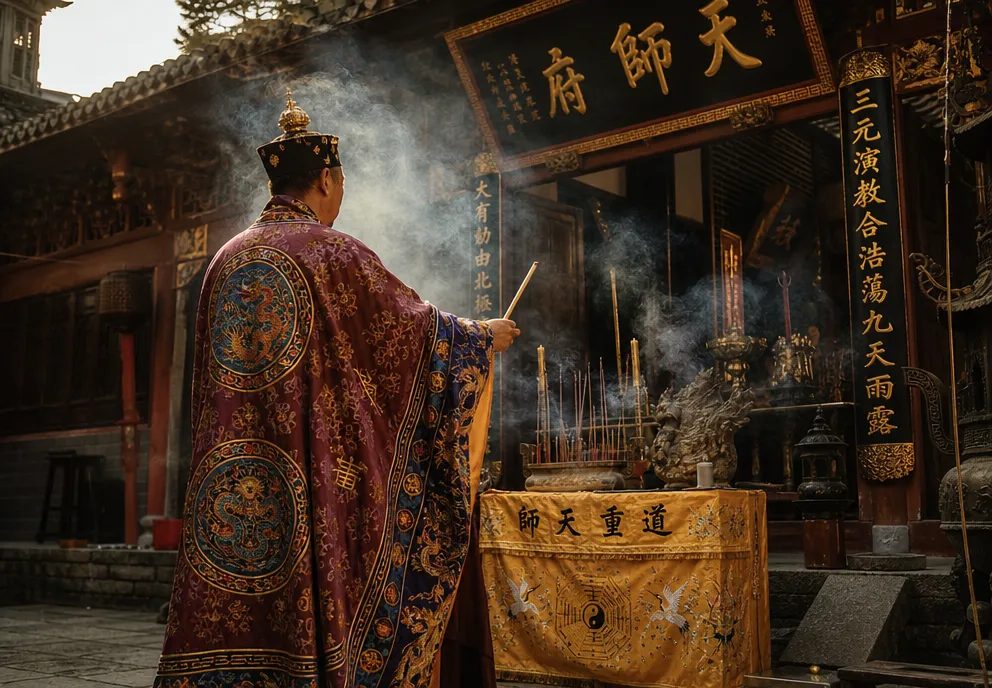
Longhu Mountain, "Dragon Tiger Mountain", earned its name from a legend that the first Celestial Master, Zhang Daoling, elixir-making here in the 2nd century AD caused a dragon and tiger to appear from the alchemical furnace. Whether or not the legend is believed, the Zhang family did establish here a hereditary religious institution, the Celestial Master lineage, that held authority over Taoist practice across China for nearly two millennia, surviving successive dynasties, foreign invasions and political upheavals with a continuity that has no parallel in Western religious history. The Tianshi Mansion, residence of the Zhang celestial masters, is the physical embodiment of that extraordinary institutional survival.