Home › Destinations › Jiangxi › Fuzhou (Jiangxi)

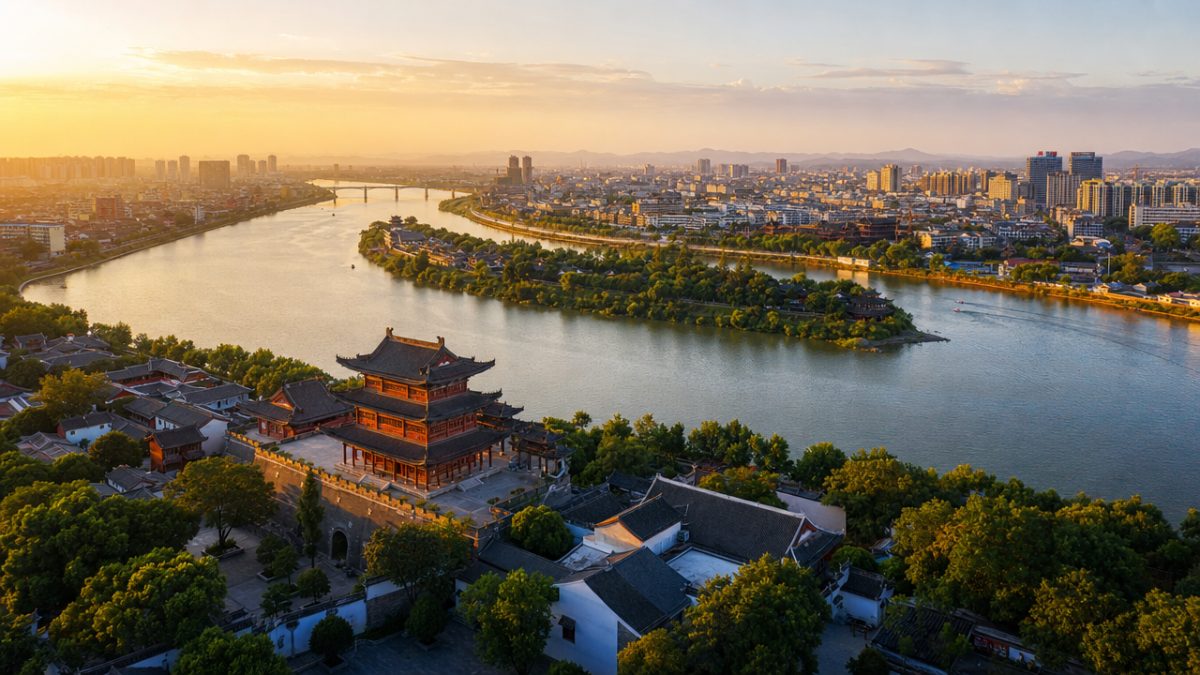
Fuzhou Jiangxi Fu River golden hour historic city of talents birthplace Tang Xianzu WangIllustration

PreeChina · City Guide

Fuzhou, Jiangxi Travel Guide

The cradle of Chinese literary genius, birthplace of the playwright Tang Xianzu, the statesman Wang Anshi, and a tradition of scholarly achievement so extraordinary that Fuzhou earned the title "Land of Talented Scholars" across ten dynasties.

Fuzhou Quick Facts

Province / Region
Eastern Jiangxi Province, Central China
Population
~3.9 million (prefecture)
Best Time to Visit
March–May · October–November
Famous For
Tang Xianzu birthplace, Nanfeng Nuo theatre, Dajue Mountain, Nanfeng mandarins, woodblock printing
Nearest Airport
Fuzhou Yaohu Airport (FUO)
Recommended Stay
2–3 days

Why Visit Fuzhou?

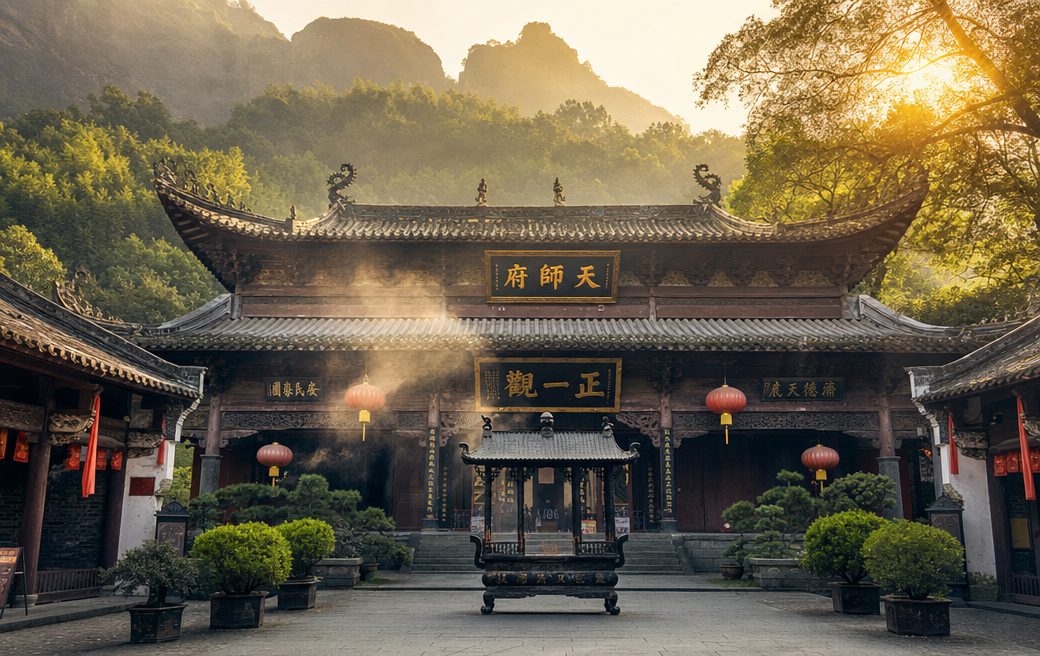
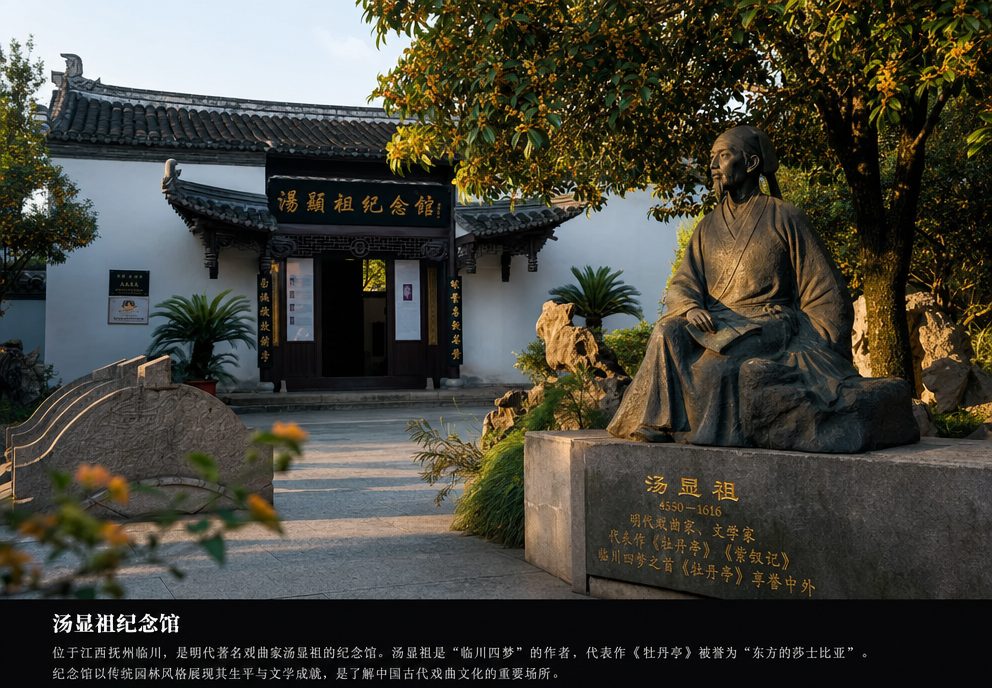
Tang Xianzu Memorial Hall Fuzhou Jiangxi Ming Dynasty playwright birthplace courtyard scholar gardenIllustration

Fuzhou, not to be confused with the coastal capital of Fujian Province, is Jiangxi's most intellectually distinguished city, a place whose contribution to Chinese civilisation is wildly disproportionate to its size and modern profile. Known since the Tang Dynasty as the "Land of Talented Scholars" (才子之乡), Fuzhou produced more imperial examination graduates per capita than almost any other prefecture in Chinese history, a concentration of literary and philosophical achievement that generated two of the most influential figures in Chinese cultural history within a single century.

Wang Anshi (1021–1086), the radical Northern Song statesman whose sweeping reform programme reshaped Chinese governance and remains one of the most debated episodes in Chinese political history, was born in Fuzhou's Linchuan County. Tang Xianzu (1550–1616), the Ming Dynasty playwright whose masterwork "The Peony Pavilion", a 55-act romantic drama of such psychological depth and poetic beauty that it is often called the Shakespeare of Chinese literature, was also born here, in the same county, five centuries later. Visiting the memorial halls and scholarly gardens associated with both men connects the traveller to intellectual traditions that shaped China's literary and political culture for centuries.
What the Guides Miss

1

Thirty-Five Scholars, One River Valley

Most guides mention Tang Xianzu, who wrote The Peony Pavilion, and stop there. The Ming History's register of scholars lists 115 names nationwide. Thirty-five of them come from Jiangxi, clustered around Linchuan, today's Fuzhou, more than any other province produced; Hubei and Hunan together produced two. Tang Xianzu was born into this same cluster in 1550, inside Linchuan's east-gate Wenchang quarter.

2

The Reformer Who Shook the Song Dynasty

Wang Anshi was born in Fuzhou in 1021, two centuries before Tang Xianzu. The Song History records that he wrote with his brush moving as if by instinct, seemingly careless, yet everyone who read the result marveled at its precision. He used that writing to push through the Xining Reforms, the most sweeping overhaul of Song-dynasty government finance and administration.

Best Attractions in Fuzhou

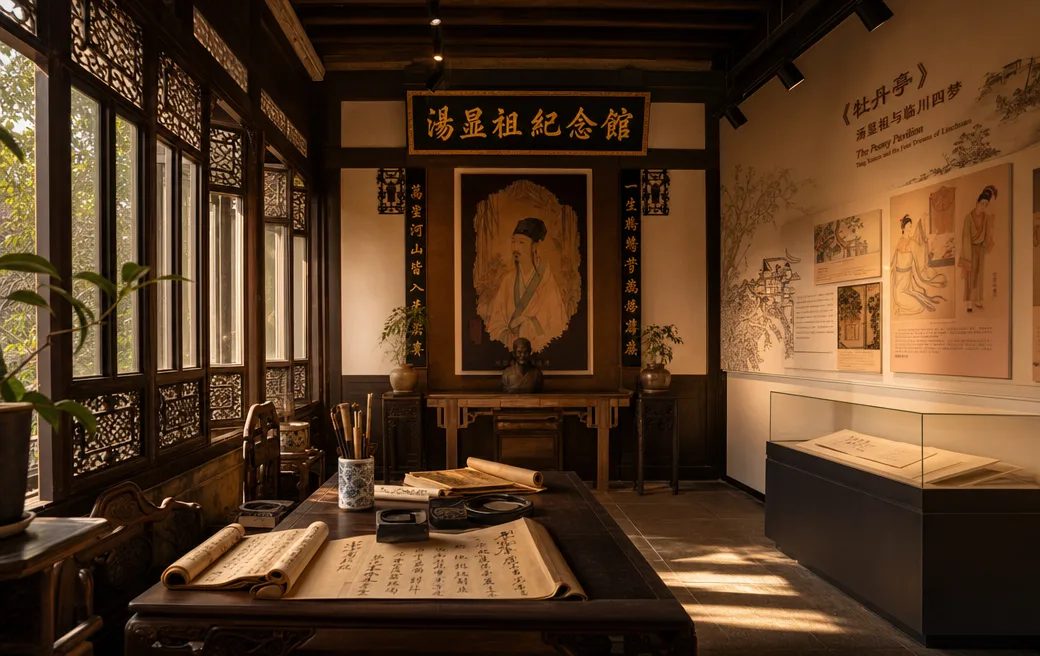
Tang Xianzu Memorial Hall Fuzhou Jiangxi Ming playwright study Peony Pavilion literary heritageIllustration
Literary Heritage

Tang Xianzu Memorial Hall (汤显祖纪念馆)

Tang Xianzu (1550–1616) occupies a place in Chinese dramatic literature equivalent to Shakespeare in the English-speaking world, a comparison made explicit when UNESCO simultaneously commemorated both playwrights on the 400th anniversary of their deaths in 2016.

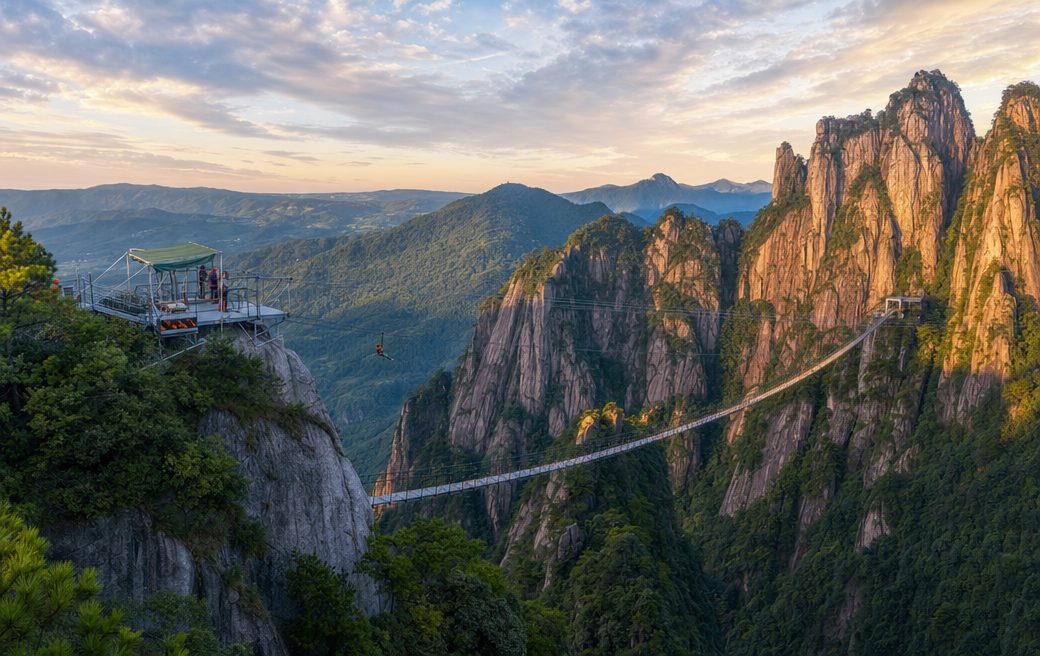
Dajue Mountain Fuzhou Jiangxi granite peaks suspension bridge forested gorge adventure zipline subtropicalIllustration
Adventure Landscape

Dajue Mountain, Zixi (资溪大觉山)

Zixi county, at the eastern edge of the prefecture, has Dajue Mountain: peaks standing out of subtropical forest in the foothills of the Wuyi range, with glass-floored suspension bridges, ziplines, a rafting run and trails that ask something of your legs.

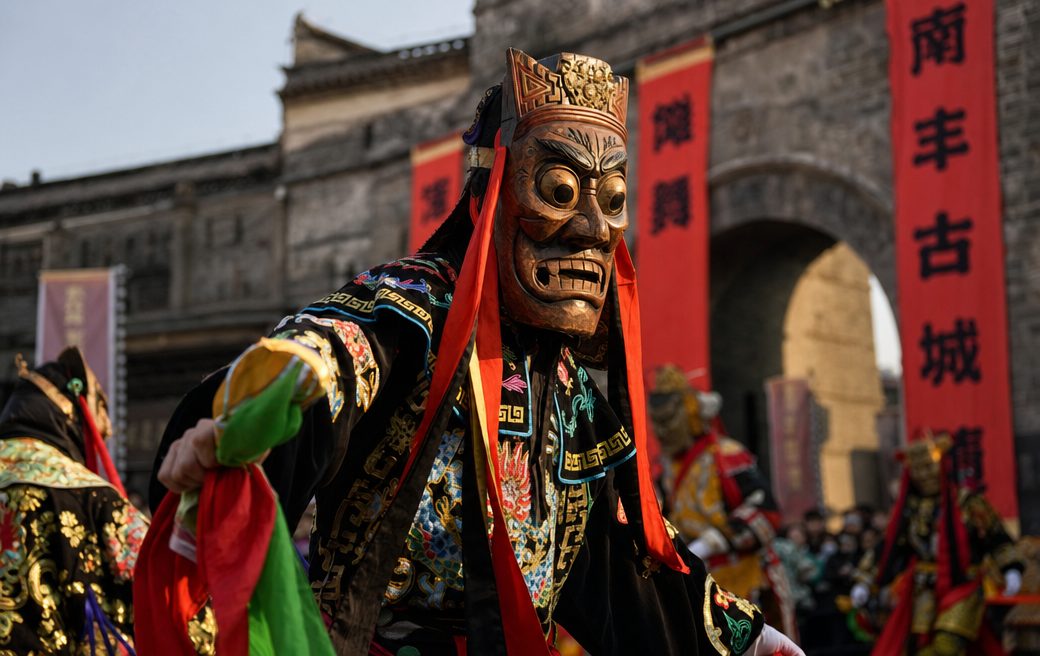
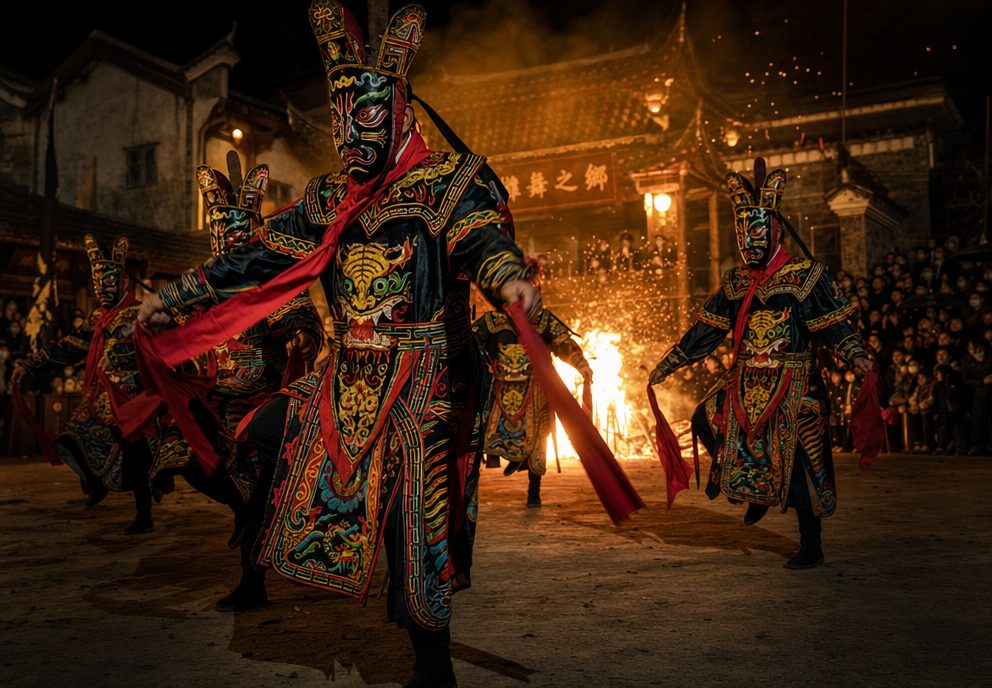
Nanfeng Nuo mask dance performer ancient wooden mask ceremonial costume outdoor festival Fuzhou JiangxiIllustration
UNESCO Intangible Heritage

Nanfeng Nuo Mask Theatre (南丰傩舞)

Nanfeng County preserves one of the oldest and most complete Nuo mask theatre traditions in China, a ritual performance form of pre-Han antiquity in which performers wearing hand-carved wooden masks enact exorcism ceremonies that drive away evil spirits and invoke divine protection for the community.

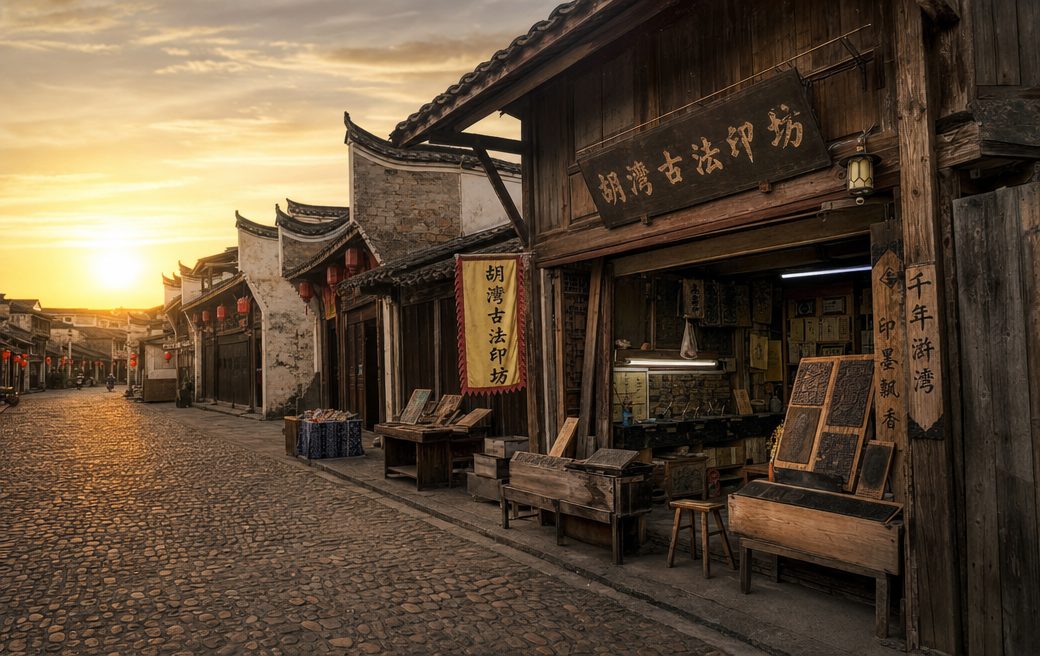
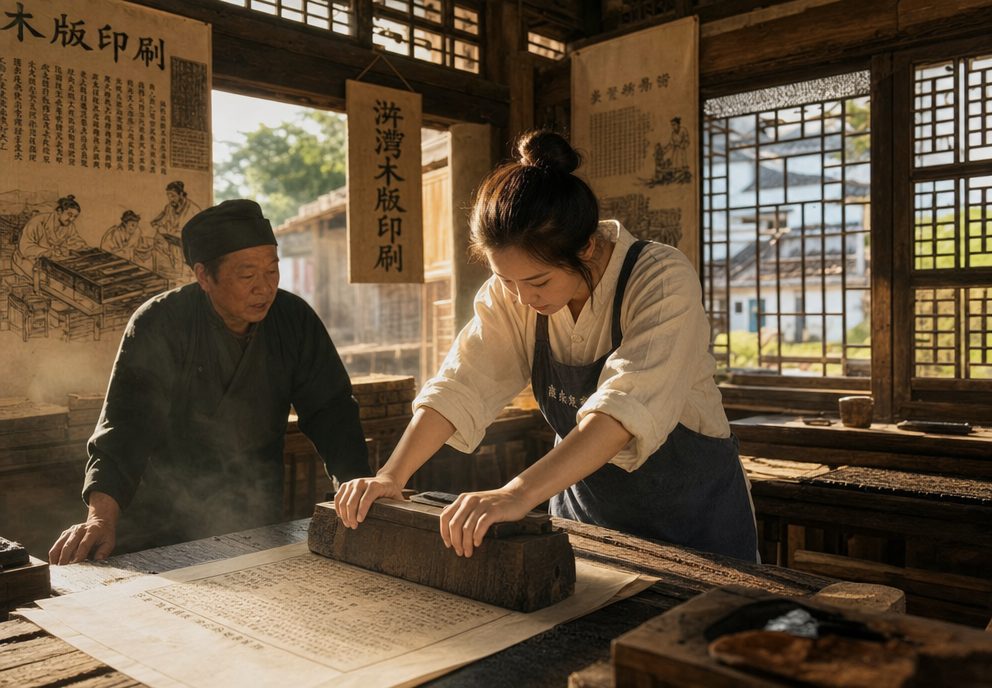
Jinxi Huwan Ancient Town Fuzhou Jiangxi Ming Qing Dynasty woodblock printing heritage village cobblestoneIllustration
Printing Heritage

Huwan Ancient Printing Town (金溪浒湾古镇)

The ancient market town of Huwan in Jinxi County was, from the Ming Dynasty onward, one of the most important woodblock printing centres in China, a place where dozens of family-run printing workshops produced classical texts, popular novels, almanacs, opera scripts and illustrated books that were distributed across the entire country.

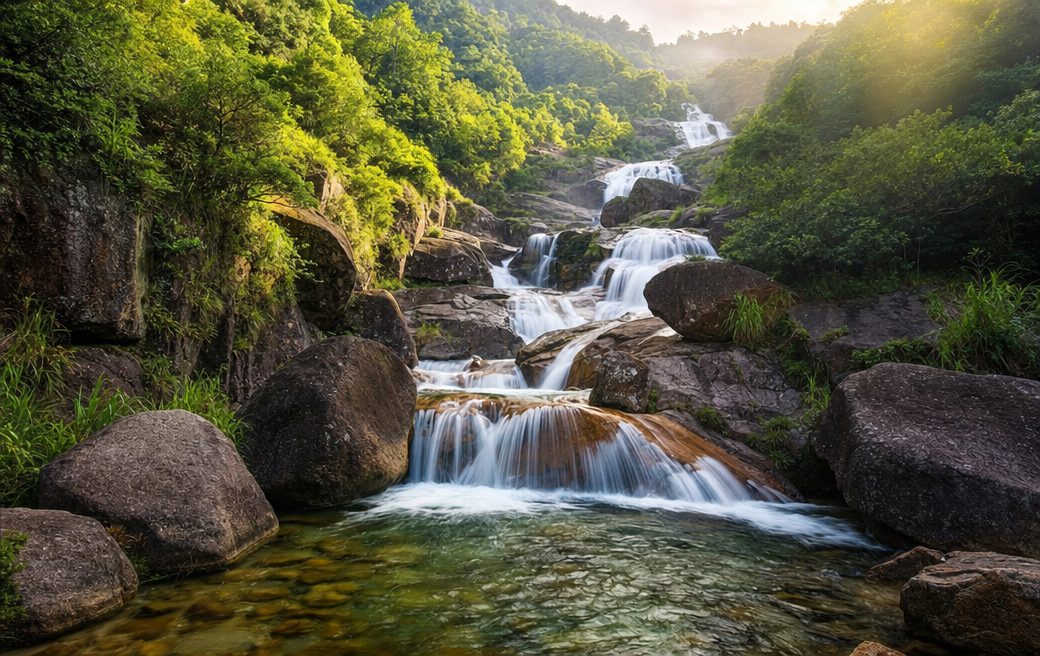
Zixi Dajue Mountain waterfall Fuzhou Jiangxi multi-tiered cascade granite boulders subtropical forestIllustration
Natural Wonder

Zixi Mountain Waterfalls (资溪大觉山瀑布群)

The Dajue Mountain watershed in Zixi County generates a series of waterfalls of exceptional volume and beauty, multi-tiered cascades that tumble through fields of granite boulders rounded by millennia of water flow, their bases surrounded by subtropical forest of extraordinary species diversity.

Ways to Experience Fuzhou

Group Tours

A group route across Tang Xianzu's literary heritage and the Dajue Mountain waterfalls.

Tang Xianzu Literary Tours

The Tang Xianzu Memorial Hall, honouring the playwright often called "China's Shakespeare."

Dajue Mountain Nature Tours

Dajue Mountain's waterfalls and forested canyon trails.

Nuo Mask Performance Tours

Nanfeng's Nuo mask theatre, an ancient ritual drama tradition.

Explore Fuzhou on the Map

By Type
By Theme
No theme places in this city yet.
View Full China

Approximate locations of the attractions above, across Fuzhou.

Fuzhou Food You Should Try

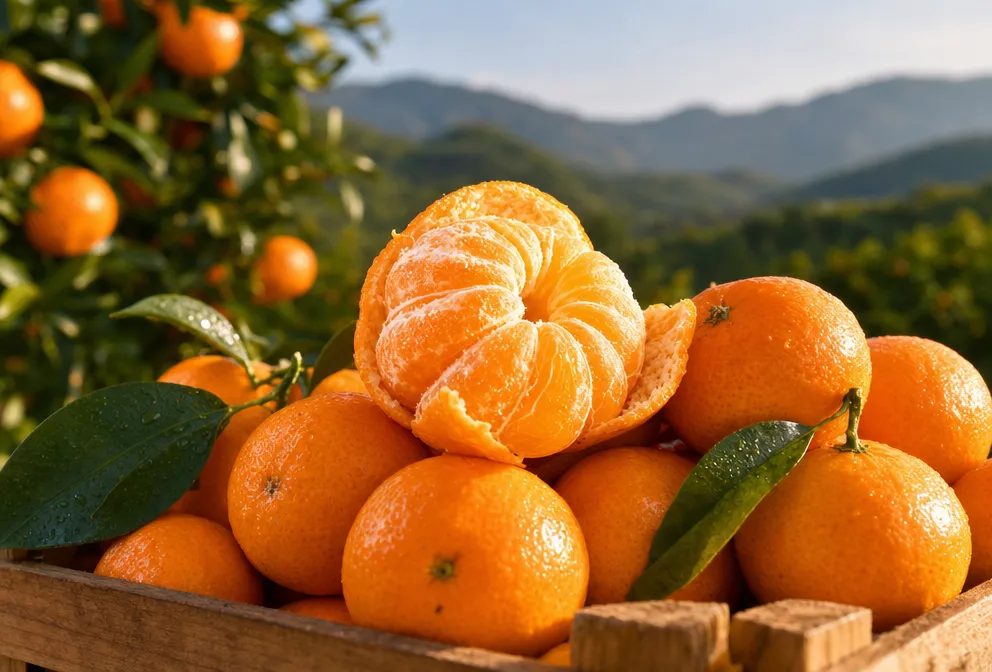
Nanfeng mandarin orange Fuzhou Jiangxi small bright thin skin sweet segments orange grove close-upIllustration

Nanfeng Mandarin Oranges (南丰蜜橘)

Nanfeng County's small, thin-skinned mandarin oranges are among the most celebrated citrus fruits in China, prized for a sweetness and fragrance that the county's particular combination of red soil, mild winters and abundant mountain water produces in a fruit available nowhere else with quite the same character.

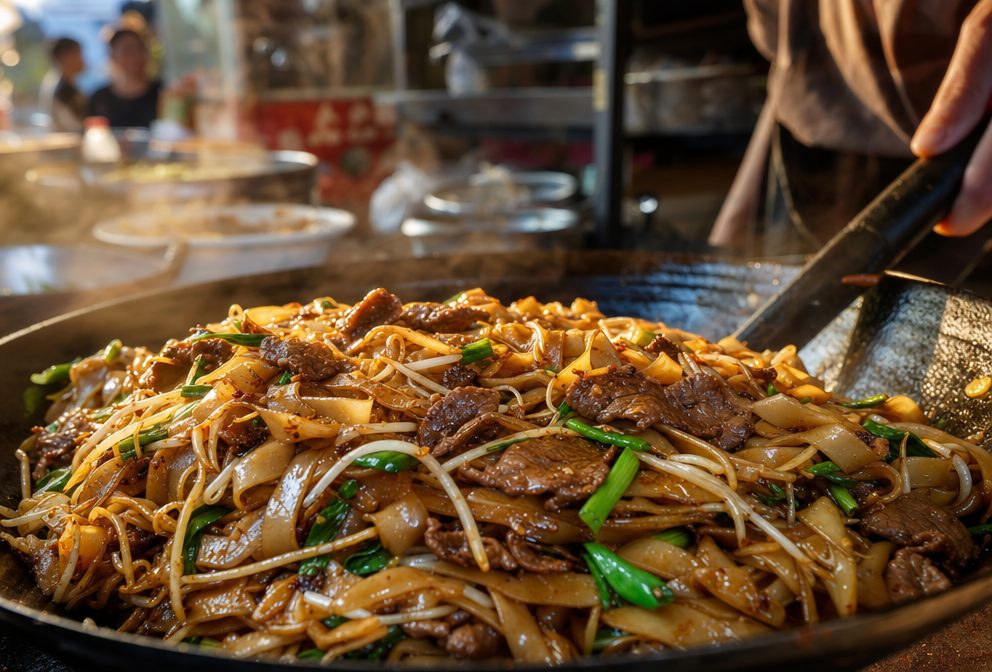
Fuzhou Jiangxi beef stir-fried rice noodles flat noodles wok beef slices spring onion beanIllustration

Fuzhou Beef Rice Noodles (抚州牛肉炒粉)

Flat rice noodles wok-tossed at fierce heat with tender sliced beef, spring onion, bean sprouts and a seasoning of soy and dark vinegar, the signature street noodle of Fuzhou city, found at breakfast stalls throughout the old quarters of Linchuan from before dawn.

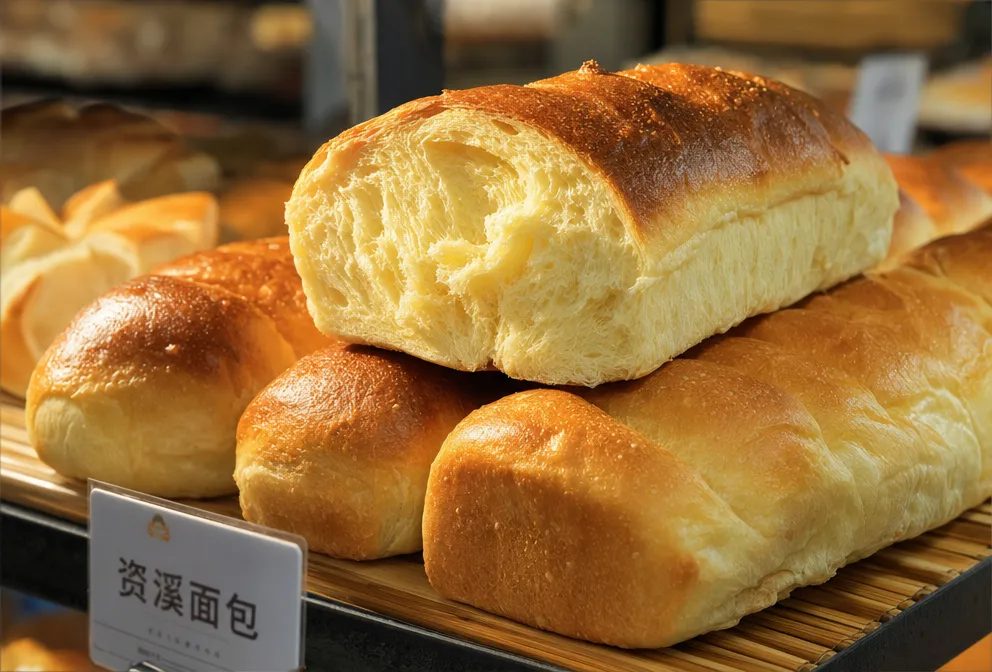
Zixi bread Fuzhou Jiangxi soft golden artisan loaves China bread town sliced fluffy interiorIllustration

Zixi Artisan Bread (资溪面包)

Zixi County has earned the improbable distinction of being China's "Bread Town", a designation arising from the extraordinary number of Zixi natives who, since the 1980s, have opened artisan bakeries across China, carrying with them a tradition of soft, golden-crusted milk bread that has become a comfort food staple in cities from Harbin to Shenzhen.

Cultural Experiences in Fuzhou

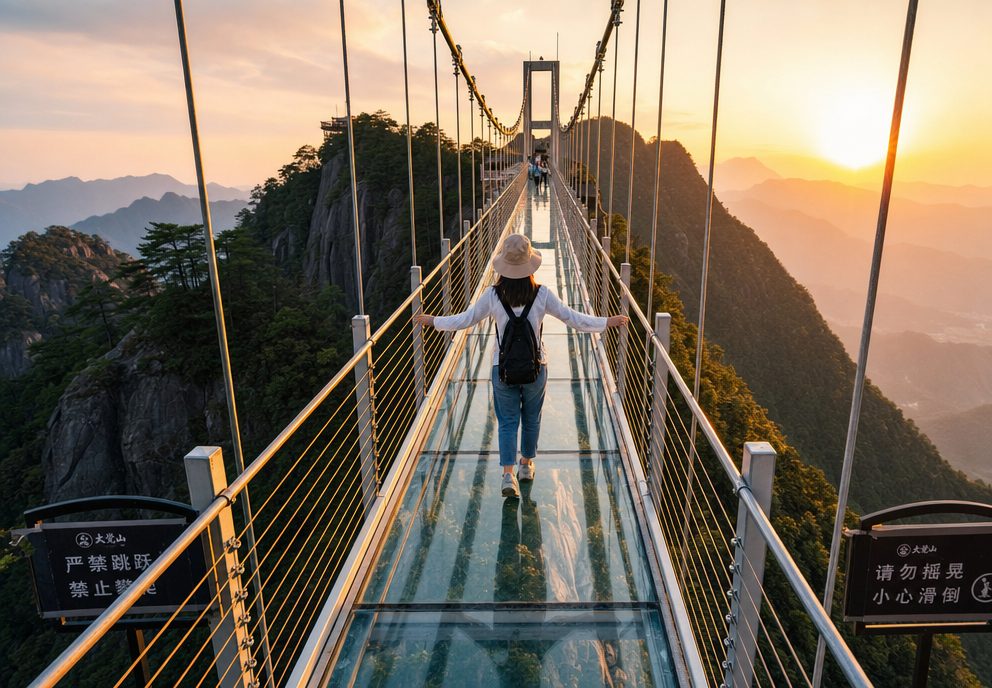
Dajue Mountain glass-bottom bridge Fuzhou Jiangxi visitor transparent suspension bridge forested gorgeIllustration

Dajue Mountain Glass Bridge (大觉山玻璃桥)

Walk across Dajue Mountain's glass-bottomed suspension bridge with the forested gorge falling away 100 metres beneath your feet, Fuzhou's most adrenaline-charged single experience, with mountain peaks extending to the horizon.

Nanfeng Nuo festival performance multiple masked performers firelight village square exorcism ceremony nightIllustration

Nanfeng Nuo Festival (南丰傩舞节庆)

Watch multiple masked performers enact ancient exorcism rituals by firelight at a Nanfeng village square, one of China's oldest continuous ritual theatre traditions, still performed as genuine ceremony rather than tourist spectacle.

Huwan woodblock printing workshop Fuzhou Jiangxi visitor pressing ink block paper Ming Dynasty heritageIllustration

Huwan Woodblock Printing (浒湾木版印刷)

Press a carved woodblock onto paper in the Ming Dynasty printing workshop where Huwan's master printers once supplied books to half of China, take home a page printed by your own hand from a centuries-old original block.

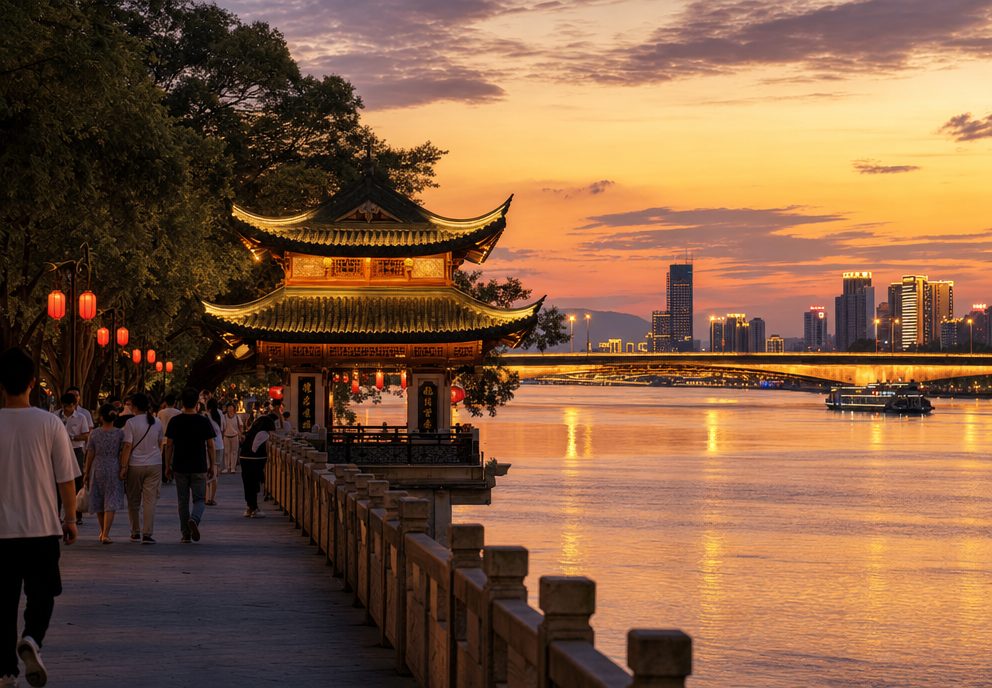
Fu River evening Fuzhou Jiangxi riverside promenade dusk classical pavilion illuminated lantern reflectionsIllustration

Fu River Evening Promenade (抚河夕阳漫步)

Stroll the Fu River waterfront as lanterns illuminate the classical pavilions at dusk, the same river that Tang Xianzu and Wang Anshi walked along in different centuries, its evening light unchanged since they described it.

Best Time to Visit Fuzhou

Season Highlights Weather
Spring
(Mar–May)
Dajue Mountain waterfalls at peak flow; subtropical forest vivid green after winter rains; Nuo performances at Qingming Festival in Nanfeng villages; Fu River at its most atmospheric with morning mist 14–24 °C (57–75 °F), mild with periodic rain. The best season for Dajue Mountain, waterfall volume is highest after spring rain and the forest is at its most lush. Pack light waterproofs for mountain hikes.
Summer
(Jun–Aug)
Dajue Mountain adventure activities at full operation; mountain trails shaded by forest canopy; long daylight for extended hiking; white-water rafting season on Zixi mountain rivers 26–34 °C (79–93 °F), hot and humid. Mountain elevations are significantly cooler than the city. Start hikes early. The Dajue waterfall gorge is refreshingly cool even in peak summer heat.
Autumn
(Oct–Nov)
Best overall season, Nanfeng mandarin harvest (October–December); clear skies and comfortable temperatures; autumn colour beginning on Dajue Mountain; Nuo festival performances in rural Nanfeng; Longhu Mountain at its most photogenic 14–26 °C (57–79 °F), clear and comfortable. October is the single best month: mandarin orchards turning orange, crisp mountain air, clear skies for all outdoor activities, and harvest festival atmosphere throughout the prefecture.
Winter
(Dec–Feb)
Nanfeng mandarin season continuing into December; quietest tourist season; Chinese New Year Nuo rituals in Nanfeng villages, the most authentic and elaborate performances of the year; Huwan printing workshops at their most atmospheric 4–14 °C (39–57 °F), cool with occasional frost. Chinese New Year (January/February) is the single best time to witness Nanfeng Nuo at its most complete, village communities perform full ritual sequences across several consecutive nights that are unavailable at any other time of year.

Recommended Routes Near Fuzhou

1 Day

Tang Xianzu Heritage Route

The Tang Xianzu Memorial Hall combined with Huwan Ancient Printing Town.

1 Day

Dajue Mountain Route

A full day exploring Dajue Mountain's waterfalls and canyon trails.

Why Choose PreeChina

Local Expert Guides

Our Fuzhou guides give the literary context at the Tang Xianzu memorial, know which Nanfeng villages still perform Nuo as ritual rather than as a show, and get you into working Huwan printing workshops.

Flexible Itineraries

Fuzhou works as a 2–3 day standalone destination or as part of a Jiangxi circuit combining Linchuan with Jingdezhen, Longhu Mountain, Nanchang and the ancient villages of Wuyuan.

24/7 English Support

From arranging Nuo festival access in rural Nanfeng to booking Dajue Mountain adventure activities and Huwan craft workshops, our English-speaking team handles every detail around the clock.

Private Transportation

Comfortable vehicles for all inter-county routes, Linchuan, Nanfeng, Jinxi, Zixi and Guixi are spread across a large prefecture and require private transport to connect efficiently and comfortably.

Authentic Experiences

We arrange private Tang Xianzu memorial scholar sessions, Nanfeng Nuo village ceremony access, Huwan woodblock printing hands-on workshops, Nanfeng mandarin grove visits and Fu River evening literary walks.

Fuzhou (Jiangxi) is in Jiangxi, in East China.

Keep Exploring Fuzhou, Jiangxi

Plan Your Group Trip to Fuzhou

Travelling to China with 10 or more people? Talk to PreeChina first. A transparent service fee of USD 100 per person for trips of up to 10 days (USD 150 for 11 to 20 days), and no markup on travel components. See how the fee works.

Tell us your interests, travel dates and preferences, and our local experts will design a group Fuzhou journey, and a wider China adventure, for your group.

Plan a Group Trip to FuzhouSee Group Tour Options

Share This Guide