Why Go
A Mountain in a Book
1. The story that made it
In the Zhuangzi, one of the founding texts of Daoism, the Yellow Emperor, the legendary initial ruler of the Chinese, climbs this mountain to consult a recluse living in a cave about how to govern the world and regulate the natural order. He is sent away. He comes back after a long retreat and asks a smaller question, about how to look after himself, and this time he gets an answer.
That reversal is the whole point of the story and it is a good short summary of what Daoism argues against: the idea that the world is a thing to be managed by someone in charge. A text that has a mythical emperor being turned away for asking too grandly, and answered when he asks about his own conduct, is making a case, and the mountain has carried that case ever since.
For a foreign visitor that is a better reason to come than the architecture. The temples here are handsome and mostly later than anything in the story, but the mountain's standing rests on a passage in a book, and knowing the passage turns a pleasant wooded ridge into a specific place.
2. A forest island above the loess
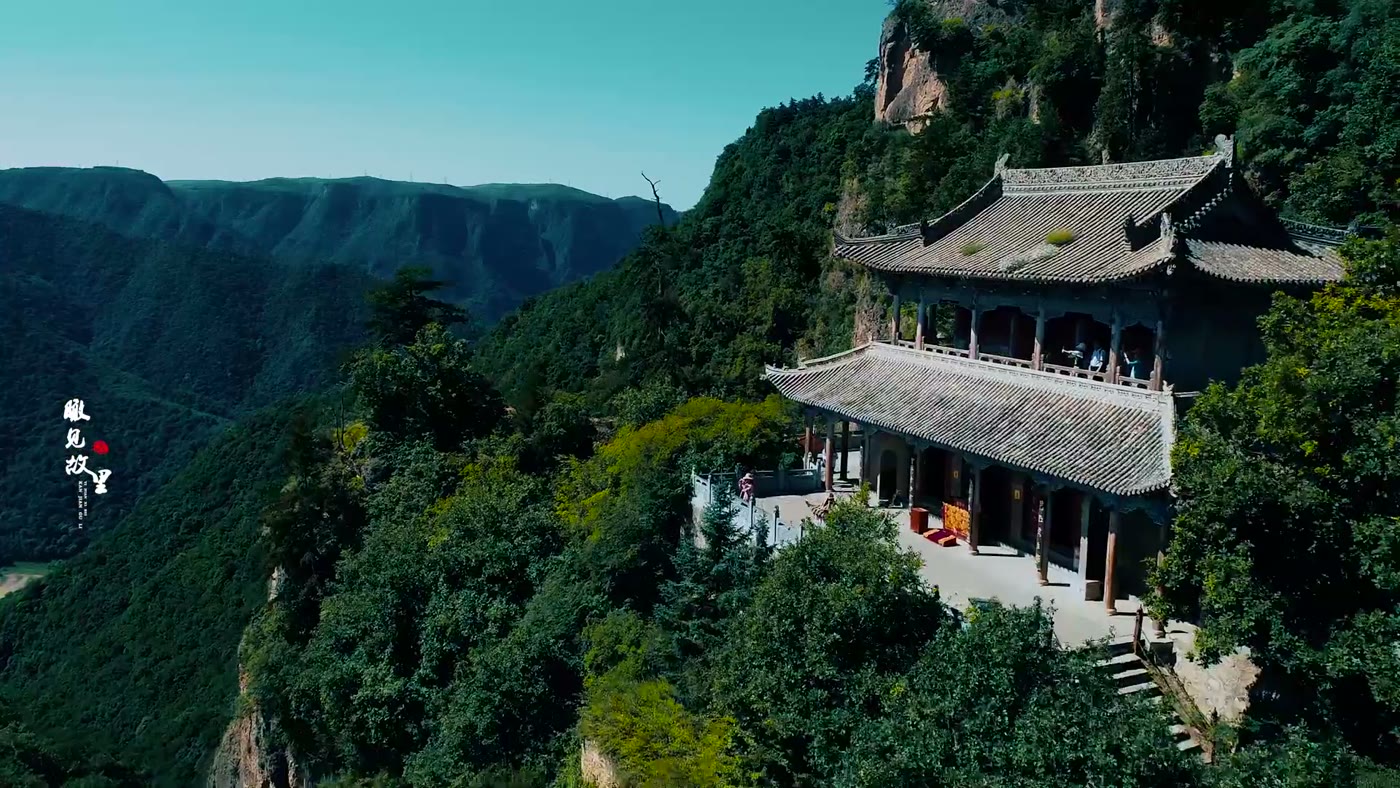
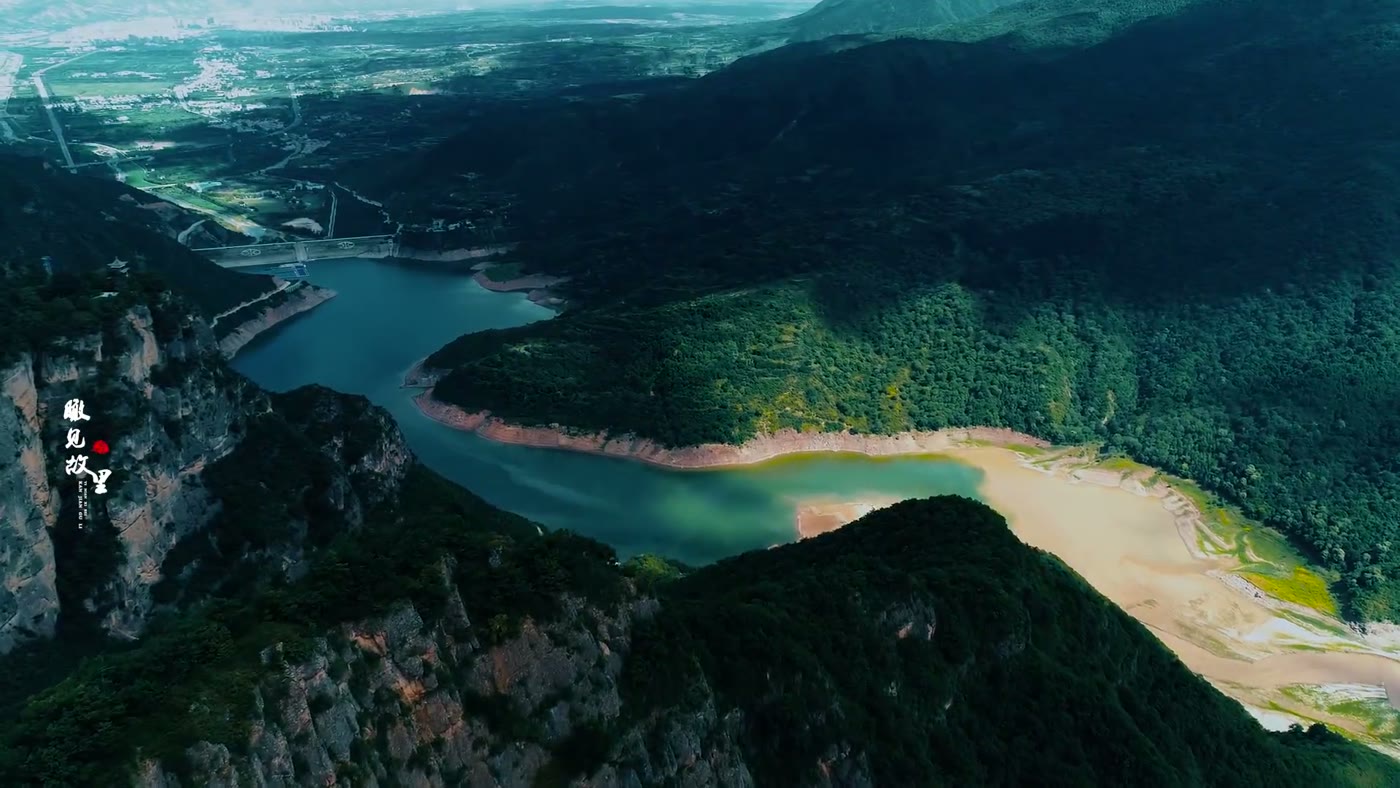
Look at the picture below that shows the mountain with the country beyond it. The foreground is dark, dense forest on steep ground with cliff faces breaking through it, and a line of temple roofs along a ridge crest. Beyond that the land opens into a pale, dissected upland of terraces, fields and gullies running to the horizon with hardly a tree on it.
Eastern Gansu is loess country: deep wind-blown silt, easily cut by water into a maze of gullies, farmed intensively in terraces, and long since cleared. A wooded massif standing up out of that is conspicuous for a long way, and it is not hard to see how such a place became a site of religious attention. The mountain is not especially high. It is different from everything around it, which is a more reliable way of getting noticed.
3. Two religions on the same ridges
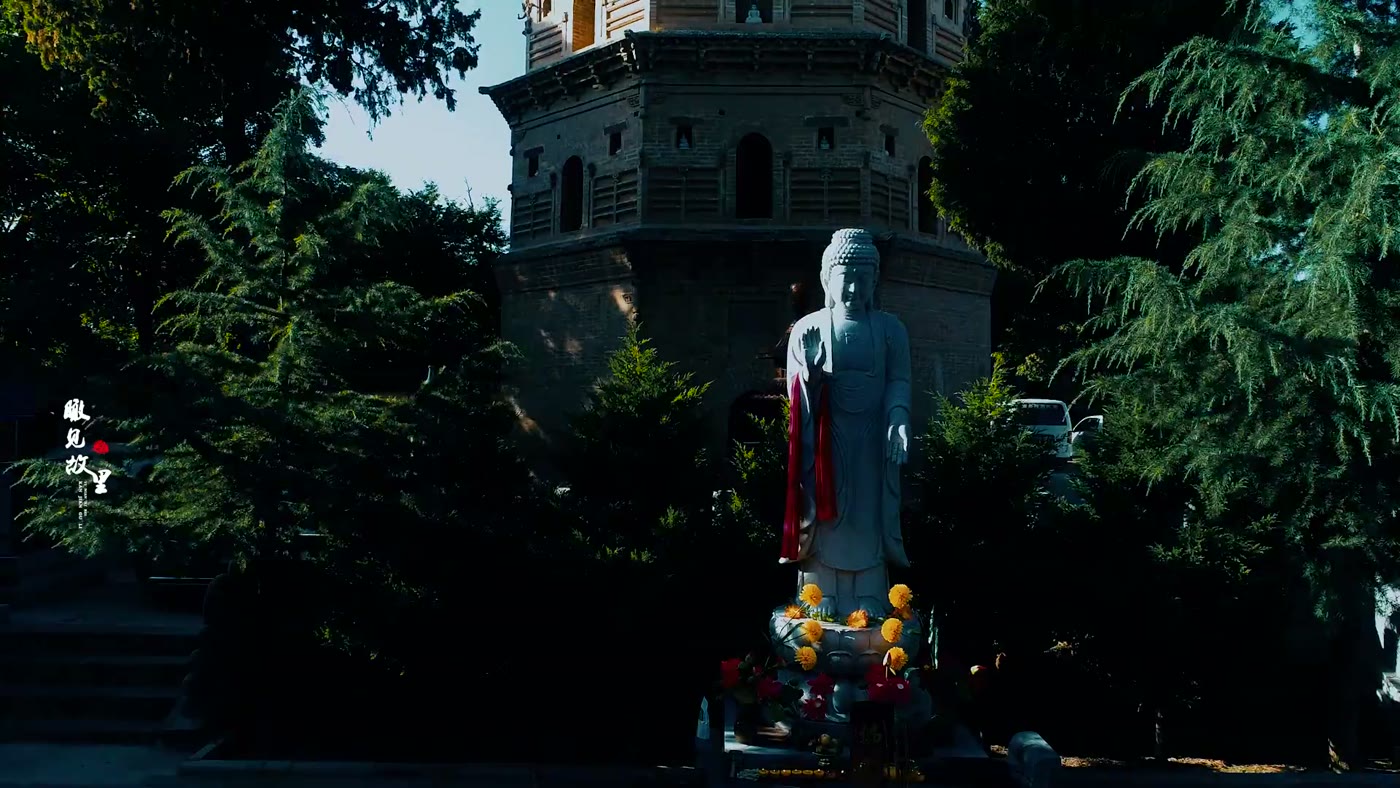
The buildings in these pictures are mostly Daoist in form, strung along crests and built out onto ledges where the ground allows. Among them are a white standing Buddha figure in front of a stone tower, and a tall multi-storey brick pagoda rising out of the trees, which are not Daoist things.
Shared mountains are commoner in China than the tidy division of religions suggests, particularly at sites old enough to have been claimed more than once. This page does not attempt to sort out which establishment belongs to which tradition or when each arrived, because that has not been checked. What can be said from the pictures is that both are present, on the same ridges, within sight of one another.
The catch. It is a long way from anything else on a standard itinerary, in a part of Gansu that sees very few foreign visitors. The site is spread over several ridges and covering it means a lot of steps even with the cable car. Everything is explained in Chinese alone, which matters here because the interest is textual. And a visitor who arrives expecting the drama of the better-known sacred mountains will find something quieter and greener.