
01Safety Is Something Visible
Is China safe for foreign visitors, and where does the safety come from?
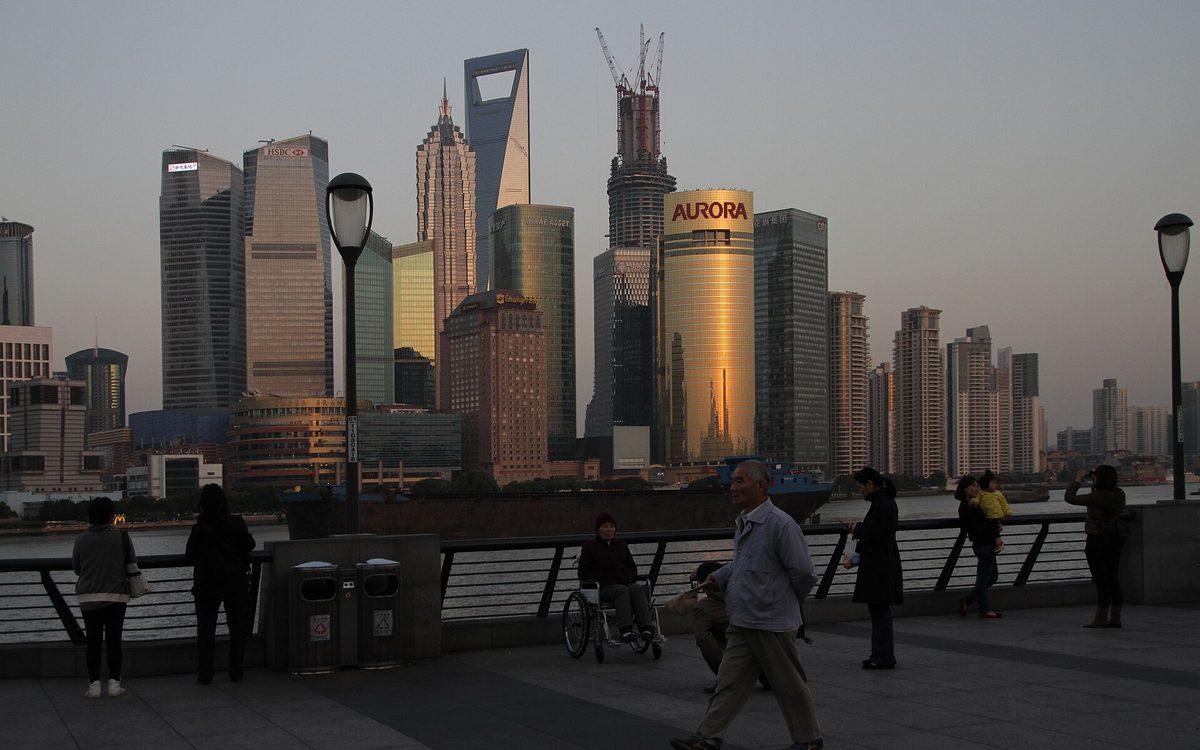
For a visitor, China is one of the safer countries in the world to walk around at night, and the reasons are things seen rather than things told: a camera on every pole, an identity check at every door that matters, a police box every few blocks, and a crowd that never quite goes home. The international surveys that ask people whether they feel safe walking alone after dark put China near the top of the table year after year, and the murder rate is a small fraction of the American one. This page explains where that safety comes from, and the two things it does not cover.
One thing it does not cover is the road. The visible safety is against people, not against vehicles. The country has hundreds of millions of electric two-wheelers, they are silent, they use the bicycle lane, the pavement and the wrong side of the street, and they are the likeliest way a visitor gets hurt. Cars stop for red lights, because the camera is watching; scooters do not, because it is not watching them. The transport page says this once and this page says it again, because it is the one danger that matters.
The second is that the visibility works in both directions. The hotel registers a passport with the police the night of arrival, because the law requires it. The SIM card is held in the owner's name and face. The train gate reads a document, the museum entry page holds a passport number, the camera at the crossing photographs the jaywalker. The same system that makes the street safe keeps a record of who is on it, the visitor included. This page says what happens and what it asks of a visitor; what to make of it is for the reader.
The crime that outlived the cameras was the one walked into. The invitation to a tea house by two friendly students, the art exhibition, the stranger who wants to practise English on the way to a bar with a bill at the end. Nothing is taken; the victim is talked into paying, which is why a camera never stopped it. That was the standard warning of the 2000s. It has thinned a great deal since, for the same reasons the pickpockets did, and block 04 gives the list by name.
02The Map of It
Which parts of China carry which risks: altitude, weather, checks, scams?
Safety is one of the few things in China that does not change much from place to place. There is no list of neighbourhoods to avoid in Beijing or Shanghai, and a second-tier city at midnight is as walkable as the capital. What does change by region is not the crime but the other risks, and they are worth a map.
The plateau is a health question, not a police one. Lhasa (拉萨) is at 3,650 metres and much of Tibet (西藏), western Sichuan (四川) and Qinghai (青海) are higher; altitude sickness is real, hospitals in the plateau towns treat it every day, and the sensible rule is to climb slowly and rest on arrival. This page notes that the risk up there is the air, not the people.
The border regions have more checks, not more crime. In Xinjiang (新疆) expect identity checks at stations, on roads and at the entrance to markets and hotels; in Tibet the permit is checked at every step; in border counties there are checkpoints. They are slow and they are polite, and a foreign passport passes through them. The one practical point is to carry the passport itself, not a photocopy.
The weather has a geography. Earthquakes belong to the west, to Sichuan and Yunnan (云南). Typhoons strike the south-east coast from July to September and are announced with a colour warning a day ahead, which cancels ferries, trains and flights in that order. The floods of June to August belong to the south and the Yangtze; the dust of spring belongs to the north; the cold of January to the north-east, where the pavements are ice. None of these is a reason not to go. All of them are a reason to read the calendar page before picking a week.
The air is a northern winter question. City air has improved sharply over the past decade, and the summers are clear; the bad days are winter days in the northern plain, and an app will say which. Tap water is not for drinking anywhere in the country; hotels give bottled and every kettle is used.
What is left of the scams has an address. They cluster where visitors cluster: the pedestrian street and the historic square of the big cities, the taxi rank outside an airport, the approach to a well-known gate. Away from those few streets the map is blank.
Pickpockets are hard to find. Three things took the money out of the trade. Pockets stopped carrying cash, so a wallet now holds an ID card and little else. Cameras sit at metro gates and on street corners, which is where this page began. And incomes rose, which changed what a bag left on a bench is worth to whoever walks past it. What is seen instead takes a week to get used to: handbags and suitcases on the pavement while their owner waits in line for food, e-bikes parked with the key still in them, a new phone face-up on a cafe table and the same phone there when its owner comes back. The crowded metro carriage and the packed market are the two places where a wallet is still worth a hand on it.
| Region | What is different | What to do |
|---|---|---|
| Tibet, western Sichuan, Qinghai | altitude above 3,500 m; permits in Tibet | climb slowly, rest on arrival, carry the passport |
| Xinjiang and border counties | identity checks at stations, roads, hotels | passport in hand, allow time, expect politeness |
| South-east coast, July to September | typhoons; colour warnings a day ahead | watch the warning; ferries stop at the start, then trains, then flights |
| South and the Yangtze, June to August | floods and plum rain | keep a day of slack; do not drive mountain roads in rain |
| Sichuan and Yunnan | earthquake country | nothing to plan; know the hotel exits |
| The northern plain, winter | air pollution episodes; ice in the north-east | check the daily reading; shoes with grip |
| Tourist streets of the big cities; airport ranks | the tea-house, exhibition and black-cab scams | walk away; use the taxi app |
| Everywhere else | nothing in particular | go out at night |
03By the Numbers
What do the figures say about crime, cameras and road safety in China, with sources?
The table under this block carries the figures with their sources and years, and two of them carry a note that the year's exact value is still to be checked. The prose says what they change.
Two facts make the case and one qualifies it. People in China are among the likeliest in the world to say they feel safe walking alone at night, and the recorded murder rate is low by international standards. Those two facts are why the advice on this page is to go out after dark. The fact that qualifies them is the road: road fatalities run to tens of thousands a year by the official count, the World Health Organization's estimate is higher, and the electric scooter is a fast-growing part of it.
The cameras are counted differently by different people. An industry estimate put 416 million in China at the end of 2019 and projected 540 million by 2021; figures circulating since 2023 say 700 million, one for every two people. By any of those counts China has between half and two thirds of the world's cameras. The practical consequences are the ones in block 04: a red light is not worth running, and a lost bag in a station is often found.
The rules that put a name on things are laws. A hotel must register a foreign guest with the police, and a foreigner staying in a private home must register at the local station within twenty-four hours. Mobile numbers have required a real name and a face scan for years. Private ownership of firearms is illegal, which is the quiet reason the murder rate is what it is. Drug offences carry very severe penalties in the criminal code.
04What It Changes for a Trip
What should a visitor actually do about safety in China?
At night: go out. The streets are lit and busy until late, the food is better after dark in half the country, and the people who write up their trips, women travelling alone included, say the same thing in the same words. The country runs a second shift after midnight, the bathhouses and the noodle shops and the twenty-four-hour convenience stores, and the page on bathhouses explains why a traveller ends up in one at two in the morning.
On the road: look both ways, on every street, including the one-way ones. The scooter is silent and comes from behind. Cross with the crowd, not against the light; the camera at the crossing fines the driver, not the pedestrian, but it is the pedestrian who is hurt. Call taxis through the app rather than taking the one that stops for a raised arm outside an airport or a station; the transport page has the detail.
On paper: carry the passport. The law asks foreigners to carry their identity document and the police may ask to see it; a photograph on the phone is a backup, not a substitute. The hotel handles the registration; for a stay with friends or in a flat, the host takes the visitor to the local police station, the paichusuo (派出所), within twenty-four hours, a formality that takes ten minutes and matters at the border on the way out. Every train seat, SIM and hotel night is in the traveller's name under the shimingzhi (实名制), the real-name rule, so the name on the passport and the name on the record must match to the letter.
The scams, by name. The tea house, where new friends order on the visitor's behalf and the bill is in the thousands; the art exhibition that ends in a sale; the English practice that ends in a bar; the monk who presses a bracelet into a hand and asks for a donation; the taxi that takes the long way, or has no meter, or is not a taxi; the tour to the Great Wall (长城) that stops at three shops on the way. None of them is violent and all of them end the moment the visitor walks away.
That was the standard list around 2000. Many visitors now meet none of it. The reason is the one running through this page: a scam has to end with money changing hands, and a payment now leaves a real-name trace back to whoever collected it. What is left is thinnest where the cameras and the apps reach, and thickest in the few streets named in block 02.
Money and codes. Because cash has almost disappeared, so have counterfeit notes and skimmed cards; the risk has moved to the phone. Do not scan a code that a stranger offers for a gift or a refund, do not let anyone else hold the phone to "help", and treat a message from a "bank" or a "delivery" the way it would be treated at home.
The lines not to cross. Drug offences are prosecuted without mercy and the tolerance for cannabis is zero; a prescription medicine should travel with its prescription. Do not photograph military or police installations, and check the no-fly map before launching a drone, because many city centres are inside one. Same-sex relationships are legal and not policed; public displays of affection are uncommon for everyone.
Health. Drink bottled or boiled water. On the plateau, climb slowly, rest on the opening day and let a hospital look at anything that does not pass; they see it daily. Big-city hospitals have international departments with English; pharmacies are everywhere and sell many things over the counter. Buy travel insurance that covers evacuation from the west. The emergency numbers are in the table, and 120 is the ambulance.
Weather. Typhoon and flood warnings come in four colours, blue to red; a red warning closes schools and stops transport. The calendar page has the seasons; an app has the day.
| Number | What it is for | English |
|---|---|---|
| 110 | police | English option in some big cities; otherwise ask the hotel to call |
| 120 | ambulance | Chinese; say the hotel name and the district |
| 119 | fire | Chinese |
| 122 | traffic accident | Chinese |
| 12345 | city service and complaints line | English in Beijing, Shanghai and several other cities |
| 12301 | national tourism hotline and complaints | English available |
| The visitor's embassy | lost passport, arrest, hospital | the visitor's language |
05Where It Is Met
Where on PreeChina are the scooters, the scams, the permits and the night?
This page is the frame. The situations are on other pages.
The transport page has the scooter and the black cab, and the security screen at every station which is where a visitor meets the system described here at the outset.
The digital page explains the real-name rule from the inside: why a foreign passport number works in some apps and not in others, and why the phone is both the key and the identity card (身份证).
The peoples page has the checks and permits of the border regions, and the manners for mosques, monasteries and villages.
The markets page has a block on what may be seen for sale and deserves thought before buying, from wildlife products to antiques, because the risk there is at the customs desk on the way home. The shopping page covers counterfeits and how the price is negotiated.
The old-towns page carries the three rules of photography this site uses everywhere: do not stage, do not disturb worship, ask before photographing a person.
The bathhouse page is the night refuge, and the reason a traveller who missed the last train is not in trouble.
The calendar page has the typhoon and flood seasons by month; the how-it-works page has the registration procedure, the insurance and the embassy list.
06What It's Not
What do visitors often get wrong about safety in China?
- Not zero risk. The person is safe; the pedestrian is not. The electric scooter is the danger this page keeps returning to, and it is silent.
- Not a place with no-go areas. There is no neighbourhood in a Chinese city that a visitor is told to avoid after dark; the map of risk is a map of a few tourist streets and an airport taxi rank.
- Not just the cameras. The cameras are the visible part; the police station every few blocks, the residents' committees and the simple fact that the street is full until late do as much.
- Not anonymous. Every hotel night, SIM, train seat and museum entry is in the traveller's name, and the name must match the passport. That is the trade the safety is made of.
- Not relaxed about drugs. The penalties are the heaviest in the criminal code and cannabis counts. Prescriptions travel with their paperwork.
- Not violent crime. The crime a visitor meets is a scam that needs the visitor's consent: a tea house, an exhibition, a bracelet, a taxi without a meter. Walking away ends it.
- Not English-speaking police. The emergency lines answer in Chinese; some big cities have an English option on 110 and a tourist line on 12301. The hotel desk is the fastest interpreter.
- The slow part is the language, not the response. A report from a foreign visitor is taken up quickly and followed through, and a bag left in a taxi or a phone left on a table is often recovered; a station will usually find someone who can work in English, or put a translation app on the desk. Take the hotel's card, take the passport itself, and expect the paperwork to be thorough.
- Not the air of 2013. Beijing's fine-particle average has fallen by about two thirds since then; the bad days are winter days in the north, and an app shows them a day ahead.