 Illustration
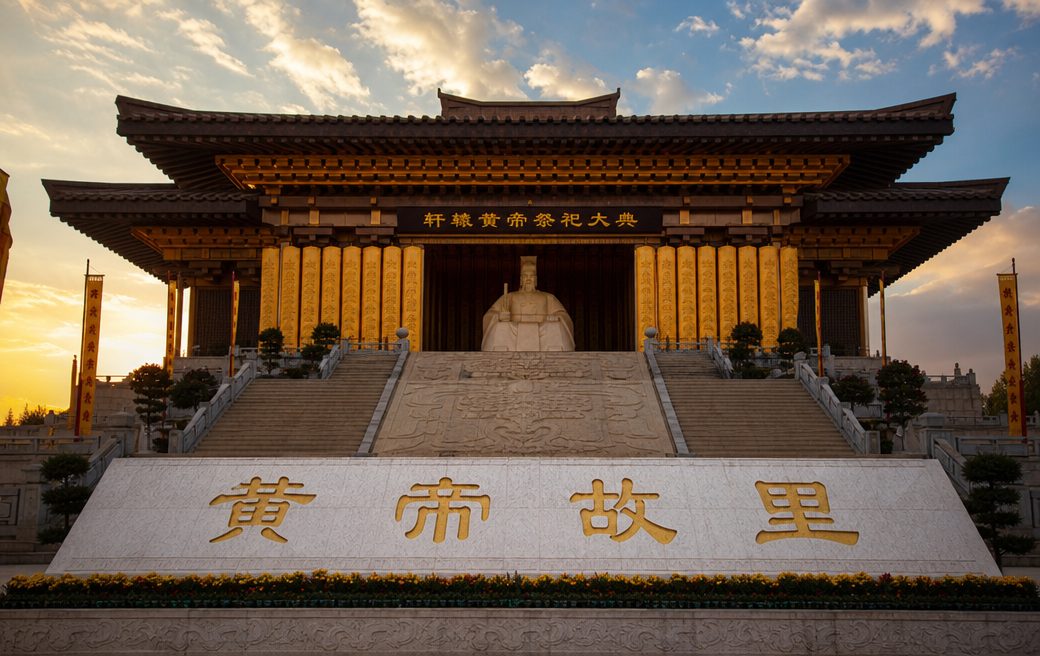
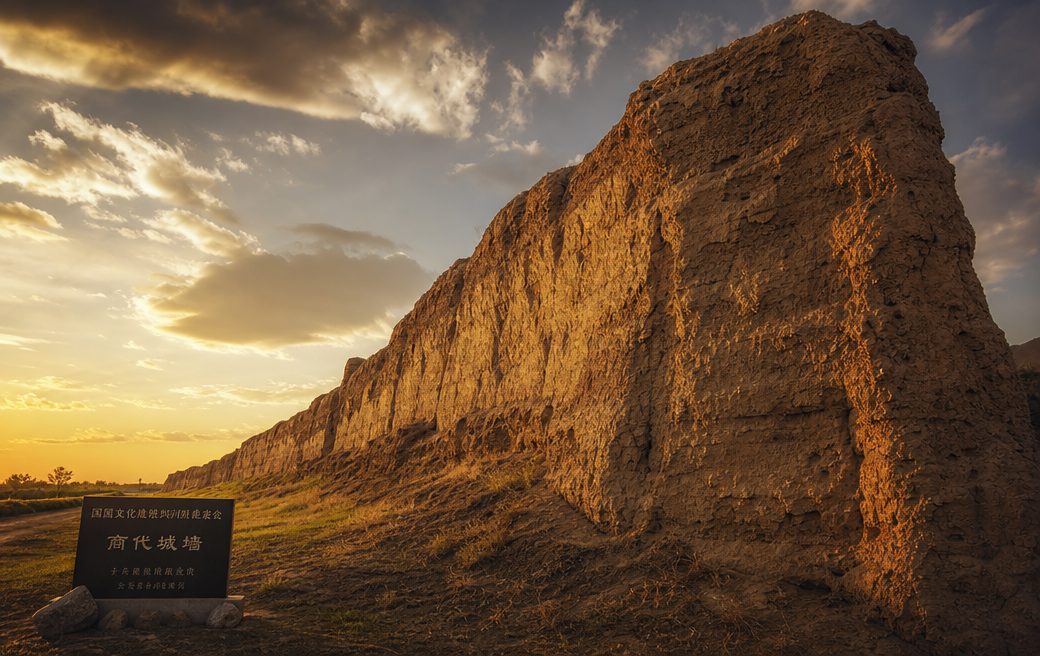
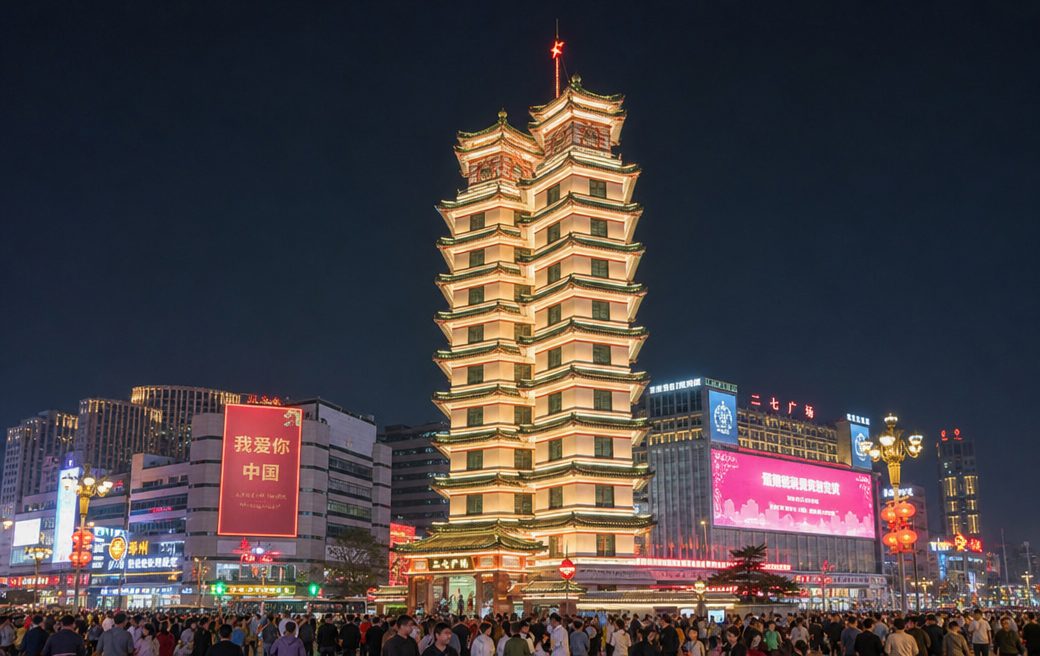
Zhengzhou is both the modern capital of Henan Province and one of the oldest continuously inhabited cities in China, a dual identity that gives it an unusual density of significance. As the Shang Dynasty established one of its capitals here over 3,600 years ago, the ancient city walls still visible in the modern urban fabric connect the gleaming high-speed rail hub to a civilisational timeline that reaches back to the Bronze Age. For international visitors, Zhengzhou functions as the ideal base from which to explore Henan’s extraordinary concentration of Chinese historical heritage.
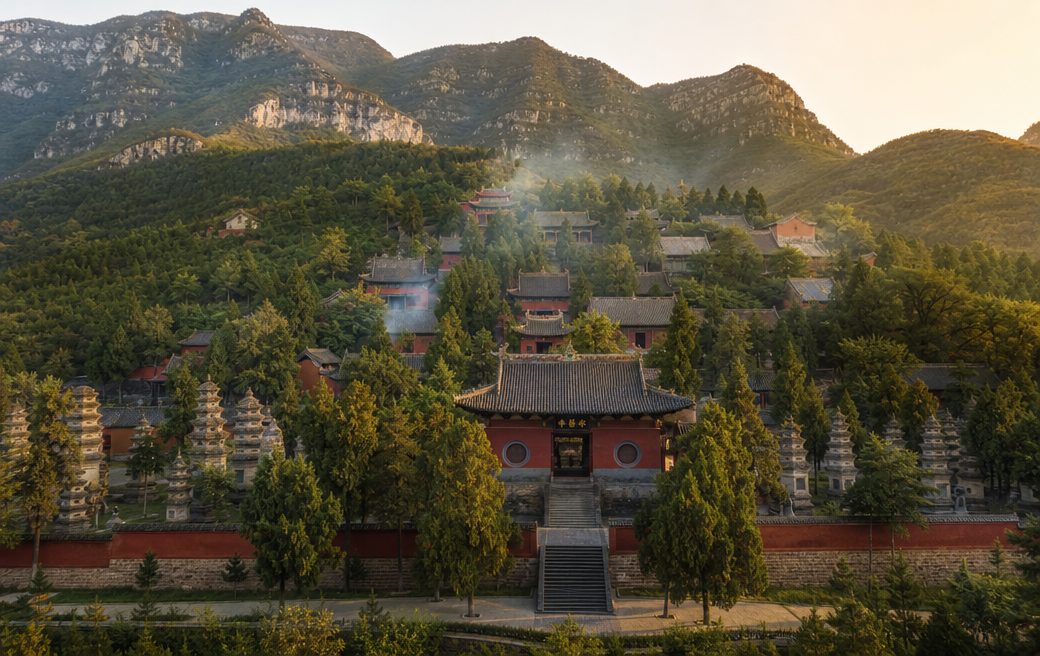
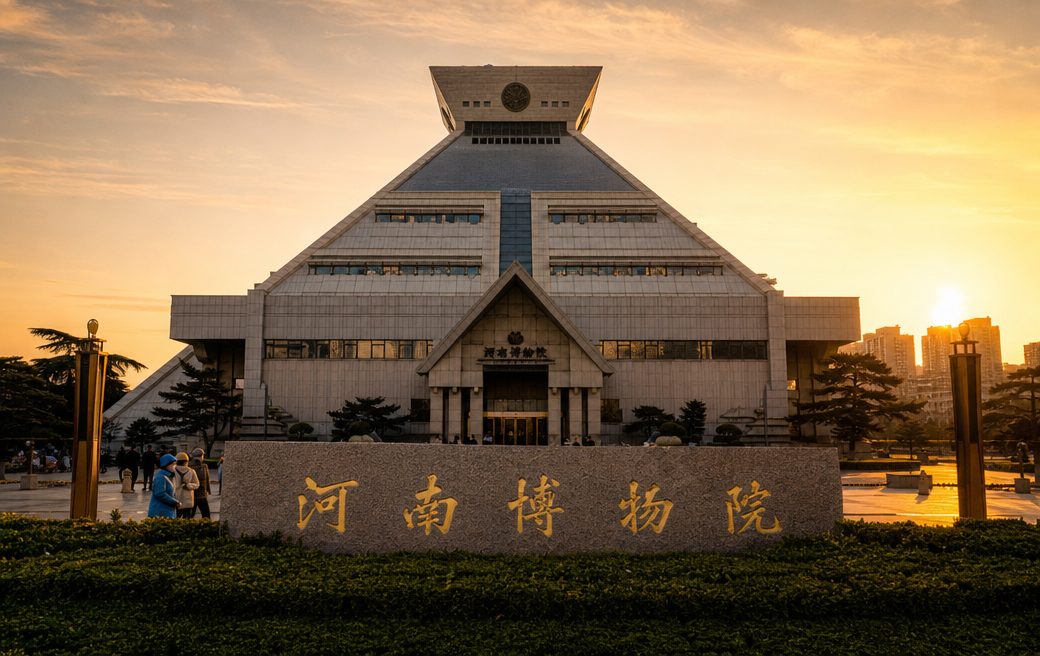
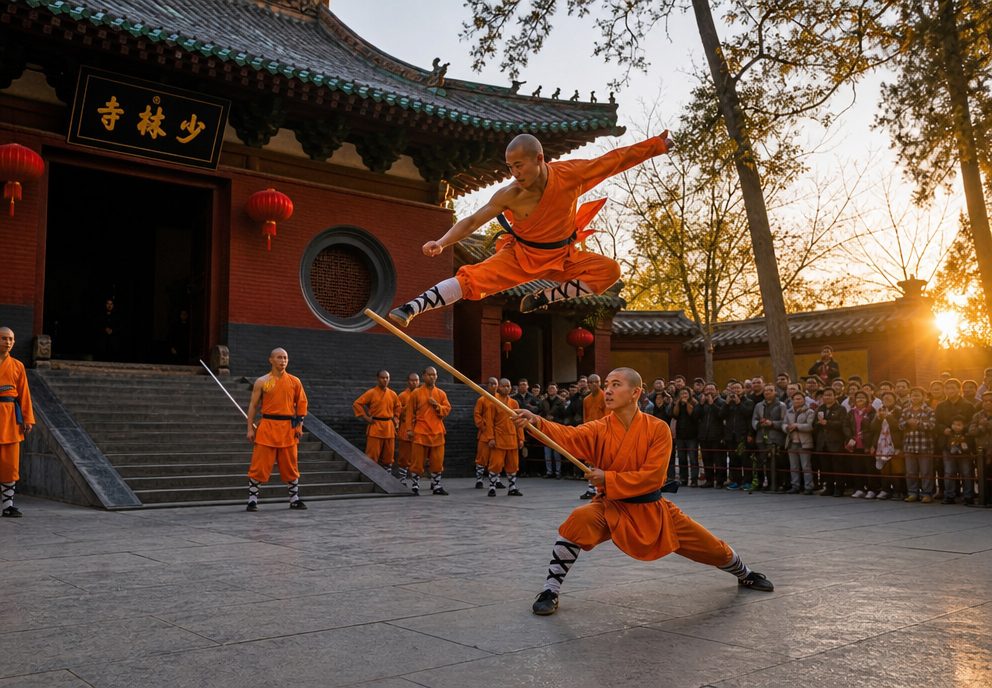
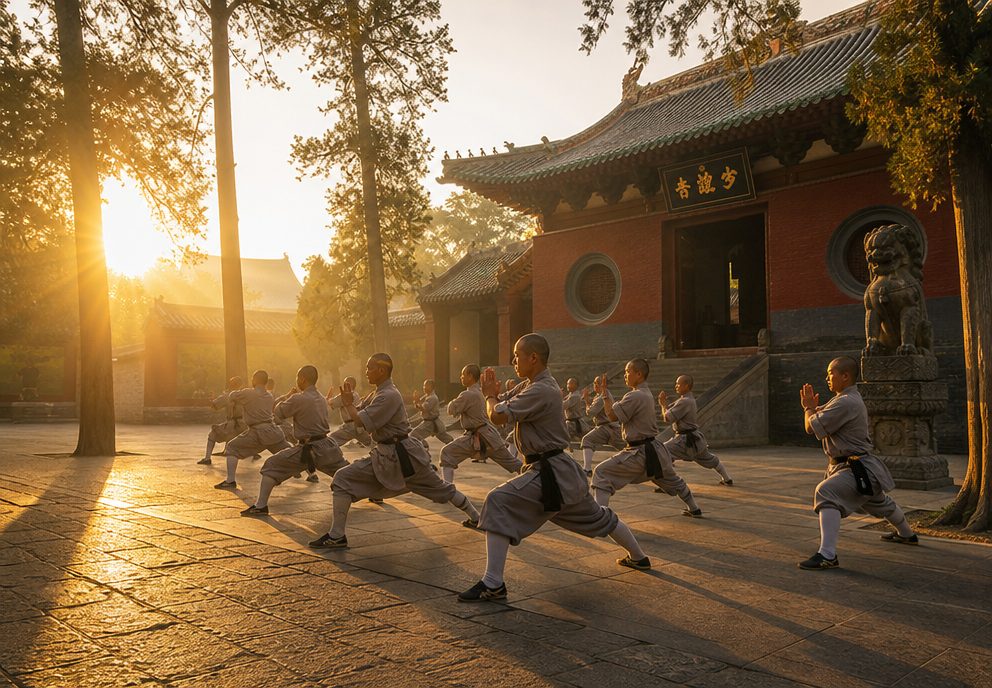
Shaolin on Songshan is where Chan Buddhism starts, and it is one of the few Chinese place names recognised almost everywhere. Go with the right expectation. The temple is a working monastery and also a thoroughly commercial site, and the martial arts displays are performances rather than practice. The part that stays with people is the Pagoda Forest behind it, where more than two hundred brick and stone stupas stand over a thousand years of abbots, each one built in the style of its own century, so the whole field reads as a timeline you can walk through. In the city, the Henan Museum holds the pre-Qin material that makes this province what it is, including a flute cut from the wing bone of a red-crowned crane about nine thousand years ago and one of the two owl-shaped bronze vessels from the tomb of Lady Hao.