 Illustration
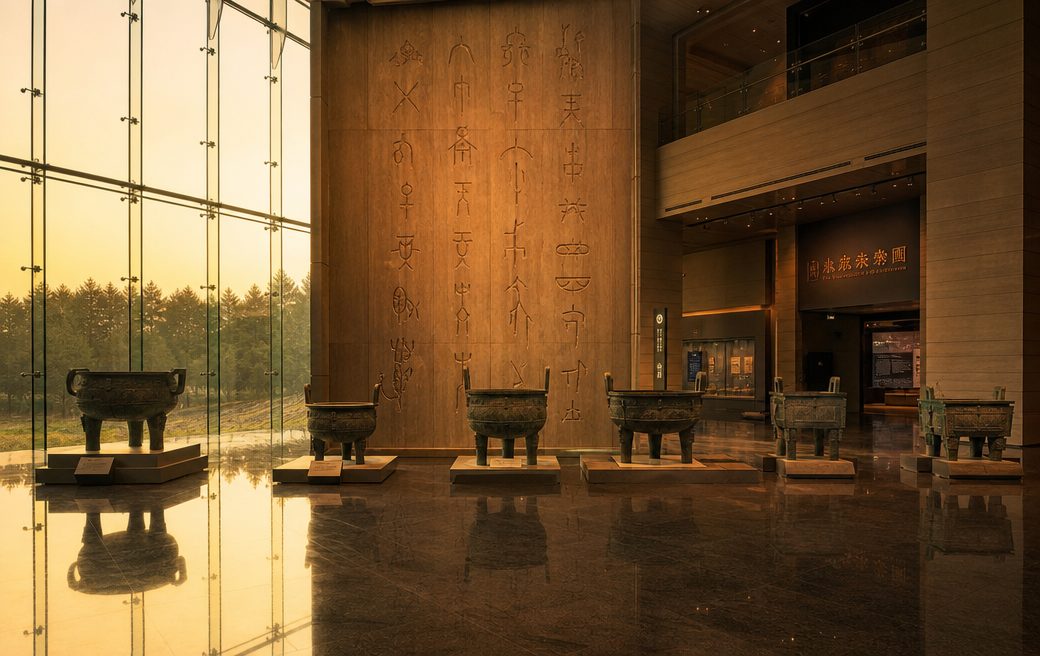
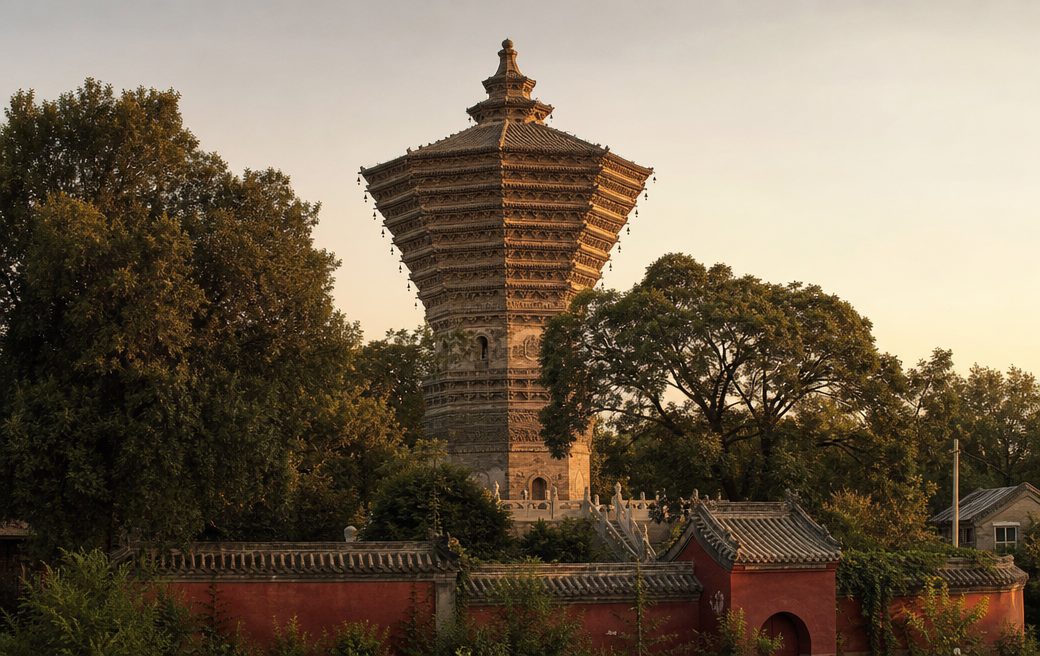
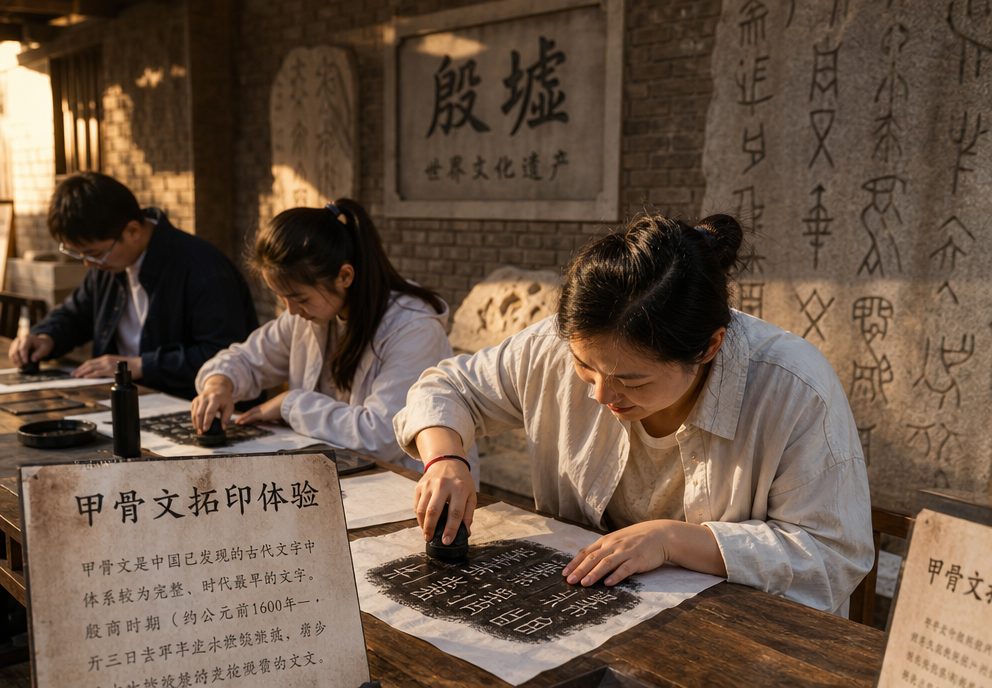
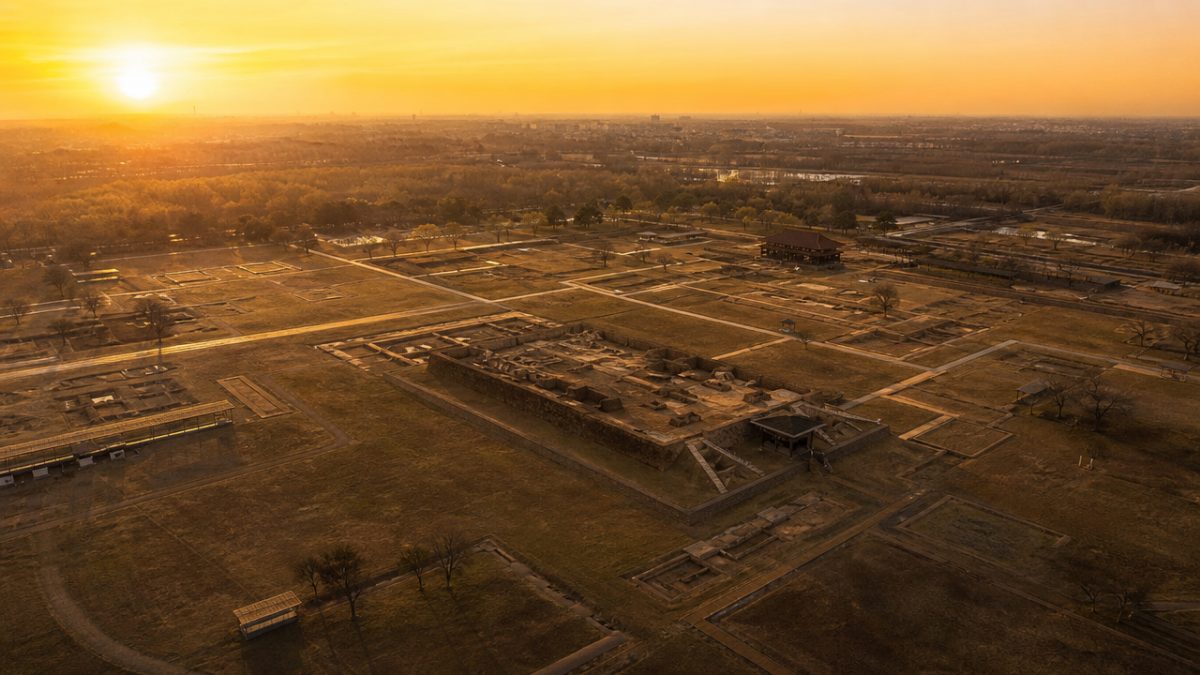
Anyang carries one of the most extraordinary concentrations of Chinese historical significance of any city in the country. The ruins of Yinxu, the last capital of the Shang Dynasty, occupied from roughly 1300 to 1046 BC, lie beneath and around the modern city, and the oracle bone inscriptions unearthed here from the 1890s onward gave the world its first direct evidence of early Chinese writing. Every character written in Chinese today descends in unbroken lineage from the scratched turtle shells and ox scapulae of Anyang's Shang Dynasty diviners. No other city in China can claim to be the birthplace of an entire writing system still in active use.
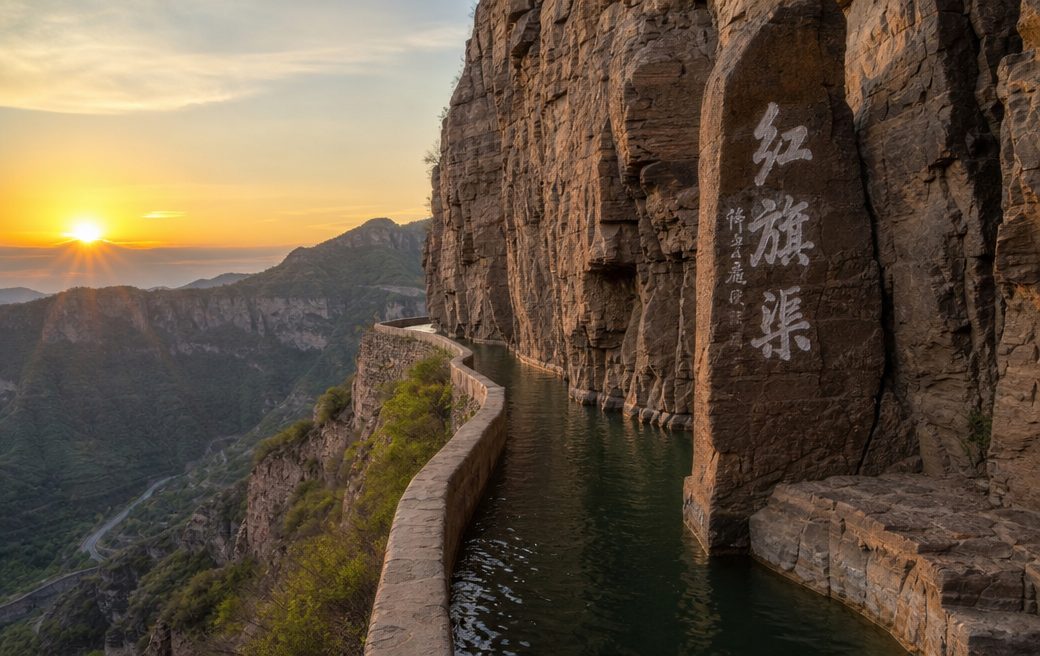
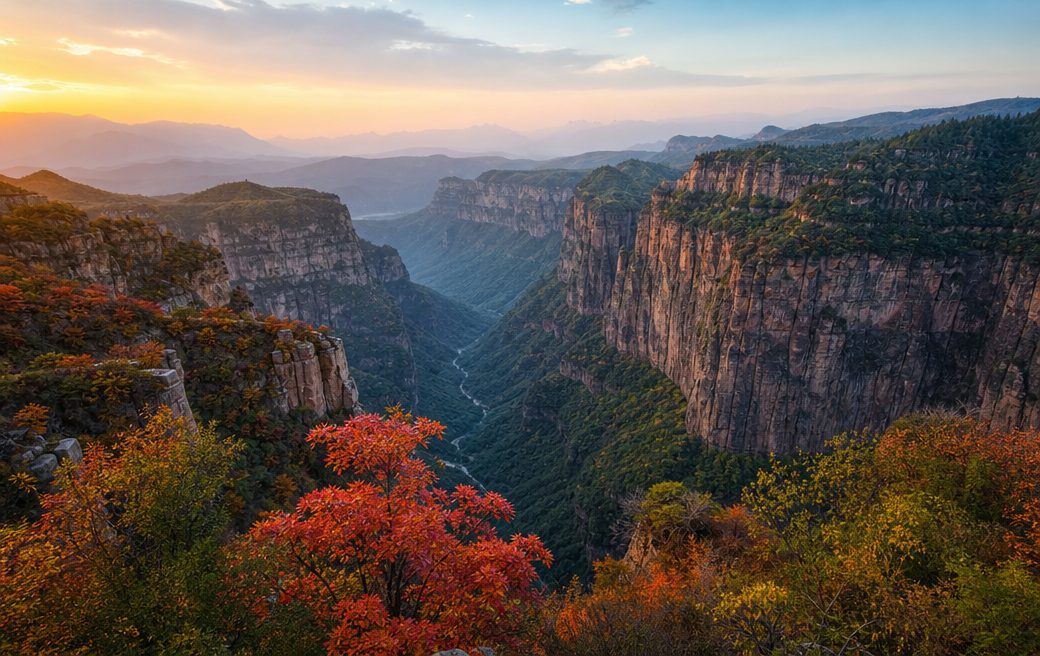
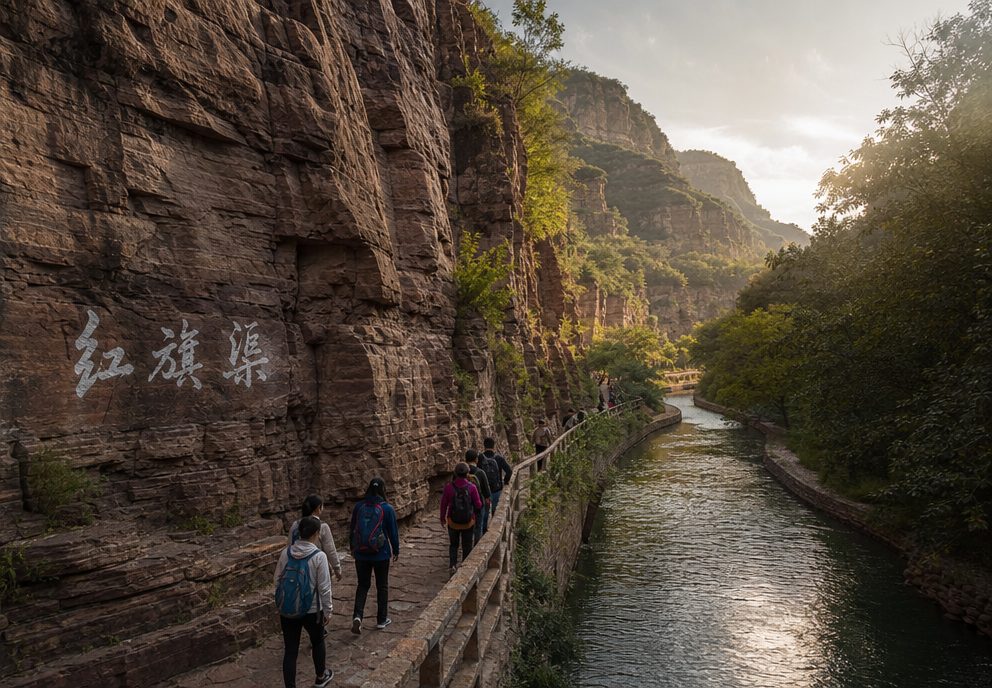
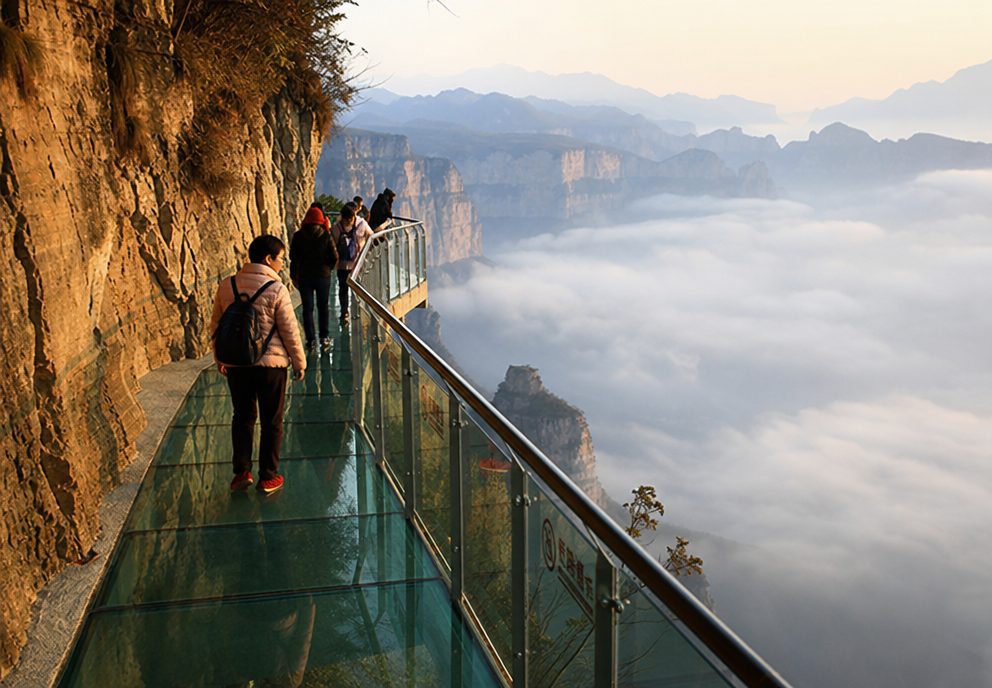
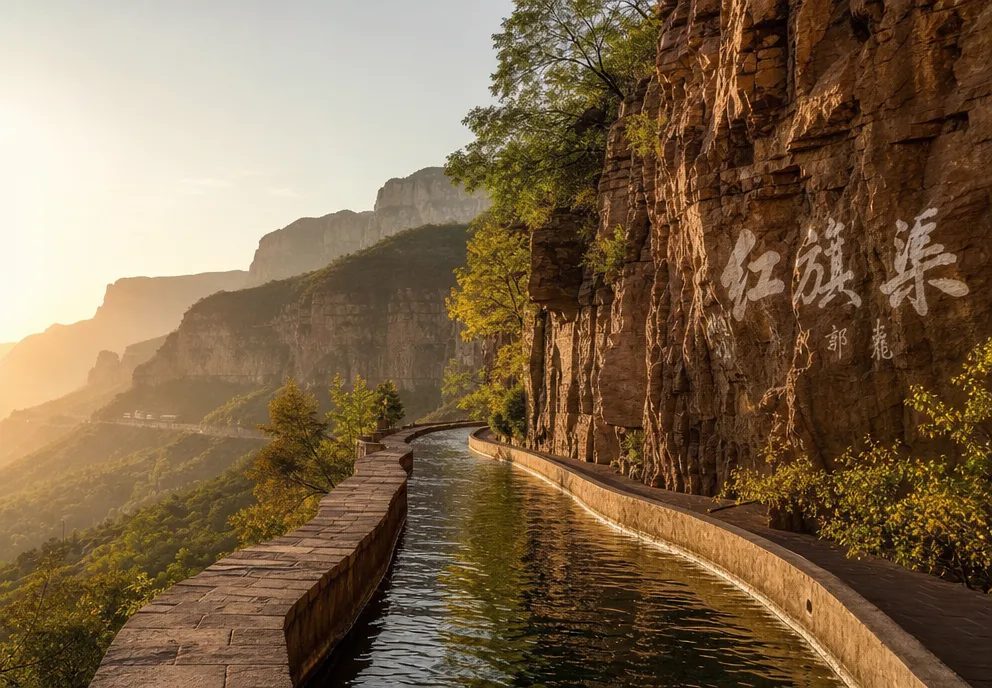
In the western hills, the Red Flag Canal stands as one of the 20th century's most audacious feats of collective engineering. Between 1960 and 1969, the people of Lin County, with almost no mechanised equipment and in conditions of extreme poverty and political upheaval, hand-carved a 1,500-kilometre canal network into the sheer face of the Taihang Mountains to bring water to a county that had suffered drought for centuries. The main canal, suspended on a ledge cut into vertical cliff faces hundreds of metres above the valley floor, is a monument to human determination that continues to carry water and draw visitors in equal measure.