 Illustration
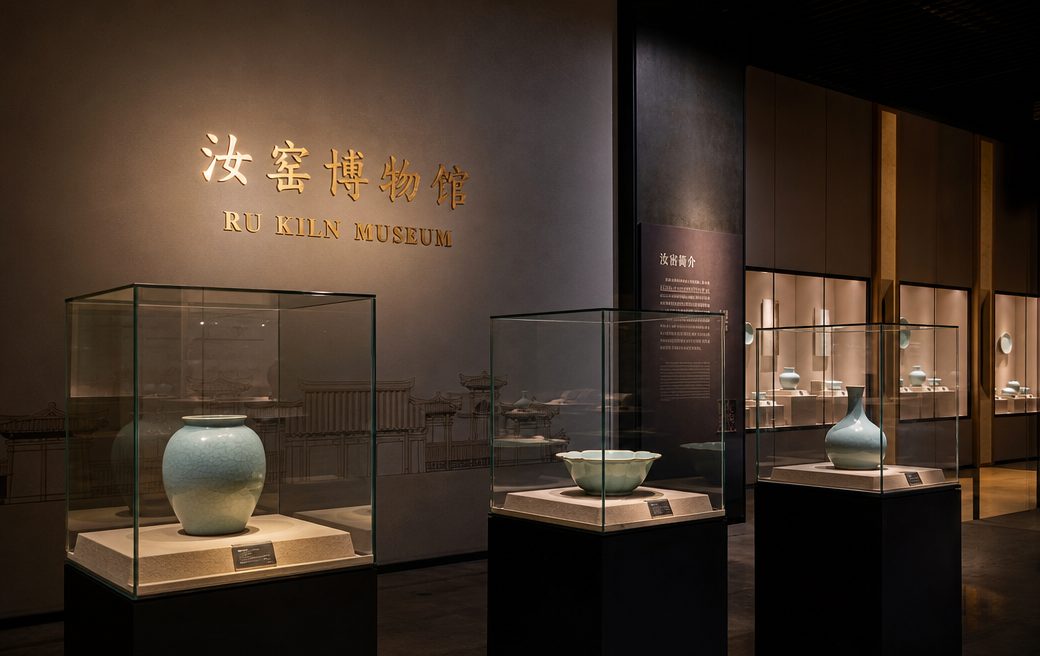
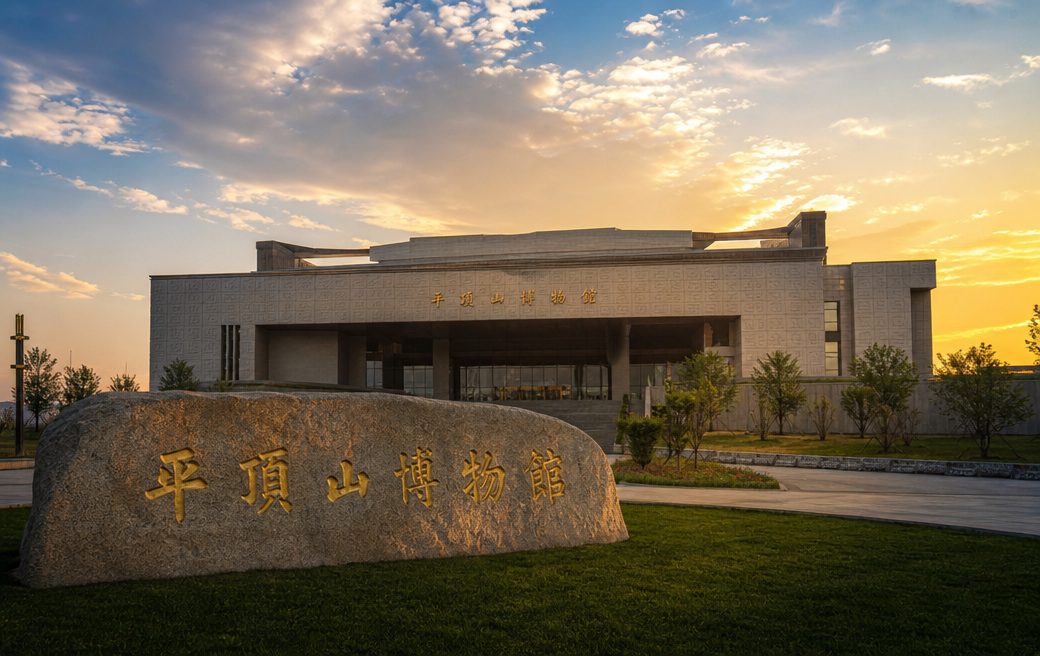
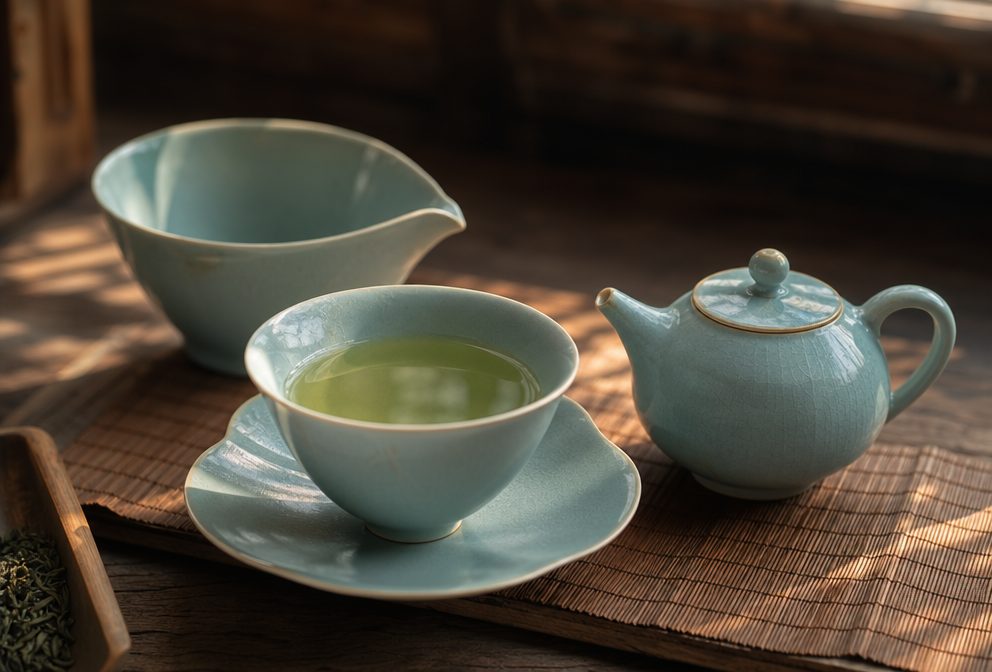
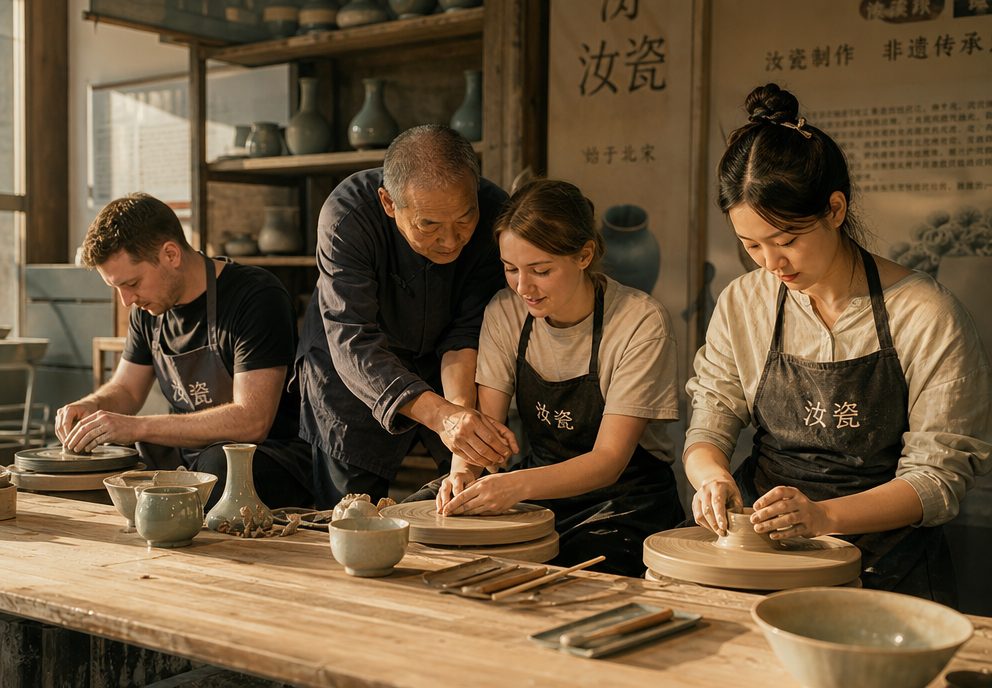
Pingdingshan occupies a distinctive position in Henan's cultural landscape as the home of two of China's most celebrated ceramic traditions. Ru porcelain, ranked first among the Song Dynasty's five great kilns and prized above all others by Emperor Huizong for its unique sky-blue glaze that resembles the colour of sky after rain, was produced exclusively in Baofeng county for a brief period between 1086 and 1127 before the kiln was lost to history. When the original Ru kiln site was rediscovered in 1987, it was here in Pingdingshan, and the Ru Kiln Museum now holds the most important collection of Ru ware and kiln archaeology in China.
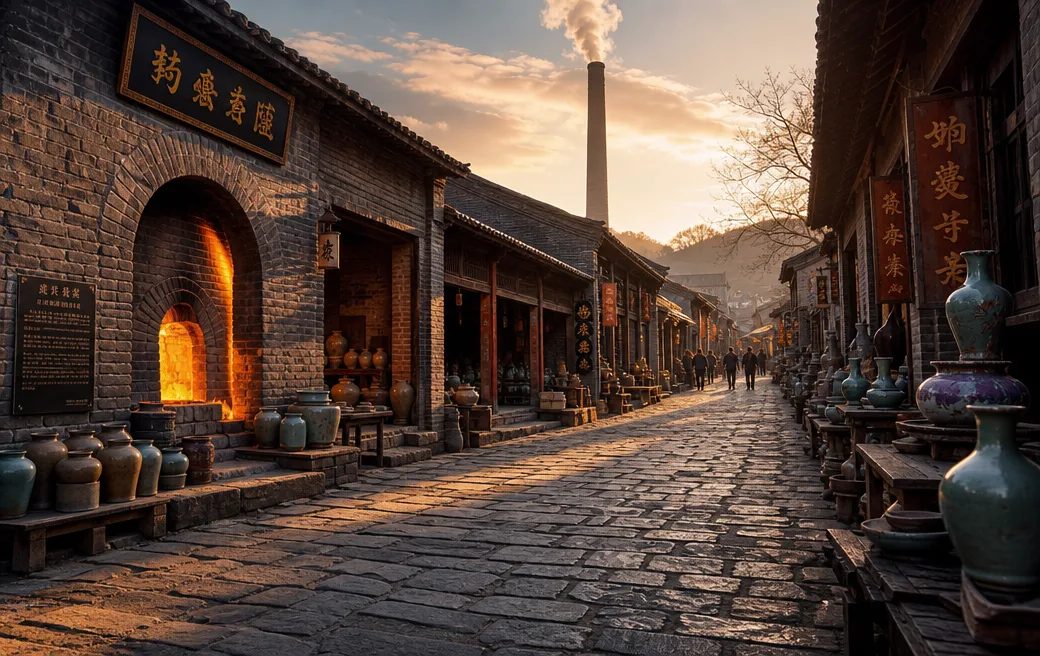
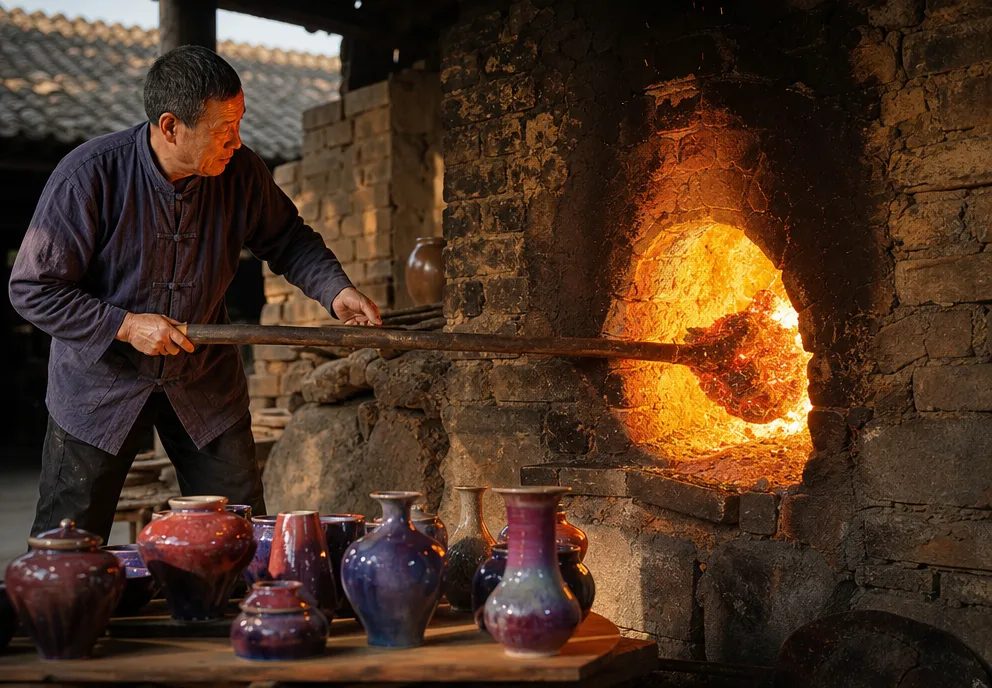
Twenty kilometres away, in the ancient town of Shenhou in Yuzhou county, Jun porcelain continues a tradition dating to the Tang Dynasty in the same workshops and with the same unpredictable copper-red and purple flame glazes that made it one of the Song court's most prized ceramics. Shenhou's living kiln culture, active workshops, glowing kilns, and the community of potters who have practised this craft across generations, offers a ceramics experience of exceptional authenticity unavailable anywhere else in China.