 Illustration
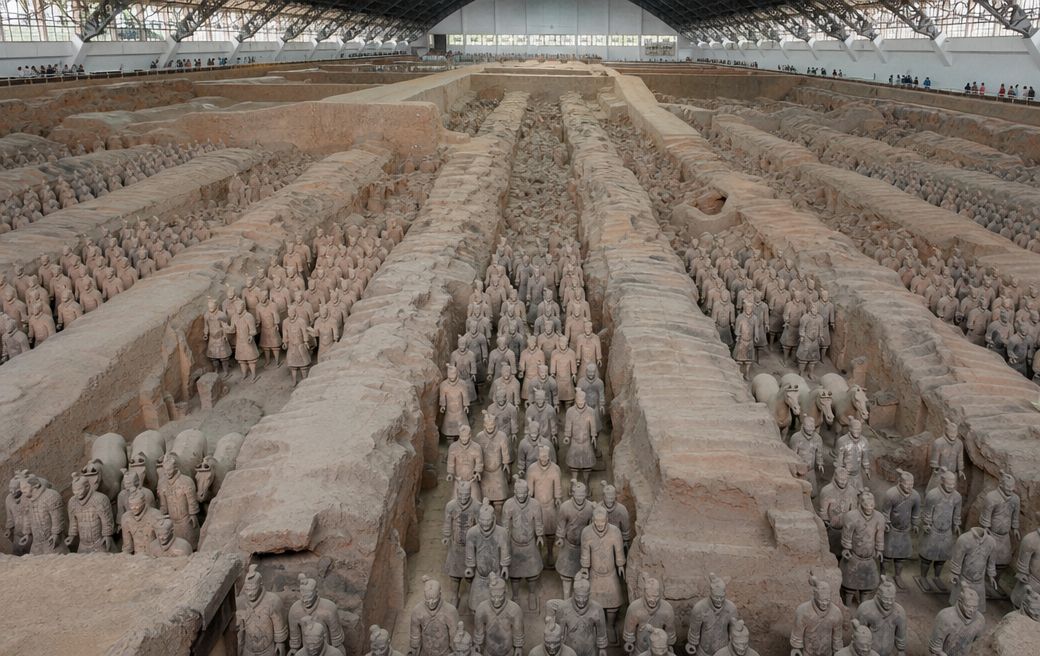
Xi'an was the capital of China for more dynasties than any other city, thirteen in total, including the Zhou, Qin, Han and Tang — four of the most formative periods in Chinese civilisation. The Terracotta Warriors alone would justify the journey: 8,000 life-size clay soldiers, horses and chariots buried with the First Emperor in 210 BC to guard him in the afterlife, discovered accidentally in 1974 by farmers digging a well, and now the most significant archaeological find of the 20th century.
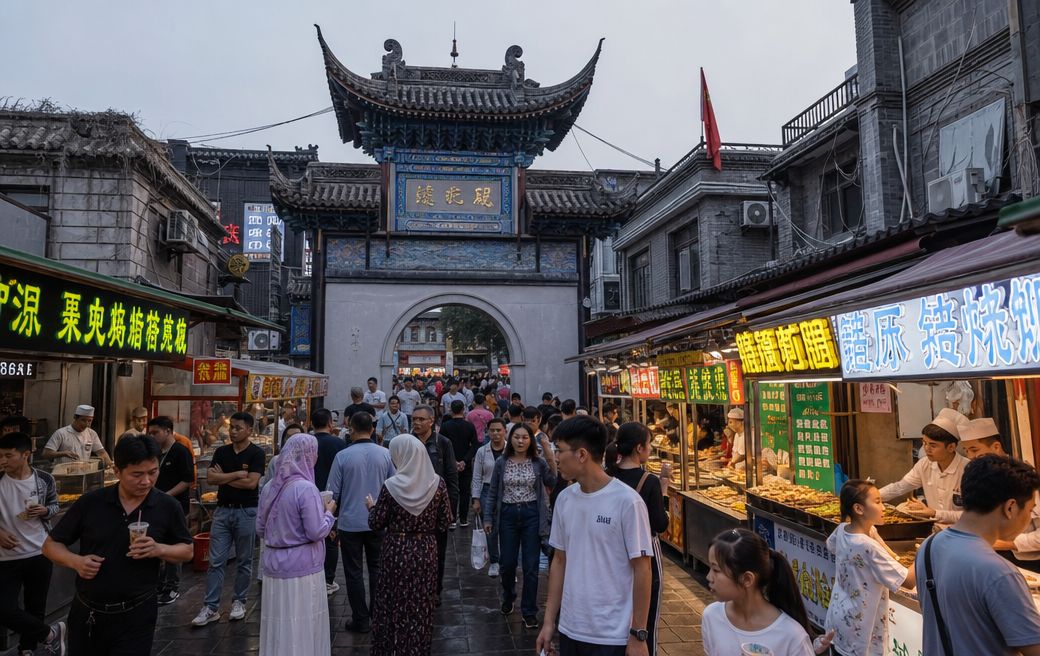
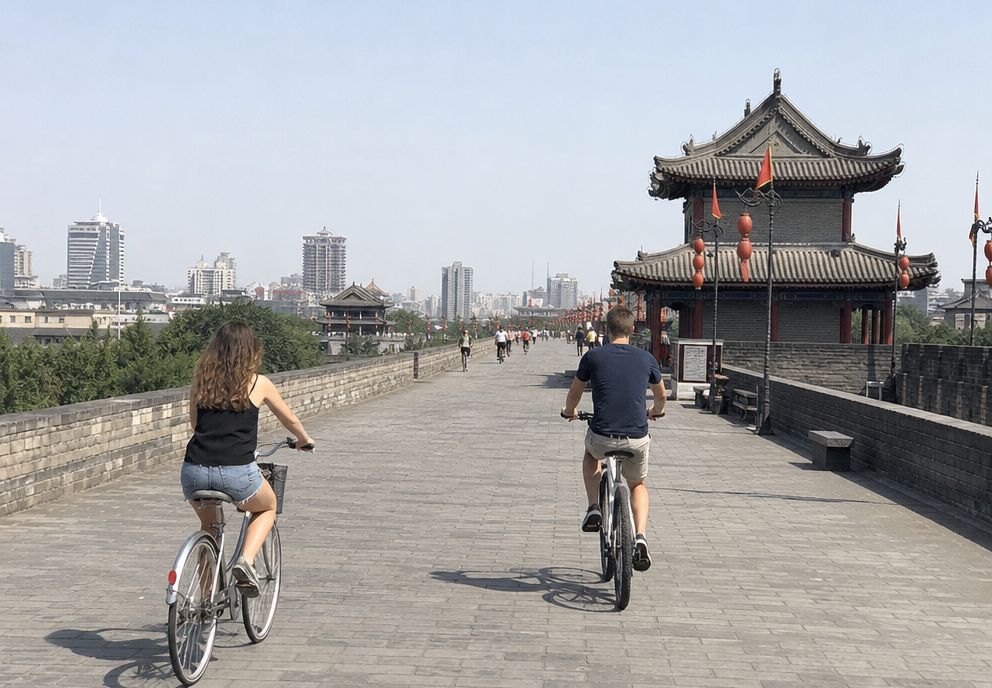
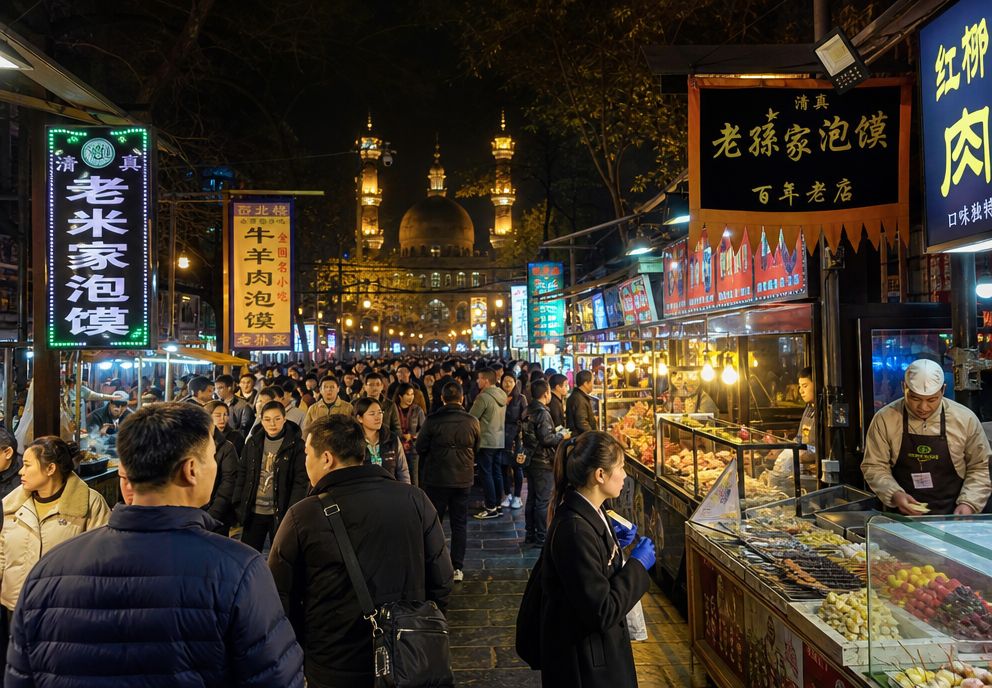
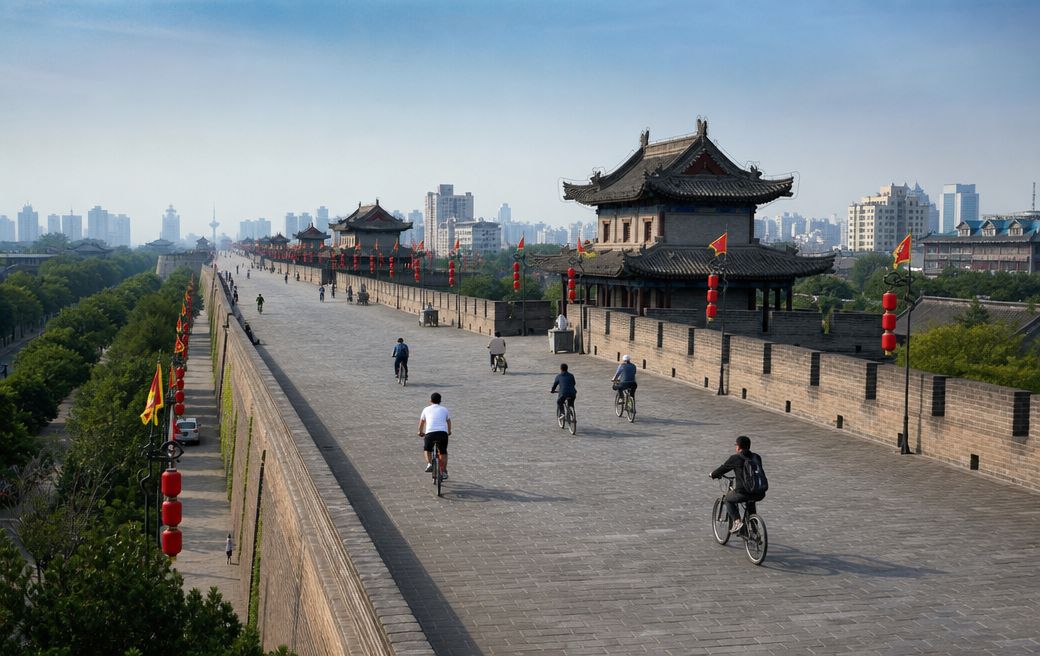
The city wall that encircles old Xi'an is the most complete surviving example of ancient Chinese urban fortification, 13.7 kilometres of Ming Dynasty walls fully walkable and cycleable. Inside the walls, the Bell Tower and Drum Tower mark the historic commercial centre, and the Muslim Quarter's food streets extend from the Drum Tower's base in a labyrinth that has constituted one of China's most concentrated street food environments since the Silk Road brought Central Asian traders to Chang'an.