 Illustration
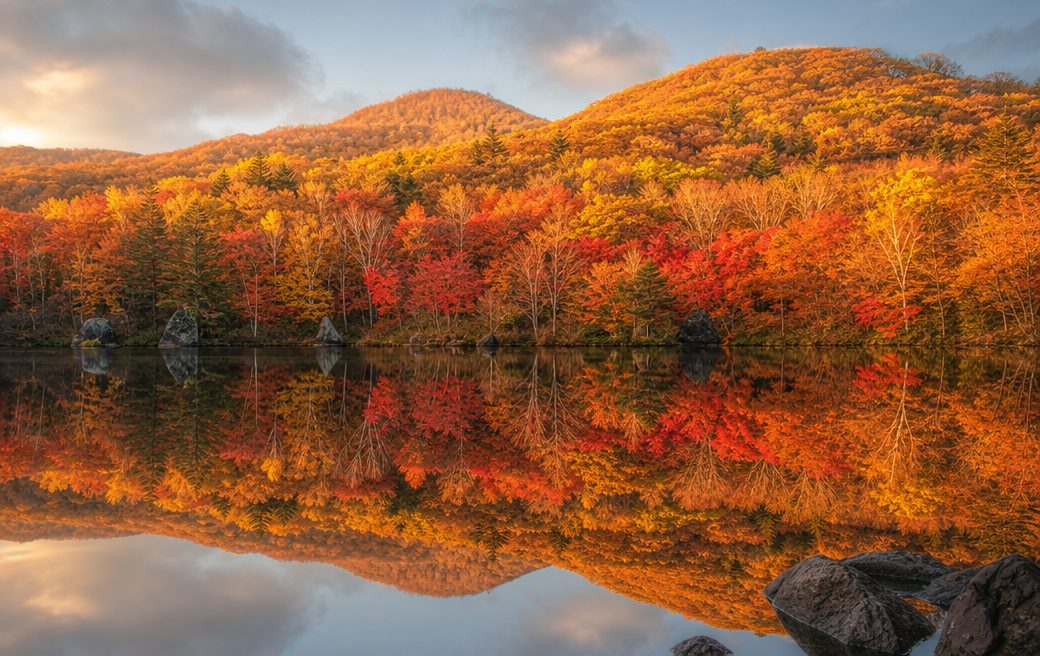
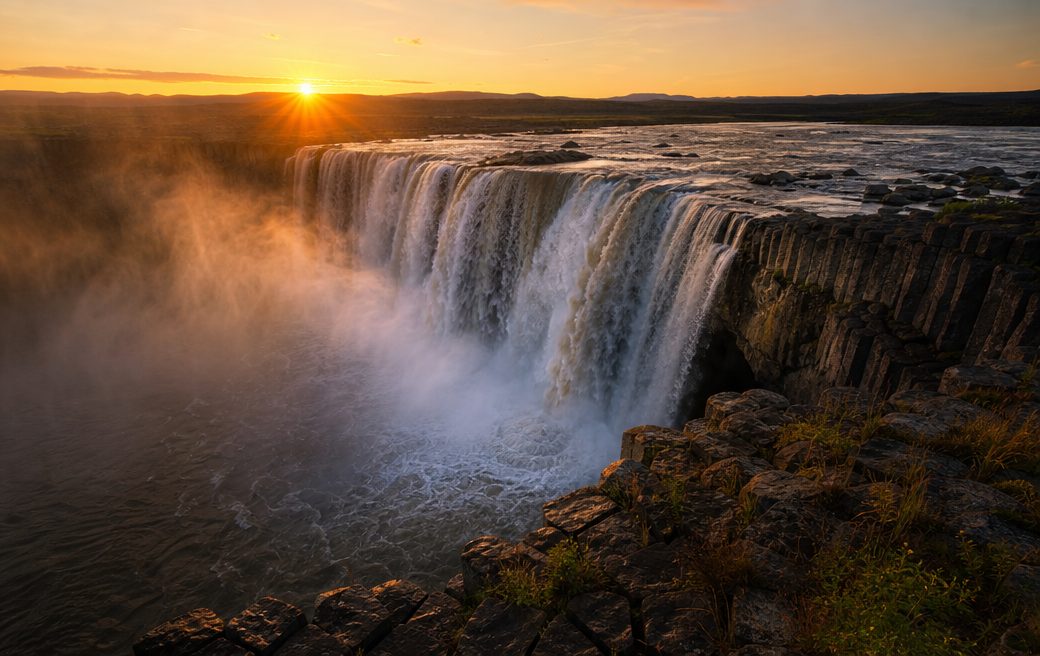
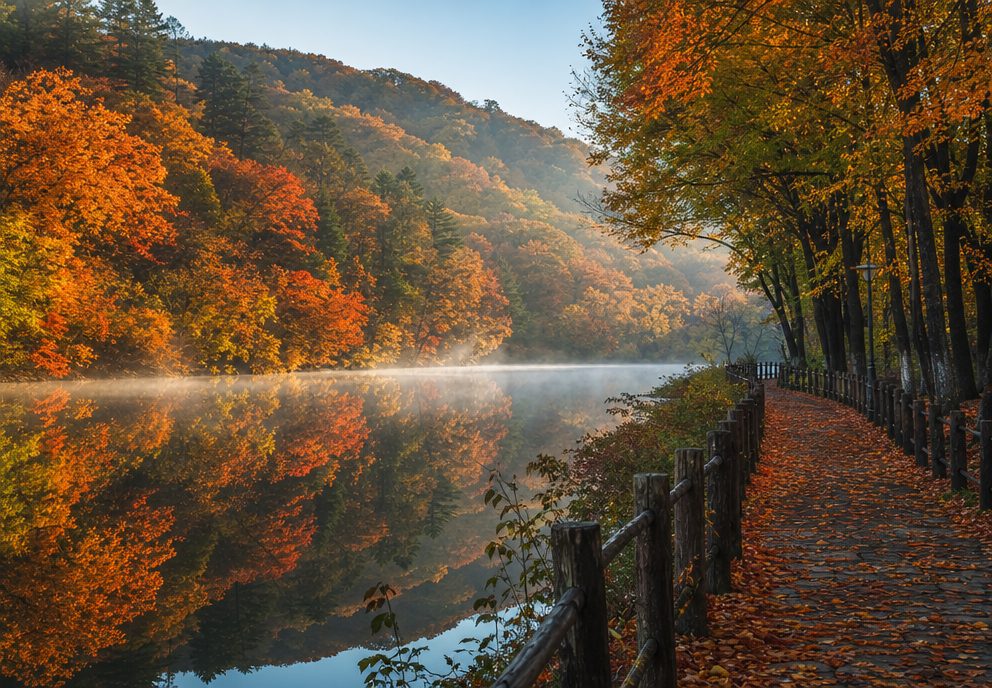
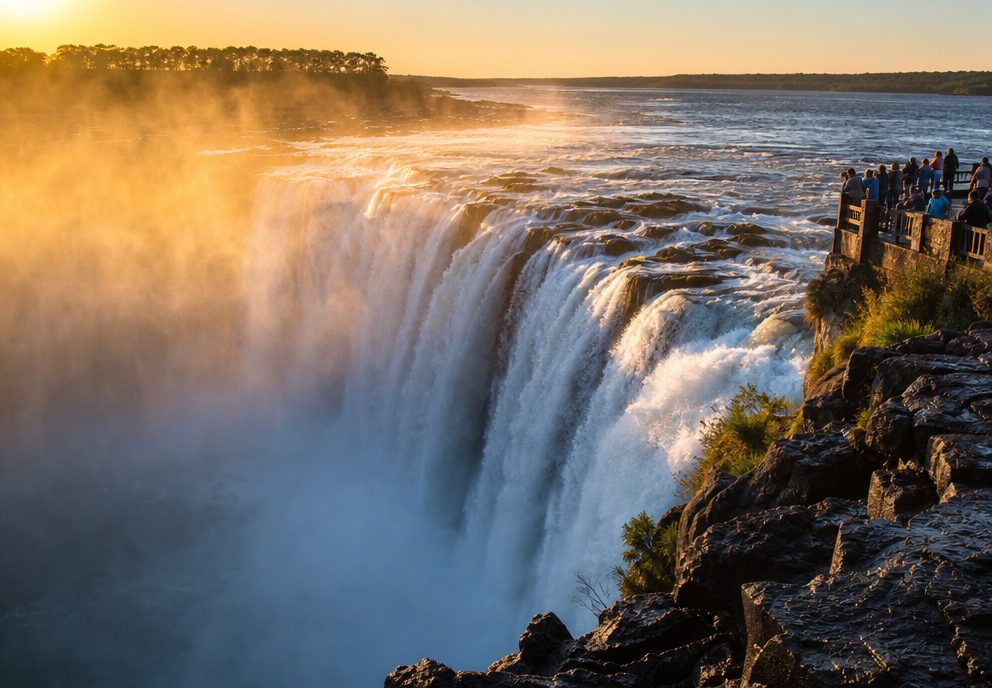
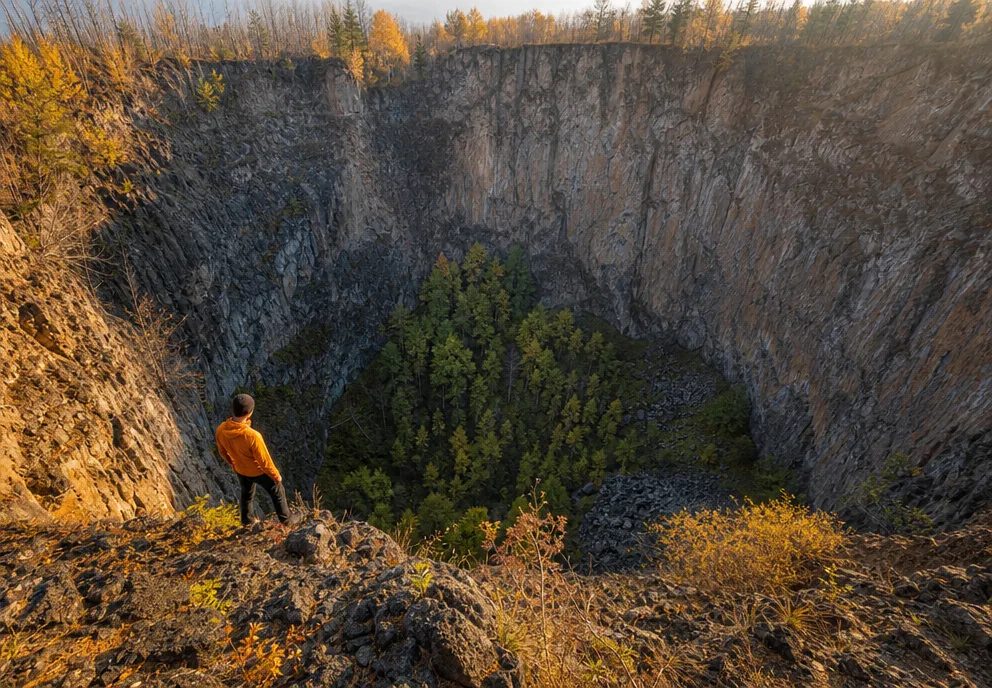
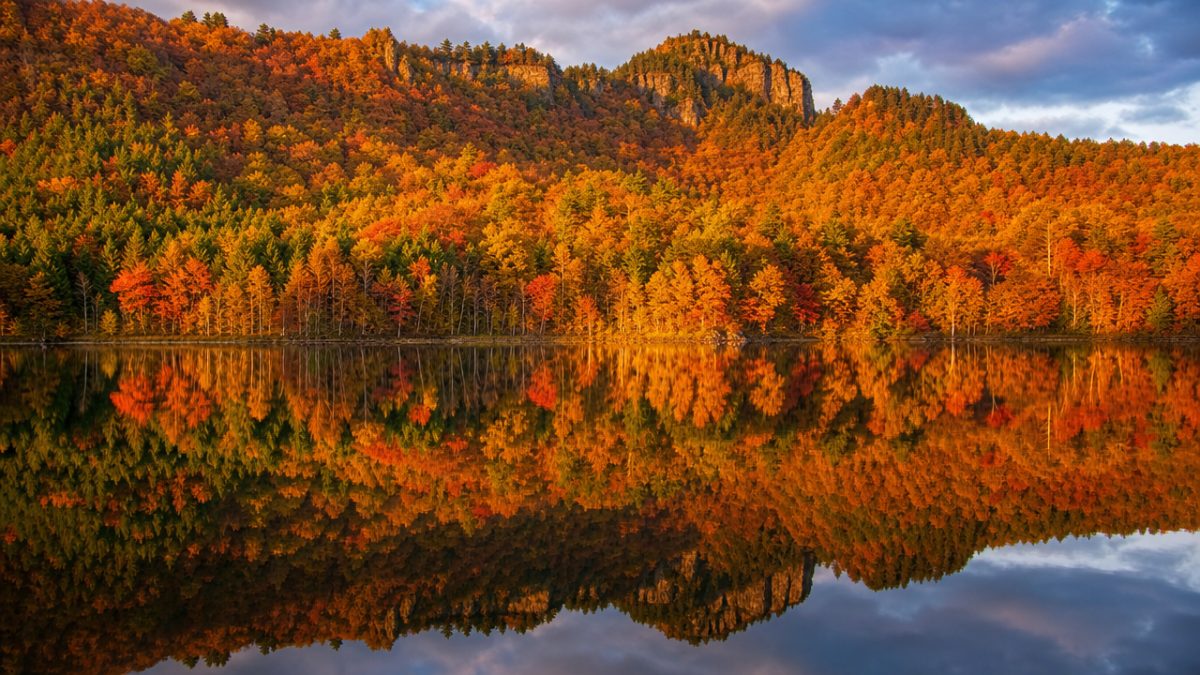
Mudanjiang is a city of two extraordinary seasonal personalities, each drawing visitors from across China for entirely different reasons. In autumn and summer, the draw is Jingpo Lake, China's largest mountain barrier lake, formed 10,000 years ago when lava flows from volcanic eruptions in the Zhangguangcai Range dammed the river valley, creating a lake of extraordinary natural beauty: 45 kilometers long, surrounded by old-growth deciduous forest, and connected to the famous Diaoshuilou ("Falling Water Pavilion") Waterfall, the widest underwater volcanic waterfall in the world, where the lake drains over a basalt lava lip 12 meters high.
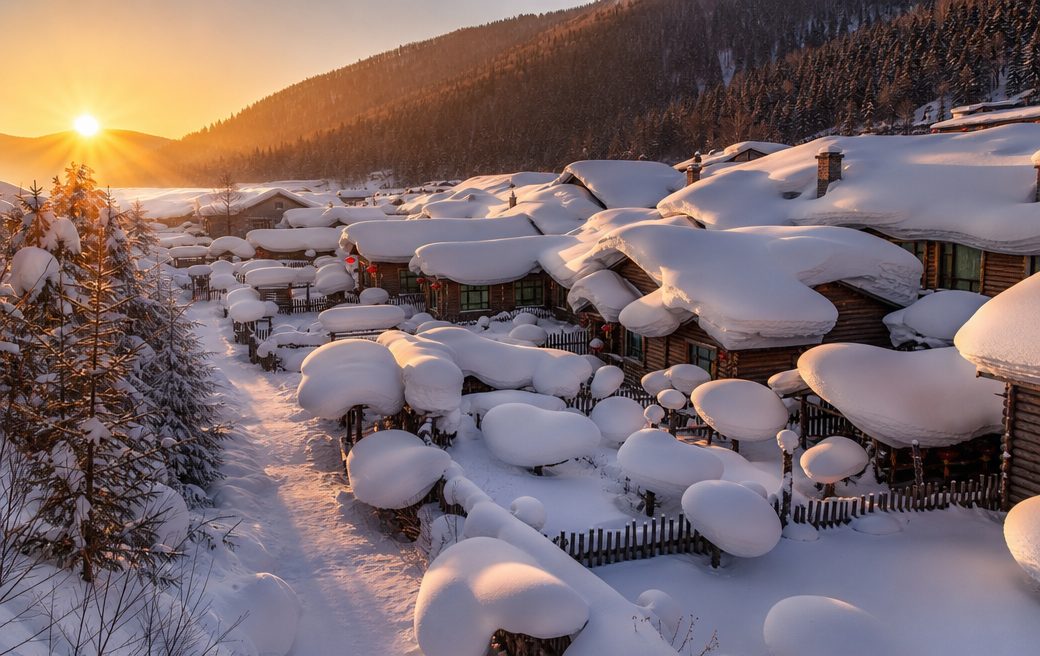
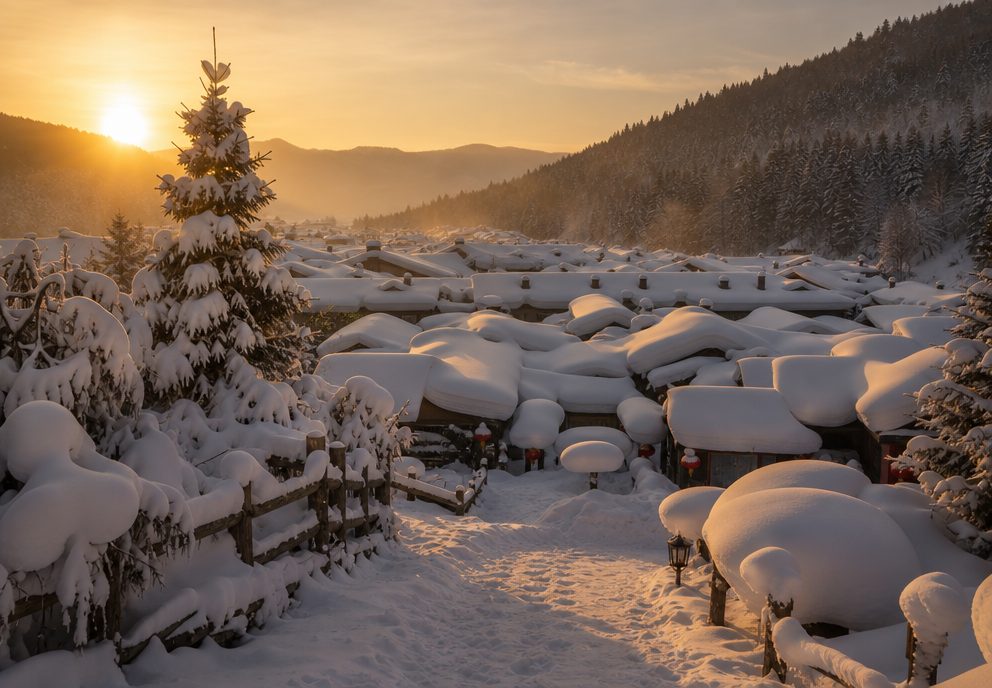
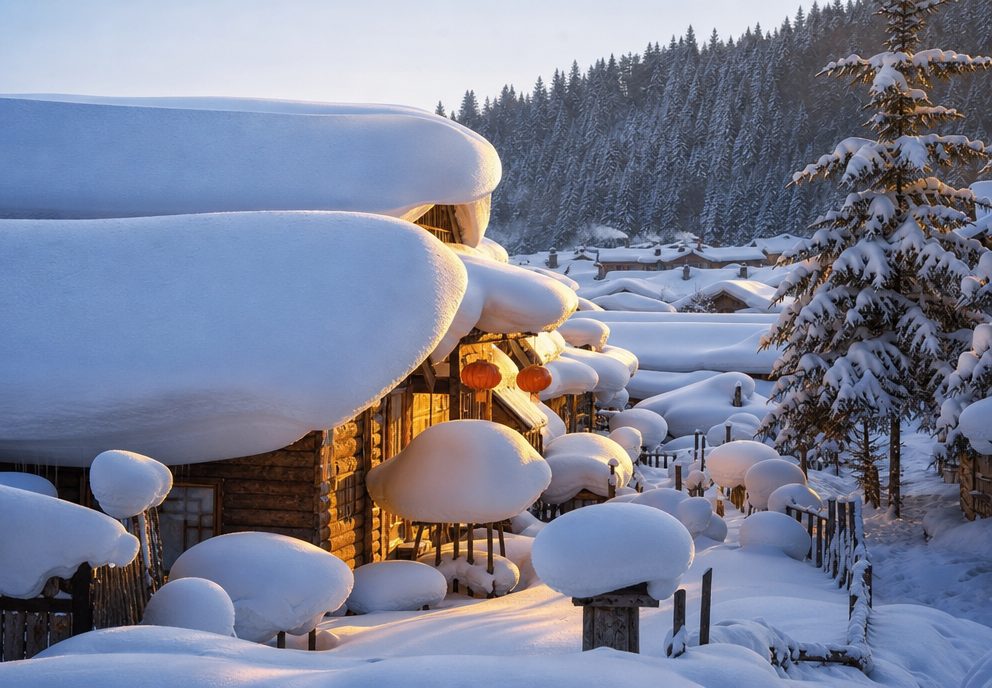
In winter, specifically December through February, the draw is entirely different: Snow Town (Xuexiang) in the Zhangguangcai Mountains, a remote logging village at 1,200 meters altitude that receives an average of 2 meters of snow annually, producing the most aesthetically perfect deep-winter snow landscape in China. The village's traditional wooden houses, buried to their eaves in white powder snow, the forest trails between them weighted with impossible accumulations, and the golden light of winter sunrise turning everything amber, these images have been the most shared winter photographs in Chinese social media for over a decade, and the village's transformation into a luxury tourist destination has not entirely destroyed the beauty that made it famous.