 Illustration
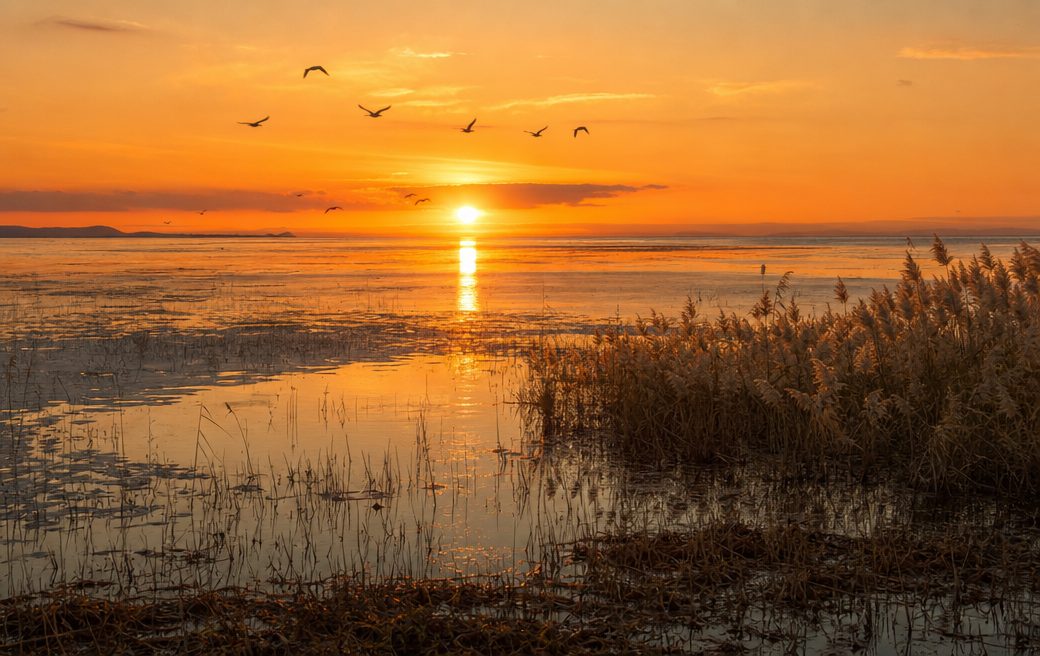
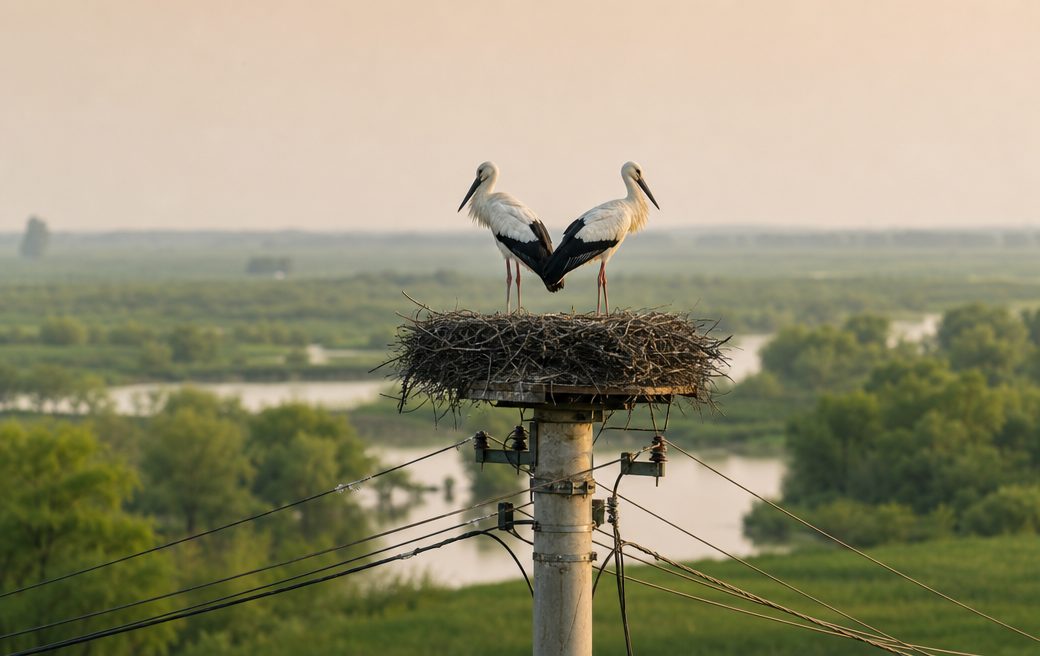
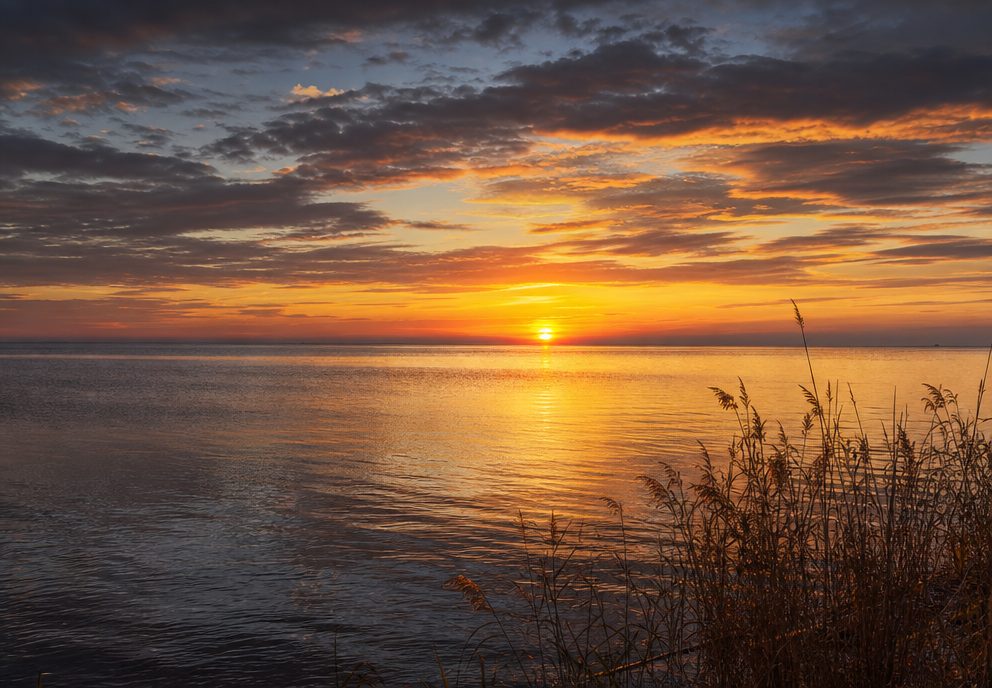
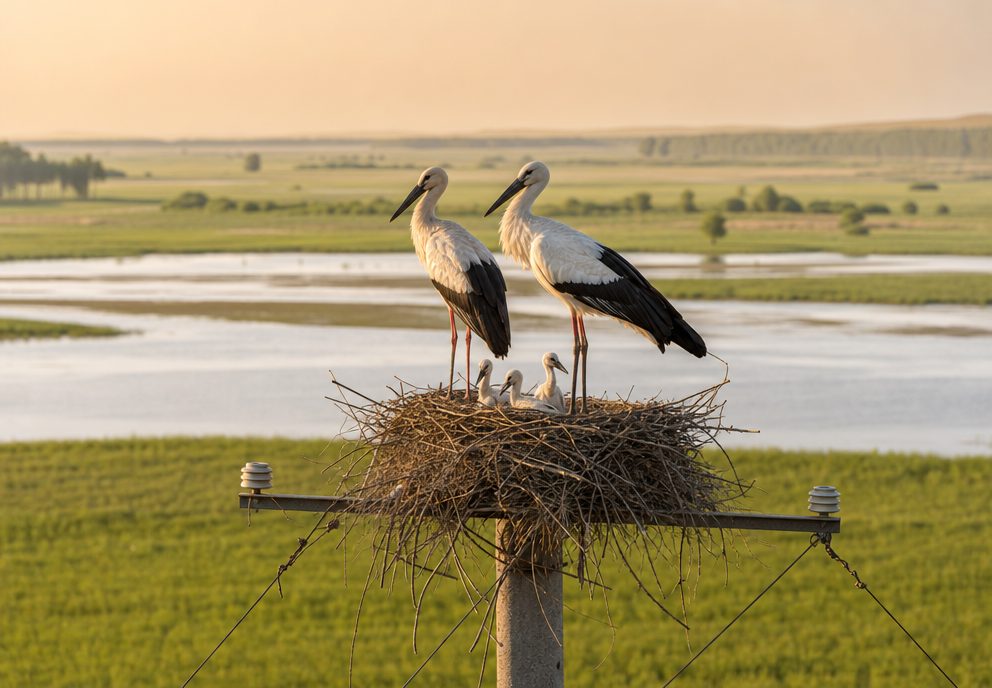
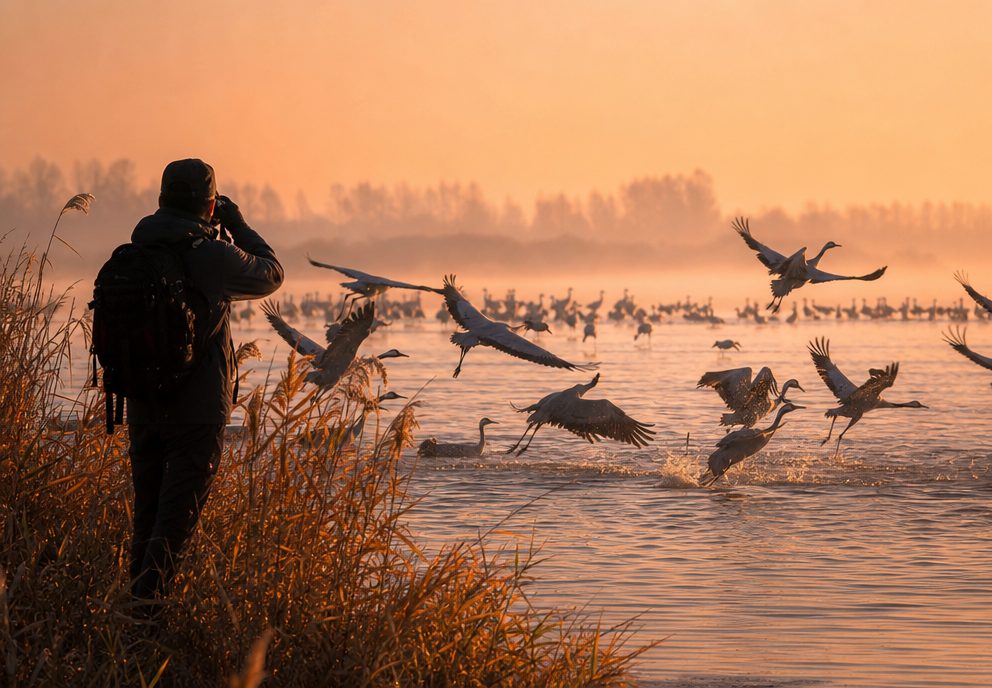
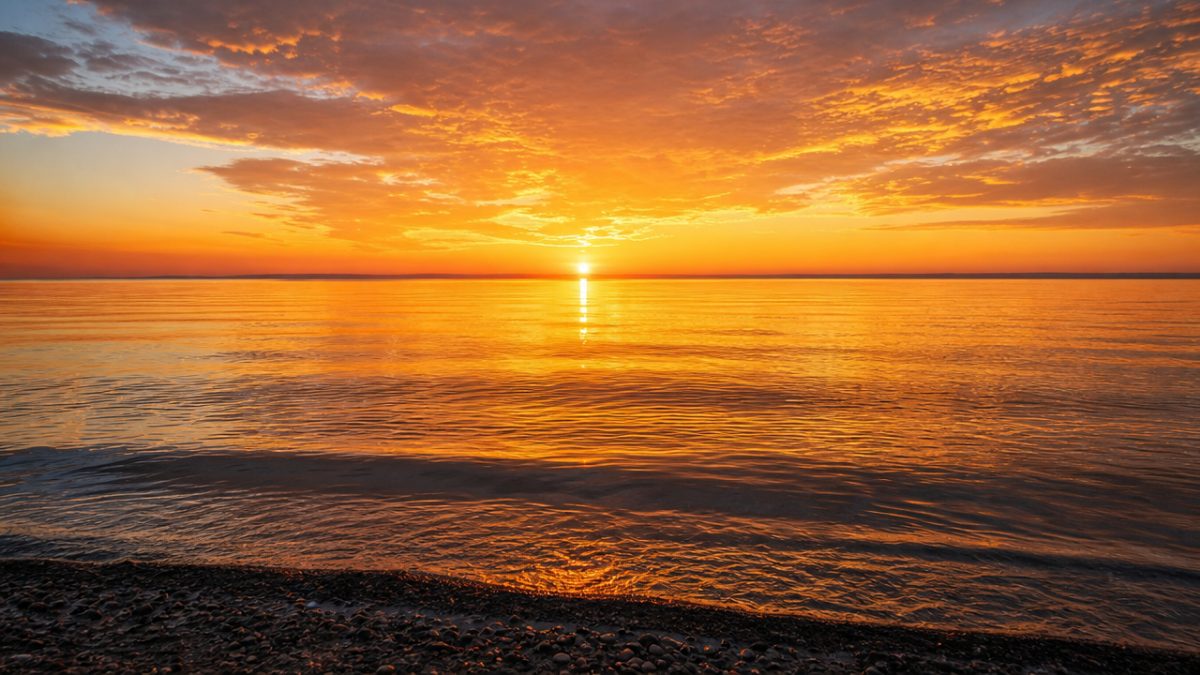
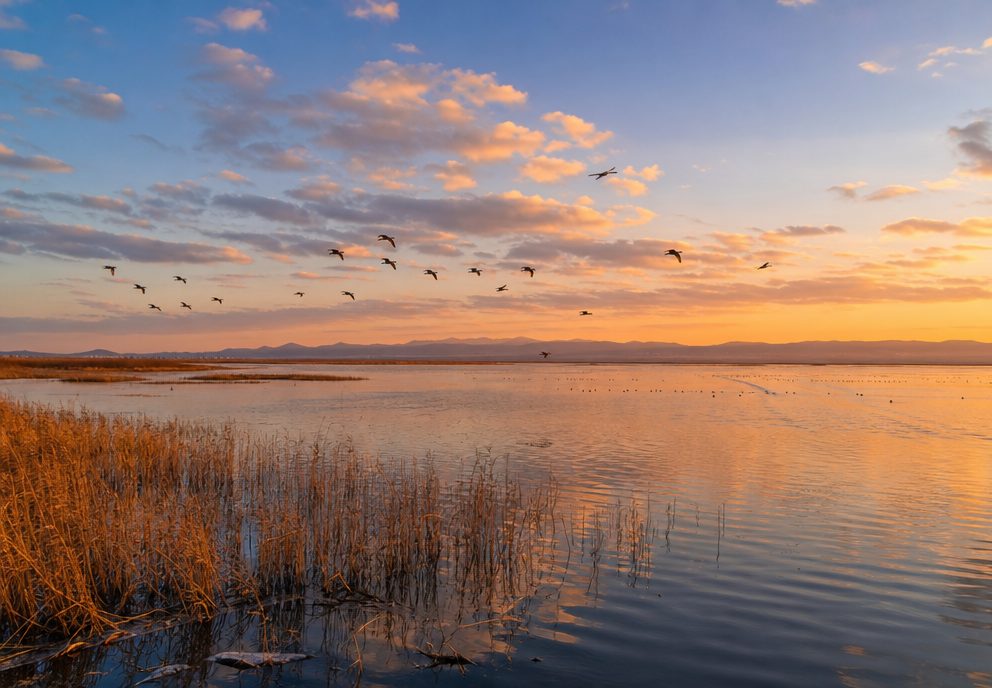
Jixi sits at one of the most remote and most ecologically significant corners of northeastern China, on the shore of Xingkai Lake (Khanka Lake in Russian), the largest freshwater lake in northeastern Asia, shared between China and Russia and designated a Ramsar Wetland of International Importance. The Chinese portion of the lake, covering 4,380 square kilometers, provides habitat for over 230 bird species and supports significant breeding populations of Oriental stork, Manchurian reed warbler, and several crane species during migration. The lake’s vast horizon, its far shore invisible in clear weather, creates a landscape of oceanic scale in the heart of the Manchurian plain.
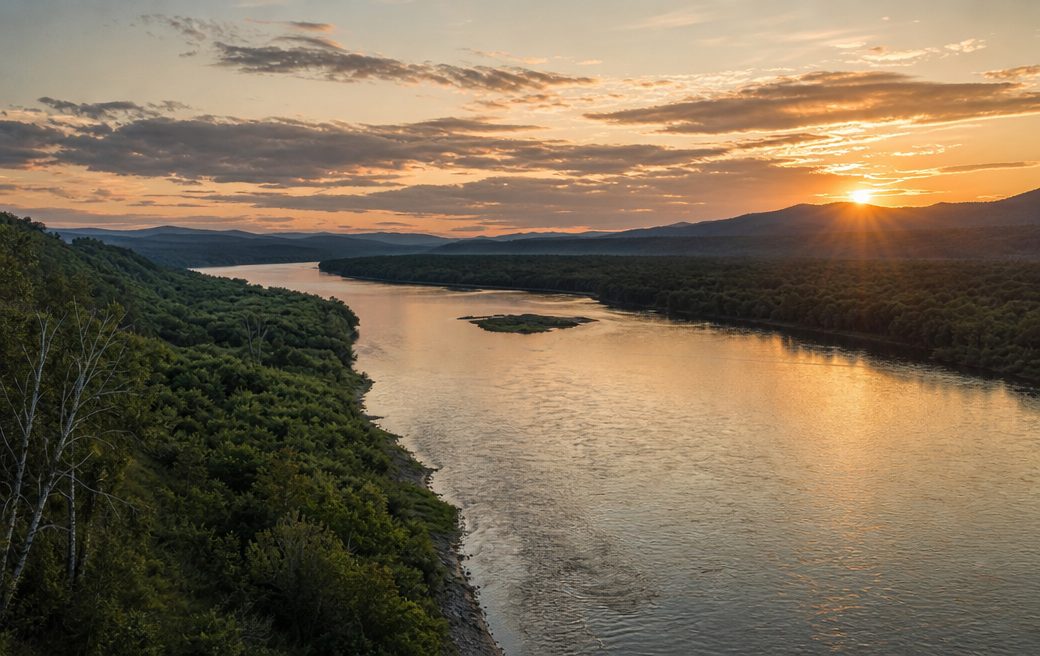
The broader Jixi area sits within the Sanjiang Plain, the “Three Rivers Plain” formed by the Heilong, Songhua, and Ussuri rivers, one of the largest remaining intact wetland systems in the world and a UNESCO-recognized biodiversity hotspot of the first order. The Sanjiang National Nature Reserve, accessible from Jixi prefecture’s Fujin area, is one of the most important waterbird habitats in the entire East Asian flyway, supporting breeding Oriental storks in numbers found nowhere else in China.