
Daqing is in Heilongjiang, in Northeast China.
Home › Destinations › Heilongjiang › Daqing
Heilongjiang · City Guide
Daqing, an Oil City Standing in Wetland.
Overview
Why Go
The Songji No.3 well came in during September 1959 and the field was named for the tenth anniversary of the republic that year. Before that China was classified as oil-poor, and the city did not exist.
Wang Jinxi, the drilling team leader remembered as the Iron Man, is the well-known industrial worker in modern Chinese history. His memorial hall is one of the more visited museums in the northeast.
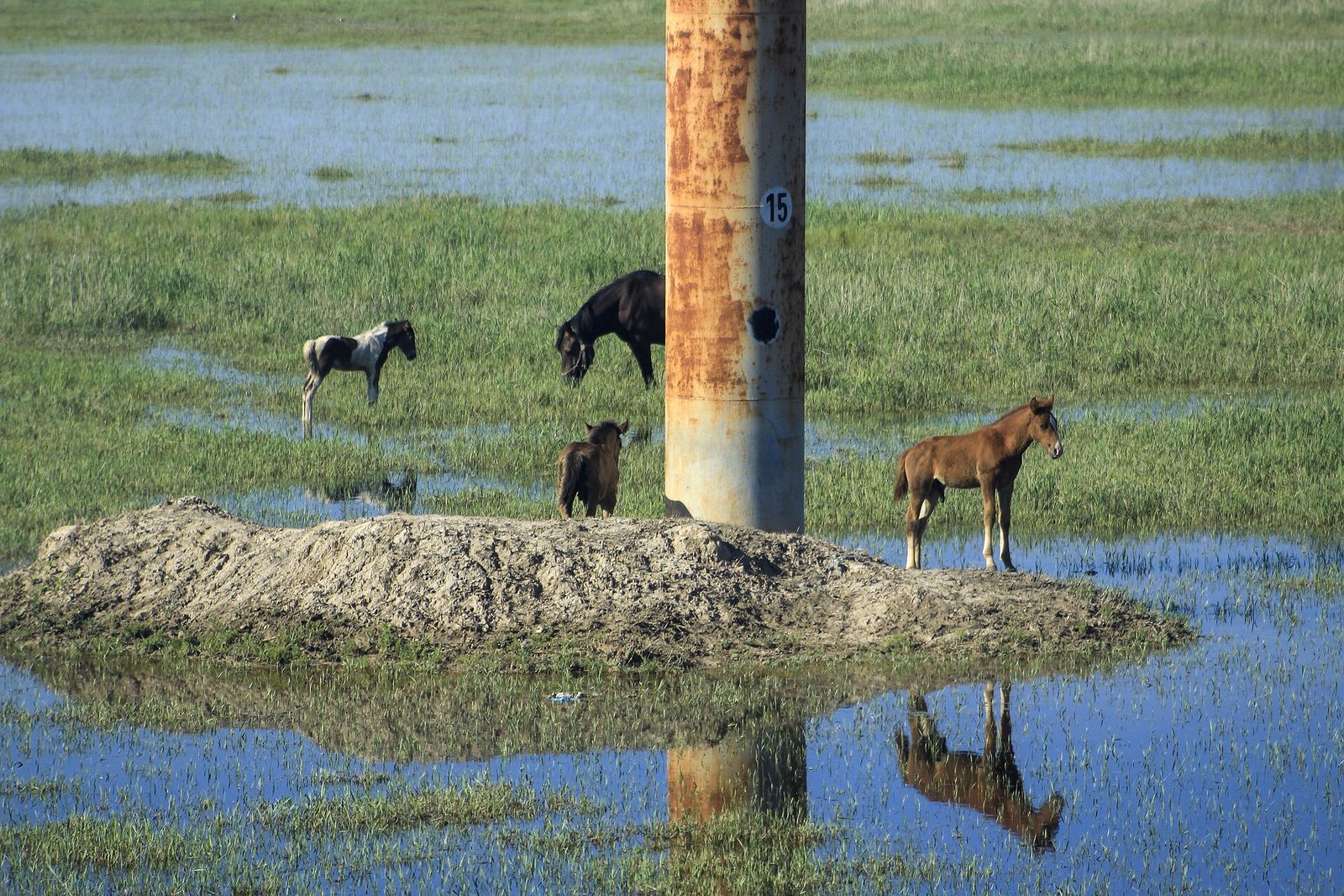
The Songnen plain here holds more than a hundred lakes and shallow ponds, and the Longfeng wetland runs right up against the built-up area. Cranes and large numbers of waterbirds pass through on migration.
The geothermal water at Lindian was found while drilling for oil and is now piped into bathhouses and resorts. The springs and the wells are the same geology read two different ways.
Dorbod, in the west of the prefecture, is a Mongol autonomous county with grassland, lakes and its own food and festivals. It is an unexpected thing to find attached to an oil city.
See
Rigs, tools, maps and photographs covering the discovery and the building of the field, with the scale of the operation laid out. The clearest single explanation of what happened here. Two hours.
A large memorial hall for the drilling team leader, with period equipment, documents and a bronze figure. Busy with organised groups on weekdays. Ninety minutes.
The discovery wellhead preserved on open ground with a marker, out among the pumps. There is almost nothing built around it, which is why it reads better than the museums. Half an hour.
Reed beds and open water on the edge of the city with boardwalks and hides, and the skyline visible across the water. Spring and autumn passage bring the numbers. Two hours.
A chain of shallow lakes with waterfowl, and geothermal bathhouses at Lindian nearby. The combination of open water and hot water is the local weekend. Half a day.
Grassland and lake shore in the Dorbod Mongol autonomous county with ger camps, horses and summer festivals. It is modest by Inner Mongolian standards and close to the city. Half a day.
On the Map
Approximate locations of the attractions above, across Daqing.
Eat
Carp and bighead from the lakes, stewed whole in an iron pot over a fire with cornmeal cakes stuck round the rim to cook in the steam. Ordered by the fish and eaten by the table.
Mutton from the Mongol county, boiled plain on the bone and eaten with a knife, salt and chive sauce. The alkaline grassland is what herders credit for the taste.
Short-grain rice grown on the Nen River flats with one crop a year and a very short season, carrying a protected-origin mark. Eaten plain, and the difference is in texture rather than aroma.
Pears and persimmons frozen solid until they go black, then thawed in cold water and eaten with the juice sucked out. They look spoiled and are not. Winter alone, and it is a northeastern ritual.
Do
The wellhead sits in flat grass with the working field spread around it. Go there after the museum: the exhibition gives visitors the numbers and the wellhead gives them the scale.
The boardwalks are open early and the birds are active before the traffic starts. Spring and autumn passage are the times. Mosquitoes in midsummer are serious; bring repellent.
Outdoor pools in a Heilongjiang winter mean walking through deep cold to get in, which is the point. The water came up with the drilling and the bathhouses are ordinary rather than luxurious.
Drive any road out of the city and the pumps run to the horizon on both sides, nodding at different rates. It is a particularly direct picture of what this city is for.
When
Mild, green and the spring bird passage on the wetlands. A particularly comfortable stretch and the ideal for the lakes.
Warm and humid with mosquitoes on the wetlands and the grassland at its greenest. The Mongol county holds its summer festivals.
Clear, cool and the autumn passage, with harvest on the rice flats. The ideal month overall.
Long hard cold to minus thirty, the wetlands frozen and the hot springs at their many worthwhile. The museums are open and warm.
Explore More
Daqing is in Heilongjiang, in Northeast China.
Related
Share the travel dates and interests, and PreeChina's local team will design a route that fits.
Plan My Trip to DaqingSee Private Tour Prices