Home › Destinations › Jilin › Yanbian

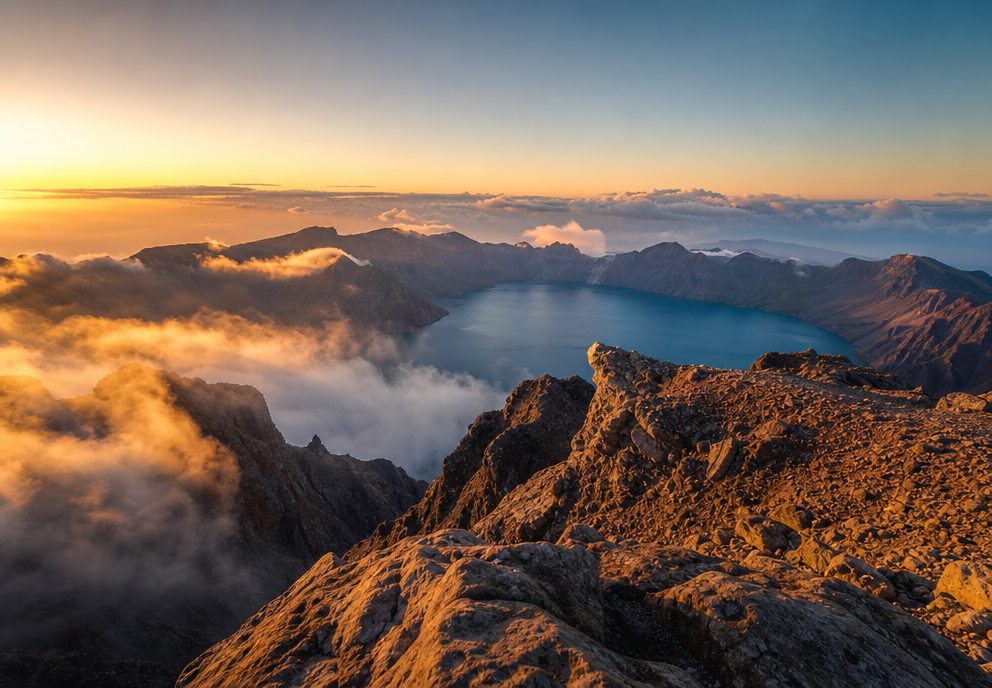
Changbai Mountain Heaven Lake Tianchi volcanic crater lake Yanbian Jilin China Korea borderIllustration

PreeChina · City Guide

Yanbian Travel Guide

China’s Korean Autonomous Prefecture, where Changbai Mountain’s sacred volcanic crater lake straddles the border with North Korea, Korean and Chinese cultures have blended for 150 years into something entirely unique, and the food alone justifies the journey.

Yanbian Quick Facts

Province / Region
Eastern Jilin Province, Korean Autonomous Prefecture
Population
~2.1 million (prefecture); ~38% Korean-Chinese
Best Time to Visit
June–September (Changbai); year-round (Yanji city)
Famous For
Changbai Mountain Heaven Lake, Korean culture, cold noodles, Tumen River border
Nearest Airport
Yanji Chaoyangchuan Airport (YNJ); direct flights to Seoul and Chinese cities
Recommended Stay
3–4 days (city + Changbai Mountain)

Why Visit Yanbian?

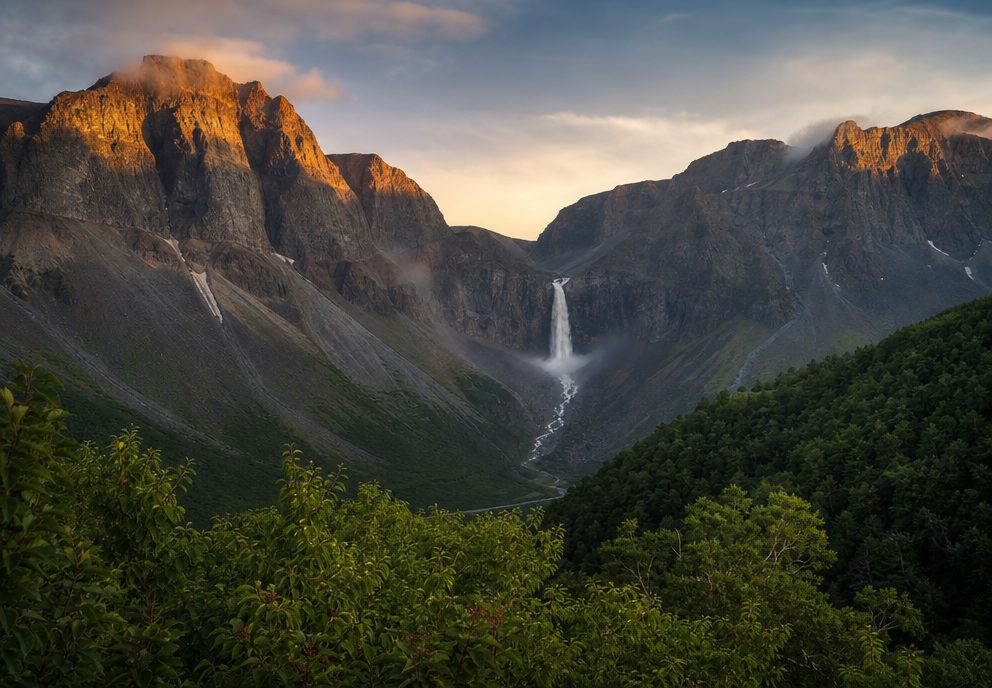
Changbai Mountain northern slope forest approach waterfalls Yanbian Jilin summer greenIllustration

Yanbian Korean Autonomous Prefecture is one of the most culturally distinctive destinations in China, a region where Korean-Chinese (Joseonjok) people have maintained their language, food, music, and customs since the 19th century migrations from the Korean Peninsula, creating a living cultural hybrid that is neither quite Chinese nor quite Korean but something uniquely itself. The prefecture capital Yanji is the most Korean city in China: Korean-language signage on every street, Korean TV dramas playing in every restaurant, Korean music in every market, and a food culture of extraordinary depth and authenticity that has evolved in the context of 150 years of Changbai mountain life.

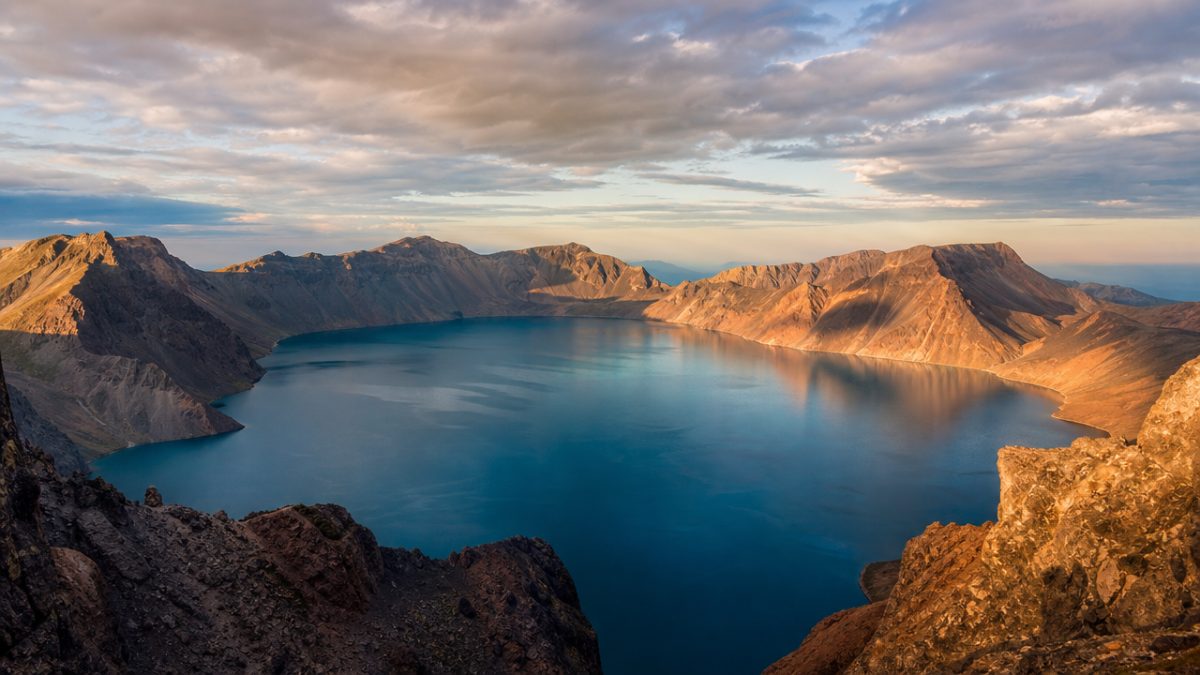
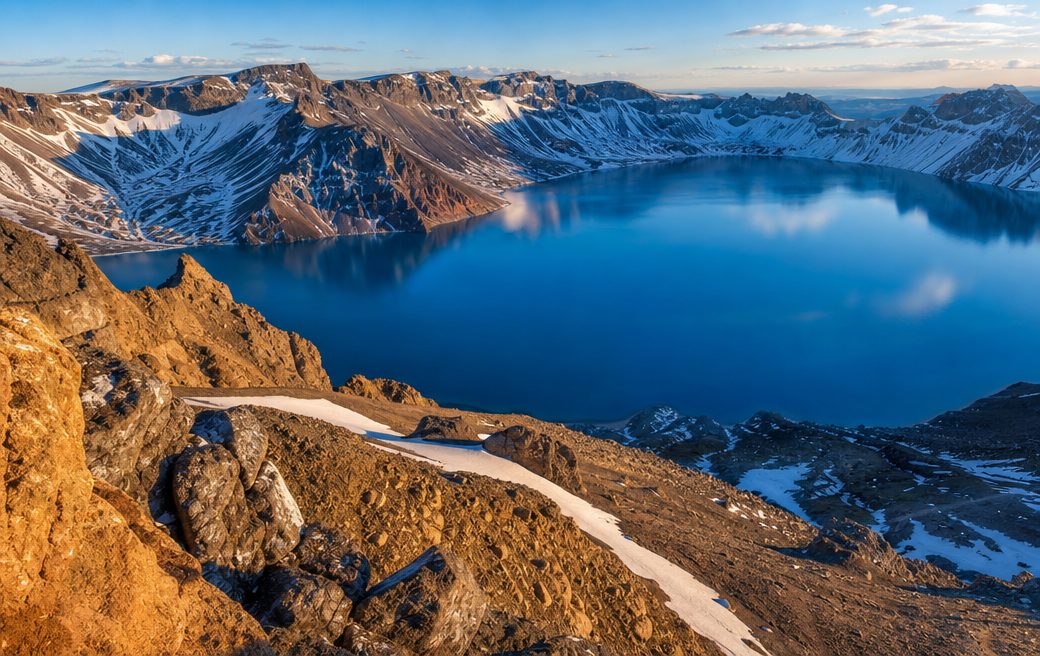
Changbai Mountain, Paektu in Korean, is a volcano on the border, 2,744 metres, and it is the origin mountain in both Korean and Manchu tradition. In the crater sits Heaven Lake: roughly 13 kilometres around, 373 metres deep, which makes it the deepest lake in China, and a blue-green that changes with the light. Snow lies on the rim slopes into summer. Before you plan around it, know this: the summit is in cloud far more often than it is clear, the access closes when the wind is up, and a great many visitors reach the rim and see white. Give it two mornings if you can.
What the Guides Miss

1

A Chinese Village You Could Only Reach Through Soviet Territory

Most descriptions of Fangchuan mention the view, where the territory of three countries touches near Hunchun. Fewer mention that after the 1938 Battle of Lake Khasan, fought on the ridge just north of the village, the Soviet army redrew the local border and reduced China's access to a narrow corridor. That corridor washed out in a 1957 flood, and for the next 26 years Chinese residents reached Fangchuan only by passing through Soviet land, until a new 888-meter causeway reopened direct access on August 8, 1983.

2

The Noodle Dish With a 150-Year Paper Trail

Yanji cold noodles reads like a modern street-food fad, but a recipe for a dish called lengmian appears in the Korean text Dongguk Sesigi, compiled in the mid-19th century, describing buckwheat noodles served with radish kimchi, cabbage kimchi, and pork. Korean migrants carried the dish across the border into Jilin near the end of the 19th century, where it took root as Yanji's own version and eventually became the only Korean-heritage noodle on China's official list of ten representative noodle dishes.

Best Attractions in Yanbian

Sacred Volcanic Lake

The sacred volcanic crater lake at the summit of Changbai Mountain is one of the most magnificent natural sites in East Asia, a perfectly formed caldera lake, 13 kilometers in circumference and 373 meters deep, sitting at 2,189 meters altitude on the China-North Korea border.

Mountain Waterfalls

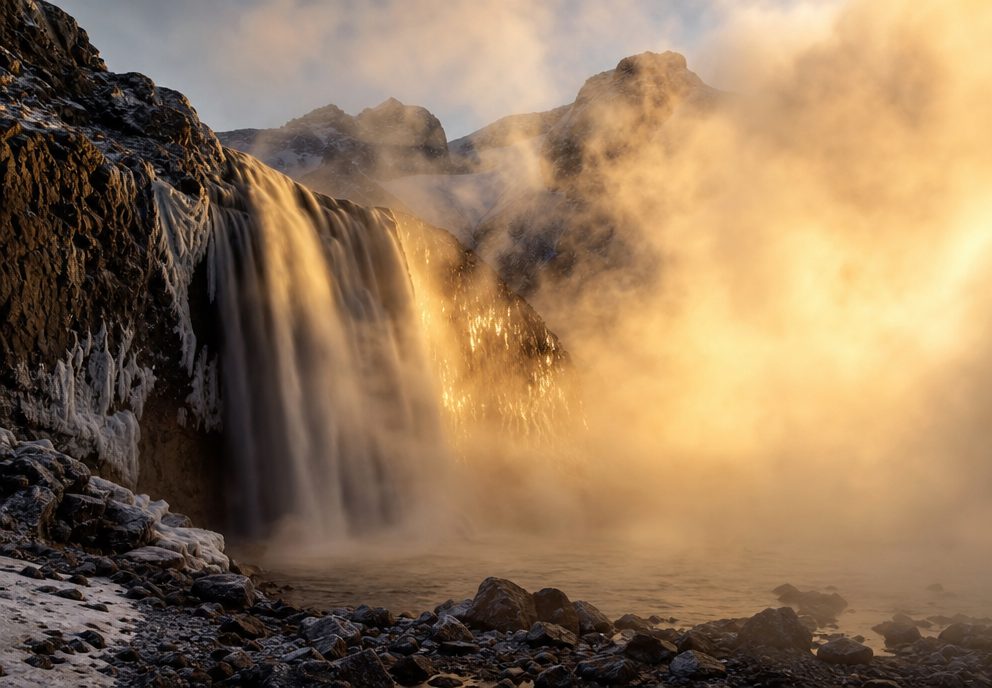
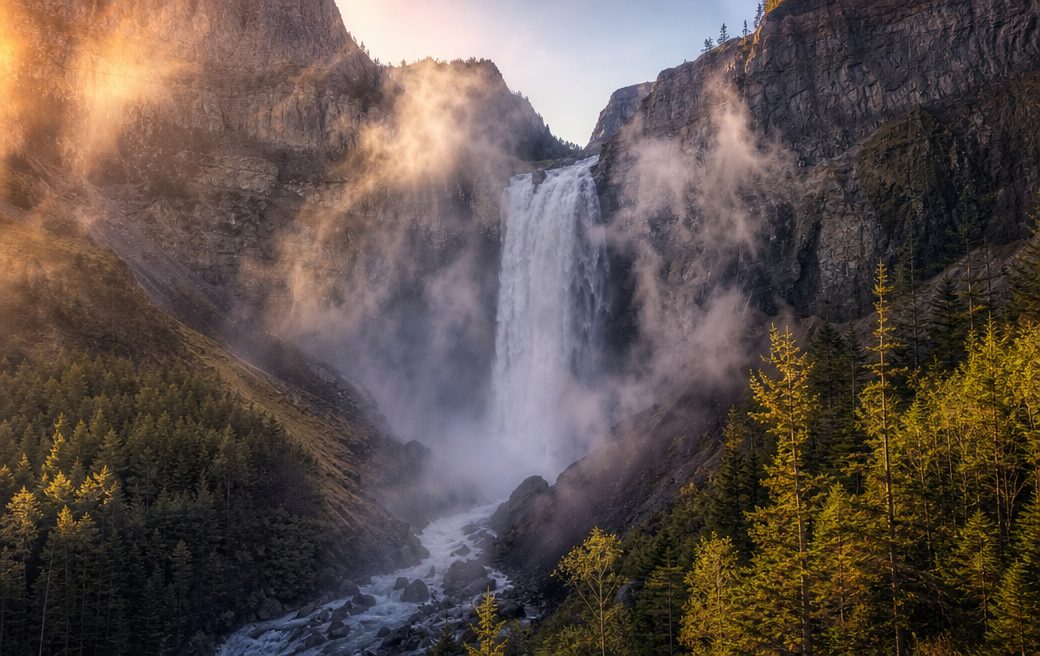
The northern slope approach to Changbai Mountain is the most visited and most scenic, a journey through primary forest of increasing altitude and botanical variety, past the famous Changbai Waterfall (68 meters, fed directly by the outflow from Heaven Lake above), through the underground forest where the tree canopy closes overhead in a cathedral of birch and fir, to the alpine meadows and volcanic rock fields above the treeline.

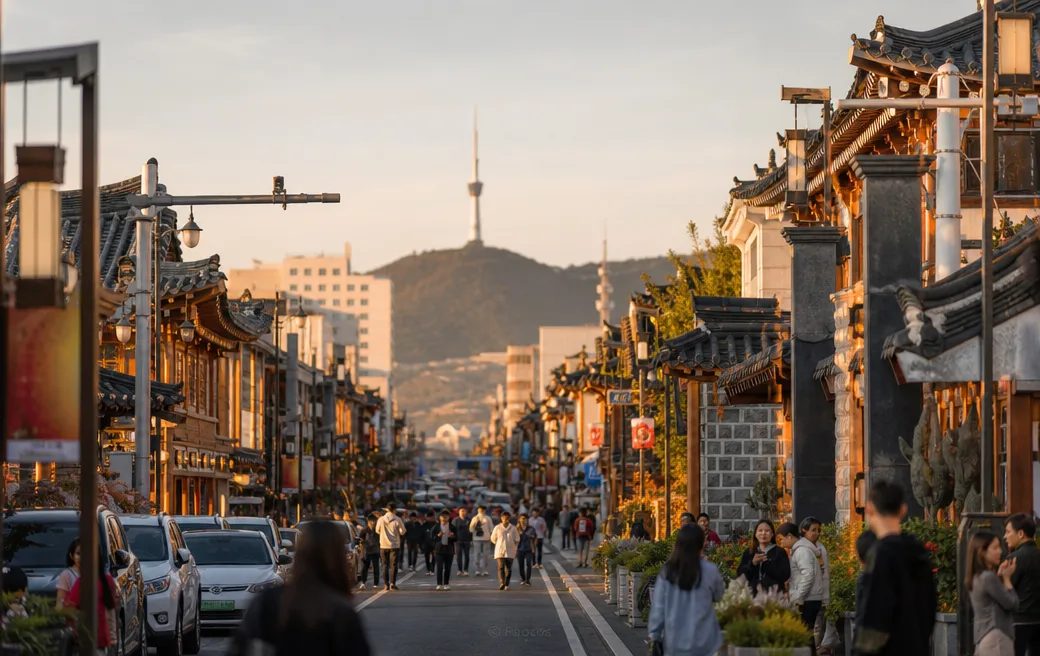
Yanji city Korean culture street signs bilingual Korean Chinese architecture Yanbian prefectureIllustration
Korean Cultural Capital

Yanji City, Korean Cultural Quarter (延吉市朝鲜族文化街)

The capital of Yanbian Korean Autonomous Prefecture, Yanji is the most Korean city in China, bilingual Korean-Chinese street signage, Korean-language television and radio, Korean architectural styles in the residential neighborhoods, and a food street culture of extraordinary depth.

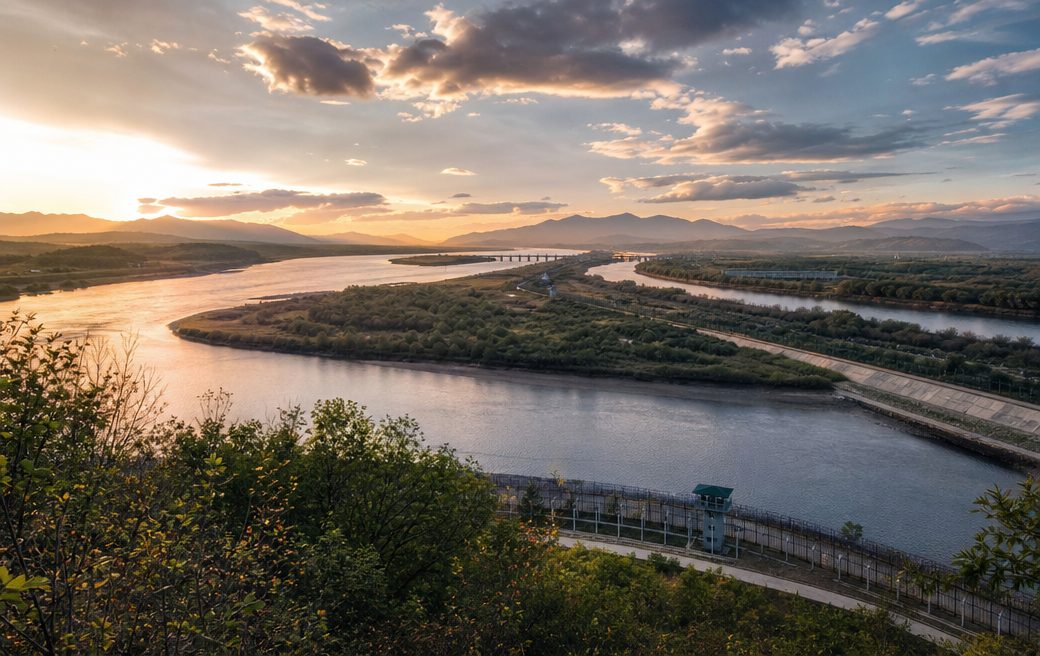
Tumen River China North Korea Russia border triple junction Yanbian Jilin border sceneryIllustration
Triple Border

Tumen River & Triple Border (图们江·三国交界)

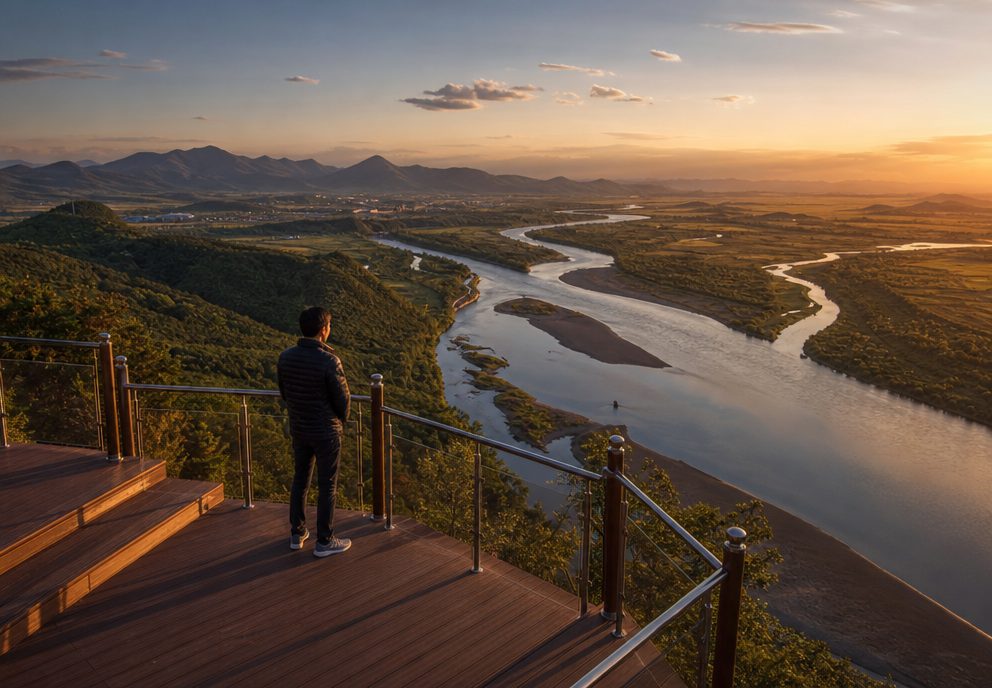
In the northeastern corner of Yanbian, the Tumen River forms the border between China, North Korea, and Russia before entering the Sea of Japan, creating one of the world’s most geopolitically extraordinary triple-junction points, where three countries meet at a single river bend.

Ways to Experience Yanbian

Changbai Mountain's Heaven Lake

Hike to Heaven Lake, the crater lake atop Changbai Mountain shared with North Korea, filling a volcanic caldera.

Changbai Waterfalls

Walk the northern slope trails past Changbai Mountain's waterfalls, fed by meltwater from the crater lake above.

Korean Cultural Quarter

Walk Yanji's Korean cultural quarter, home to China's largest ethnic Korean population.

Yanbian Cold Noodles

Try Yanbian-style cold noodles, a Korean-Chinese dish specific to this border region.

Explore Yanbian on the Map

By Type
By Theme
No theme places in this city yet.
View Full China

Approximate locations of the attractions above, across Yanbian.

Yanbian Food You Should Try

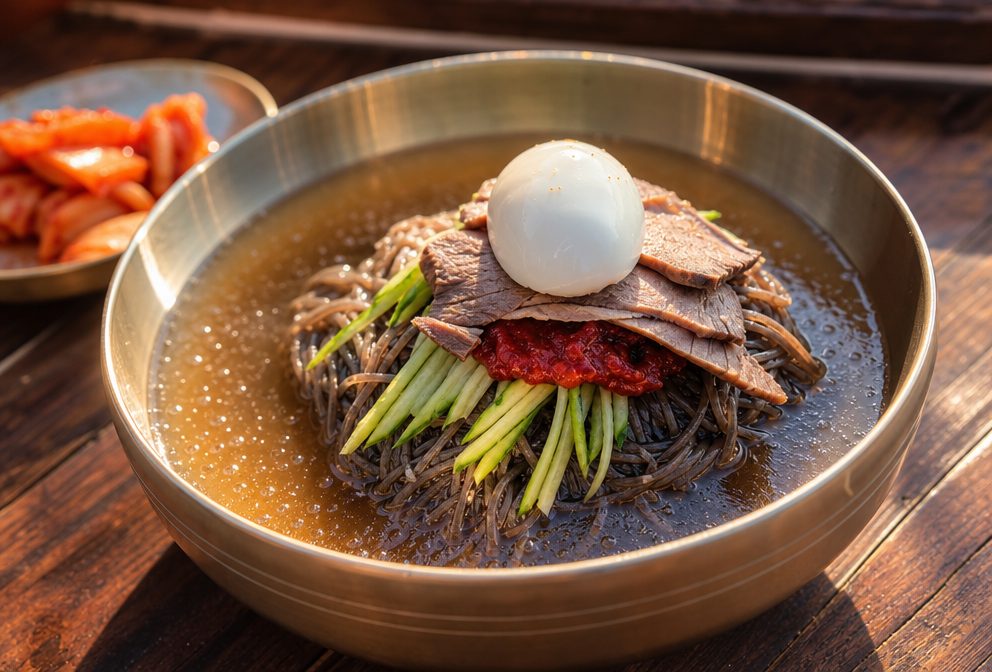
Yanbian Korean cold noodles naengmyeon buckwheat broth beef soup authentic Yanbian JilinIllustration

Yanbian Cold Noodles (延边冷面)

Yanbian naengmyeon is buckwheat and starch noodles in a chilled beef bone broth with a sourness to it, topped with cucumber, gochujang, kimchi, sliced beef and half an egg.

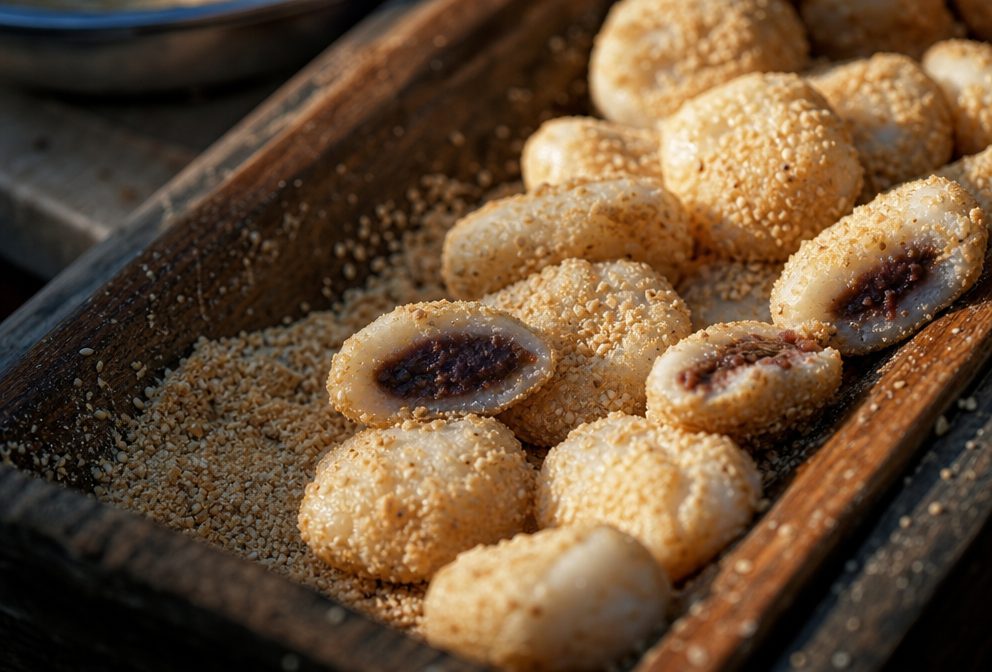
Yanbian Korean rice cake tteok sticky rice pounded traditional Korean-Chinese specialty foodIllustration

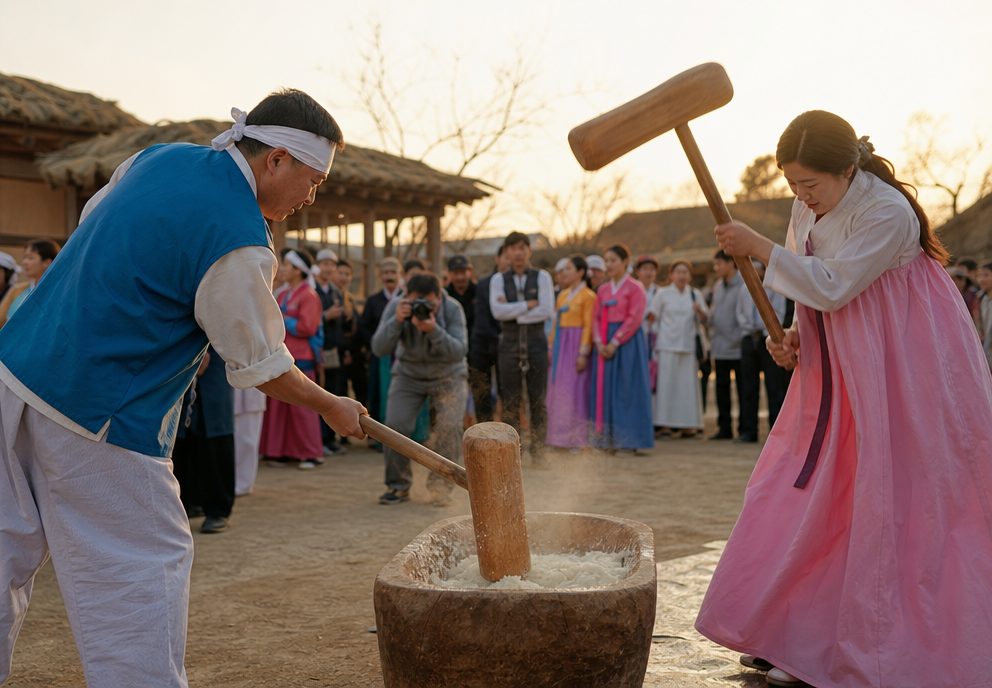
Korean Rice Cakes (打糕 Dágāo)

The most culturally significant food in the Yanbian Korean-Chinese community: glutinous rice (or sticky millet in traditional versions) pounded in a wooden mortar until it becomes a smooth, elastic mass, then shaped and eaten with sesame seeds and sweet bean filling, or cut into pieces and eaten plain.

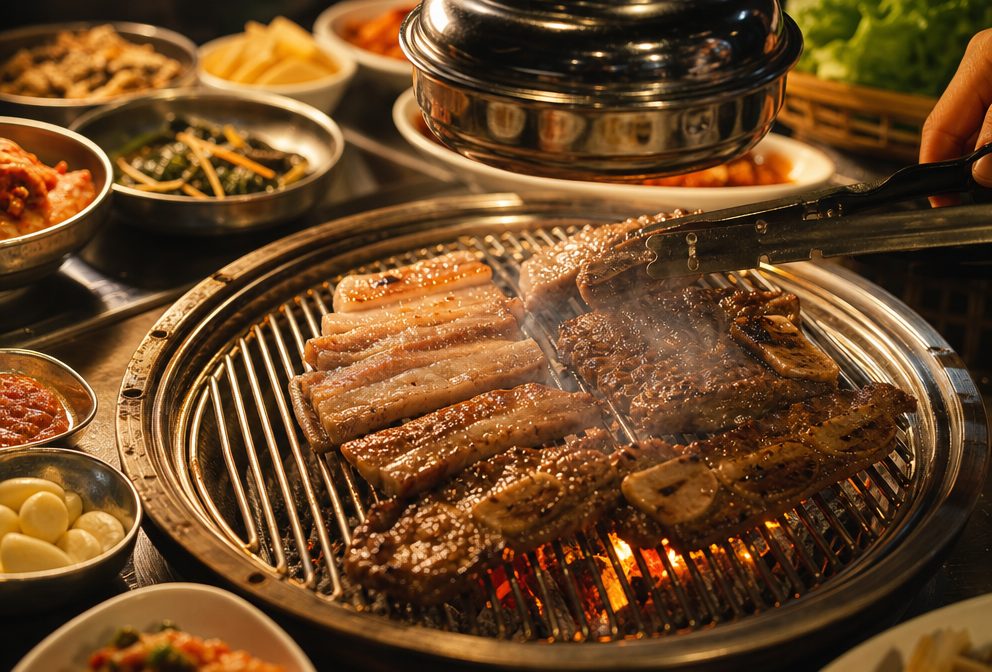
Yanbian Korean barbecue KBBQ beef pork grilled table charcoal Yanji restaurant authenticIllustration

Yanbian Korean Barbecue (延边烤肉)

Korean barbecue in Yanbian is different from the sanitized versions available elsewhere in China, closer to the authentic Korean peninsula style, with marinated beef short ribs (galbi) and pork belly (samgyeopsal) grilled over real charcoal rather than gas, eaten with an array of banchan (small side dishes) that is itself a cultural education: kimchi of seven varieties, fermented vegetables, cold spinach with sesame, cucumber in vinegar, and pickled bean sprouts arranged around the grill in the traditional Korean style.

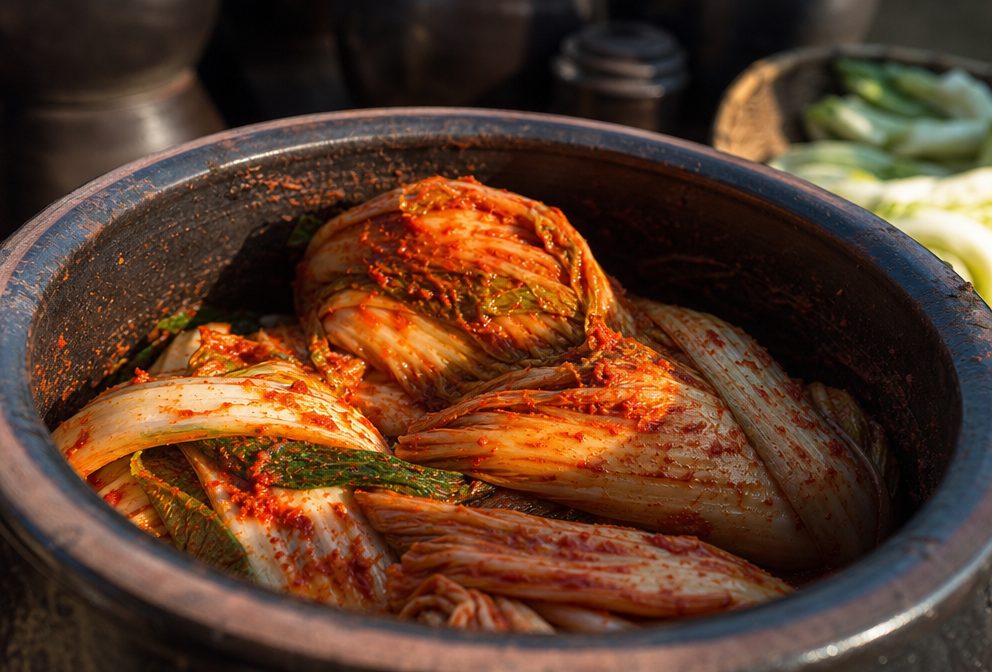
Yanbian Korean kimchi authentic homemade Yanbian fermented cabbage Chinese Korean traditionIllustration

Yanbian Kimchi (延边泡菜)

The kimchi of Yanbian is a world of its own, produced by Korean-Chinese families using recipes that combine Korean fermentation traditions with the flavors of the Changbai mountain environment: local chili varieties, mountain garlic, ginger, and salted shrimp from the Korean side of the Yellow Sea.

Cultural Experiences in Yanbian

Changbai Mountain Heaven Lake clear day blue green water volcanic crater Yanbian summitIllustration

Heaven Lake Summit Sunrise

Get to the rim early.

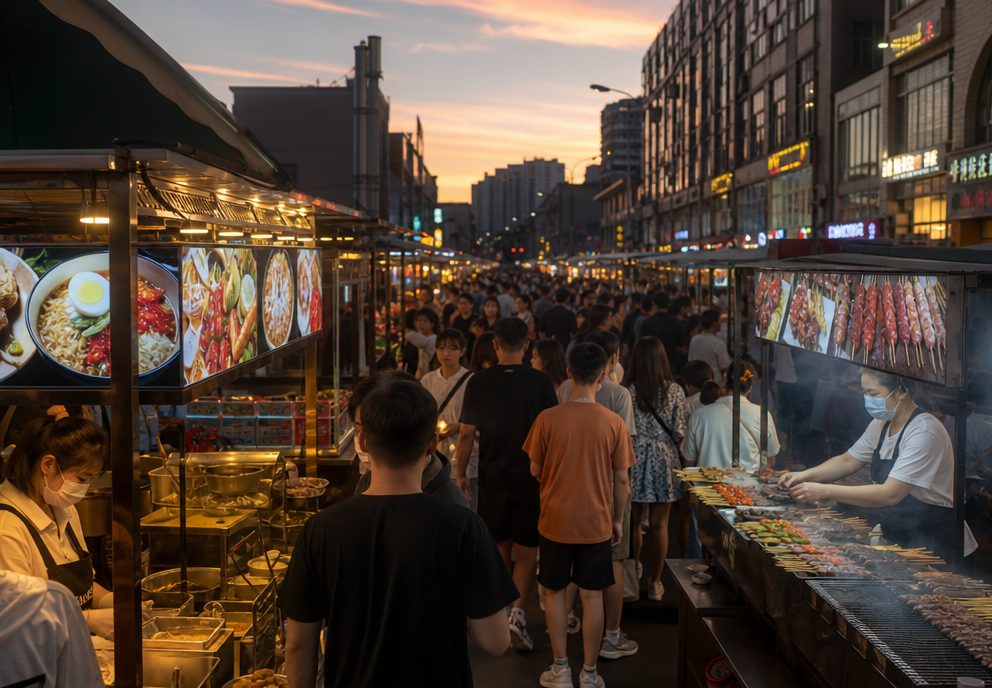
Yanji Korean food street market evening Yanbian Korean Chinese culture night food stallsIllustration

Yanji Korean Night Market

Walk Yanji’s evening food streets where Korean and Chinese meet on every counter, cold noodles, rice cake, barbecue, and a dozen fermented condiments in China’s most authentically Korean urban food culture.

Changbai Mountain waterfall Yanbian steam winter frozen cascade northern slope forestIllustration

Changbai Waterfall in Steam

The Changbai Waterfall drops 68 metres off the outflow from the crater lake, and it is the visible half of the mountain's plumbing.

Tumen River triple border China North Korea Russia Fangchuan viewpoint Yanbian observationIllustration

Triple Border Viewpoint

Stand at Fangchuan where China, North Korea, and Russia meet in a single river bend, three countries visible simultaneously across a river 50 meters wide, one of the world’s most extraordinary border vistas.

Yanbian Korean rice cake pounding ceremony daGao festival traditional Korean-Chinese communityIllustration

Korean Rice Cake Ceremony

Watch or participate in the dágāo pounding ceremony, two people rhythmically beating glutinous rice in a wooden mortar in a tradition that connects the Yanbian community to its Korean cultural roots.

Best Time to Visit Yanbian

Season Highlights Weather
Spring
(May–Jun)
Changbai Mountain access reopens (typically mid-May); azalea blooms on the lower slopes; Tumen River valley in fresh spring green; Yanji city most comfortable; kimchi fermentation season begins; fewest visitors at the mountain 8–20 °C (46–68 °F) in the valley; 0–10 °C near the summit. Snow possible on Changbai through May. Light to medium layers for the mountain. Spring brings the finest mountain air and smallest crowds at Heaven Lake.
Summer
(Jul–Aug)
Best season for Heaven Lake, highest clear-day probability; Changbai forest at maximum green; northern slope waterfall at full flow; Yanji Korean barbecue culture most lively; long days for combining city and mountain; alpine wildflowers on Changbai 18–26 °C (64–79 °F) in Yanji; 8–18 °C near Heaven Lake. The summit is dramatically cooler than the valley, bring warm layers even in August. Heaven Lake cloud cover is most frequent in July; August offers better viewing odds.
Autumn
(Sep–Oct)
Finest season overall; Changbai Mountain autumn foliage turning the slopes gold and red (September–October); Heaven Lake most dramatic against autumn color; cold noodles most appropriate in cool air; Yanji city most atmospheric; Tumen valley in autumn gold 4–20 °C (39–68 °F) in Yanji; near freezing on summit. Crisp and clear, the finest photography conditions of the year. Mountain access typically closes in mid-October. Book accommodation ahead, domestic autumn tourism peaks here.
Winter
(Dec–Feb)
Changbai Mountain closed to summit; Changbai Waterfall partially frozen, extraordinary ice formations; Yanji Korean cultural life most intimate without tourists; kimchi culture most active; Korean hot pot most appreciated; cross-country skiing on lower slopes -20–-5 °C (-4–23 °F). Harsh mountain winter. Heavy gear essential. The Changbai northern slope ski resort offers good terrain for cross-country skiing; the waterfall under ice is rarely photographed and extraordinary.

Recommended Routes Near Yanbian

1 day

Yanbian to Tonghua

Head southwest to Changbai Mountain's southern slope and the Goguryeo ruins at Ji'an.

View Itinerary →
1 day

Yanbian to Changchun

Head west to Changchun's film and Manchukuo-era history.

View Itinerary →

Why Choose PreeChina

Local Expert Guides

Our Yanbian specialists know the Changbai summit viewpoints with the best Heaven Lake angles, the Yanji restaurant where the cold noodle broth is made fresh every morning, and the Korean-Chinese family who will share their dágāo pounding at festival time.

Flexible Itineraries

Yanbian works as a 3-day standalone from Yanji Airport or as part of a Jilin circuit combining Yanbian, Tonghua’s Goguryeo sites, and Changchun, covering the full range of southeastern Jilin’s cultural and natural heritage.

24/7 English Support

From first inquiry to final farewell, our English-speaking team is always available, essential on Changbai Mountain where weather conditions change rapidly and logistics require advance planning and local knowledge.

Private Transportation

Comfortable vehicles for Yanji city exploration, the 200km drive to Changbai Mountain’s northern slope, and the Fangchuan triple border viewpoint, all essential for making the most of Yanbian’s widely spread attractions.

Authentic Experiences

We arrange pre-dawn Changbai summit visits for maximum Heaven Lake clarity, Yanji evening food street tours with a Korean-Chinese food guide, Tumen River border viewpoint excursions, and Korean family cultural immersion experiences.

Yanbian is in Jilin, in Northeast China.

Keep Exploring Yanbian

Plan Your Group Trip to Yanbian

Travelling to China with 10 or more people? Talk to PreeChina first. A transparent service fee of USD 100 per person for trips of up to 10 days (USD 150 for 11 to 20 days), and no markup on travel components. See how the fee works.

Tell us your group size, travel dates, and preferences, and our local Yanbian experts will design a group China journey, for your group.

Plan a Group Trip to YanbianSee Group Tour Options

Share This Guide