 Illustration
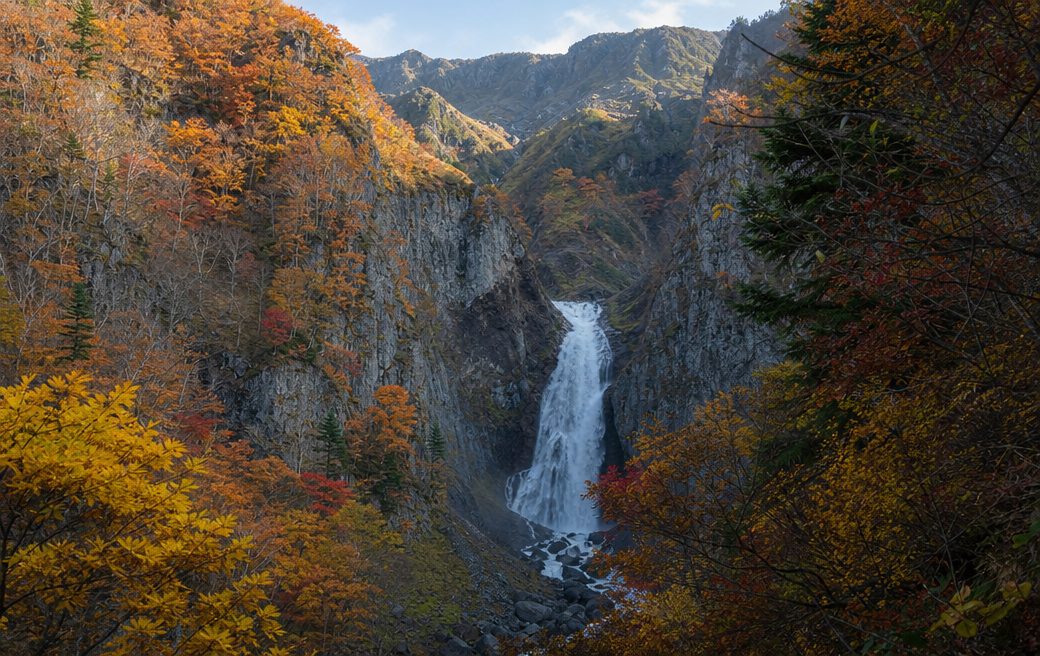
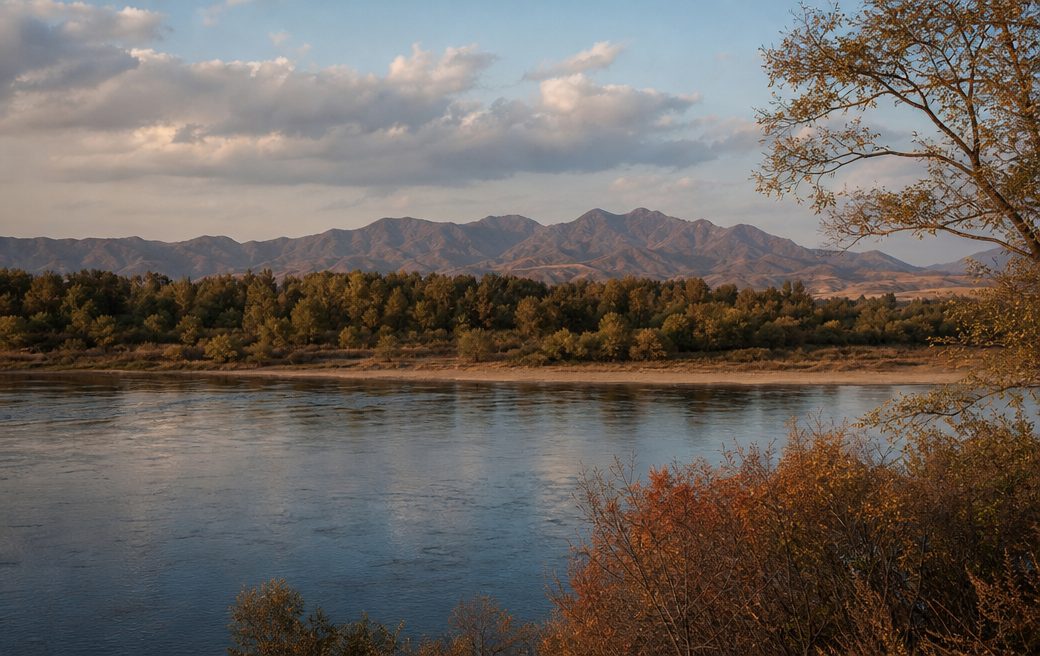
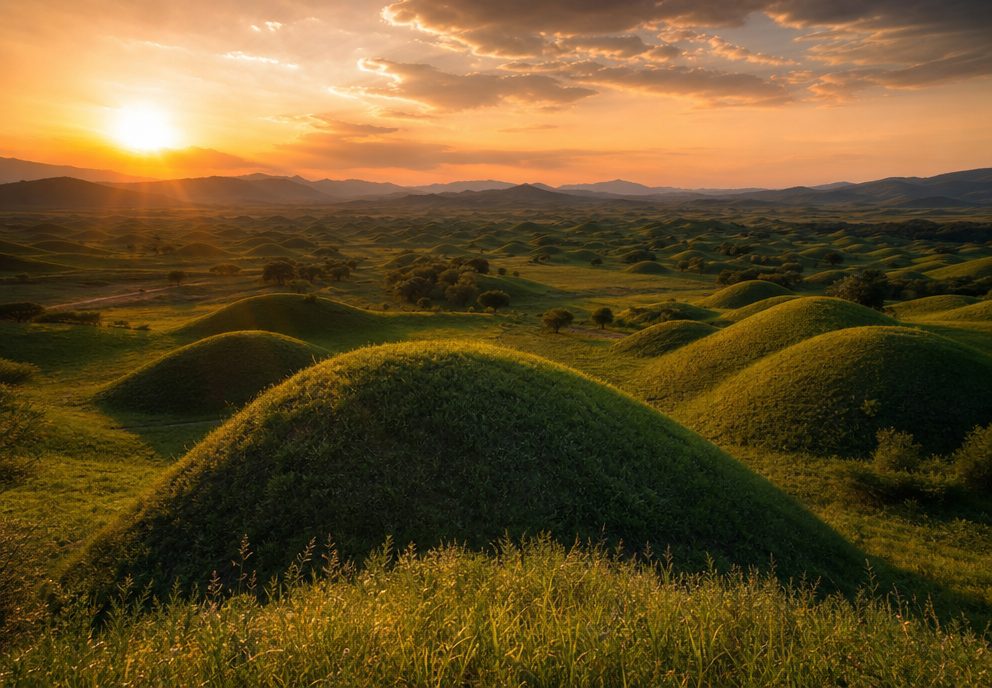
Tonghua is a city of unusual historical depth, sitting at the intersection of Chinese, Korean, and Manchu cultural histories in a landscape of dramatic mountain forest at the southern margin of the Changbai range. Its most significant heritage site is Ji’an County, where the ancient capital of the Goguryeo Kingdom, a state that controlled much of northeastern China and the Korean Peninsula from the 1st century BC to the 7th century AD, left behind a UNESCO World Heritage Site of extraordinary extent: royal tombs, stone steles, palace foundations, and thousands of funerary mounds scattered across the valleys of the Yalu River border region.
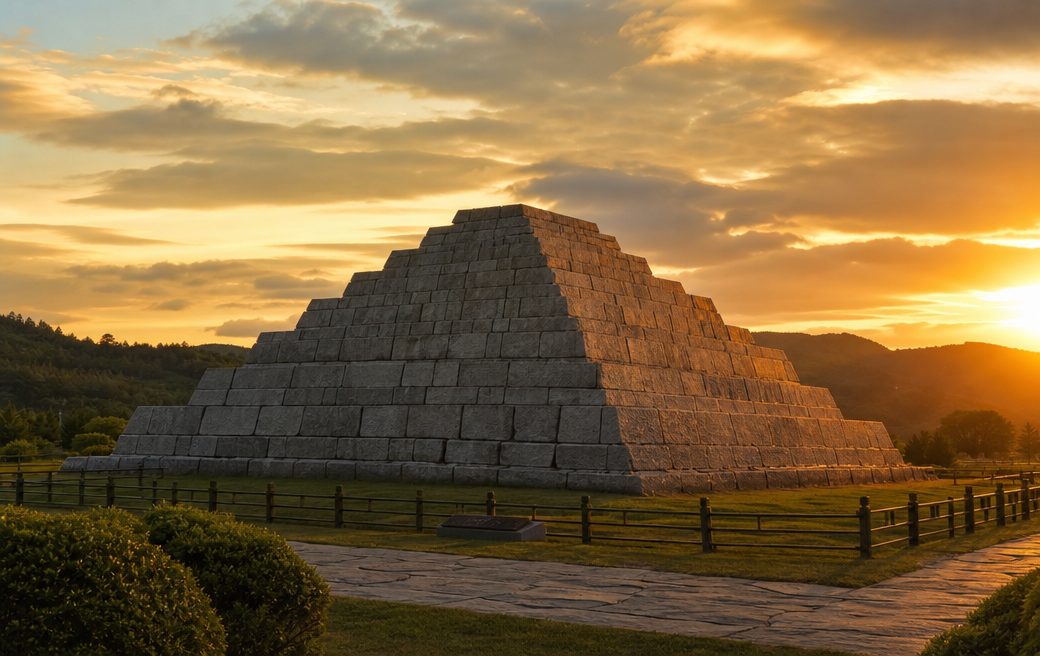
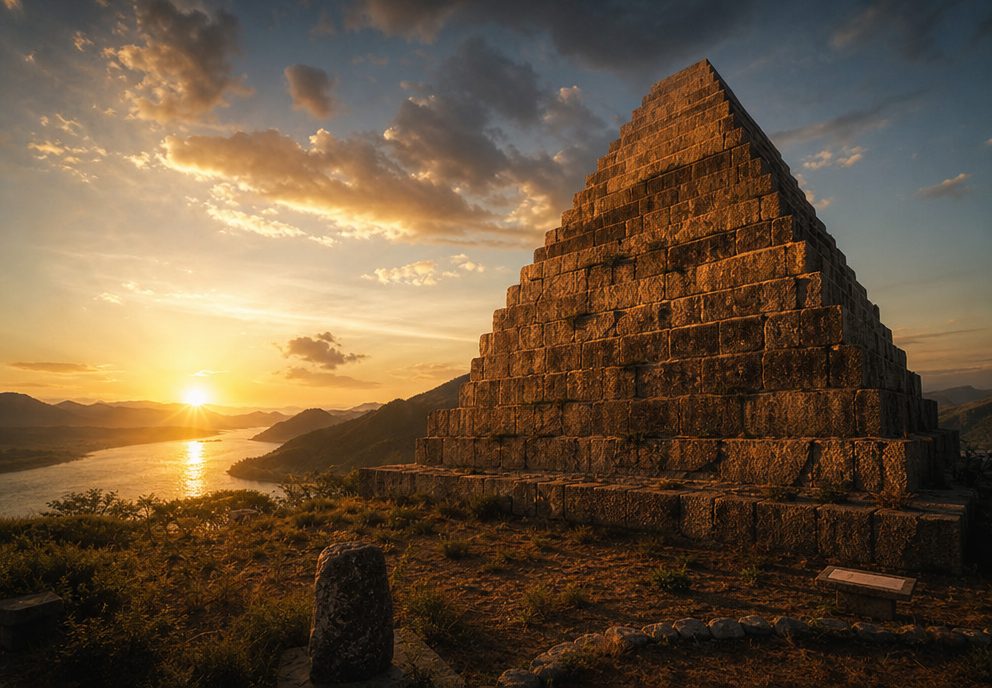
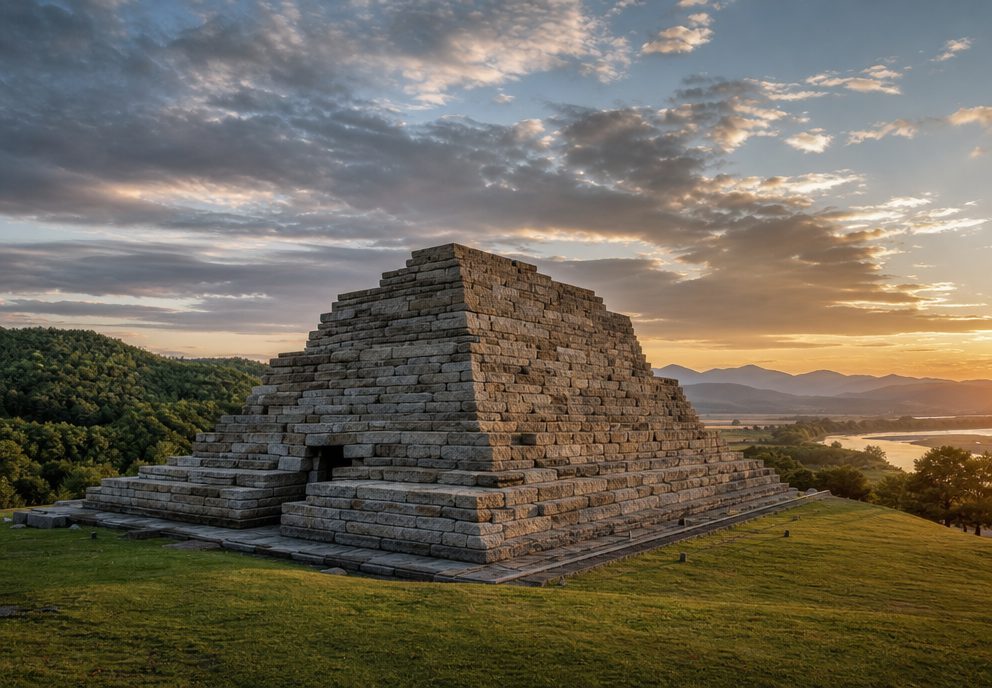
Goguryeo is a kingdom of enormous significance in both Chinese and Korean cultural consciousness, Korea traces its cultural origins through Goguryeo, while China claims it as an indigenous northeastern civilization, and the Ji’an sites present this complex history through physical remains of genuine grandeur: the General’s Tomb (Janggun-chong), a stepped stone pyramid that rivals the Egyptian pyramids in its austere geometric perfection; the Haotaiwang Stele, a 6.39-meter stone pillar inscribed with the history of King Gwanggaeto the Great; and hundreds of royal tumuli covering the surrounding hillsides.