
Baishan is in Jilin, in Northeast China.
Home › Destinations › Jilin › Baishan
Jilin · City Guide
Baishan, the Quiet Side of Changbai Mountain.
Overview
Why Go
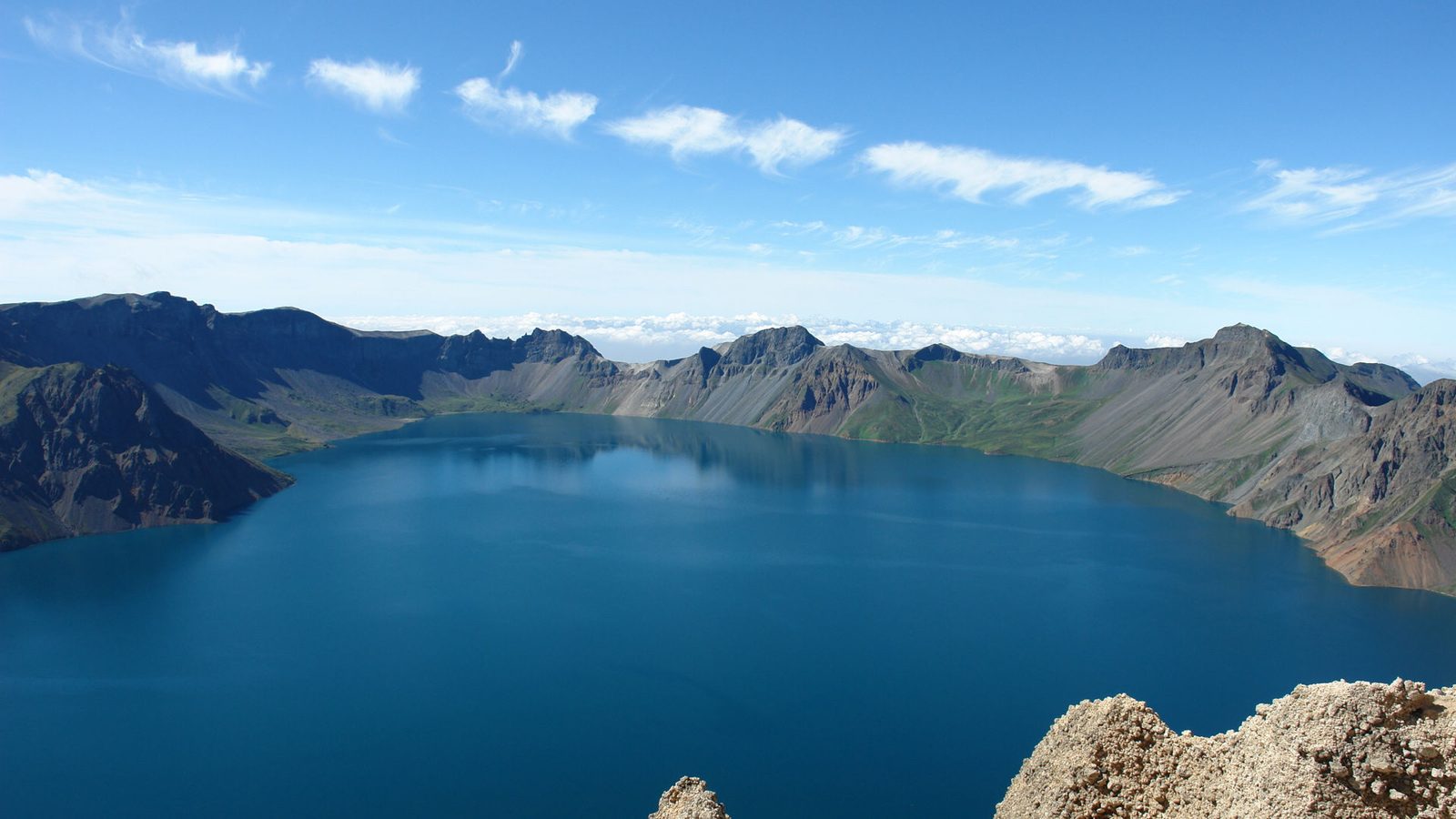
Changbai Mountain erupted around 946 in one of the bigger volcanic events of the last two thousand years, throwing ash as far as Japan. The caldera it left is now the crater lake, and the whole prefecture sits on what came out.
Many visitors go up the north slope in Yanbian. The west and south slopes are in Baishan, reached by different roads, and they are where the alpine meadow, the ash canyons and the thinner crowds are.
Fusong grows and trades more ginseng than anywhere else in the country, and the market at Wanliang is where the fresh autumn roots are graded and sold. Forest-grown and field-grown are different products at very different prices.
The brick pagoda at Changbai dates from the Bohai kingdom, which ruled this region between the seventh and tenth centuries. Standing Bohai-period buildings are rare enough that this one is worth the detour.
The Yalu is the border here, and at Changbai the far bank is a North Korean town a few hundred metres away. Do not photograph border installations or personnel, do not throw anything across and do not approach the water where it is fenced.
See
The west slope reaches the rim by a long stone stairway rather than a jeep road, with alpine meadow below it flowering in July and August. The lake is often in cloud. A full day, and take a windproof layer.
A canyon cut into volcanic ash on the west slope, with the ash weathered into pale pillars and spires and forest growing along the rim. Boardwalk along the top. Two hours, and it pairs with the west slope.
A valley of basalt columns, waterfalls and clear streams south of the mountain, with a walkway following the water up. Cooler and wetter than the summit routes. Half a day.
The county town sits on the Yalu with the Bohai-period pagoda on the hill above it and a riverside promenade. It is a Korean autonomous county, so the food and signage reflect that. Half a day.
The autumn trading season runs roughly September to November and the market fills with fresh roots laid out by grade. Anyone can walk in. Buying well needs knowledge visitors will not acquire that morning.
Korean pine forest north of the mountain with walking routes, a lake and old forestry settlements. It is the least developed part of the prefecture and good in autumn colour. Half a day.
On the Map
Approximate locations of the attractions above, across Baishan.
Eat
Simmered whole into chicken soup, sliced thin and steeped in honey, or sold dried by grade. Forest-grown roots are thin, gnarled and expensive; cultivated ones are fat, smooth and cheap. Both are sold as ginseng.
Cold-water fish from the border river, stewed whole in an iron pot with pickled cabbage, tofu and cornmeal cakes round the rim. Restaurants along the riverside road price by the fish.
Wild blueberries picked in the volcanic soil of the understorey in July and August, smaller and sharper than cultivated fruit, and turned into juice and wine for the rest of the year.
Buckwheat noodles in chilled beef broth with pear, cucumber and egg, from the Korean community in Changbai County. Eaten in deep winter as readily as in summer, which surprises visitors.
Do
The west slope is over a thousand steps to the rim, which is why it is quieter than the north. Go early: the lake clouds over by late morning on many summer days and the wind on the rim is serious.
The pillars are compacted ash from the eruption, cut by water since. Reading the canyon wall as a single event's debris is the point, and the boardwalk gives visitors the section in profile.
Grading is done on shape, the length of the root hairs and the neck rings, and prices move by multiples on those details. Watch rather than buy unless visitors brought someone who knows what they are looking at.
The opposite bank is another country and it is close. Stay on the promenade, keep the camera off anything uniformed or fortified on either side, and take the posted signs literally.
When
The sole reliable window for the summit: meadow flowering in July, clear air in September, ginseng market from September. Book the west slope ahead.
Sharp autumn colour through the pine and birch, cold nights and the opening snow on the rim. Short and very good.
Deep cold and heavy snow, with skiing at the resorts and the crater lake frozen. Summit access is limited and the roads need care.
A slow thaw with the mountain closed or difficult into May, greening properly just in June. The forests come good before the summit does.
Explore More
Baishan is in Jilin, in Northeast China.
Related
Share the travel dates and interests, and PreeChina's local team will design a route that fits.
Plan My Trip to BaishanSee Private Tour Prices