 Illustration
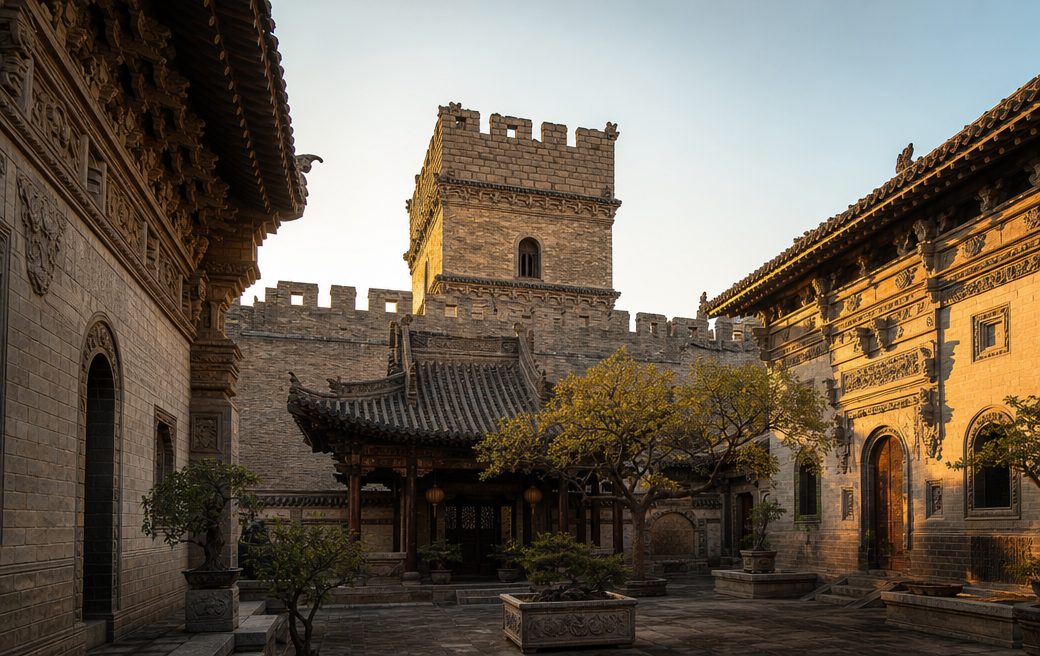
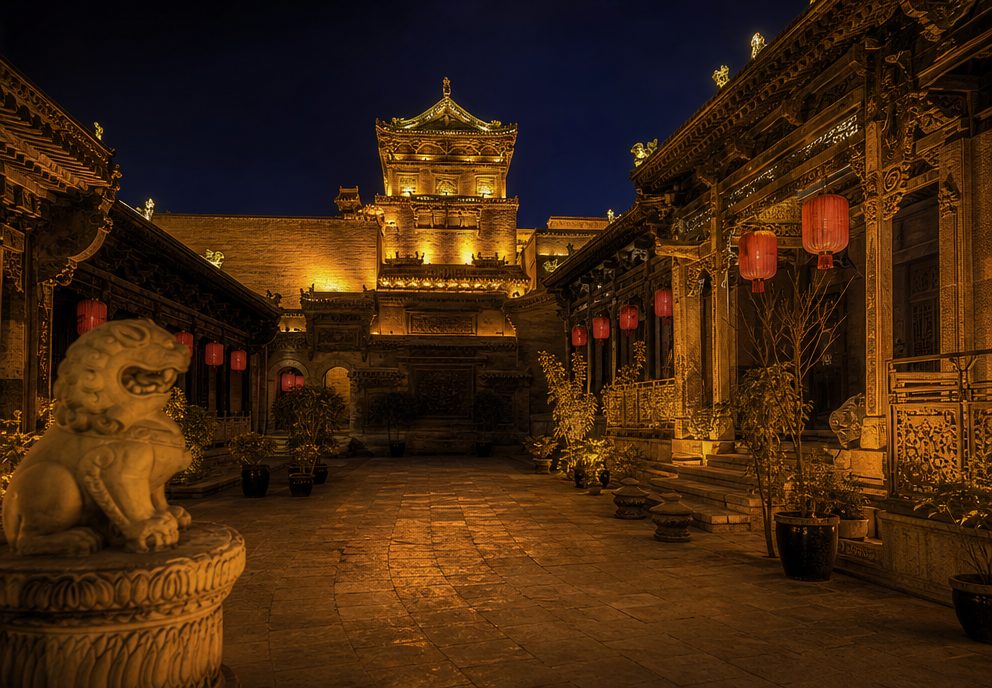
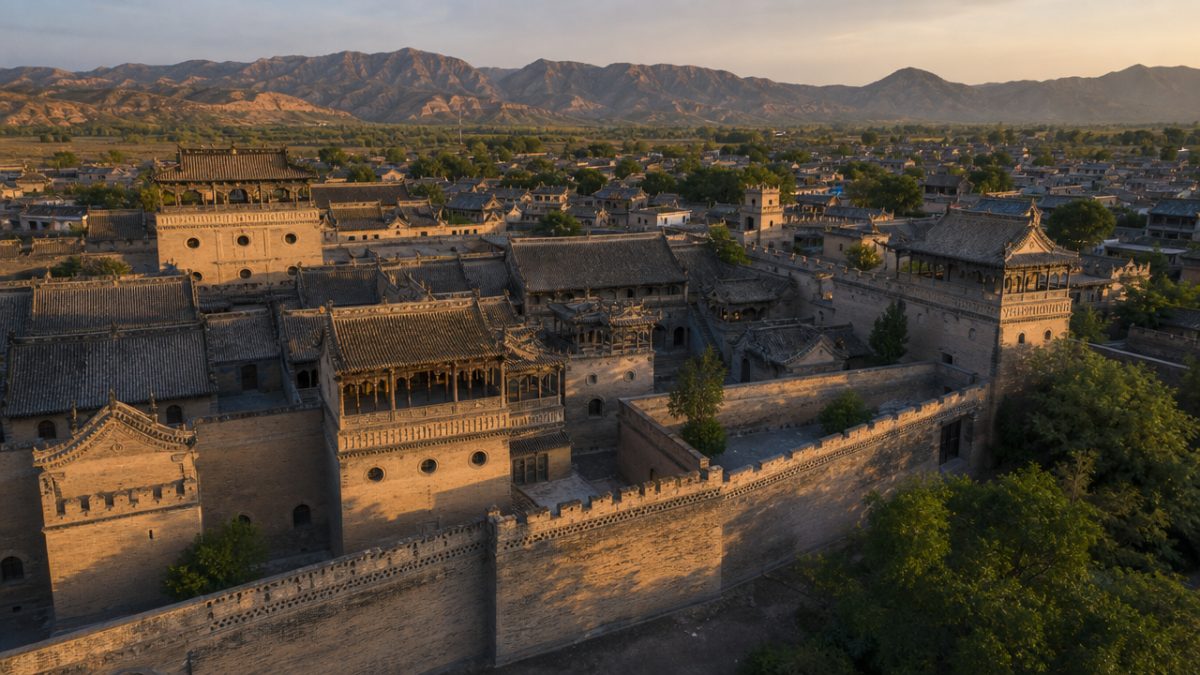
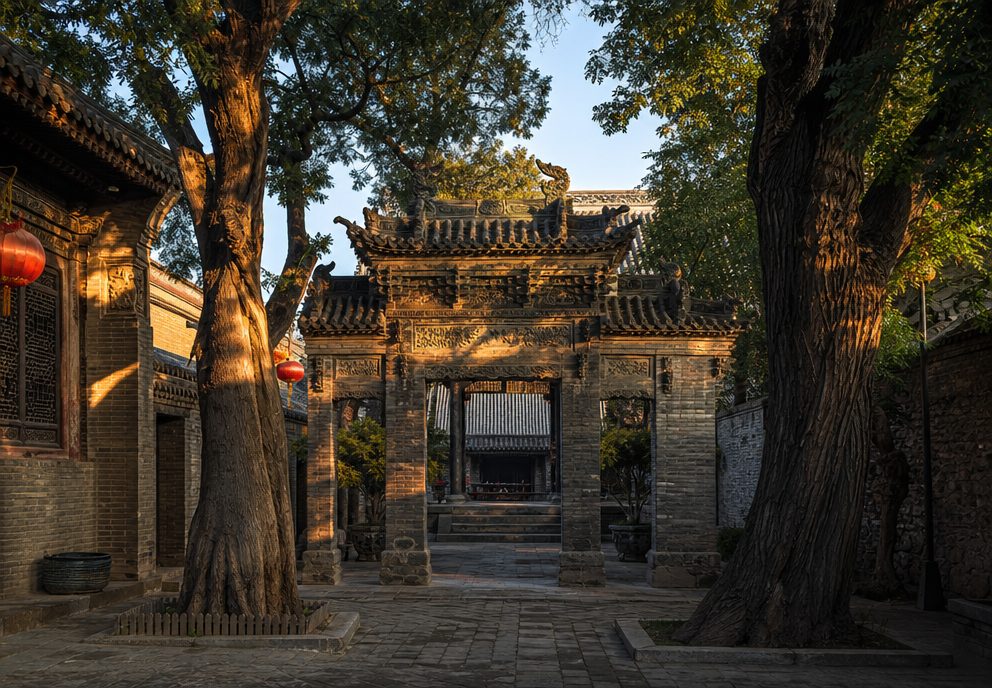
Jincheng sits at the southern tip of the Shanxi plateau where the Taihang Mountains descend to meet the Central Plains of Henan, a strategic position that shaped its history as both a military gateway and a commercial hub. The region’s most celebrated attraction is Huangcheng Chancellor’s Mansion (Huangcheng Xiangfu), a fortified compound built between 1638 and 1703 by the family of Chen Tingzhang, a Grand Chancellor and confidant of Emperor Kangxi. Covering 36,580 square meters across two linked compounds, it is the largest and most architecturally ambitious private residence of the Qing Dynasty, grander, many argue, than the Qiao Family Compound and far less visited by international travelers.
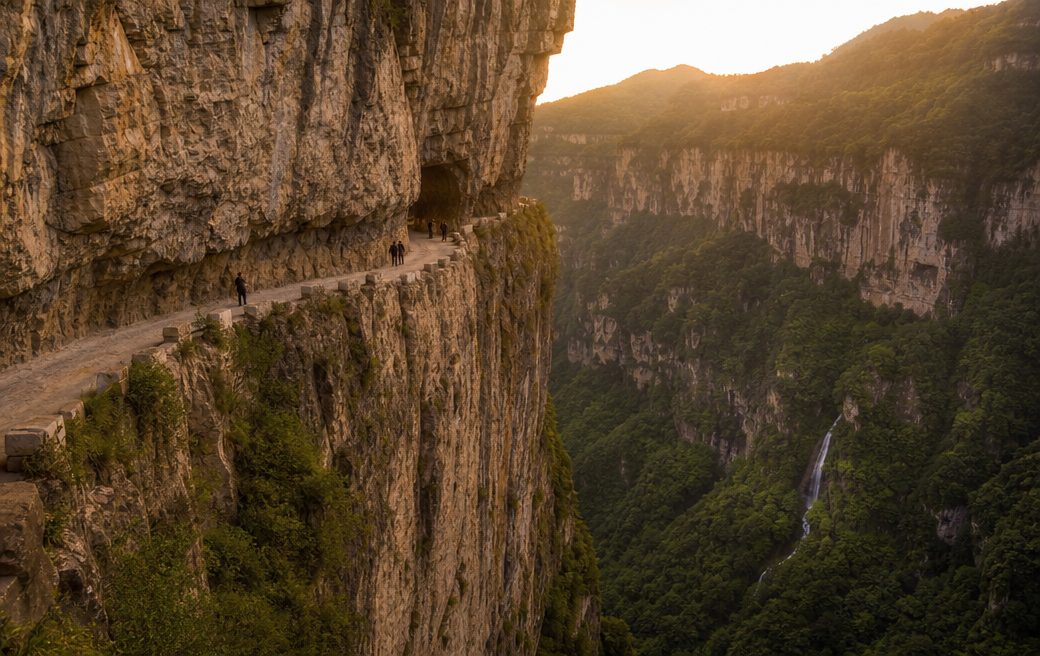
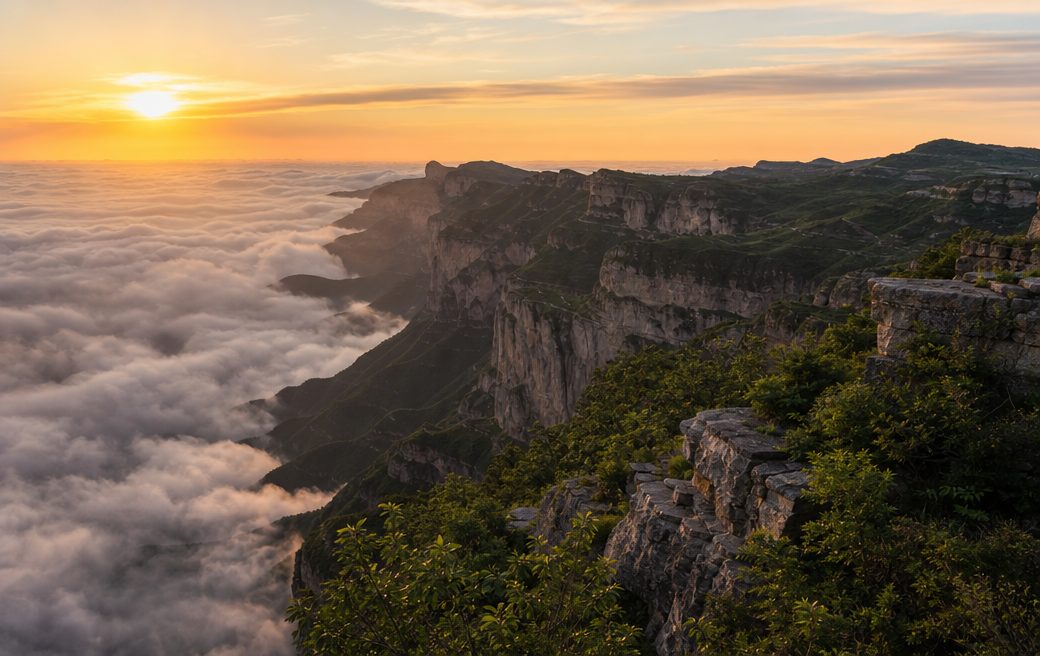
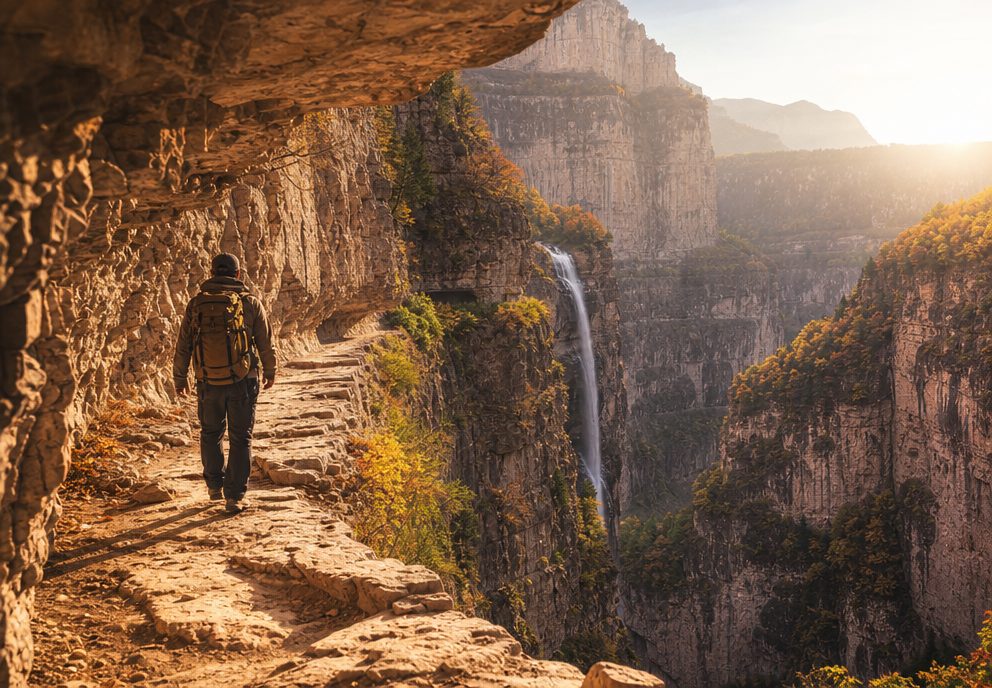
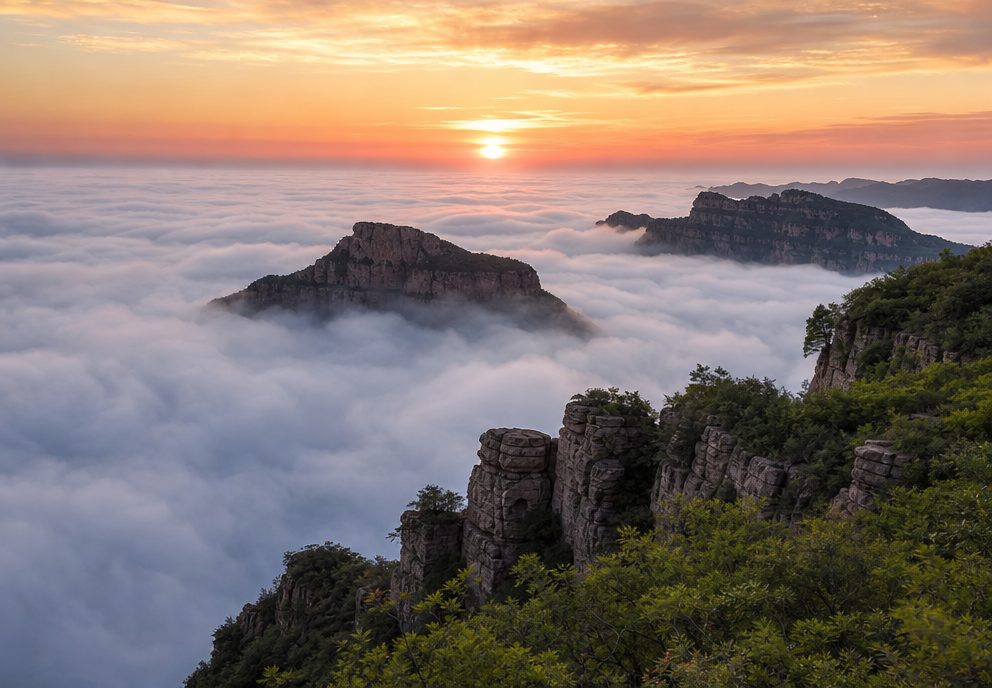
The natural landscape surrounding Jincheng adds considerable depth to any visit. The Taihang Mountain canyon scenery at Xiyahe and Wangmangling offers dramatic gorge hiking, waterfall trails, and geological features that rival the more famous canyon sections further north. And beneath Jincheng’s mountains lies a geological curiosity that shaped world history: the region contains some of the oldest and most extensive coal deposits in China, mined commercially since at least the Song Dynasty and described by Marco Polo as “black stones that burn”, one of the earliest Western accounts of coal as a fuel.