
Lüliang is in Shanxi, in North China.
Home › Destinations › Shanxi › Lüliang
Shanxi · City Guide
Lüliang, Cave Villages Above the Yellow River.
Overview
Why Go
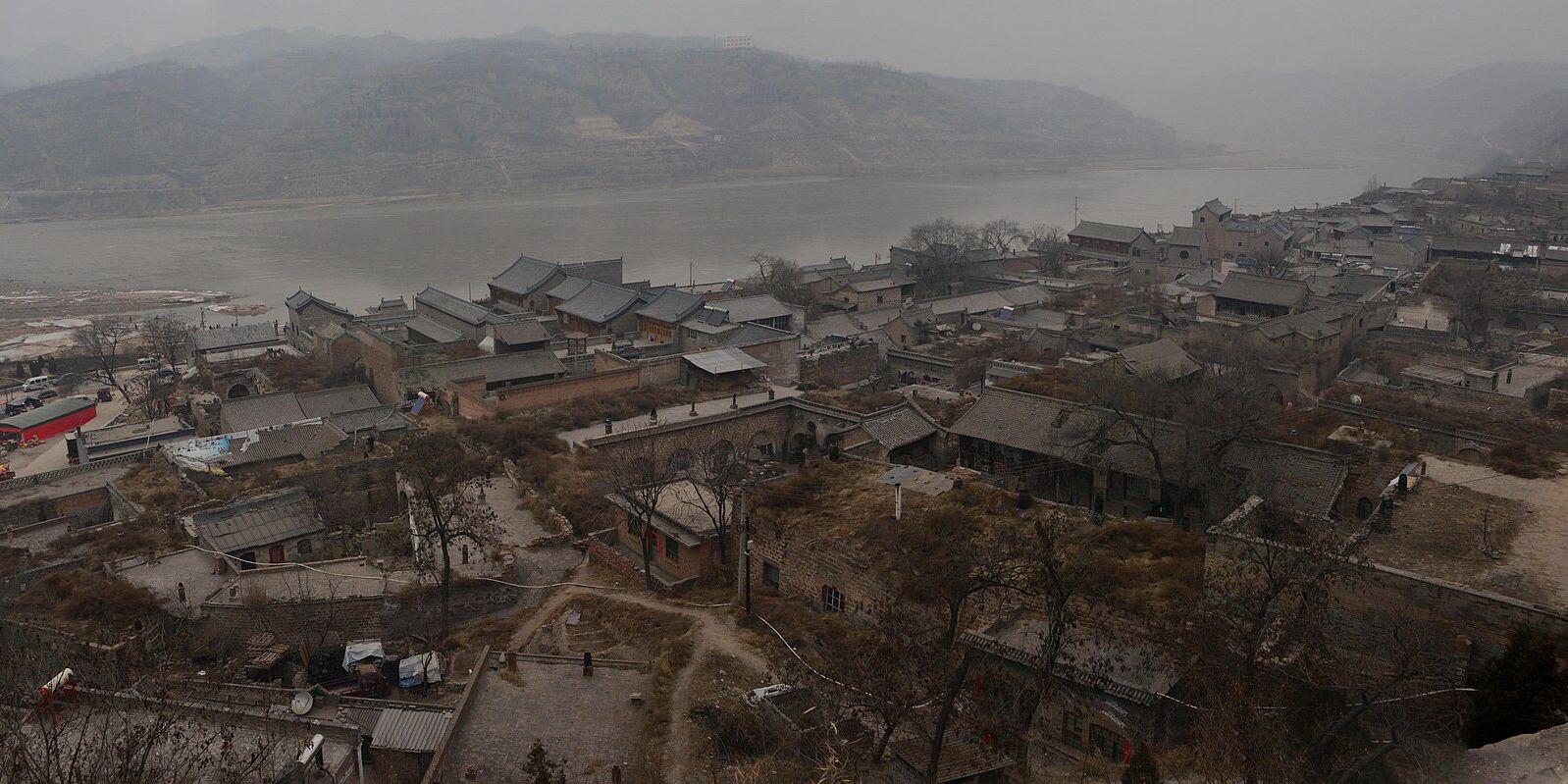
At Lijiashan the yaodong are cut and built in eight layers up a slope that runs at about seventy degrees, so one family's yard is the next family's roof. The painter Wu Guanzhong called it one of his great discoveries.
Qikou was where cargo coming down the Yellow River had to be unloaded onto camels because the rapids below were unnavigable. The stone streets and merchant yards were built on that, and then the trade ended.
Xuanzhong Temple at Jiaocheng is regarded by the Japanese Pure Land schools as their patriarchal seat, and Japanese delegations have come here for decades. A county temple in Shanxi is the origin point of two sects in another country.
A Tang poem about the Qingming festival ends with a herdboy pointing to Xinghua Village for wine. The village is in Fenyang and still distils, and the light-aroma style it makes is one of the main Chinese baijiu categories.
Wu Zetian, the sole woman to rule China in her own name, came from Wenshui County, and a temple to her stands there with a Tang stele. It is one of very few places in China dedicated to her.
See
Stone streets and merchant courtyards stepped up from the river, with residents still in them and photographers as the main visitors. Guesthouses in old yards. Two nights here make a good base.
Cave houses in layers up a steep slope, two big merchant compounds among them and families still living and farming. Forty minutes from Qikou on a rough road. Stay the night if visitors can.
A single-surname village built by one merchant family as forty interconnected courtyards, with three streets and five lanes named for the five elements. Visitors can walk it without going outside. Ninety minutes.
A temple in a rocky valley outside Jiaocheng with halls rising up the slope, stone inscriptions and a steady flow of Japanese pilgrims. Quiet and well kept. Ninety minutes.
The distilling village at Fenyang with an old well, a cellar complex and a baijiu museum, plus the poem carved everywhere. Tastings are part of the tour. Two hours.
The river doubles back on itself in a near-complete loop between bare loess ridges at Shilou, seen from a ridge viewpoint. A long drive on county roads for one view. Half a day.
On the Map
Approximate locations of the attractions above, across Lüliang.
Eat
The light-aroma style of baijiu, fermented in ceramic jars rather than earth pits, which is what keeps it clean and dry rather than heavy. It is one of the founding categories of Chinese spirits.
Buckwheat batter steamed in a bowl until it sets into a firm jelly, turned out, cut into strips and dressed cold with vinegar, garlic and chilli oil. Sold from carts and eaten standing up.
Jujubes grown on the loess terraces along the river and dried on the roofs. They are larger and drier than the southern kinds, eaten as a snack and cooked into porridge. Harvest is September.
A layered wheat bun baked against the oven wall and filled with meat or left plain to dip in soup. Crisp outside and soft in the middle. The Xiaoyi version is the one the province names.
Do
Guesthouses at Qikou and Lijiashan put visitors in vaulted loess rooms with a brick kang bed. They stay cool in summer and hold heat in winter, which is the whole reason the form exists.
Go up the slope before the light gets hard and the layers separate out with cooking smoke between them. The path is steep and loose; take it slowly rather than fast.
Every courtyard connects to the next through internal passages, so visitors can cross the whole village without stepping into a street. Ask a resident to show visitors how the links work.
Ask for the jar-fermented explanation rather than the brand story: the ceramic vessel is why this spirit tastes different from the pit-fermented ones. Tastings are small and come with the tour.
When
Mild and dry, with the loess green for its short season and the river up. The strongest window for the villages.
Hot on the loess with occasional heavy rain that can wash out county roads. The cave rooms are the cool place.
Dates on the roofs, clear air and the ideal light on the terraces. The other good window and the one photographers pick.
Cold and bare, down to minus twenty, with the kang beds earning their keep. Roads to Lijiashan can be difficult after snow.
Explore More
Lüliang is in Shanxi, in North China.
Related
Share the travel dates and interests, and PreeChina's local team will design a route that fits.
Plan My Trip to LüliangSee Private Tour Prices