Home › Destinations › Shanxi › Linfen

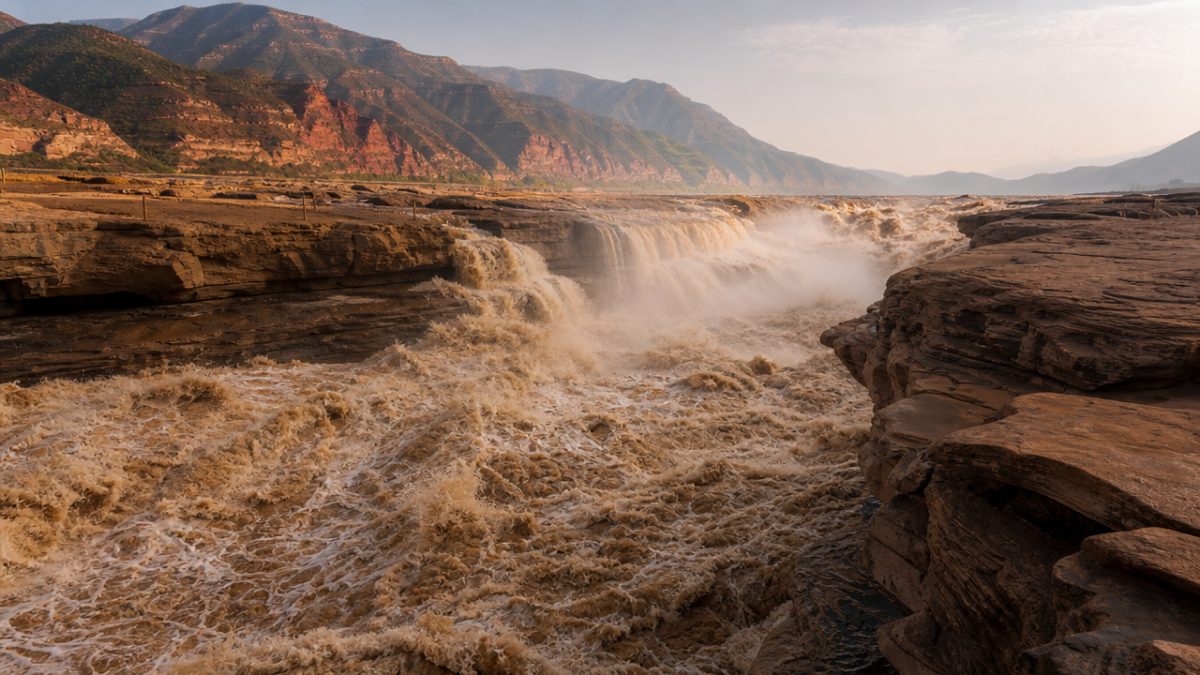
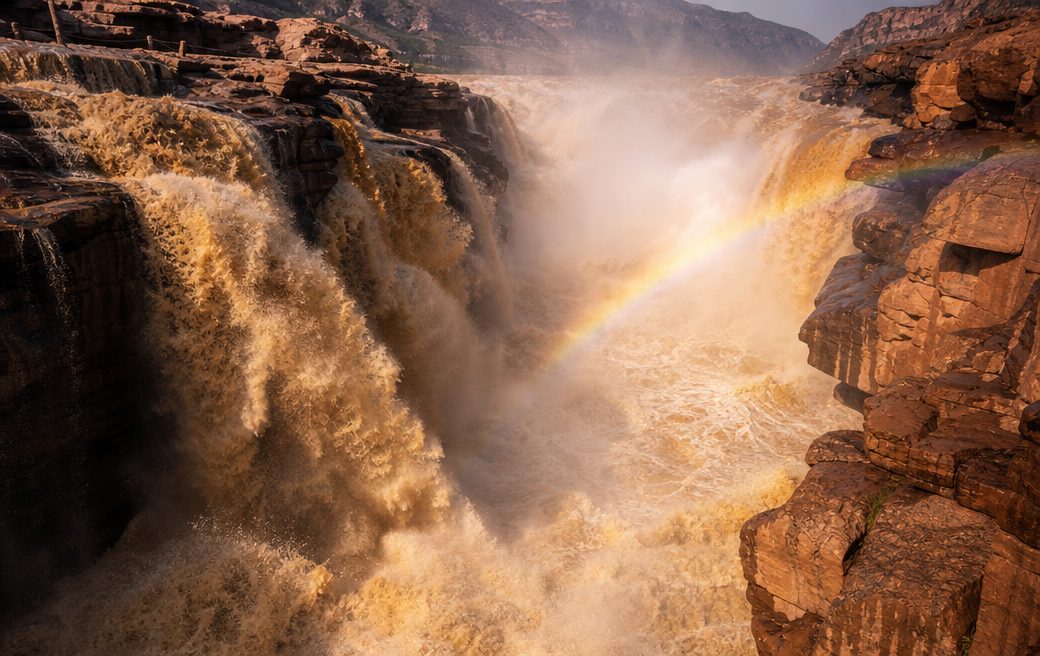
Hukou Waterfall Yellow River Shanxi widest waterfall in China autumn red cliffs dramatic cascadeIllustration

PreeChina · City Guide

Linfen Travel Guide

The legendary cradle of Chinese civilization, where Emperor Yao founded his capital 4,000 years ago, the Yellow River erupts into its most dramatic waterfall, and the world’s oldest surviving kite festival still fills the autumn sky.

Linfen Quick Facts

Province / Region
Southern Shanxi Province, North China
Population
~4.5 million (prefecture)
Best Time to Visit
April–June & September–November
Famous For
Hukou Waterfall, Yao Temple, birthplace of Chinese civilization, Yellow River
Nearest Airport
Linfen Qiaoli Airport (LFQ); Taiyuan (TYN) ~2.5 hrs by road
Recommended Stay
2–3 days

Why Visit Linfen?

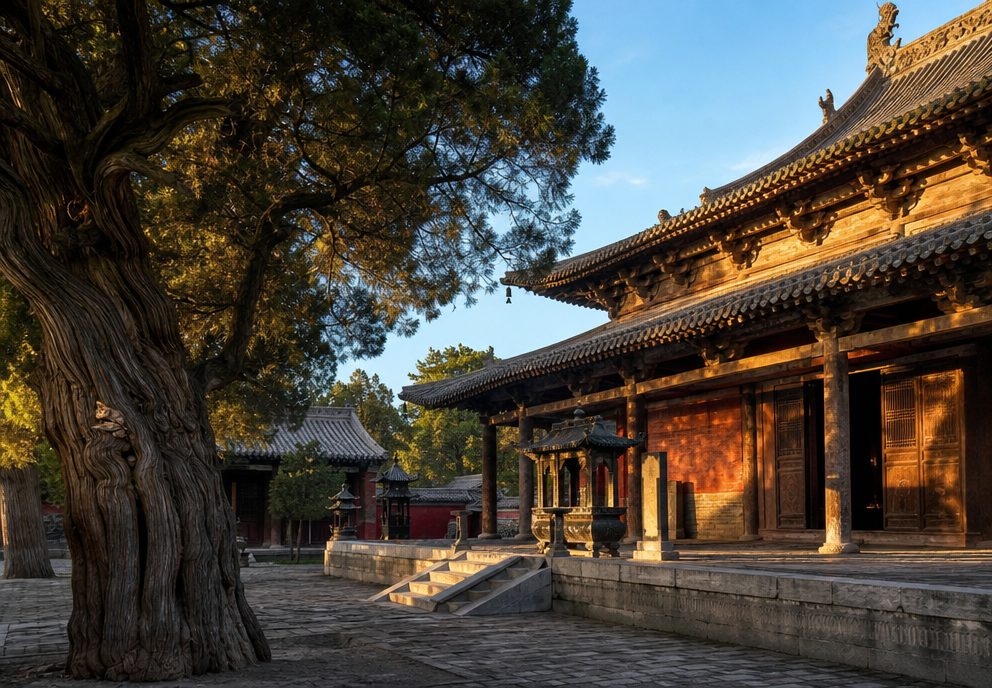
Yao Temple Linfen Shanxi ancient ceremonial complex dedicated to legendary Emperor Yao founder ofIllustration

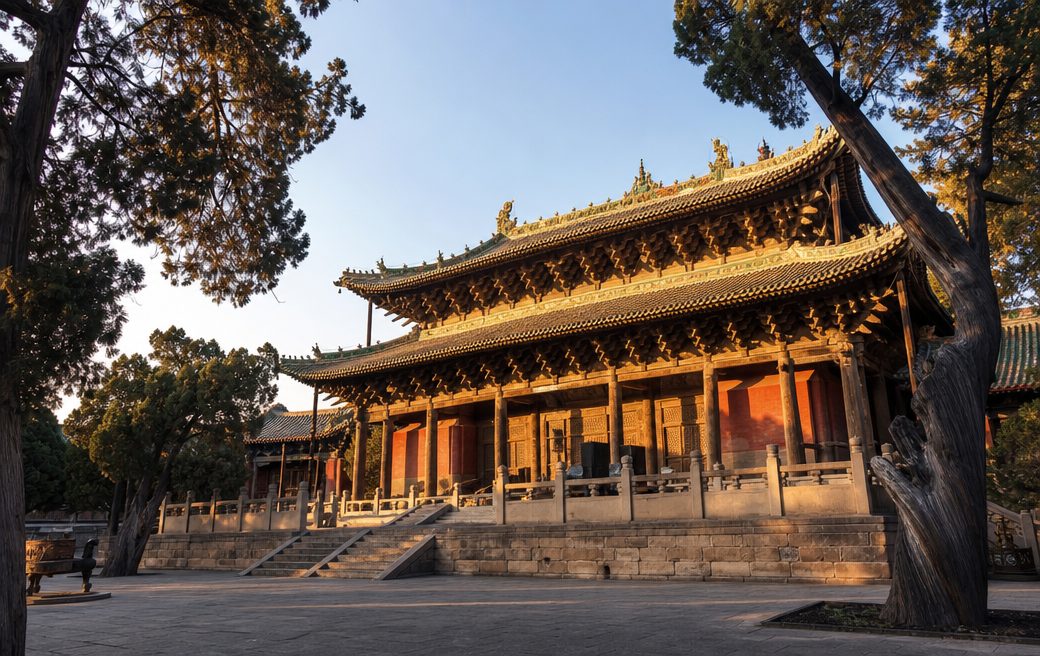
Linfen occupies a place in Chinese cultural mythology that few other cities can claim: it is traditionally identified as the capital of Emperor Yao, one of the legendary sage-kings whose reign marks the dawn of Chinese civilization, roughly 4,000 years ago. The Yao Temple, rebuilt and expanded across dynasties on its original Tang Dynasty foundations, is one of the most important ancestral pilgrimage sites in China, a place where the deepest threads of Chinese cultural identity converge in a complex of extraordinary historical weight.

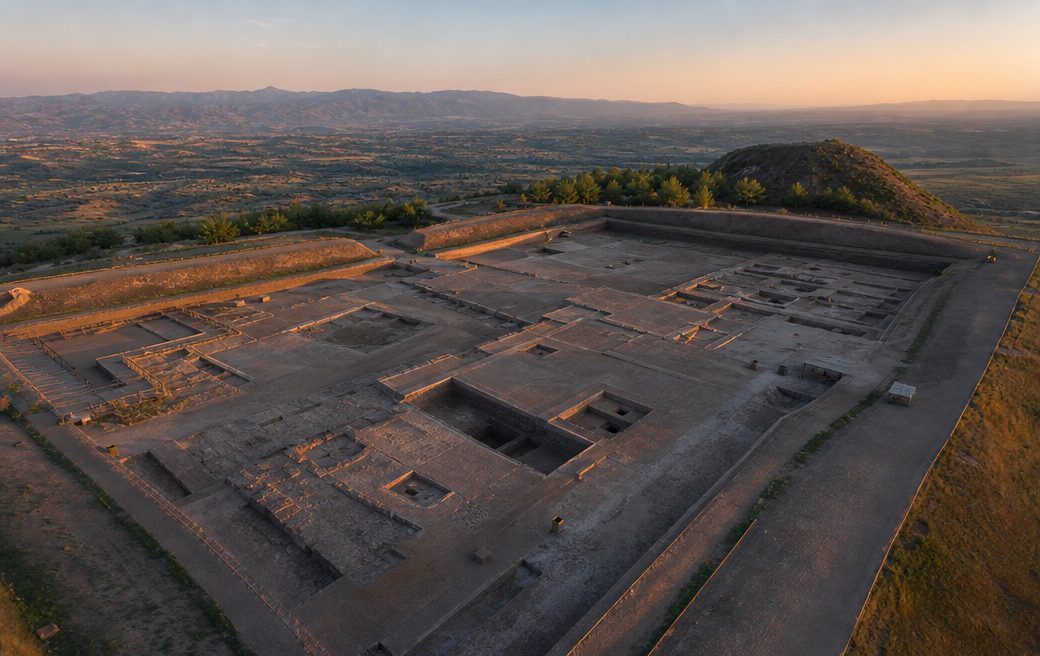
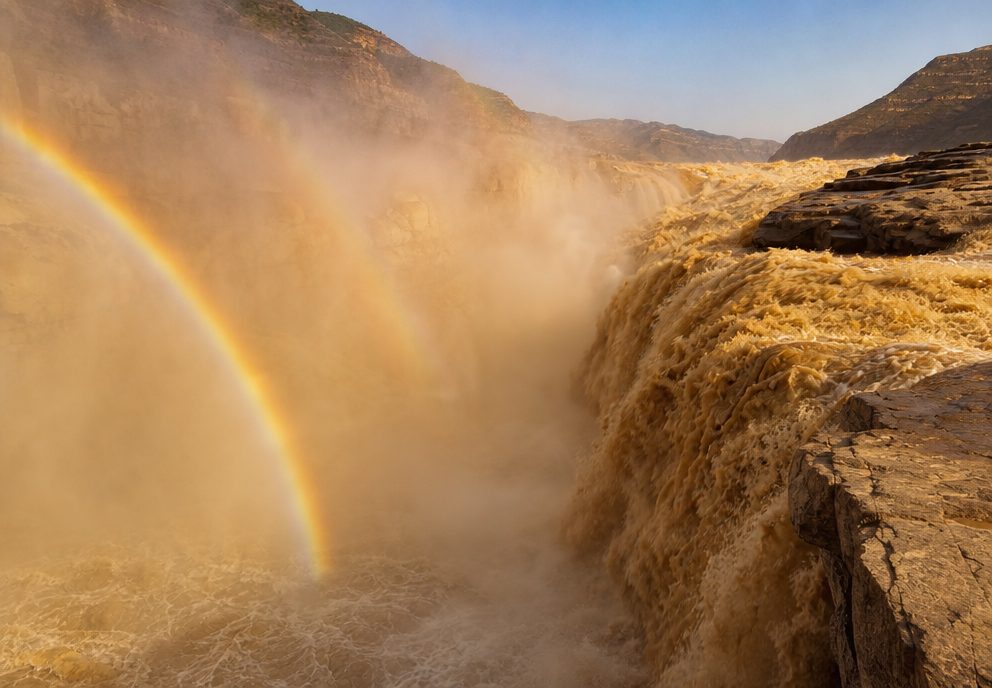
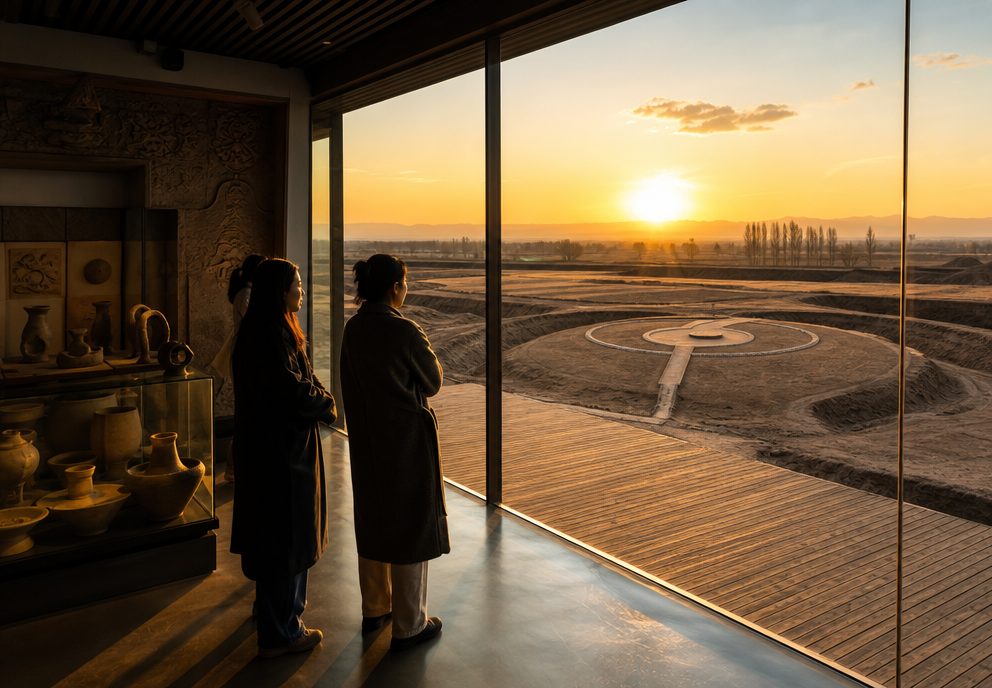
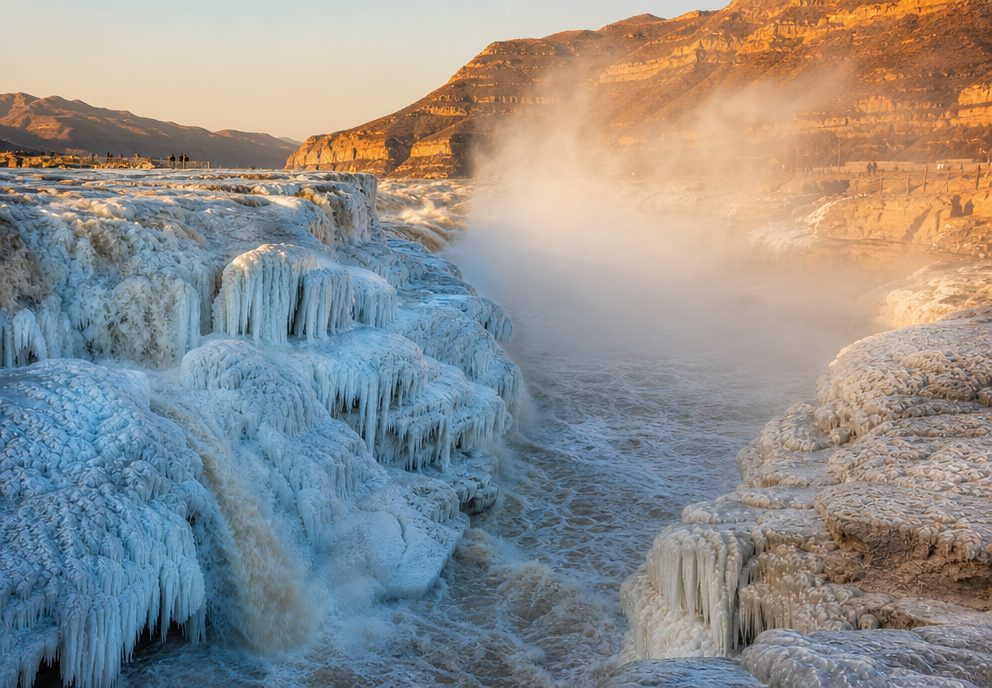
Hukou is where the Yellow River, several hundred metres wide upstream, is squeezed into a gorge a few dozen metres across and drops about twenty metres in one brown roaring sheet. It is the largest waterfall on the Yellow River and it is loud enough that you feel it through the rock. Spring flood is the maximum; deep winter is the other version, when ice builds up around the lip and the fall runs through it. The far bank is in Shaanxi, so you are looking at the provincial boundary. Two other things sit in this prefecture that deserve the trip more than the waterfall does. At Xiangfen, the walled settlement at Taosi was occupied between roughly 2300 and 1900 BC, and what was excavated there in 2003 is read as an observation platform: thirteen rammed-earth pillars leaving twelve slots, with the sunrise appearing in a different slot through the year. Chinese archaeology generally connects Taosi with the capital of the legendary Yao, and that identification is argued about. And at Hongtong there is the scholar tree.
What the Guides Miss

1

China Built a Working Solar Calendar 4,000 Years Ago

At the Taosi site in Xiangfen county, archaeologists uncovered a three-tiered, semicircular rammed-earth platform with an inner ring 18 meters across and an outer ring near 50 meters. Thirteen timber columns once stood along its rim, spaced to leave 12 narrow gaps. Researchers calculated that sunrise on the winter solstice lined up through gap two, the equinoxes through gap seven, and the summer solstice through gap twelve.

2

You May Have Already Held a Picture of This Waterfall

Hukou Waterfall, where the Yellow River narrows into a single drop between Shanxi's Ji county and Shaanxi's Yichuan county, appears on the back of the fourth-series 50 yuan note once issued by the People's Bank of China. Millions of people who never set foot in Shanxi carried that image around for years. The front of the same bill shows three unnamed figures representing workers, farmers, and intellectuals.

Best Attractions in Linfen

Yao Temple Linfen ancient ceremonial hall dedicated to Emperor Yao legendary sage king ShanxiIllustration
Ancestral Temple

Yao Temple (尧庙)

Dedicated to Emperor Yao, one of the Three Sovereigns and Five Emperors whose reigns, around 2300 BC, traditionally mark the founding of Chinese civilization, the Yao Temple at Linfen is one of the most historically resonant sites in China.

Tao Temple ancient Taoist complex Linfen Shanxi traditional architecture courtyard treesIllustration
Ancient Site

Tao Temple & Ancient Linfen Sites (陶寺遗址)

The Taosi archaeological site, 15 kilometers northeast of Linfen city, is one of the most significant Neolithic and early Bronze Age discoveries in Chinese archaeology, a large walled city dating to approximately 2300–1900 BC that many scholars identify as the actual historical capital of Emperor Yao described in the ancient texts.

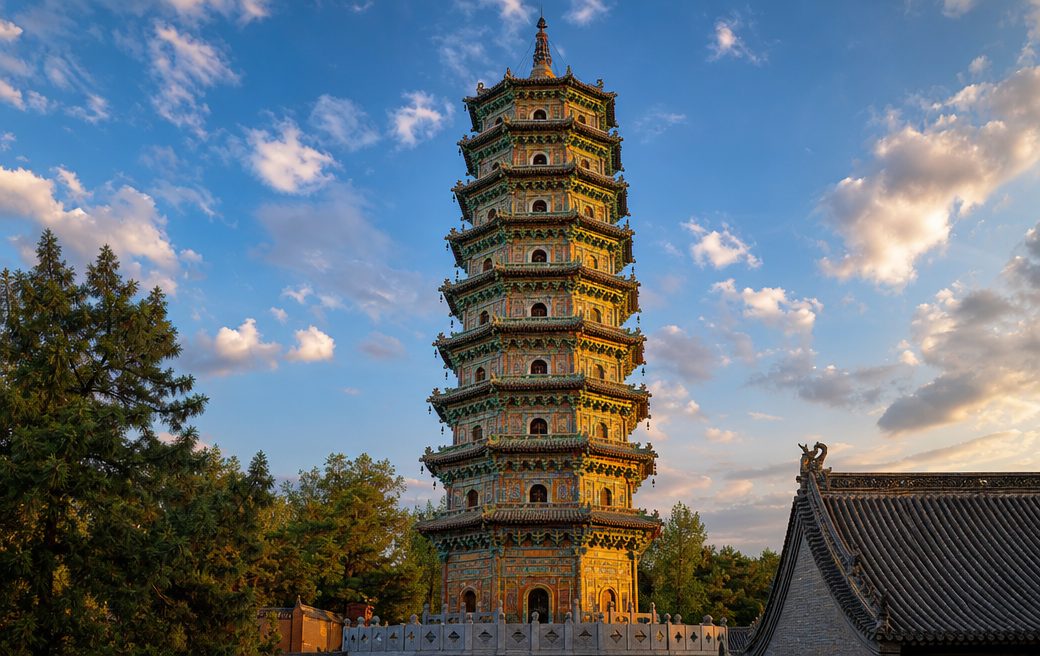
Guangsheng Temple Hongtong Linfen Yuan Dynasty pagoda and Buddhist complex ShanxiIllustration
Buddhist Heritage

Guangsheng Temple, Hongtong (广胜寺)

Guangsheng Temple sits an hour north at Hongtong.

Ways to Experience Linfen

Hukou Waterfall

Watch the Yellow River narrow and drop at Hukou Waterfall, the river's largest waterfall.

Yao Temple

Visit Yao Temple, built to honor the legendary sage-king Yao, traditionally associated with this region.

Taosi Site

Visit the Taosi archaeological site, where excavations uncovered one of the earliest known walled settlements in Chinese prehistory.

Guangsheng Temple

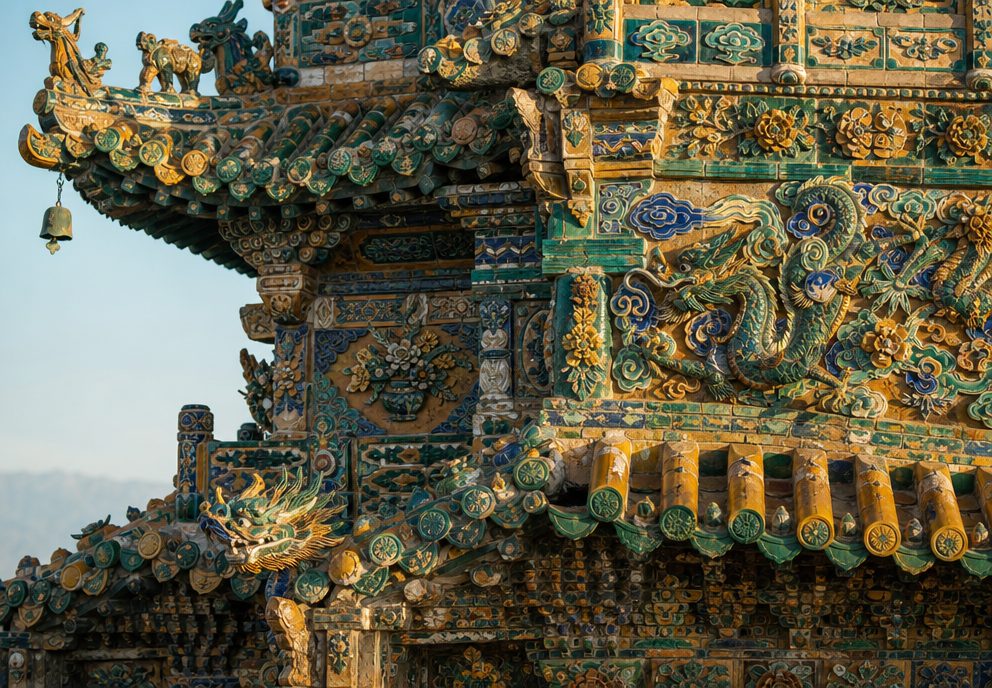
Walk Guangsheng Temple in Hongtong county, known for its glazed-tile Feihong Pagoda.

Explore Linfen on the Map

By Type
By Theme
No theme places in this city yet.
View Full China

Approximate locations of the attractions above, across Linfen.

Linfen Food You Should Try

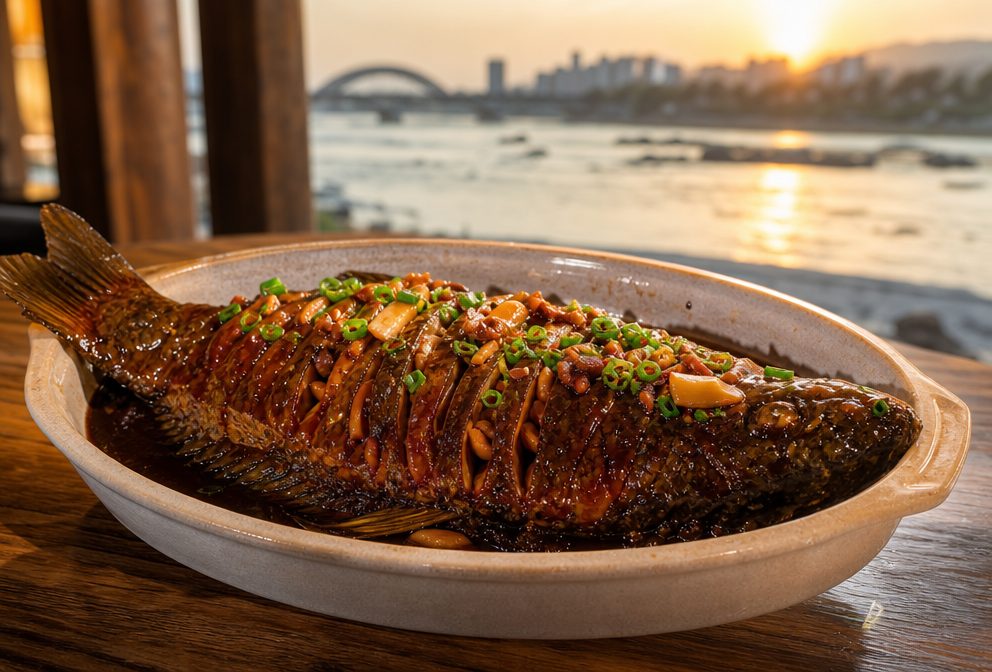
Linfen fen river carp braised freshwater fish yellow river valley Shanxi local cuisineIllustration

Fenhe River Carp (汾河鲤鱼)

The Fenhe River that waters the Linfen basin produces freshwater carp of unusual sweetness, raised in clean mountain-fed water far from industrial runoff.

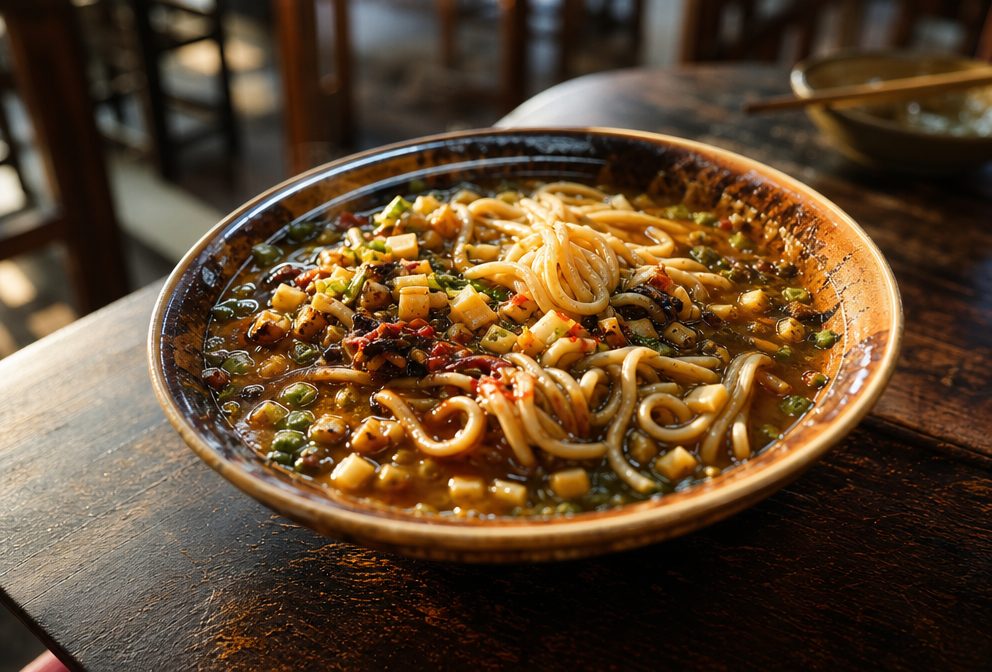
Shanxi sour noodles suan tang mian noodles in fermented sour broth local Linfen dishIllustration

Linfen Sour Noodles (酸汤面)

A distinctively southern Shanxi take on the knife-shaved noodle tradition: thick wheat noodles served in a broth fermented with local sorghum vinegar and aged paste, producing a deeply sour, complex soup base that is softened with sesame oil, garlic, and chili.

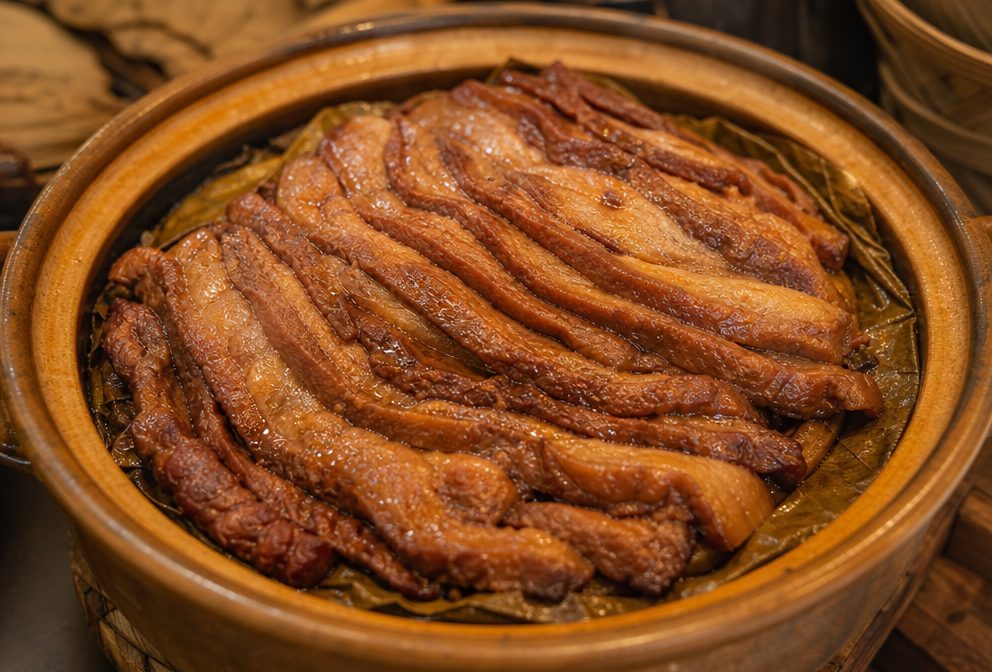
Hongtong steamed pork Shanxi baked mutton loess plateau mountain lamb local specialtyIllustration

Hongtong Steamed Pork (洪洞蒸肉)

A Hongtong County specialty with roots in the Ming Dynasty migration that spread Shanxi people across northern China: pork belly cut into generous strips, marinated in soy, Shanxi vinegar, five-spice, and local sorghum wine, then slow-steamed for three hours over a bed of lotus leaves until the fat becomes almost translucent and the meat collapses at a touch.

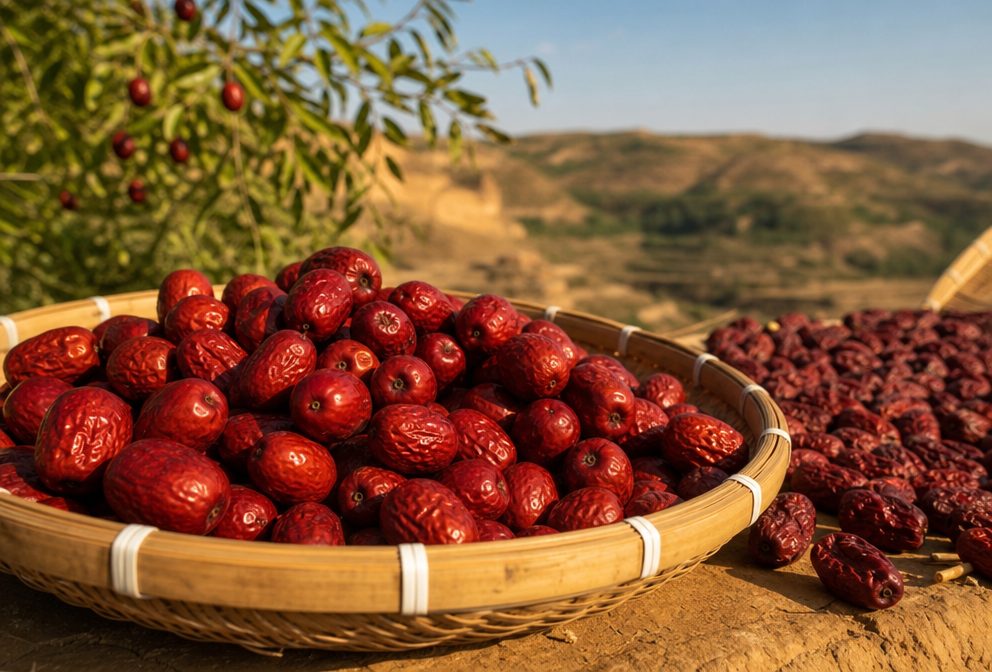
Yellow River jujube red dates Linfen dried fruit famous produce Shanxi local specialtyIllustration

Linfen Jujubes (临汾大枣)

The loess terraces above the Fen valley grow jujubes, and the Daning county ones are what the province buys.

Cultural Experiences in Linfen

Hukou Waterfall Yellow River spring flood season maximum flow dramatic mist rainbow LinfenIllustration

Hukou Waterfall at Peak Flow

Visit in April–May when spring snowmelt drives the Yellow River to maximum volume, the waterfall at its most thunderous and most awe-inspiring.

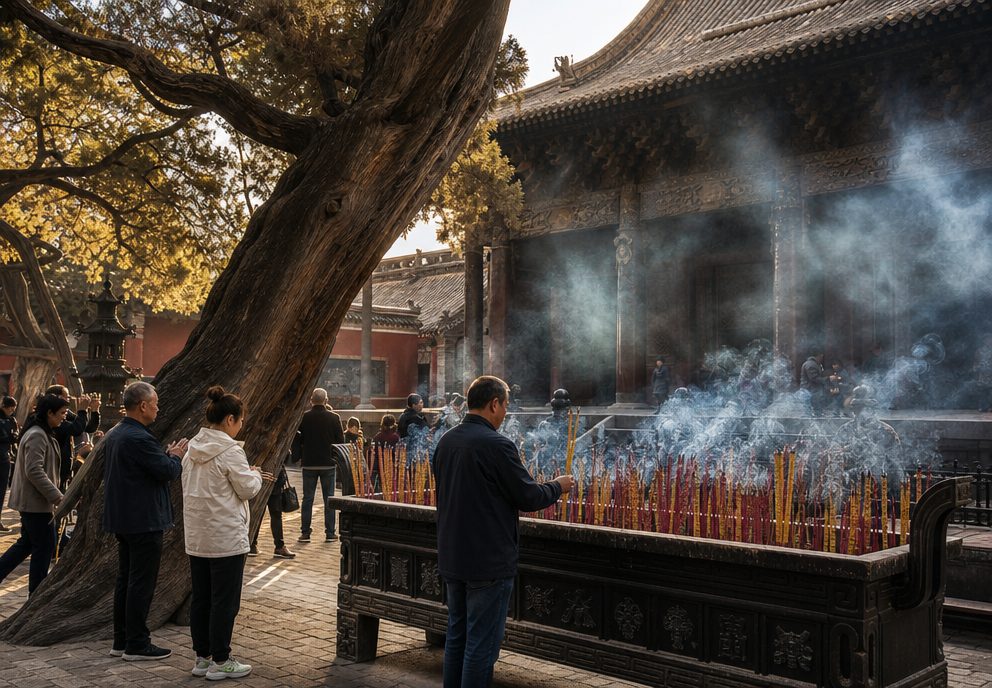
Yao Temple ancestral pilgrimage ceremony Linfen Chinese cultural origins ritual incenseIllustration

Yao Temple Pilgrimage

Walk the ceremonial path to the Hall of Emperor Yao, a site of ancestral veneration that connects the present to the legendary foundations of Chinese civilization.

Taosi archaeological site Neolithic Bronze Age excavation Linfen oldest observatory ChinaIllustration

Taosi Archaeological Site

Visit the 4,000-year-old walled city and world’s oldest astronomical observatory, physical evidence of the civilization that Chinese culture traces back to Emperor Yao.

Guangsheng Temple Flying Rainbow Pagoda glazed tile Yuan Dynasty Hongtong Linfen ShanxiIllustration

Flying Rainbow Pagoda, Hongtong

See the most ornate glazed-tile pagoda in Shanxi and Yuan Dynasty murals so fine that New York’s Metropolitan Museum purchased a section, a story that adds complex resonance to any visit.

Hukou Waterfall winter ice formations Yellow River ice cascade Linfen January frozenIllustration

Hukou in Winter Ice

In December–February, the waterfall’s spray freezes into extraordinary ice formations around the cascade, a rarely photographed and deeply dramatic winter landscape.

Best Time to Visit Linfen

Season Highlights Weather
Spring
(Apr–Jun)
Hukou Waterfall at peak flow (April–May), the most dramatic season; peach blossoms on the loess terraces; Fenhe River carp at their freshest; Yao Temple most atmospheric in warm light; fewest international visitors 12–26 °C (54–79 °F). Mild and clear. Occasional spring dust. Light layers recommended. Spring is the finest season for the waterfall and for outdoor heritage exploration.
Summer
(Jun–Aug)
Jujube trees in bloom across the loess plateau; Yellow River at sustained high flow; long days for combining Hukou, Yao Temple, and Taosi; Hongtong’s folk traditions most active; local produce markets at their fullest 24–34 °C (75–93 °F). Hot and dry on the loess plateau. Morning visits strongly recommended. The plateau heat is dry and more tolerable than coastal humidity.
Autumn
(Sep–Nov)
Best overall season; jujube harvest fills the markets (September); loess plateau turning gold; Hukou Waterfall red-cliff reflections most photogenic; clear mountain air; Guangsheng Temple most atmospheric 6–22 °C (43–72 °F). Crisp, clear, and perfect for outdoor exploration. The finest season for photography and for combining all of Linfen’s sites in one visit.
Winter
(Dec–Feb)
Hukou Waterfall ice formations, the rarest and most dramatic condition; virtually no visitors; Yao Temple ancestral ceremonies at Chinese New Year; Hongtong steamed pork most appreciated in the cold -8–4 °C (18–39 °F). Cold and dry. Heavy coat essential. The loess plateau wind is fierce. Ice formations at Hukou require good timing and flexibility, not every year produces the same spectacle.

Recommended Routes Near Linfen

1 day

Linfen to Taiyuan

Head north to the provincial capital.

View Itinerary →
1 day

Linfen to Jincheng

Head southeast to the Huangcheng Chancellor's Mansion.

View Itinerary →

Why Choose PreeChina

Local Expert Guides

Our Linfen specialists know the optimal time of day to photograph Hukou Waterfall, which Taosi site archaeologist accepts visitor questions, and where to find the best Fenhe carp restaurant above the river.

Flexible Itineraries

Linfen pairs naturally with Pingyao (1 hour north) and the Yungang Grottoes (3 hours north) as part of a Shanxi cultural circuit.

24/7 English Support

From first inquiry to final farewell, our English-speaking team is always available to assist, advise, and troubleshoot, particularly valuable in a region where independent travel requires local knowledge.

Private Transportation

Comfortable vehicles for all transfers, essential for reaching Hukou Waterfall (2 hours from Linfen), Taosi archaeological site, Hongtong’s Guangsheng Temple, and the loess plateau villages.

Authentic Experiences

We arrange Hukou sunrise visits before crowds arrive, Taosi site tours with archaeological staff, Yao Temple ancestral ceremony attendance, and Hongtong family dinners featuring the original steamed pork recipe.

Linfen is in Shanxi, in North China.

Keep Exploring Linfen

Plan Your Group Trip to Linfen

Travelling to China with 10 or more people? Talk to PreeChina first. A transparent service fee of USD 100 per person for trips of up to 10 days (USD 150 for 11 to 20 days), and no markup on travel components. See how the fee works.

Tell us your group size, travel dates, and preferences, and our local Linfen experts will design a group China journey, for your group.

Plan a Group Trip to LinfenSee Group Tour Options

Share This Guide