
Pingyao is in Shanxi, in North China.
Home › Destinations › Shanxi › Pingyao
Shanxi · City Guide
Pingyao, Where a County Seat Kept Its Whole Wall.
Overview
Why Go
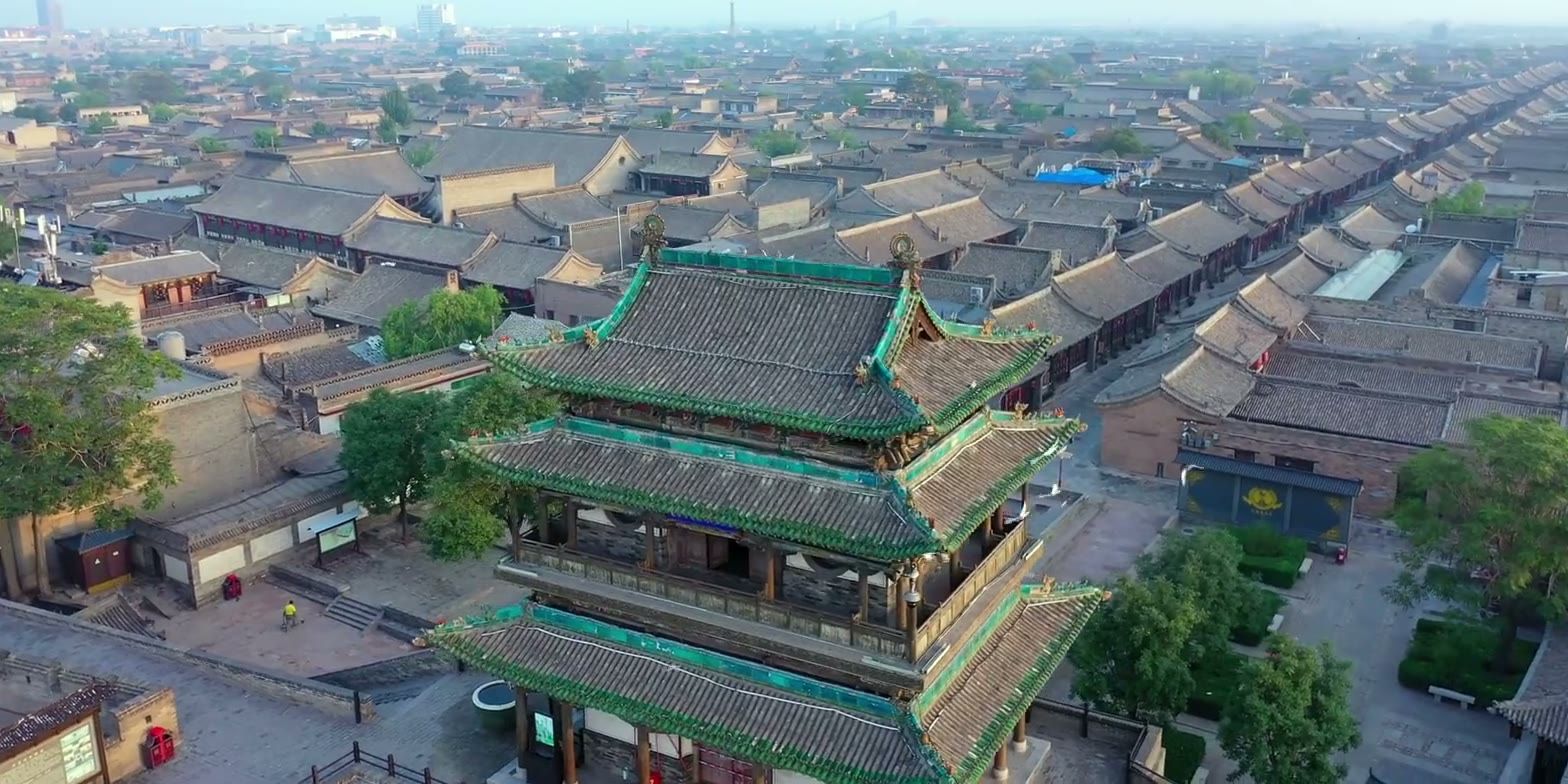
Many Chinese county towns lost their walls. Pingyao kept 6.2 kilometres of brick circuit with 72 watchtowers and about 3,000 crenellations, which by tradition stand for Confucius's 72 disciples and three thousand students.
Rishengchang opened in 1823 and issued drafts that could be cashed in branches across the empire, which meant silver stopped travelling by cart. The building is intact, from the counters to the strongroom, and the model spread from here.
The county yamen survives with its court hall, jail, granary and the magistrate's living quarters in the arrangement they were used in. It is a particularly complete surviving county government compound in China and it is laid out so the sequence makes sense.
Shuanglin Temple, two hours' walk outside the wall, holds more than two thousand painted clay sculptures from the Song to the Ming across ten halls. The Guanyin and the guardian figures are the ones art historians travel for.
Around twenty thousand residents live within the walls, in courtyards behind the shopfronts. The main streets are commercial and busy; two lanes back there is laundry, mahjong and people cooking in the doorway.
See
A 6.2-kilometre Ming circuit of 1370 with six gates, 72 towers and a walkable top. The pass covers the wall and the sites inside for several days. Walking the full round takes about two hours and gives visitors the whole street grid.
China's initial draft bank, opened in 1823, preserved as a museum with its counters, code books and vault. The courtyards behind the front room show how a bank that ran on trust and coded paper was physically organised.
The county government compound, with the court hall, the jail, the granary and the magistrate's house. Actors reenact a court hearing several times a day, free with the pass, and a patrol sets out from the gate mid-morning.
Ten halls of painted clay figures six kilometres southwest of the town, an early from the Song. The Thousand-Hand Guanyin and the warrior guardians are the pieces that make this the main reason serious visitors leave the walls.
The Wanfo hall was built in 963, one of the older surviving timber buildings in China, with its original Five Dynasties sculpture inside. It is small, plain and usually empty, twelve kilometres northeast of the town.
Its Dacheng hall dates from 1163 and is a long-surviving hall of its kind in a Chinese Confucian temple. The compound holds an examination museum, which is where the town's obsession with passing the imperial exams gets explained.
On the Map
Approximate locations of the attractions above, across Pingyao.
Eat
Beef brined and slow-cooked by a method the town has used since the Qing, sliced thin and eaten cold. It carries a geographical indication and is sold vacuum-packed everywhere; the shops on the main street will cut a piece for visitors to taste.
Buckwheat batter steamed in a shallow bowl until it sets, then cut into strips and dressed with vinegar, chilli oil and garlic, or fried with eggs. Cold in summer, fried in winter, and sold from carts inside the wall.
A fried pastry whose crust blisters into a shell of bubbles, filled with jujube paste. It is made to order and collapses as it cools, so it is eaten standing at the stall rather than carried away.
Sorghum vinegar fermented and then aged outdoors through summer heat and winter freezing, which concentrates it. Every table in the province has a jug. It is drunk in small amounts here as well as used for dressing.
Do
Two hours at an easy pace, with steps up at each gate. Do it in the opening hour after opening or the last before sunset; the top has no shade. From up there the grid of courtyards reads as one plan rather than a maze.
The back courtyards hold the strongroom and the code books used to authenticate drafts. The exhibition explains the cipher and the branch network. Twenty minutes here changes how the rest of the merchant houses read.
Six kilometres southwest, reachable by taxi or a rented bicycle. The halls are dim and unlit, which is how the sculpture is meant to be seen. Photography rules vary by hall and are posted at each door.
The yamen runs several free reenactments a day in Qing costume, with a cast list of cases posted at the gate. It is in Chinese, but the staging of who kneels where and who sits makes the hierarchy legible without it.
When
Mild and dry, with the courtyards open to the air. The ideal window, and the wall is comfortable to walk.
Hot and the domestic peak, with the main streets solid at midday. The temples outside the wall stay quiet even then.
Clear and cool, and the other good window. Avoid the opening week of October, when the town is at capacity.
Cold and dry, with very few visitors and the courtyards heated by coal stoves. Lunar New Year fills the town again for about two weeks.
Explore More
Pingyao is in Shanxi, in North China.
Related
Share the travel dates and interests, and PreeChina's local team will design a route that fits.
Plan My Trip to PingyaoSee Private Tour Prices