
Yushu is in Qinghai, in Northwest China.
Home › Destinations › Qinghai › Yushu
Qinghai · City Guide
Yushu, Where Three Great Rivers Begin.
Overview
Why Go
The Jiana mani wall at Xinzhai has been added to since the eighteenth century and is estimated at around 2.5 billion inscribed stones. Pilgrims walk round it and leave more. Nobody has counted them; the figure is the long-standing local estimate.
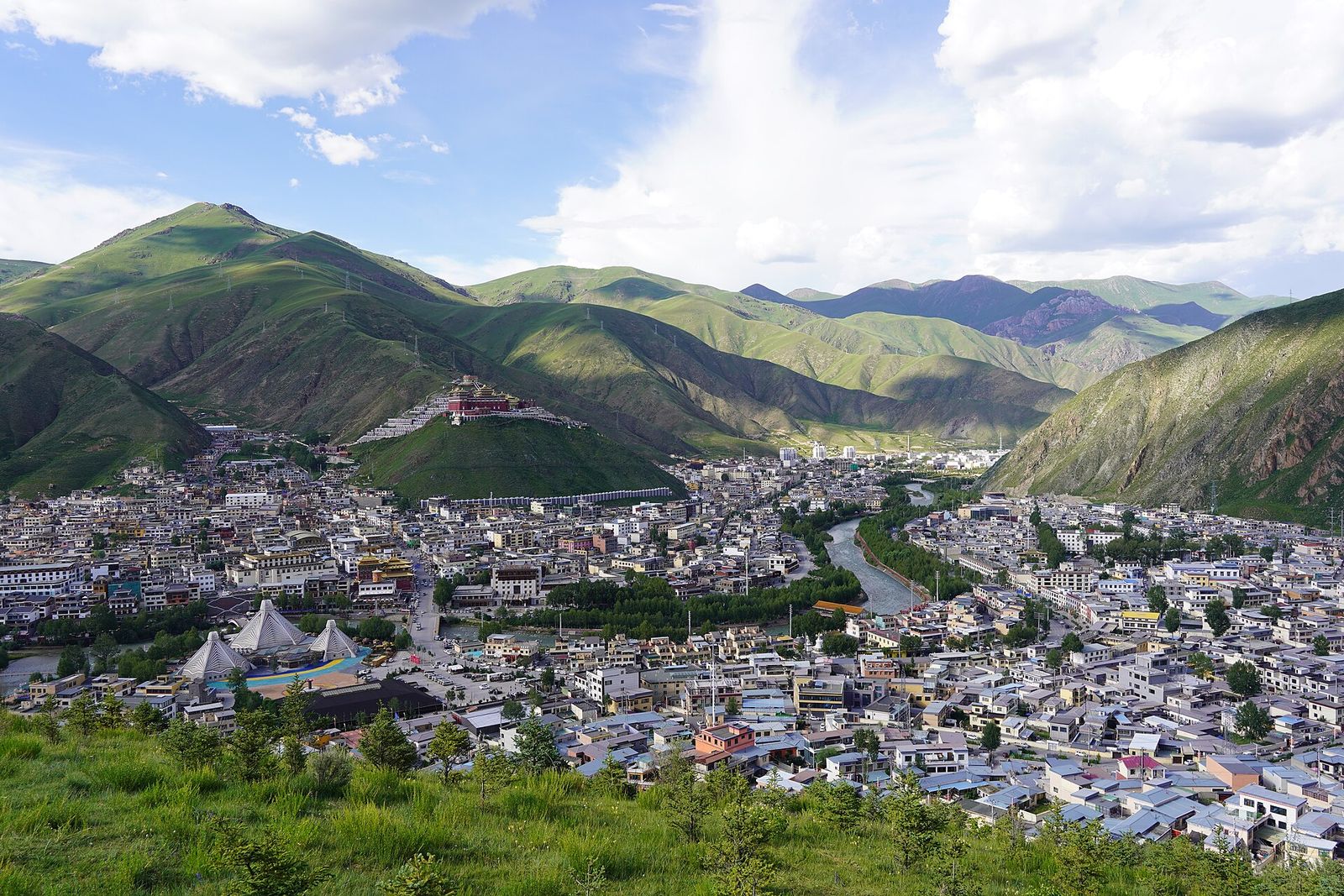
An earthquake in April 2010 destroyed much of Jiegu and the town was rebuilt over the following years. That is why a Kham trading town of a thousand years looks new. The memorial and the museum set out what happened.
Hoh Xil was inscribed in 2017 for its Tibetan antelope populations and its intact plateau ecosystem. The core zone is closed to entry: it is calving ground, there is no supply of any kind, and people have passed away attempting crossings.
The Yushu horse racing festival fills the grassland outside town in late July with racing, archery, trading and several thousand tents. It is a Kham gathering that visitors are welcome at rather than an event staged for them.
See
The prefecture seat at 3,700 metres, rebuilt since 2010, with the mani wall at Xinzhai on its edge. The mound runs several hundred metres and carvers still work at the side of it, cutting stones to order for pilgrims.
The national park covering the headwaters, with marked monuments at the Yangtze and Mekong sources and the Yellow River source in Golog next door. Getting to any of them means a long drive on rough road with a permit and a local driver.
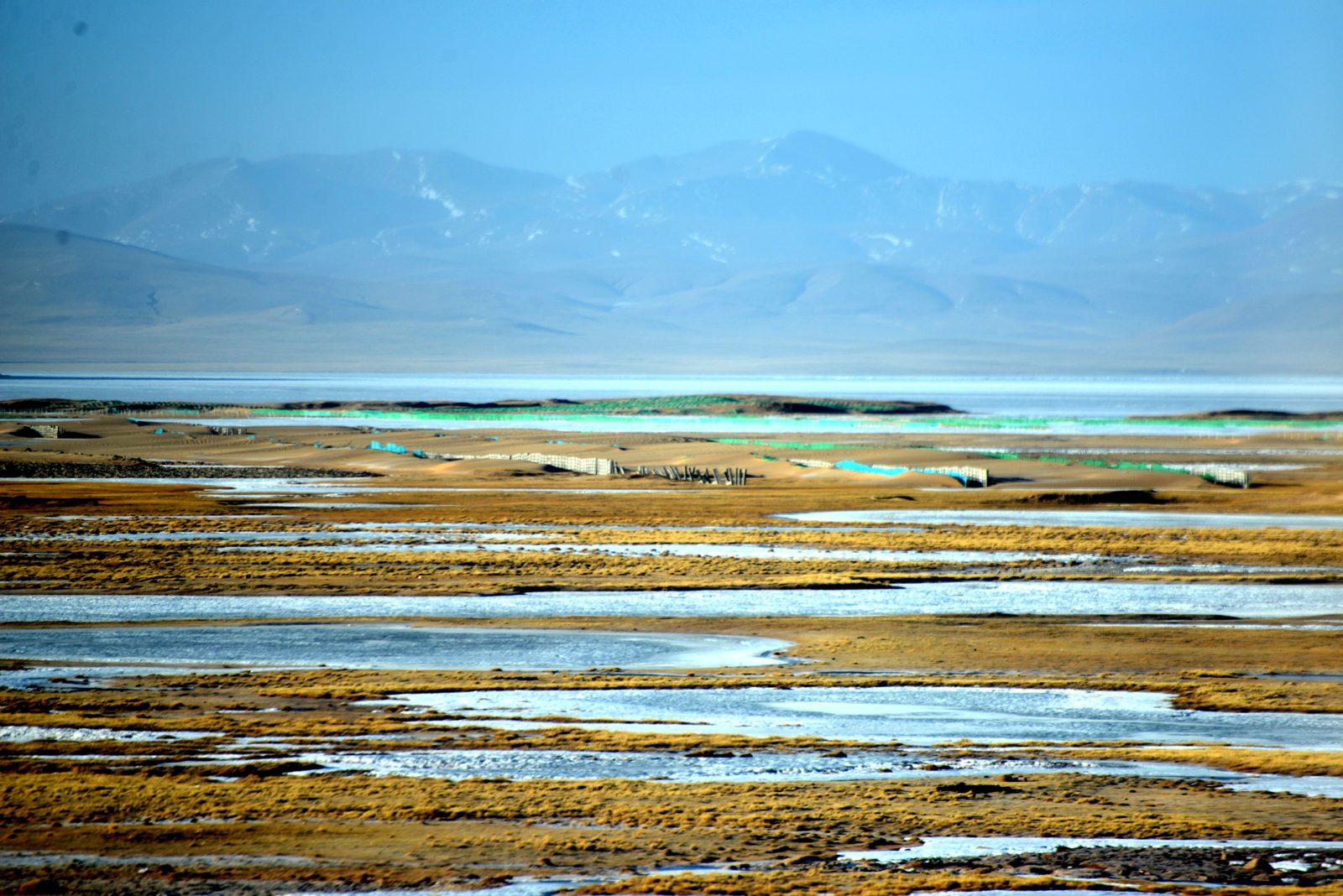
Inscribed in 2017, a large and high intact plateau ecosystem left. The core is closed to visitors. What visitors can legitimately see is the edge from the Qinghai-Tibet highway, where antelope cross in summer and there are patrol posts.
A small temple built against a cliff in a valley outside town, with a Tang-period relief of Vairocana and attendants cut into the rock. It is associated with the seventh-century Tang princess who travelled this way to Lhasa.
Nangqen county holds dozens of monasteries in forested gorges, the well-known being Dana, built on a cliff and holding stupas associated with the generals of the Gesar epic. The county is lower and greener than the rest of the prefecture.
A high wetland basin an hour from Jiegu, set aside in 1984 as one of the opening protected areas for the black-necked crane. The birds breed here through the summer. There is a hide and a small station; bring binoculars.
On the Map
Approximate locations of the attractions above, across Yushu.
Eat
Yartsa gunbu, a fungus that grows out of a moth larva, is dug from the grassland in May and June and is a large cash income for households here. The trading floor in Jiegu is worth seeing even if visitors buy nothing; grading is done by eye and weight.
A local sheep breed grazed above 4,000 metres in Qumarleb, boiled on the bone and eaten with salt. It carries a geographical indication. The meat is leaner and stronger-tasting than lowland mutton because of what the animals eat.
Set yak milk yogurt, thick and sharply sour, eaten with sugar spooned over the top. Every household makes it and the market sells it in bowls. It is the one dairy product many visitors take to straight away.
Dough torn into squares by hand straight into a yak broth with radish and greens. It cooks quickly, which matters where water boils below 90 degrees, and it is what a guesthouse will make visitors at any hour.
Do
The circuit takes about forty minutes at plateau pace. Walk the same direction as everyone else. Carvers sit along one side and will cut a stone while visitors wait; buying one is the normal way to add to the pile.
Late July, on the grassland outside town, with racing, archery, dancing and a large trade fair. Accommodation in Jiegu books out; some visitors camp. Dates shift each year, so check before arranging flights.
The Yangtze and Mekong source monuments are long drives on rough track from Jiegu and need a local driver and paperwork. The ground itself is unremarkable: wet grassland and braided channels. What visitors are standing in is the point.
The core is calving ground and there is no water, fuel or rescue inside it. Entry is prohibited and enforced. From the highway visitors can see antelope, kiang and the patrol posts, which is the legitimate version of the visit.
When
Caterpillar fungus season, grass starting and the trading floor at its busiest. Still cold at night and the passes can hold snow.
Green grassland, the horse festival and the warmest weather of the year, which here means fifteen degrees in the day. The sole comfortable window.
Clear, cold and empty, with the ideal light on the plateau. Roads are still open and the cranes are still at Longbao into September.
Deep cold with sustained snow, and road closures across the prefecture. Flights cancel in weather. Not a season to plan around.
Explore More
Yushu is in Qinghai, in Northwest China.
Themes with places in Yushu
Related
Share the travel dates and interests, and PreeChina's local team will design a route that fits.
Plan My Trip to YushuSee Private Tour Prices