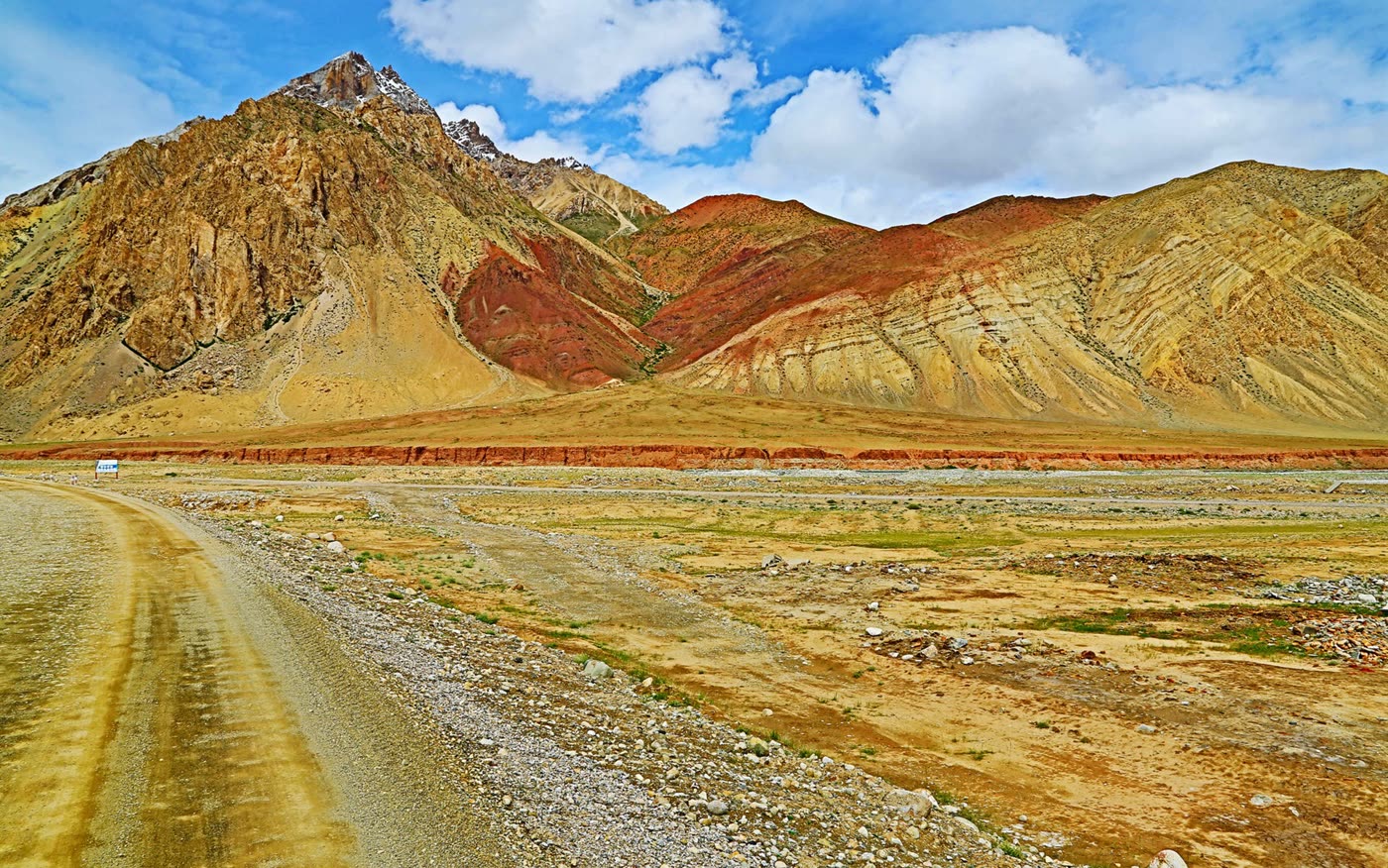
The road south from Kashgar climbs onto the Pamir plateau and stays above three thousand metres until the Pakistan border. Karakul lake, the Stone City at Tashkurgan and the snow ranges either side are all on that one road.
Quick Facts
The Short Version
What it is
A high plateau route south of Kashgar taking in Karakul lake, the Tashkurgan valley, the Stone City ruin and the snow ranges around them
Where
Tashkurgan Tajik Autonomous County, at the far southwestern corner of Xinjiang. Borders Tajikistan, Afghanistan and Pakistan
Altitude
Karakul lake sits at about 3,600 m and Tashkurgan town at about 3,100 m. Kashgar, where visitors start, is around 1,300 m
The road
The Karakoram Highway, which continues over the Khunjerab pass into Pakistan. Paved and in good condition, with checkpoints
Arrangements
Individual sites are ticketed. The road itself has permit and checkpoint requirements for foreign visitors that change; check close to the dates
Time needed
A long day to Karakul and back. Two days to reach Tashkurgan properly
Whose country this is
Tajik. The county is a Tajik autonomous area and the language, faith and building style differ from the Uyghur oases below
Language
Chinese and Tajik, with some Uyghur. Very little English
Why Go
Height, and What It Does to the Ground
1. The scale is the point
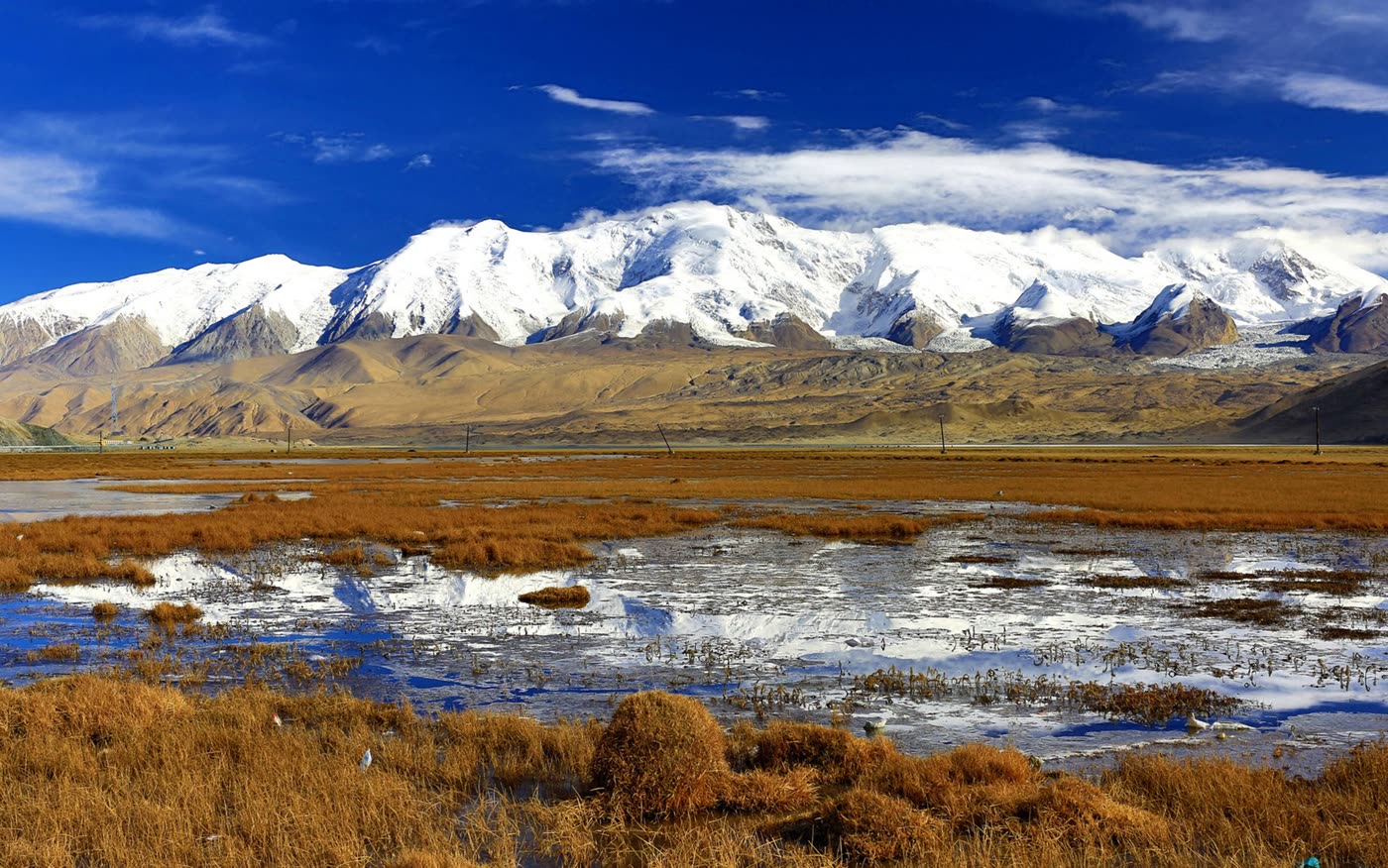
The Pamir is where the Tian Shan, the Kunlun, the Karakoram and the Hindu Kush come together, and the result is a plateau with seven-thousand-metre peaks standing directly out of it. Muztagh Ata, the massif that dominates the road at Karakul, is a broad ice dome rather than a spire, and because the plateau floor is already high, what visitors see is the top half of an enormous mountain with no foothills in the way.
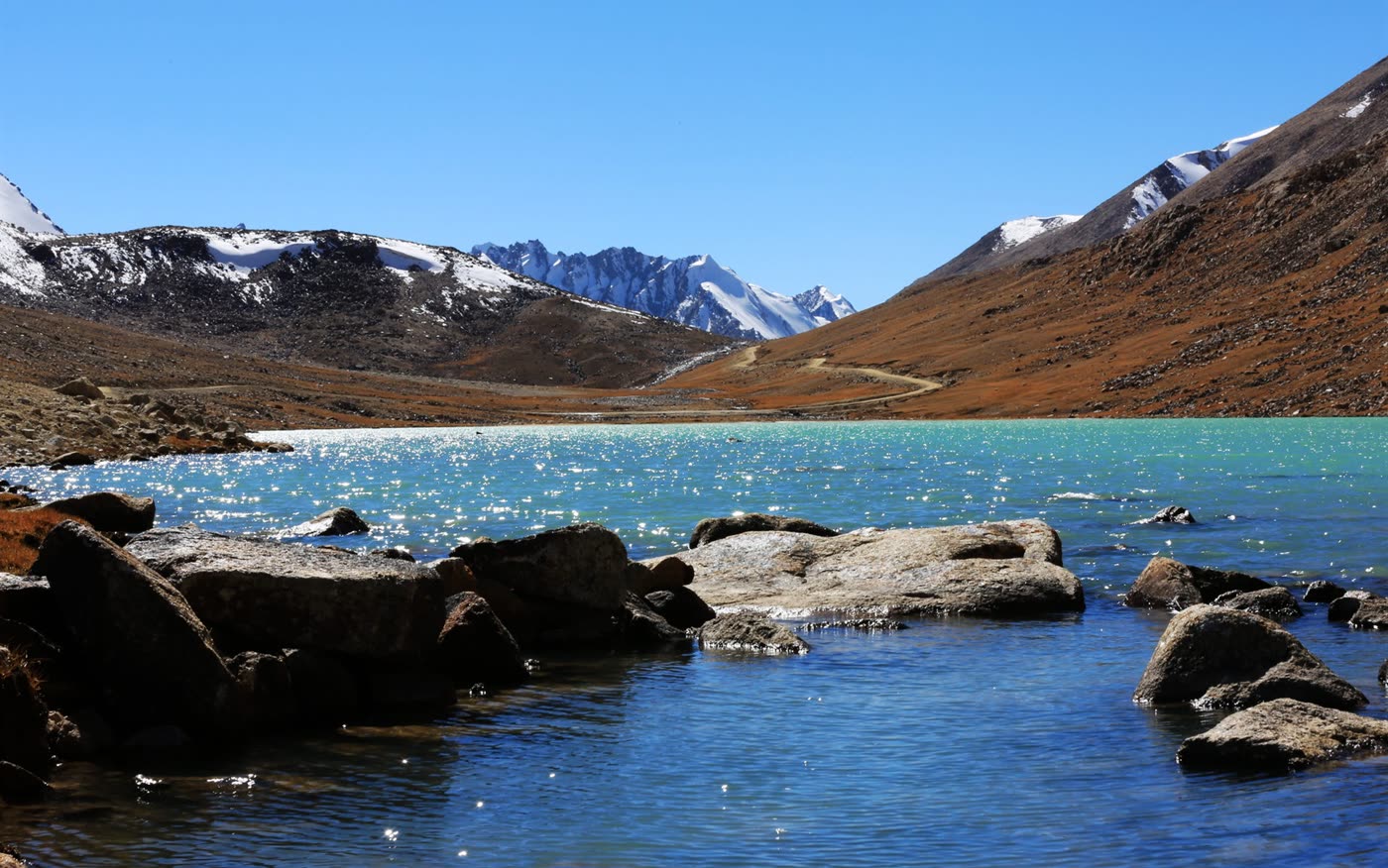
Karakul lake sits at the base of it. The water is green when the light is behind visitors and slate when it is not, the shore is dark boulder and gravel, and there is almost no vegetation. Herding families keep yurts along the road here and rent rooms in them, which is the usual way to see the lake at dawn rather than at noon.
2. Tashkurgan, and the ruin above it
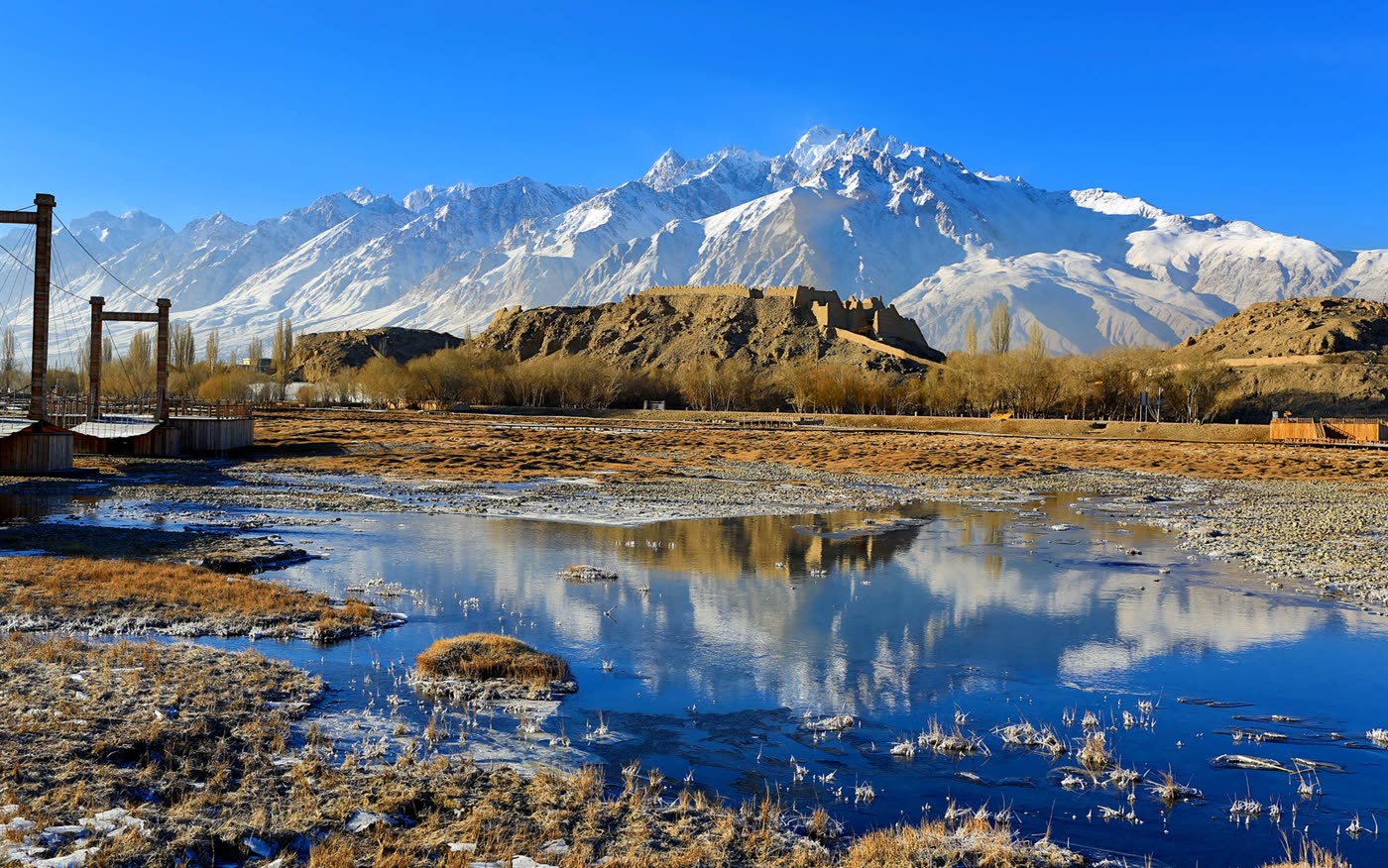
Further south the road drops into a broad valley of wetland and grazing with the ranges on both sides. Tashkurgan town sits in it, and above the town stands the Stone City: the walls and gates of a fortified settlement that was the administrative seat of this valley for centuries and had already been recorded by travellers by the Tang. What stands today is ruined wall on a bluff, with boardwalks laid through the wetland below it.
The wetland is the other half of the view. It fills with meltwater, goes gold in autumn, and carries grazing herds all summer. From the ruin visitors look down across the whole of it to the snow line on either side, which is the picture people come for.
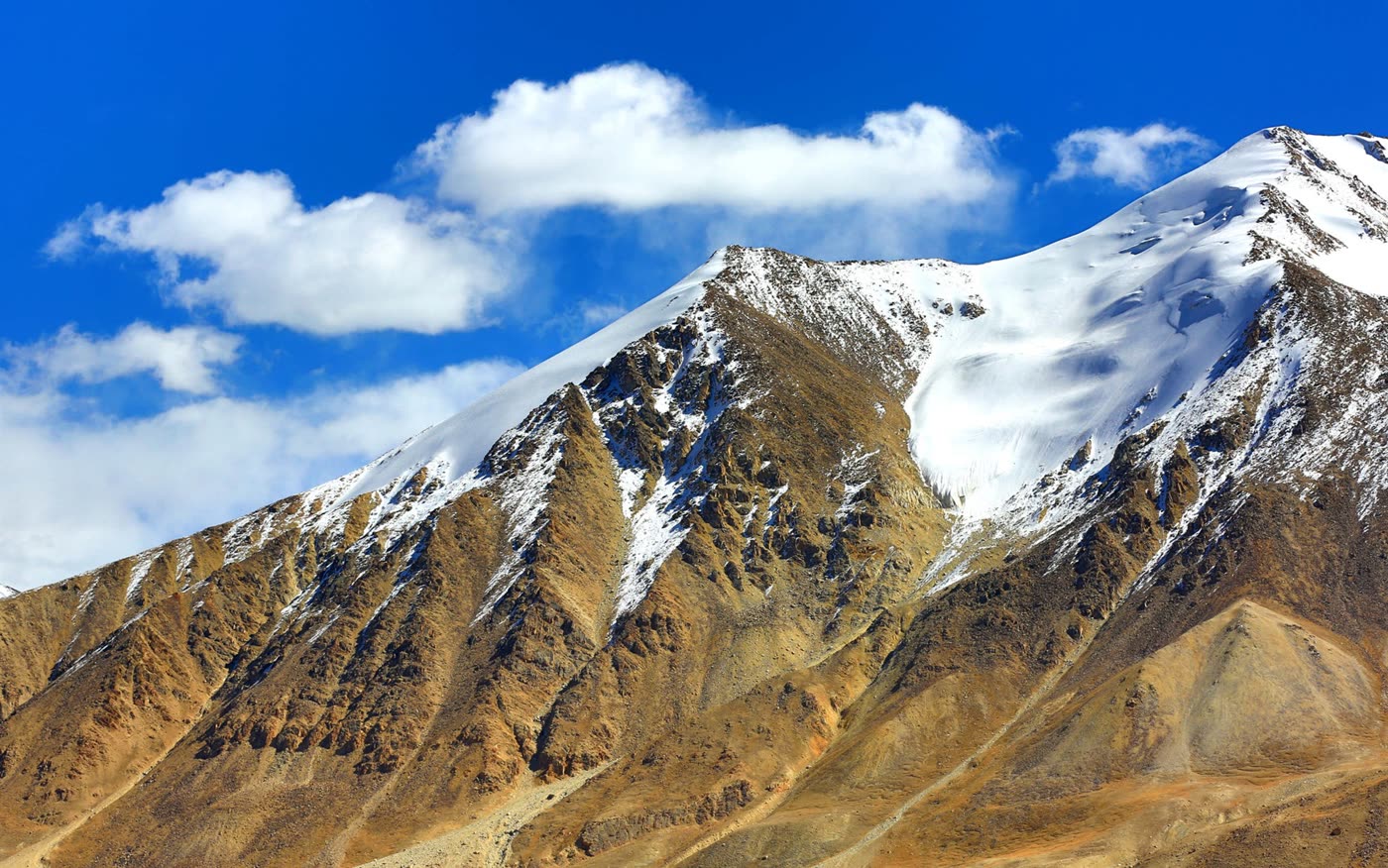
The Stone City above Tashkurgan, with the wetland and the boardwalks below it.The valley floor in autumn. This is grazing country at over three thousand metres.The ranges stand out of the plateau with almost nothing in front of them.Between the lake and the valley the road crosses country with no cover at all.
The catch. Visitors gain two thousand metres from Kashgar in a few hours, and altitude sickness on this road is common rather than rare. Headache and nausea at Karakul are normal; worse than that means going down. Anyone with heart or lung conditions should take medical advice before arranging rather than after arriving.
Orientation
One Road, Three Stops
Everything is on the Karakoram Highway going south from Kashgar. The opening stop is the Baisha lake area, then Karakul at around three and a half hours, then Tashkurgan at roughly six. The Khunjerab pass to Pakistan is a further two hours beyond Tashkurgan and has its own access requirements.
Karakul as a day return from Kashgar is the common compromise and it is a long day in a car. Staying a night at the lake or in Tashkurgan is a much better trip and lets visitors acclimatise rather than sprint up and back.
Arrangements
Permits, Checkpoints and Changing Rules
This is a border county and travel south of Kashgar involves checkpoints, identity registration and, for some sections, permits arranged in advance. Which sections need what has changed more than once and is not something to take from any page written months ahead, including this one.
The practical approach is to arrange the road through someone who checks the current position in the week visitors travel. Self-drive travel is possible but the paperwork, not the road, is what strands people.
Practical
Things Worth Knowing
Go up slowly if visitors can
A night at Karakul before continuing to Tashkurgan makes a real difference. The itinerary that causes trouble is Kashgar to Tashkurgan and back in one day.
Cold at any time of year
Nights at the lake drop below freezing well outside winter, and the wind is constant. Pack for a mountain, not for the desert visitors left that morning.
Fuel, food and signal are thin
Take water and something to eat. Mobile coverage is patchy between settlements and the distances between them are long.
Ask before photographing at the yurts
The families along the lake shore live there. Staying the night is welcome and is the straightforward way to be a guest rather than an audience.
Timing
When to Go
Season
The case for
The catch
June to September
The sole comfortable window. Grazing herds in the valley, passable side roads, and the wetland at its fullest
This is also when everyone else comes, and rooms at Karakul are limited
Late September to October
The wetland turns gold and the air is at its clearest. The ideal light of the year on the ranges
Nights are hard cold and the season closes quickly
April to May
Snow still low on the ranges and very few visitors
Cold, and weather can shut the higher road at short notice
November to March
Empty, and the mountains are at their many complete
Deep winter at altitude. Much of the tourist infrastructure closes and the pass shuts
Context
Why a Road Goes Over This
The Pamir has been a crossing rather than a destination for as long as there are records of it. Routes over these passes linked the Tarim oases with Bactria and the Indian subcontinent, and the valley at Tashkurgan was the place where those routes were controlled, supplied and taxed. The Stone City is what is left of that function.
The modern road was built as the Karakoram Highway, a joint Chinese and Pakistani project completed in the 1970s, running from Kashgar over the Khunjerab pass to the Indus valley. It crosses the Khunjerab pass at about 4,700 metres and follows, approximately, the old line.
The population of the county is Tajik, meaning Pamiri Tajik, speaking an Iranian language unrelated to Uyghur, and they are Ismaili rather than Sunni. That makes this valley culturally distinct from everything below it, which is easy to miss if visitors treat the whole region as one thing.
Kashgar is where this trip starts and ends, and where the flights and trains are. It is also the acclimatisation problem: at 1,300 m it gives visitors no preparation for a lake at 3,600 m reached in half a day.
Four days is a sensible shape: two for the town and the bazaar, two for the plateau with a night up there. Compressing the plateau into a day return is the version many people regret.
Experiences
What Visitors Can Actually Do Here
On the road · full day
Kashgar to Karakul and back
The standard trip. Baisha lake, the climb onto the plateau, and several hours at Karakul under Muztagh Ata.
Long day. Better with a night at the lake.
Overnight · 1 night
Stay in a yurt at the lake
Rooms in herding families' yurts along the shore. Cold, basic, and the reason to be there at dawn rather than at midday.
Book ahead in summer. Limited capacity.
On site · 2 hr
The Stone City and the wetland
The ruined walls above Tashkurgan and the boardwalks through the grazing land below them.
We arrange the road and the paperwork. See experiences.
Worth the journey if visitors give it two days rather than one. Karakul as a day return from Kashgar is doable and is mostly car; Tashkurgan with a night on the plateau is the trip. Go between June and early October, take the altitude seriously, and check the permit position in the week visitors travel.
Travelling to China with 10 or more people? Talk to PreeChina first. A transparent service fee of USD 100 per person for trips of up to 10 days (USD 150 for 11 to 20 days), and no markup on travel components. See how the fee works.
Share the travel dates and interests, and our local team will build the route: the Karakoram road with the paperwork handled, a night at Karakul to acclimatise, and the Stone City and the wetland at Tashkurgan.