Why Go
Small, Dense, and Twice Well-known
1. What the rock is doing
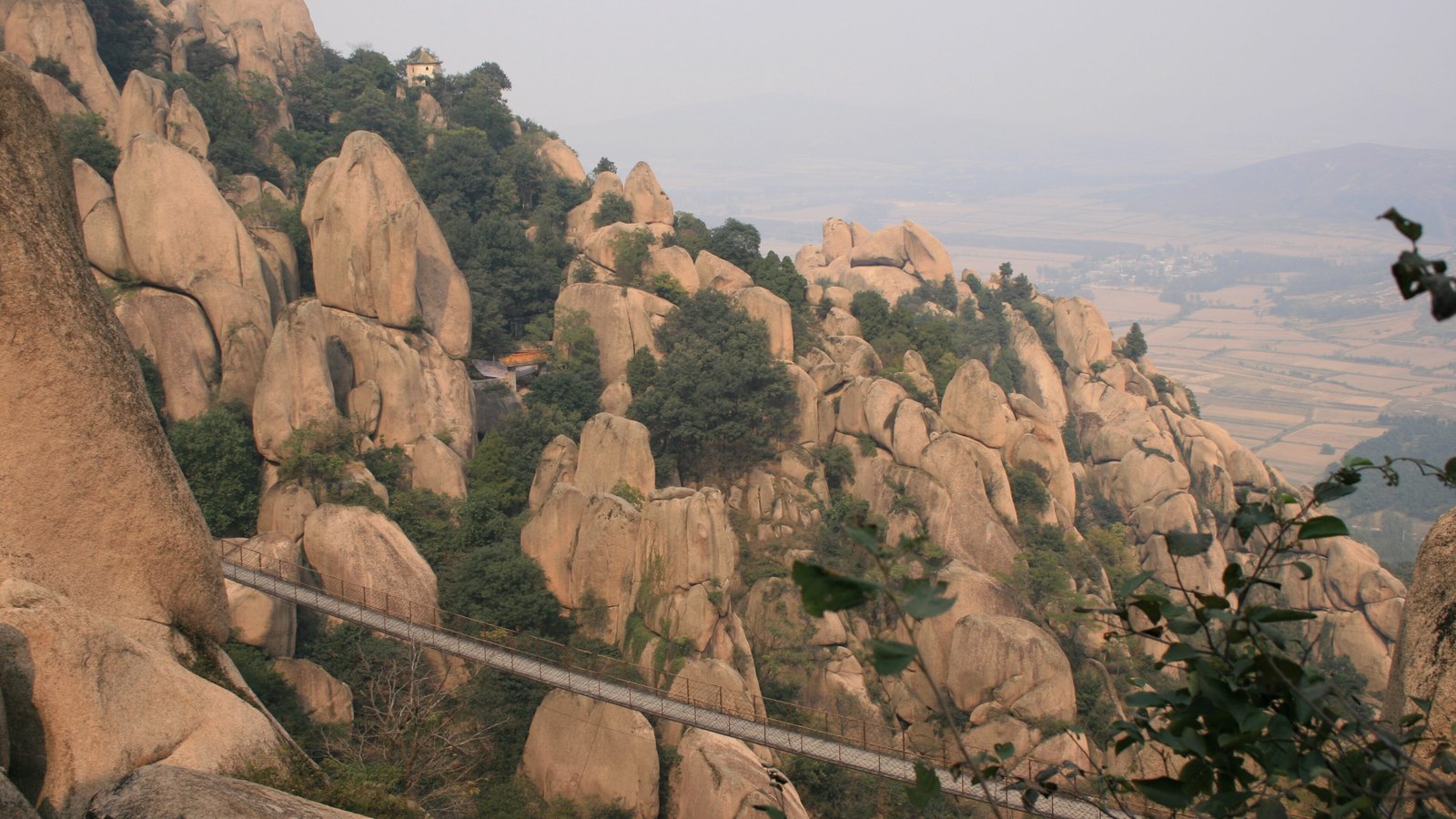
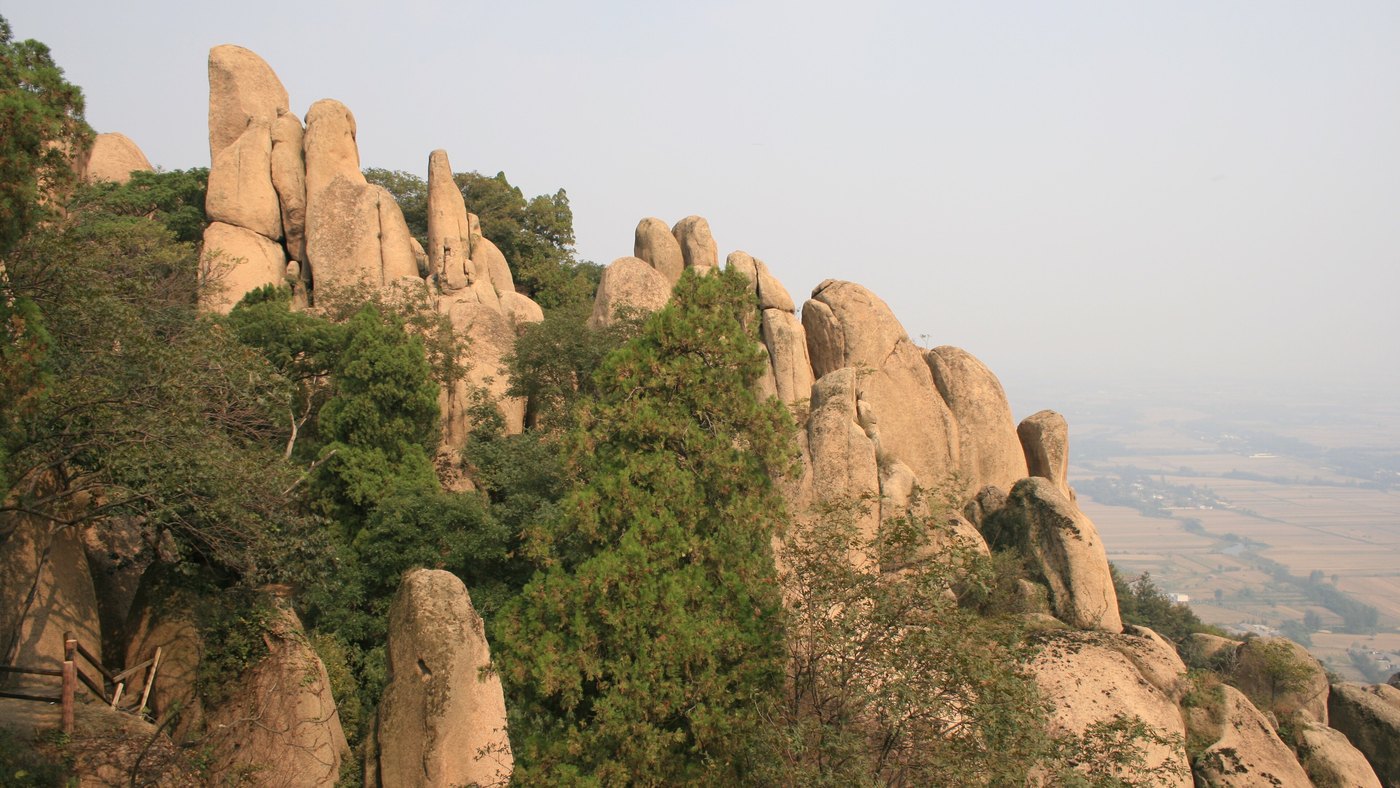
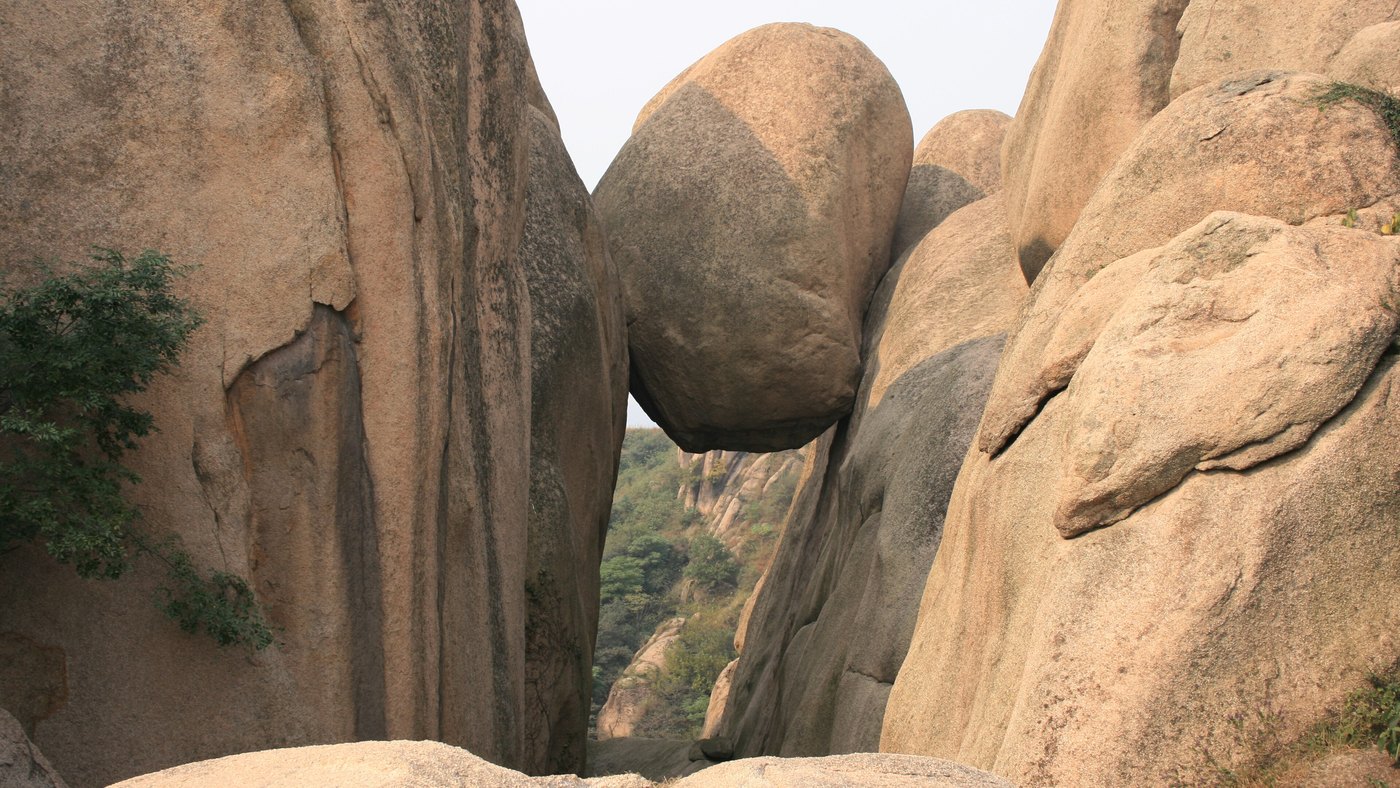
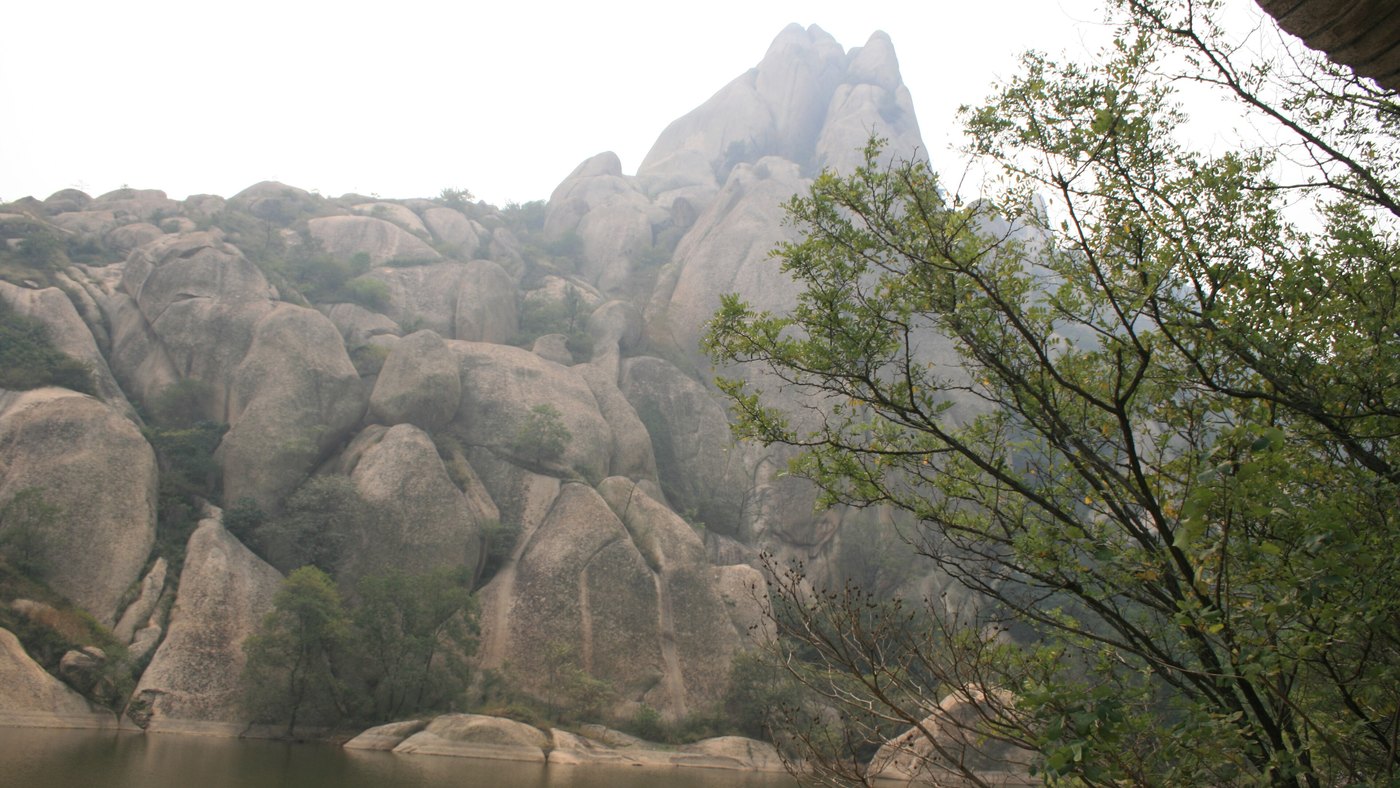
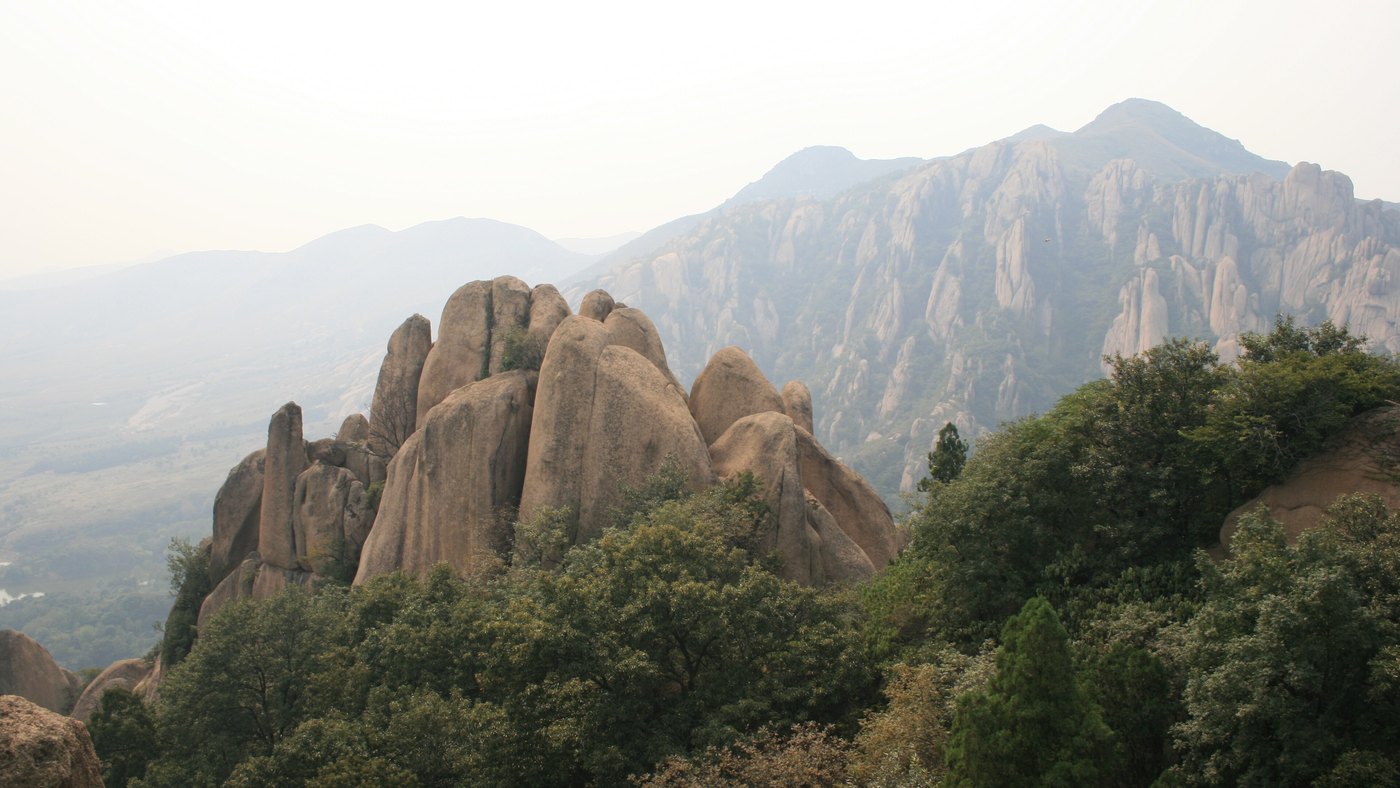
Southern Henan is flat farmland, and this is a lump of granite standing up out of it. That alone makes it conspicuous, but the reason it is a scenic area is what the weathering has done to the stone. In the hero image the rock stands as a crowd of columns and blades, packed tightly together and grooved vertically from top to bottom, while elsewhere on the same hill the granite has rounded into smooth boulders piled on one another.
Both are normal granite behaviour and which one visitors get depends on the joints. Where the rock is cut by closely spaced vertical fractures, water gets in and works along them, leaving fluted columns. Where the rock is more massive, weathering attacks it from all sides at once and rounds it off. Having both within a few hundred metres is what gives this small hill the busy, crowded look that its name and its reputation rest on.
Be clear about scale, though. This is not one of the great mountains and it does not pretend to be. It reads as a heap of remarkable stone rather than as a summit, and a visitor who arrives expecting Huangshan will be puzzled. Arriving expecting a compact, strange, thoroughly walkable rock garden is the right frame.
2. The Monkey King was filmed here
For a foreign visitor this is the useful hook. Journey to the West is one of the great Chinese novels and its 1986 television adaptation is among the many watched pieces of Chinese television ever made, repeated for decades and known to essentially everyone in the country. Some of it was shot on these rocks.
That matters for what the visit feels like. A good proportion of the Chinese visitors around visitors are here partly because they recognise the place from a programme they watched as children, which is a different motivation from scenery and produces a different atmosphere. If visitors know the Monkey King at all, from the novel or from any of the films and games it has produced, the connection is worth having in mind before they arrive.
3. And the opening commune was founded here
The other thing this district is known for in China has nothing to do with rocks. In 1958, at the start of the campaign that reorganised rural China into people's communes, the leading one of those communes was founded here. The commune was the basic unit of that reorganisation, combining villages into large collective bodies that held the land, ran the schools and clinics, and directed the labour.
This page states that and stops, because the period is contested, the figures vary, and sorting out what followed is not something a travel guide can do responsibly in a paragraph. What is worth knowing as a visitor is simply that a small hill in southern Henan carries both a children's television memory and the starting point of a twentieth-century reorganisation of the Chinese countryside, and that the two have nothing to do with each other.
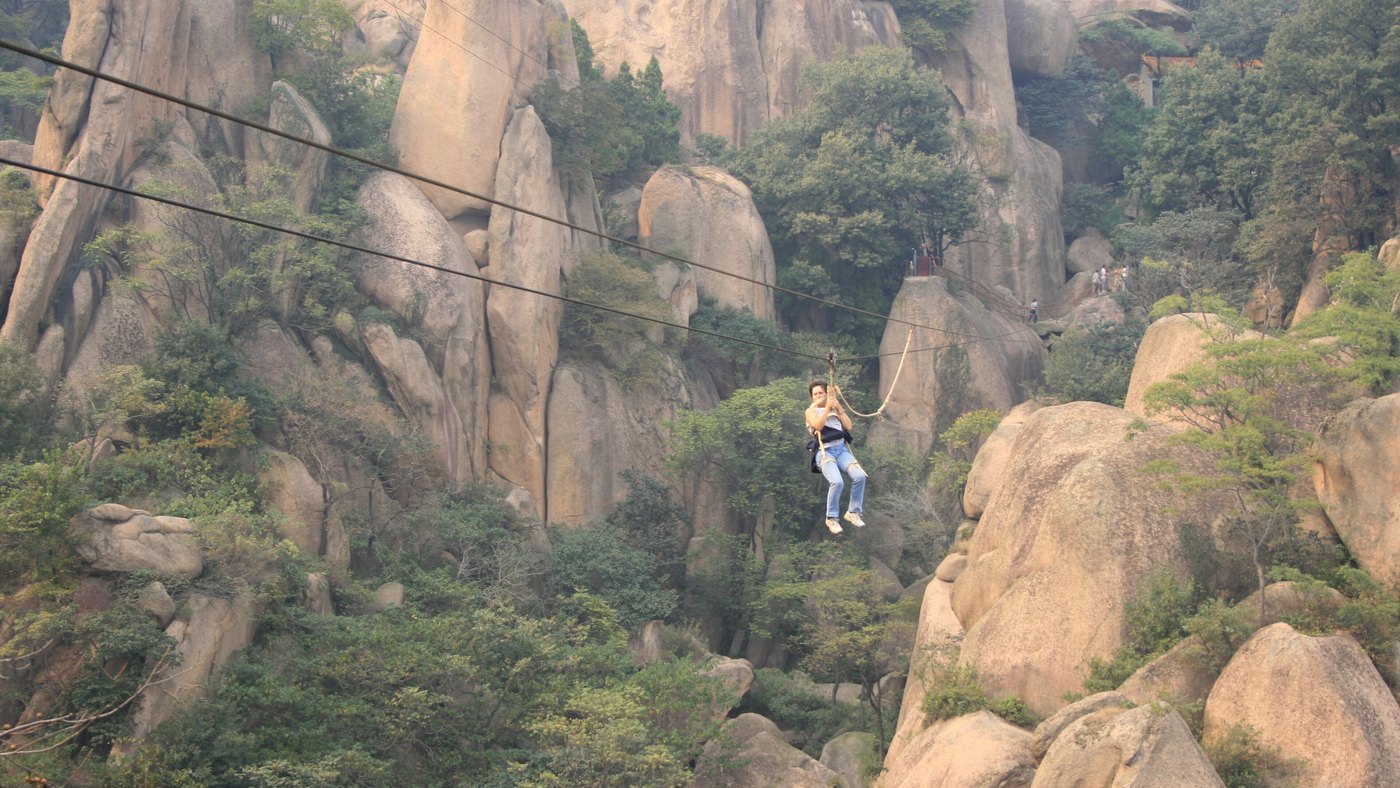
The catch. It is small, and a visitor who has come a long way for it will feel that. The walkways and steps between the rock groups are the whole experience, so wet weather matters more than usual. Everything is explained in Chinese. And southern Henan is off every standard route, so getting here is a deliberate decision rather than a detour.