Home › Destinations › Fujian › Fuzhou

Three Lanes Seven Alleys Fuzhou Fujian historic district Tang Song architecture night lanternIllustration

PreeChina · City Guide

Fuzhou, Fujian Travel Guide

Where the most perfectly preserved Tang and Song Dynasty residential district in China survives in the heart of a modern provincial capital, where banyan trees shade every ancient lane, and where the bold, sweet-sour flavors of Fujian cuisine reach their most sophisticated expression beside the Min River.

Fuzhou Quick Facts

Province / Region
Capital of Fujian Province, southeastern coast
Population
~8.5 million (city proper)
Best Time to Visit
March–May & October–November
Famous For
Three Lanes & Seven Alleys, lacquerware, Min cuisine, West Lake, banyan trees
Nearest Airport
Fuzhou Changle Airport (FOC); direct international & domestic flights
Recommended Stay
2–3 days
Also Written As
Foochow (older English spelling)

Why Visit Fuzhou?

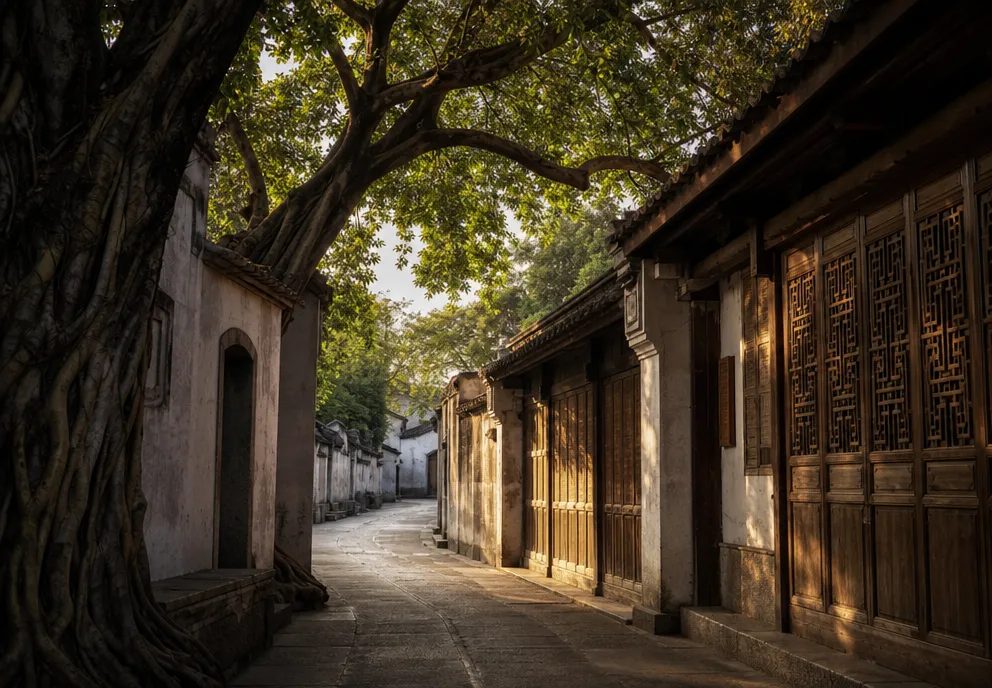
Three Lanes Seven Alleys Fuzhou Fujian whitewashed walls carved wood banyan tree heritageIllustration

Fuzhou is one of China's oldest coastal cities and the capital of Fujian Province, a city whose 2,200-year history has produced a distinctive culture of remarkable depth and a culinary tradition that many Chinese food experts consider the most technically sophisticated regional cuisine in the country. Its most celebrated heritage site, the Three Lanes and Seven Alleys (三坊七巷), is the most completely preserved ancient residential district in China, a 40-hectare network of Tang and Song Dynasty lanes where the whitewashed walls, carved wooden screens, and ancient banyan trees of Fuzhou's merchant and scholar class have survived centuries of change in extraordinary completeness.

The Three Lanes and Seven Alleys produced an astonishing concentration of historical figures: Lin Zexu (who destroyed the British opium at Humen), Yan Fu (who translated Darwin and Mill into Chinese), Bing Xin (the most beloved female writer in modern Chinese literature), and dozens of Qing Dynasty officials and reformers all lived within this single residential district, a density of historical achievement that gives the street-level heritage walk an intellectual dimension that few urban heritage sites anywhere in China can match.
What the Guides Miss

1

A Shipyard Built for Warships Also Produced Boeing's First Chief Engineer

Zuo Zongtang, then governor-general of Fujian and Zhejiang, proposed the shipyard in 1866 and won imperial approval that July 14; the Qing court's official name for it was simply "the Shipyard," not the Fujian or Fuzhou Shipyard Bureau people call it today. French contractors Prosper Giquel and Paul d'Aiguebelle ran a five-year program that, between 1869 and 1874, turned out 15 steam warships and launched China's first attempt at a homegrown modern navy. In 1918 the yard's aircraft division, led by American-trained engineers Ba Yuzao and Wang Zhu, built China's first seaplane; Wang later became Boeing's first chief engineer and designed its first mass-produced aircraft.

2

The Stone That Outranks Jade Comes From Under One Square Kilometer

Tianhuang, the stone Fuzhou carvers prize above all others, comes only from a patch of land barely one square kilometer in the city's Shoushan village, and miners have worked the deposit since at least the Ming dynasty. Collectors once traded one tael of raw stone for one tael of gold; by the Qing dynasty the ratio had climbed past three to one, and today gold no longer sets the price at all. On June 1, 2016, a pair of carved Tianhuang seals once owned by Prince Gong sold at a Hong Kong auction for a final price of 85.24 million Hong Kong dollars.

Best Attractions in Fuzhou

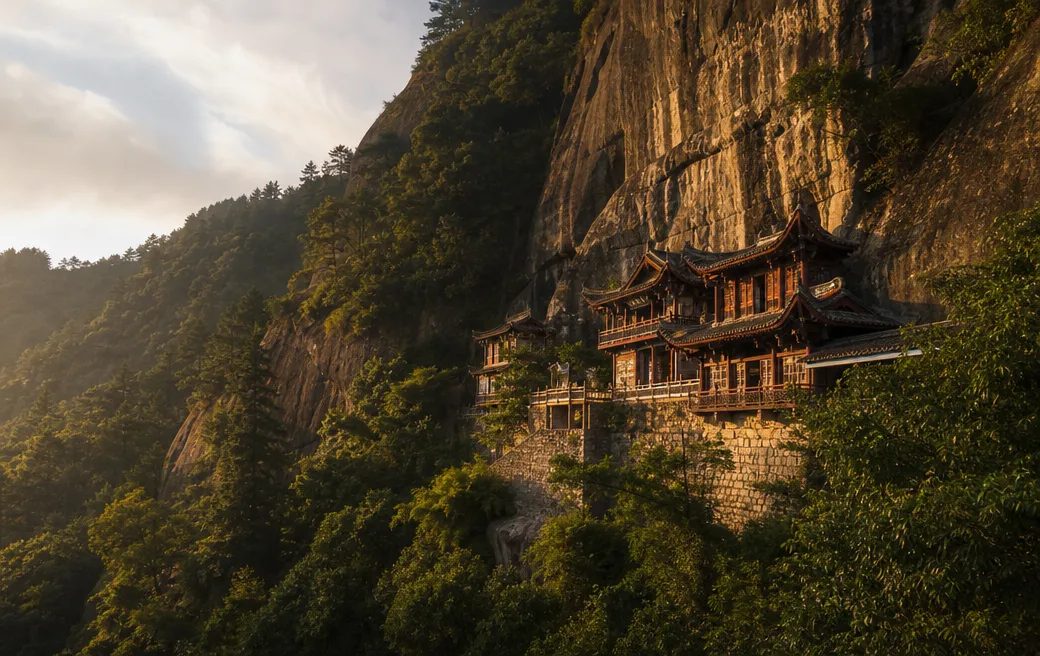
Fuzhou Gu Shan mountain Yongquan Temple hot spring Fujian scenic forest Buddhist heritageIllustration
Mountain & Hot Spring

Gu Shan & Yongquan Temple (鼓山·涌泉寺)

Gushan rises behind the city with Yongquan Temple on it, founded in 783 and holding Song and Ming fabric along with a serious collection of Buddhist art and manuscripts.

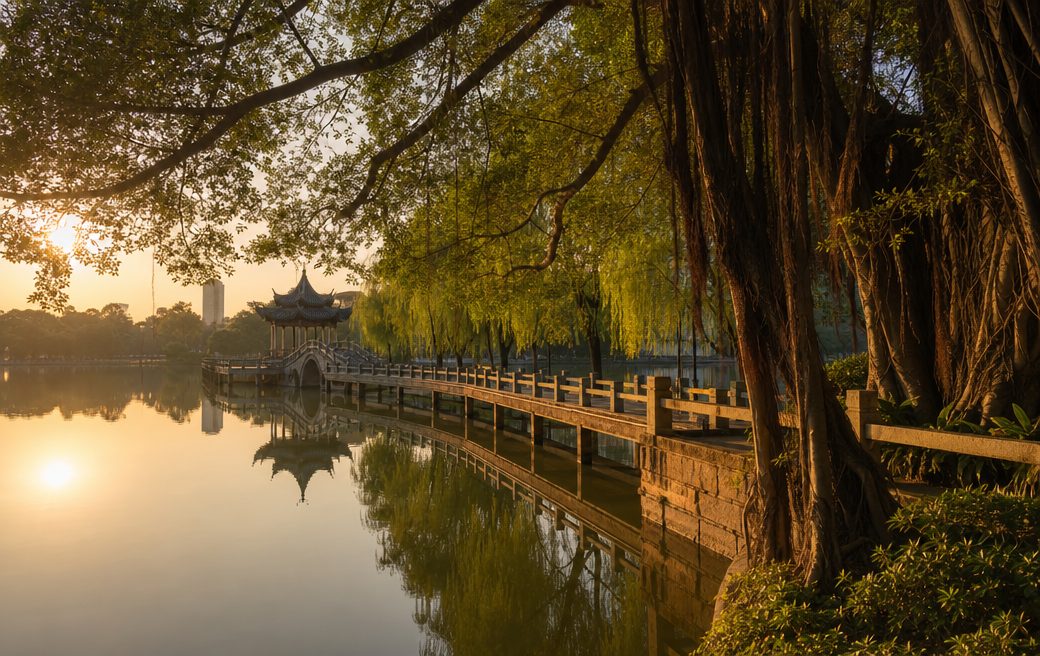
Fuzhou West Lake Park Fujian classical garden pavilion willow lake reflection scenicIllustration
Classical Garden

West Lake Park (西湖公园)

Fuzhou's most beloved urban park and a classical garden landscape of considerable elegance, West Lake Park surrounds a historic lake whose origins date to the Jin Dynasty (282 AD) when the Governor of Fuzhou diverted the Xi River to create an irrigation reservoir that subsequently became the city's primary scenic area.

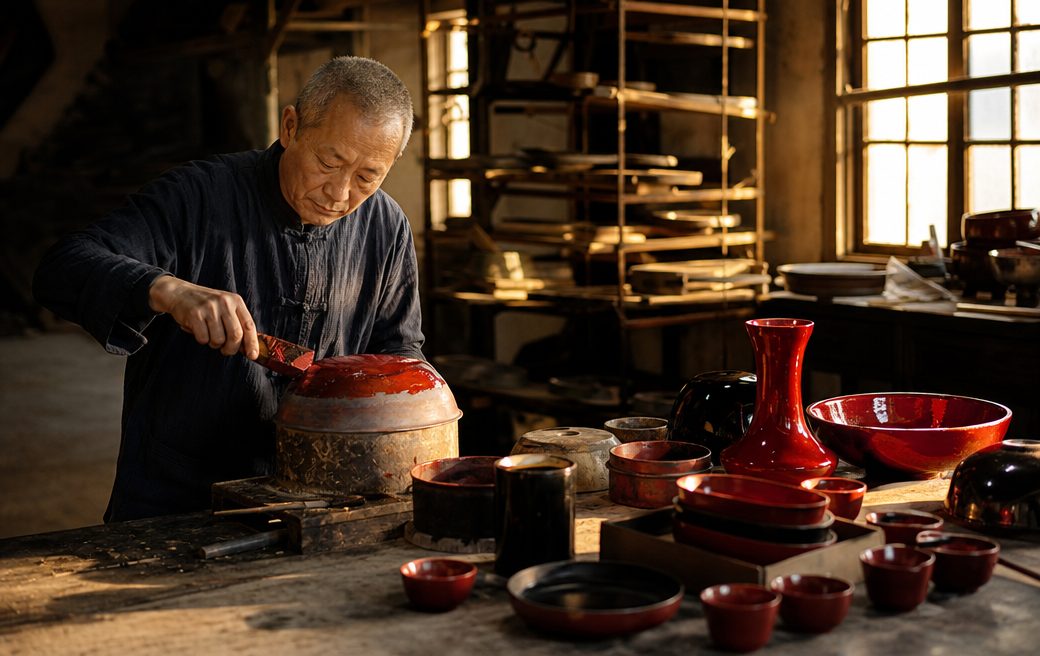
Fuzhou bodiless lacquerware traditional craft Fujian heritage red black artisan workshopIllustration
Unique Craft Heritage

Fuzhou Bodiless Lacquerware (福州脱胎漆器)

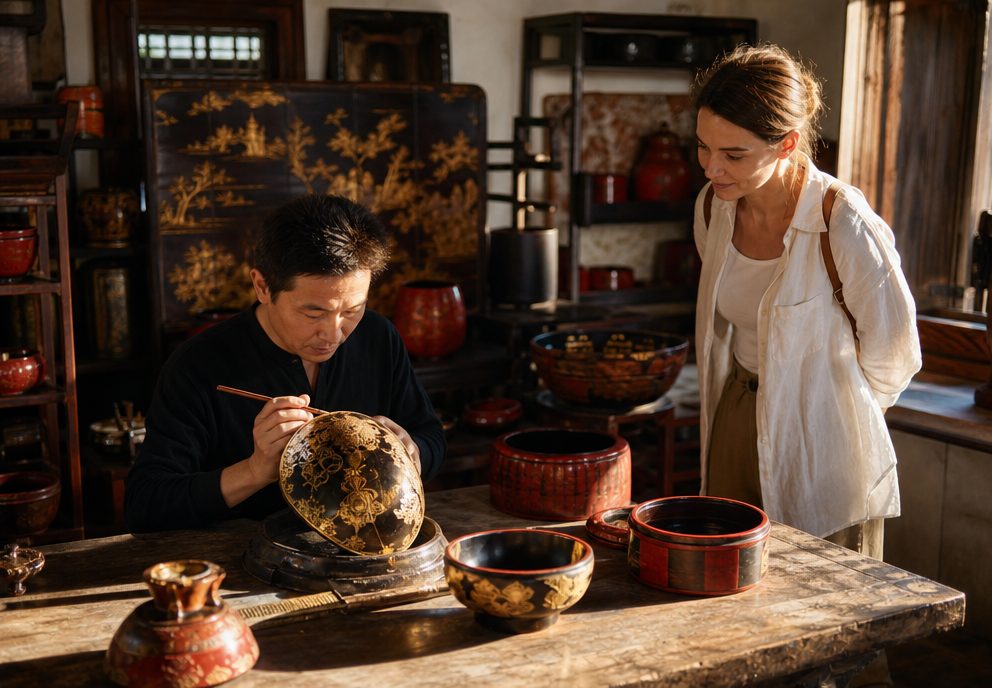
Fuzhou's most celebrated craft export and one of China's most distinctive artistic traditions, the bodiless lacquerware (脱胎漆器) is produced by applying multiple layers of lacquer to a temporary clay or wooden mold, then removing the mold entirely, leaving a lacquer shell of extraordinary lightness, strength, and decorative possibility.

Ways to Experience Fuzhou

Group Tours

A group route across Fuzhou's historic lanes, Gu Shan's temple, and lacquerware craft.

Three Lanes and Seven Alleys Tours

A well-preserved Ming-Qing neighbourhood of historic residences in the city centre.

Gu Shan Mountain Tours

Gu Shan's forested trails and Yongquan Temple.

Bodiless Lacquerware Craft Tours

Fuzhou's bodiless lacquerware workshops, a distinctive regional craft.

Explore Fuzhou on the Map

By Type
By Theme
View Full China

Approximate locations of the attractions above, across Fuzhou.

Fuzhou Food You Should Try

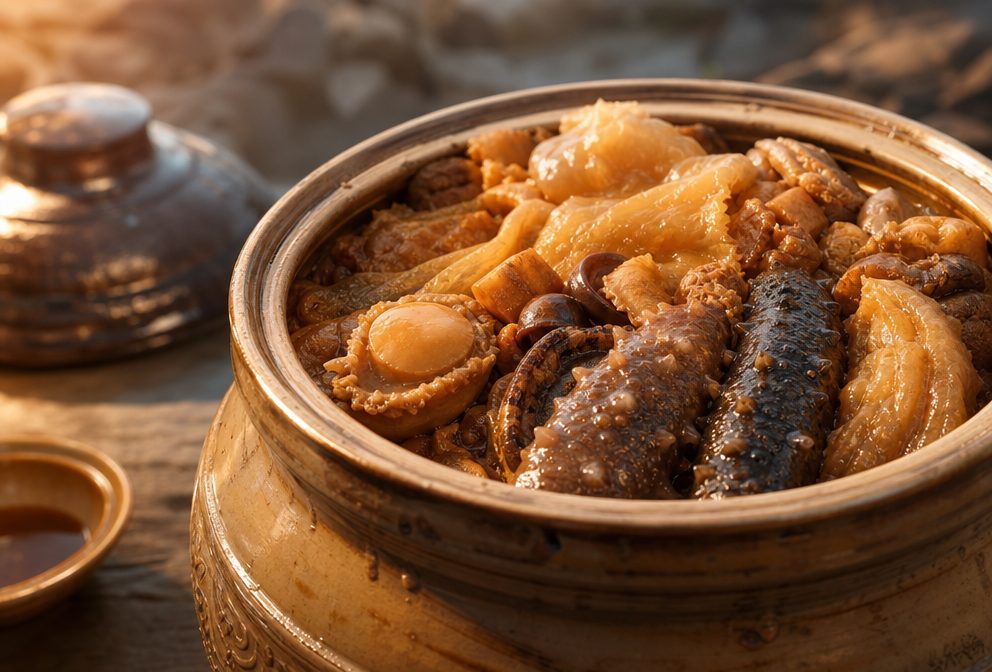
Fuzhou Buddha Jumps Over Wall Fo Tiao Qiang soup pot Fujian premium seafood stewIllustration

Buddha Jumps Over the Wall (佛跳墙)

Buddha Jumps Over the Wall is the Fujian banquet dish: abalone, sea cucumber, fish maw, scallop, pork knuckle, chicken and mushrooms sealed in a clay jar and cooked for a day or more until everything has given itself up to the broth.

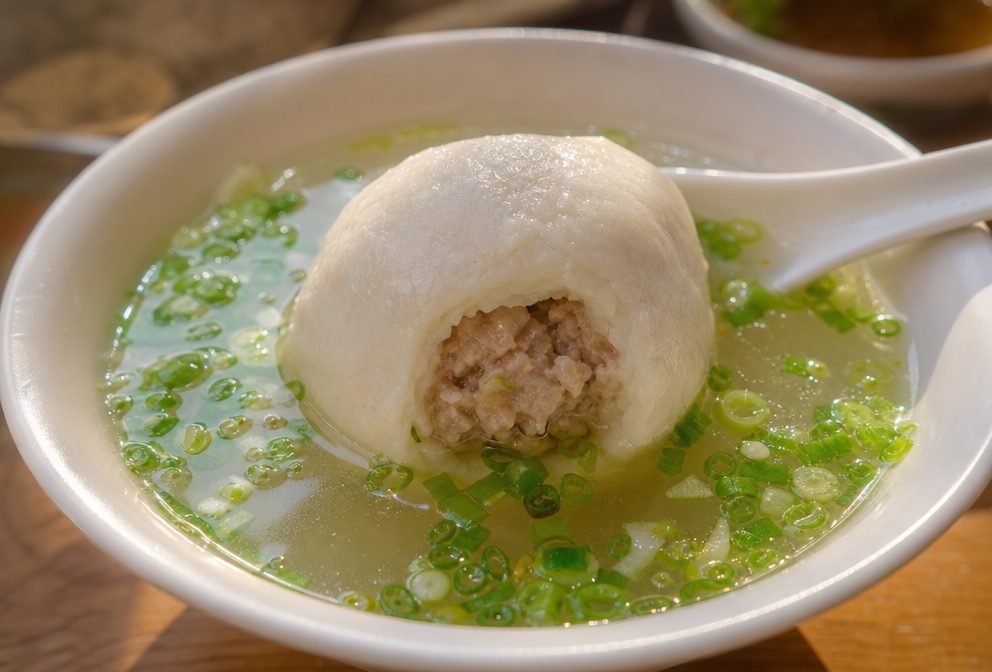
Fuzhou fish ball fish dumpling Min cuisine Fujian fresh fish paste clear broth localIllustration

Fuzhou Fish Balls (福州鱼丸)

The most beloved everyday food in Fuzhou and the most technically demanding of the city's street food traditions: large, smooth balls of fish paste (made from fresh mackerel or grass carp, hand-beaten until it becomes elastic) stuffed with a filling of seasoned pork, then poached in a clear fish broth and served with scallion and sesame oil.

Fuzhou lychee pork sweet sour pork Fujian Min cuisine lychee flavor traditional localIllustration

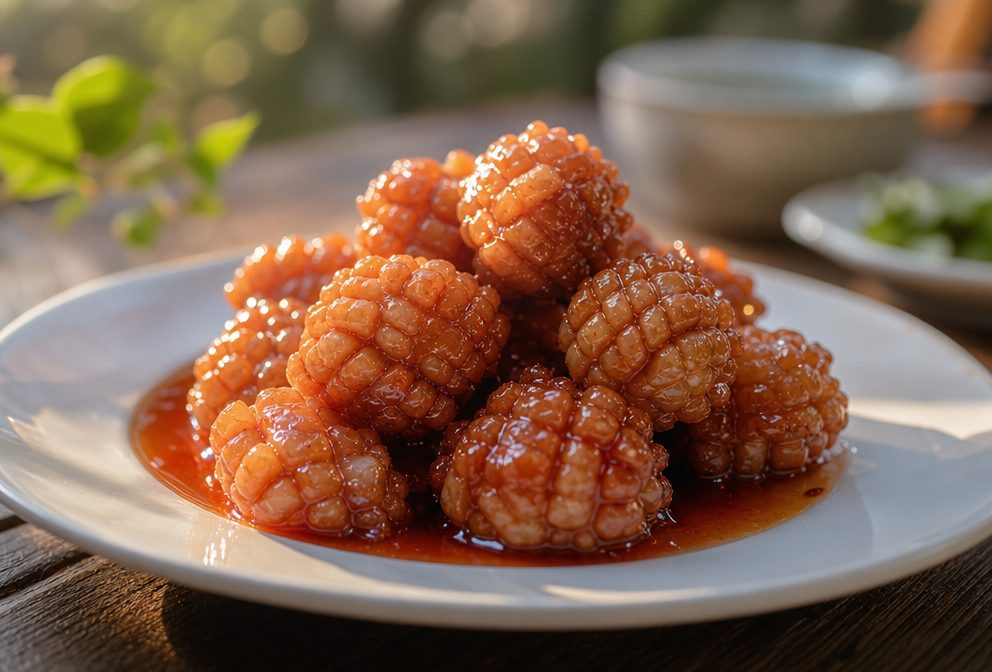
Lychee Pork (荔枝肉)

One of the most beloved traditional dishes in Min (Fujian) cuisine and Fuzhou's most celebrated pork preparation: pork pieces cut and scored to resemble lychee fruit, then fried until golden and braised in a sweet-sour sauce of Fuzhou red rice vinegar, sugar, soy, and Fujian rice wine.

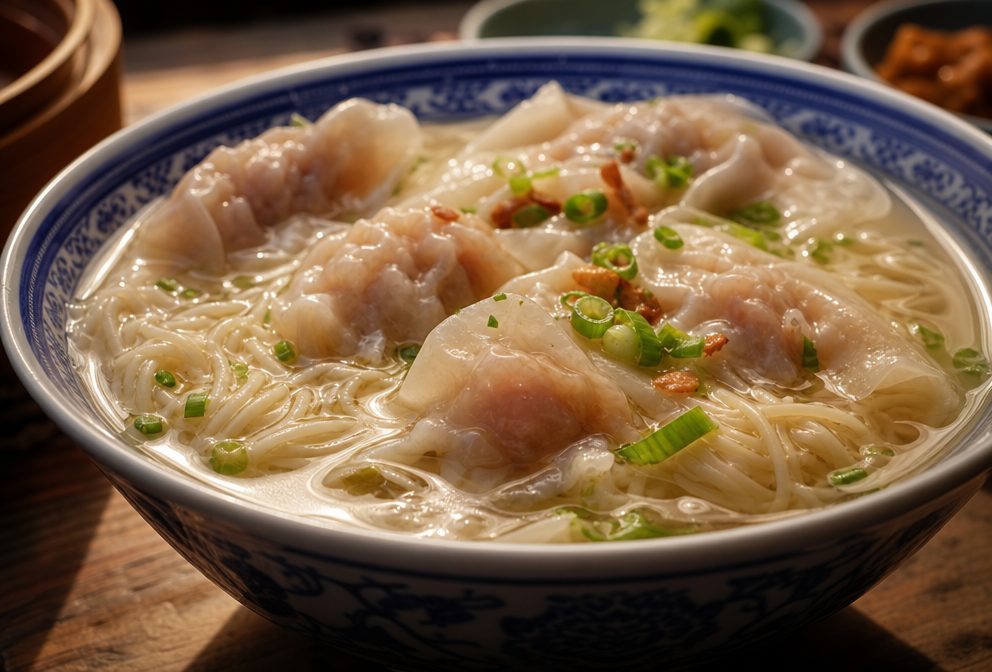
Fuzhou wonton noodle soup Min cuisine pork shrimp wonton thin skin clear broth localIllustration

Fuzhou Wonton Noodles (福州扁肉燕)

The most specifically Fuzhou breakfast preparation and a dish whose wrapper material distinguishes it from all other Chinese wonton traditions: the bianrou yan (扁肉燕) uses a wrapper made not from wheat flour but from pork, specifically, pork leg meat beaten flat and thin with wooden mallets until it becomes a translucent, delicate sheet that encloses the minced pork and shrimp filling.

Cultural Experiences in Fuzhou

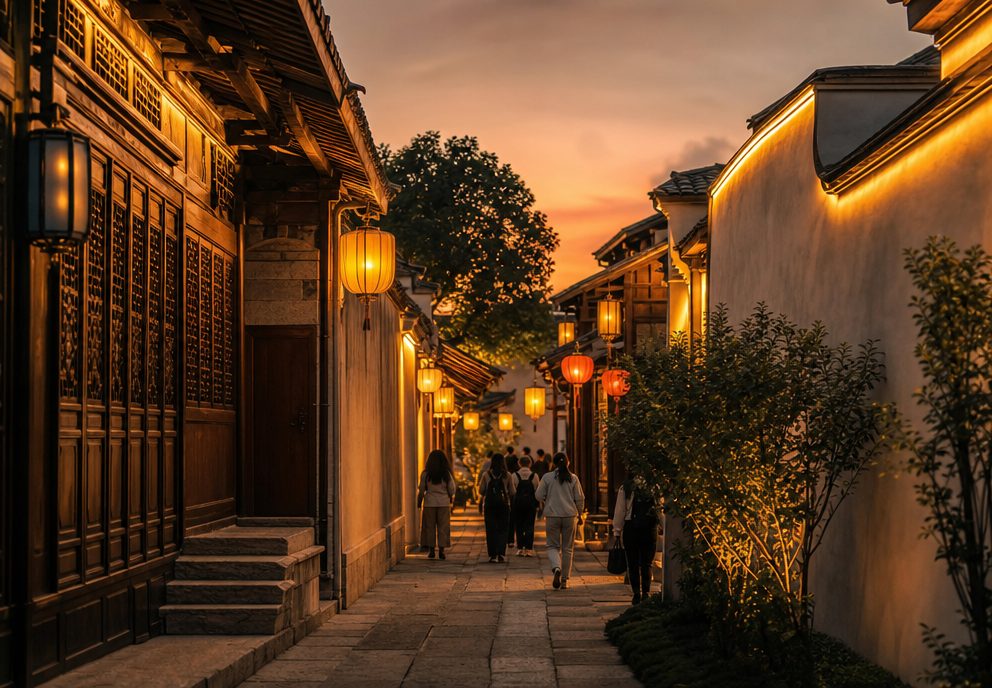
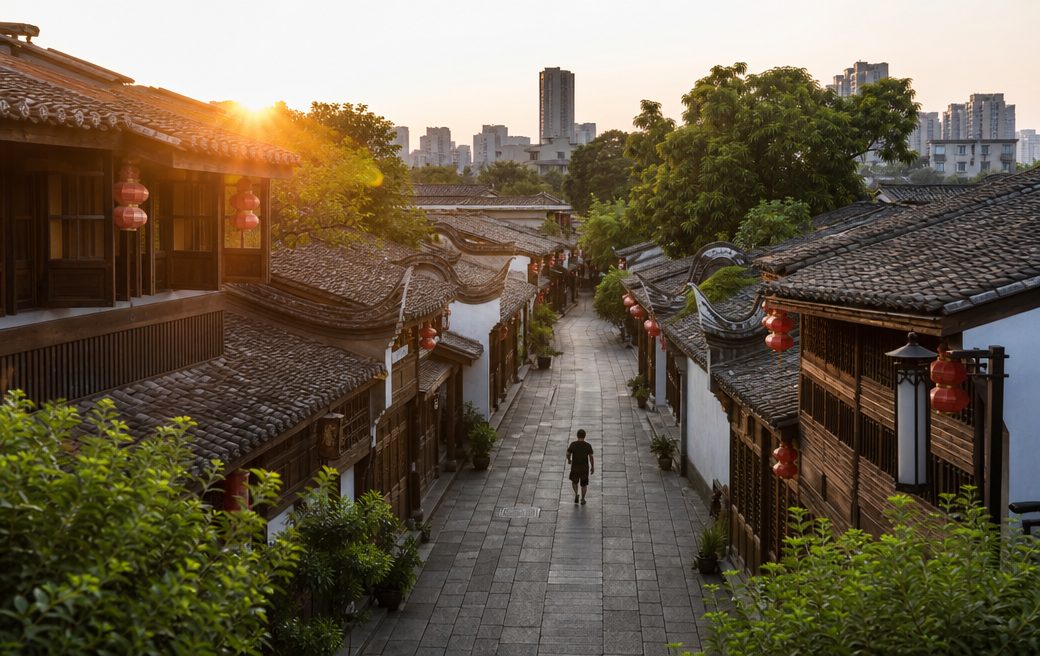
Three Lanes Seven Alleys evening lantern Fuzhou Fujian heritage walk Tang Song architectureIllustration

Three Lanes Evening Walk

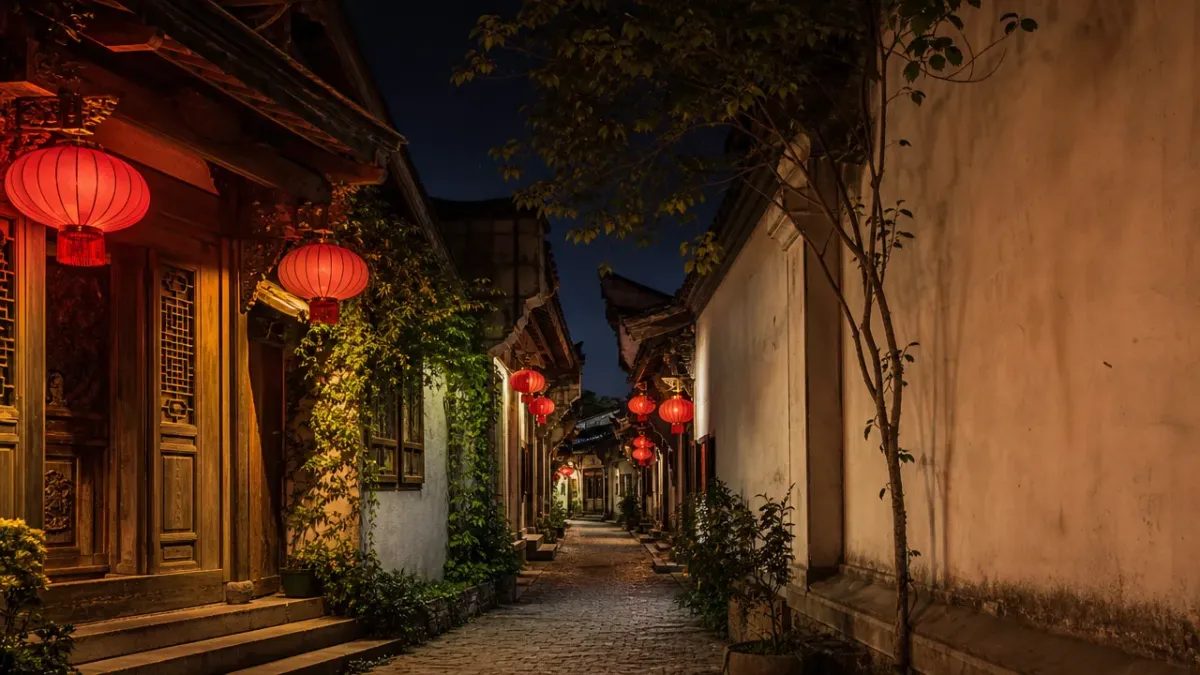
Walk the Tang and Song Dynasty lanes as the lanterns come on, whitewashed walls glowing, ancient banyan trees arching overhead, the mansions of Lin Zexu and Yan Fu visible behind carved wooden gates.

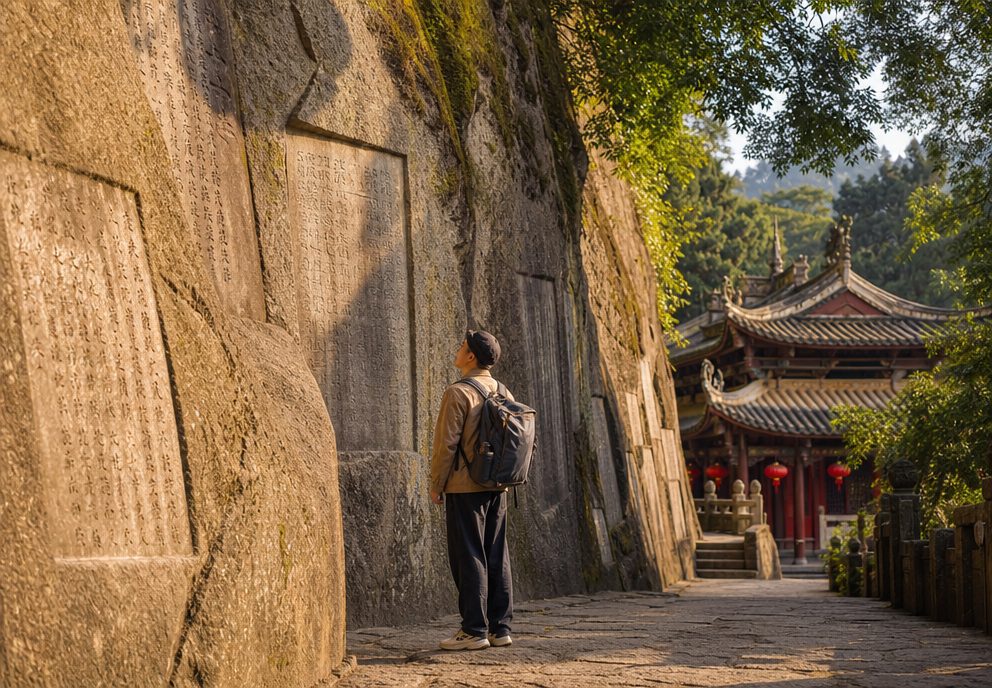
Gu Shan mountain Yongquan Temple Fuzhou Fujian cliff inscription forest Buddhist dawnIllustration

Gu Shan Temple & Cliff Walk

Walk up Gushan rather than taking the cable car if you have the morning.

Fuzhou hot spring bathing mineral water Gu Shan Fujian traditional hot spring cultureIllustration

Fuzhou Hot Spring Soak

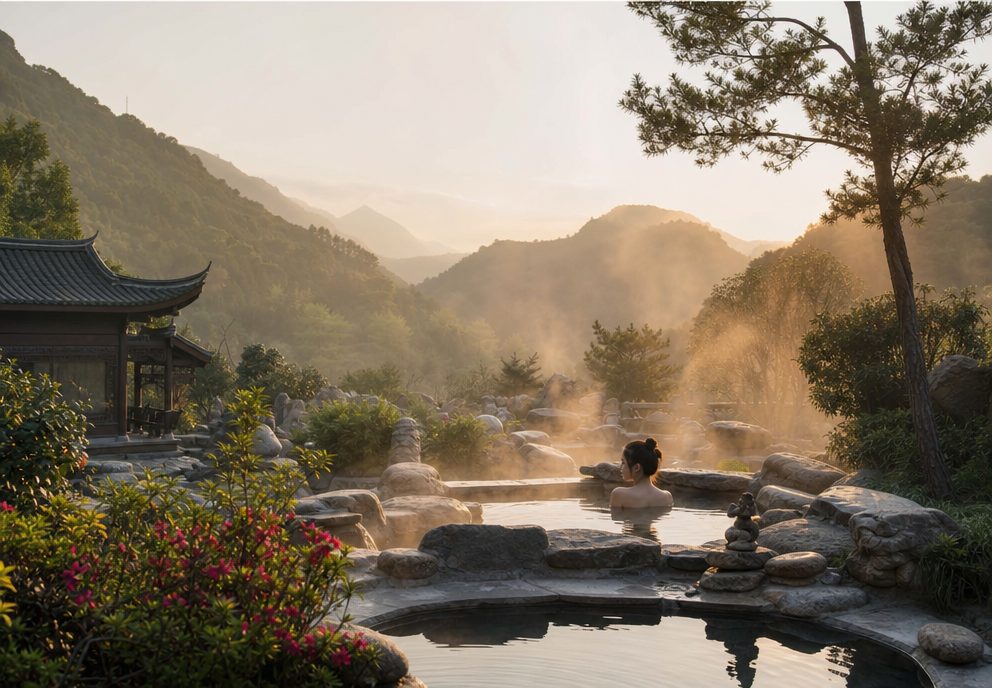
Soak in Fuzhou's famous natural hot springs at the foot of Gu Shan, the Tang Dynasty bathing tradition that has made Fuzhou one of China's most celebrated hot spring cities, in mineral waters that emerge from the granite mountain.

Fuzhou bodiless lacquerware workshop artisan applying lacquer layers heritage craft FujianIllustration

Lacquerware Workshop Visit

Watch an artisan apply lacquer layers to a mold destined to become a bodiless vessel weighing less than 100 grams, the 18th-century Fuzhou technique that produces the lightest and most structurally extraordinary lacquerware in China.

Fuzhou fish ball pork wonton breakfast street stall local morning food culture FujianIllustration

Fish Ball Breakfast at Dawn

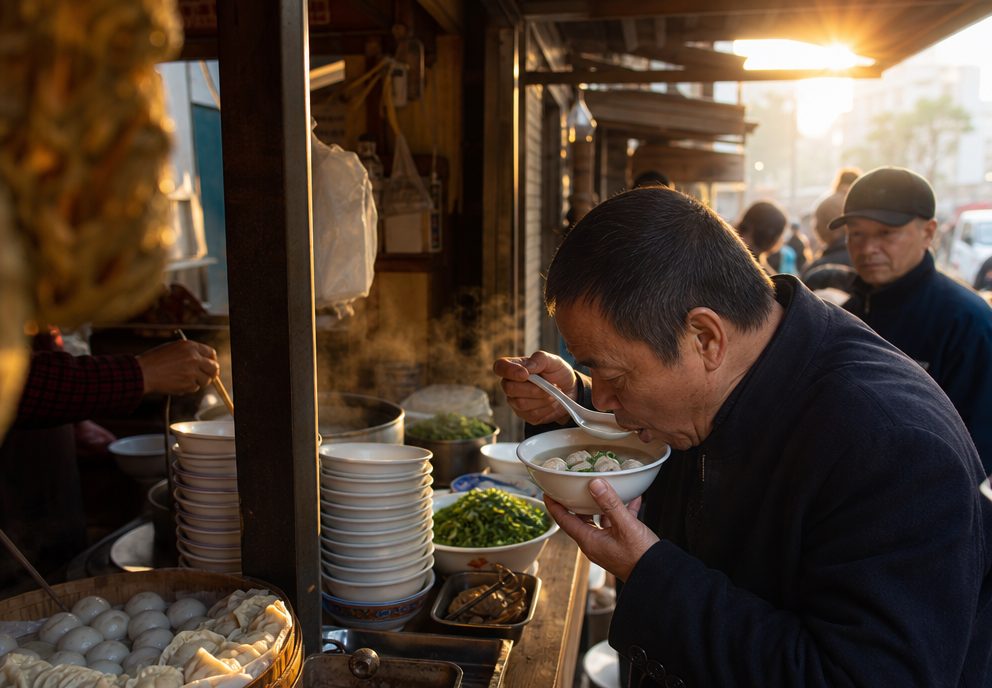
Eat Fuzhou fish balls and pork-skin wonton noodles at a street stall at 6 AM, the most technically original breakfast in Fujian, in the city where both preparations have been perfected over centuries of daily practice.

Best Time to Visit Fuzhou

SeasonHighlightsWeather
Spring
(Mar–May)
Three Lanes most atmospheric in mild spring; Gu Shan forest most fresh; West Lake Park spring flowers; fish ball and wonton breakfast most enjoyable; hot spring most pleasant in mild weather; lychee pork season approaching14–24 °C (57–75 °F). Mild with occasional rain. Light layers. Spring is Fuzhou's finest season, comfortable temperatures for all heritage and mountain sites.
Summer
(Jun–Sep)
Lychee season (June–July), lychee pork most authentic with fresh fruit; Gu Shan morning hikes cool; Three Lanes evening culture most active; fish ball stalls most abundant; hot spring less appealing in heat. Note: typhoon risk August–September28–36 °C (82–97 °F). Hot and very humid. Typhoon monitoring required August–September. Morning and evening activities recommended; Three Lanes most pleasant at dusk.
Autumn
(Oct–Nov)
Best overall season; Gu Shan autumn scenery; Three Lanes most atmospheric in clear light; all food culture at most comfortable temperatures; Buddha Jumps Over the Wall most appropriate in cool weather; hot spring season beginning18–28 °C (64–82 °F). Clear and comfortable, the finest season. October–November combines comfortable temperatures, clear skies, and the full cultural and culinary experience.
Winter
(Dec–Feb)
Hot spring culture at peak, Fuzhou winters are mild enough for outdoor hot spring soaking; Three Lanes most intimate; fish ball breakfast most warming; Buddha Jumps Over the Wall most satisfying; fewest visitors8–18 °C (46–64 °F). Mild by national standards. Light to medium layers. Fuzhou winters are warmer than most of eastern China, the hot springs and the mild climate make December–February genuinely pleasant.

Recommended Routes Near Fuzhou

1 Day

Historic Lanes Route

Three Lanes and Seven Alleys in the morning, West Lake Park in the afternoon.

1 Day

Gu Shan Route

A full day on Gu Shan, visiting Yongquan Temple and the cliff inscriptions along the trail.

Why Choose PreeChina

Local Expert Guides

Our Fuzhou specialists provide the Three Lanes heritage walk with the biographical stories of Lin Zexu, Yan Fu, and Bing Xin that make each mansion personally significant, know the fish ball stall whose pork skin wonton wrapper is made by hand each morning, and can arrange Buddha Jumps Over the Wall at the restaurant that uses the original 36-hour clay jar method.

Flexible Itineraries

Fuzhou works as a 2–3 day standalone or as the anchor of a Fujian coastal circuit combining Fuzhou, Quanzhou, and Xiamen, covering the province's historic port cities, maritime heritage, and seafood culture in a comprehensive southeastern China experience.

24/7 English Support

From first inquiry to final farewell, our English-speaking team is always available, before, during, and after your Fuzhou journey.

Private Transportation

Comfortable vehicles for airport transfers and for connecting the Three Lanes and Seven Alleys (city center), Gu Shan mountain and Yongquan Temple (10 km east), West Lake Park, the lacquerware workshops, and the Min River waterfront across Fuzhou.

Authentic Experiences

We arrange Three Lanes evening heritage walks with historical biography commentary, Gu Shan dawn temple and cliff inscription tours, Fuzhou natural hot spring soaking sessions, bodiless lacquerware workshop demonstrations, fish ball breakfast street food tours, and Buddha Jumps Over the Wall banquet reservations.

Fuzhou is in Fujian, in East China.

Blog Posts About Fujian Seafood

Keep Exploring Fuzhou

Plan Your Group Trip to Fuzhou

Travelling to China with 10 or more people? Talk to PreeChina first. A transparent service fee of USD 100 per person for trips of up to 10 days (USD 150 for 11 to 20 days), and no markup on travel components. See how the fee works.

Tell us your group size, travel dates, and preferences, and our local Fuzhou experts will design a group China journey through Fujian's ancient capital, for your group.

Routes in Fuzhou, Fujian: UNESCO World Heritage Sites Near Fuzhou

Plan a Group Trip to FuzhouSee Group Tour Options

Share This Guide