 Illustration
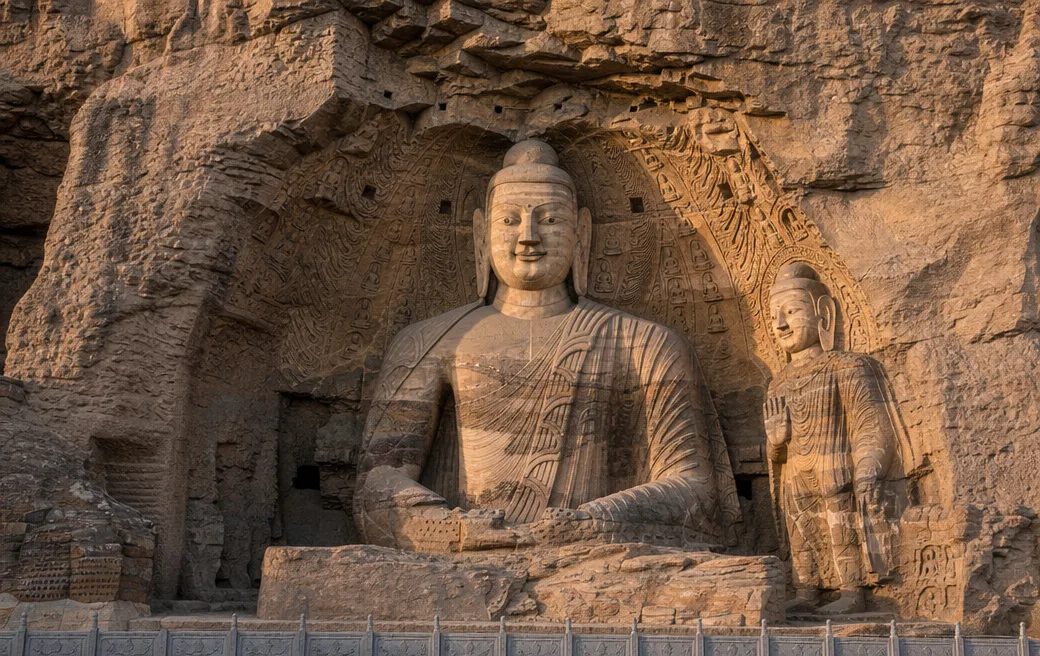
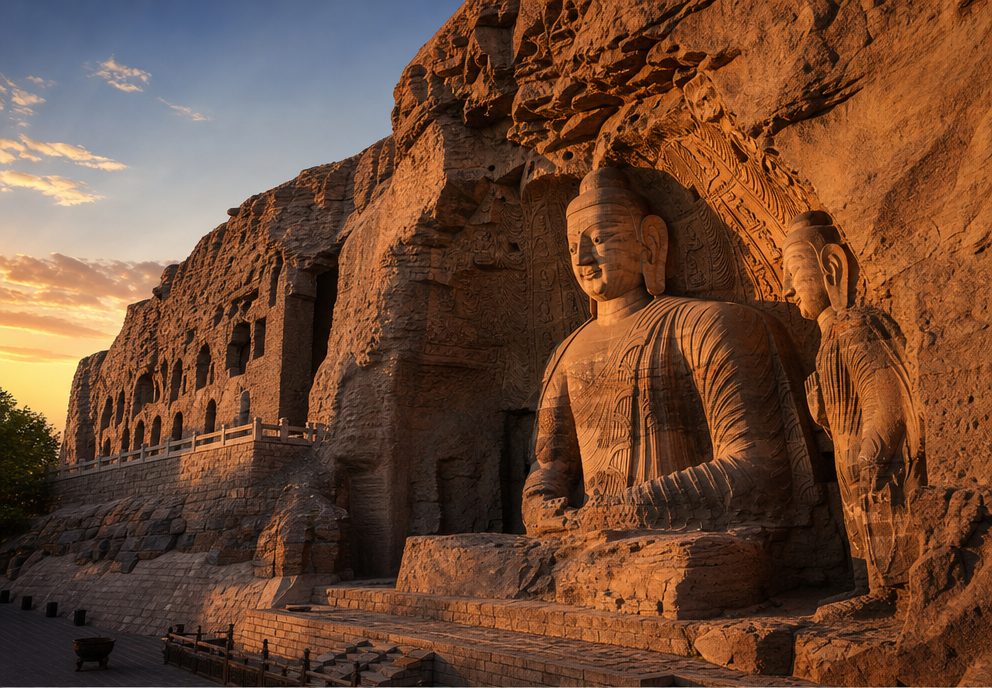
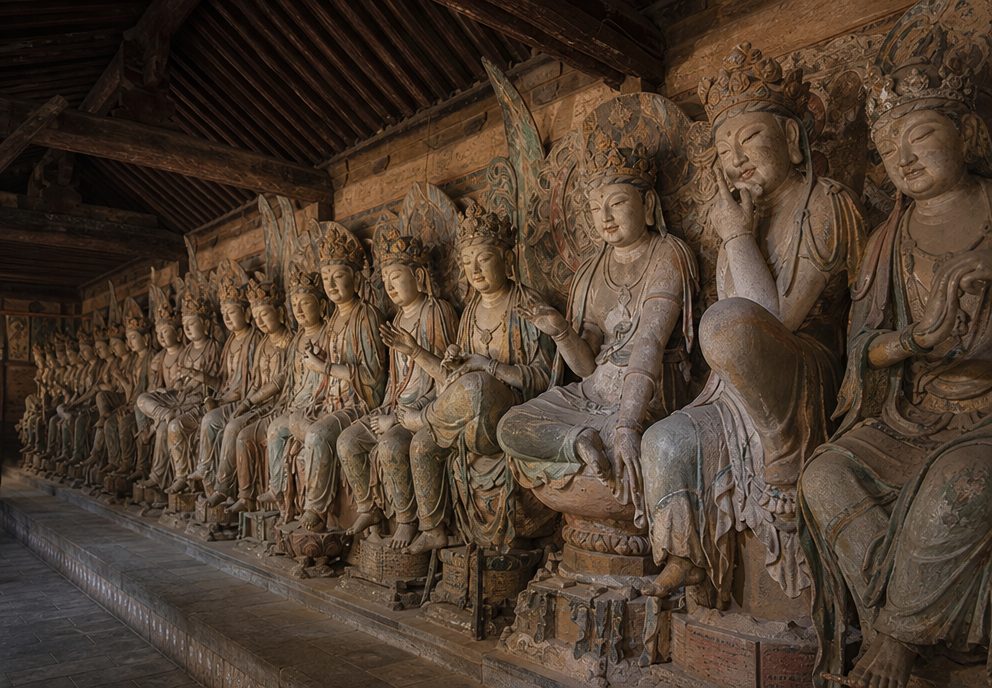
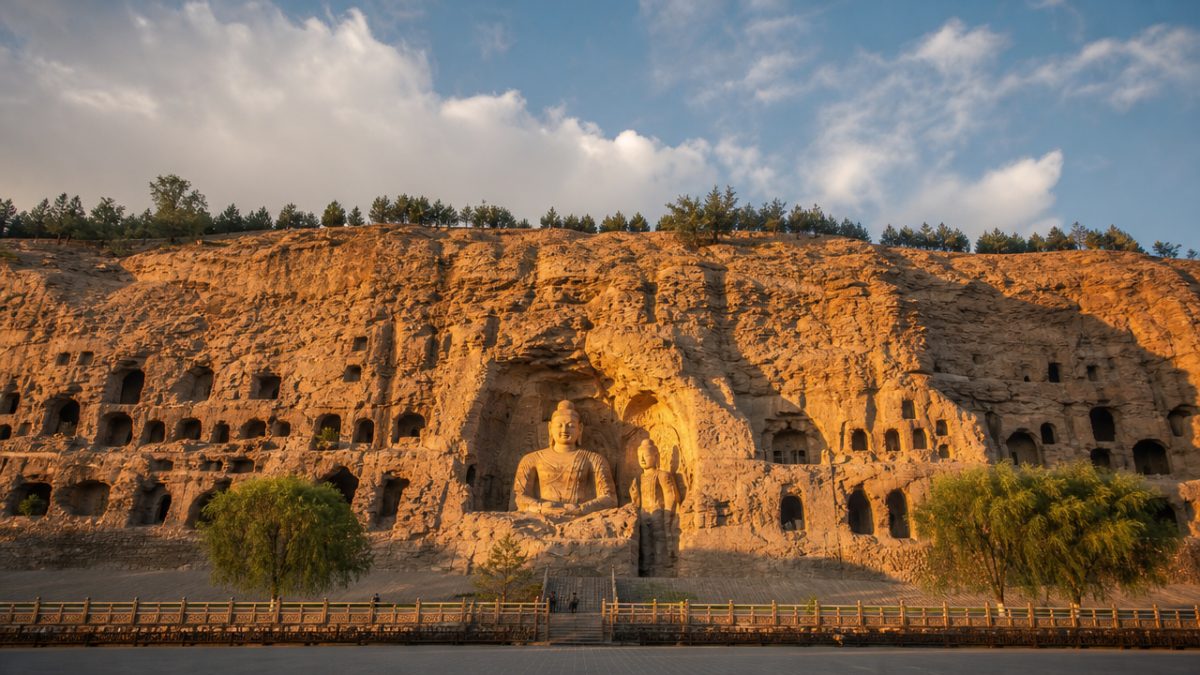
Datong was the imperial capital of the Northern Wei Dynasty, a Xianbei people who unified northern China in the 4th century AD and became passionate patrons of Buddhism, channeling the wealth and labor of a vast empire into the creation of two of the most extraordinary artistic complexes ever produced in human history. The Yungang Grottoes, carved into a sandstone cliff beginning in AD 460 under imperial patronage, contain over 51,000 Buddhist statues in 252 caves, ranging from colossal Buddhas 17 meters tall to intricate narrative friezes of thousands of figures smaller than a hand. They are a UNESCO World Heritage Site and one of the three great Buddhist cave systems of China, alongside Dunhuang and Longmen.
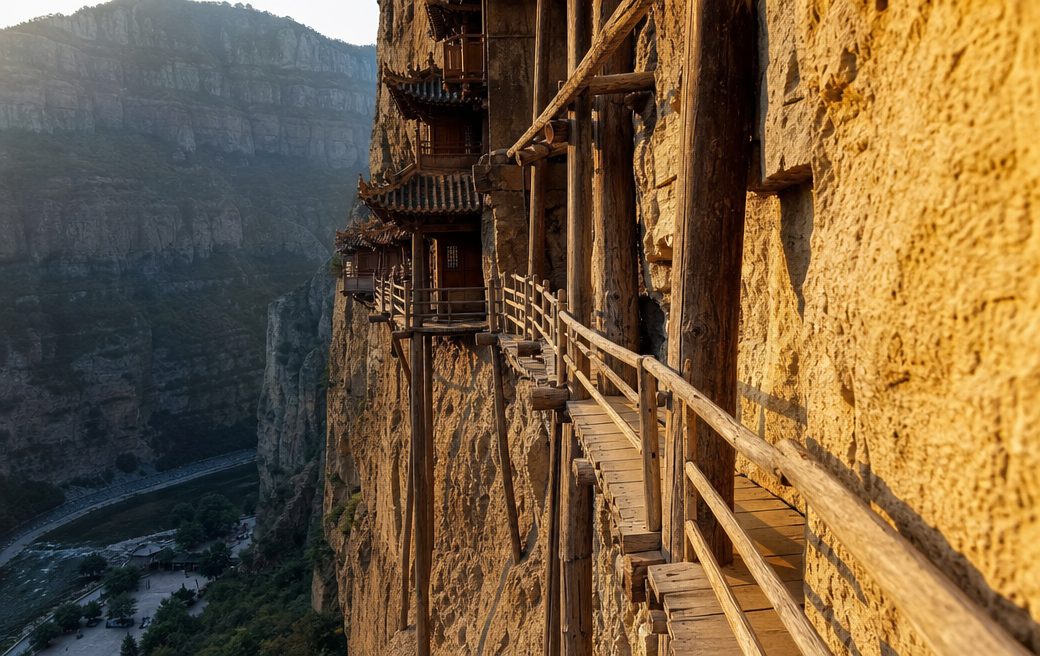
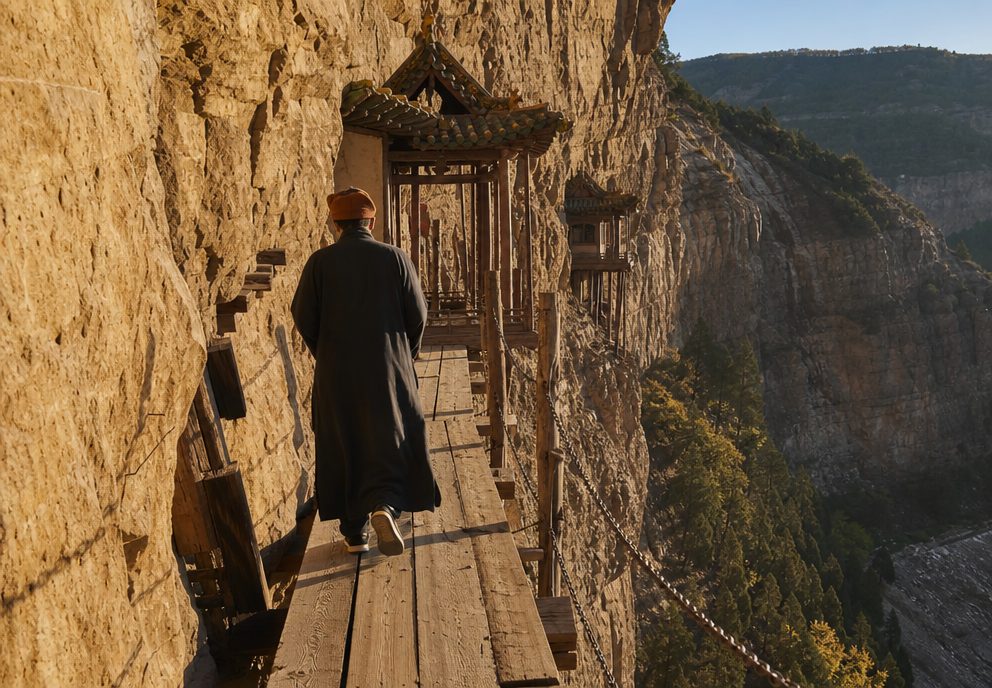
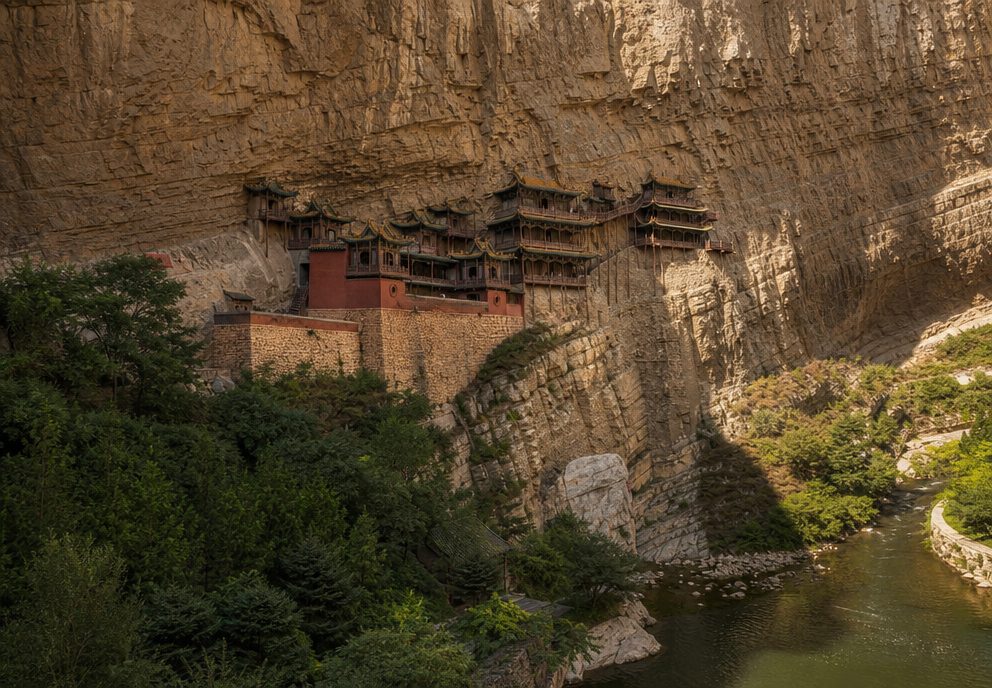
Seventy kilometers south, the Hanging Monastery (Xuankong Si) clings to a sheer cliff face in the Hengshan Mountain gorge by means of wooden beams driven directly into the rock, a structure that has survived earthquakes, floods, and fifteen centuries of mountain weather since its construction in AD 491. The sight of it, suspended above the gorge with the valley floor 50 meters below, produces a genuinely vertiginous combination of awe and bafflement that no photograph adequately conveys.