 Illustration
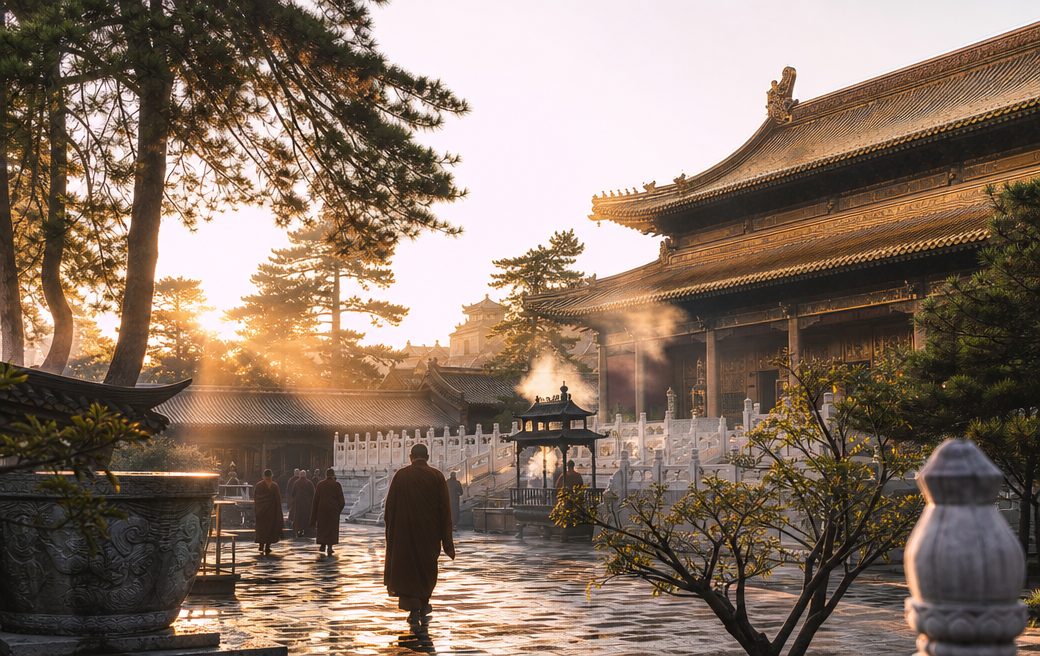
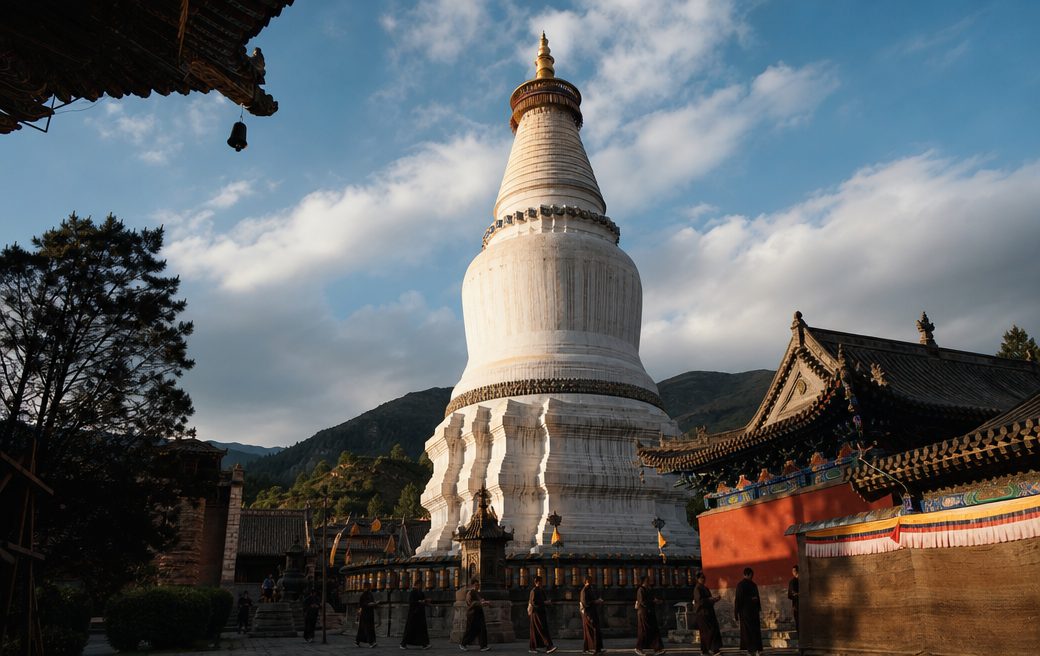
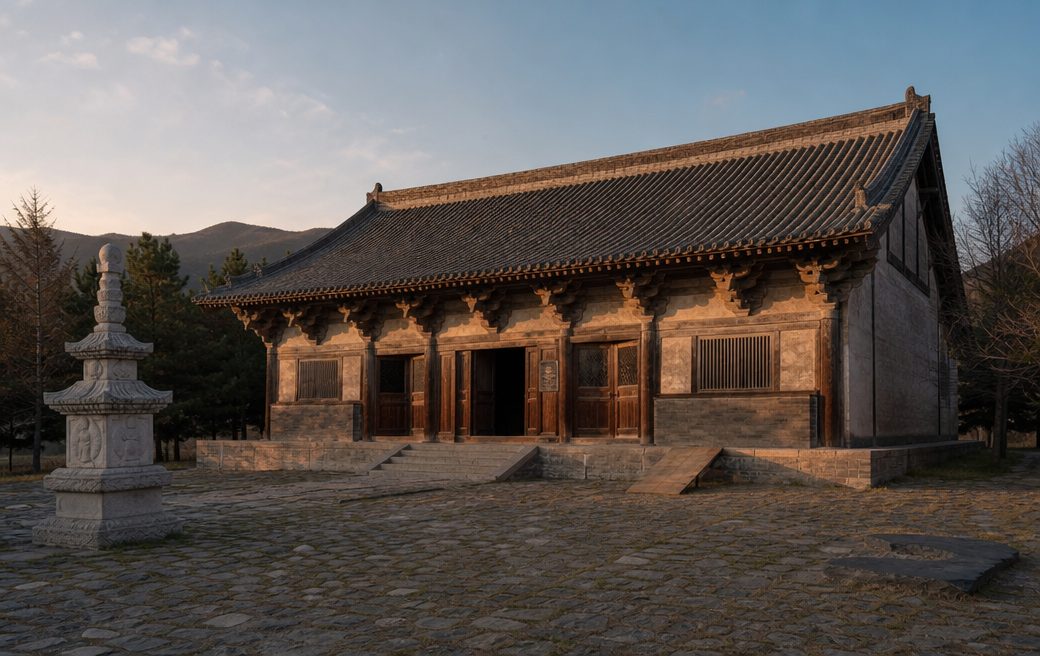
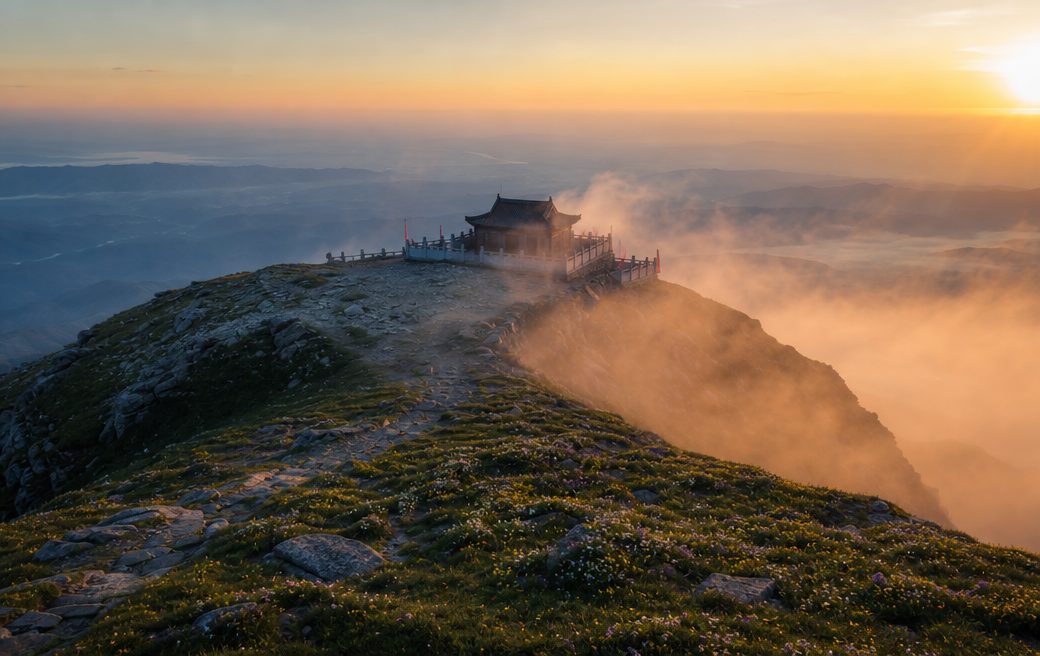
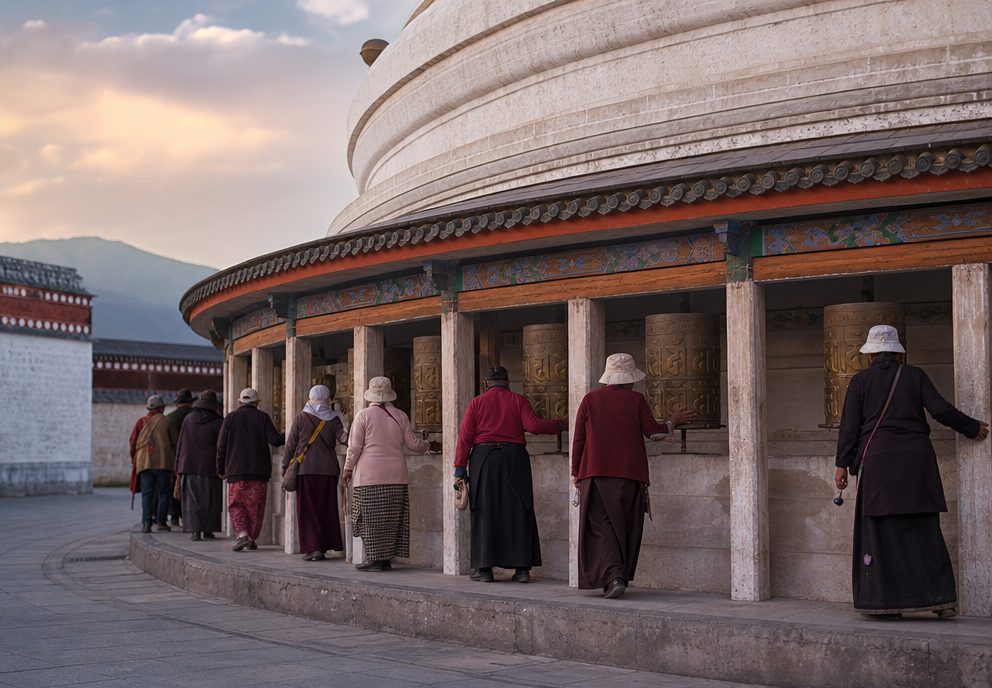
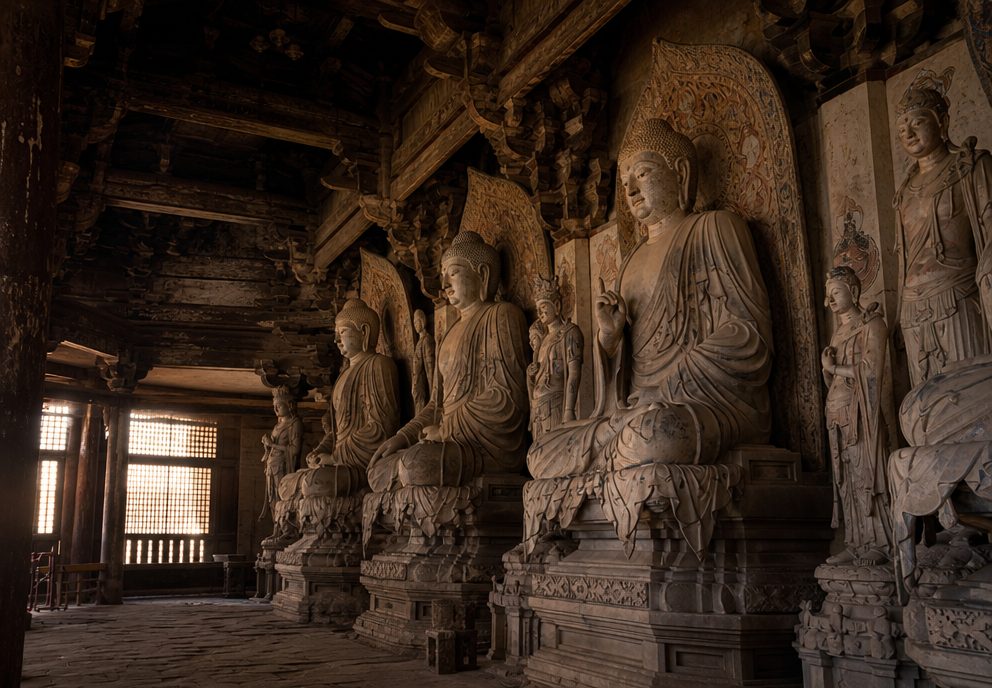
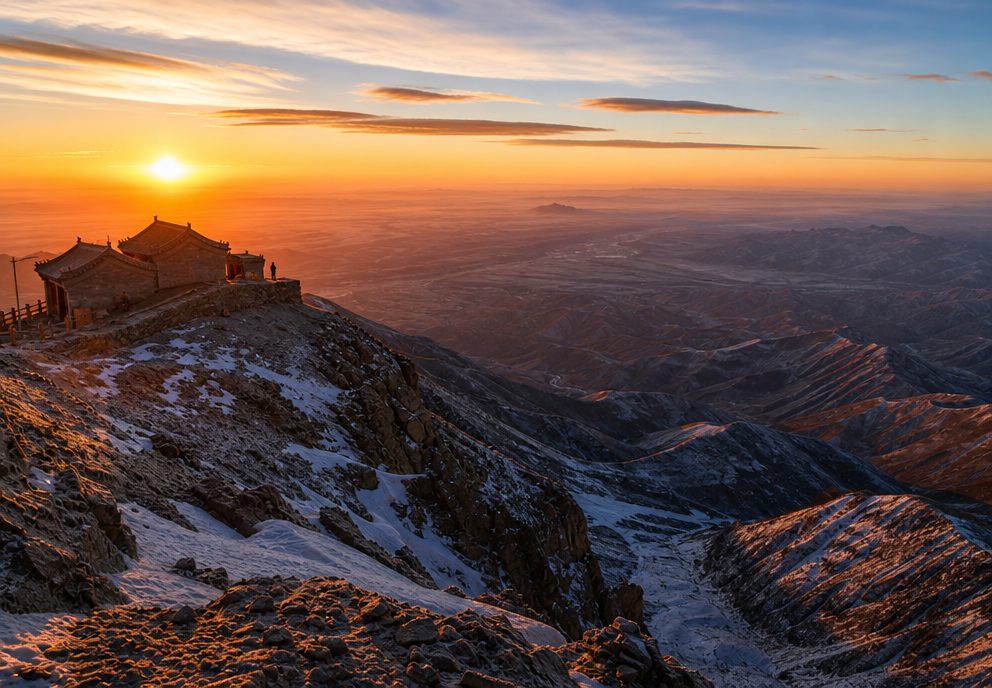
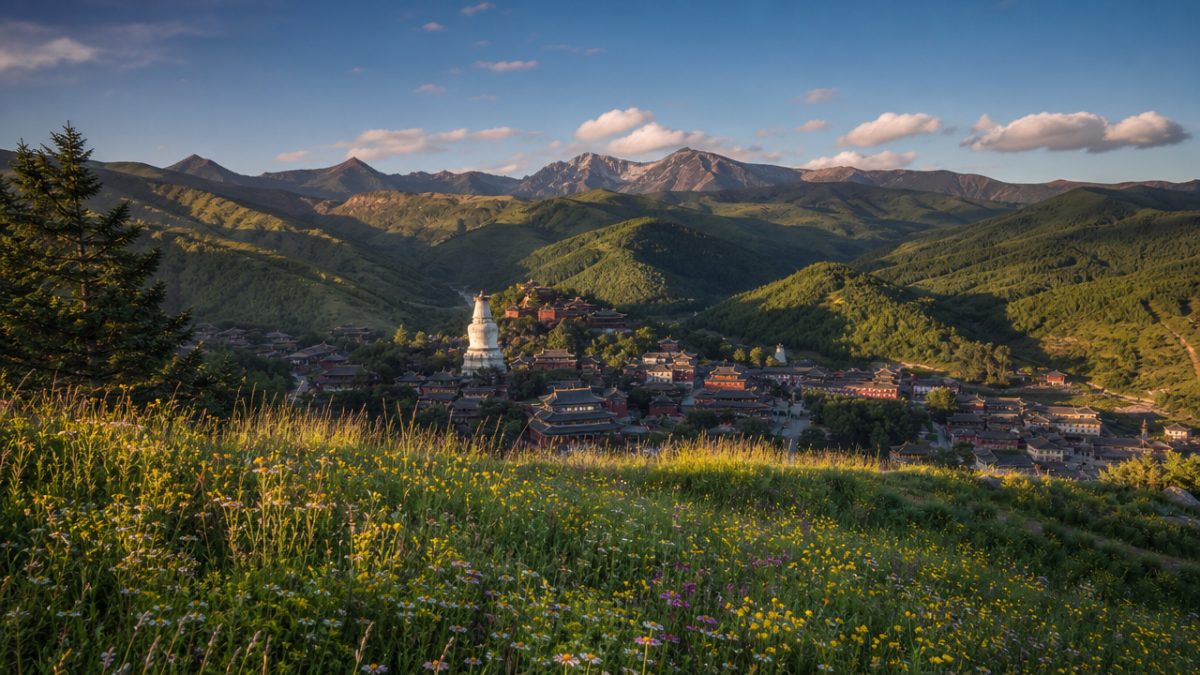
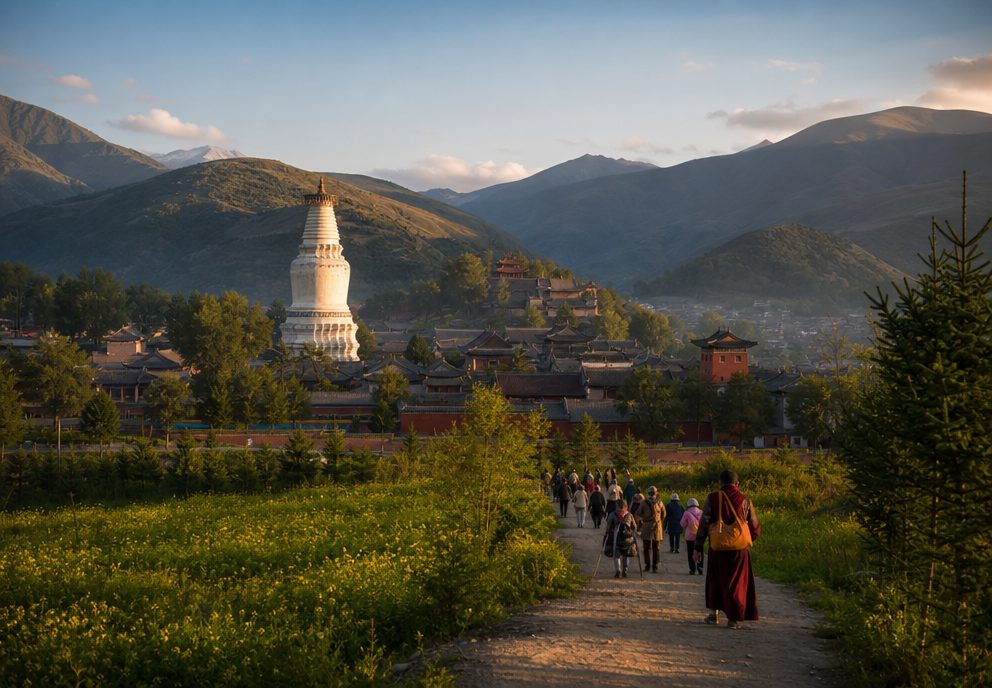
Xinzhou prefecture’s crown jewel is Wutai Mountain, one of the four sacred Buddhist mountains of China, a UNESCO World Heritage Site since 2009, and the earthly residence of Manjushri, the Bodhisattva of Wisdom, according to Buddhist tradition. The mountain complex rises to 3,058 meters at its highest point, making it the highest Buddhist sacred site in China, and its five flat summits (wutai means “five terraces”) encircle a valley that contains over 50 active temples, the largest concentration of Buddhist architecture in a single area anywhere in the world.
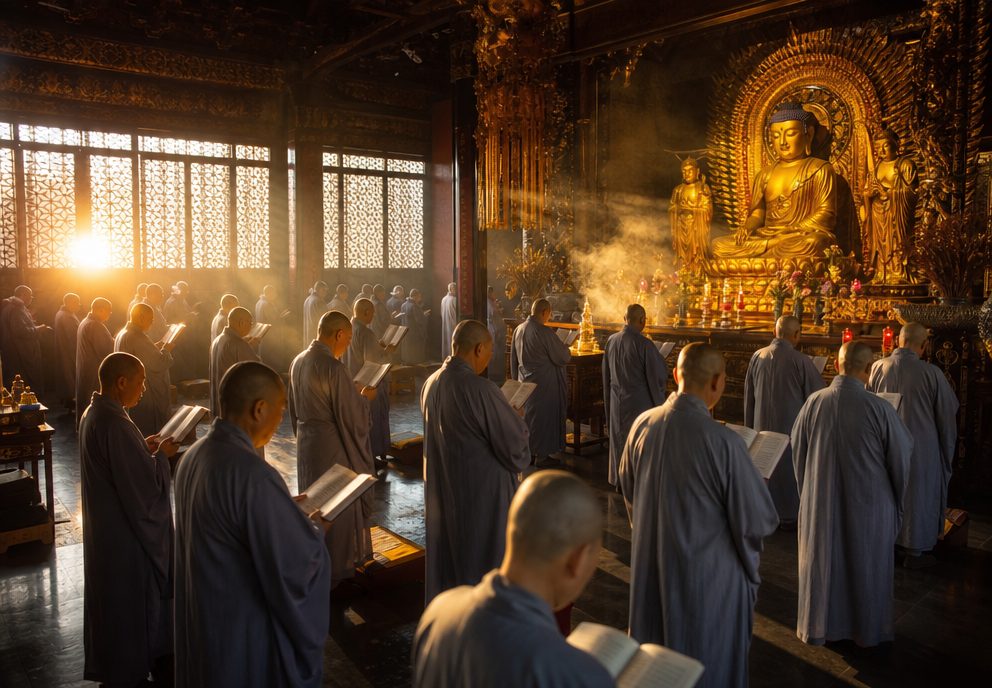
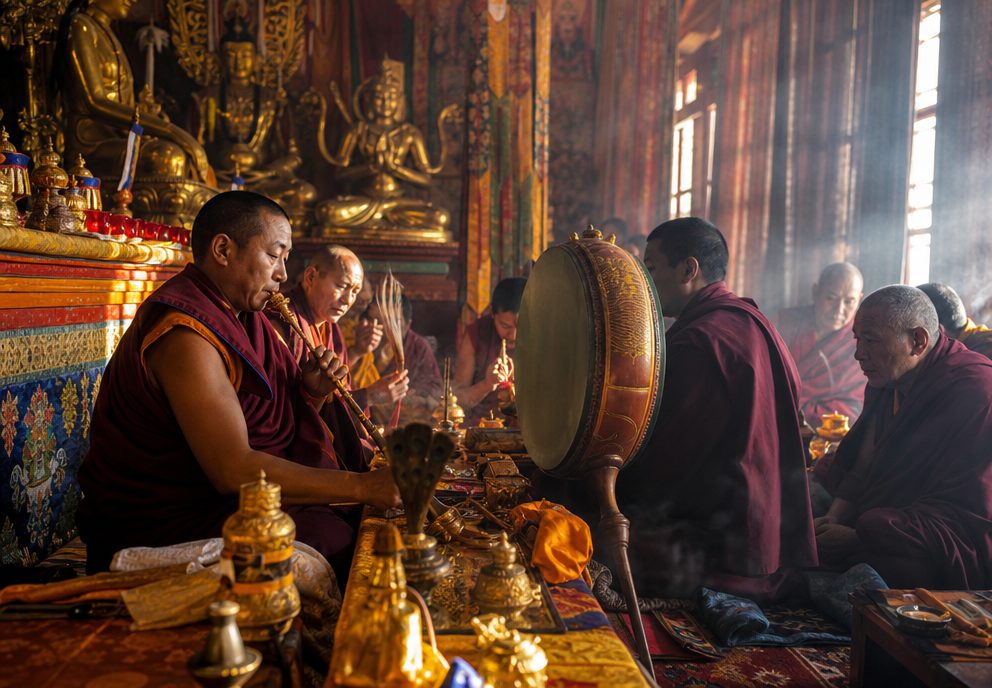
What makes Wutai Mountain exceptional even among China’s great sacred sites is its living nature. This is not a museum landscape but an active pilgrimage destination that has drawn devotees, Han Chinese, Tibetan, Mongolian, and international Buddhists, for over 1,600 years. Monks chant in incense-filled halls at 5 AM; pilgrims prostrate themselves on the mountain paths between temples; Tibetan lamas conduct colorful rituals in gilded halls. The spiritual energy is genuine and palpable in a way that more commercially developed sacred sites have lost.