Home › Student Group Tours › By Curriculum

Which Curriculum Does a China Student Group Tour Support?

A China student group tour supports a course when each stop gives students something to do and something to bring home. The table sets out eight learning units and the courses they connect to. The school's coordinator confirms each fit against the current syllabus, because course documents change.
Eight learning units and the courses they connect to

Each unit is a module that can be placed in a longer route. The tasks are ones that work at any site: observe, record, calculate, map, log, draw, choose, create.

UnitWhereCourses it connects toWhat students do
U1 Building without nailsFogong Temple pagoda (Yingxian), the Forbidden City roofsIB MYP design and technology; AP Physics (statics); A-Level design and technologyBuild and load-test a joint model; sketch the forces on a bracket set.
U2 Water management without a damDujiangyan, SichuanIB DP Environmental Systems and Societies (water); DP Geography; AP Environmental ScienceMeasure how the flow divides; draw the water path; argue it against a modern dam.
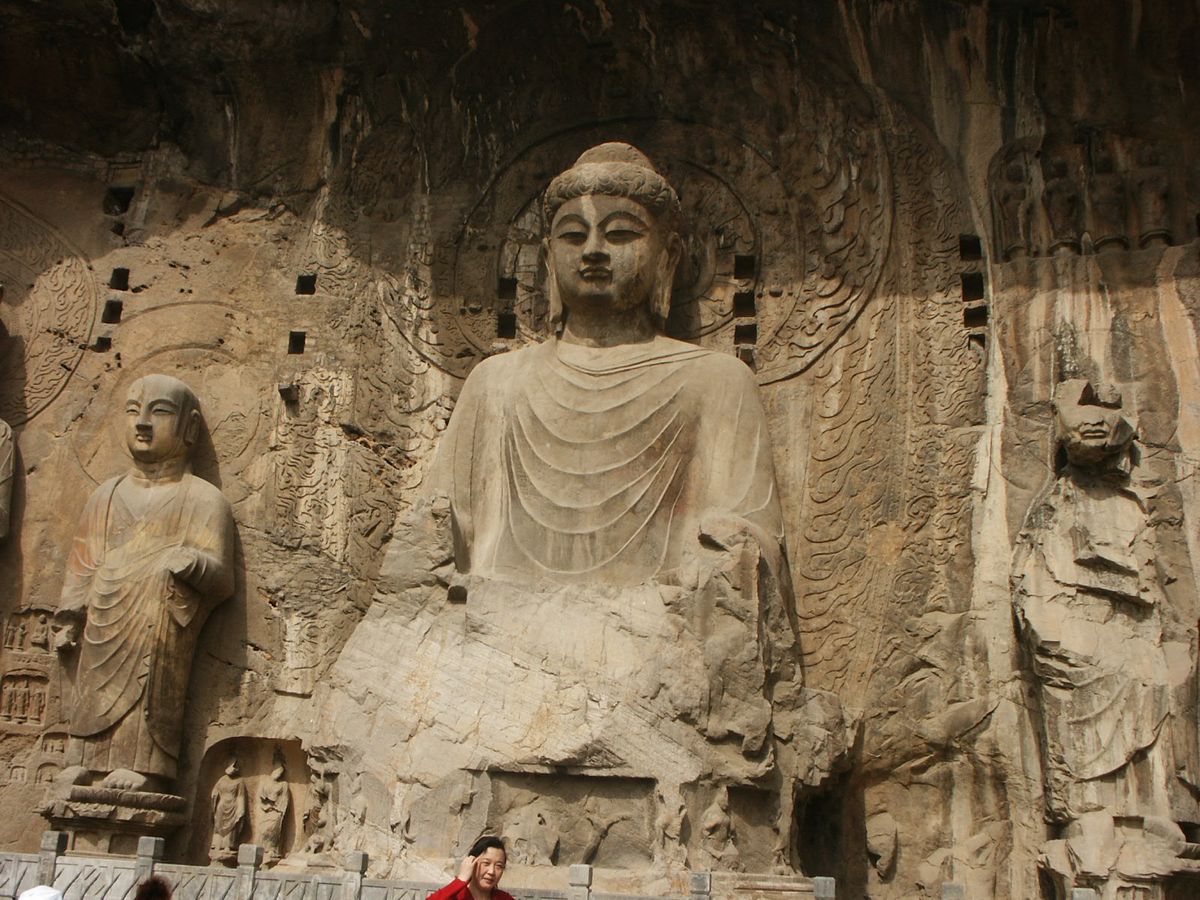
U3 One art style across three thousand kilometresYungang, Longmen, Maijishan, DunhuangAP Art History (cross-cultural transmission); IB DP Visual Arts (comparative study)Date caves by style; annotate iconography; copy a detail.
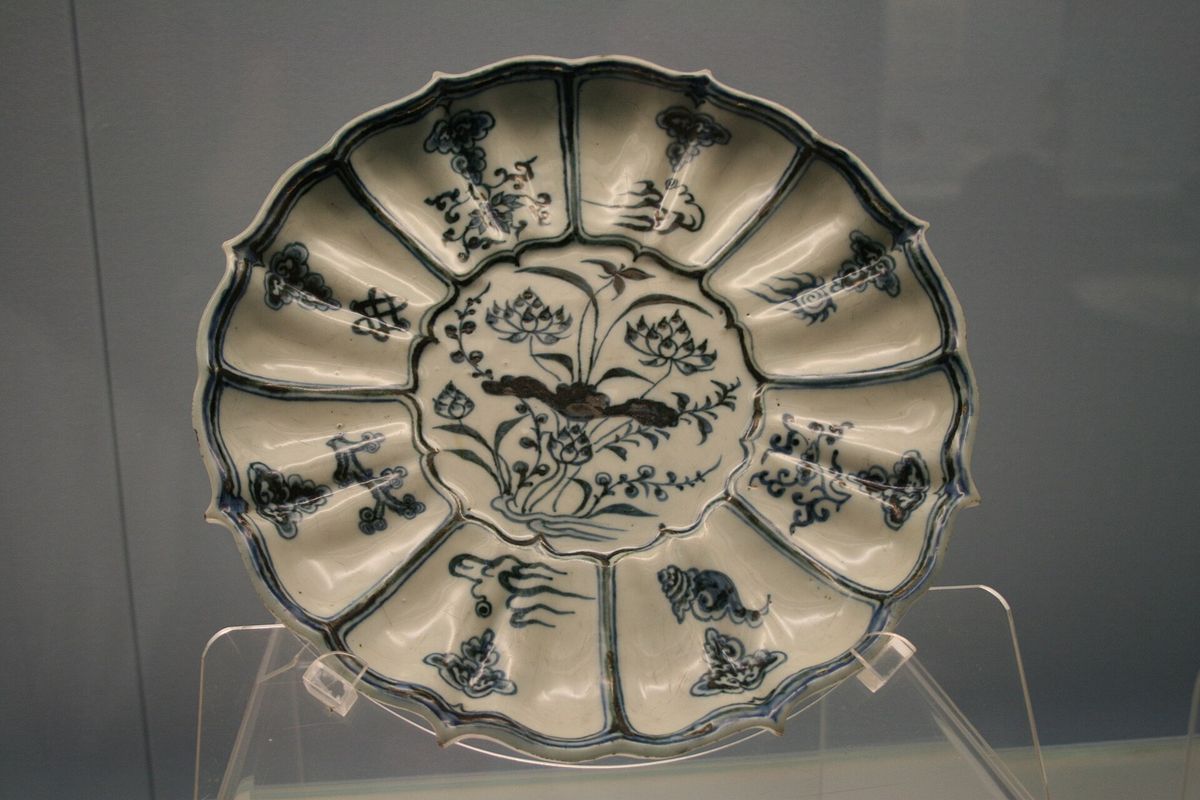
U4 Cobalt, kilns and six hundred years of trial and errorJingdezhenIB MYP materials and change; IB CAS (Creativity)Throw, glaze, paint under glaze, load and open a kiln; keep a log.
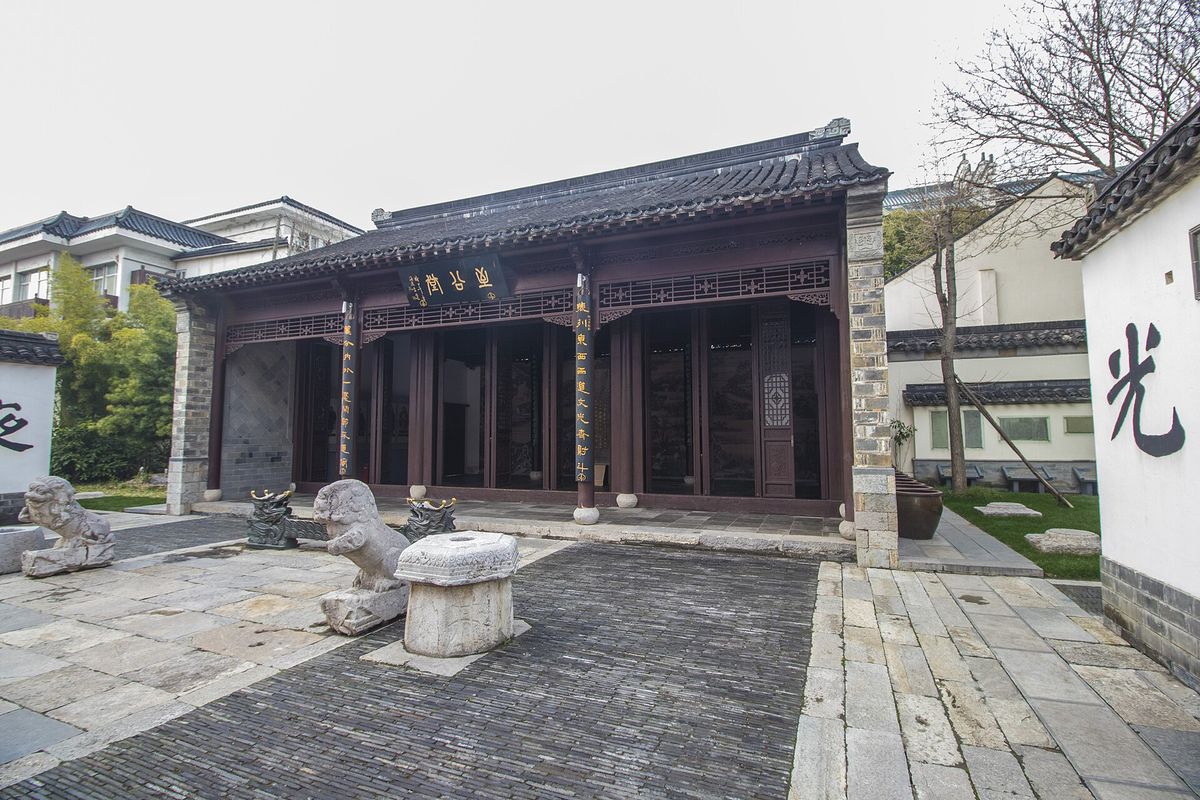
U5 A long-running examination systemJiangnan Examination Hall, NanjingAP World History (bureaucracy); IB DP HistoryReconstruct a cell; compare the system with the home country's school exams in a short report.
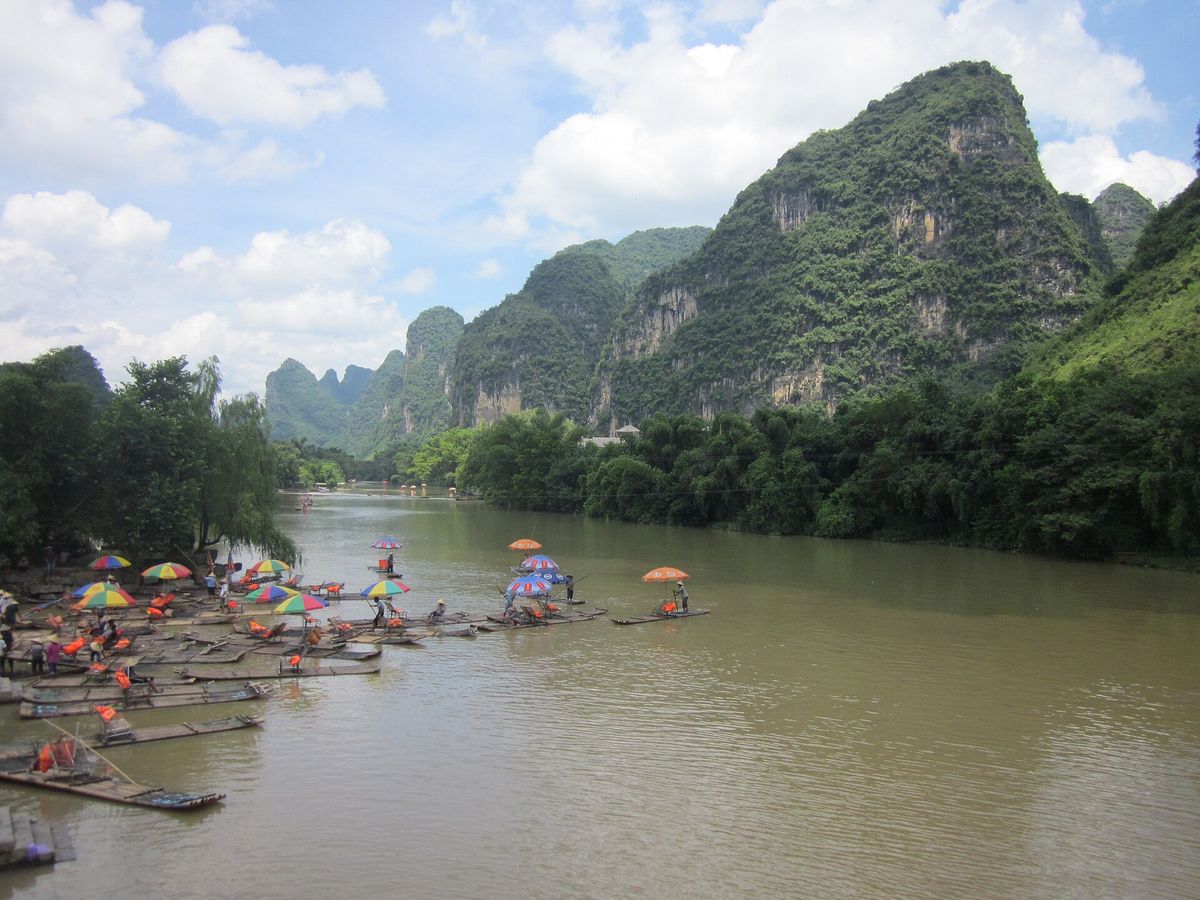
U6 Landscape shaped by waterGuilin and YangshuoIB DP Geography (landforms); AP Environmental Science; A-Level GeographyRun a dissolution experiment; tell peaks from peak clusters; read a cave profile.
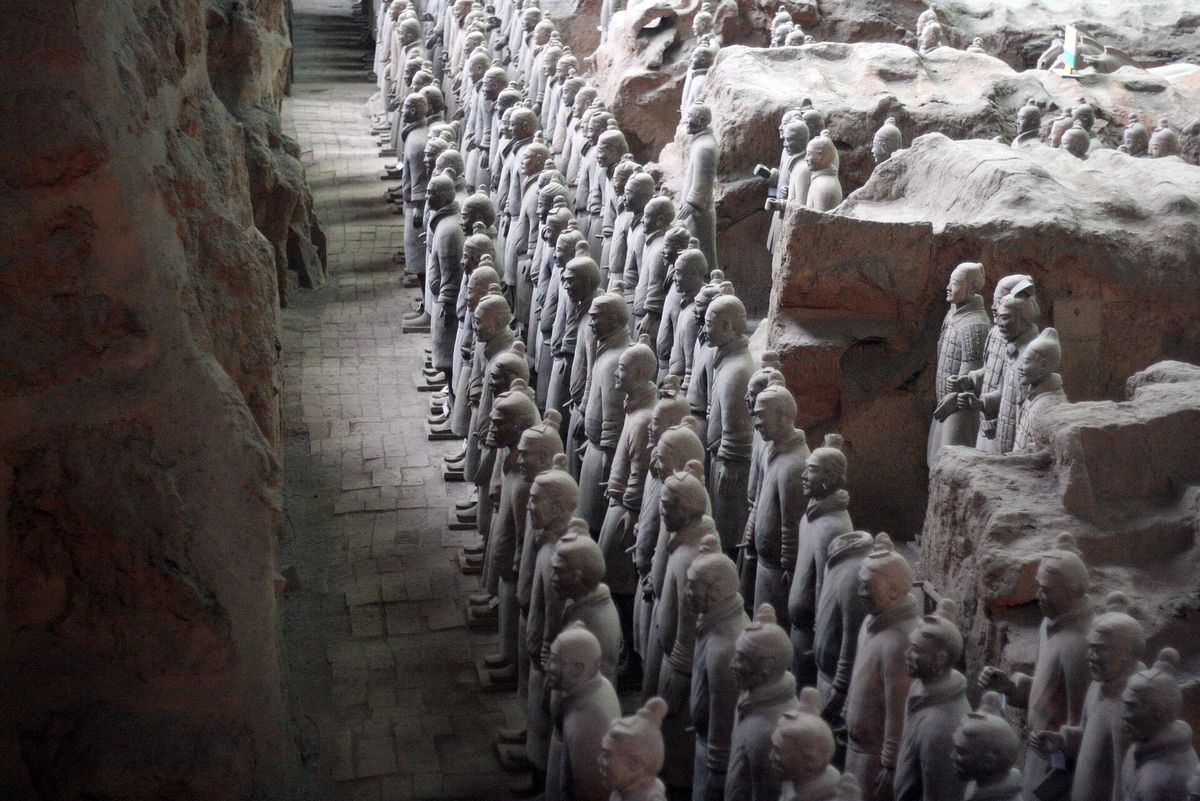
U7 An assembly line two thousand years oldTerracotta Army, Xi'anAP World History (empires); IB MYP technologyIdentify moulded parts; trace marks of work to makers; watch a restoration step.
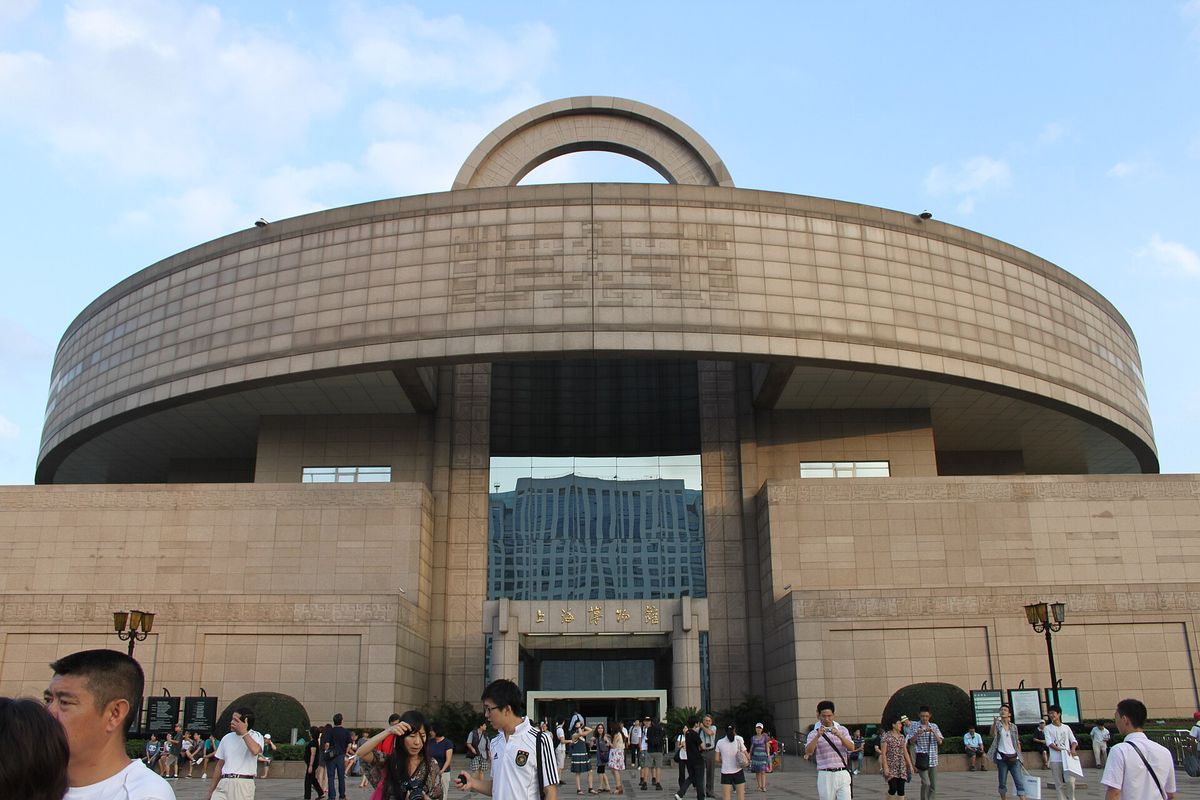
U8 Ancient Egypt seen from ChinaShanghai Museum, Egyptian galleryIB TOK (knowledge and perspective); AP Art HistoryAnalyse how the gallery tells its story; compare it with a museum at home.
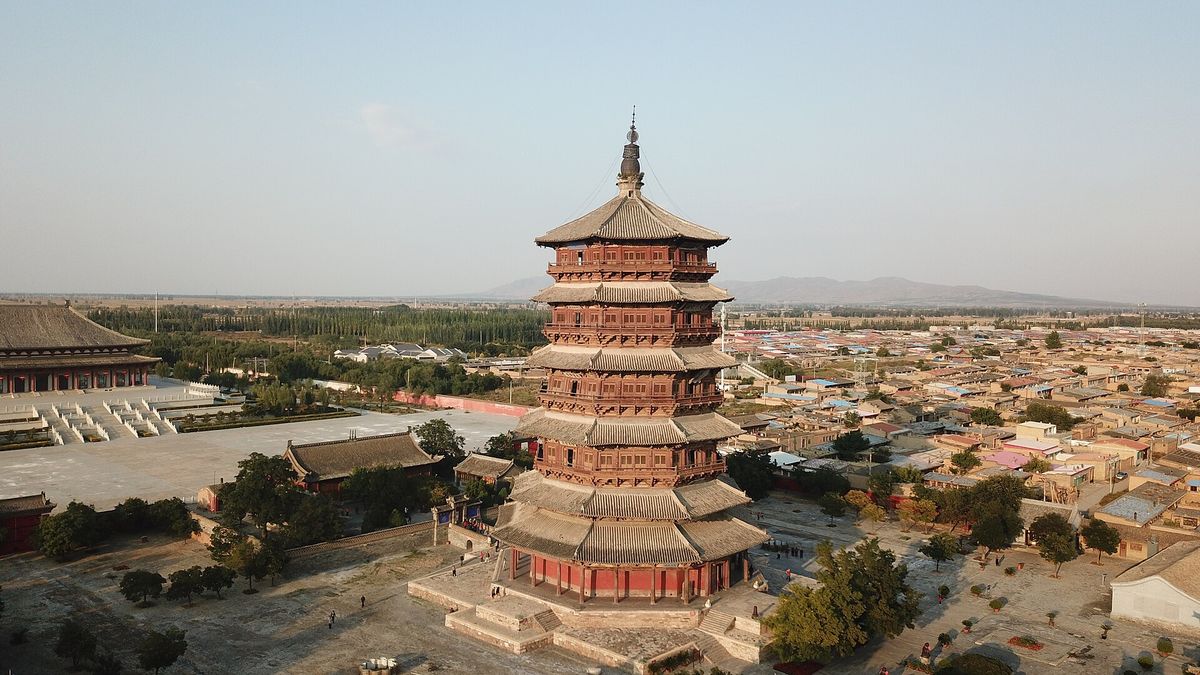
The Pagoda of Fogong Temple at Yingxian, a timber pagoda
U1 Building without nails · Photo: Charlie fong, CC BY-SA 4.0
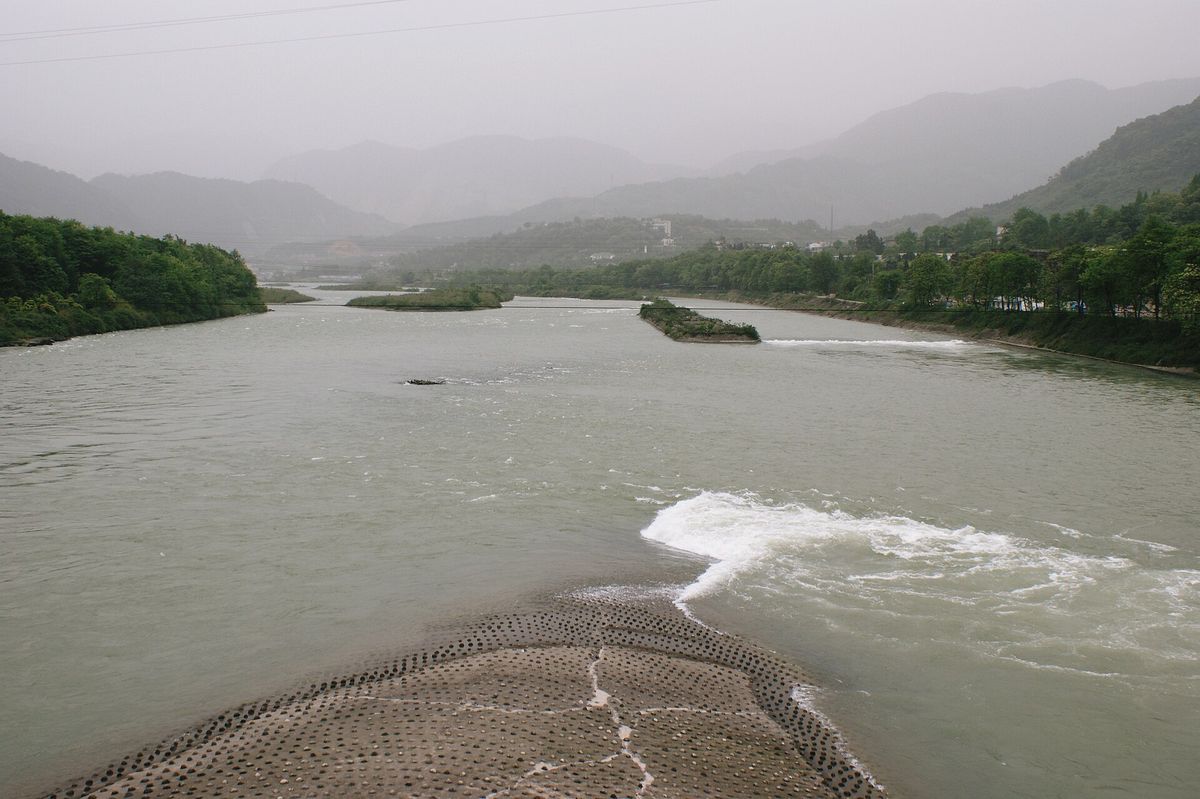
The Dujiangyan irrigation system in Sichuan
U2 Water management without a dam · Photo: Hugh Llewelyn, CC BY-SA 2.0
The Vairocana Buddha at the Longmen Grottoes
U3 One art style across three thousand kilometres · Photo: Gary Todd, CC0
A Yuan dynasty underglaze blue porcelain plate from Jingdezhen
U4 Cobalt, kilns and six hundred years of trial and error · Photo: Gary Lee Todd, CC0
The Zhigong Hall of the Jiangnan Examination Hall in Nanjing
U5 A long-running examination system · Photo: ScareCriterion12, CC BY-SA 4.0
The Li River and karst peaks in Yangshuo
U6 Landscape shaped by water · Photo: Huangdan2060, CC0
The Terracotta Army in Pit 1 at Xi'an
U7 An assembly line two thousand years old · Photo: Joe Hart, CC BY 2.0
The Shanghai Museum building at People's Square
U8 Ancient Egypt seen from China · Photo: Gary Todd, CC0

IB CAS trip China: logs and reflection

An IB CAS trip China programme gives students reflection material in three ways. The daily log (date, place, weather, what was done, what was learned) can be used as a CAS reflection record. Hands-on units such as the pottery and craft sessions fit the Creativity strand. A group that cleans, plants or teaches during the week can add a service element if the school asks for one.

The same trip can serve IB DP Environmental Systems and Societies (water management), IB DP Geography (landforms), IB TOK (how a museum frames a story) and IB MYP design and technology (joinery and load).

AP Chinese trip to China: the language in use

An AP Chinese trip to China puts the language to work in real settings: a market, a tea masterclass, a campus session, a restaurant order. Students set tasks such as asking the price of an item in Chinese, reading signs, and recording a short conversation with a local speaker.

The same week can feed AP Art History (cross-cultural transmission along the cave temples), AP World History (state capacity in the examination hall and the terracotta workshops) and AP Environmental Science (water and karst).

A-Level Chinese and GCSE Chinese trips

A-Level and GCSE groups in the United Kingdom and Ireland often organise an educational visit with a risk assessment and a named educational visits coordinator. PreeChina supplies the route, the venue confirmations and the transport detail that coordinator needs. The safety page lists what is confirmed in writing before a group travels.

A-Level Geography fits the karst and water units, A-Level design and technology fits the joinery unit, and a Chinese language group fits the market and campus tasks.

Presenting, making, observing and reading a place on a 2026 trip

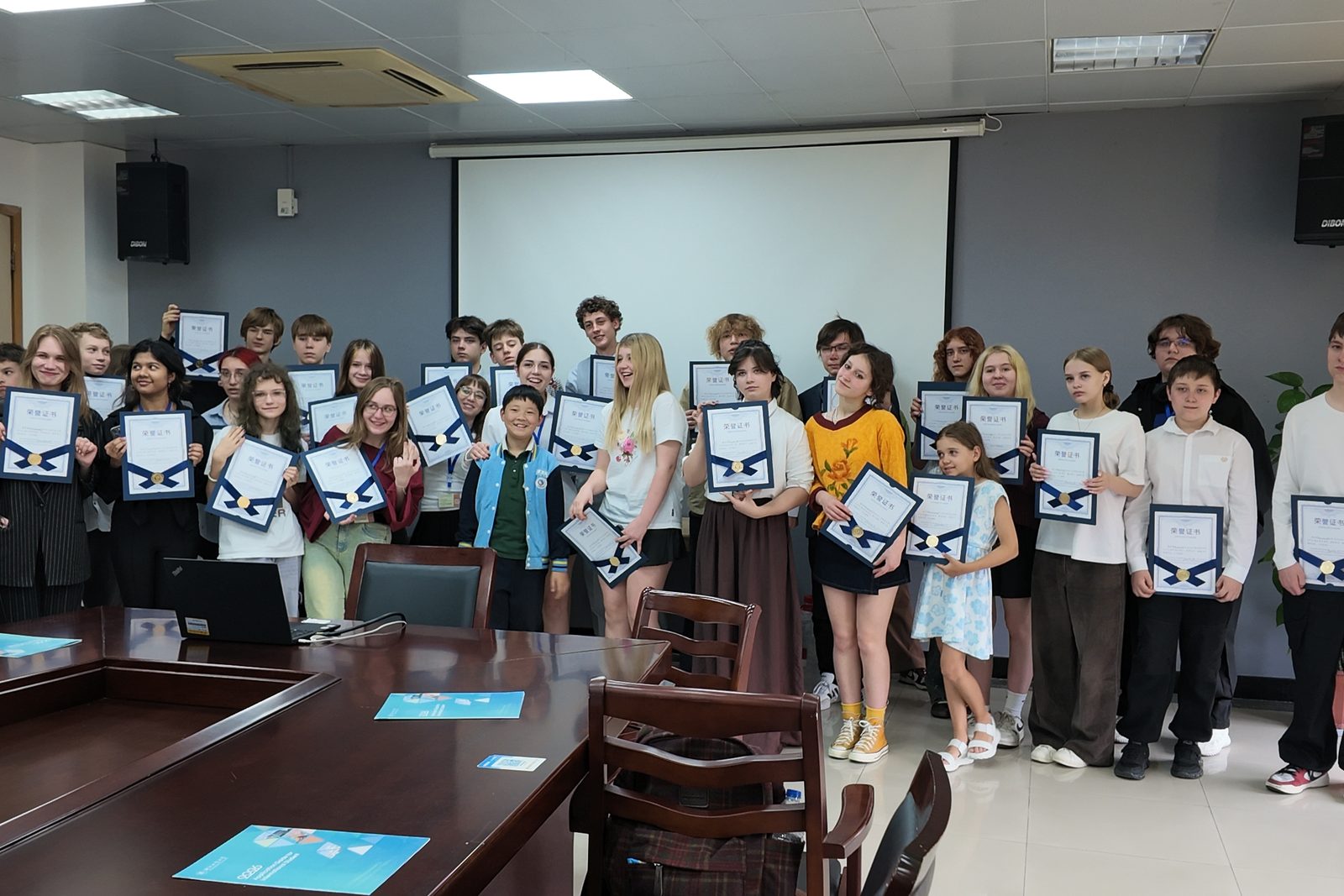
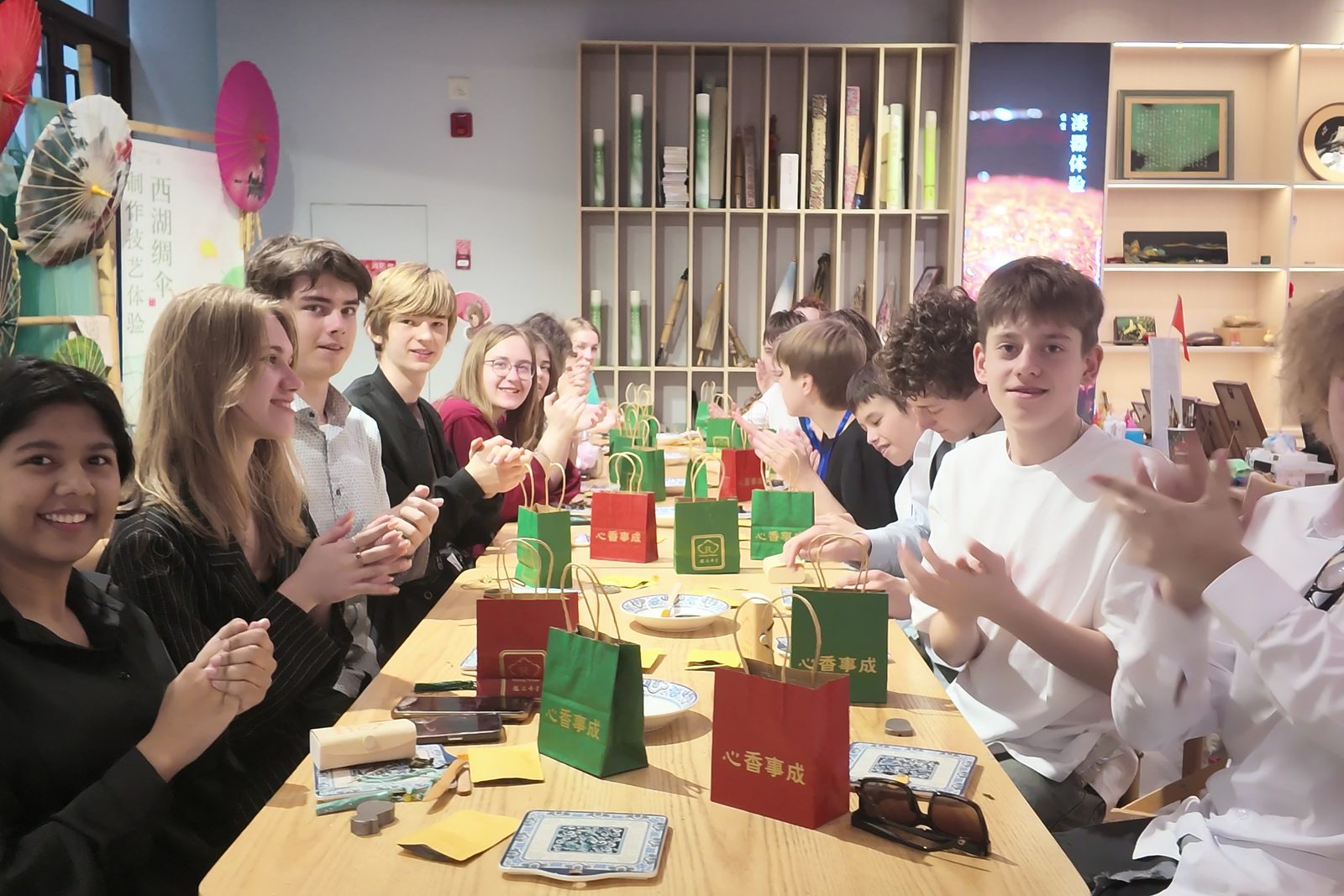
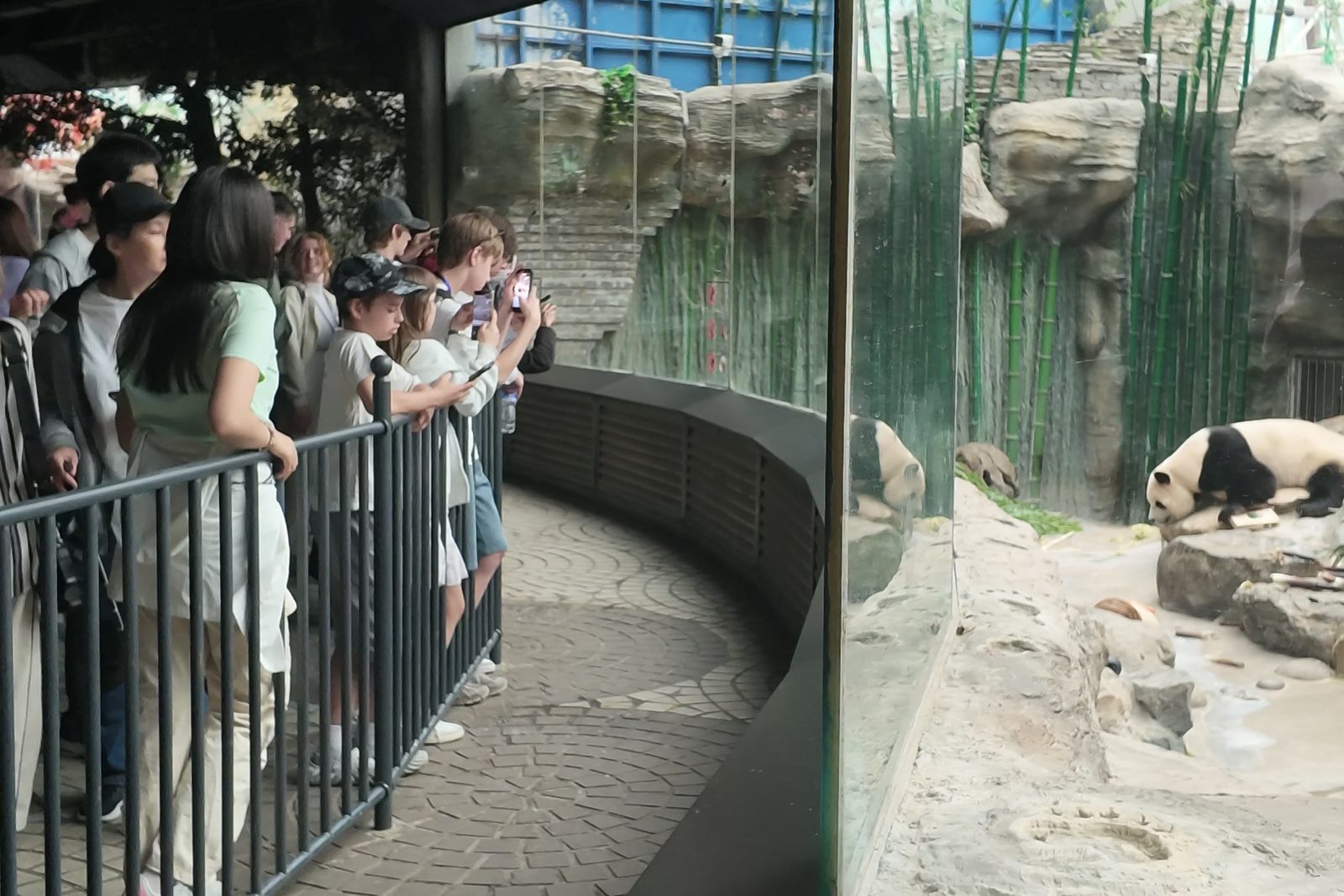
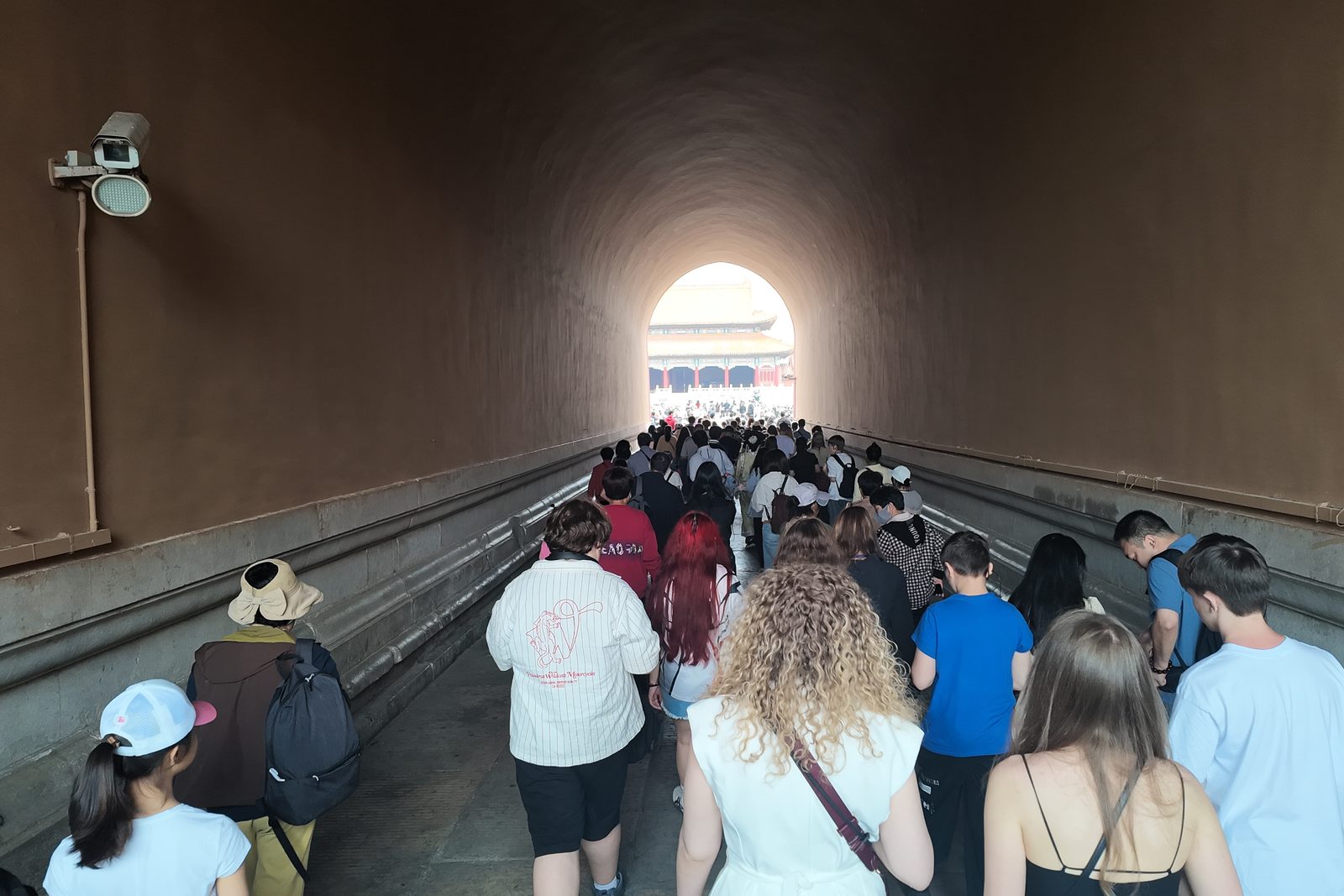
The units above work when the evidence is real. On a 2026 trip the students presented to a university class and received certificates, made a craft in a heritage workshop, watched giant pandas at a zoo in Beijing and walked through a gate passage of the Forbidden City. These photographs were taken by PreeChina.

The student group holding certificates after a presentation session at a university in Hangzhou
Presenting: the group with certificates after a university session · Photo: PreeChina
Students around a long table at a heritage craft workshop in Hangzhou
Making: a heritage craft workshop in Hangzhou · Photo: PreeChina
A giant panda lying on rocks in its enclosure at a zoo in Beijing, with visitors along the rail
Observing: giant pandas at a zoo in Beijing · Photo: PreeChina
Visitors walking through a vaulted gate passage of the Forbidden City in Beijing
Reading a place: a gate passage of the Forbidden City · Photo: PreeChina

Using this page with a coordinator

The table is built to be forwarded to the person who signs off a trip. It names the course and the topic, not a general claim of fit. A school that wants a different course covered names it in the proposal request, and a unit is added or reshaped for it.

Units are described here at the level of what students do. The detailed task cards and teacher notes are shared with a group once a programme is agreed.

Plan a Student Group Tour with PreeChina

Send the group size, ages, dates and the curriculum or interests, and PreeChina replies with a draft route. Nothing is booked until a priced itinerary is agreed.

Request a Proposal

Reviewed October 2026. Programme details are confirmed in writing for each group.