Shanxi · The Town That Ran China's Money, Then Ran Out of It
Pingyao Ancient City (平遥古城)
A walled Ming county town in Shanxi that became the headquarters of Chinese banking in the nineteenth century. When the banks failed there was no money left to knock anything down, which is why four thousand courtyard houses are still standing.
Quick Facts
The Short Version
What it is
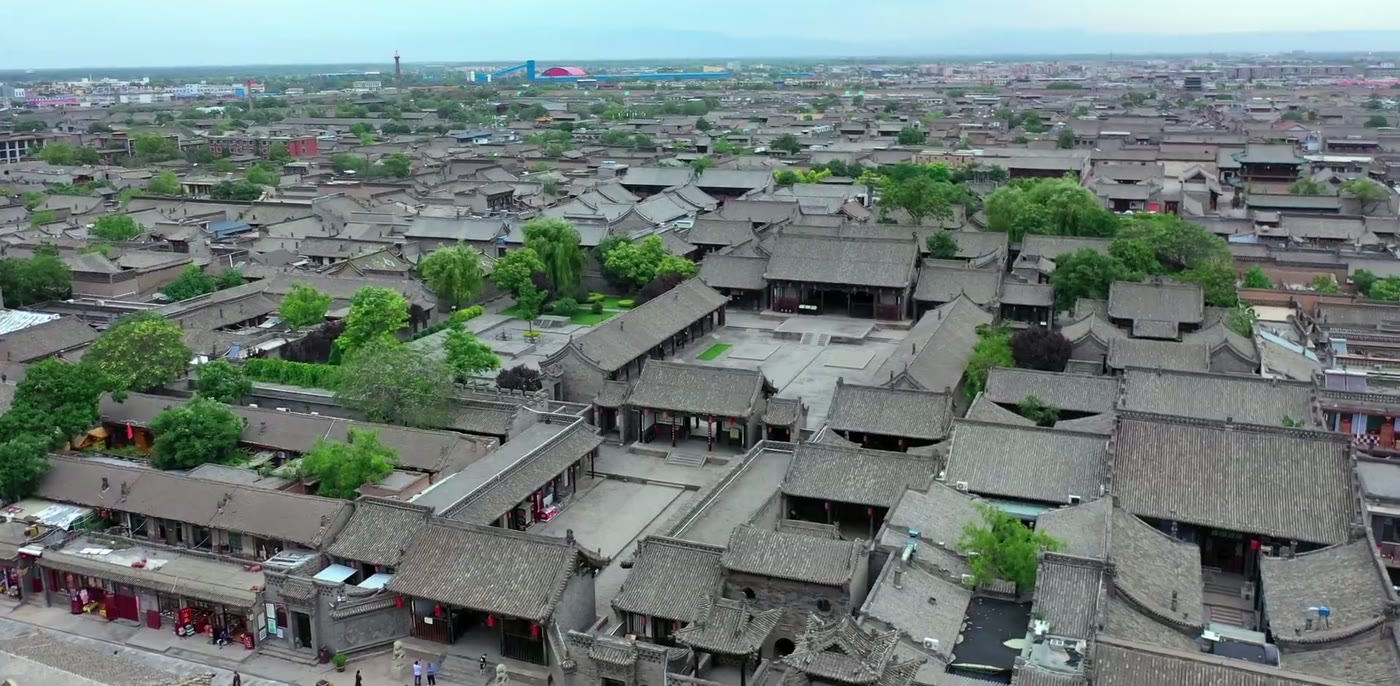
A complete walled Ming and Qing county town, with its street plan, its wall and many of its houses intact
Where
Central Shanxi, about an hour from Taiyuan on the fast train
The wall
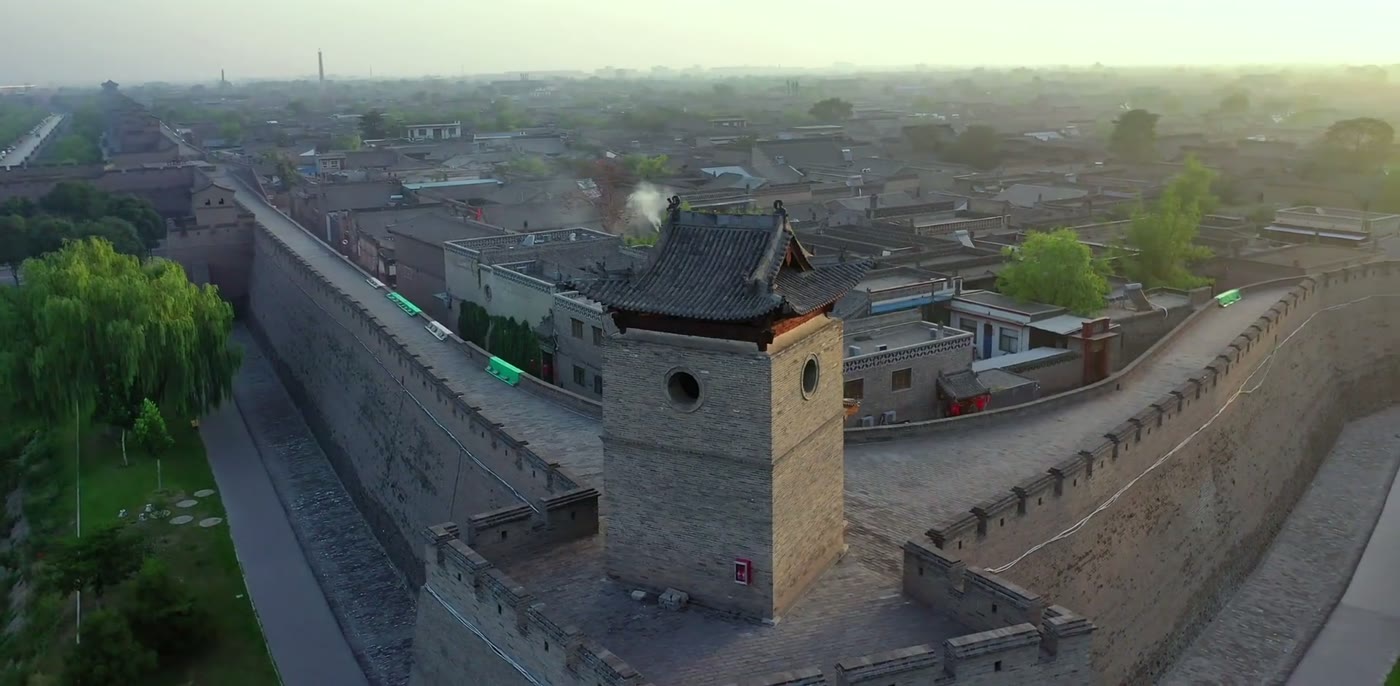
Rebuilt in 1370 and roughly 6 km around, with six gates and a walkable rampart
Listed
UNESCO inscribed it in 1997, together with two temples outside the walls
What made it
Piaohao, the draft banks. Rishengchang opened here in 1823 and was the at the start; at the peak more than twenty were headquartered in this town
How big
About a kilometre across. Visitors can walk the whole thing in a morning
Pass
A single combined pass covers the wall and around twenty sites inside
Time needed
A full day, and much better with a night in it
Why Go
Money Built It, and Losing the Money Saved It
1. For a century, this was where the money moved
Before modern banks, moving silver across China meant moving silver, with carts and armed escorts and the risks that go with them. In 1823 a dye merchant here converted his business into something new: visitors deposited silver in one branch and drew it in another against a paper draft, and the silver itself stayed put. That firm was Rishengchang, and the model spread from this street across the empire.
Within a few decades Pingyao and its neighbours were the financial centre of Qing China. More than twenty draft banks had their head offices inside these walls, with branches from Xinjiang to the treaty ports, handling government remittances, trade finance and private transfers. A county town of a few tens of thousands of people was clearing a large part of the country's money.
2. Then it stopped, and nothing was rebuilt
The system depended on the Qing state and on personal networks, and both went. Foreign and then modern Chinese banks took the business, the dynasty fell, and the piaohao collapsed within a generation. The capital left the town and did not come back, and Pingyao spent the twentieth century as a poor county seat off the main lines.
That is exactly why it is here. Prosperous Chinese towns rebuilt themselves repeatedly through the twentieth century; this one could not afford to. The wall was never pulled down for a ring road, the courtyard houses were never replaced with blocks, and the street plan was never straightened. What UNESCO listed in 1997 is the physical record of a place that stopped.
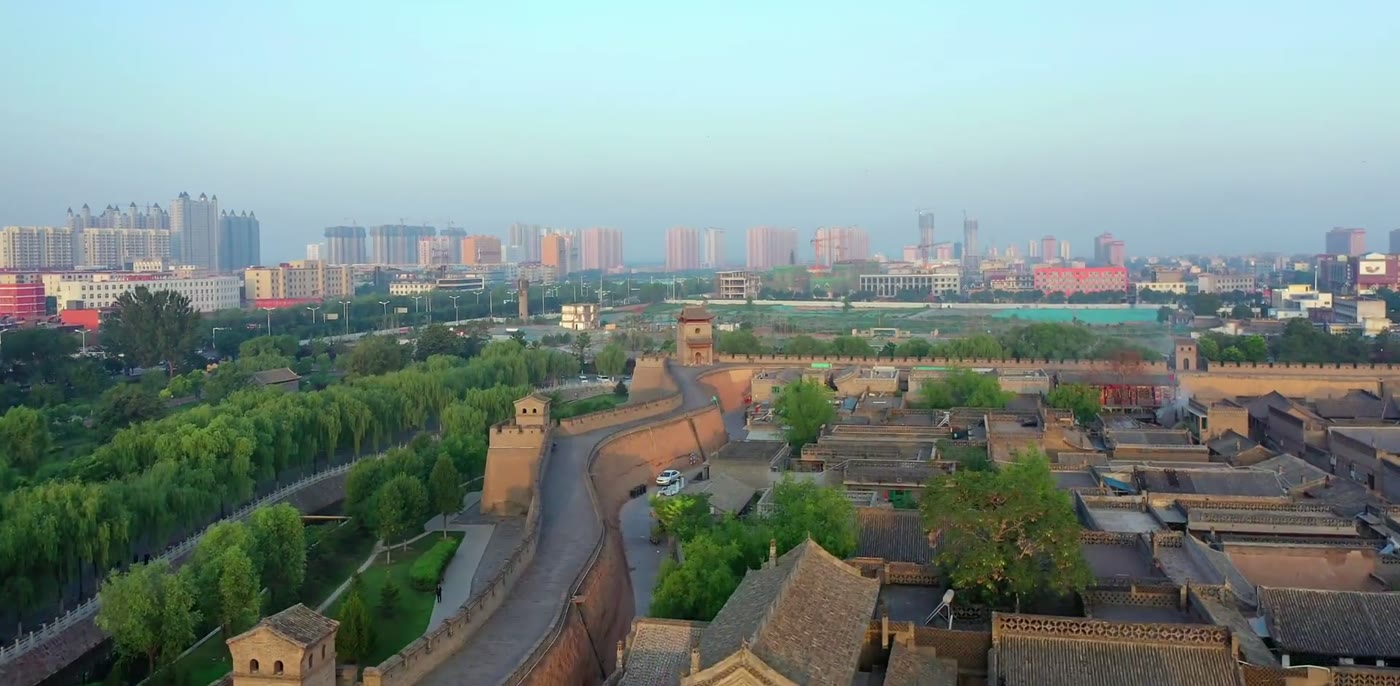
The wall, and what is on the other side of it. The old town stops at the line and the twentieth century starts.The rampart is walkable the whole way round, which takes about two hours and is the ideal single thing to do here.Four thousand or so Ming and Qing courtyard houses, still laid out on the original plots. The density is the point: nothing here was ever cleared.
The catch. Inside the walls it is now solidly commercial. The main streets are shops, guesthouses and restaurants aimed squarely at domestic tourism, the same beef and vinegar and lacquerware repeating block after block, and the volume of visitors in season is high for a town this small. The residential lanes a few turns off the axis are still ordinary and are where the place is worth walking.
Orientation
Wall To begin, Then the Lanes
Start on the wall. It is six kilometres round, it takes about two hours at a walking pace, and it gives visitors the plan of the town and the relationship between the old fabric and the modern city outside, which nothing at street level does.
Then go in. The main axis running north from the south gate carries the Market Tower, Rishengchang and much of the commerce; the parallel lanes a block either side are quiet, residential, and much more interesting. The two temples in the UNESCO listing are outside the walls and need a taxi.
Practical
Things Worth Knowing
Stay inside the walls
A courtyard guesthouse is the point of coming. The town empties after the day-trippers leave and the lanes at night are the memory people take away.
Rishengchang is worth the time
It is the reason the town exists and the museum inside it explains the mechanism properly. Go early before the groups.
Do not skip Shuanglin Temple
It is outside the walls and holds thousands of painted clay figures from the Ming, which are the ideal thing in the area and nearly empty of visitors.
It is Shanxi cold
Inland and high enough that winter is severe and rooms in old courtyard houses are not always well heated. Ask before arranging in the cold months.
Timing
When to Go
Season
The case for
The catch
September to October
A particularly comfortable window, clear and dry, and the light on the roofs is at its peak
The opening week of October is the national holiday and the town is full
April to June
Warm, dry and before the summer crowds arrive
Spring dust from the northwest can grey everything out for days
July to August
Warm evenings and everything open late
Peak domestic season. The main streets are shoulder to shoulder
November to March
Very few people, cheap rooms, and the wall in snow is a different place
Genuinely cold, and heating in old courtyard rooms varies a lot
Context
Why Shanxi Merchants
Shanxi sits between the North China plain and the steppe, which for centuries made it the corridor through which trade with Mongolia and Russia passed: tea north, horses and hides south. Merchant families here built long-distance networks in salt, tea, cotton and grain, and by the Qing the Shanxi merchants were a recognised force in the empire's commerce.
Draft banking grew out of that. A firm that already had branches in a dozen provinces and trusted staff in each of them had the one thing the business needed, which was a network visitors could settle against. The innovation was less financial than organisational, and it happened here because the organisation already existed.
The same wealth built the courtyard mansions in the villages around Pingyao, several of which are now separate attractions in their own right. Seen together with the town, they are the physical remains of a commercial system that ran for about a century and then vanished almost completely.
Nearby
Other Stops on the Same Trip
Temple · 6 km southwest
Shuanglin Temple (双林寺)
Part of the same UNESCO listing, with over two thousand painted clay figures from the Ming and earlier. The ideal thing in the area and almost nobody goes.
An hour and a half, by taxi.
Mansion · 45 km northeast
Qiao Family Courtyard (乔家大院)
A merchant family's walled compound, well-known domestically as a film location and heavily visited.
Pingyao has its own fast-train station about ten minutes from the walls, with services from Taiyuan in half an hour and from Xi'an and Beijing in three to four hours. It is one of the easiest historic towns in China to reach on one's own.
Many people use it as a stop between Xi'an and Datong or Beijing rather than as a base. Two nights is the right length: one for the wall and the banks, one for the temples and the lanes.
Experiences
What Visitors Can Actually Do Here
On site · 2 hr
The wall, all the way round
Six kilometres of rampart with the town on one side and the modern city on the other.
Included in the combined pass.
On site · 1 hr
Rishengchang
The opening draft bank, with the strongrooms, the counting rooms and an explanation of how the drafts actually worked.
Included. Go before the coaches.
Guided · 2 days
Pingyao and the merchant villages
The town, Shuanglin Temple, and one of the merchant compounds, with someone who can explain the banking system rather than just the architecture.
Worth two nights and worth staying inside the walls. Walk the rampart at the start for the plan, do Rishengchang for the reason the place exists, and get off the main axis into the residential lanes, which is where the town stops performing. Then take a taxi out to Shuanglin Temple, which many visitors never do.
Travelling to China with 10 or more people? Talk to PreeChina first. A transparent service fee of USD 100 per person for trips of up to 10 days (USD 150 for 11 to 20 days), and no markup on travel components. See how the fee works.
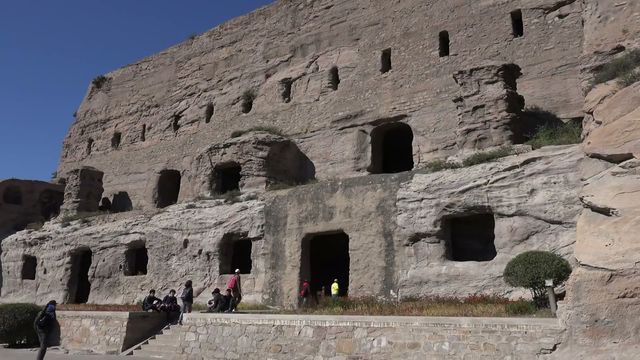
Share the travel dates and interests, and our local team will build the route: Pingyao with two nights inside the walls, the temples and merchant houses around it, and Datong for the grottoes if visitors are carrying on north.