
Home › Destinations › Yunnan › Xishuangbanna

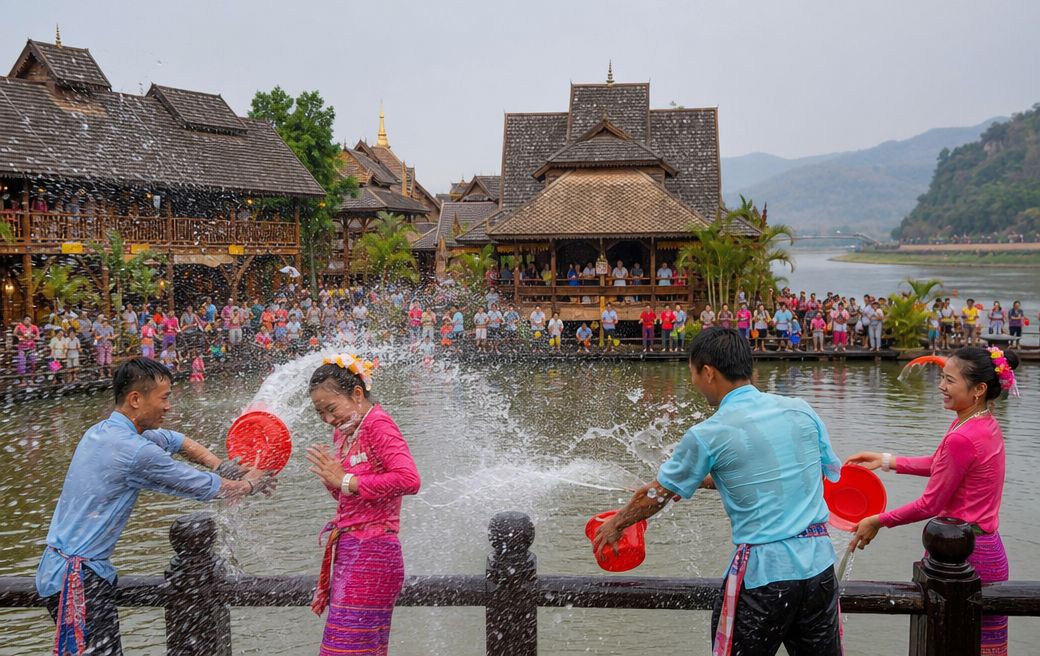
Dai Ethnic Park Xishuangbanna traditional Dai stilted wooden houses village Lancang River Water SplashingIllustration

PreeChina · City Guide

Xishuangbanna Travel Guide

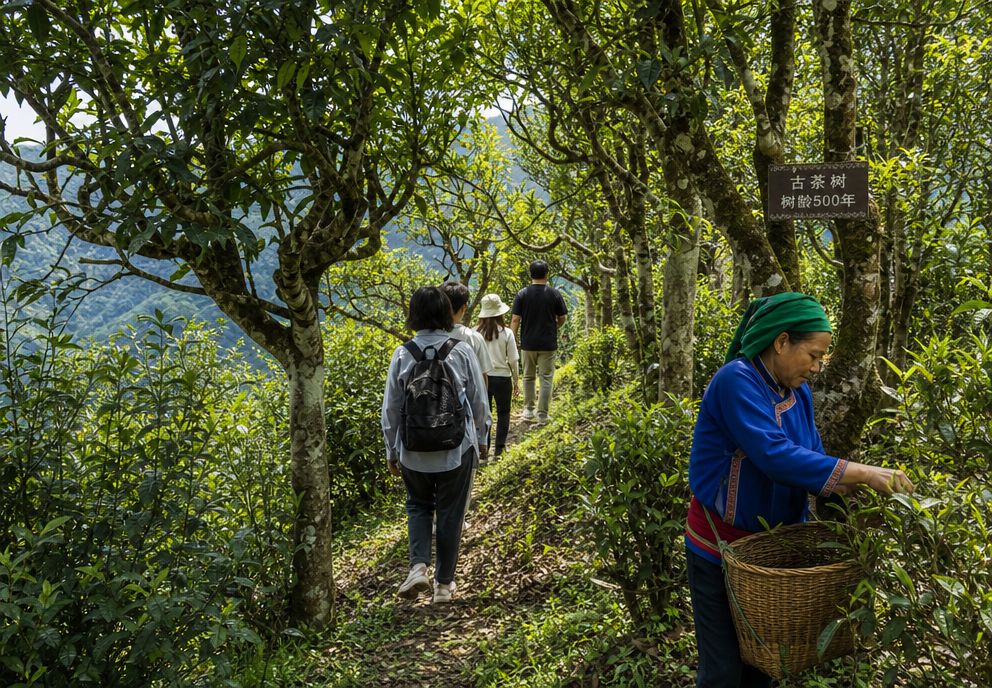
China's tropical paradise at the bottom of Yunnan, where the Dai people's Buddhist temples make the border with Southeast Asia feel cultural rather than geographic, and where the world's oldest Pu-erh tea trees have grown for five hundred years.

Xishuangbanna Quick Facts

Region
Southern Yunnan, Xishuangbanna Dai Autonomous Prefecture
Famous For
Water Splashing Festival, Pu-erh tea, tropical rainforest, Dai culture
Population
~1.1 million (prefecture); Dai majority
Best Time to Visit
November–April (dry season); Water Splashing Festival mid-April
Getting There
Xishuangbanna Gasa Airport (JHG); direct flights from Kunming, Chengdu
Recommended Stay
3–4 days

Why Visit Xishuangbanna?

Lancang River night cruise Xishuangbanna illuminated Dai style buildings riverside cruise boat lantern lightsIllustration

Xishuangbanna is the part of China that feels least like China — a subtropical prefecture at the southern tip of Yunnan where the Lancang River flows toward its transformation into the Mekong, where the Dai people's Theravada Buddhist culture, cuisine and festival traditions are closer to northern Thailand and Laos than to the Han Chinese world to the north, and where the surrounding rainforest is the most biodiverse in China, sheltering Asian elephants, hornbills and over 5,000 plant species.

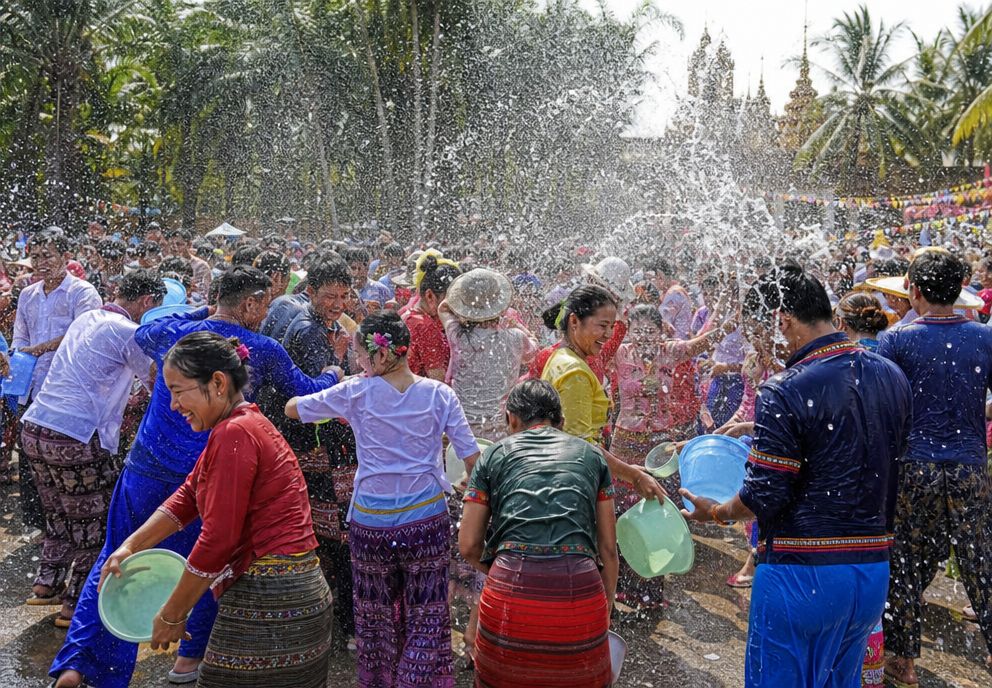
The Dai Water Splashing Festival, held in mid-April to celebrate the Dai New Year, is the most exuberant festival in Yunnan: three days of water throwing, boat racing and communal feasting in which the entire prefecture participates. Xishuangbanna is also the origin of Pu-erh tea, whose most prized varieties come from trees over 500 years old on the six ancient tea mountains — the combination of ancient forest, living Dai culture and tropical food makes it one of the most genuinely exotic destinations accessible from mainland China.
What the Guides Miss

1

Don't come for gibbons — they haven't been confirmed here since the 1990s

One expectation worth resetting before arrival: the white-cheeked gibbon that lived in these forests has not been confirmed in China since the 1990s and is generally considered gone from the wild on this side of the border. Yunnan still has gibbons, but they're elsewhere — black crested gibbons in the Wuliang and Ailao ranges around Pu'er, skywalker hoolock gibbons in Gaoligong above Baoshan. What this prefecture genuinely has at dawn is hornbills, macaques and a canopy full of noise, which is worth the early start on its own — just not the primate everyone expects.

2

"Ancient tree" on a Pu-erh cake is a claim, not a certification

China has no legal definition of an ancient tea tree and no system for certifying the age of one, so a cake labelled "ancient-tree" carries a seller's claim rather than a guarantee — and far more ancient-tree Pu-erh is sold each year than those actual trees could possibly produce. A second thing worth knowing: ripe Pu-erh, the dark mellow kind, is a 1970s invention — the wet-piling process was worked out around 1973. Raw Pu-erh, aged slowly instead, is the older tradition. Drink a lot, buy carefully, and buy in the village if you buy at all.

Top Attractions in Xishuangbanna

Xishuangbanna Tropical Botanical Garden vast tropical plant collections rare species palm trees giant fernsIllustration
China's Richest Botanical Garden

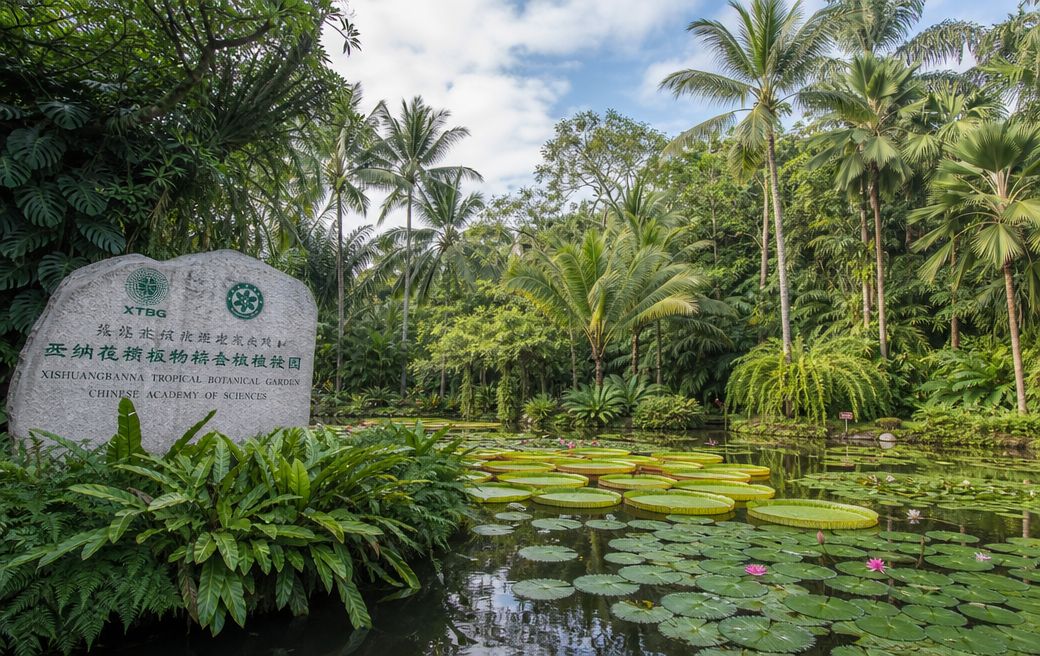
Xishuangbanna Tropical Botanical Garden (热带植物园)

1,100 hectares and over 13,000 species, a working research institute founded in 1959, the largest in Asia.

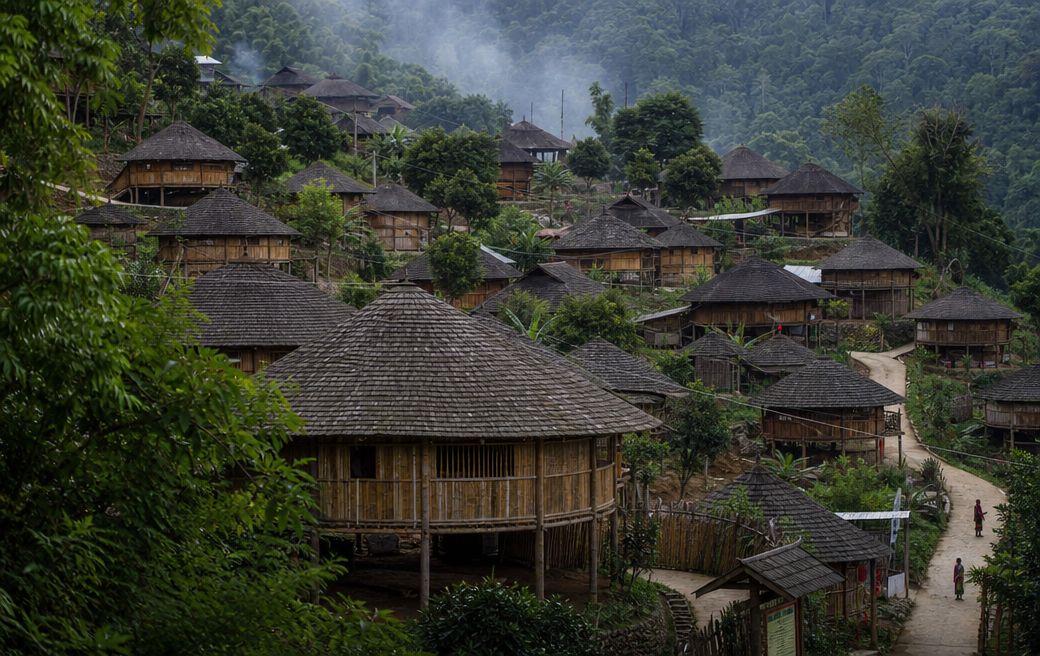
Dai Ethnic Park Xishuangbanna traditional Dai stilted wooden houses village Lancang River Water SplashingIllustration
Living Dai Culture Village

Dai Ethnic Park (傣族园)

Five traditional Dai villages on the Lancang riverbank, with working monasteries and daily practice.

Menglun tropical rainforest Xishuangbanna lush jungle canopy walkway ancient trees aerial roots rare tropicalIllustration
Primary Tropical Rainforest

Menglun Tropical Rainforest (勐仑热带雨林)

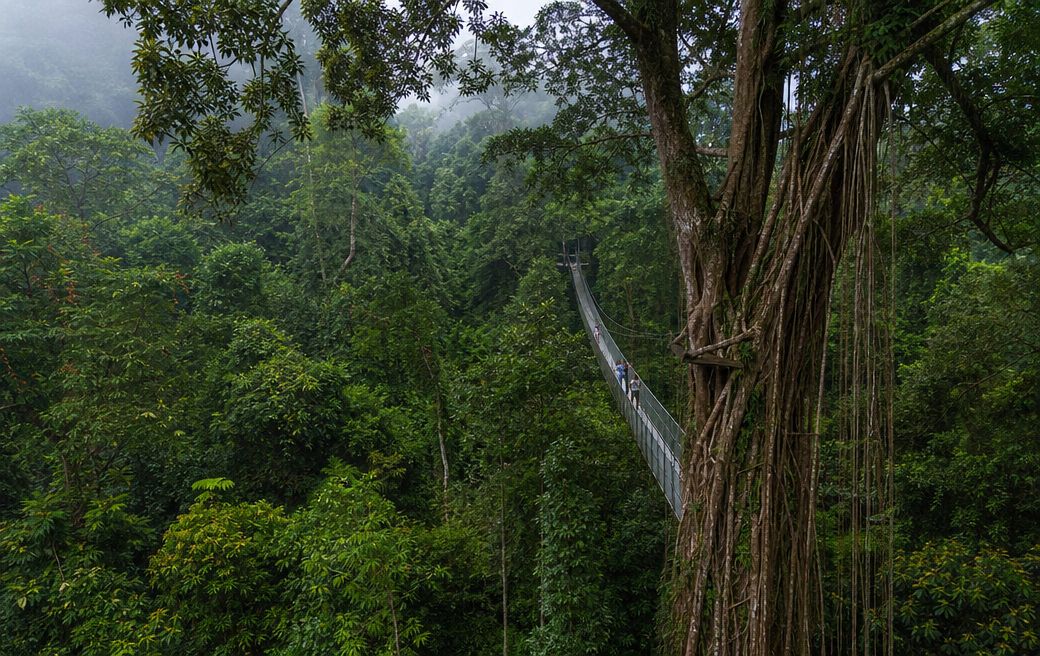
Ground-level trails and aerial walkways through strangler figs and buttress-root primary forest.

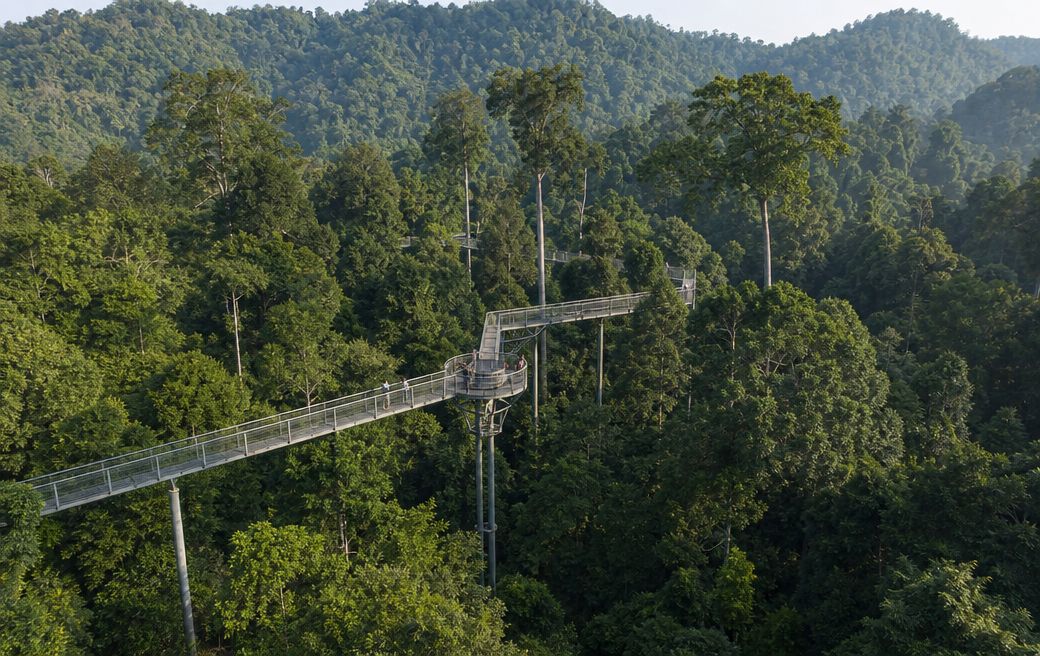
Wangshu Tree Canopy Walkway Xishuangbanna aerial walkway above tropical forest canopy giant Parashorea 60Illustration
Canopy Aerial Walkway

Wangshu Tree Canopy Walkway (望天树景区)

A 2.5-kilometre walkway 40 metres up, through China's tallest tree species, the Parashorea chinensis.

Jinuo Mountain Village Xishuangbanna traditional Jinuo ethnic bamboo houses unique round roof architecture teaIllustration
Rare Ethnic Minority Village

Jinuo Mountain Village (基诺山寨)

Home to fewer than 25,000 Jinuo people, among the earliest cultivators of Pu-erh tea.

Lancang River night cruise Xishuangbanna illuminated Dai style buildings riverside cruise boat lantern lightsIllustration
Tropical River Cruise

Lancang River Night Cruise (澜沧江夜游)

The upper Mekong, an unbroken water highway to Myanmar, Laos, Thailand, Cambodia and Vietnam.

Ways to Experience Xishuangbanna

Group Tours

A group route across the botanical garden, Dai villages, and the ancient tea mountains.

Rainforest & Wildlife Tours

Naturalist-guided early-morning treks and safe wild Asian elephant conservation area visits.

Ancient Tea Mountain Tours

Named-farmer visits on Yiwu, Nannuo and Bulang with full-provenance single-tree tastings.

Festival Tours

Water Splashing Festival access booked months ahead for mid-April.

Explore Xishuangbanna on the Map

By Type
By Theme
No theme places in this city yet.
View Full China

Approximate locations of the attractions above, across Xishuangbanna prefecture.

Eat Like a Local in Xishuangbanna

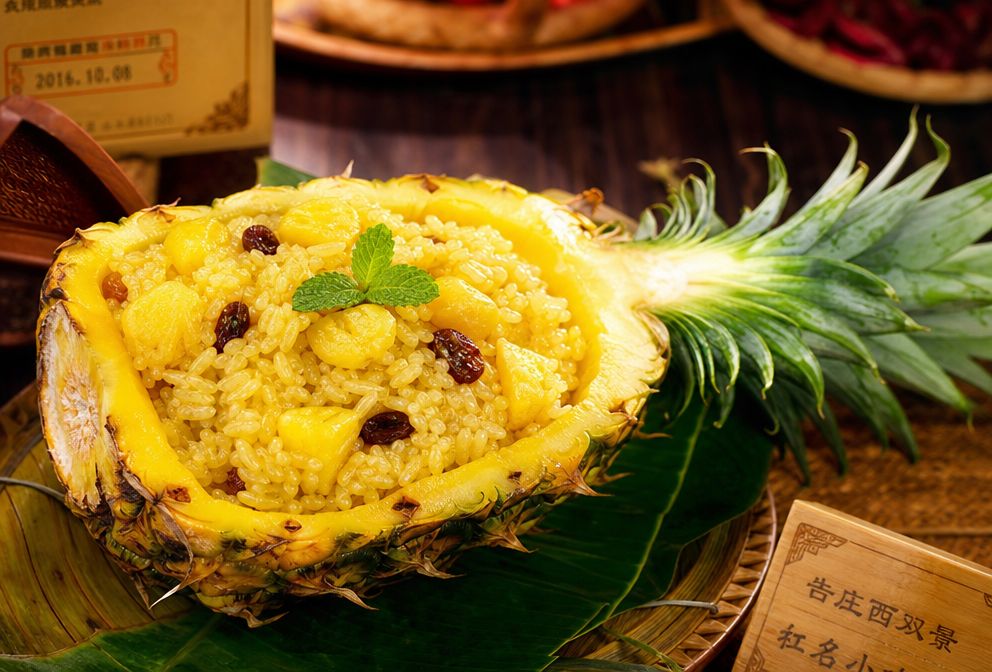
Dai ethnic pineapple rice Xishuangbanna sticky rice cooked inside fresh pineapple golden tropical presentationIllustration

Dai Pineapple Rice (傣族菠萝饭)

Glutinous rice steamed inside a fresh pineapple, sweetened entirely by the fruit itself.

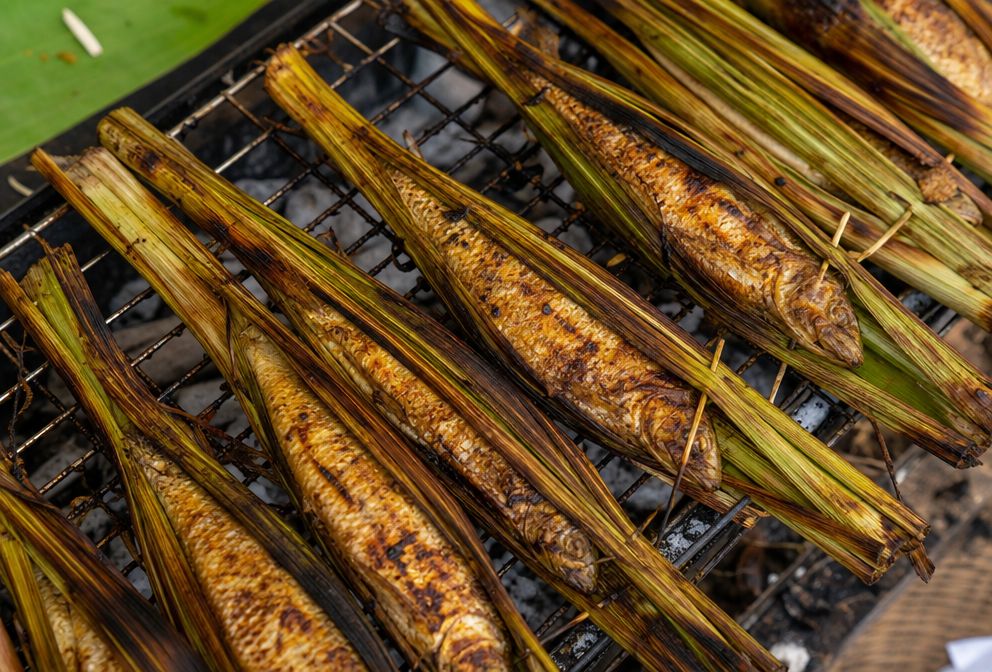
Lemongrass grilled fish Xishuangbanna whole fish wrapped lemongrass charcoal grilled Dai ethnic aromatic herbIllustration

Lemongrass Grilled Fish (香茅草烤鱼)

River fish stuffed with lemongrass and galangal, closer in character to northern Thai grilling than Chinese mainstream.

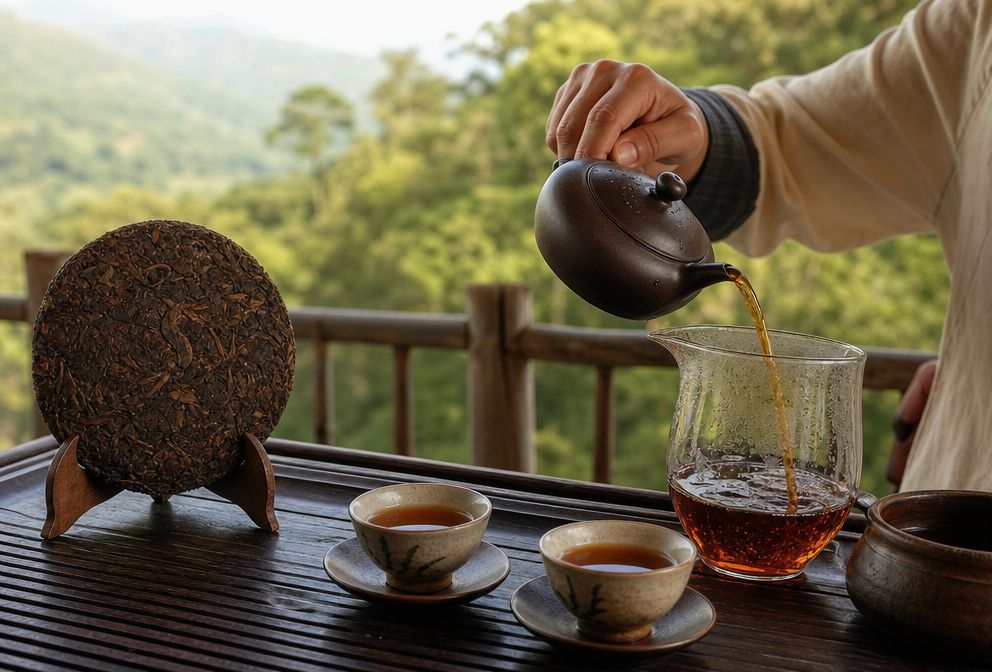
Xishuangbanna Pu-erh tea ceremony aged tea cake brewing dark amber tea liquor ancient teaIllustration

Xishuangbanna Pu-erh Tea (普洱茶)

Post-fermented tea from the six ancient tea mountains, where the variety's name itself originated.

Experiences Around Xishuangbanna

Dai Water Splashing Festival Xishuangbanna crowds joyfully splashing water colorful Dai costumes street celebrationIllustration

Dai Water Splashing Festival

Three days of water throwing washing away the old year's misfortunes, welcoming to international visitors.

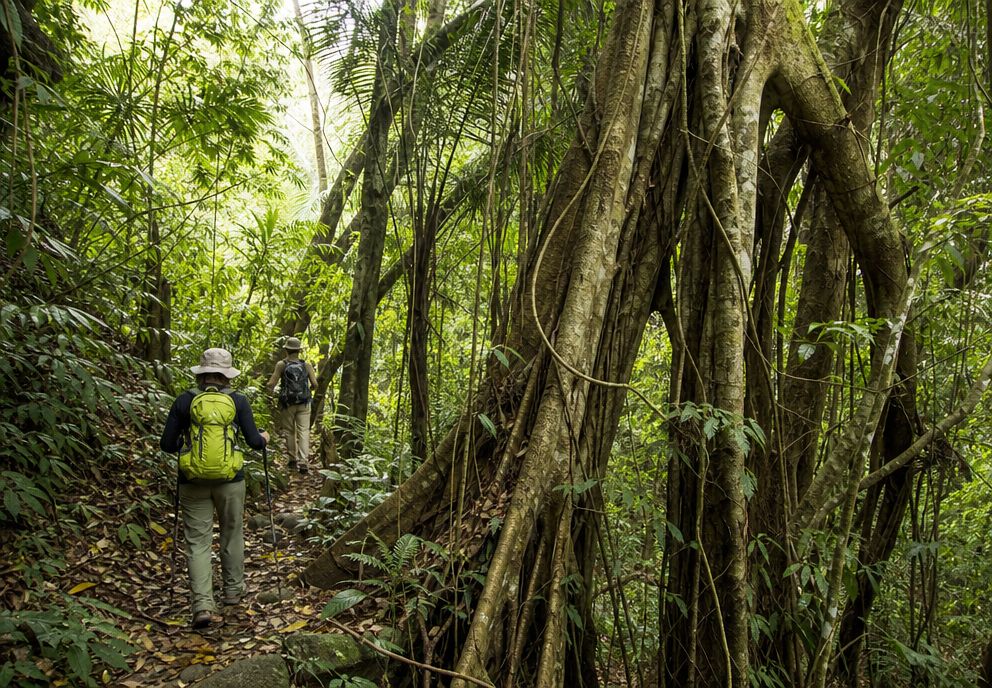
Tropical rainforest hiking Xishuangbanna trekkers jungle trail ancient trees filtered tropical light rare wildlifeIllustration

Tropical Rainforest Trekking

Identifying strangler figs and dipterocarp buttresses with a naturalist guide before the day's heat builds.

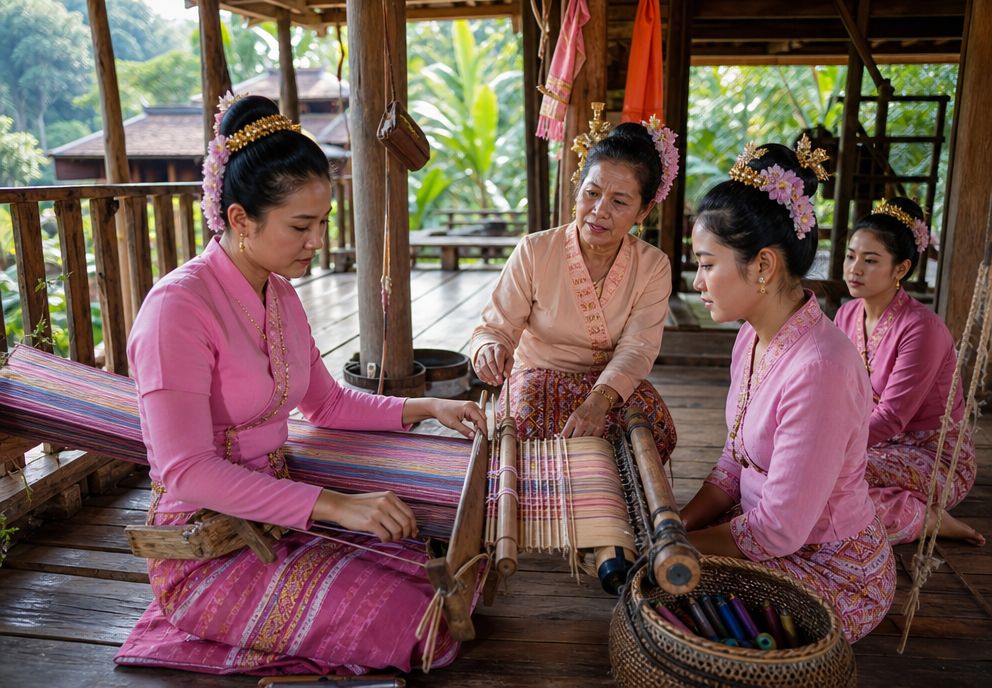
Dai ethnic village cultural experience Xishuangbanna women traditional costumes weaving village elder teaching stiltedIllustration

Dai Village Cultural Stay

An overnight stilted guesthouse stay, sharing meals and attending morning almsgiving at the village temple.

Pu-erh ancient tea mountain visit Xishuangbanna visitors ancient tea tree rows 500-year-old trees teaIllustration

Ancient Tea Mountain Visit

Tasting the leaf where it grew, brewed by the person who picked it, in Yiwu or Nannuo's old-growth groves.

Best Time to Visit Xishuangbanna

SeasonHighlightsWeather
Dry Season Peak
(Nov–Feb)
Best overall season; clearest conditions for the canopy walkway and tea mountains15–26°C (59–79°F). Warm and dry, notable morning mist.
Festival Season
(Mar–Apr)
Water Splashing Festival mid-April; spring tea harvest, the most prized Pu-erh leaf of the year22–34°C (72–93°F). Hot and dry before the rains.
Rainy Season
(May–Oct)
Rainforest at maximum green density; most frequent elephant sightings during wet-season foraging24–32°C (75–90°F). Hot and humid with frequent rain.

Recommended Routes Near Xishuangbanna

2 Days / 1 Night

Dai Village & Rainforest Route

An overnight Dai stilted-house stay with a dawn rainforest trek before the day's heat.

1 Day

Ancient Tea Mountain Day

A drive up to Yiwu or Nannuo for tastings direct from the farming families who tend the old-growth trees.

Why Choose PreeChina

Local Expert Guides

Our Xishuangbanna guides know which tea mountain track reaches the old groves and which Dai village guesthouse takes guests properly.

Private Transportation

Comfortable vehicles across the prefecture's dispersed rainforest and tea mountain sites.

24/7 English Support

For booking Water Splashing Festival accommodation months in advance.

Authentic Experiences

We connect visitors to named tea farmers with real provenance, not unverifiable "ancient tree" claims.

Xishuangbanna is in Yunnan, in Southwest China.

Keep Exploring Xishuangbanna

Plan Your Group Trip to Xishuangbanna, China's Tropical Paradise

Travelling to China with 10 or more people? Talk to PreeChina first. A transparent service fee of USD 100 per person for trips of up to 10 days (USD 150 for 11 to 20 days), and no markup on travel components. See how the fee works.

Tell us your group size, travel dates, and preferences, and our local experts will design a group journey from the canopy of China's tallest trees to the ancient tea mountains where 500-year-old trees still produce the world's most prized Pu-erh leaf — just for you.

Plan a Group Trip to XishuangbannaSee Group Tour Options

Share This Guide