
Shangri-La is in Yunnan, in Southwest China.
Home › Destinations › Yunnan › Shangri-La
Yunnan · City Guide
Shangri-La, Where the Yunnan Plateau Turns Tibetan.
Overview
Why Go
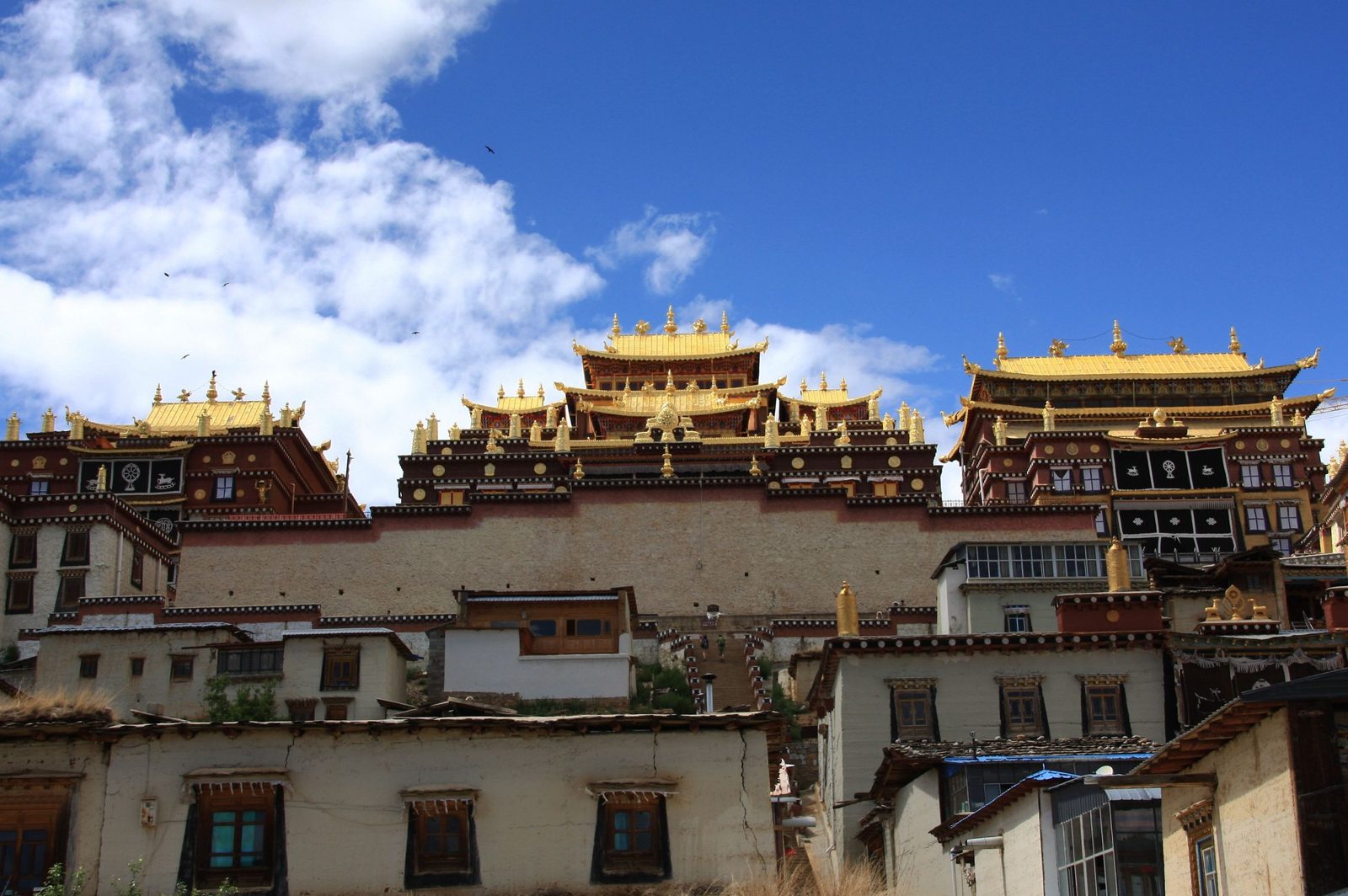
Ganden Sumtseling was founded in 1679 under the fifth Dalai Lama and is built as a small walled town of white and ochre buildings stepping up a hill. Several hundred monks are in residence and the morning chanting is open.
Tiger Leaping Gorge carries a high trail along the slope above the Jinsha River, two days between guesthouses with Haba Snow Mountain opposite. It has been walked by foreign travellers since the 1980s and the upper section is in this county.
Matsutake grow in the pine and oak forest here through the summer rains, and much of the crop is air-freighted to Japan within a day or two of picking. The morning markets in July and August are mostly this one product.
Kawagarbo, the main summit of Meili at 6,740 metres, has never been climbed. An avalanche claimed a seventeen-member expedition in 1991, and Deqin county prohibited climbing from 2001. It is at the far end of the prefecture, about 180 km from the town.
Pudacuo opened in 2007 under the national park designation, on lakes and meadow at around 3,500 metres. Access is by shuttle with the walking confined to boardwalks, which is the management model the designation was testing.
See
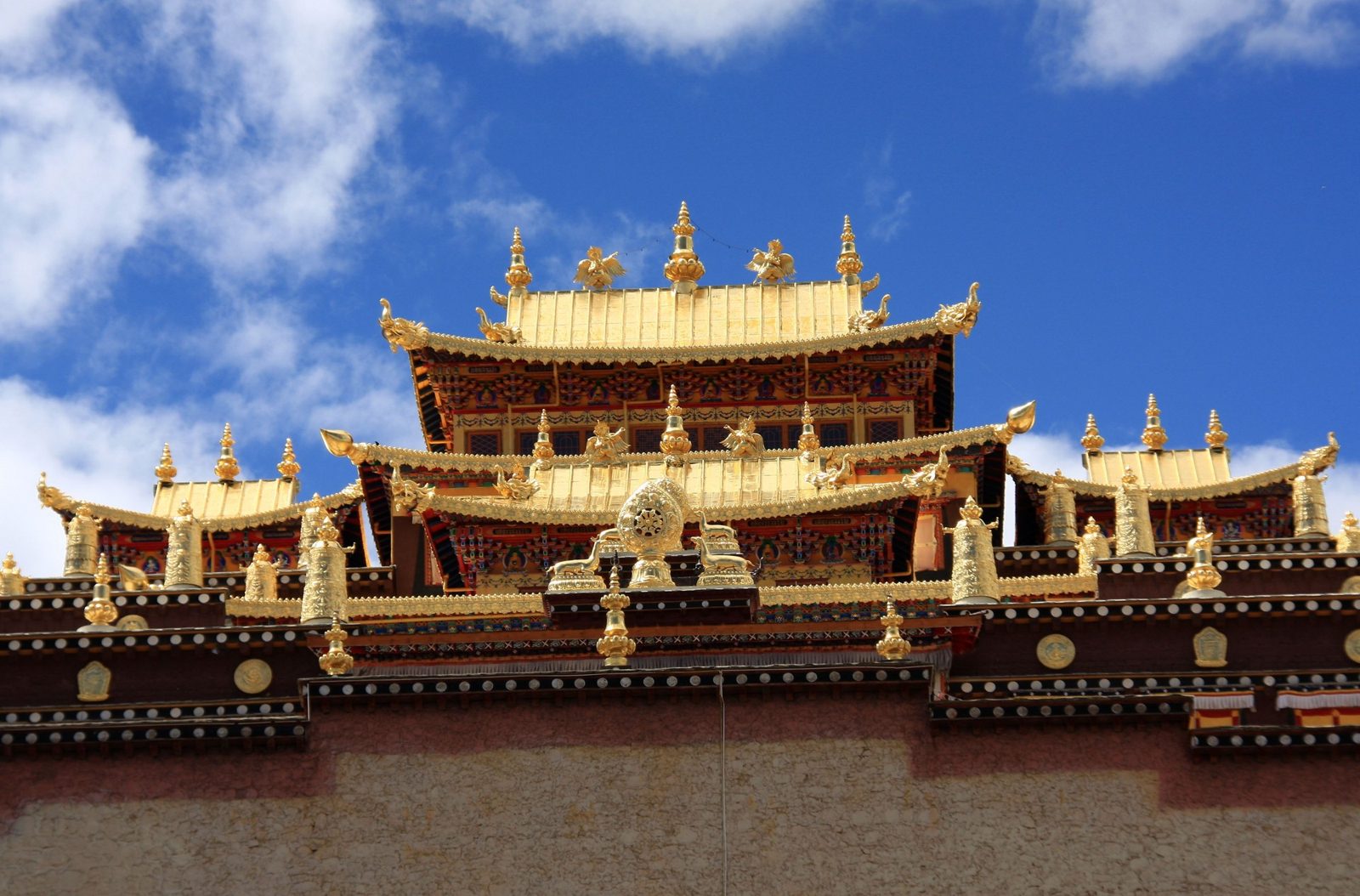
A walled monastic town of 1679 above a lake five kilometres from the centre, with two main assembly halls at the top of a long stair. Monks live in the houses below. Go for the morning session rather than the middle of the day.
The Tibetan old town, much of which burned in a fire in January 2014 and has been rebuilt in timber since. The hill above it carries a very large prayer wheel that takes several people to turn, and the view over the roofs.
Shudu and Bita lakes with meadow and fir forest between them, linked by shuttle bus and boardwalk. Wildflowers through June and July, colour in October. The altitude is enough that the boardwalk feels longer than its distance.
A seasonal lake that fills in summer and dries to grassland in winter, with yaks and horses grazing on it. Black-necked cranes winter here from November, which is the reason to come when the water has gone.
The upper narrows, where the Jinsha is squeezed between Haba and Yulong. The road viewpoints are on the Shangri-La bank; the two-day high trail runs above them and is entered from Qiaotou at the far end.
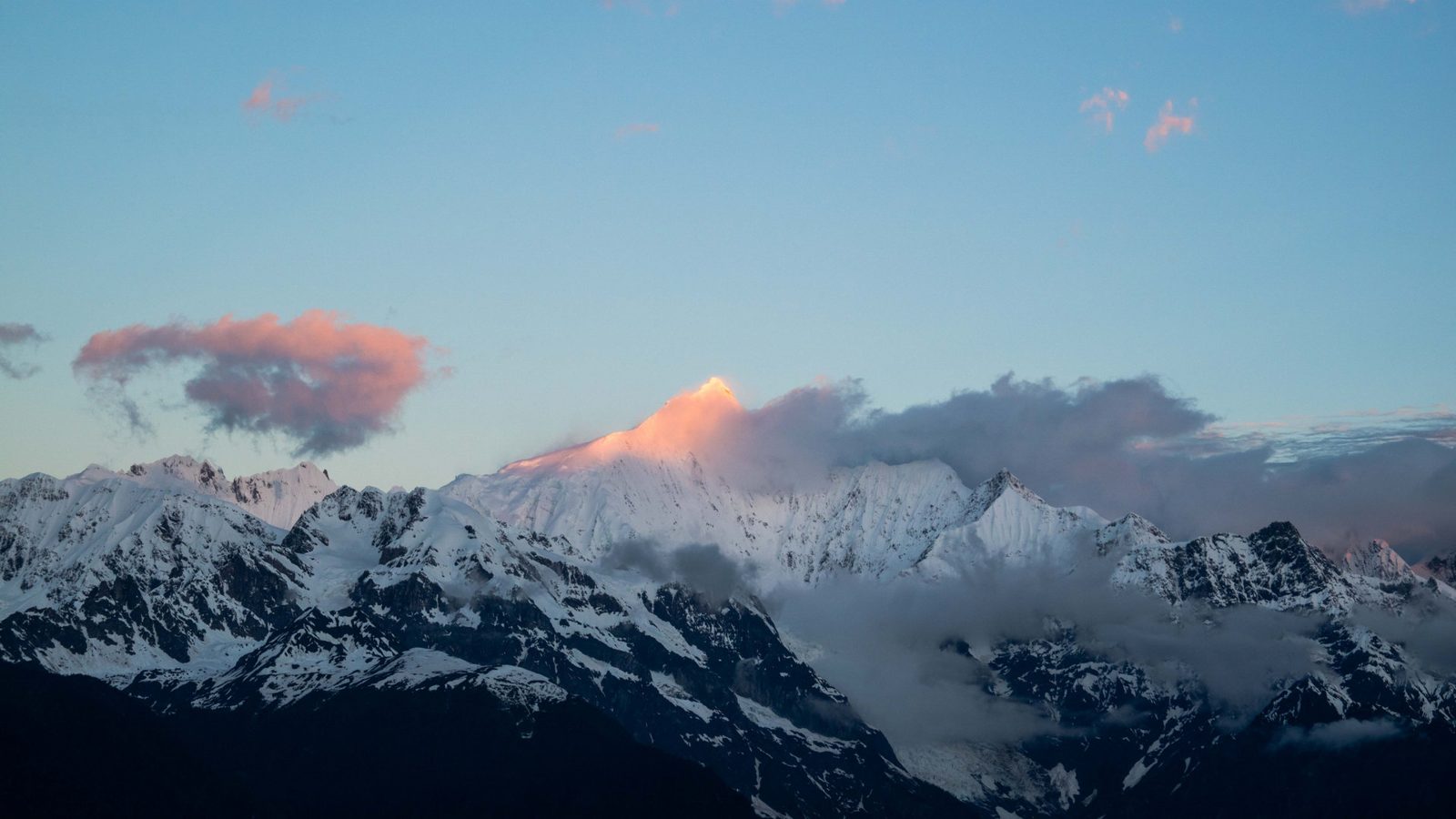
A wall of peaks at the far end of the prefecture, about 180 km and four hours away, seen from the Feilai Temple viewpoint above Deqin. Sunrise on the range is what people drive out for, and the mountain is clear perhaps one morning in three.
On the Map
Approximate locations of the attractions above, across Shangri-La.
Eat
Pine mushrooms picked in the summer rains and graded by size and firmness before many are flown out. Locally they are sliced thin and eaten raw with a little salt, or laid on a hot iron plate with butter. Season runs roughly July to September.
Chicken simmered for hours in a black clay pot made at Nixi, a village up the valley whose pottery is hand-built without a wheel. Matsutake goes in during the season. The pot is part of the dish and is sold as a souvenir.
Tea churned with yak butter and salt, drunk with roasted barley flour kneaded into it. In Kham it is often made stronger than on the Tibetan plateau proper. Guesthouses will make it if visitors ask rather than putting it on the menu.
A small black free-ranging breed kept across the plateau, giving darker and leaner meat than lowland pork. It is cured as a slab called pipa rou, shaped like the instrument, and hung through the winter.
Do
Two days from Qiaotou to Walnut Garden, sleeping at a guesthouse halfway, with the twenty-eight bends as the hard part of day one. The path is narrow and exposed in places. Rockfall closes sections after heavy rain; check locally before starting.
The assembly sessions run early and visitors may sit at the back. Take the long stair rather than the shuttle to the upper halls. Walk the kora clockwise with everyone else if visitors go round the outside.
From July the morning market is largely matsutake, with buyers grading and packing for the evening flight. It is worth an hour even if visitors are not buying: the grading and the pricing argument are the whole trade in miniature.
Stay at Feilai Temple the night before and be outside before dawn. The range clears perhaps one morning in three, more often in winter than in summer. If it is cloudy, wait: it sometimes opens for a few minutes and then shuts.
When
Meadows in flower at Pudacuo, clear air and manageable crowds. The ideal window for walking, though the gorge trail can be wet.
The rains, and the matsutake season with them. Mountain views are least reliable now and landslides close roads. The markets are at their many interesting.
Dry, clear and gold, with the ideal odds on Meili and the strongest colour at Pudacuo. The other good window and the busiest.
Cold, bright and empty, with cranes on Napa Lake and snow on the passes. Some high roads to Deqin close after snowfall.
Explore More
Shangri-La is in Yunnan, in Southwest China.
Related
Share the travel dates and interests, and PreeChina's local team will design a route that fits.
Plan My Trip to Shangri-LaSee Private Tour Prices