 Illustration
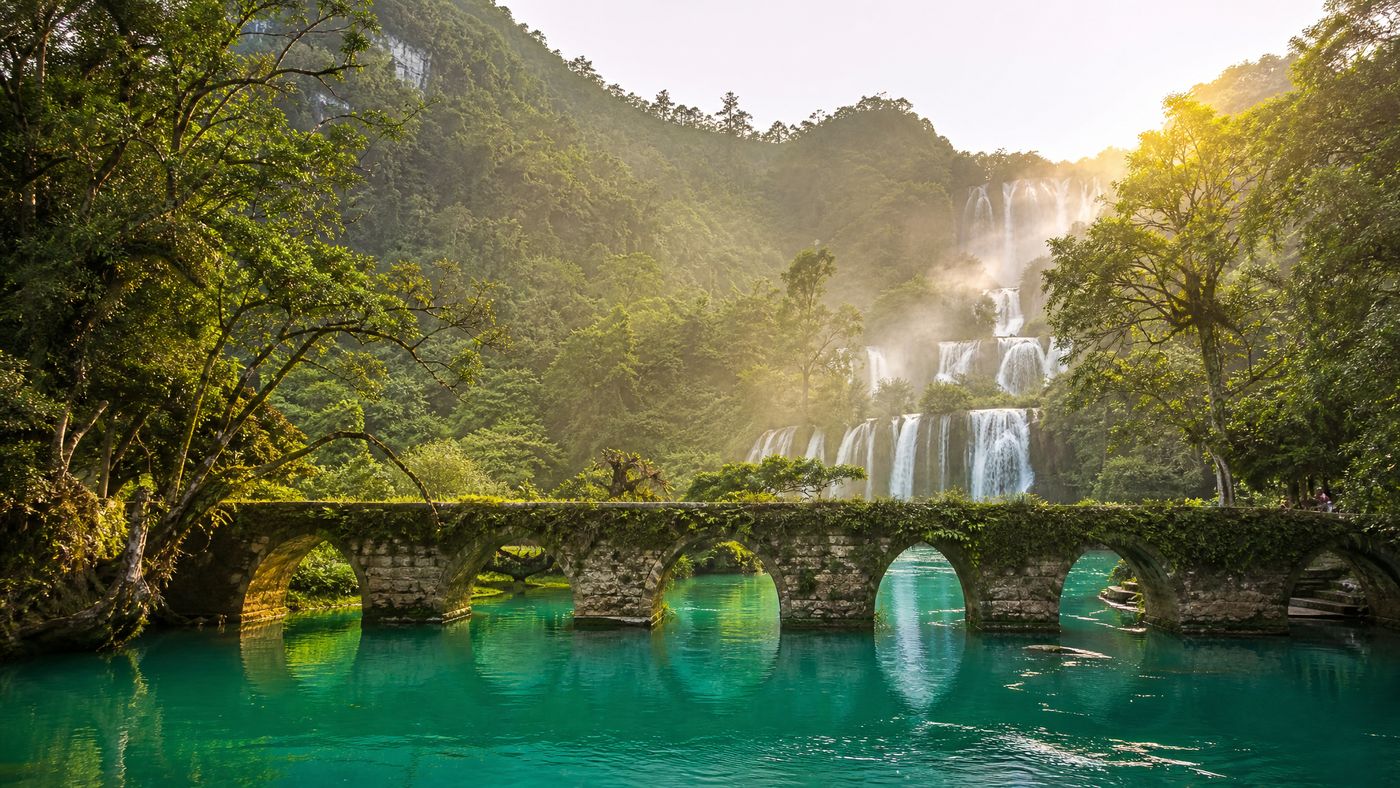
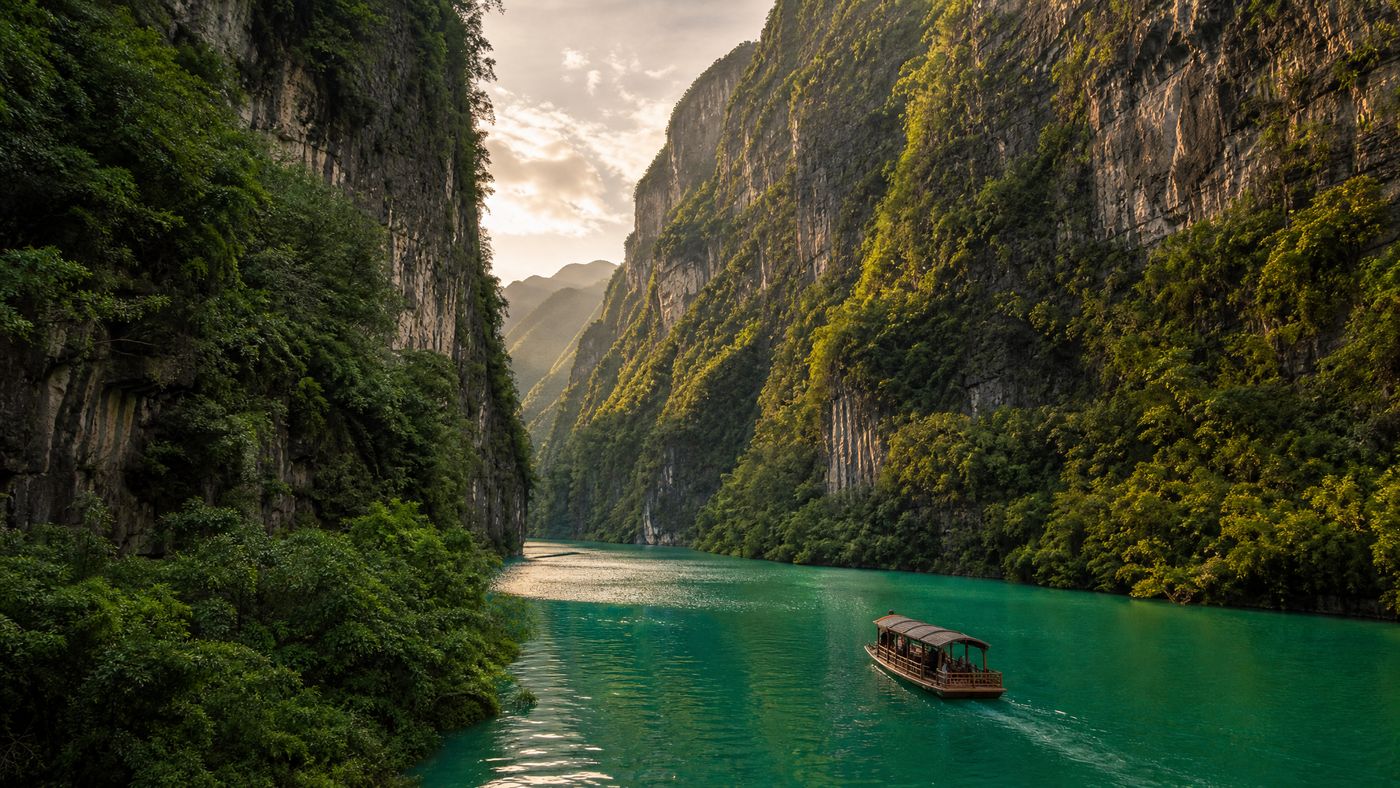
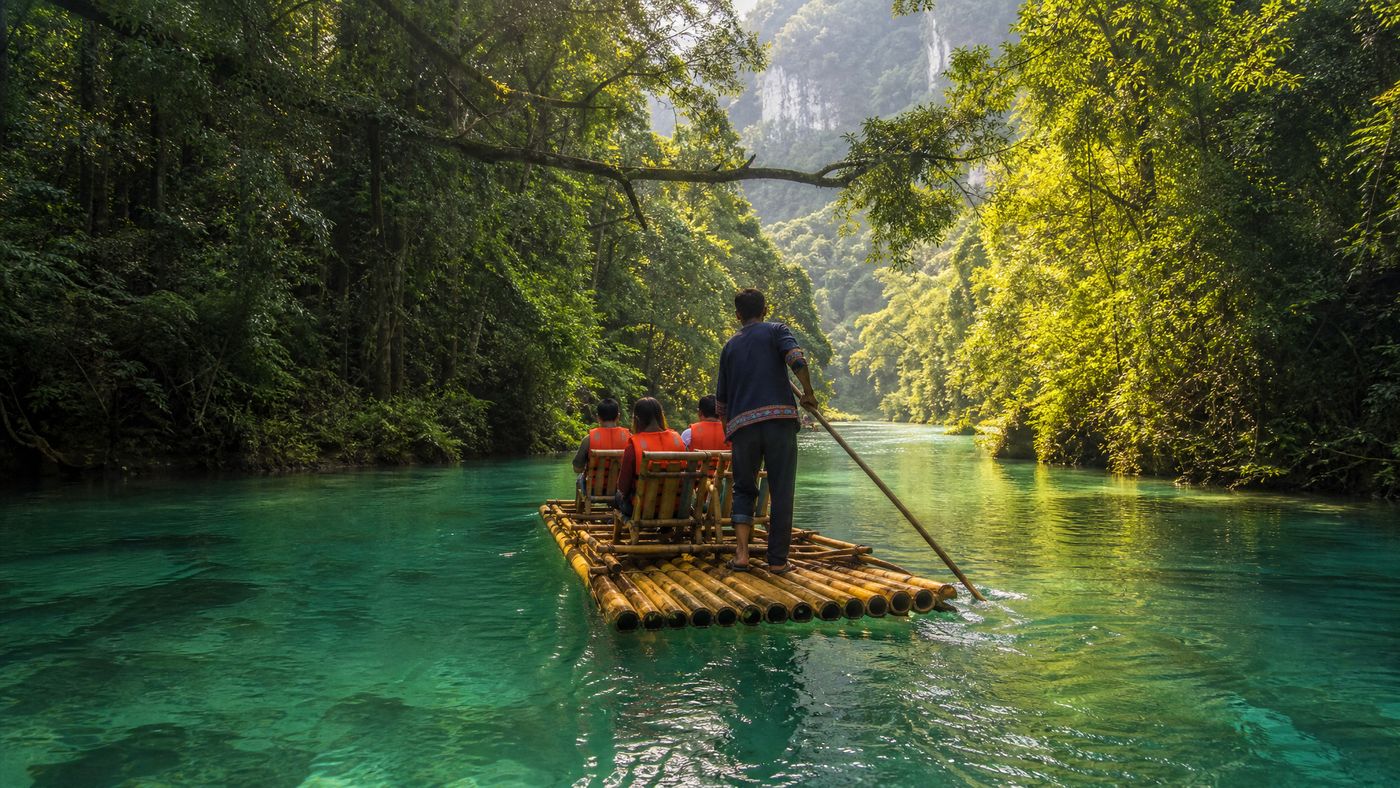
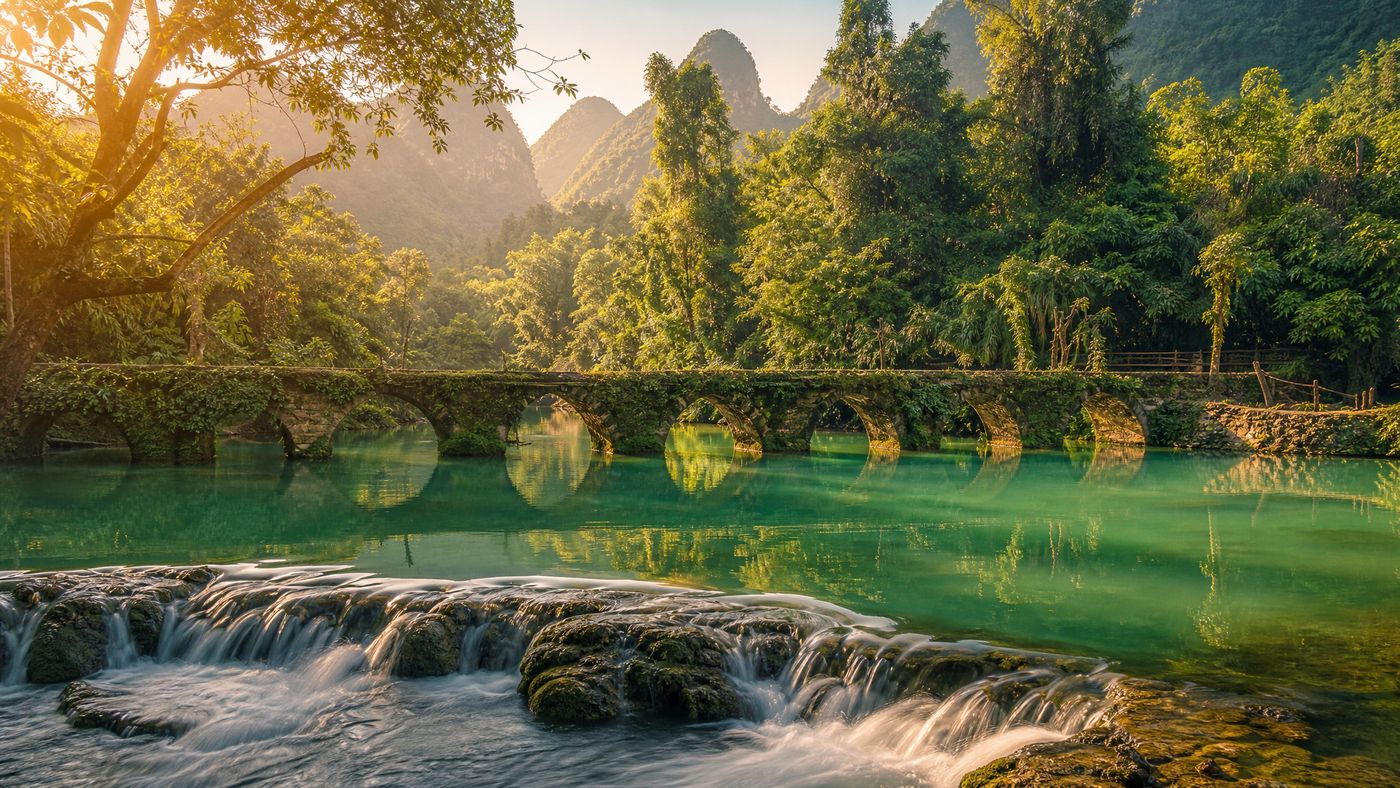
Libo consistently surprises visitors who arrive with expectations calibrated by photographs — the Xiaoqikong's turquoise pools and ancient stone bridge are so frequently reproduced in Chinese travel media that the reality's surpassing of the image feels almost implausible. The water's colour comes from dissolved calcium carbonate in the karst limestone, producing a turquoise-to-emerald transition with depth that no medium short of standing within it can adequately convey.
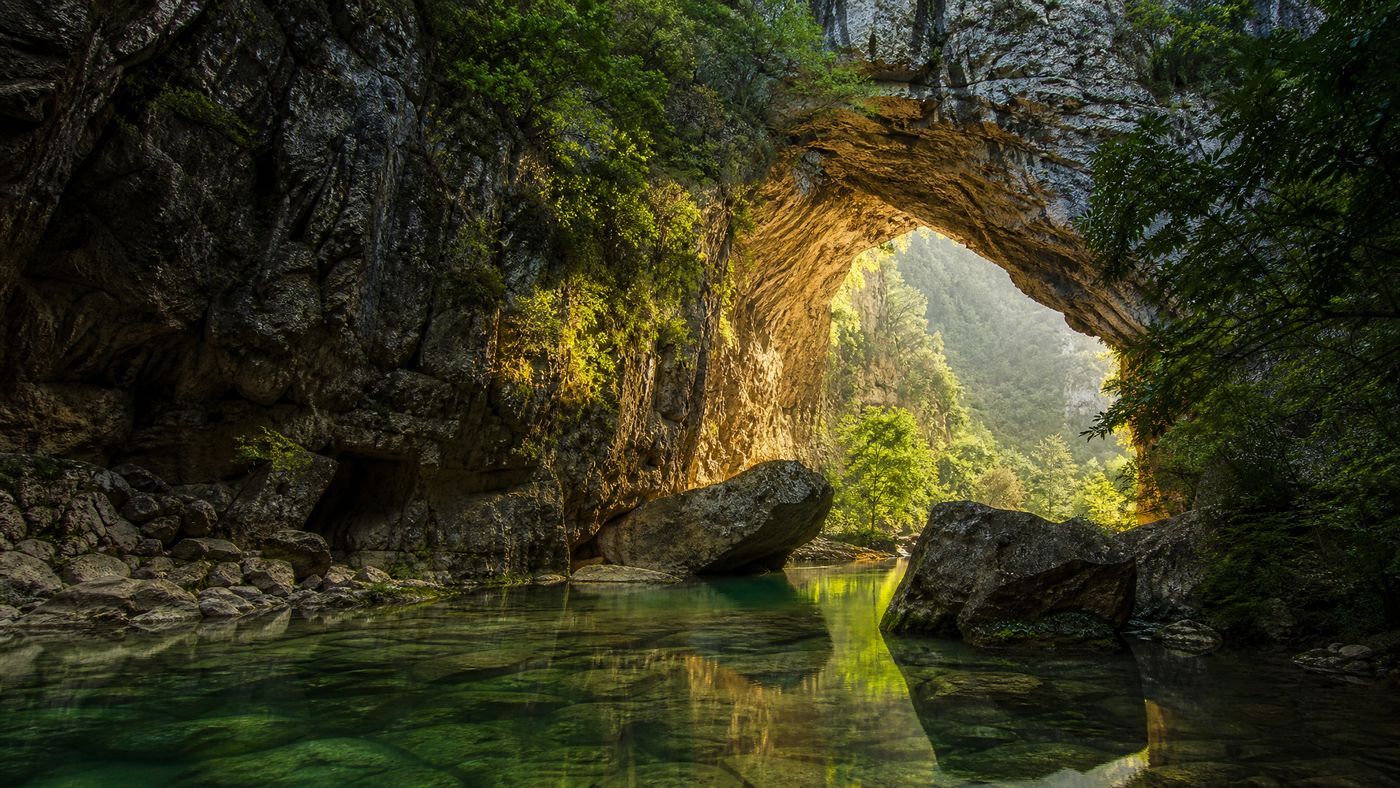
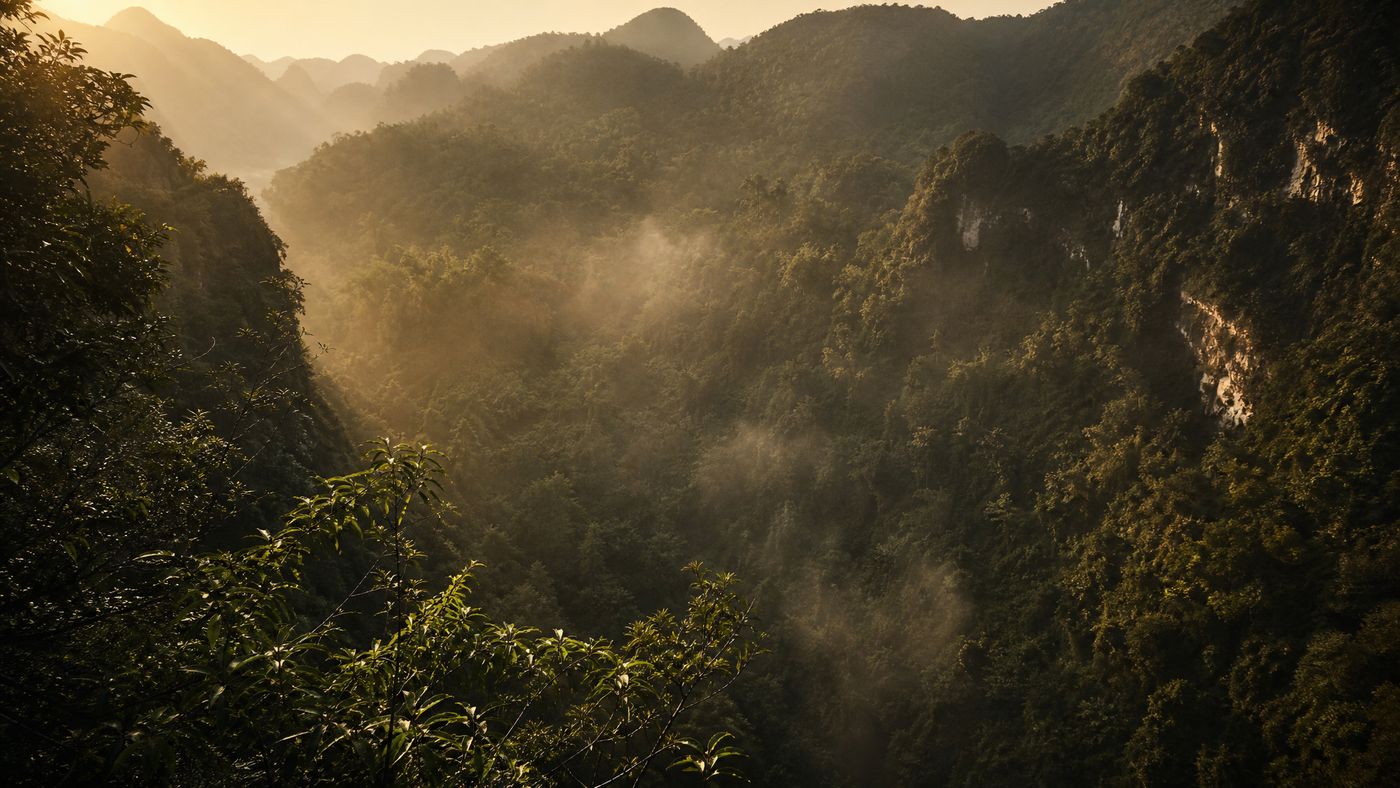
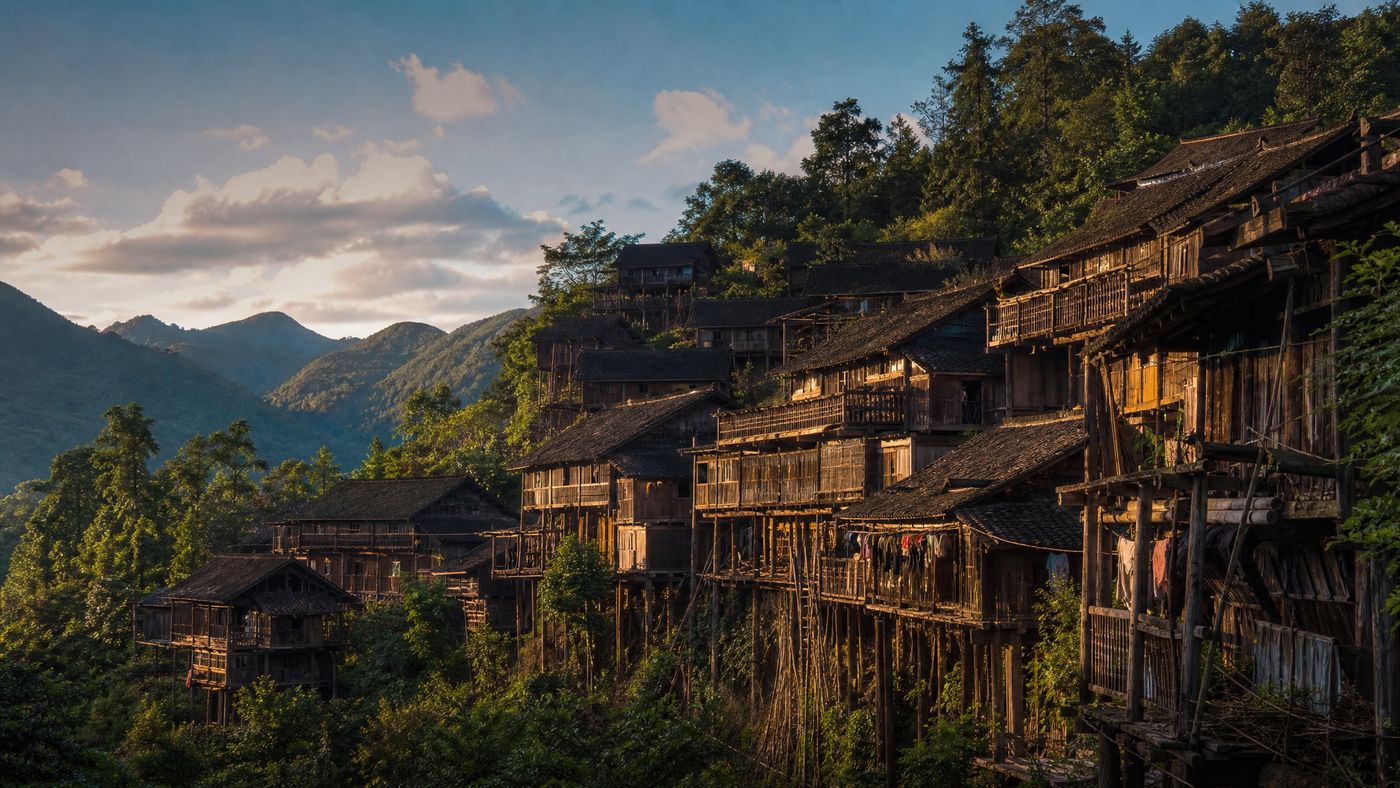
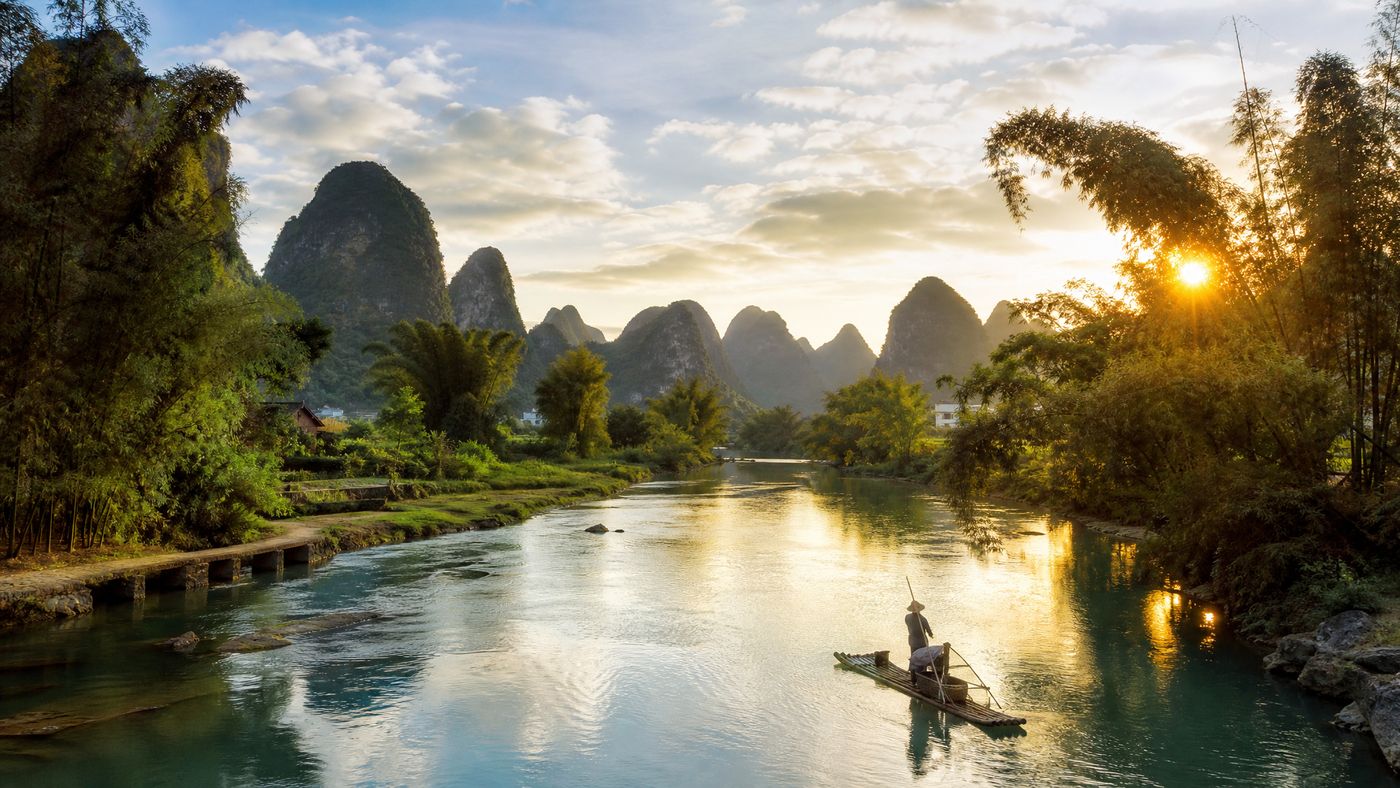
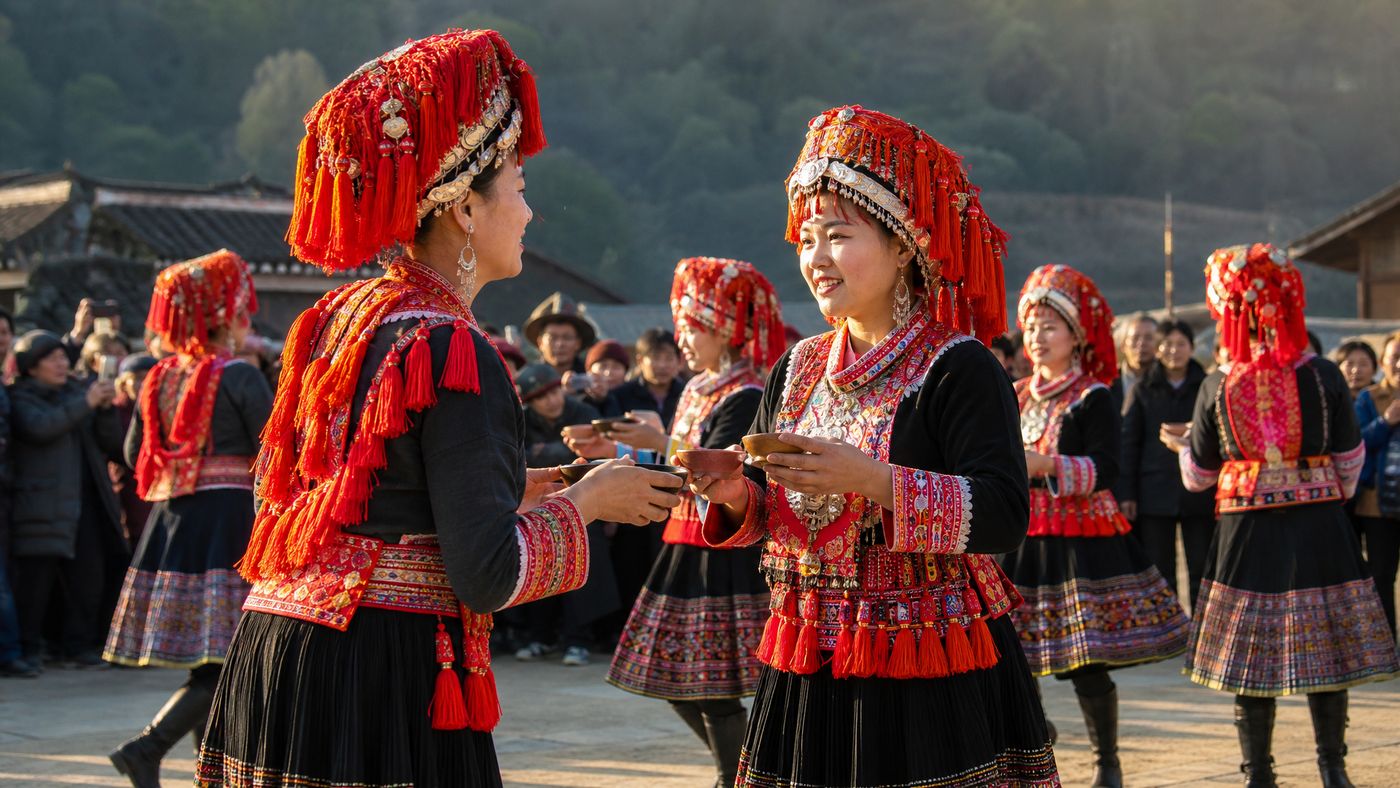
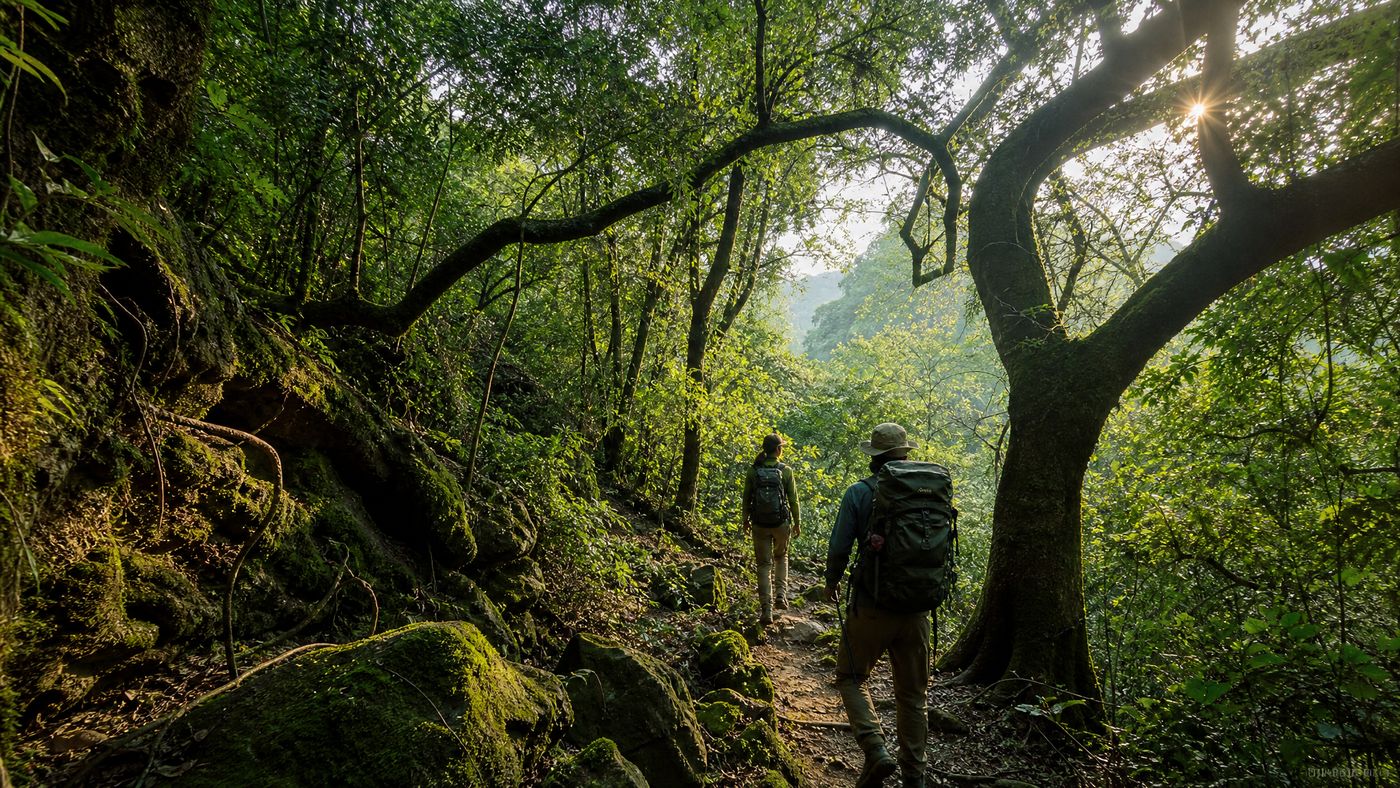
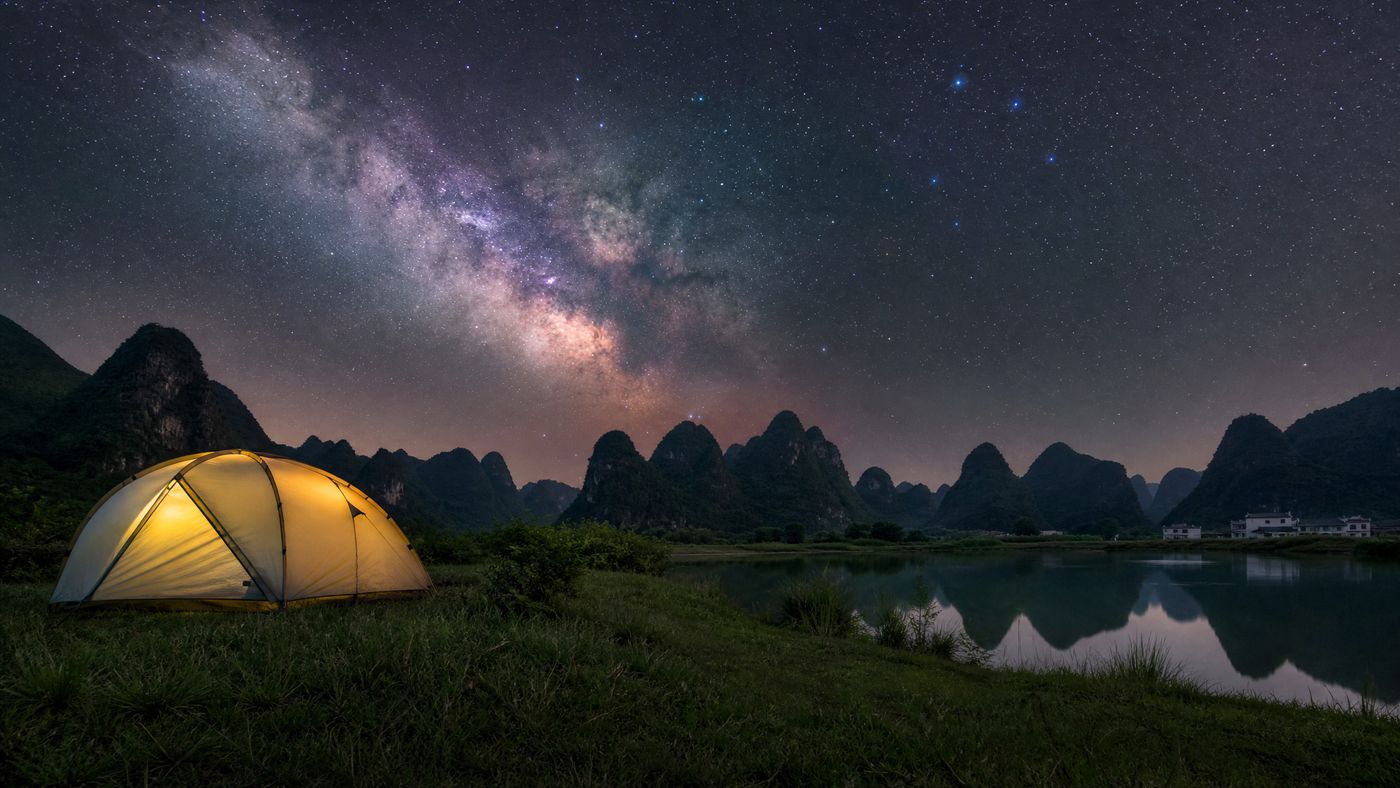
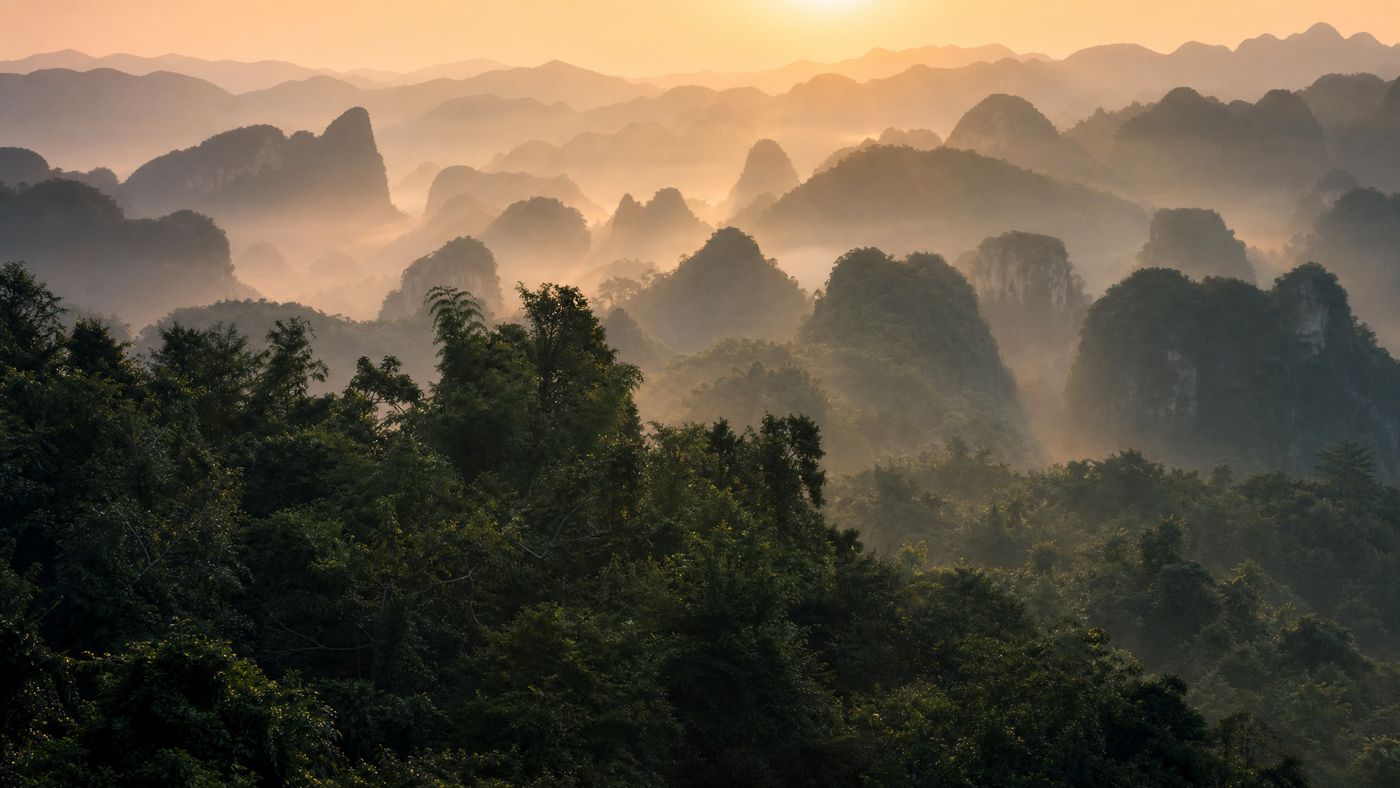
Libo was inscribed as part of the South China Karst, a serial UNESCO property that also covers the stone forest in Yunnan and Wulong in Chongqing. What Libo contributes is Maolan: primary forest grown directly on limestone, in continuous cover — ecologists regard it as the best surviving example of the forest type that once ran across most of southern China's karst. The remoteness that has preserved both the landscape and the Yao ethnic villages also gives Libo an uncompromised night sky, the Milky Way visible where most Chinese cities have lost it entirely to light pollution.