 Illustration
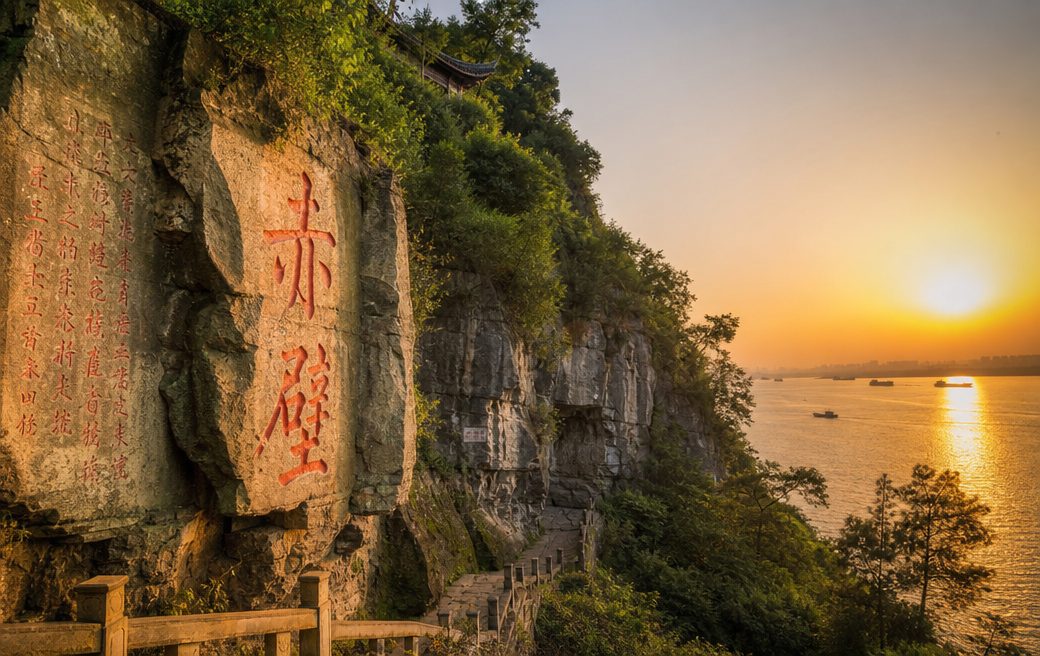
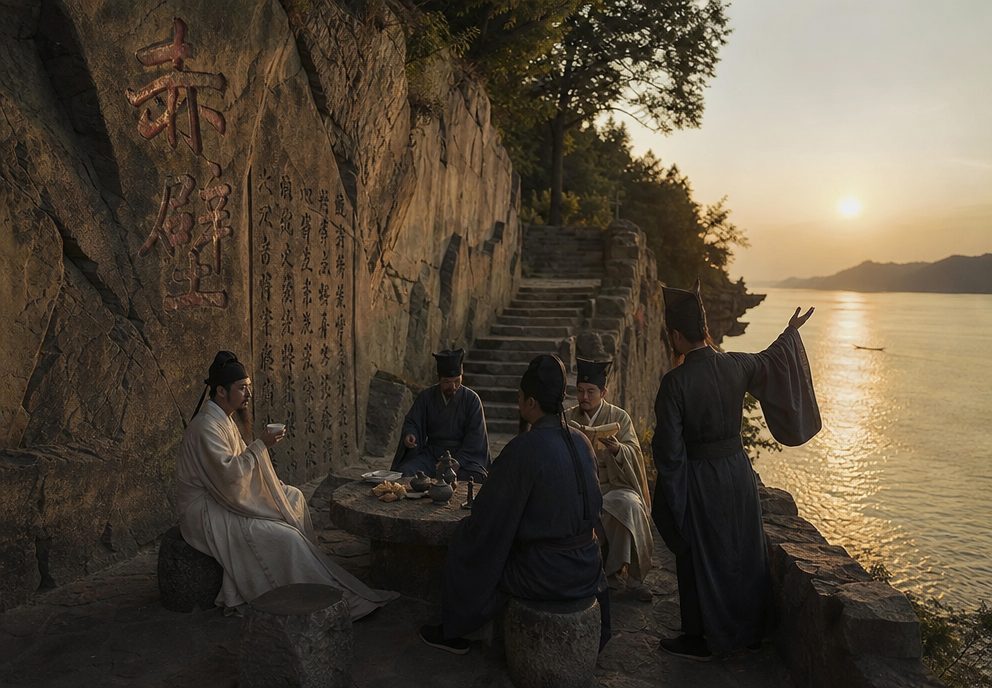
Huanggang carries one of the most poignant literary associations in Chinese culture. It was here, at the red cliffs above the Yangtze River, that Su Dongpo, exiled from the Song Dynasty court and stripped of office, wrote the two Odes to the Red Cliff in 1082, prose poems that are ranked among the supreme achievements of Chinese literary history and that transformed a personal crisis of exile into a meditation on impermanence, nature, and human dignity that Chinese readers have returned to for nine hundred years. Standing at the Dongpo Red Cliff above the river where he wrote those words is one of the most quietly moving literary pilgrimages available anywhere in China.
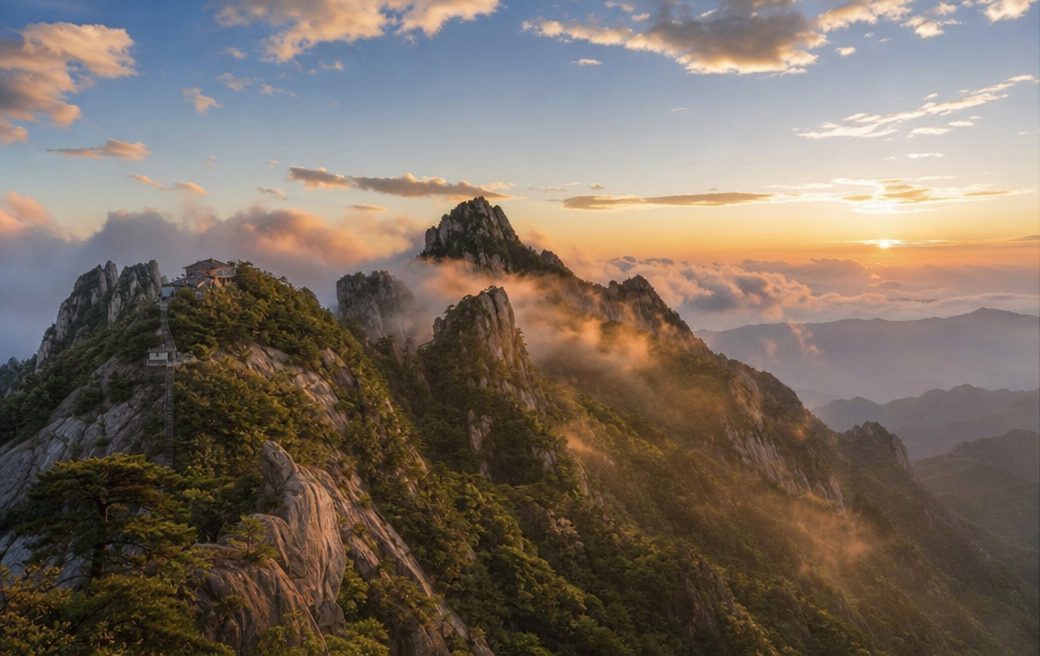
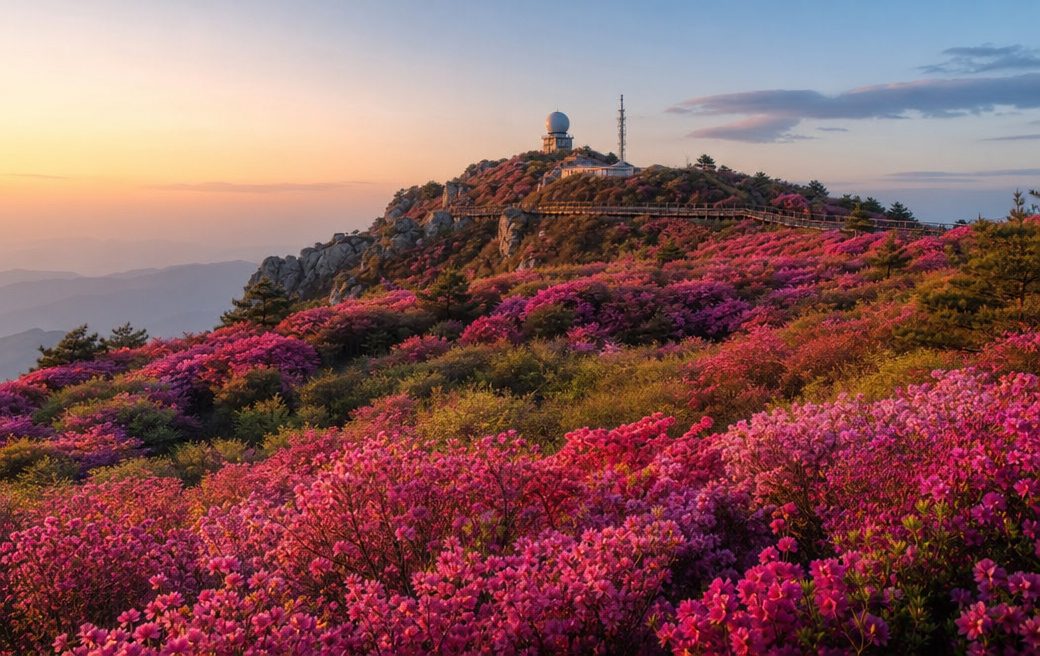
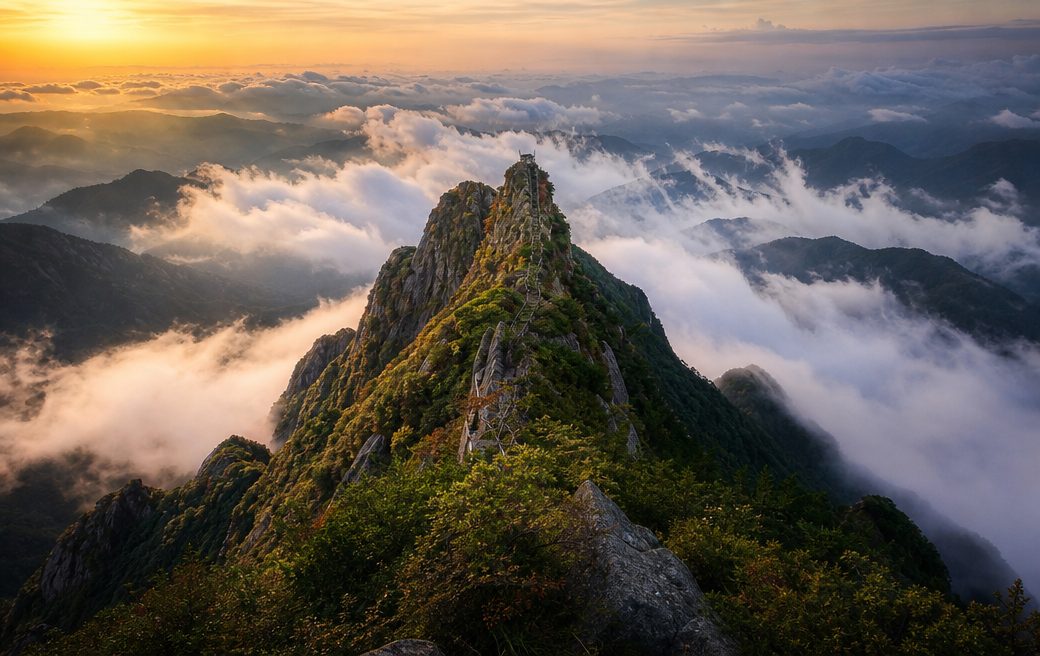
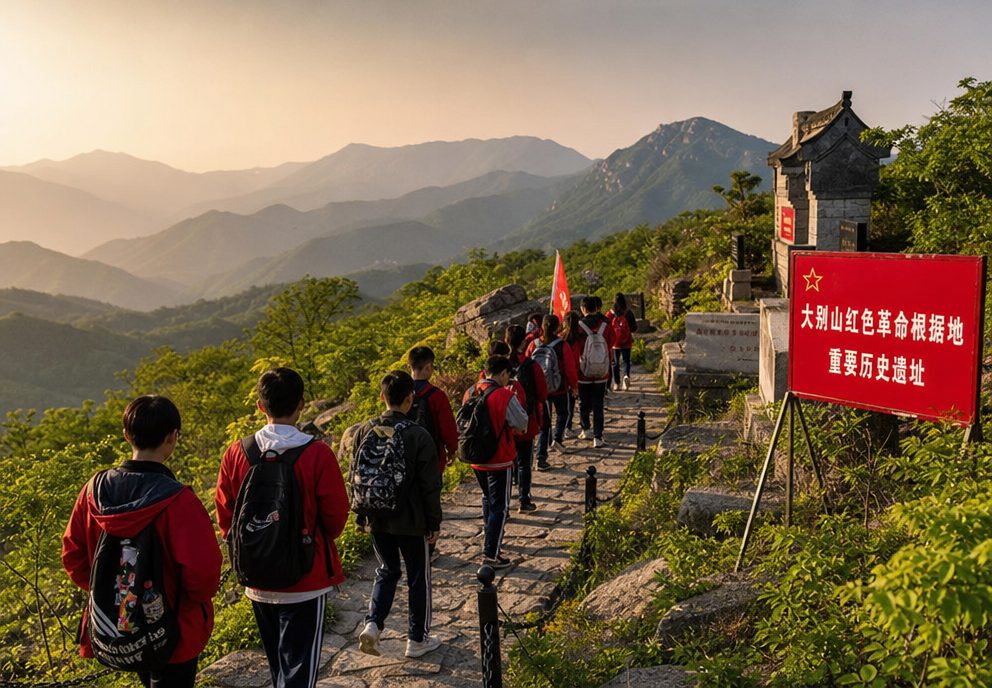
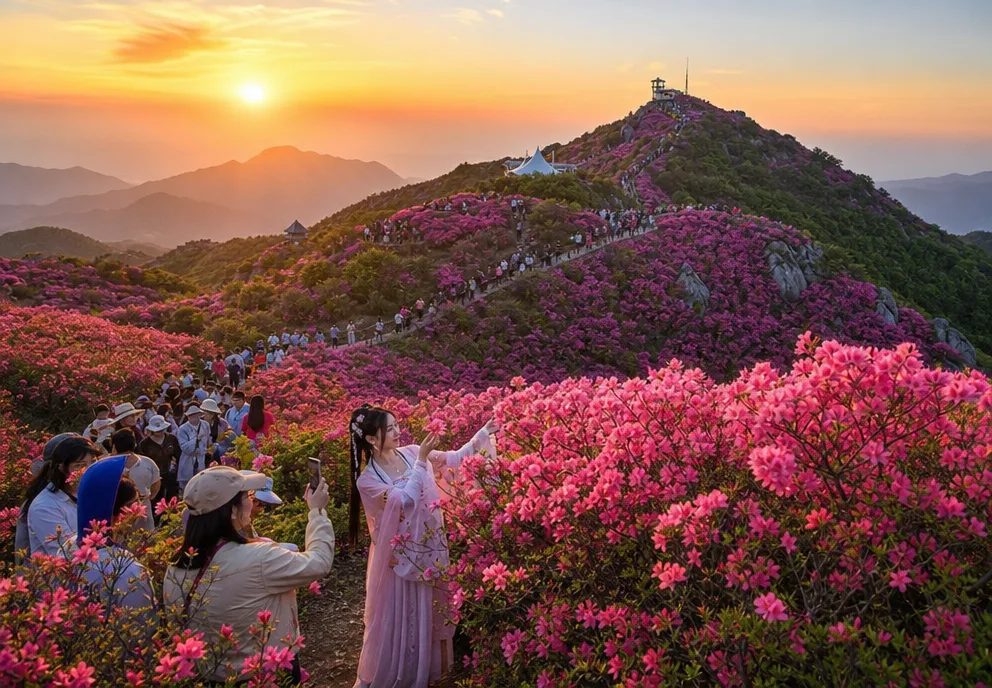
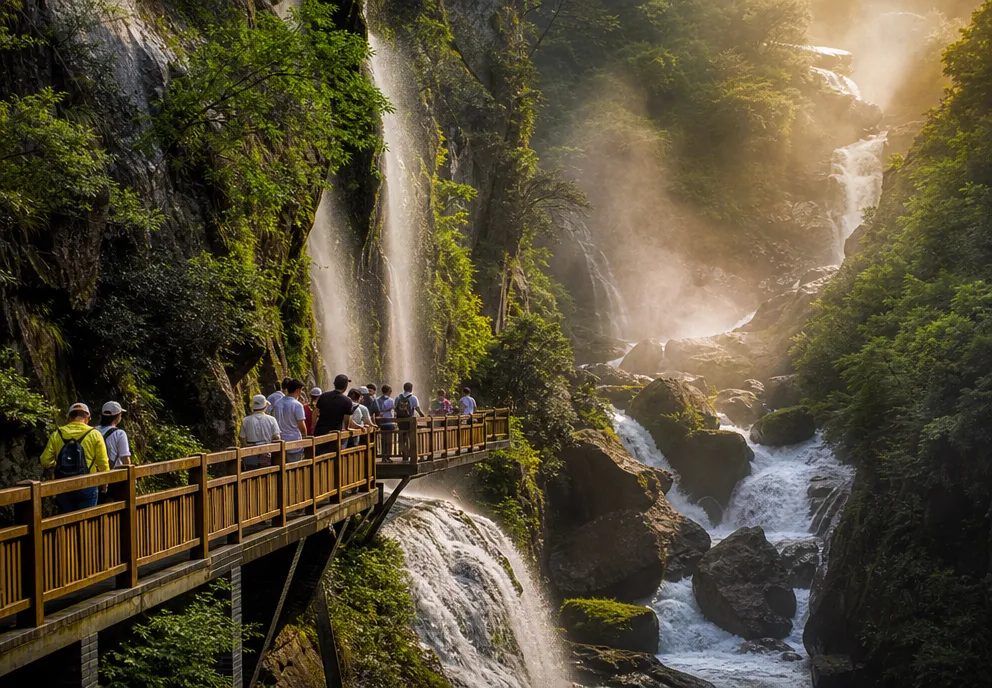
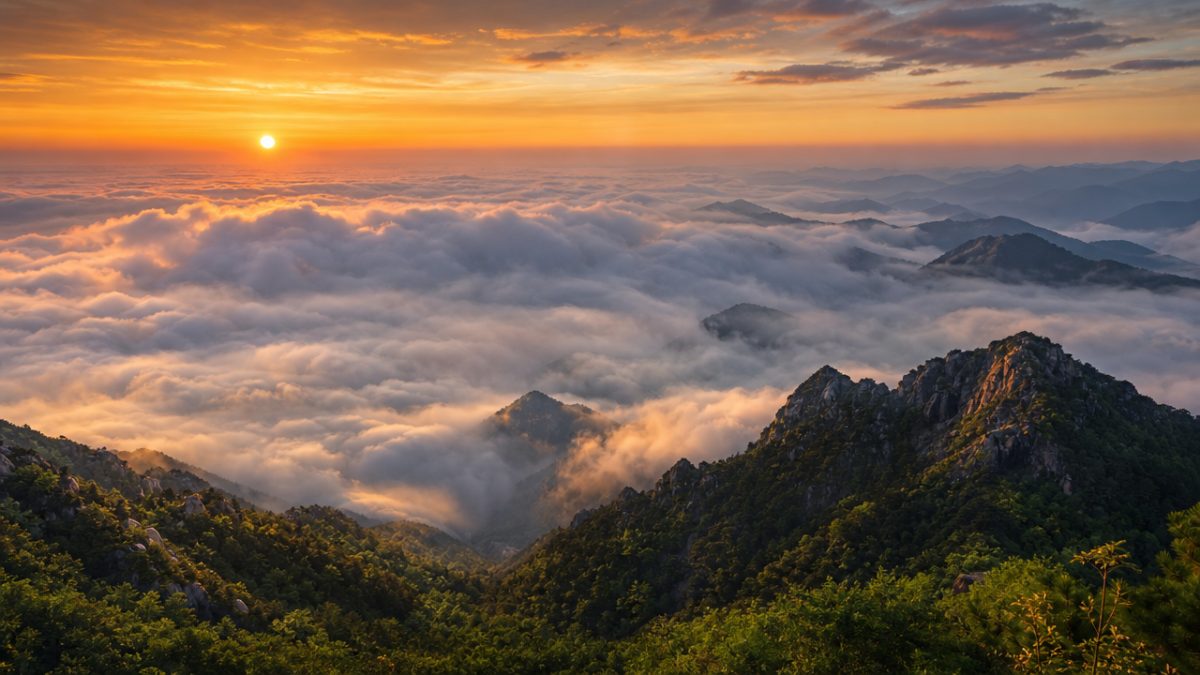
The Dabie range along the northern and eastern edge of the prefecture is one of the more biodiverse temperate forests in central China, and the high ground around Tiantanzhai gives waterfalls, cloud in the valleys at dawn, and summer temperatures that Wuhan and the river cities have been escaping to for a century. In April, Guifeng Mountain in Macheng county turns over: ten thousand acres of native azalea flowering at once, white through rose to near-crimson, visible from kilometres off. The same range continues into Anhui, where Lu'an holds the other side of it.