
Suizhou is in Hubei, in Central China.
Home › Destinations › Hubei › Suizhou
Hubei · City Guide
Suizhou, Where the Bells Came Out of the Ground.
Overview
Why Go
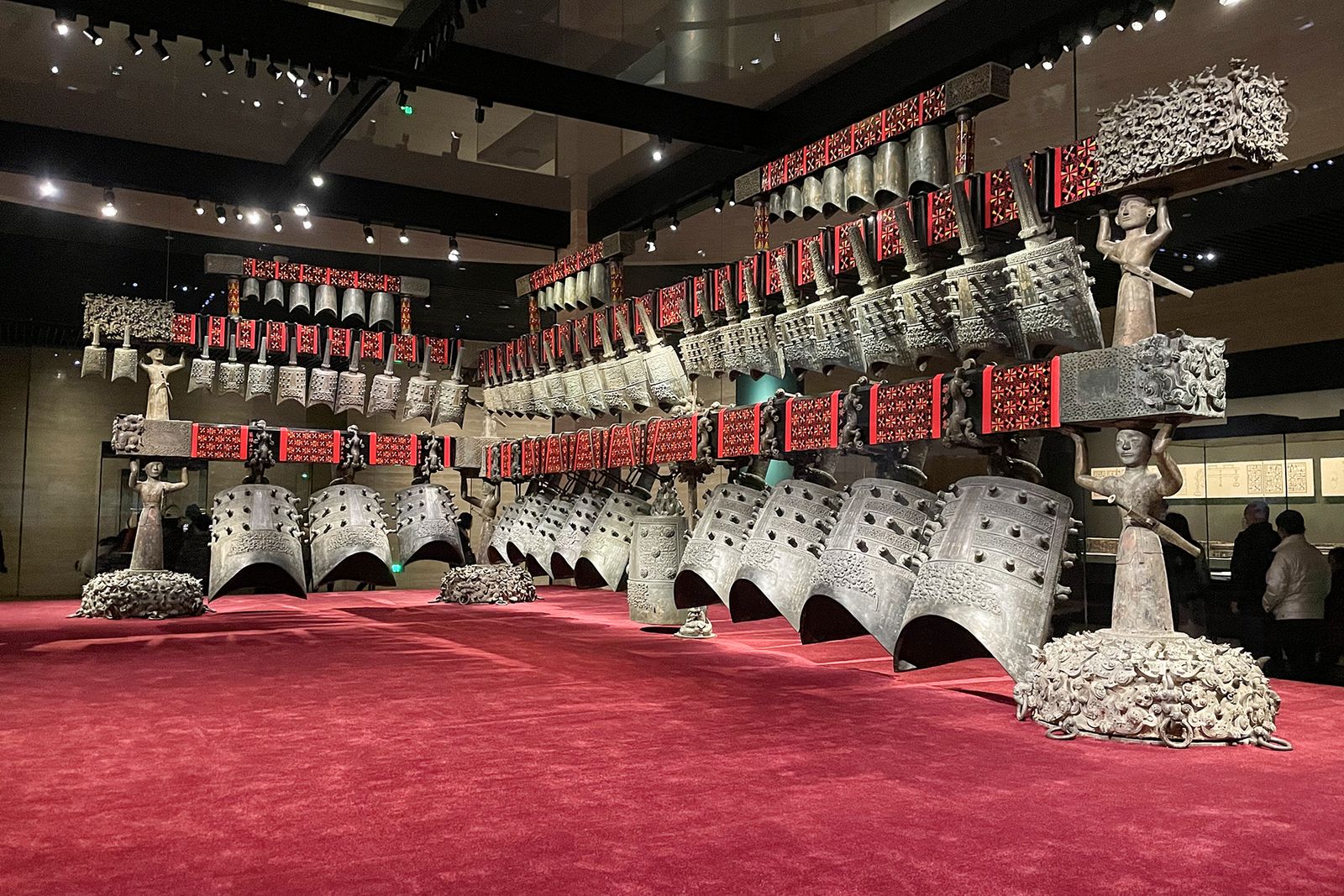
The tomb of Marquis Yi of Zeng, sealed around 433 BC, held a rack of 65 bronze bells. Each sounds two distinct pitches depending on where it is struck, and together they cover five octaves with all twelve semitones.
The bells themselves are in the provincial museum in Wuhan, but the rock pit they came out of, thirteen metres deep with the timber chamber outline visible, is preserved here under a site museum.
Thousands of ginkgo trees grow through the villages of one valley in Suixian, many of them well over a century old and some far older. They turn together for about two weeks in late November.
Suizhou claims to be the birthplace of the Yan Emperor, Shennong, and holds an annual ceremony for him. Yanling in Hunan claims his tomb. Neither claim is settled and both places take theirs seriously.
Suizhou grows and dries more shiitake than anywhere else in China and exports a large share of it. The drying racks and the sorting sheds are ordinary sights on the county roads in autumn.
See
The excavated pit at Leigudun with the chamber outline and a site museum explaining the find and the bell tuning. Replicas are played here. Two hours, and Wuhan has the originals.
Bronzes, lacquer and weapons from the Zeng state tombs, with a full replica bell set that is played on a schedule. The strongest explanation anywhere of what the Zeng state actually was. Two hours.
A valley of villages with ginkgos growing between the houses and along the field edges, gold for two weeks in late November and green the rest of the year. A full day, and the timing is everything.
A large ceremonial site with terraces, halls and a cave, built around the birthplace claim, where an annual ceremony is held in the fourth lunar month. Mostly modern construction. Ninety minutes.
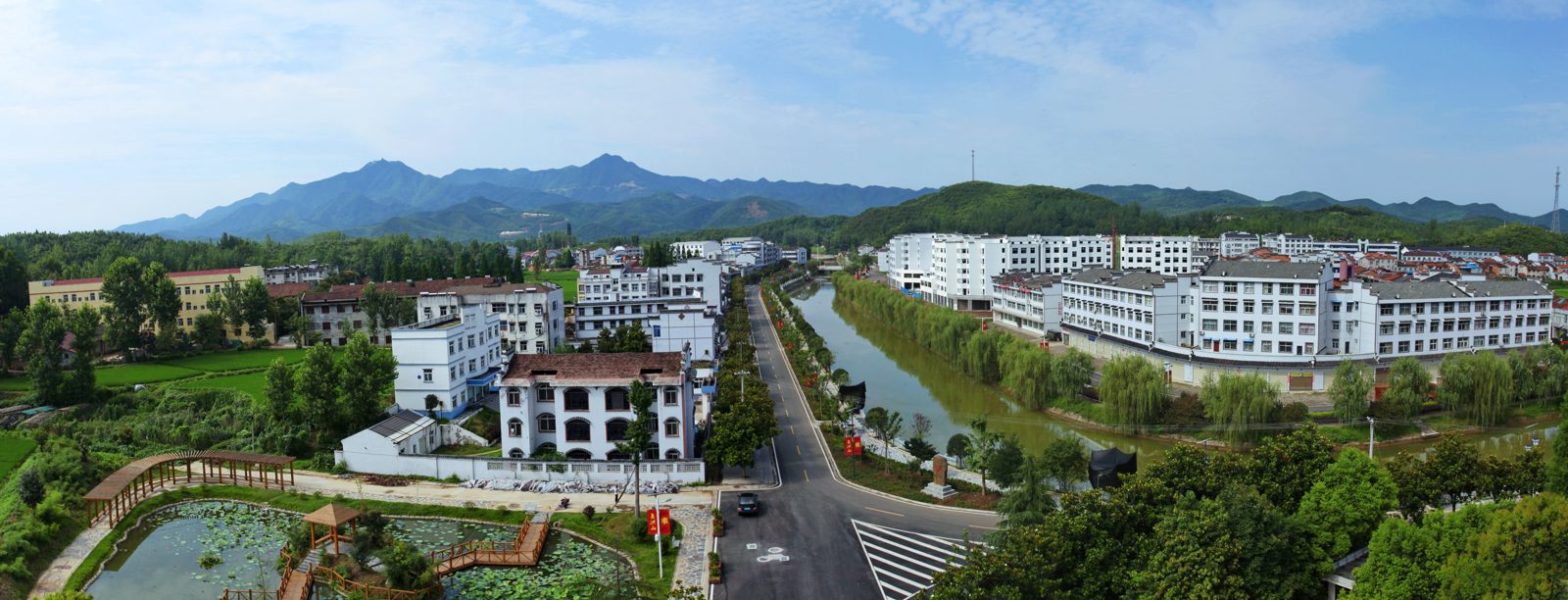
Forested limestone peaks with caves, a reservoir and a temple, on the border with Jingmen. Cool in summer and lightly visited outside holidays. A full day.
An old market town north of the city with grey brick streets, a stone bridge and Han-era city remains nearby. Unrestored and quiet. Ninety minutes.
On the Map
Approximate locations of the attractions above, across Suizhou.
Eat
Thick-capped shiitake dried until the surface cracks into a pattern, which is the grade buyers pay for. Soaked back and stewed with chicken, or fried with the local cured pork. Sold by the grade, not the bag.
Chestnuts from the hill counties, roasted in sugar and sand or boiled into chicken stew. The local variety peels easily when hot, which is the thing sellers demonstrate. Autumn alone.
The kernels from the ginkgo valley, stewed into soup or roasted in the shell. They are mildly toxic raw and in quantity, so they come cooked and in small numbers, which is how they are eaten locally.
A deep-red local peach picked through July, firm and high in acid rather than simply sweet. Sold from orchard stalls on the county roads and not worth buying anywhere else.
Do
The museum plays a full replica set several times a day. Listen for the two pitches from one bell: the centre and the side of the same bell give different notes, which is the whole engineering achievement.
The turn happens in the second half of November and lasts about two weeks, earlier after a cold snap. Check locally before arranging; a week either side and visitors get green or bare.
Thirteen metres is deeper than it reads in a photograph. Look at the rock walls and work out what cutting that took with bronze and stone tools before looking at anything else.
Sorting sheds grade by cap thickness and the pattern of cracking on the surface, which decides the price by a factor of several. It is the clearest thing in the prefecture about how an export crop works.
When
Warm, green and comfortable, with the Shennong ceremony in the fourth lunar month. The ideal general window.
Hot and humid on the Hubei plain, with peaches in July and the mountains the sole cool option.
Mushroom and chestnut season, dry and clear, and the ideal conditions for Dahong Mountain.
The ginkgo window in the second half of the month, and the one thing worth planning a trip around. Cold, clear and briefly crowded.
Explore More
Suizhou is in Hubei, in Central China.
Related
Share the travel dates and interests, and PreeChina's local team will design a route that fits.
Plan My Trip to SuizhouSee Private Tour Prices