Home › Destinations › Hubei › Jingmen

Zhanghe Reservoir Jingmen Hubei panorama morning vast emerald lake green mountain reflections fishing boatsIllustration

PreeChina · City Guide

Jingmen Travel Guide

At the heart of ancient Chu culture, where the world's most important pre-Qin philosophical manuscripts were unearthed from a village tomb, and China's largest single Ming imperial mausoleum holds a UNESCO World Heritage designation.

Jingmen Quick Facts

Region
Central Hubei Province, Central China
Famous For
UNESCO Xianling mausoleum, Guodian Chu bamboo slips, Zhanghe Reservoir
Population
~2.9 million (prefecture)
Best Time to Visit
April–May & September–October
Getting There
Wuhan Tianhe Airport (WUH) ~160km; high-speed rail from Wuhan ~1.5 hrs
Recommended Stay
2–3 days

Why Visit Jingmen?

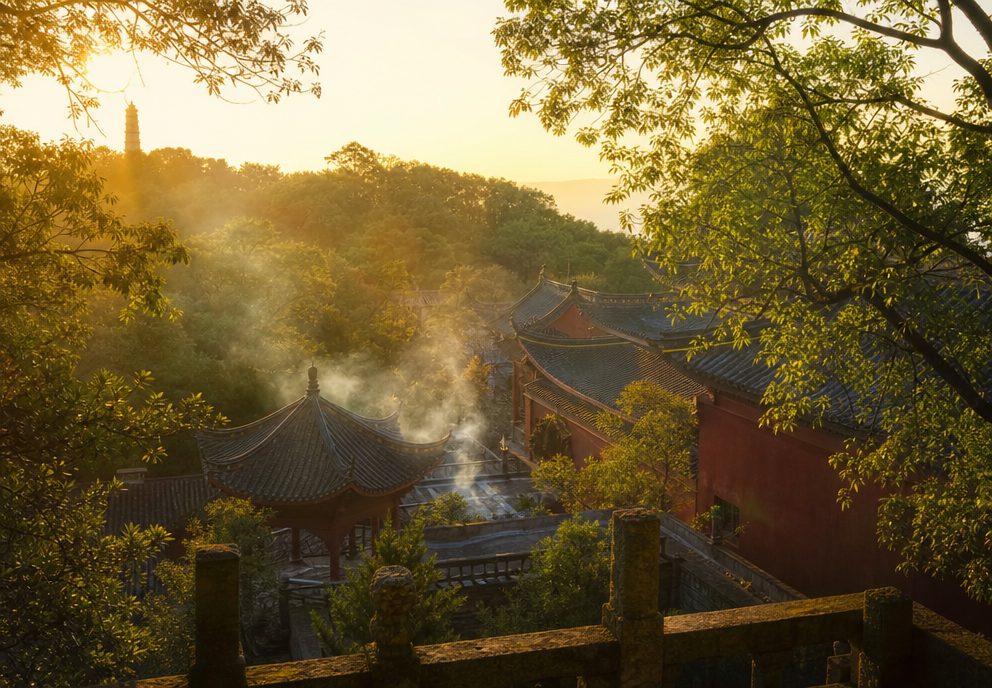
Jingmen Xiangshan Buddhist temple morning light golden light ancient temple incense smoke Chu regionIllustration

Jingmen sits in the geographical and cultural heart of ancient Chu. The 1993 discovery of 804 Warring States bamboo slips in a village tomb, the Guodian Chu slips, ranks as one of the most significant archaeological finds of the 20th century, containing the oldest surviving manuscript of the Tao Te Ching.

The county of Zhongxiang adds an imperial dimension: the Xianling Mausoleum, China's single largest Ming imperial mausoleum, received UNESCO World Heritage inscription in 2000. Between the philosophical manuscripts and the imperial tombs, Zhanghe Reservoir offers a completely different pleasure — 150 square kilometres of emerald water dotted with forested islands.

What the Guides Miss

1

A robbed tomb gave up the oldest known copy of a text every Chinese reader knows

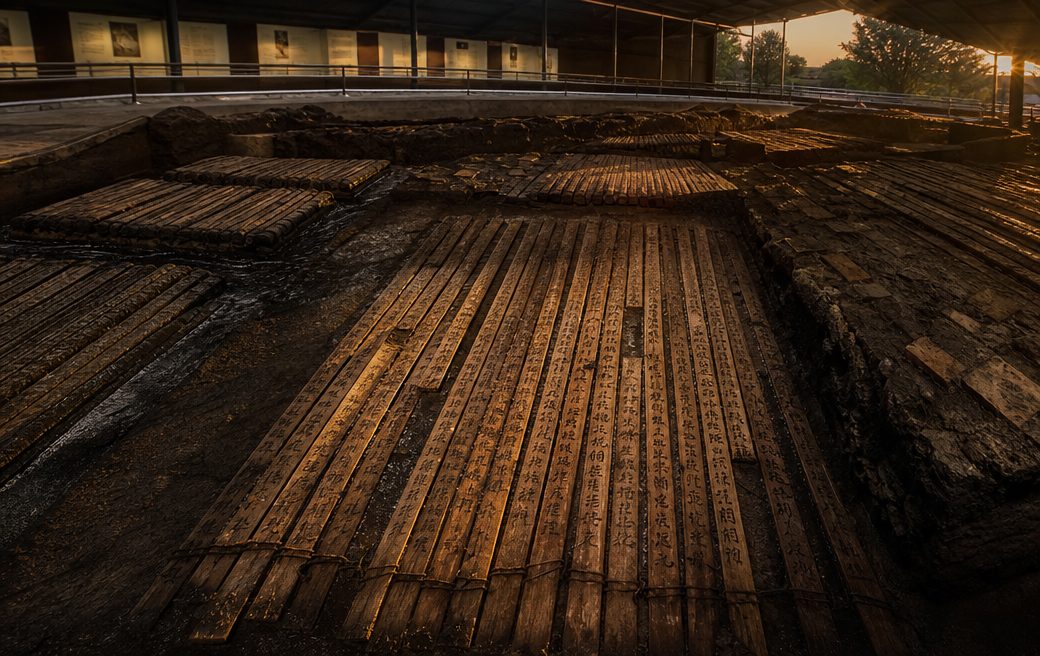
In 1993 a robbed tomb at Guodian, in Shayang county, gave up 804 bamboo slips written around 300 BC, including roughly two thousand characters of the Laozi in three separate bundles — the oldest manuscript of the Daodejing anyone has found, about two centuries earlier than any version previously known, and different enough from the received text that scholars have argued about it ever since. The same tomb held Confucian writings lost for two thousand years.

2

The mausoleum was built for a man who was never emperor — while the argument over his title was still ongoing

Xianling was built for Zhu Youyuan, who was never emperor. His son became the Jiajing Emperor and spent years forcing the court to grant his father the title posthumously, and the tomb was rebuilt to imperial scale while that argument continued. It has two burial mounds joined by a walled passage, which no other Ming tomb has — an architectural record of a succession dispute frozen in stone.

Top Attractions in Jingmen

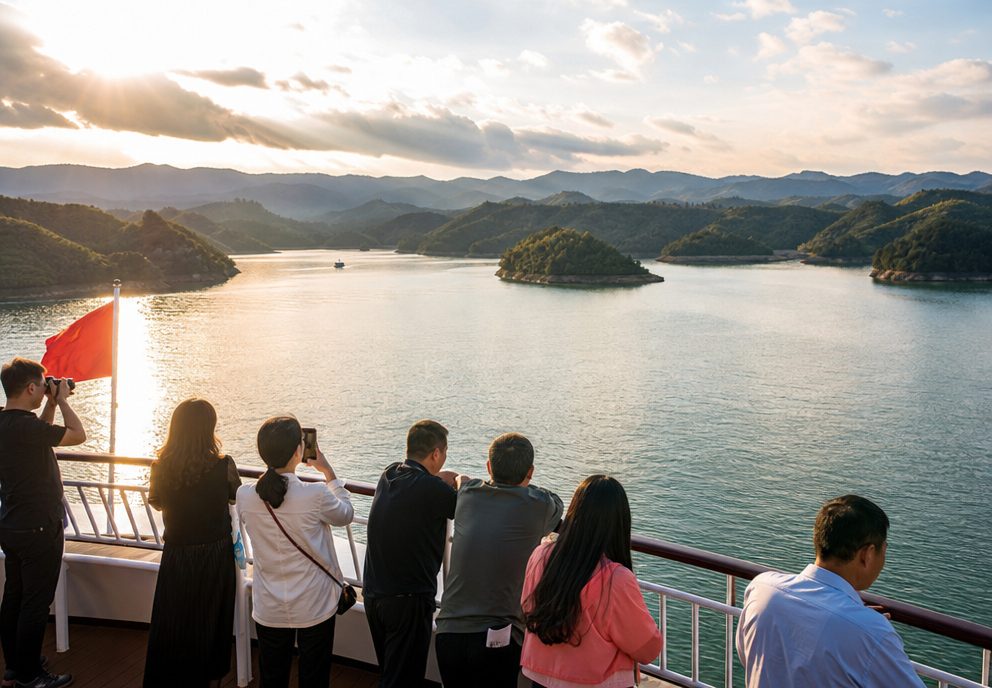
Zhanghe scenic area Jingmen Hubei tourist cruise emerald lake islands green mountains serene lakeIllustration
Scenic Reservoir

Zhanghe Reservoir Scenic Area (漳河风景区)

150 square kilometres and over a hundred wooded, mostly unbuilt islands.

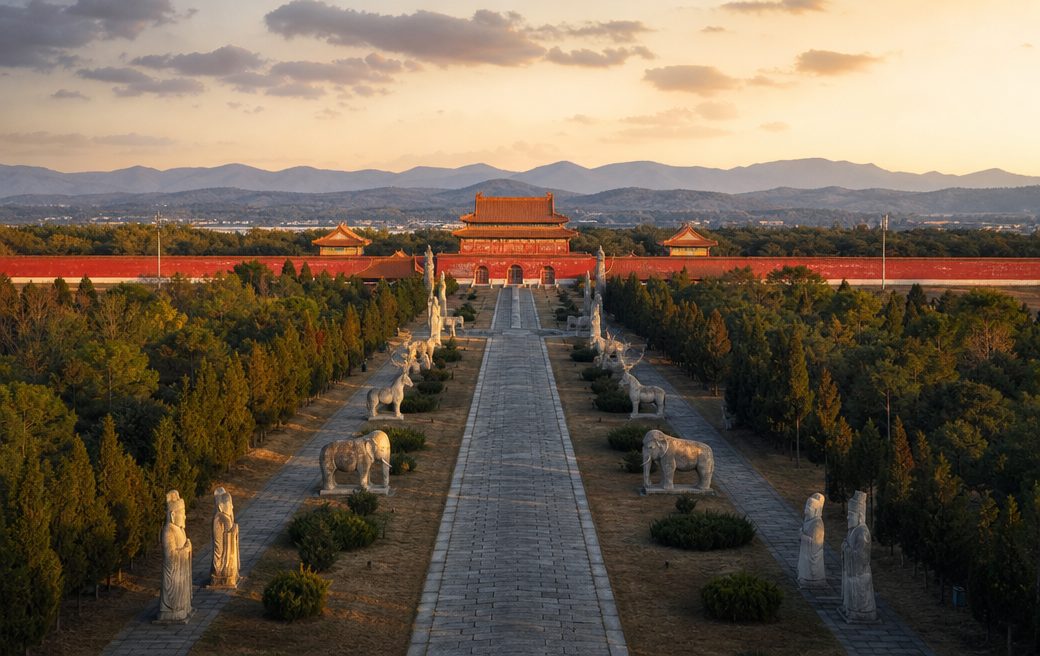
Zhongxiang Xianling Ming mausoleum UNESCO World Heritage Jingmen largest single Ming imperial tomb redIllustration
UNESCO World Heritage

Xianling Mausoleum, Zhongxiang (钟祥明显陵)

China's largest single Ming imperial mausoleum, with a unique double-circle design.

Guodian Chu tomb Jingmen archaeological site bamboo slips densely written pre-Qin civilization depth displayIllustration
Archaeological Landmark

Guodian Chu Tomb & Bamboo Slips (郭店楚墓)

The 1993 find of 804 slips including the oldest surviving Tao Te Ching manuscript.

Buddhist Monastery

Xianju Temple (荆门仙居寺)

A hillside monastery with origins in the Eastern Han, shaded by trees over 1,000 years old.

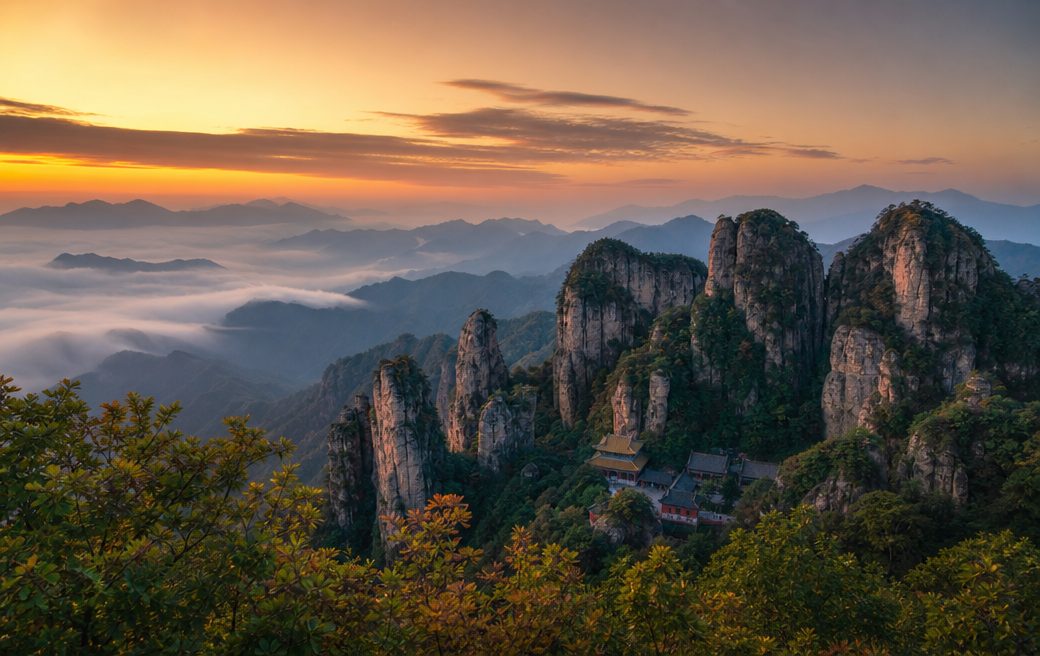
Shengjing Mountain Jingmen Taoist culture famous mountain bizarre peaks mist Taoist temple forest immortalIllustration
Taoist Mountain

Shengjing Mountain (荆门圣境山)

Weathered limestone formations rooted in the same Chu Taoist tradition as Guodian.

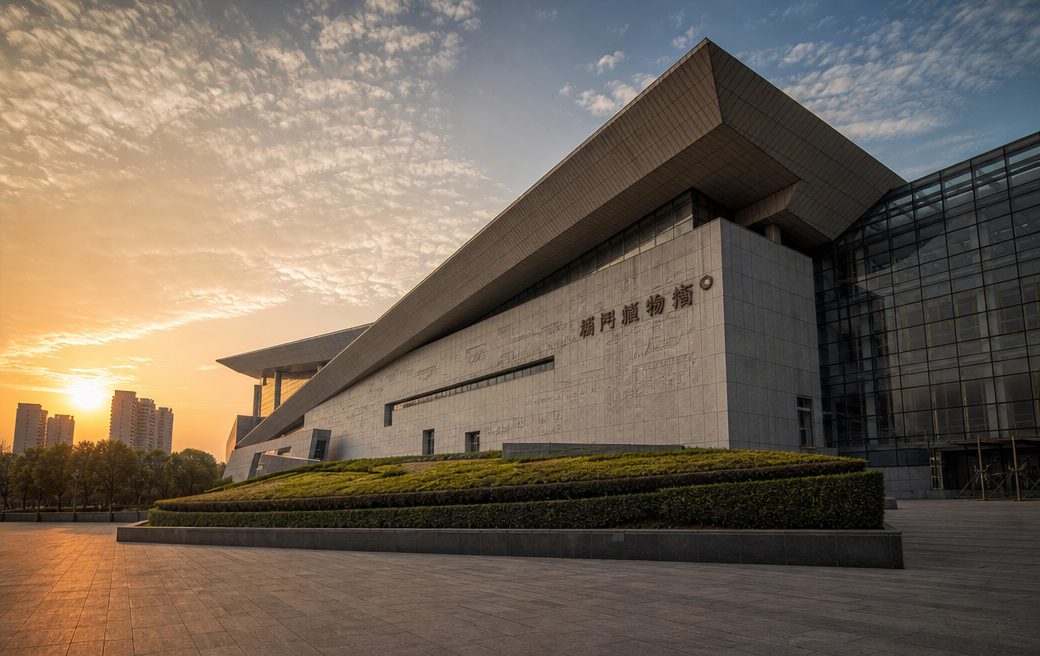
Jingmen Museum modern architecture Warring States Chu artifacts Guodian bamboo slips display dramatic lightingIllustration
Regional Museum

Jingmen Museum (荆门博物馆)

The Guodian bamboo slips presented within their full philosophical context.

Ways to Experience Jingmen

Group Tours

A group route across Guodian, Xianling, and Zhanghe Reservoir.

Chu Culture Expertise

Guodian manuscript study connected to the Hubei Provincial Museum and Jingzhou's ancient capital.

Zhanghe Island Cruise Tours

Morning boat routes into the reservoir's quieter northern arms, away from the standard circuit.

Culinary Heritage Tours

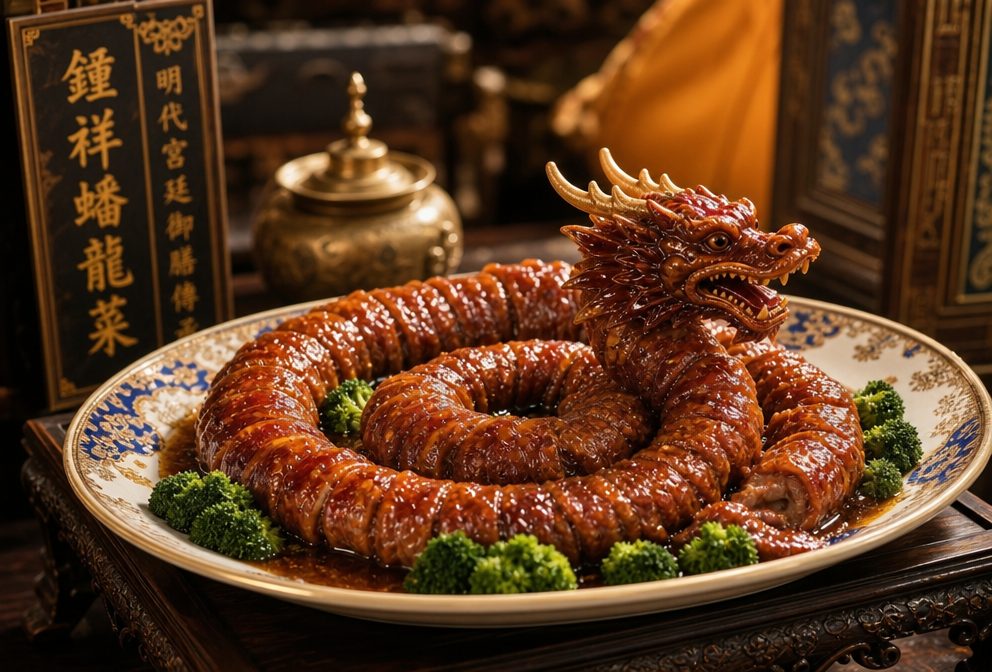
Zhongxiang Panlong dish tasting, a five-century imperial recipe still made the long way.

Explore Jingmen on the Map

By Type
By Theme
View Full China

Approximate locations of the attractions above, across Jingmen and Zhongxiang.

What to Eat in Jingmen

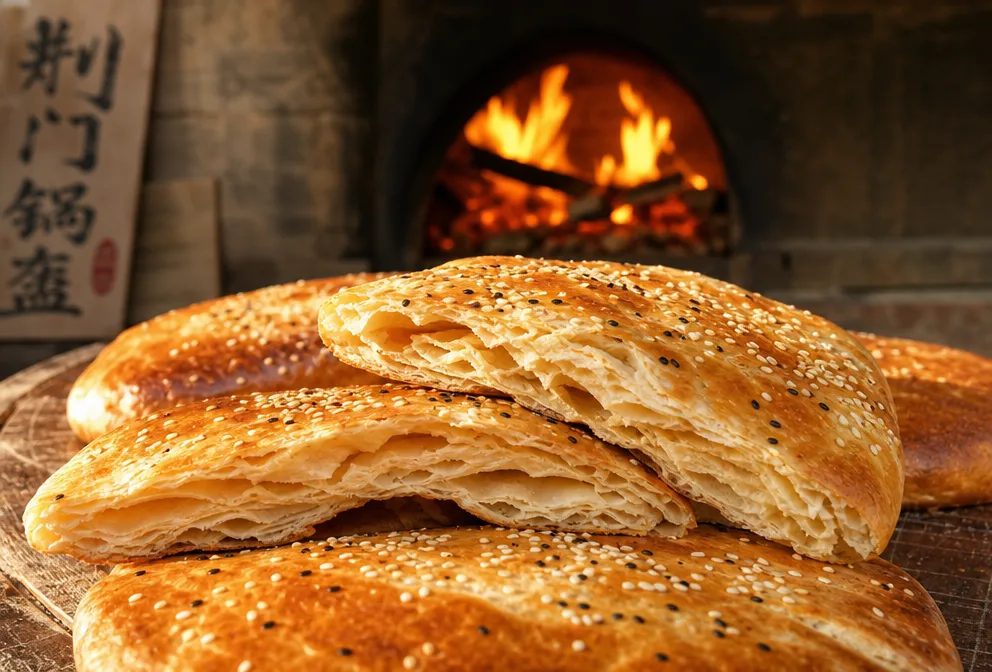
Jingmen Guokui thick flatbread golden crispy flaky layers sesame wood fire baking Chu regionIllustration

Jingmen Guokui Flatbread (荆门锅盔)

A wood-fired flatbread with a shattering crust and dozens of buttery inner layers.

Zhongxiang Panlong dish elegant plating meat rolled dragon shape deep red glossy Ming DynastyIllustration

Zhongxiang Panlong Dish (钟祥蟠龙菜)

A five-century-old "coiled dragon" dish from the Jiajing Emperor's hometown court.

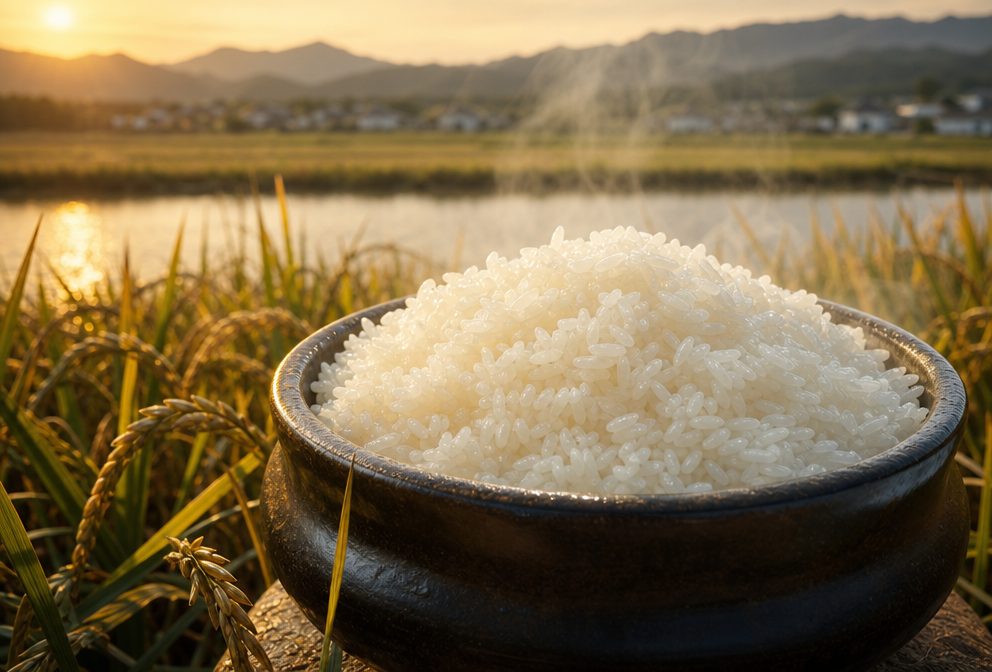
Jingmen fragrant rice cooked white crystal pot Zhanghe water nurtured quality rice harvest imageryIllustration

Jingmen Fragrant Rice (荆门香米)

Reservoir-irrigated long-grain rice with a floral note best bought fresh in-prefecture.

Cultural Experiences in Jingmen

Zhanghe Reservoir cruise Jingmen tourists deck emerald water green mountains passing islands shimmering lakeIllustration

Zhanghe Reservoir Island Cruise

A morning boat through the mist while the island shores are still quiet.

Xianling Mausoleum Heritage Walk

The dragon-and-phoenix gate through to the unique double-circle inner enclosure.

Zhanghe Reservoir fishing camping Jingmen tents lakeside fisherman angling golden sunset lake natural leisureIllustration

Zhanghe Lake Fishing & Camping

Forested shore camping with the lake turning gold at dusk.

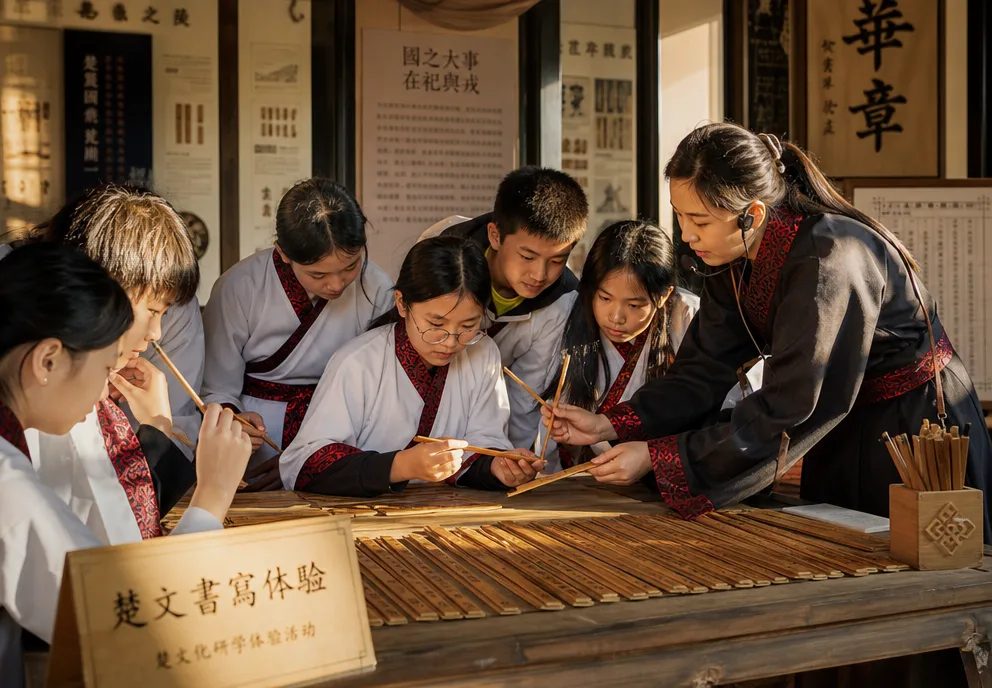
Jingmen Chu culture study experience students visiting Guodian bamboo slip exhibition learning Chu scriptIllustration

Chu Culture & Bamboo Slip Study

Writing a few characters of Chu script in the museum's educational workshop.

Best Time to Visit Jingmen

SeasonHighlightsWeather
Spring
(Mar–May)
Zhanghe Reservoir morning mist at its most evocative; rapeseed fields turning gold12–22°C (54–72°F). Mild and pleasant with spring rain.
Summer
(Jun–Aug)
Zhanghe Reservoir water activities at full operation; lotus in the inlets July–August26–35°C (79–95°F). Hot and humid; lake breezes ease lakeside heat.
Autumn
(Sep–Oct)
Best overall season, Zhanghe Reservoir mirror-calm with dramatic hill reflections10–26°C (50–79°F). Crisp, clear, and dry, the finest conditions for photography.
Winter
(Dec–Feb)
Xianling most atmospheric with bare trees revealing the full enclosure wall scale2–10°C (36–50°F). Cold with occasional frost; Zhanghe partially freezes in cold years.

Recommended Routes Near Jingmen

1 Day

Guodian & Xianling Route

The bamboo slip collection at Jingmen Museum, then Zhongxiang's imperial mausoleum.

1 Day

Zhanghe Reservoir Route

A morning island cruise into the quiet northern arms, with lakeside fishing in the afternoon.

Imperial Palaces and Tombs in Jingmen

One of the 72 sites on the PreeChina map of imperial palaces and tombs lies in Jingmen, and it has World Heritage status. The site is Xianling Tomb of the Ming Dynasty (明显陵).

Map and guide

Imperial Palaces and Tombs in China

All 72 sites on one map, with World Heritage and national listing status and answers to common questions about dates and burials.

Open the Theme Page →

Why Choose PreeChina

Local Expert Guides

Our Jingmen guides know which island circuit on Zhanghe catches the morning reflections and which Zhongxiang kitchen still makes panlong the long way.

Flexible Itineraries

Jingmen works standalone or as part of a Central Hubei circuit with Jingzhou and Wuhan.

24/7 English Support

Essential for unlocking the Guodian slips' scholarly significance and the Xianling enclosure's architectural logic.

Chu Culture Expertise

Dedicated itineraries connecting Guodian, Jingzhou's capital walls, and the Hubei Museum.

Jingmen is in Hubei, in Central China.

Keep Exploring Jingmen

Plan Your Group Trip to Jingmen & the Heart of Chu Culture

Travelling to China with 10 or more people? Talk to PreeChina first. A transparent service fee of USD 100 per person for trips of up to 10 days (USD 150 for 11 to 20 days), and no markup on travel components. See how the fee works.

Tell us your group size, travel dates, and preferences, and our local experts will design a group China journey from the world's oldest Tao Te Ching manuscript to the emerald waters of Zhanghe, for your group.

Plan a Group Trip to JingmenSee Group Tour Options

Share This Guide