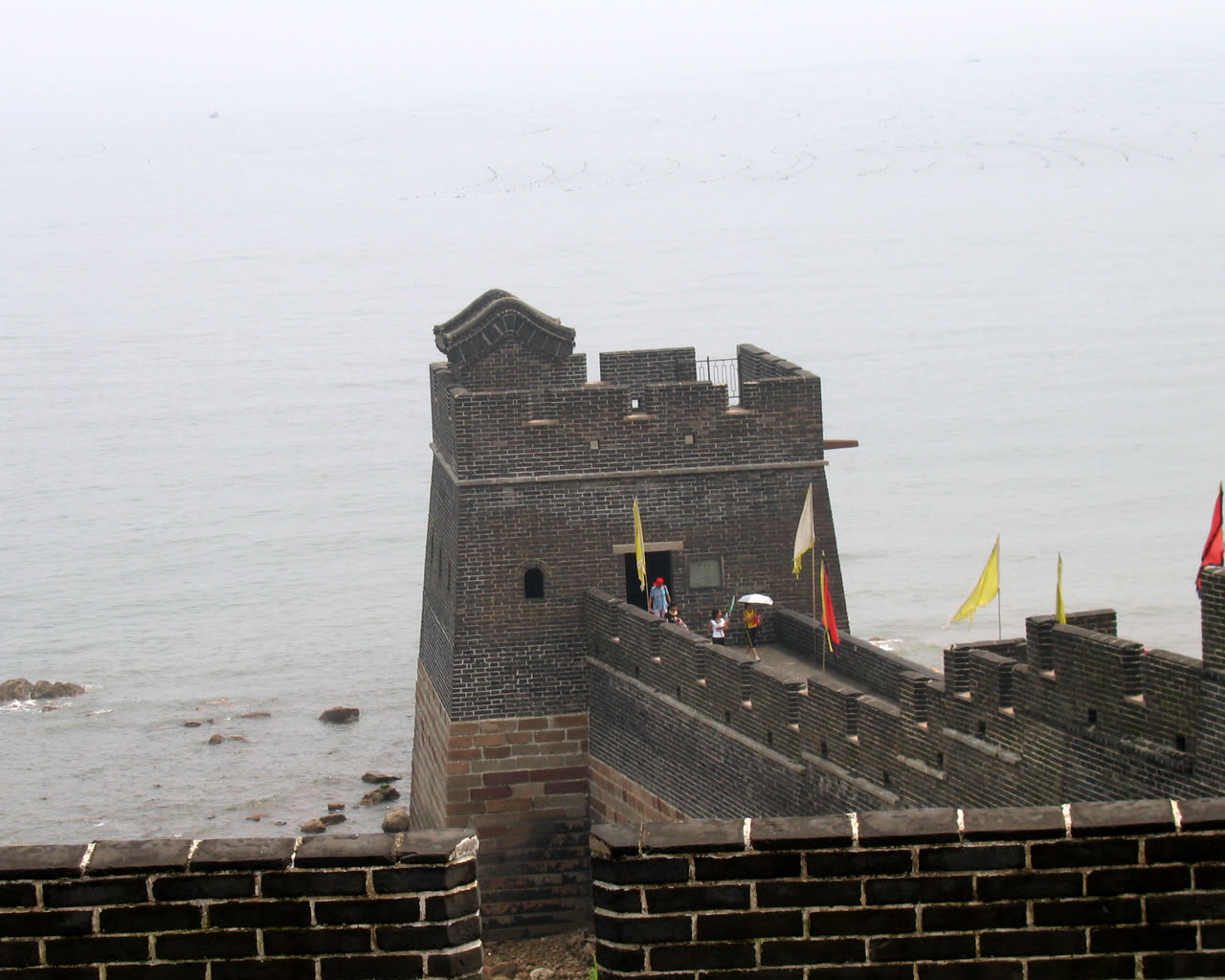
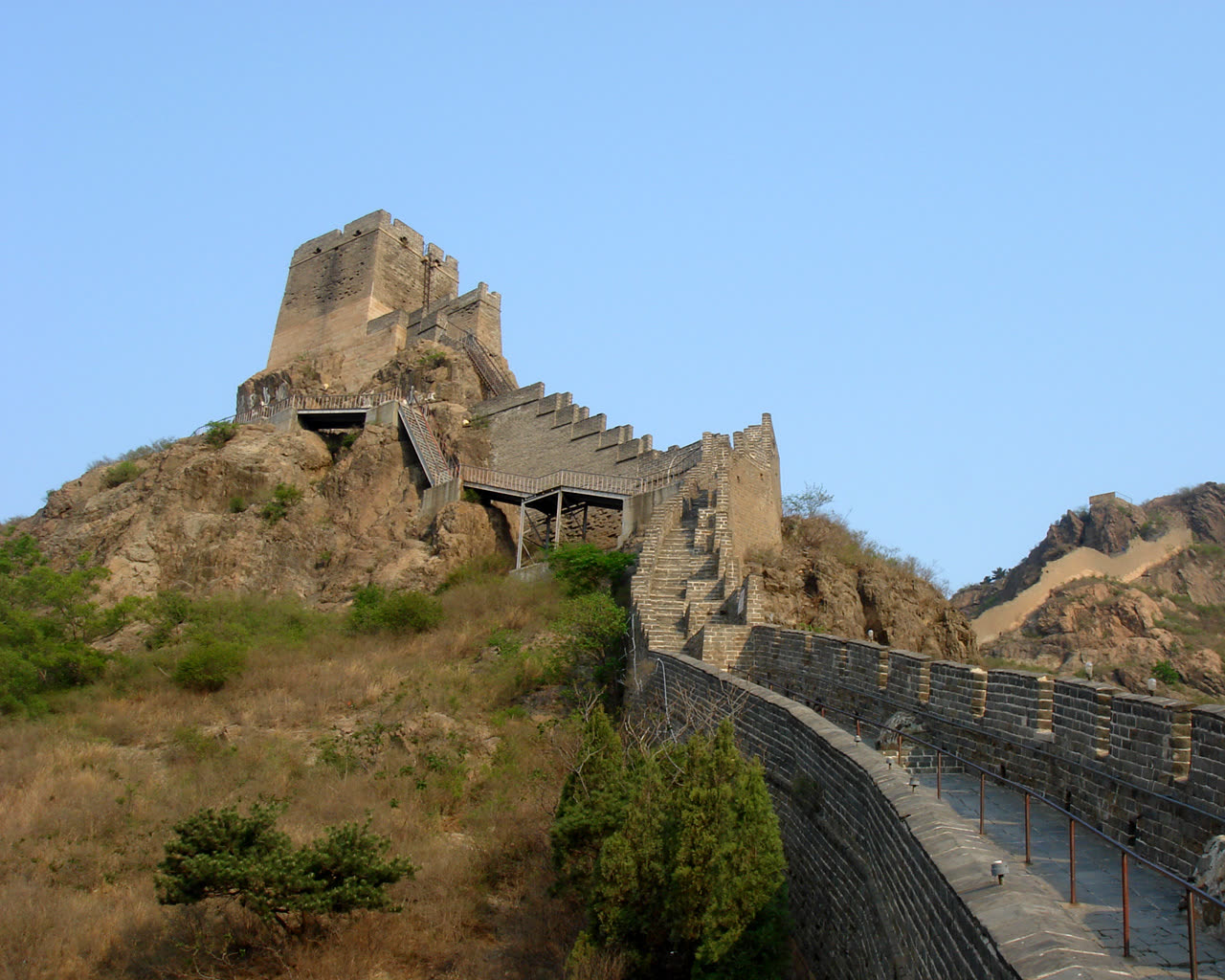
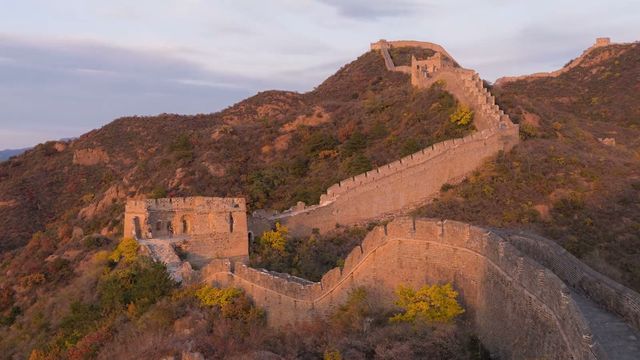
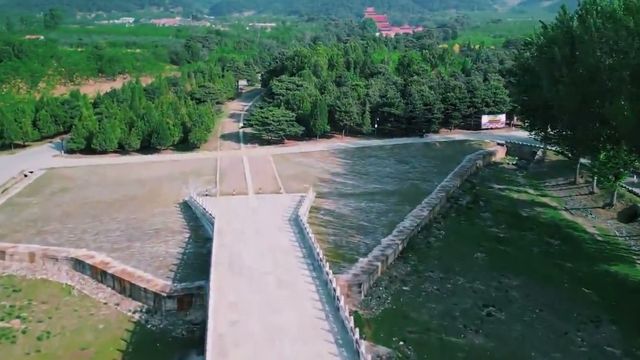
Where the Ming wall meets the sea, and the point the whole northern defence was built around. In 1644 the commander here let the Qing forces through, and the dynasty ended that week.
Quick Facts
The Short Version
What it is
The eastern end of the Ming Great Wall: a walled garrison town, a gate tower, a mountain section and the point where the wall runs into the Bohai Sea
Where
Qinhuangdao, on the Hebei coast. About three hours from Beijing by high-speed rail
Why here
The coastal corridor between the mountains and the sea is narrow. Whoever held this gap controlled movement between north China and the northeast
What happened in 1644
Wu Sangui, the Ming commander here, opened the pass to Qing forces during the collapse of the dynasty. They were in Beijing within weeks
The parts
The Initial Pass gate tower in the town, Old Dragon's Head where the wall enters the sea, and Jiaoshan where it climbs the opening mountain
Arrangements
Separate passes per section, or a combination. Buy at each gate
Time needed
A full day for all three sections. Half a day for the gate tower and the sea
Language
Bilingual signage at the main sites, patchy at Jiaoshan
Why Go
A Gap, a Gate, and One Decision
1. The geography did the choosing
Between the Yan mountains and the Bohai Sea the coastal plain narrows to a few kilometres. Everything moving overland between north China and what is now the northeast has to pass through it. The Ming built a walled garrison town across the gap, ran the wall up into the mountains on one side and out into the sea on the other, and closed it.
Visitors can see the whole argument in one day here, which is unusual. Stand on the gate tower and the mountains are visible to the north; drive fifteen minutes and the wall is running into the surf. The pass is not a metaphor for a closed frontier, it is an actual closed frontier, and it is small enough to walk.
2. What happened in 1644
By the spring of 1644 the Ming were finished as a going concern. A rebel force had taken Beijing and the last Ming emperor was dead. Wu Sangui, commanding the substantial garrison at this pass, was caught between the rebels holding the capital behind him and the Qing forces waiting beyond the wall in front of him.
He chose the Qing. The gate was opened, the combined forces destroyed the rebel force, and within weeks the Qing were installed in Beijing, where they stayed for 268 years. A wall system built and rebuilt over two centuries was not stormed here; it was unlocked. That is the thing to carry away from this site, and it is why a fairly modest garrison town is one of the more consequential places in Chinese history.
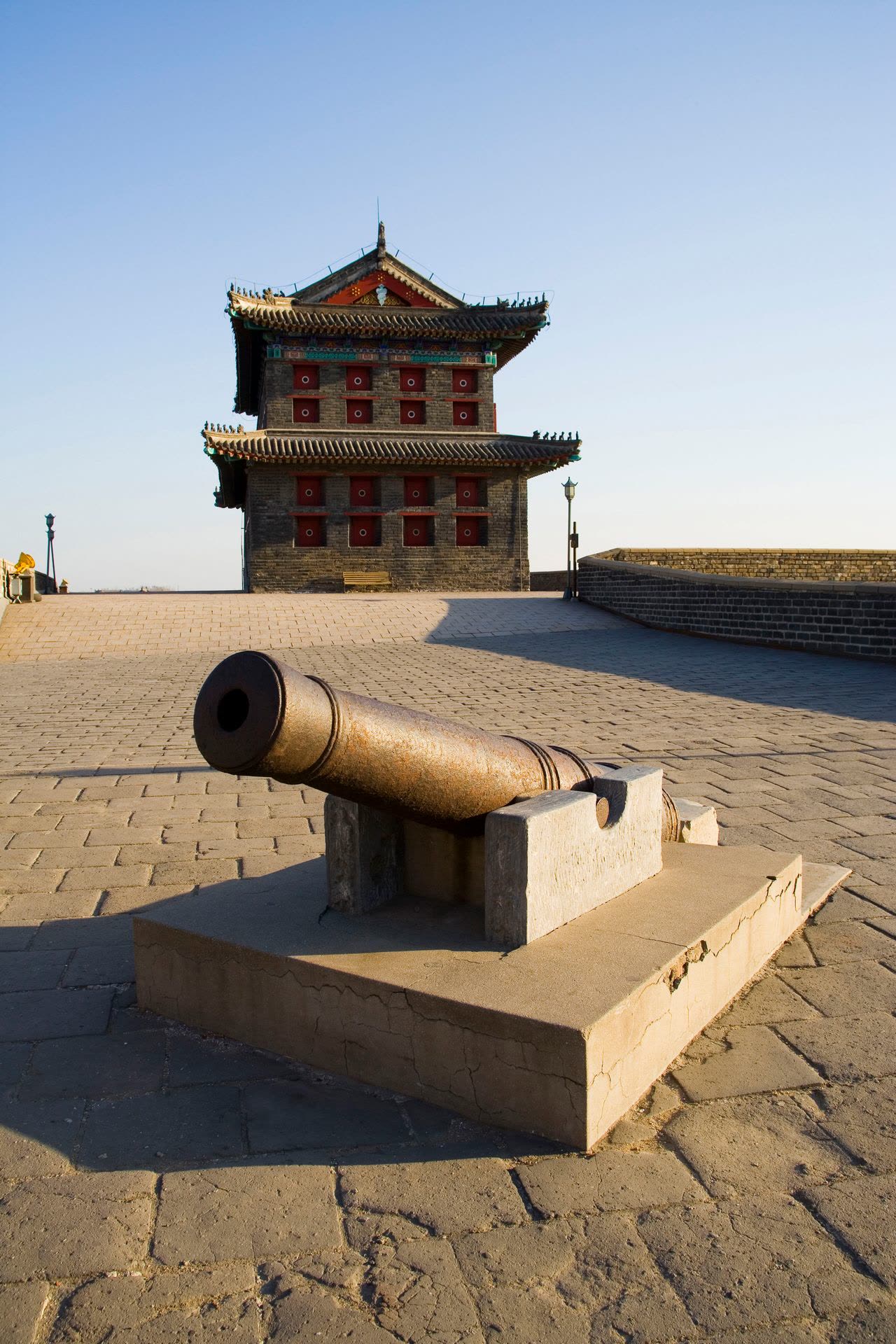
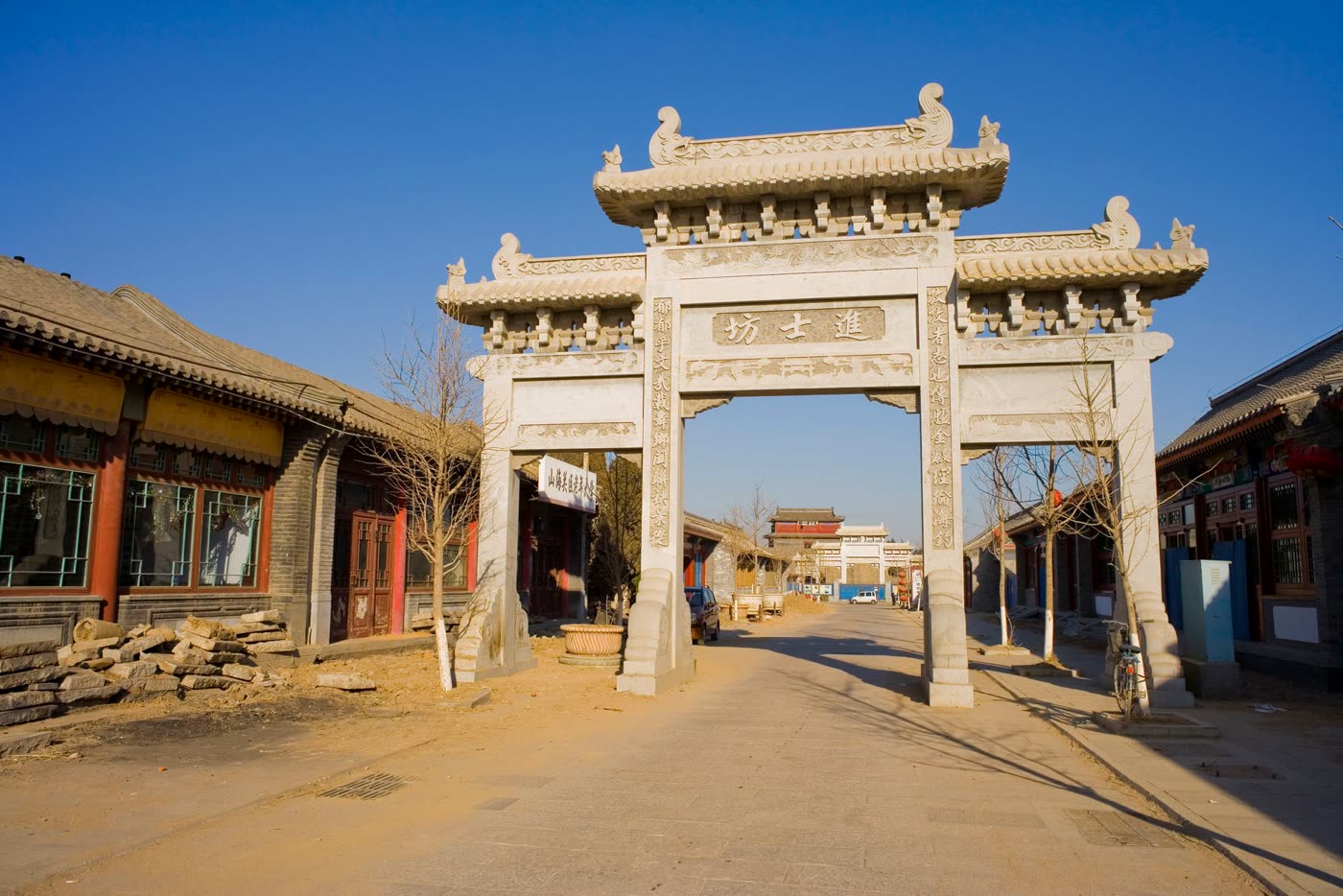
Old Dragon's Head. The wall ends in the Bohai, and the line is original even though the brickwork is not.Jiaoshan, where the wall takes to the mountains. This is the opening climb of several thousand kilometres.The pass was a working garrison with artillery, not a ceremonial gate.The garrison town inside the walls is still laid out on its grid and still lived in.
The catch. Old Dragon's Head, where the wall enters the sea, is the image everyone comes for and it is a reconstruction. The original was destroyed in 1900 during the foreign intervention, and what stands now was rebuilt in the 1980s. It is still the right place and the right line; it is not Ming fabric, and the site does not make that especially clear.
Orientation
Three Separate Sites, One Pass Each
The Initial Pass gate tower is in the middle of the walled town and takes about an hour with the wall walk either side of it. Old Dragon's Head is four kilometres south on the coast. Jiaoshan is a few kilometres north and involves a climb or a chairlift.
They are not walkable between; use taxis or a hired car. Doing the gate tower and the sea is a comfortable half day. Adding Jiaoshan makes it a full one.
Practical
Things Worth Knowing
Do the sea last
Old Dragon's Head works well in the afternoon light and is the natural end point. Starting there leaves the gate tower for the middle of the day when the square is hottest.
The old town is worth an hour
Inside the walls the grid, the arches and the shophouses are still there. Many visitors go from the car park to the gate tower and back.
Jiaoshan is a real climb
Steep steps on an exposed ridge, or a chairlift much of the way. Decide before visitors buy the combination pass.
Rail, not road
High-speed trains from Beijing reach Qinhuangdao in about two and a half hours, and the pass is a short taxi ride from the station.
Timing
When to Go
Season
The case for
The catch
September to October
Clear air, warm sea light at Old Dragon's Head, and comfortable climbing at Jiaoshan
The opening week of October is the national holiday and the coast fills
May to June
Mild and green, before the summer beach season reaches this coast
Sea fog can close in along the shore
July to August
Everything open and the beaches nearby in full use
Hot and humid, and the domestic beach season makes the whole area busy
November to March
Very quiet, sometimes ice along the shore, and the wall reads clearly against bare ground
Cold, and the wind off the Bohai is serious
Context
What the Wall Was Actually For
The Ming wall was not built to make entry impossible. It was built to make it expensive and slow: to stop raiding parties taking livestock and people, to channel any larger force into a few defensible gaps, and to give the garrison time to concentrate. Judged against that, it worked for much of two centuries.
It also cost an enormous amount to maintain, tied down large permanent garrisons, and encouraged a habit of treating the frontier as a line to be held rather than a region to be managed. Historians argue about whether the resources would have been better spent on diplomacy and trade with the steppe, which is what the Qing did afterwards from Chengde.
Both views point at this gate. It is where the system was concentrated, and it is where the system was bypassed by a political decision rather than a military one. The Great Wall Museum in the town covers the engineering; the part about 1644 visitors have to bring with them.
Qinhuangdao is the base: high-speed rail from Beijing in about two and a half hours, and the pass is fifteen minutes from the station. The city itself is a port and a summer beach destination rather than a sight.
Beidaihe, just south, was the seaside resort of the Republican and then the socialist leadership and still functions as one. It is a short trip and a completely different register from the wall.
Experiences
What Visitors Can Actually Do Here
On site · 1 hr
The Initial Pass gate tower
The gate and the wall walk either side, with the plaque that names it the opening pass under heaven.
In the middle of the walled town.
On site · 1 hr
Old Dragon's Head
Where the wall runs out into the Bohai. A reconstruction on the original line, and the photograph everyone comes for.
Better in afternoon light.
Guided · full day
1644, on the ground
The pass, the sea, the mountain section, and the sequence of decisions in the spring of 1644 told where they happened.
Worth a day, and worth coming with the 1644 story already in the head because the site will not give it to visitors. Do the gate tower, the old town and Old Dragon's Head; add Jiaoshan just if visitors want the climb. Come by train.
Travelling to China with 10 or more people? Talk to PreeChina first. A transparent service fee of USD 100 per person for trips of up to 10 days (USD 150 for 11 to 20 days), and no markup on travel components. See how the fee works.
Share the travel dates and interests, and our local team will build the route: the pass and Old Dragon's Head with the 1644 story told on the ground, the unrestored wall at Jinshanling, and Chengde further north if visitors want the other side of it.