Why Go
A Coordinate, and an Honest Word About the Lights
1. The attraction is a point on a map
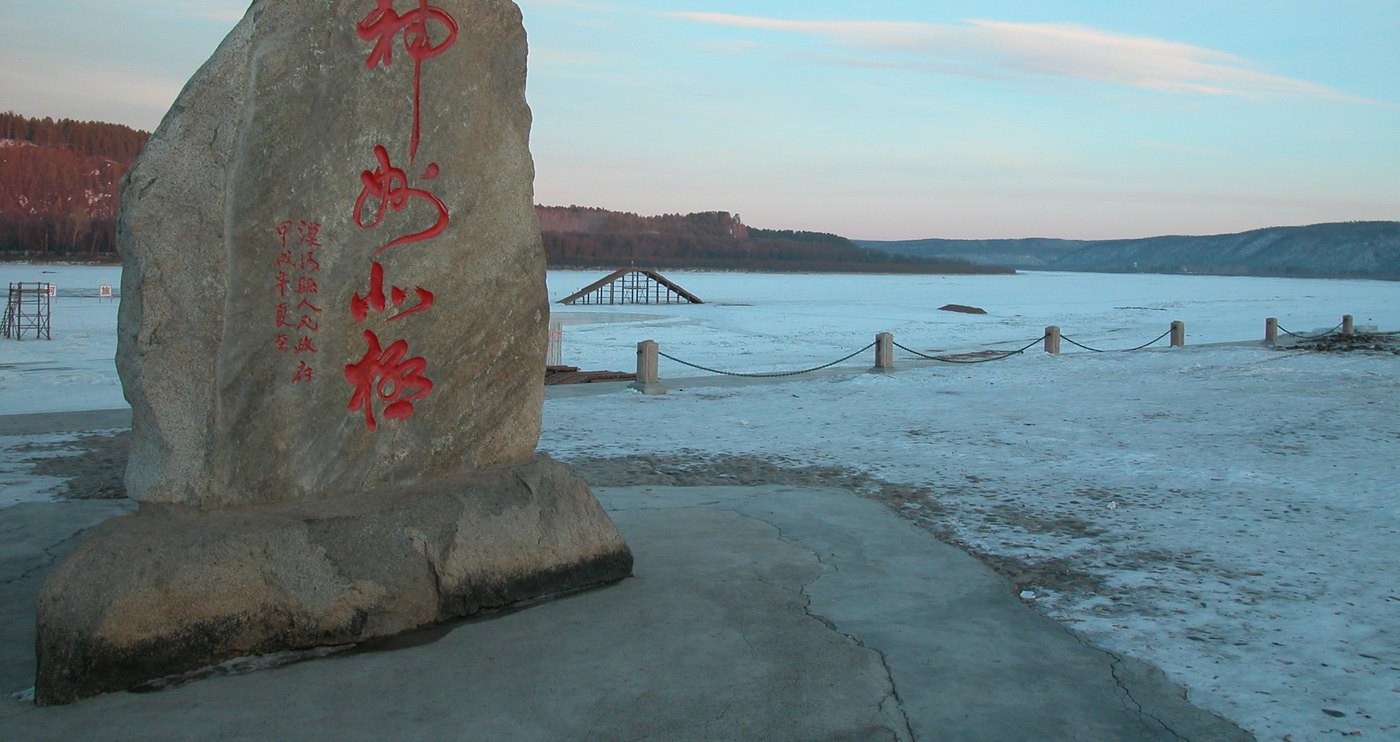
There is no getting round this and it is better said outright. Beiji Village is a small settlement of low houses on a riverbank in an enormous forest, and what brings people here is that no Chinese ground lies north of it. The village is organised around that fact, with markers, a post office that stamps mail from the northern extreme, and a good deal of signage about being number one in the north.
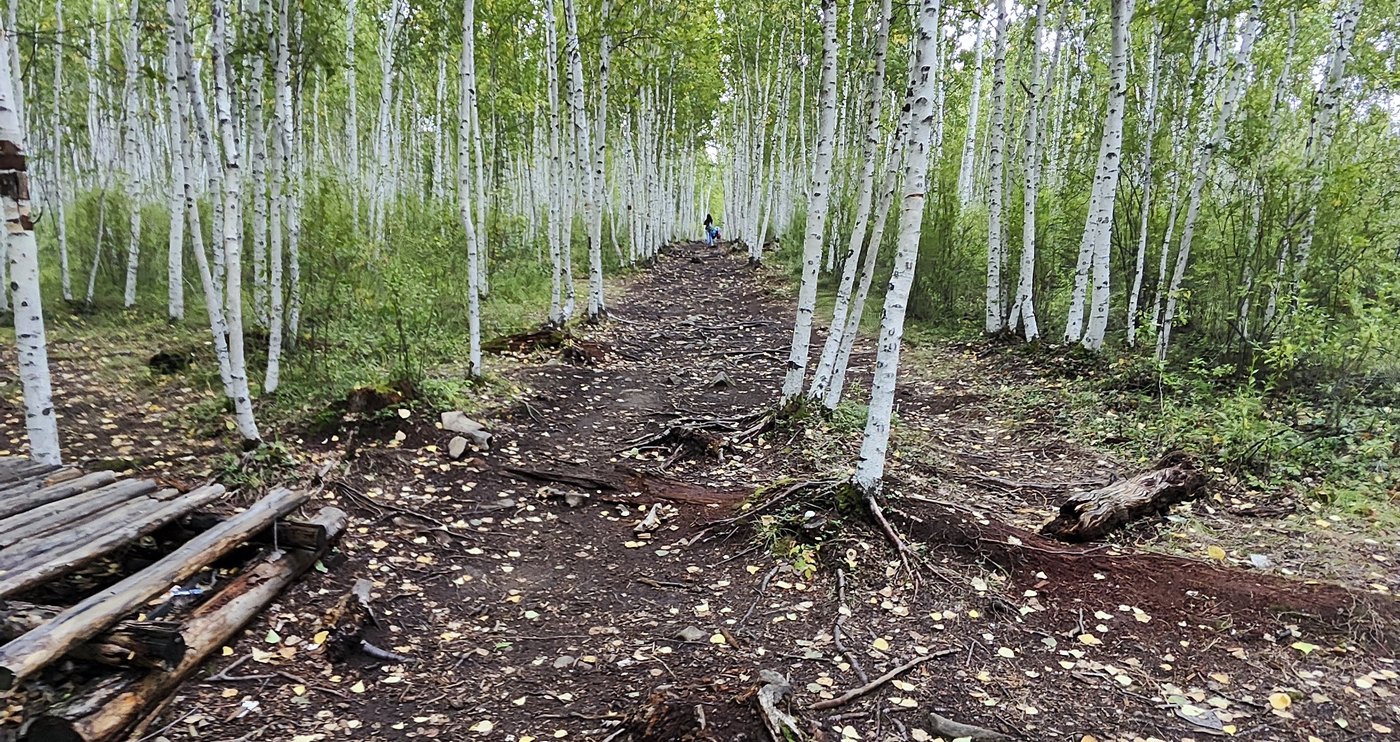
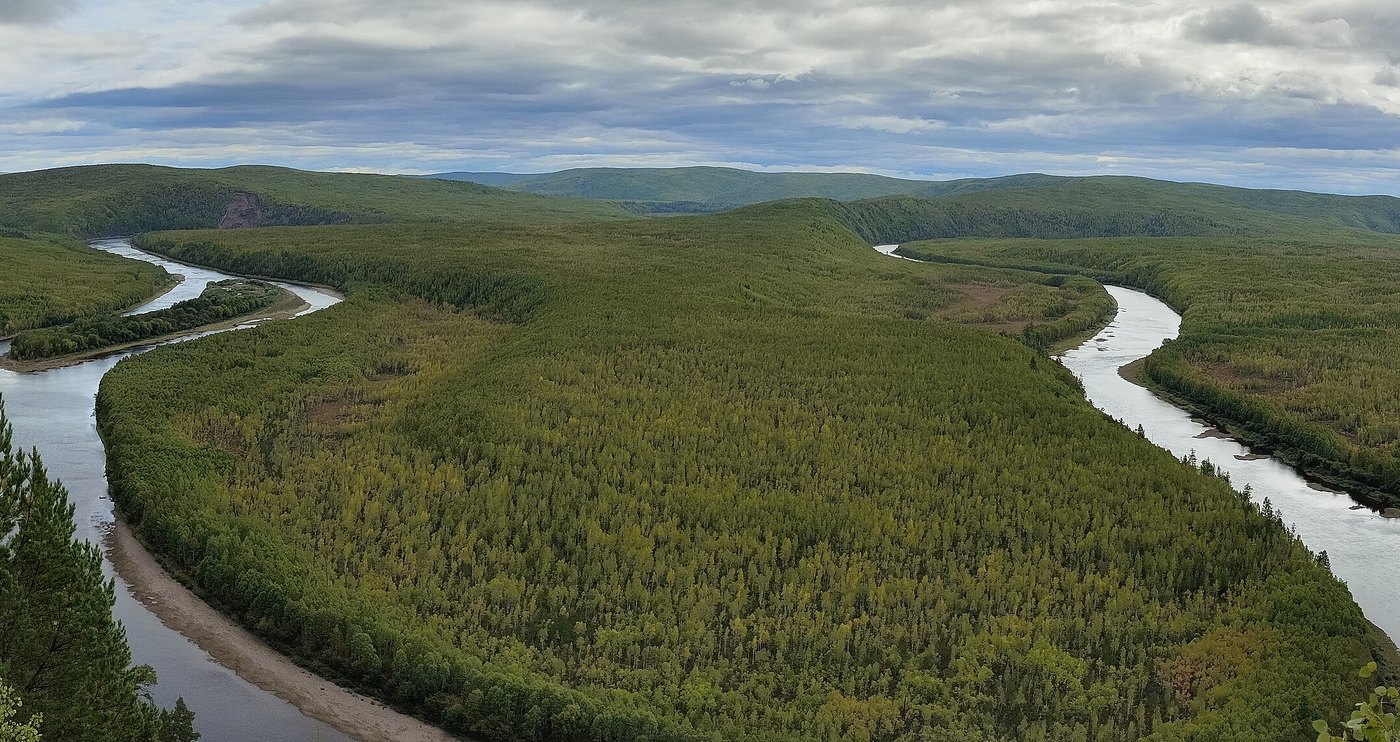
Whether a coordinate is worth a long journey is a personal question, and plenty of people answer yes: the same instinct takes visitors to Land's End, to the Arctic Circle marker in Finnish Lapland and to Ushuaia. What makes this one more than a photograph beside a sign is the country it sits in. This is a boreal landscape, larch and birch forest under deep snow, on a frozen river with another country on the far side, and it does not look or feel like anywhere else in China.
2. About the northern lights
The promotion here leans hard on the aurora, and the film these pictures come from repeats the claim several times in its own captions. A foreign visitor who has seen Norwegian or Icelandic marketing needs to understand that this is a different proposition.
The aurora is concentrated in an oval around the geomagnetic pole, and the places that sell it reliably sit under or near that oval, far above the Arctic Circle. This village is around fifty-three degrees north, which is roughly the latitude of Hamburg or the middle of Ireland and a very long way south of the auroral zone. Displays visible this far south happen just when geomagnetic activity is strong enough to push the oval down, which is occasional rather than seasonal.
So: the domestic claim really means it gives visitors better odds than anywhere else in the country, and it is not a place to book a trip to in the expectation of seeing them. Come for the north, the forest and the cold, and treat any lights as an unlikely bonus. A page that repeated the marketing here would be doing the reader no favours.
3. What the pictures show
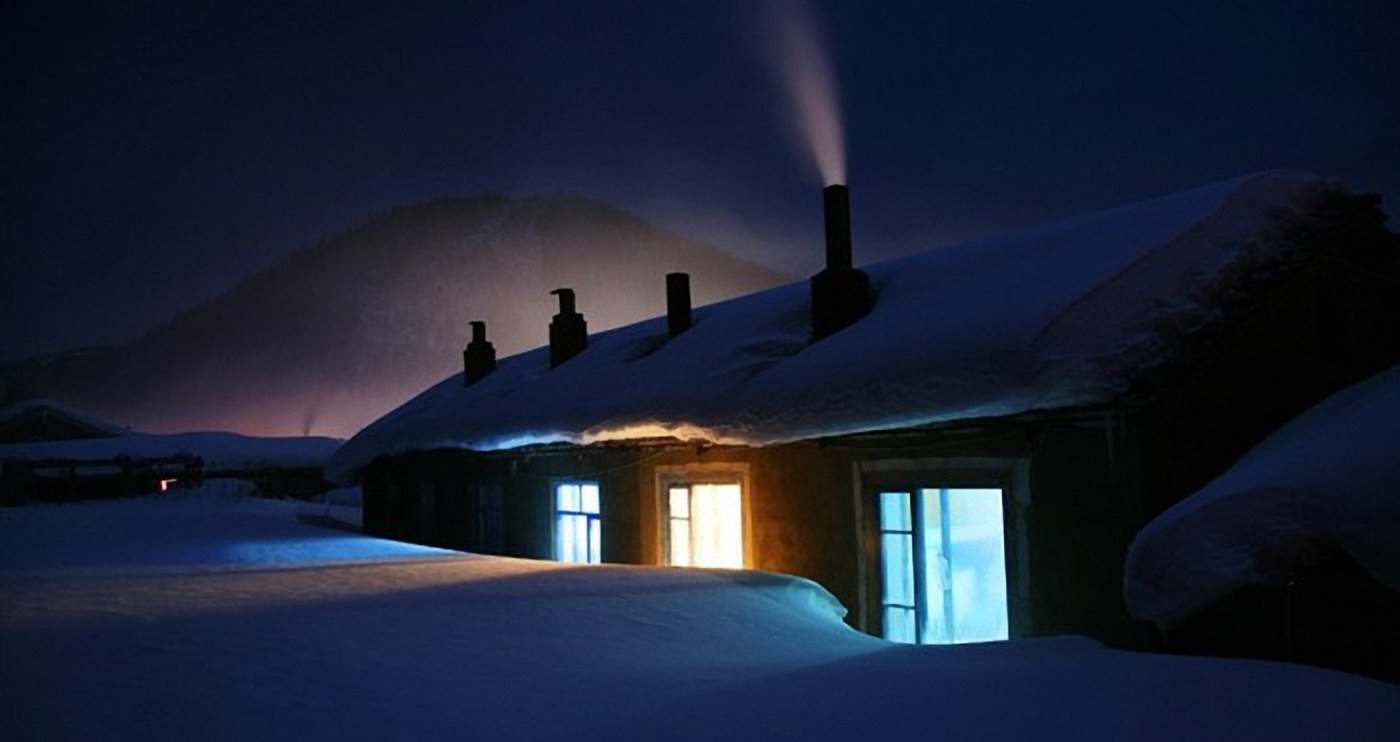
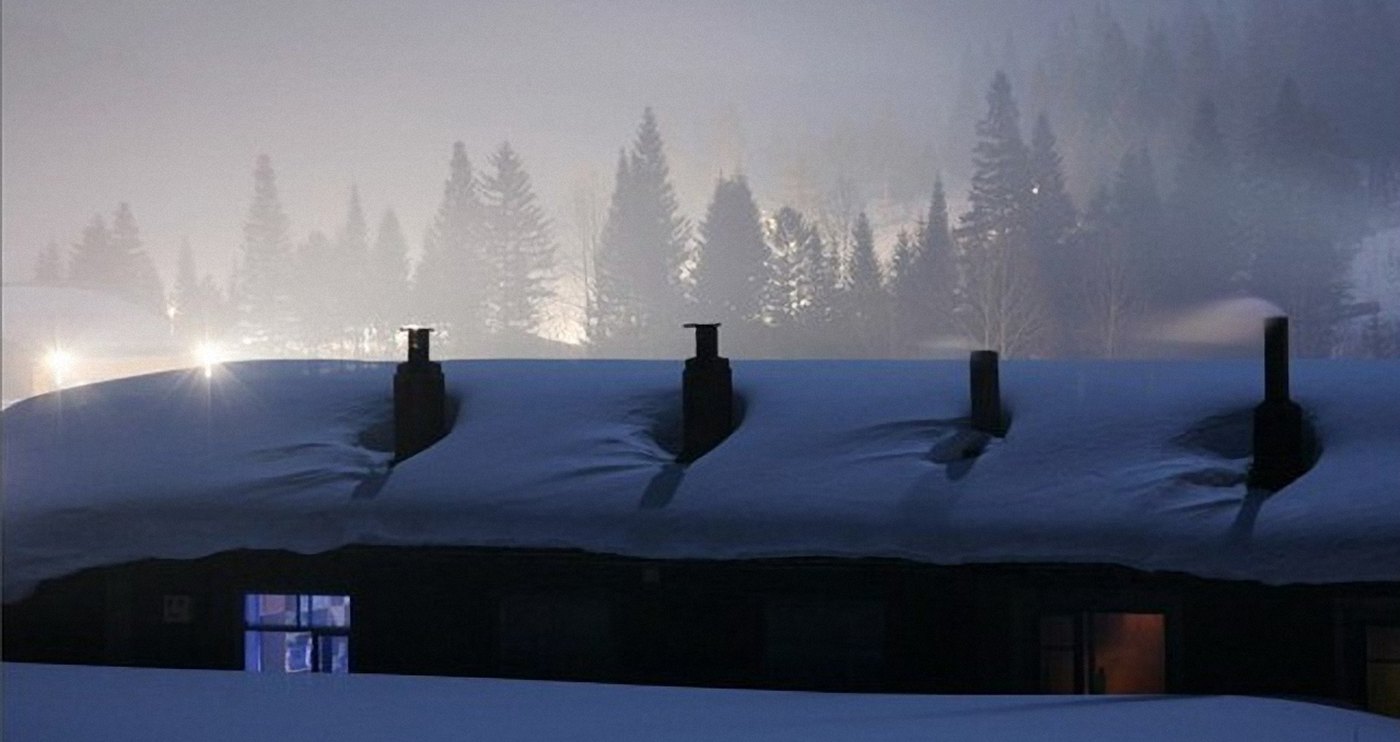
Five images, all from one winter flight, and they are the honest extent of what is available. The village sits low and long on the bank with steam standing straight up from a chimney in air cold enough to hold it. The river is a flat white plain, frozen hard enough to read as ground. The forest on the slopes is grey with hoar frost, and the sun stays low and blazes flat across the ice rather than climbing over it.
Between them they give the essential character of the place: horizontal, white, forested, and very cold. What they do not show is the village at close range, the border markers, any interior, or the summer, and that is a gap in the material rather than a judgement about what is there.
The catch. It is a very long way to go for a coordinate, and the journey is the larger part of the trip. The aurora is promoted and is unlikely. Winter cold here is in a different category from cold elsewhere in China and it needs proper equipment rather than an extra jumper. The village is small and can be walked in an hour. And almost nothing is explained in English.