 Illustration
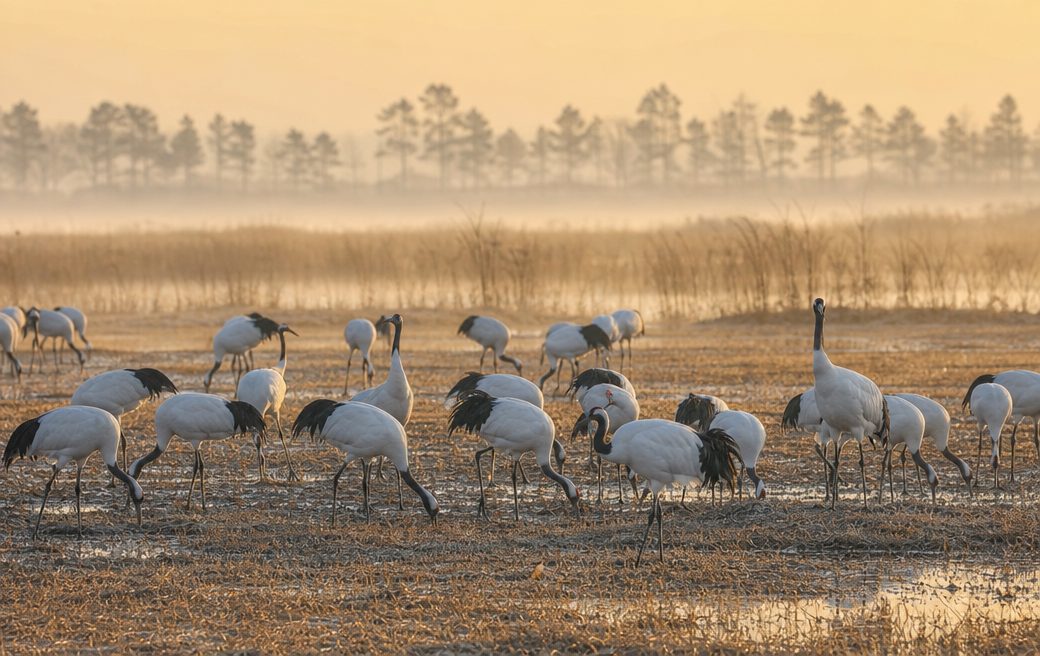
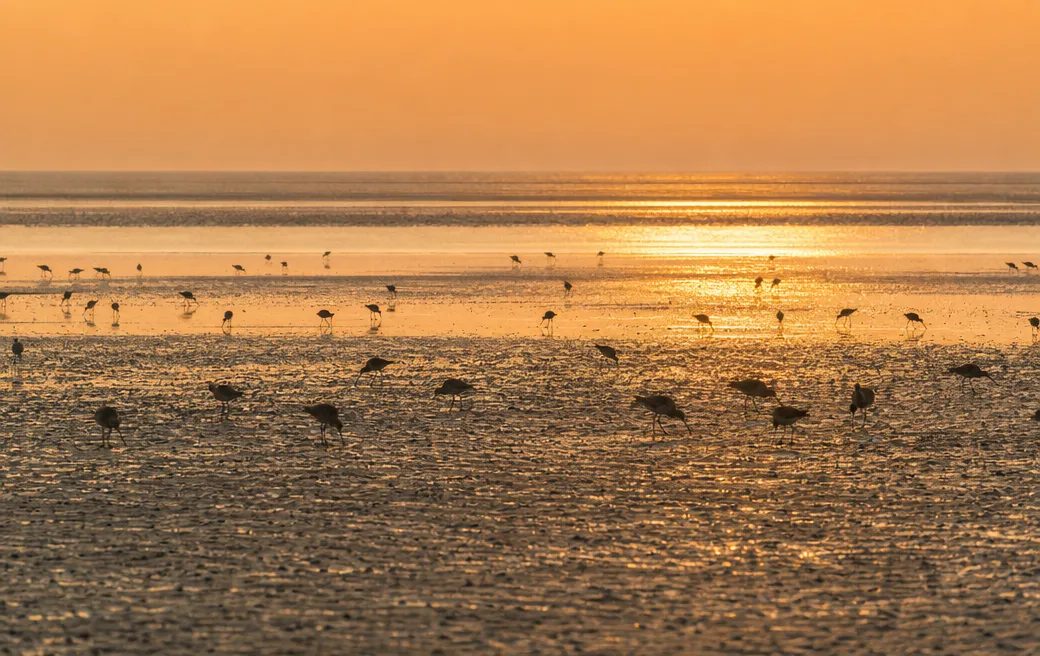
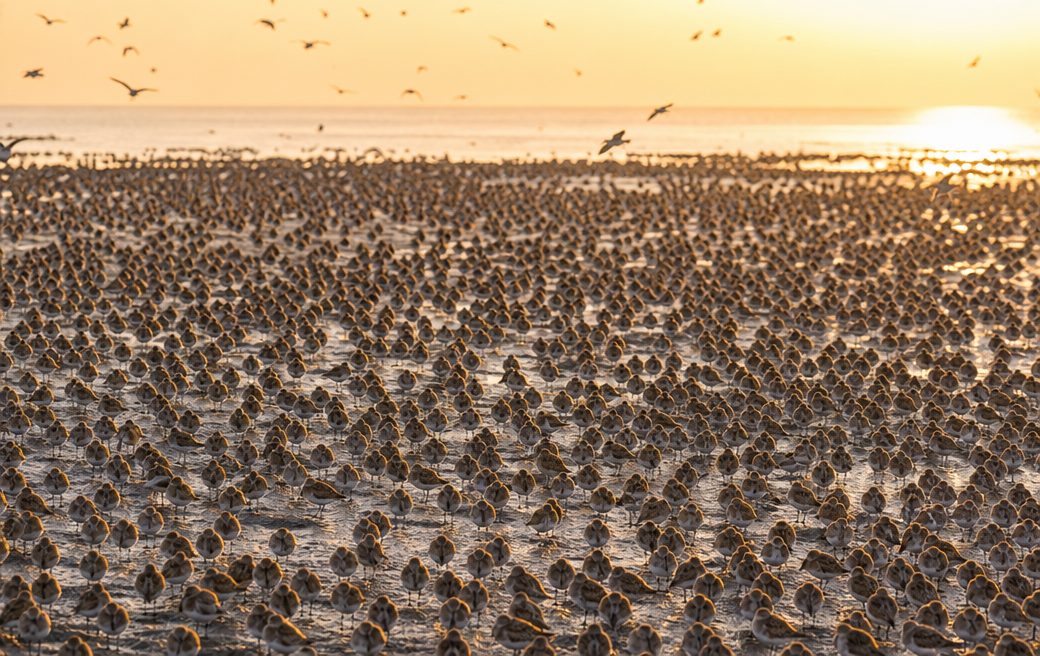
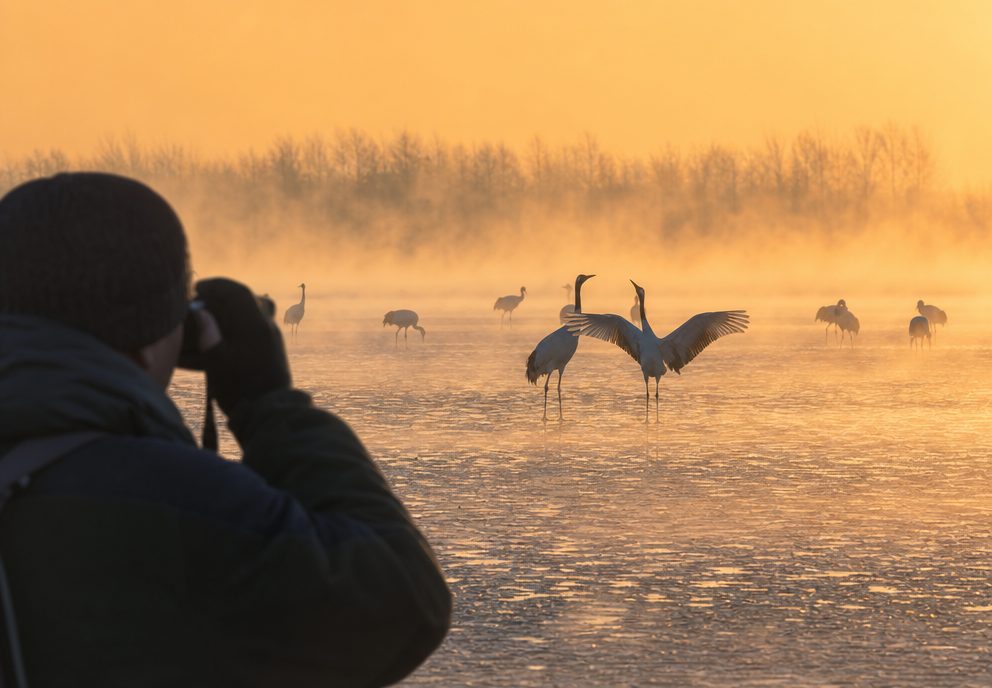
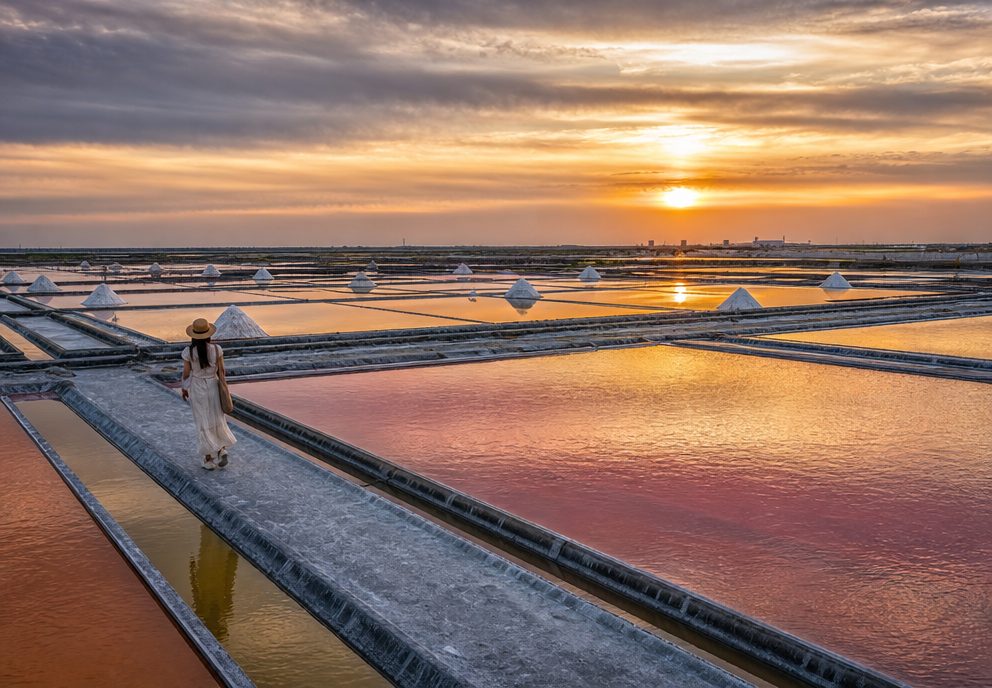
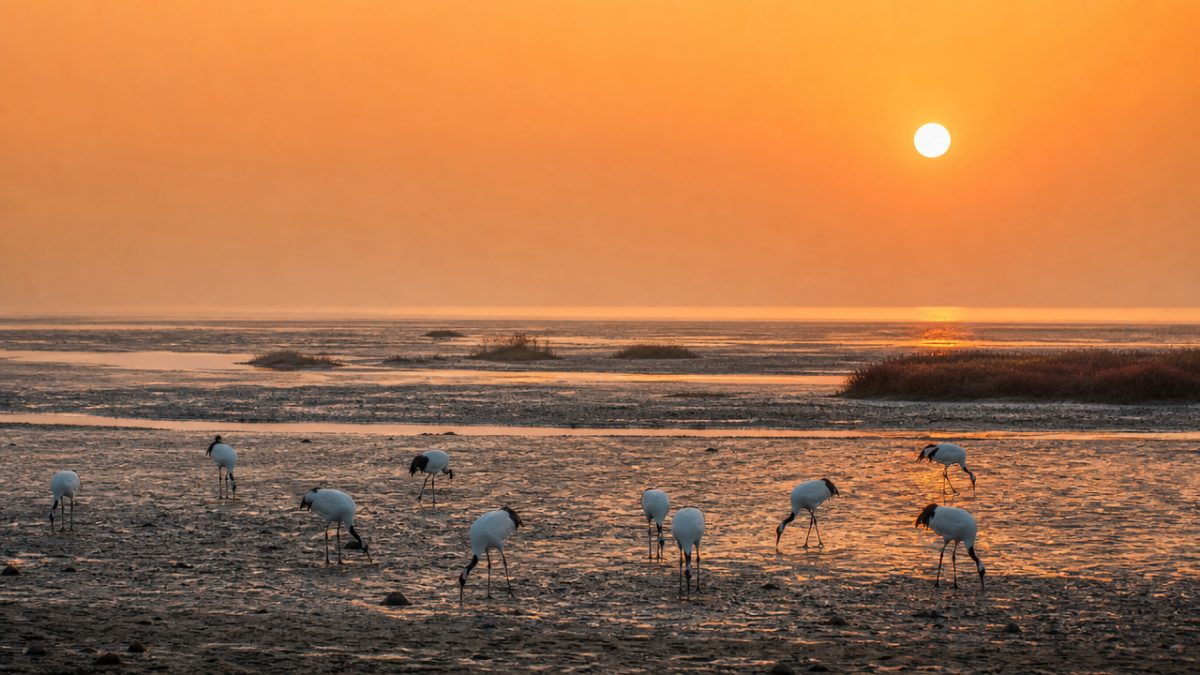
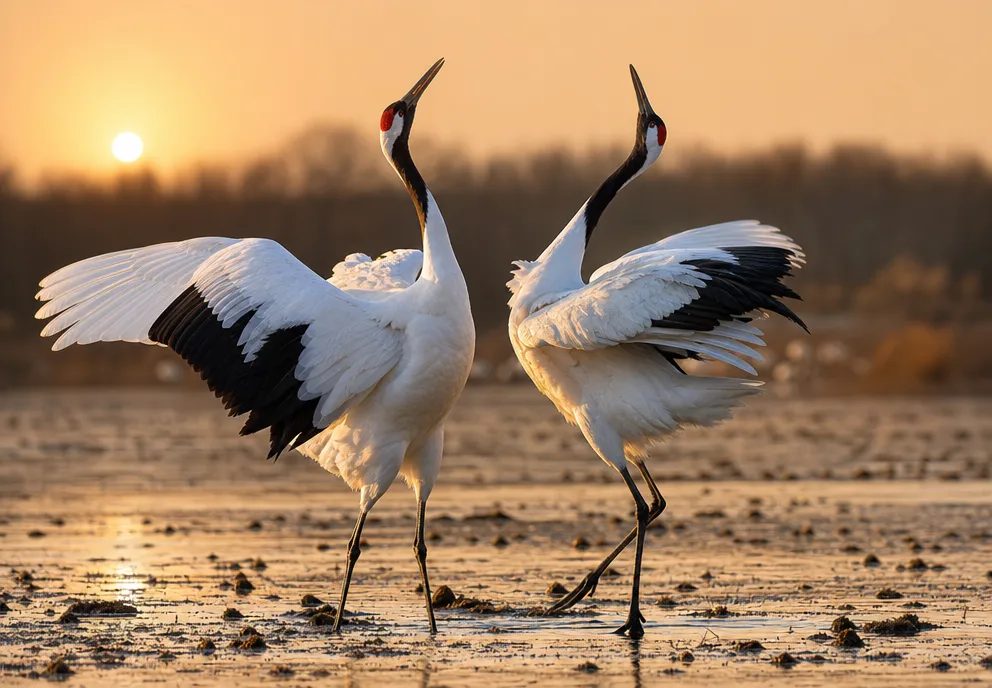
Yancheng means salt city, and it has been making salt on this coast since the Han. What it is known for now is birds. The coastal wetlands here were inscribed by UNESCO in 2019 as part of the Yellow Sea migratory bird sanctuaries, protecting the largest tidal flat system in Asia and a critical link on the East Asian-Australasian Flyway. Red-crowned cranes winter here in what is one of the last substantial wild concentrations of a species that appears in Chinese painting more often than it now appears in the wild.
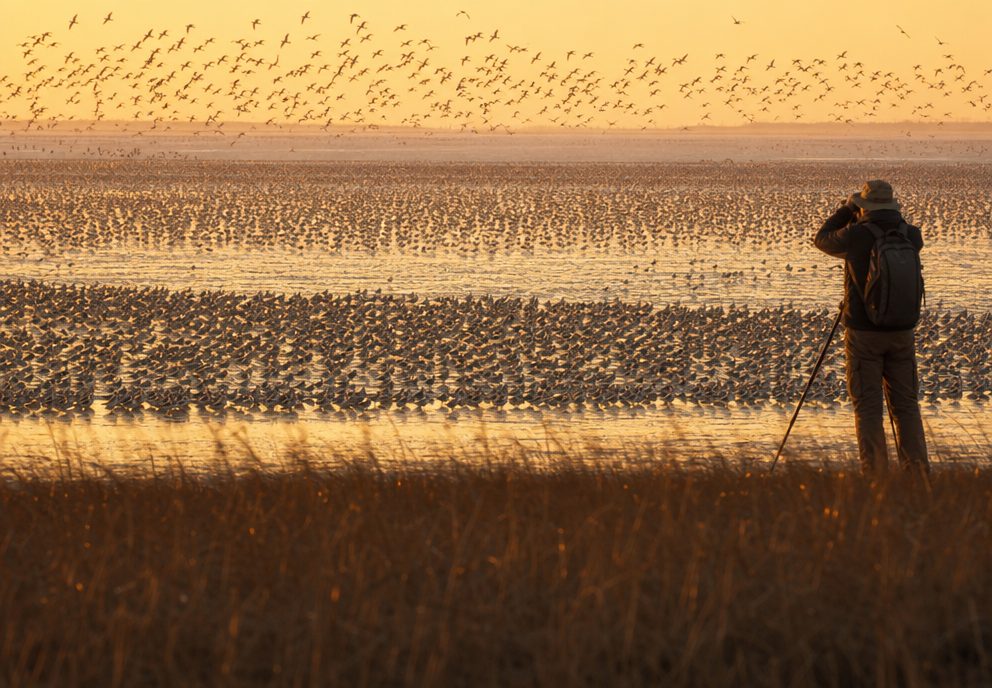
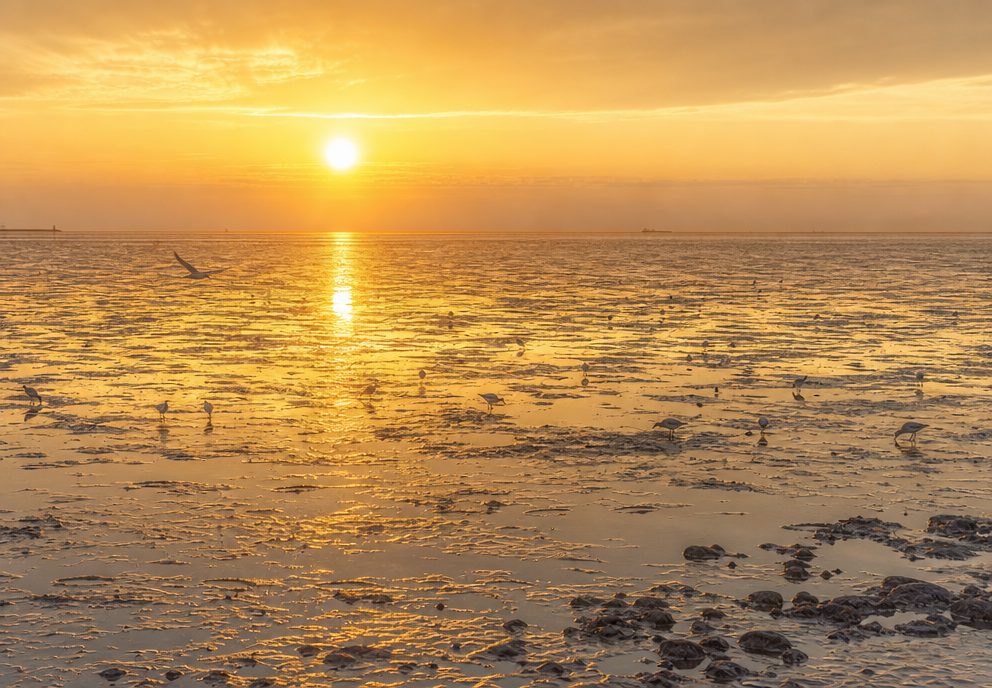
The Yancheng National Nature Reserve (盐城国家级珍禽自然保护区) and the adjacent Tiaozini wetland, whose tidal flats cover over 780,000 hectares of mudflat, salt marsh, and shallow coastal water, support populations of not only the red-crowned crane but also the Oriental white stork, spoon-billed sandpiper, Nordmann's greenshank, and dozens of other nationally and internationally protected species. For birdwatchers, the Yancheng coast represents one of the most important birding destinations in East Asia, a concentration of rare and globally threatened species that few other locations anywhere on Earth can match.