 Illustration
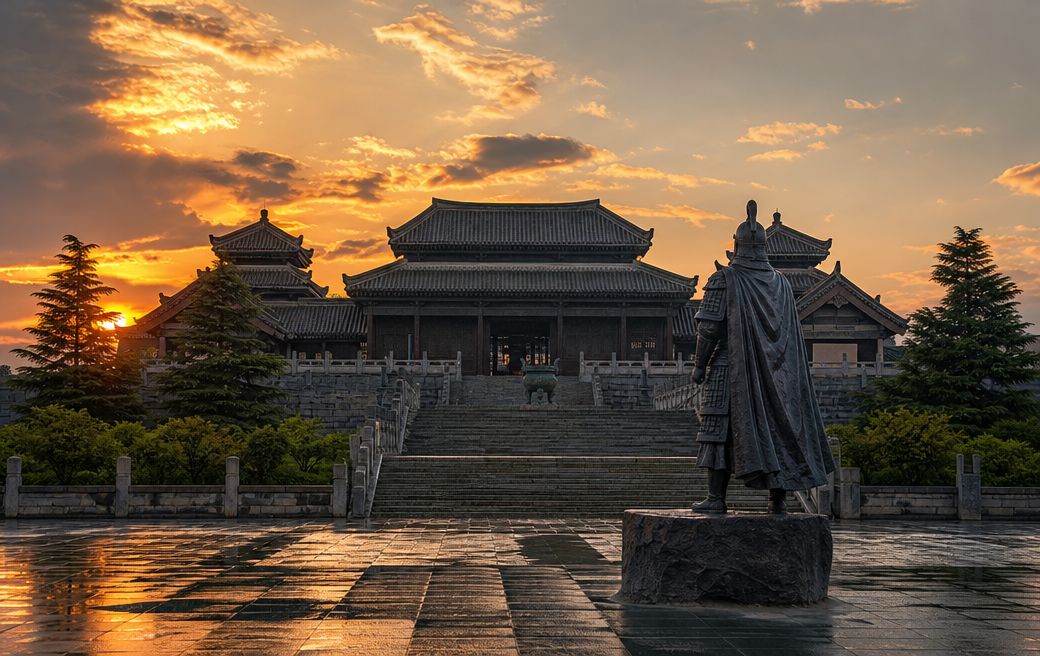
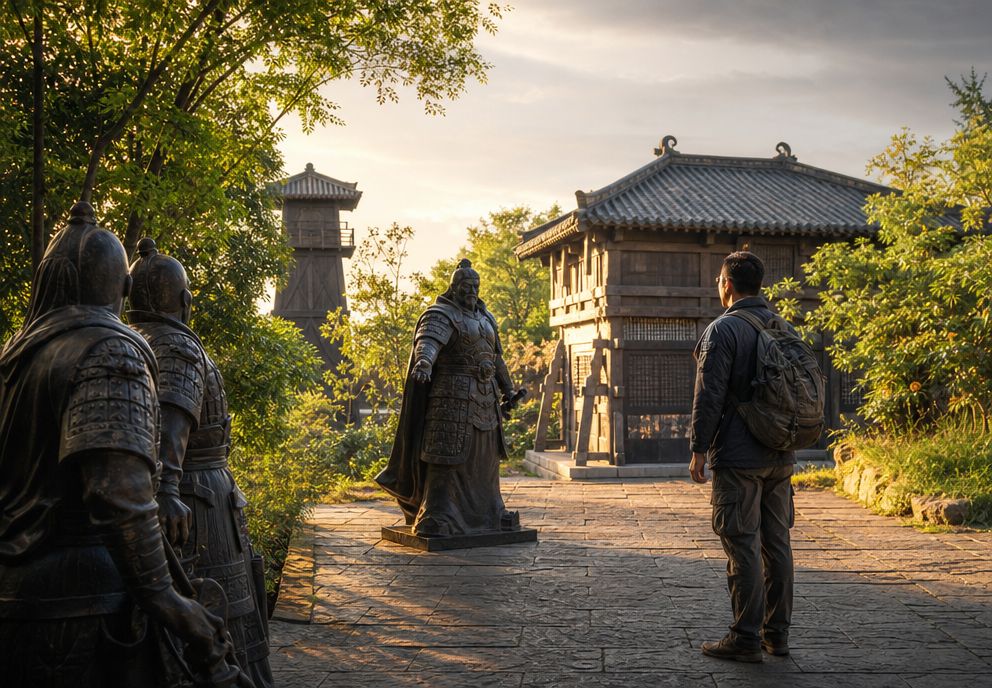
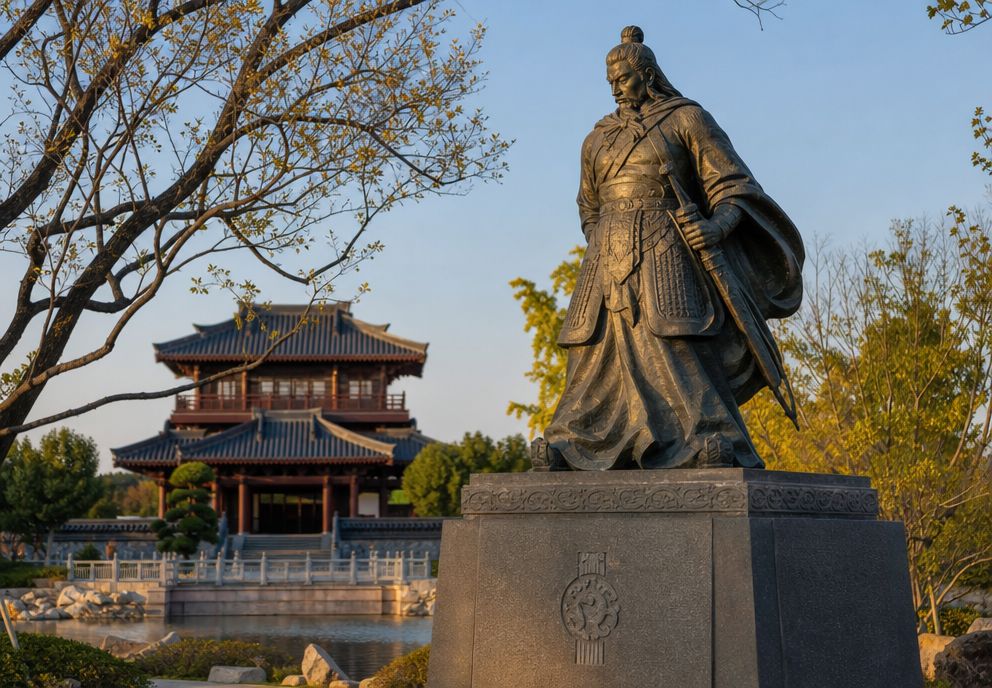
Suqian is northern Jiangsu's most underappreciated historically significant city, the birthplace of Xiang Yu (项羽, 232–202 BC), the Chu general whose military brilliance destroyed the Qin Dynasty only to lose the empire to Liu Bang's political cunning in the Chu-Han Contention. Xiang Yu is one of the most compelling figures in Chinese history, a warrior of matchless personal strength and battlefield genius whose tragic defeat at the Battle of Gaixia and subsequent suicide at the Wujiang River have made him the defining example of noble failure in Chinese literature and culture. The Xiang Yu Memorial Park in Suqian city documents his life with considerable emotional depth.
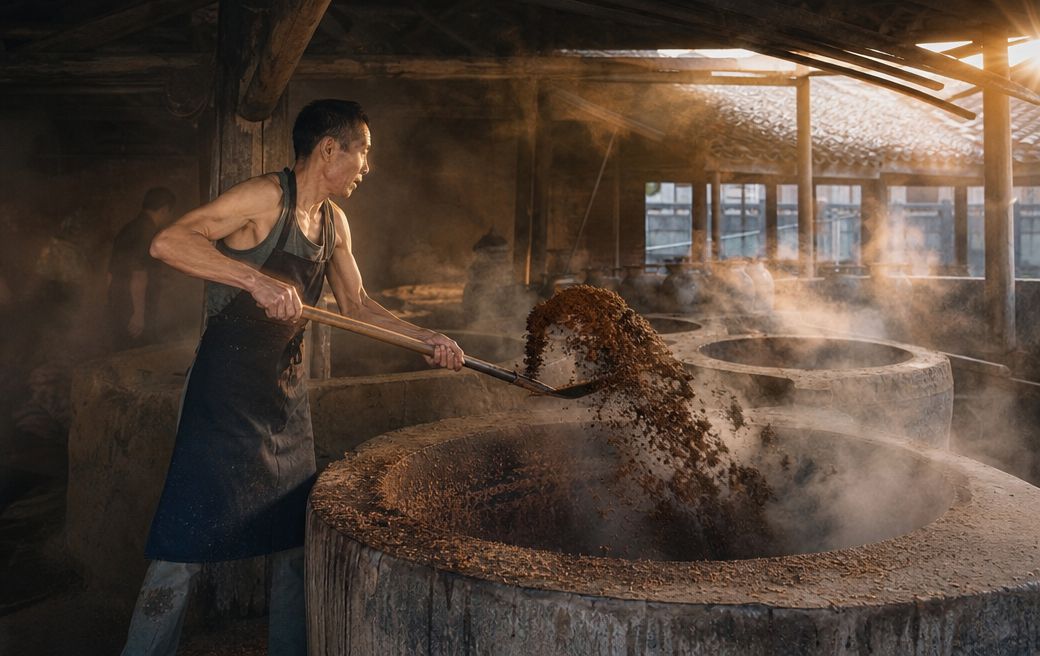
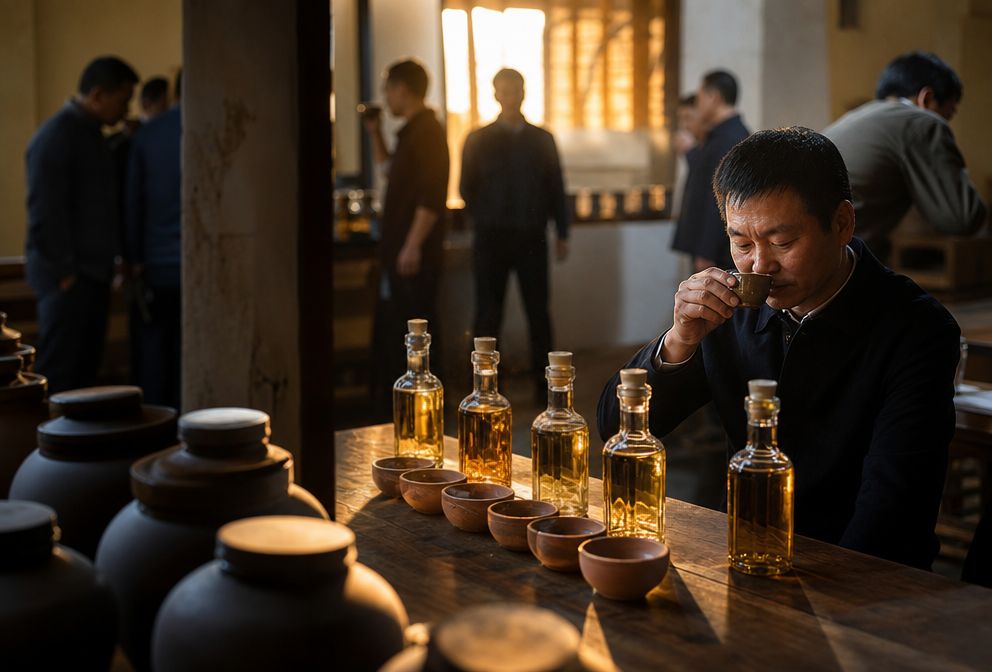
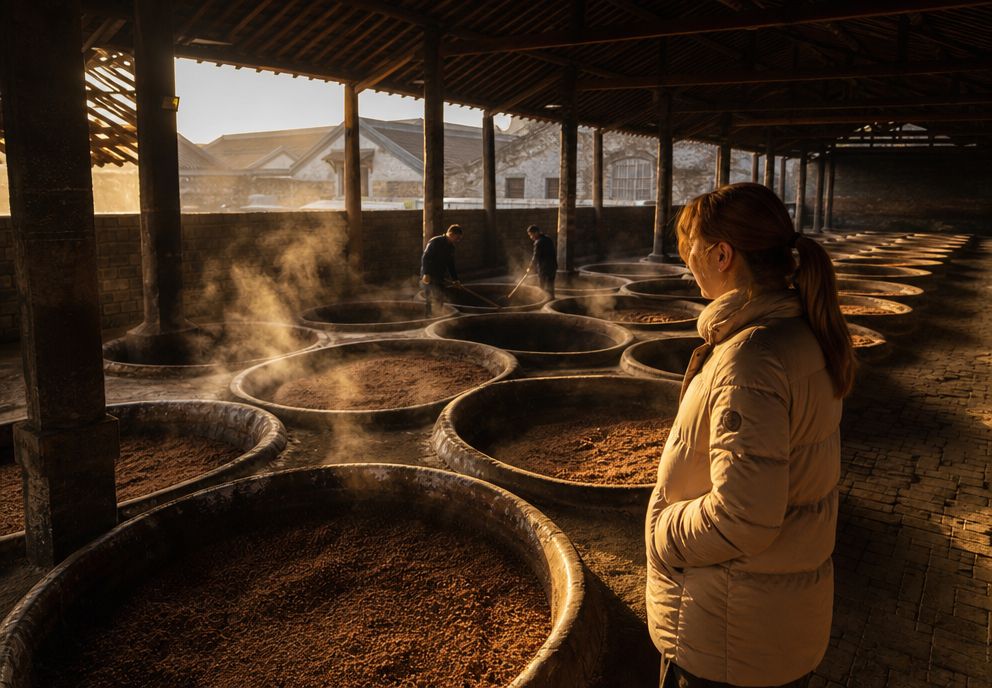
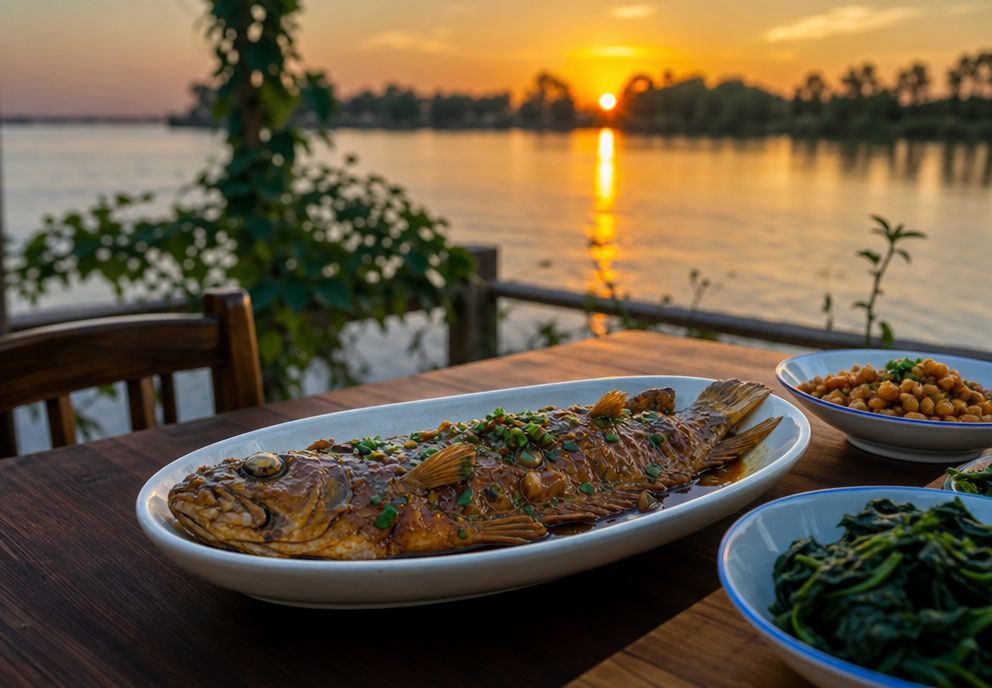
Suqian is where Xiang Yu was born, in 232 BC, and where two of China's nationally recognised baijiu brands are distilled. Xiang Yu lost the civil war that put the Han on the throne, and has been argued about ever since: Sima Qian gave him a chapter in the Basic Annals, the part of the Records reserved for reigning emperors, although he never took the title. His last night before the end, with Consort Yu, is the opera that Chen Kaige filmed in 1993 as Farewell My Concubine. Liu Bang, the man who beat him, came from Pei county in Xuzhou, a hundred kilometres away, so the winner and the loser of that war were near neighbours. Shuanggou and Yanghe are both made in this prefecture, and since 2010 by the same company. Luoma Lake, 375 square kilometres of open water and reed bed fed by the Yi River, is in the northeast.